





























Cosa sta succedendo alla strategia marketing di Apple? È arrivato l’intern Gen Z anche a Cupertino
Apple’s advertisements are so recognizable that over the years they have created an aesthetic of their own. They are clean, entertaining, aspirational. They remind you why you should use Apple to be on the right side of history and make you feel almost like a little hero of everyday productivity. In short, they are that dose of capitalist Millennial optimism that continues to work despite the fact that they ask you to pay €1500 for a phone without a charger and without headphones.
It is a marketing strategy built with great precision. Apple makes you feel seen, understood, almost celebrated, but at the same time it always maintains a certain distance. It never leans too far, never chases trends and above all never truly steps into pop culture in the strictest sense of the term. That is why the question is inevitable. If for more than thirty years this way of communicating has worked (and worked very well), why did Apple decide to use a viral audio from Dakota Johnson talking about limes to promote the new MacBook Neo?
Apple’s new TikToks
@apple i love limes
original sound - apple
In the past few days something in Cupertino’s communication seems to have slightly cracked, or perhaps simply updated itself. Apple has started to post on TikTok a series of videos explicitly designed to capture the attention of Gen Z. The content arrives in groups of three videos, each dedicated to a color of the new MacBook Neo. The first sets featured the citrus shade, then blush and finally indigo, while the silver model, which is among the available options, suggests that more videos could be coming in the next few days.
In one of the most shared videos, a lemon receives a FaceTime call from a lime, while another features the iconic Dakota Johnson audio from her AD interview, in which she showed how she arranges limes because she was «obsessed with them» (she later confessed to Jimmy Fallon that she is actually highly allergic to the fruit). In the videos dedicated to the blush color, the Finder icon appears blushing like an anime character, almost embarrassed — an UwU girl, for those in the know. For the indigo blue version there is a fragment of archive footage from the Macintosh launch in 1984, with a caption that spells the word «mother» in Morse code.
Open comments for a more democratic Apple
@apple getting ready
original sound - apple
Some users initially thought Apple’s TikTok account had been hacked, while many others embraced the strangeness of the campaign with enthusiasm, precisely because it completely breaks with the brand’s hyper-controlled image. Another interesting detail concerns the comments, since Apple has historically limited or disabled them across its social profiles, maintaining the almost institutional distance that has characterized the brand for years.
This time, however, the comments are open, and the result is that under each video a fertile ground for memes and discussions has emerged, with users trying to figure out whether the citrus nonsense hides a precise strategy, whether Apple is simply testing new waters or if «they finally hired the Gen Z intern for the marketing department».
The debut of “Lil’ Finder Guy”
UNE MASCOTTE CHEZ APPLE !!
— Kultur (@Kulturlesite_) March 8, 2026
Apple a dévoilé « Lil’ Finder Guy », une petite mascotte 3D inspirée de Finder, pour accompagner le lancement du MacBook Neo.
La figurine est apparue lors d’un live TikTok et semble incarner une communication plus fun et tournée vers la Gen Z pic.twitter.com/LaQw9LiIlT
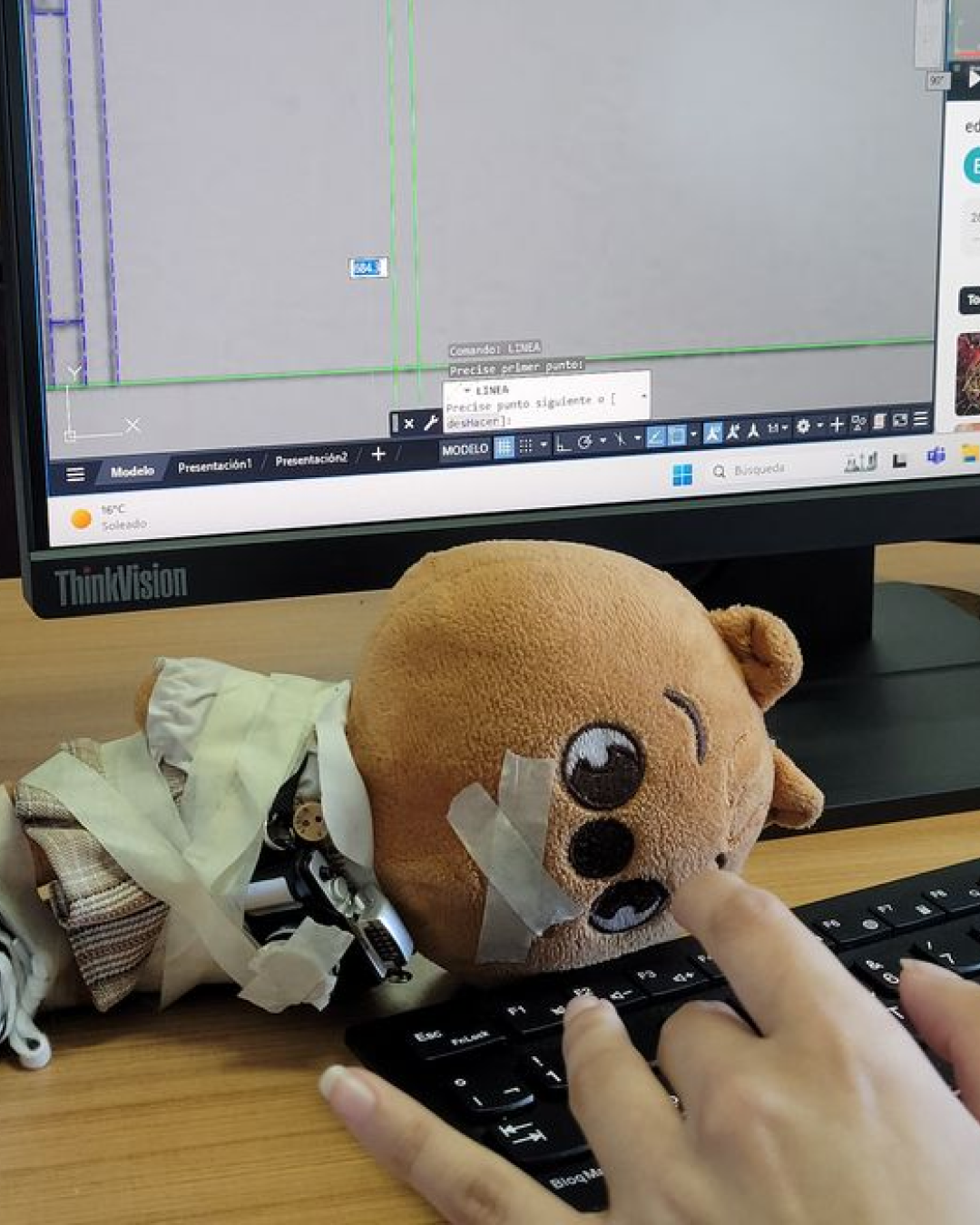
The most curious moment of the campaign arrived during a TikTok livestream called «Matcha Break with MacBook Neo». During the live stream, Apple introduced a small three-dimensional mini figure inspired by the Finder icon, a sort of mascot that was quickly nicknamed «Lil’ Finder Guy» by some users on Twitter. The figurine, which almost resembles a Smiski, appeared while the creators involved in the livestream talked about the new laptop while drinking matcha. A format very far from the classic Steve Jobs keynotes, more relaxed, more like a livestream, and closer to the language of Twitch streamers than that of tech multinationals.
A change in strategy?
Apple has never needed to chase social media trends to sell its products. In fact, the brand has always preferred to dictate the visual language. TikTok, however, works differently. Here the winners are not necessarily the most elegant brands, but those that manage to appear spontaneous, more relatable, even when there is a very calculated strategy behind it.
After all, it is no coincidence that these videos have not landed on any other platform. On Instagram the Cupertino brand remains focused on #ShotOniPhone content, while on YouTube there are only long-form contents such as ads, miniseries promoting their products and short films and documentaries shot with iPhones as cameras. On Twitter, meanwhile, the brand has exactly zero posts (perhaps to avoid falling into Elon’s claws). Will this new side of the brand stay? Most likely, once the campaign is over it will become a distant memory, but for a brief moment we can say that Loewe and Apple competed to be the funniest brand on TikTok.