






















Disney will bring back Jimmy Kimmel's talk show The boycott was successful
The temporary suspension of one of the most famous talk shows in the United States, Jimmy Kimmel Live!, after its host commented on the death of right-wing activist Charlie Kirk, led to a series of very strong reactions from numerous Hollywood actors and beyond. The suspension of the program was ordered by Brendan Carr, director of the Federal Communications Commission (FCC), the U.S. government agency responsible for telecommunications. Appointed directly by Trump, Carr had threatened ABC, the network airing Jimmy Kimmel Live!, and the Walt Disney Company, owner of the TV network, with heavy sanctions if the show was not removed from the schedule. Within a few hours, while an episode was being prepared in which Kimmel was to speak precisely about the intimidation he had received, the talk show was suspended indefinitely.
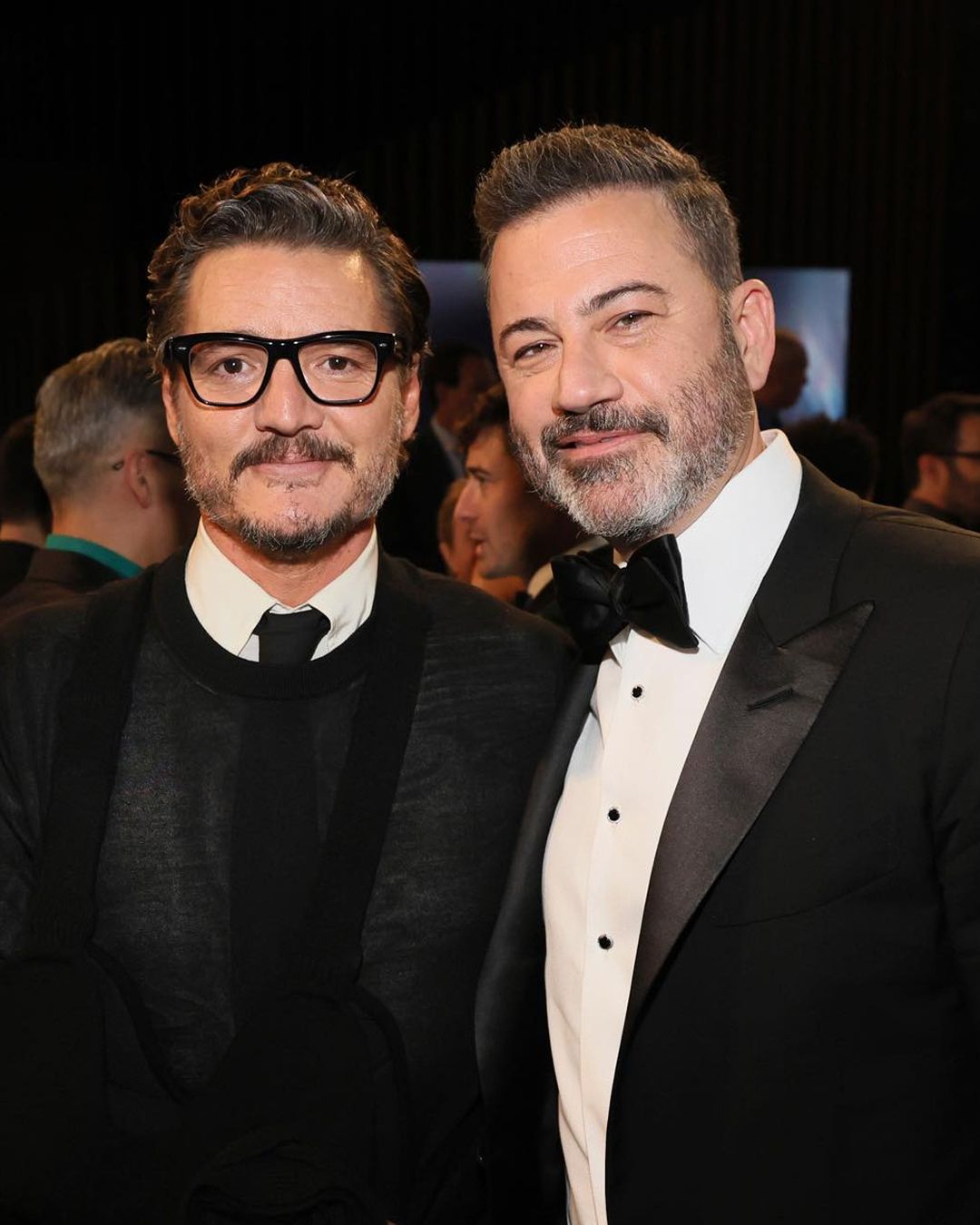
In response, numerous actors – as well as screenwriters, TV hosts, and figures from the entertainment industry – reacted to this stance with a boycott campaign against Walt Disney Company, which they deemed excessively accommodating toward Trump’s aggressive politics. Thanks in part to this mobilization, Walt Disney Company then announced that the program would return on air. Several well-known Hollywood figures collaborating with Disney, including Tatiana Maslany (star of the series She-Hulk: Attorney at Law) and Marisa Tomei (who stars in the Spider-Man films with Tom Holland), had publicly asked their followers to cancel their subscriptions to the company’s streaming platforms, such as Disney+. Cynthia Nixon (aka “Miranda” in Sex and the City) did the same. Pedro Pascal, meanwhile, who recently starred in the film Fantastic Four – First Steps (produced by Marvel, which is controlled by Disney), posted on Instagram a photo of himself with Jimmy Kimmel, urging users to defend democracy and freedom of expression.
What happened with Jimmy Kimmel?
@fallontonight Jimmy reacts to ABC’s decision to suspend @Jimmy Kimmel Live after pressure from the FCC, leaving everyone thinking WTF? #FallonTonight #TonightShow original sound - FallonTonight
The suspension of the Jimmy Kimmel Show! was also criticized by figures not directly linked to Disney, such as comedian Rosie O’Donnell. Moreover, the day after the show’s cancellation, hundreds of people gathered to protest against the company’s decision in front of its headquarters in Burbank, north of Los Angeles, causing a sharp drop in the stock’s value. In a statement, Walt Disney Company explained that it had chosen to put the talk show back on air after discussions with Kimmel himself, and that the program had been suspended in an attempt to “cool down” tensions in the country. But this is just the latest move by the Trump administration that has stirred public debate. For months, for instance, the U.S. president has been using at will the influence and powers of the FCC, which grants licenses to private networks on the condition that they meet certain standards of public interest.
Until now, the law regulating this aspect had always been interpreted rather flexibly and, above all, had never been exploited to so blatantly interfere with the editorial choices of individual networks. But the FCC is also responsible for approving or rejecting corporate acquisitions in the infotainment sector: recently, Trump allegedly leveraged precisely this point to shut down the Late Show with Stephen Colbert, a well-known talk show critical of him, broadcast on CBS and produced by Paramount. According to several reports, Paramount decided to suspend the program out of fear that the FCC would deliberately obstruct its ongoing acquisition of the production company Skydance.
America in times of censorship
Full statement from Disney brining back Jimmy Kimmel’s late-night show. https://t.co/SqUi2LNTVb pic.twitter.com/YIFMBadket
— Politics & Poll Tracker (@PollTracker2024) September 22, 2025
Recently, there have also been several episodes of censorship that were less sensational but still significant. In February, for example, the Trump administration denied the renowned news agency Associated Press access to the White House, after it refused in its articles to change the name of the Gulf of Mexico to “Gulf of America” (as the president wanted). But restrictions on freedom of expression do not affect only the media. For some time, several observers have claimed that the Trump administration intends to launch investigations into progressive political foundations, exploiting in its favor (as with TV networks) the interpretation of a specific law – the one regulating anti-corruption, by revoking the tax benefits previously granted to NGOs considered left-leaning. This strategy, however, is entirely consistent with Trump’s behavior since – in January – he began his second term: the White House chief has repeatedly pushed his powers beyond the usual limits of a president, as when he launched a campaign against universities, threatening to cut funding if their internal policies did not align with his demands.