





























Trump is limiting freedom of speech in the United States He is taking measures considered very controversial even by his own standards
Recently in the United States, one of the most popular talk shows in the country was suspended indefinitely. The program is hosted by Jimmy Kimmel, who was informed of the decision shortly before an episode – the talk show aired every evening from Monday to Thursday and had been running since 2003. The short notice immediately suggested that the suspension of the talk show was related to Kimmel's comments on the killing of Charlie Kirk, the far-right activist murdered during a public event in Utah. In the opening monologue of a recent episode, Kimmel stated that the MAGA movement was politically exploiting Kirk's death, accusing the person suspected of the murder of holding views opposite to those of Trump supporters, although the issue was evidently more complex. But Kimmel is not the only one to have lost their job because of this incident and his opinions on it.
In the United States, dozens of people have recently been fired or suspended after being reported by right-wing activists for social media posts considered “disrespectful” toward Kirk. These episodes are part of a broader campaign in which the Trump administration seeks to exploit Kirk’s murder to attack those presumed to have progressive positions. For example, a well-known political journalist from the MSNBC network, Matthew Dowd, was fired after speculating live that Kirk's violent rhetoric may have influenced his murder. Then there is the case of the well-known U.S. chain Office Depot, which announced that it had fired several employees who refused to print a commemorative poster for Kirk. The Wall Street Journal reported on what happened to an elementary school principal in Wisconsin, accused of posting a video celebrating Kirk’s death. The post was fake, but the school still faced heavy pressure from right-wing activists to fire the unfairly implicated principal.
The few available details about the motive of the person who shot Charlie Kirk do not clearly place them in the conservative area or in the progressive current, although their family has stated that they have long supported Trump. As several analysts have pointed out, this kind of classification can be entirely misleading, given how many young Americans form their political positions. In recent years, in fact, there has been an increase in mass shootings carried out by very young people with seemingly inconsistent positions: they are often individuals who spend a lot of time in specific online communities, such as Discord, Reddit, Telegram, and X, and who do not operate according to the traditional “right-left” political spectrum, but rather based on a contrast between social disorder and established order. Kimmel's monologue sought precisely to highlight this aspect, accusing Republicans of exploiting the case to fuel a hate campaign against the progressive wing. However, Kimmel’s viewpoint was immediately criticized by various figures of the U.S. right. Brendan Carr, chairman of the Federal Communications Commission (FCC), the government agency overseeing telecommunications in the U.S., had threatened sanctions against ABC, the network broadcasting Kimmel’s program, warning that the network would risk license revocation if the talk show was not canceled. But this is not an isolated case: for some time, the Trump administration has sought to influence media and institutions considered hostile and limit their freedom of expression, adopting measures and procedures deemed very controversial by the standards of Western democracies.
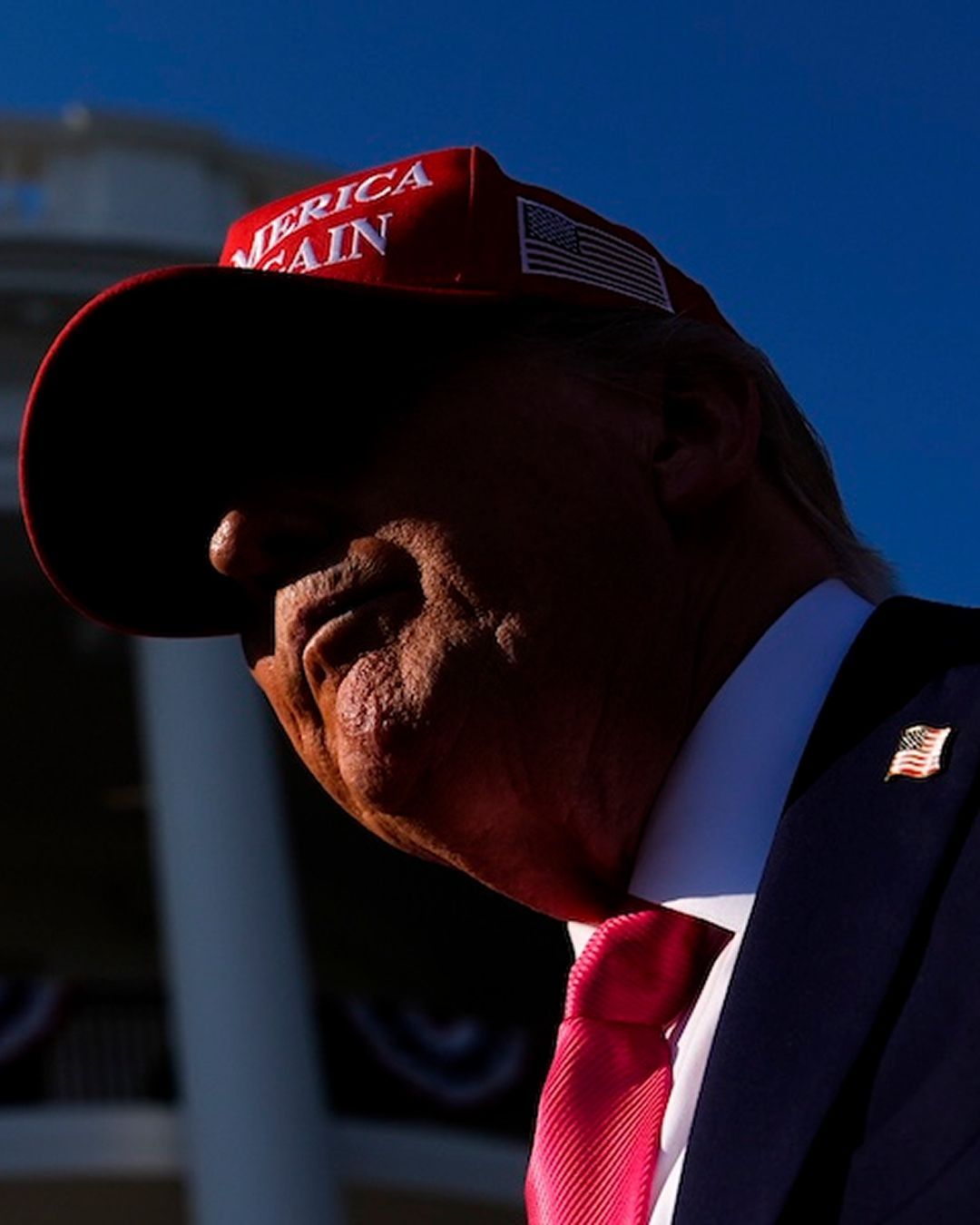
The closure of Jimmy Kimmel’s program occurred just months after the suspension of the Stephen Colbert late show, another historic U.S. broadcast airing on the CBS network. The network attributed the decision to financial problems, but many observers speculated a link with the host's continuous political monologues against Trump, especially since the talk show had recently won an Emmy for “Best Variety.” After the announcement of Colbert's talk show closure, Trump wrote on his social platform Truth that Jimmy Kimmel would be next to be fired (and so it happened), followed by Jimmy Fallon. There is also another way the Republican administration tries to influence the media: lawsuits. Recently, Trump sued the New York Times for defamation, seeking 15 billion dollars in damages, accusing the newspaper of being a mouthpiece for the Democratic Party. A few months ago, he had filed a similar lawsuit against the Wall Street Journal, demanding 10 billion dollars in compensation. But on closer inspection, the political violence promoted by the U.S. right appears in stark contrast to its stance when the victims are left-wing figures. For example, shortly after Paul Pelosi, husband of former House Speaker Nancy Pelosi (Democrat), was attacked by a right-wing extremist, Trump helped spread conspiracy theories about the couple, never actually condemning the aggressor. Similarly, George Floyd – the African-American man whose killing by police in 2020 sparked anti-racist protests by the Black Lives Matter movement – was called "scum" by Charlie Kirk shortly after his death.