







































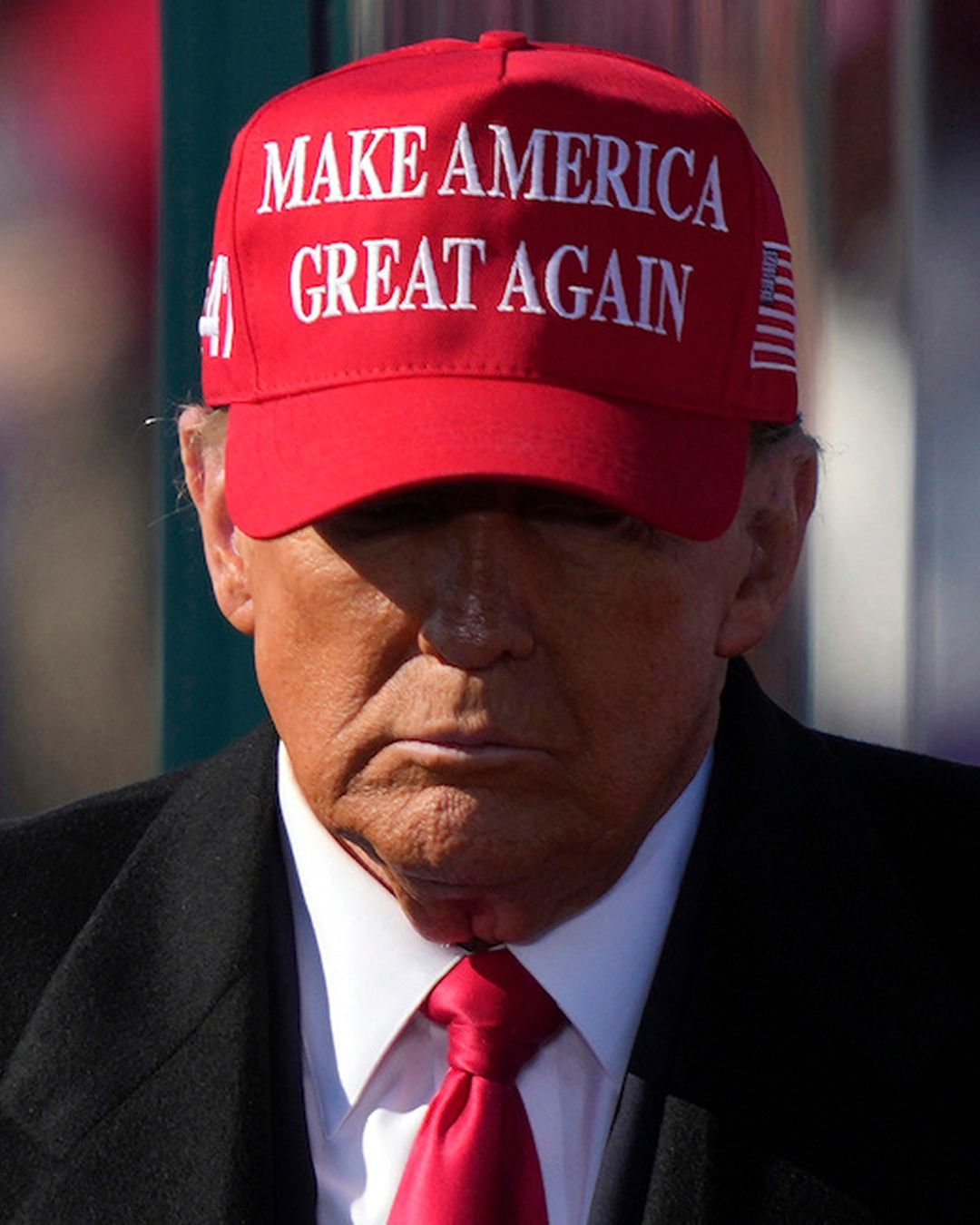
In what sense is the MAGA movement now against Big Tech? The faction is increasingly critical of Trump’s support for the major technology companies
In the 2025 edition of National Conference 5, one of the most important events for the American right, held this year in Washington at the beginning of September, many speakers attacked the big tech companies and the growing development of artificial intelligence, describing them as a threat to Western values and accusing them of encouraging unemployment. Prominent figures of the MAGA movement, such as Steve Bannon (former Trump adviser, still very influential in the American right and representative of the most populist current), also harshly attacked Silicon Valley, accusing it of promoting progressive ideologies. Some speakers even suggested the possibility of allying with labor unions – historically distant from right-wing ideology – just to oppose Big Tech. Observers fear that this trend toward a more skeptical stance toward big tech companies by the MAGA movement – created by Trump and named after his famous slogan “Make America Great Again” – will partly influence the choices of right-wing voters in the United States. It is unclear how much Trump will be influenced by the vision of the more populist wing of his movement, or how much he will instead remain faithful to the Republican line. His decisions so far have been contradictory: it is true that he has distanced himself from Elon Musk and what he represents, and that he has recently shown great irritation at his statements; at the same time, his government has so far largely supported Big Tech.
Last May, for example, Trump visited the Middle East, and accompanying him were many entrepreneurs from the technology sector, including Sam Altman and Jensen Huang, respectively heads of OpenAI and Nvidia, demonstrating how close the sector is to the president. More recently, Apple – during a meeting at the White House attended by Tim Cook himself – announced that it will invest $100 billion in the United States, after already promising last February to invest $500 billion over the next four years. The strategy of Apple, like that of many Big Tech companies, is closely linked to Trump’s tariff policies, which have already damaged the sector, and is aimed at “containing the damage” and the president’s unpredictability. In this context, recently, Nvidia and the tech company Advanced Micro Devices (AMD) agreed to pay the U.S. government 15 percent of the revenue from their exports of AI chips to China. This is a very unusual practice, also because – if you notice – it is a very high percentage of their turnover. Once again, however, it is an agreement aimed at currying favor with Trump, who is precisely seeking to increase his government’s influence in the overseas operations of Big Tech, with very aggressive trade policies, especially in sectors considered strategic such as artificial intelligence.
However, as emerged from the NatCon 5 panels, the most populist wing of the MAGA movement is increasingly critical of Trump’s unconditional support for big tech companies – something unthinkable until not long ago. Most likely, this change of position has been influenced by several cases of AI interactions that ended very badly: they have been widely reported by the media, especially in the United States, and in some ways highlight the risks that – under certain conditions – are still run when relying almost entirely on chatbots. The New York Times, for example, recently published a lengthy article – which sparked much debate – in which a mother recounted the suicide of her daughter, who had confided for many months with “Harry”, a prompt that thousands of users worldwide use to ask ChatGPT to act as a sort of psychotherapist. Not surprisingly, as reported by The Verge, one of the sessions at NatCon 5 was titled "Technology and the Future of the Family," and addressed social media addiction and the relationship of young people with chatbots based on artificial intelligence systems. Indeed, according to many therapists and psychologists, one of the main limitations of tools like ChatGPT, especially when used as a substitute for a psychologist, is the lack of effective mechanisms to promptly alert authorities, especially when faced with users who express suicidal thoughts.