























No singer wants Trump to use their own songs The latest to take a stand was Sabrina Carpenter, but the list is long
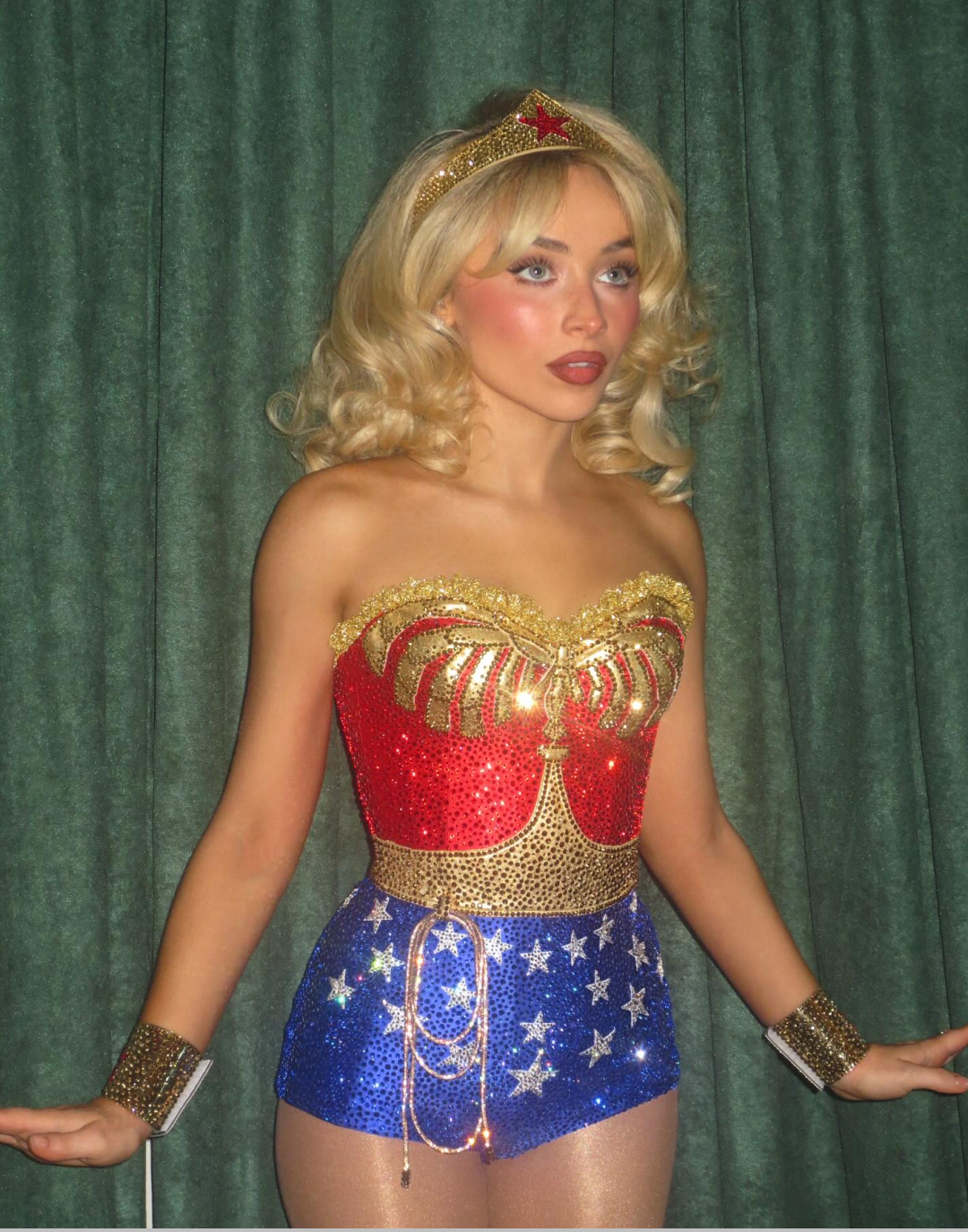
Recently, the ICE, the United States federal agency in charge of immigration and which reports directly to the White House, used the famous song “Juno” by Sabrina Carpenter as the background music of a video promoting its activities – judged by many as controversial and excessively violent toward migrants.
“Juno” is about an attraction so intense toward a man that the person feeling it wishes to have a child with him; during the line «Have you ever tried this one?», Carpenter playfully mimics a different sexual position or an ironic skit at each concert.
In the video released by ICE, the line in question was turned into a sarcastic slogan, accompanied by images of the arrest of several people pinned to the ground. Carpenter immediately distanced herself from the footage, calling it «evil and disgusting», and demanding that the Trump administration stop using her music.
The music world against Trump
It is not the first time the White House has used popular pop songs in its promotional videos. Recently, for instance, Olivia Rodrigo criticized Trump’s staff for using an excerpt of her song "All-American Bitch" in a video published on the Instagram account of the Department of Homeland Security, aimed at encouraging irregular immigrants to voluntarily leave the United States.
In August 2024, meanwhile, Universal Music formally asked the Republican Party to stop using songs by Abba during presidential campaign events. The record label took a stance after three songs by the famous Swedish group (“Money, Money, Money”, “The Winner Takes It All”, and “Dancing Queen”) were played during a Trump rally in Minnesota. Shortly beforehand, the management and record label of Canadian singer Céline Dion had done the same after Trump’s campaign committee used her famous song “My Heart Will Go On” (the soundtrack of Titanic) during a rally in Montana.
this video is evil and disgusting. Do not ever involve me or my music to benefit your inhumane agenda.
— Sabrina Carpenter (@SabrinaAnnLynn) December 2, 2025
For several years now, many singers and musicians have been annoyed or have even taken legal action because their songs are used during Republican Party electoral events without authorization. In 2020, for example, Canadian singer and musician Neil Young sued Trump in a U.S. federal court, accusing him of copyright infringement for using two of his songs – “Rockin’ in the Free World” and “Devil’s Sidewalk” – during a rally in Oklahoma.
Besides Neil Young, ABBA, Olivia Rodrigo, and Sabrina Carpenter, many other artists have taken a stance against Trump’s staff using their songs indiscriminately: among them are Rihanna, Elton John, Pharrell Williams, the Rolling Stones, Axl Rose, R.E.M., and Adele. More generally, the number of singers and bands that have publicly criticized Trump and his rhetoric is quite high – as in the case of the Green Day, Taylor Swift, Katy Perry, or Bruce Springsteen.
Can Trump be prevented from using a song?
But does a singer actually have the power to stop a politician from using their song? And what real options do they have in such cases? The issue was also examined by the New York Times, which noted that in the United States most political committees enjoy broad freedom in using hit songs thanks to the agreements – sometimes quite old – that artists sign with intermediary copyright management organizations.
For some time in the United States, many singers and musicians have been calling for the political use of their songs to be treated like usage in the film or advertising industry, where an explicit agreement with the rights holder is required for reproduction.
The fact remains that before Trump arrived at the White House, it was usually enough for an artist to openly express their opposition to the use of their song in a political context for a party or candidate – whether right or left – to immediately stop using it. Trump, however, once again takes a completely atypical approach, aggressive and dismissive: as the Washington Post writes regarding the Sabrina Carpenter case, «Trump’s staff has been very clear about one thing: they don’t care at all» about the singer’s complaints.
What to read next
Everything you need to know about the Elon Musk documentary
Directed by a highly experienced filmmaker, it has already been criticized by the founder of Tesla and SpaceX
Why was a naked Trump golden statue displayed at the European Parliament?
It's called "The Orange Plague" and is the latest work by Danish sculptor Jens Galschiøt
Why are there so many AI political propaganda videos?
We asked Donatella Della Ratta, communication professor at John Cabot University