
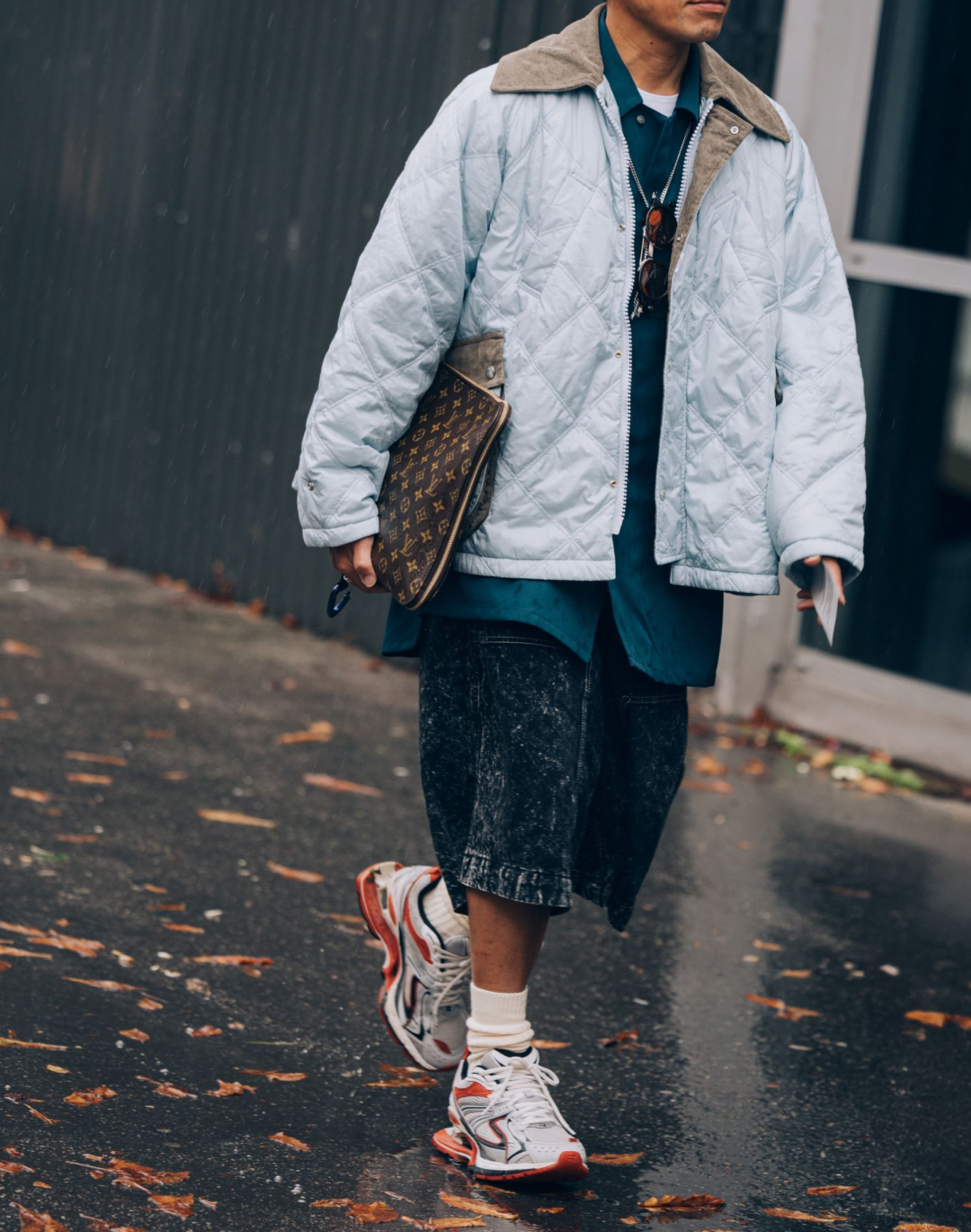
Sports people are the new hypebeasts The sneaker market has changed, and with it, its customer base
There was a time, between the late 2010s and the start of this decade, when thousands of young people would spend hours staring at their screens trying to “cop” the latest drop on SNKRS, Nike’s official app. It was the era of the Jordan 1, the Dunk Low, and collaborations with Travis Scott or Off-White, when a sneaker wasn’t just a shoe but a social passport. They were called hypebeasts or, in their more purist form, sneakerheads. They had GOAT and StockX bookmarked, flipped sneakers like small-scale luxury brokers, and built their aesthetic through Instagram feeds filled with American trap music and the uniforms of Supreme, Palace, and BAPE.
In those years, hypebeasts were a dominant subculture, the meeting point between street and luxury, direct predecessors of the maranza, the Opium aesthetic, and the Hedi Boys. Then, with the pandemic, something broke. Sneakers lost their aura of desire and, along with it, the logic that sustained them. It wasn’t just about silhouettes falling out of style, but about what they represented. Spending 300 euros on a pair of shoes only to keep them boxed up no longer seemed aspirational but out of touch. Stuck at home, with a newfound appreciation for practicality, nature, and comfort, consumers began to see sneakers as symbols of an overconsumption era they wanted to move away from.
Gorp-core killed the hype
@kickscrewapp Which pairs your fave?? Available on KICKSCREW #findyourpair #kickscrew #sneakertok #shoestyle #dadshoes #dadsneakers #gorpcore #sneakerhead #sneakerstyle #greenscreen original sound - KICKS CREW
The result is that today, hype no longer drives the market the way it once did. Nike, the brand that more than any other had built the architecture of that desire, is now paying the price. Over the past twelve months, the company’s global sales have fallen by 10% year-over-year, with revenue reaching $46.3 billion. The most recent quarter showed an even sharper decline: a 12% drop in total revenue and a 14% decrease in direct sales through SNKRS and its own retail channels. These numbers mark the end of an era when a single drop could crash an app or create kilometer-long queues outside stores.
In recent years, as hype culture slowed down, a new kind of desire has emerged — one for authentic functionality. As Business of Fashion highlighted, gorp-core brands like Salomon, On, Hoka, and Saucony are driving a cultural shift that blends fashion and performance into a single language. It’s no longer about choosing between aesthetics and functionality but about finding balance. Salomon CEO Guillaume Meyzenq explained that today’s urban audience is ready to discover the brand’s technical dimension, accustomed as they are to moving seamlessly between the city and the outdoors.
According to Circana data cited by BoF, in 2025, global performance sneaker sales grew by 6% between January and August, while lifestyle models plateaued at 4%. Even Nike, which for years dominated the streetwear imagination, is changing course: fewer Dunks and fashion collaborations, more technical and innovative models, especially in running and basketball. The brand has relaunched ’70s-inspired lines enhanced with modern technologies, seeking to reconnect with its original identity as a brand for athletes.
The sneaker market today
customised nike sneakers for susan fang fw24 pic.twitter.com/4eVTJMRHFi
— Jenesse (@jenesse) March 14, 2024
Today, the market is undergoing a deep redefinition. Brands that once built their power on exclusivity are now searching for new forms of relevance. Sneakers today need to truly perform, not just look the part. Consumers are no longer satisfied with dressing like athletes; they want to feel part of an authentic movement, even in the smallest details of daily life. As a former Nike executive told Business of Fashion, the modern consumer is looking for a balance between style and practicality, a shoe they can wear just as easily to the bar, the gym, or on a weekend hike. At the same time, the sports aesthetic has evolved, becoming more refined and versatile, able to merge attention to form with attention to function.
Hype, which for years served as the main currency of the streetwear economy, is no longer enough to sustain sales or loyalty. The post-hypebeast consumer doesn’t buy to be seen but to feel part of something tangible, functional, and sustainable. Nike has recognized this, and its recent scale-back of lifestyle releases proves it: the brand is returning to its roots, focusing on performance, innovation, and storytelling tied to real athletic activity rather than aesthetic aspiration. You could say that the hypebeasts have grown up, and with them, so have the market’s needs. The same people who once stayed up all night to “cop” are now investing in running shoes. Maybe that’s just the sign of the times.