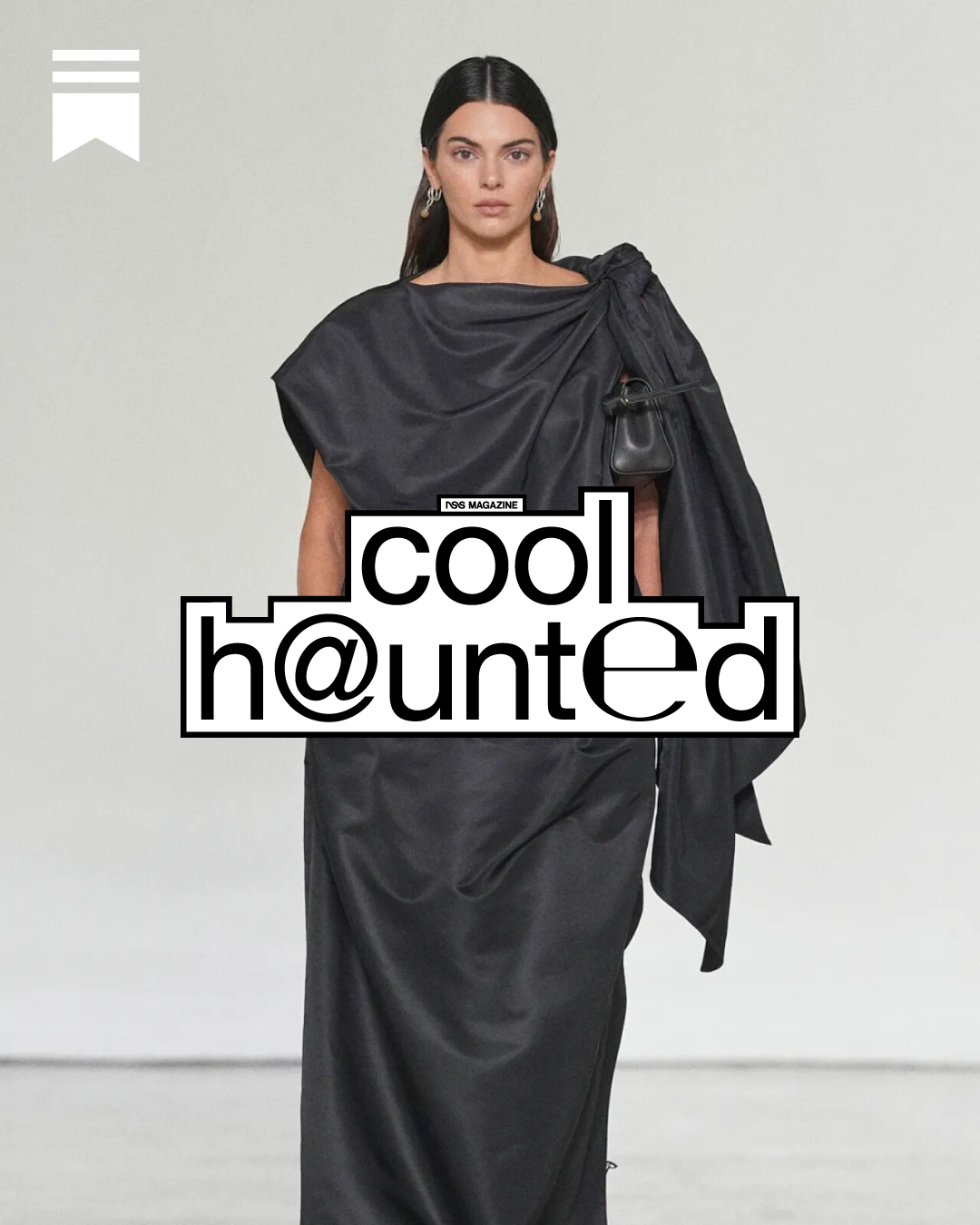






















What does “dopamine culture” mean? From TikTok to the fashion system, no one is immune
What do TikTok sounds, brand drops, and dating apps have in common? They are all actions born out of the so-called “dopamine culture”, a term coined by American music critic and historian Ted Gioia in his essay The State of Culture, published in early 2024. According to Gioia, the rise of the distraction industry, represented by social media, has caused an exacerbating effect of dopamine dependency, one of the main neurotransmitters responsible for mood regulation. Unlike others, such as serotonin and endorphins, dopamine is released very quickly, and the more it's stimulated, the more addictive it becomes. To be clear, it's the same substance involved in mechanisms of drug addiction. Gioia suggests that nowadays everyone—especially younger generations—is caught in a constant pursuit of dopamine-fueled gratification. In his first article, later followed by others in collaboration with The Atlantic, the historian emphasizes how this dynamic has radically changed the way we interact with the world: listening to an album has become passively listening to TikTok sounds, handwritten letters have turned into text abbreviations, and going to a museum has been reduced to scrolling a feed. Yet, in his argument, Gioia never directly mentions the fashion industry, even though – as recently highlighted by Business of Fashion – it is one of the sectors that has most rapidly absorbed and metabolized “dopamine culture.”
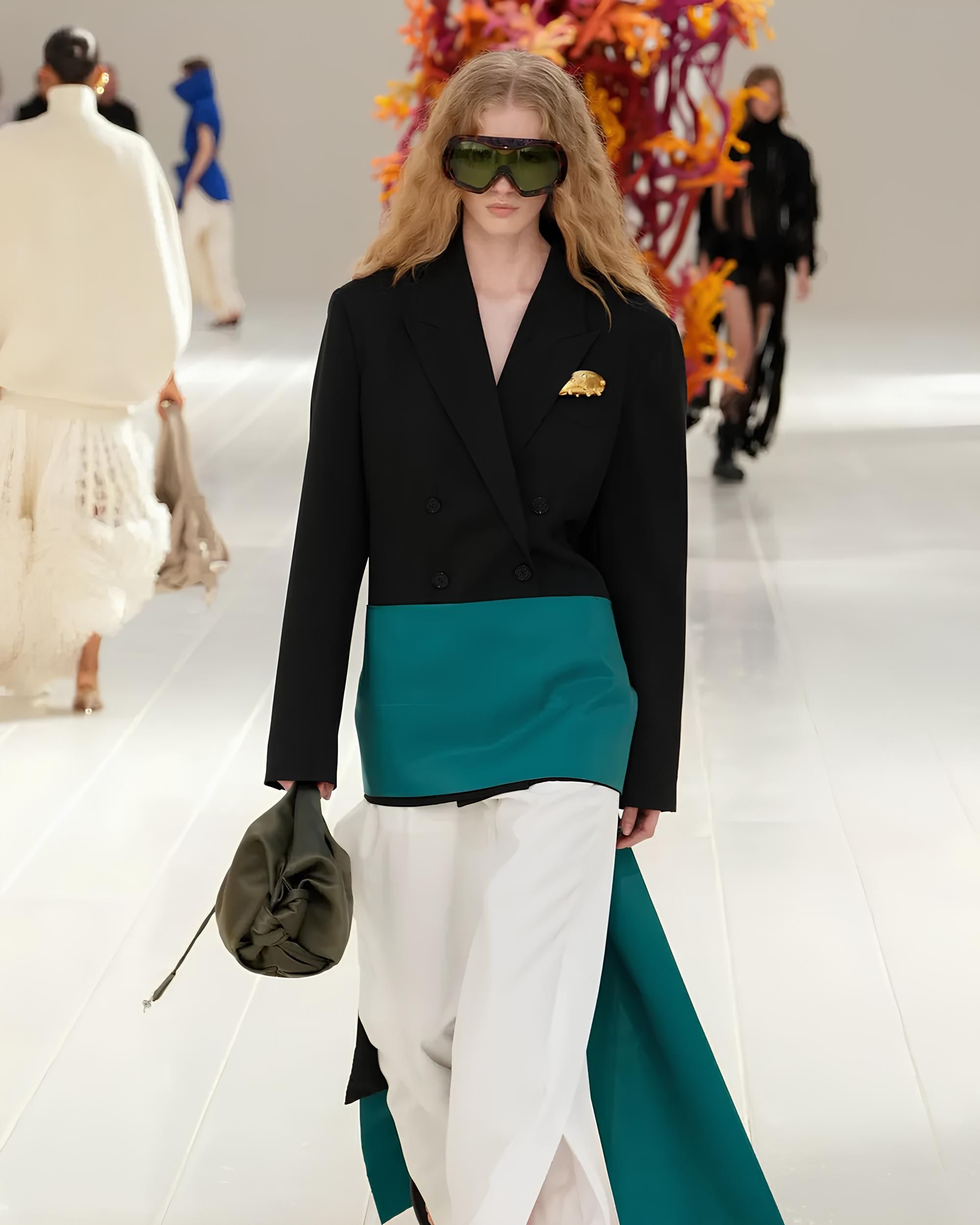
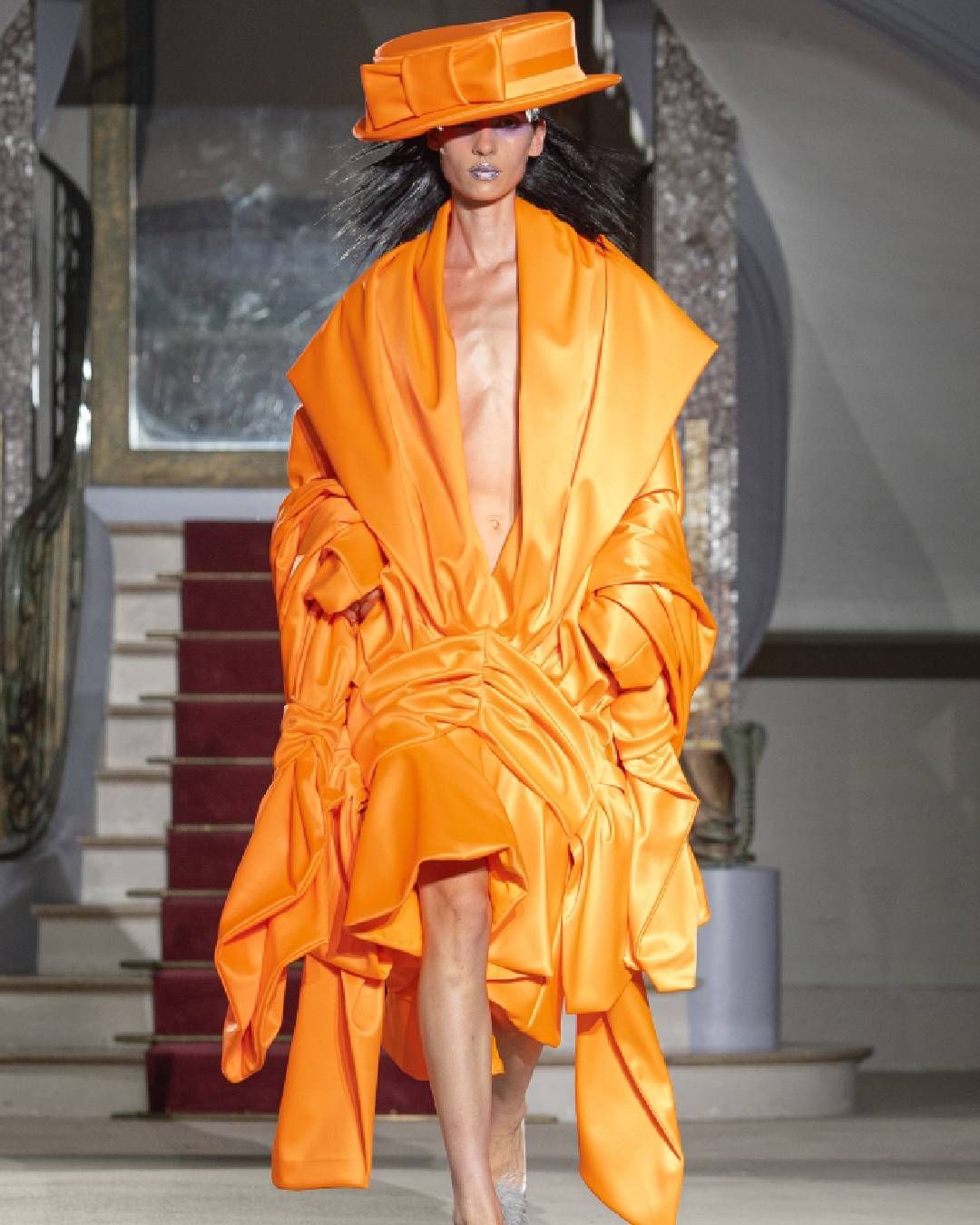
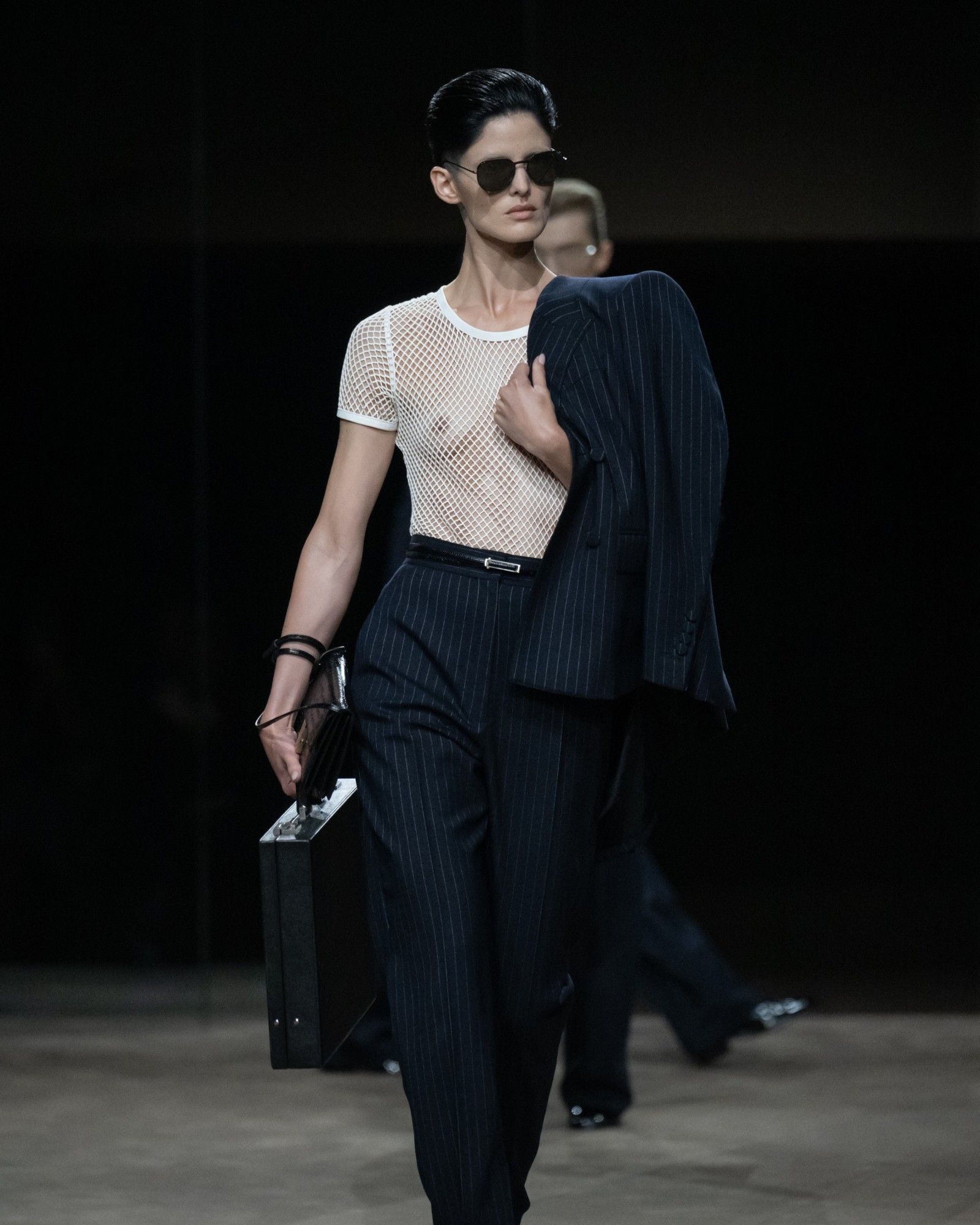
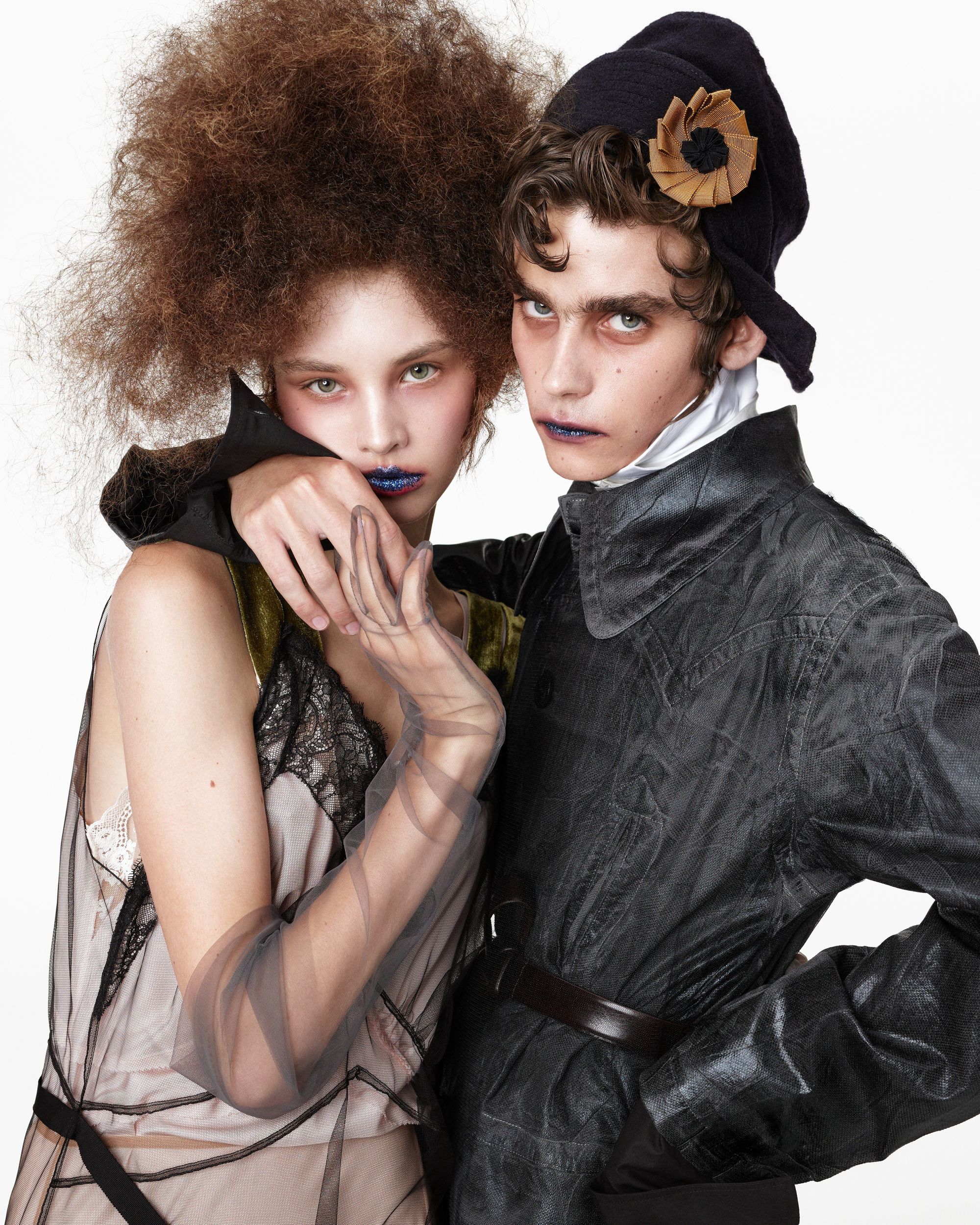
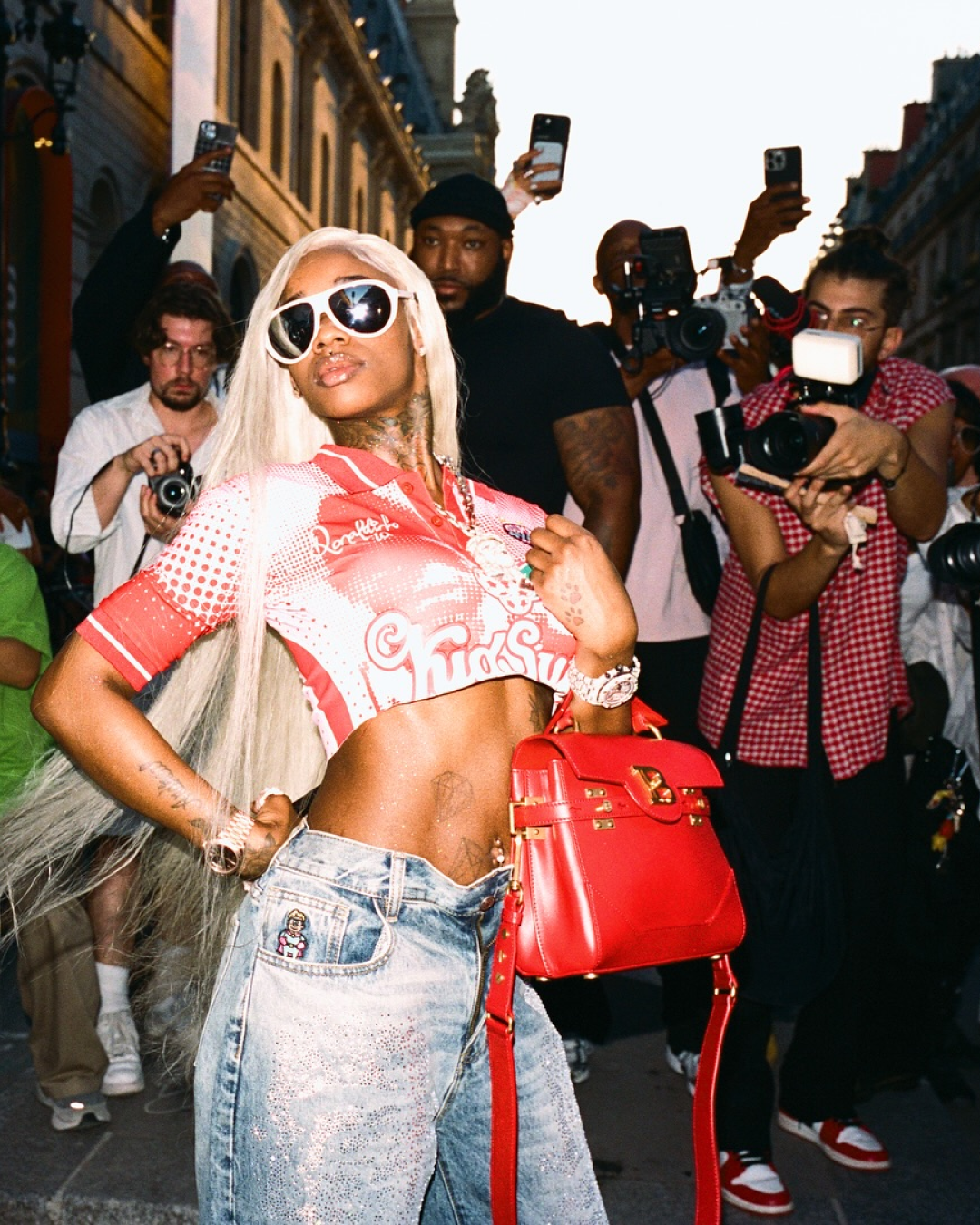
It’s no coincidence that over the past two years there’s been more talk about creative director changes than the collections themselves, nor that a new designer's debut is now accompanied by spectacular audiovisual support, as in the case of the first show by Jonathan Anderson for Dior Homme, directed by Luca Guadagnino. According to BoF, major luxury brands have now shifted their focus from designing clothes to creating visual content designed to provoke an immediate effect on social media, triggering an almost constant cycle of seasonal and interim shows held in photogenic locations—less about the live experience and more about being captured in feeds. Many consumers, in fact, don’t experience the events firsthand, but only perceive them through video clips and images scrolling on their phones. That’s why shows have transitioned from being industry-only events to being at the mercy of social media, with misleading metrics like EMV and MIV seemingly sidelining the cultural and artistic impact.
fashion designer and creative director on the same tier as content creator… https://t.co/QLbYoolqg3 pic.twitter.com/eCfM7u5ZVJ
— Maxi (@maxiimsorry) July 20, 2025
As BoF further points out, the issue is no longer just what brands produce, but how effectively they compete in an increasingly crowded attention economy, where the goal is not only to stand out from other brands but also from memes, news, drama, and viral content. In this sense, dopamine culture is no longer an anomaly but an operational reality. Still, the question remains: is it truly possible for customers and brands to break free from this dependency? According to Rebecca Rom-Frank, senior strategist at trend forecasting agency WGSN, there is a modest resurgence in demand for longer and more reflective content, but it mainly comes from an older, more “traditionalist” audience. More chronically online generations, instead, continue to seek increasingly chaotic and hyper-stimulating content, such as brainrot. Ultimately, the risk is that brands, by focusing too heavily on the production of instant and high-impact pleasures, may lose any real connection with their audience once the dopamine hit fades. It’s a dynamic that also affects creative directors, now thrown to the wolves after just a couple of seasons for not being avant-garde enough—just like Sabato De Sarno, who was granted no benefit of the doubt by Kering before being replaced by none other than Demna, a virtuoso of the shock factor. Will we ever be able to rebuild a healthy relationship with fashion and with dopamine?