
































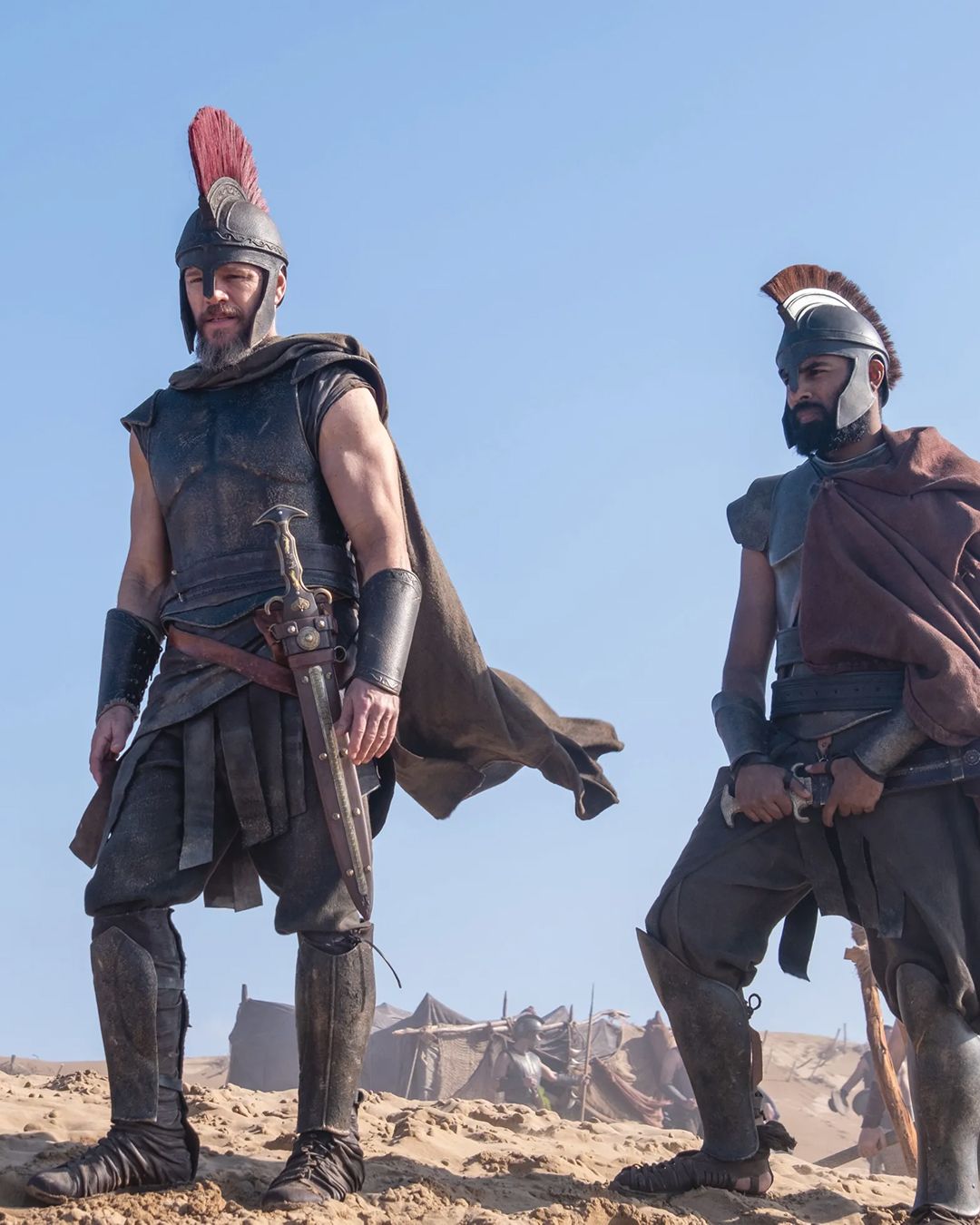
Some people are traveling very long distances to watch "The Odyssey" in Nolan's preferred format That is, in IMAX 70mm, the format that delivers the highest possible image quality
The Odyssey, the latest and highly anticipated film by Christopher Nolan, was not shot using traditional digital cameras but entirely on IMAX 70mm, one of the highest-quality analog film formats. The term indicates that the movie was shot on 70-millimeter film, which is much larger than the standard 35-millimeter stock, while it was produced in the IMAX format, characterized by a taller image designed to make the most of IMAX theaters' giant screens, delivering a more immersive viewing experience.
The combination of these elements ensures the highest visual quality achievable on motion picture film, but it also makes filming and its logistics much more complex. Unsurprisingly, before The Odyssey, no director had ever shot an entire feature film in IMAX 70mm.
There is, however, a catch. In IMAX cameras, the film runs horizontally rather than vertically, making the cameras bulkier and considerably noisier. IMAX, the Canadian company that owns the technology, worked with Nolan himself to develop a solution that reduced the camera noise and made filming easier for everyone involved—including the actors on set.
The people traveling to watch The Odyssey in IMAX 70mm
@secret.filmclub Wondering what all the 70mm IMAX hype around The Odyssey is about? We’ve got you! Send this to your local film bro and follow us for more things film & TV! : @Laura Miravitlles #theodyssey #filmtok #imax #popculture #christophernolan original sound - Secret Film Club
The overwhelming majority of audiences will watch The Odyssey in conventional movie theaters, without access to venues equipped to screen the film in IMAX quality and format. For this reason, as reported by the Guardian, many film enthusiasts are organizing trips—sometimes covering great distances—to reach one of the few theaters capable of screening The Odyssey in the format chosen by the director.
There are around 40 theaters worldwide capable of projecting films in IMAX 70mm. One of them is in Australia: when tickets went on sale, about a year before the film's release, more than 17,000 seats were sold in less than 24 hours. Since then, sales have surpassed 30,000 tickets, making The Odyssey one of the biggest successes in the history of the Australian theater even before its official debut. "There are people who have planned their vacations around our screenings of The Odyssey, which is truly incredible," the manager of Australia's only IMAX 70mm theater told the Guardian.
Even so, that small percentage of viewers who will see the film in properly equipped theaters may not notice the improvements. Without a particularly trained eye or a direct comparison with a digital version, it is difficult to appreciate the differences offered by the IMAX 70mm presentation. What many viewers can still perceive, however, is a different image quality, with the distinctive look of film.
Understanding the rise of the IMAX format
For Nolan, the most important aspect of shooting in IMAX 70mm is not so much the film's projection. Adopting this format primarily means capturing images at the highest quality currently possible, creating an original negative that can be preserved for decades without losing its aesthetic characteristics. This ensures that the film will remain available in the best possible format for future generations.
From a commercial standpoint, meanwhile, the opportunity to watch a film in IMAX 70mm serves as an incentive for audiences. Thanks in part to Nolan's commitment, film projection has once again become a point of interest for both cinephiles and general moviegoers. Unsurprisingly, theaters equipped with premium projection systems, including IMAX 70mm, generally charge higher ticket prices than traditional digital screenings—a factor that helps increase the average box office revenue per viewer and, consequently, the film's overall earnings.
What to read next
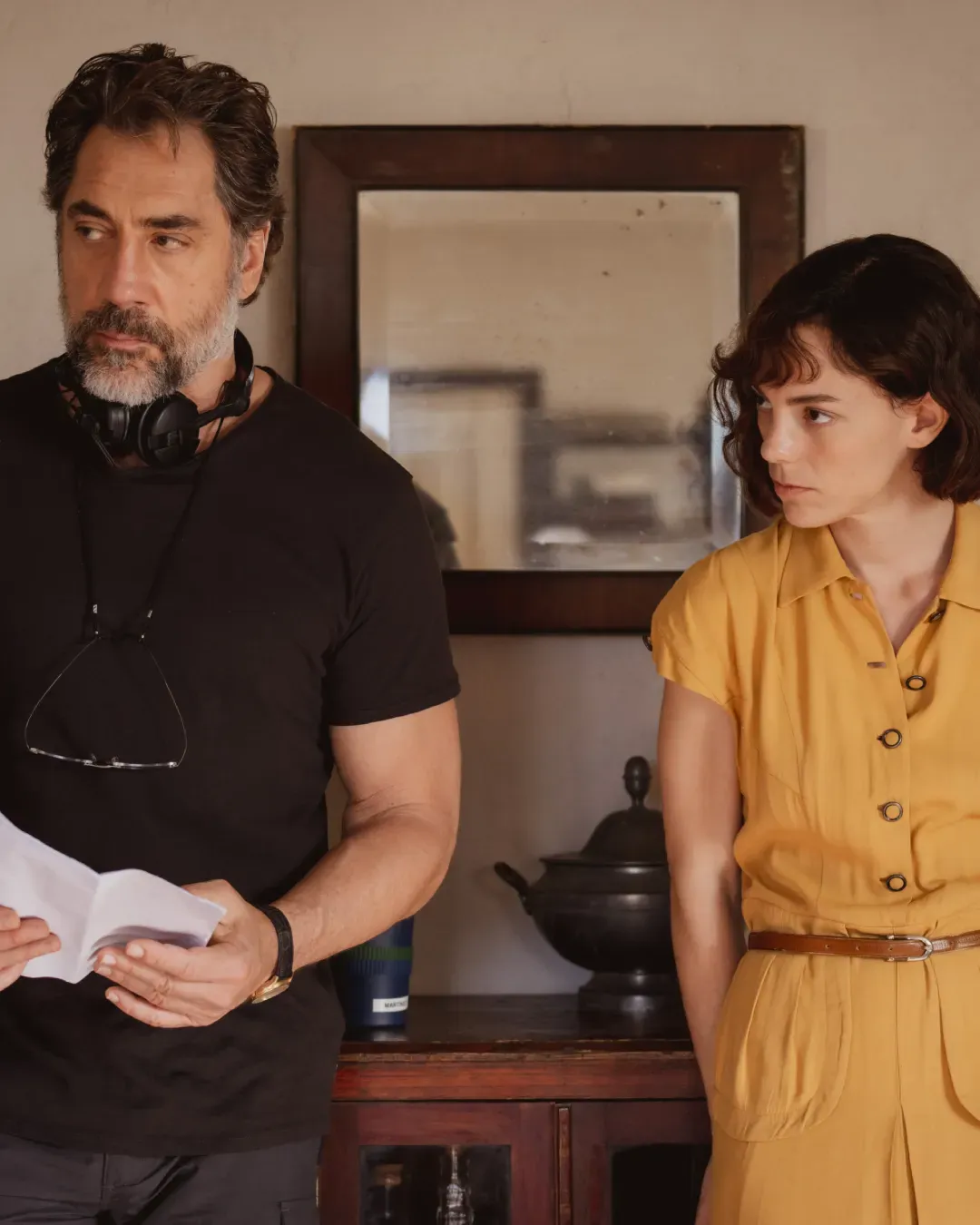
There is a scene in El ser querido that explains how the world is changing
The film is directed by Rodrigo Sorogoyen and stars Javier Bardem and Victoria Luengo

What is VisionQuest, the new Marvel series on Disney+?
Paul Bettany once again plays Vision, although this is not the same character from the films of the cinematic universe
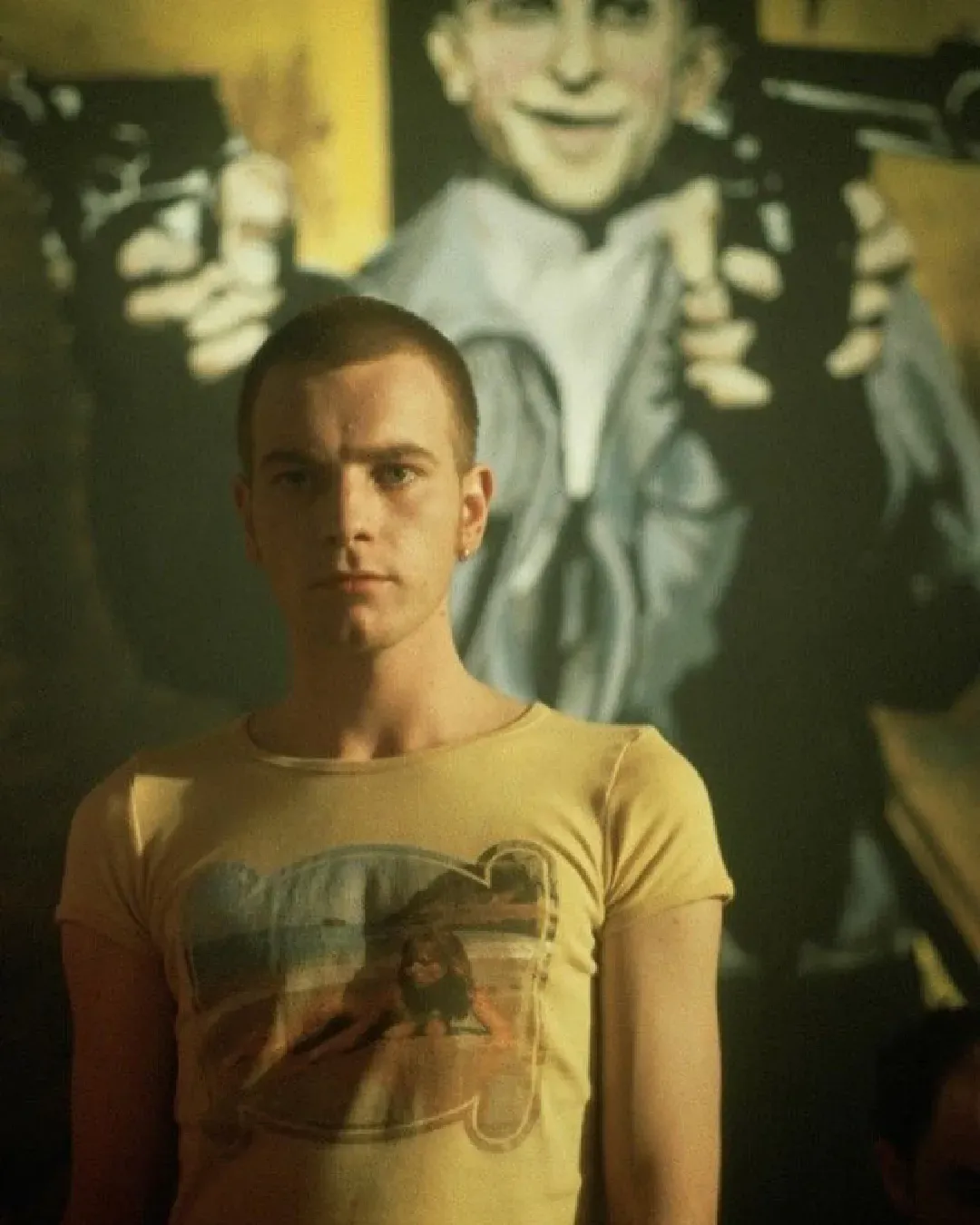
5 trends that Trainspotting anticipated Back in 1996
There is much more to the film than the famous Helmut Lang tank top