
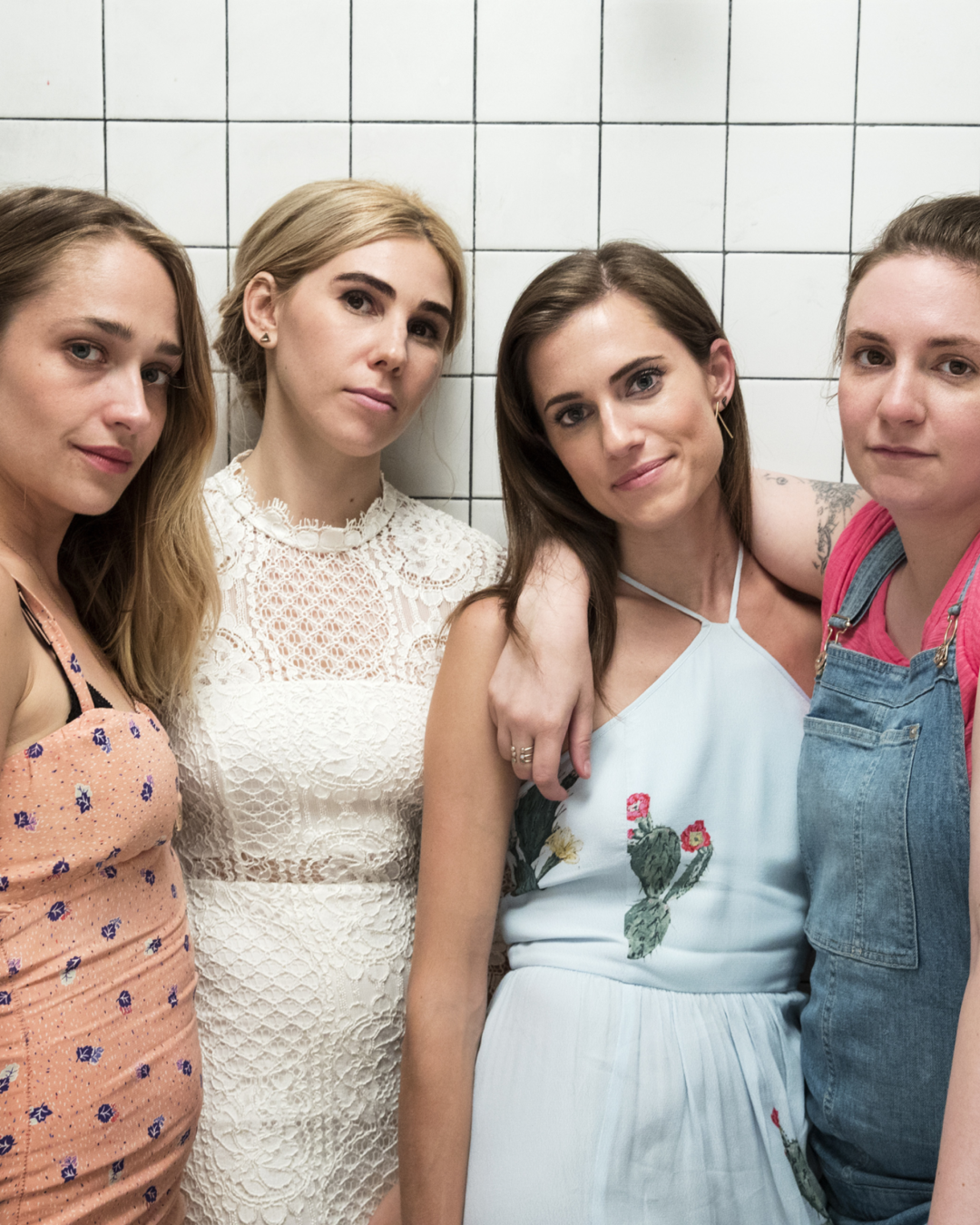
What does the return of “Girls” mean today? Lena Dunham has announced a reboot of the cult series, here's why we're excited
In September 2026, a New York Times survey compiled a list of the 100 most influential series in television history. Girls, created by Lena Dunham, came in thirteenth place — a show that aired from 2012 to 2017 and remains one of the standout titles in a catalog of unquestionable quality like HBO's. A month later, through a video released on social media, Dunham herself along with the other "girls" (Allison Williams, Jemima Kirke, Zosia Mamet) announced the series' return nearly ten years after its conclusion, igniting fan enthusiasm and receiving a very positive initial response from audiences.
The Return of Girls and the Risks of a New Season
Guess who’s back, back again… #GIRLS, created by and starring Lena Dunham, will return to HBO Max for five new episodes. https://t.co/9GLJw3s4SO
— HBO Max (@hbomax) October 13, 2026
Now, with a clear head and after celebrating the news, we need to think carefully about what it means to produce a new season of a gem like the one Dunham created — something that can certainly ignite audience enthusiasm, but which also requires acknowledging that revivals can conceal difficulties and pitfalls. One reason for this is the historical context surrounding a series' original run, which substantially shapes the characterization and lived experience of its characters. This has been true for countless generational series, and it was deeply true for Girls and its audience.
The most relevant example of a sequel that raised eyebrows and should serve as a cautionary tale is And Just Like That… — the sequel/reboot of Sex and the City — which, despite running for three seasons, was widely regarded as a distortion of its main characters' personalities. One of its pillars, Samantha as played by Kim Cattrall, chose not to take part at all — and perhaps that note is precisely where one can find reason for optimism about Girls, given that all of its lead actresses have already been confirmed for the return, along with the trusted Andrew Rannells. If you've read Famesick (Dunham's new memoir), however, you'll know it's far less likely we'll be seeing Adam Driver.
Why We Still Need Girls and Lena Dunham
@skunkbabe this is a great reason to keep going #girlshbo #lenadunham original sound - carriebradshawsdefenseattorney
So what can a new chapter of Girls tell us, and why might bringing the series back into public conversation matter (from which, in truth, it never really disappeared even after its final season)? For starters, because feminism needs as many voices as possible, now more than ever — and not necessarily "the voice of a generation," even just one will do, as Hannah Horvath has taught us. Although many still like to tell themselves the comforting story that women have now fully achieved equality, gender disparity remains a creeping issue that seems to grow ever more complex to address, when not outright violent. Just consider a piece of news that came almost simultaneously with the Girls announcement: a woman wearing a t-shirt reading "Release the Epstein Files" was attacked and punched at a Donald Trump rally in Ohio, with the U.S. president not missing the opportunity to mock her rather than calm the crowd.
Beyond Nostalgia: What Can Girls Say in 2026?
What Girls could do, moreover, is not simply trade on memories. A commercial strategy was inevitably the first thing that came to mind when its comeback was announced — an unavoidable thought in an entertainment landscape that seems to bet almost exclusively on one specific product: the nostalgia genre. But if we think about Lena Dunham's writing and her way of never being rhetorical, of making herself and making her audience uncomfortable — those same people who saw themselves in her characters, or if not immediately, at least felt they understood them — a new season of Girls could mean helping us understand a little more deeply the complicated times we are living through and how we feel finding ourselves in the middle of them.
A world where work is always precarious, where culture still doesn't pay the bills, where women must still come to terms with their own image and submit to the pressures of motherhood — these are everyday realities, ones that film and television are trying, title by title, to explore a little more fully. Beyond having to navigate the interpersonal and romantic relationships that we imagine will serve as inspiration for upcoming episodes — relationships that now unfold not only through tangible interactions but also through AI — it wouldn't be at all surprising to see Hannah Horvath dating a man who once had a relationship with a chatbot.
Above all, it is in Lena Dunham's writing that we must place our trust and pin all our hopes; millennial women who will be able to recognize themselves in the new dilemmas and quirks of the protagonists, as will their sisters, both older and younger. They will follow the flow of events and the mood of the current era, of which the characters are perfectly aware — just as they are aware of the passage of time that has taken them from girls to "old as fuck," as Dunham concludes in the video. Hopes that may waver from day to day, but for which one only needs to remember: "all adventurous women do" — today as they did nine-plus years ago.