






















The abstract history of Jonathan Anderson's new Dior When tailoring designs the line that will be passed on to the future
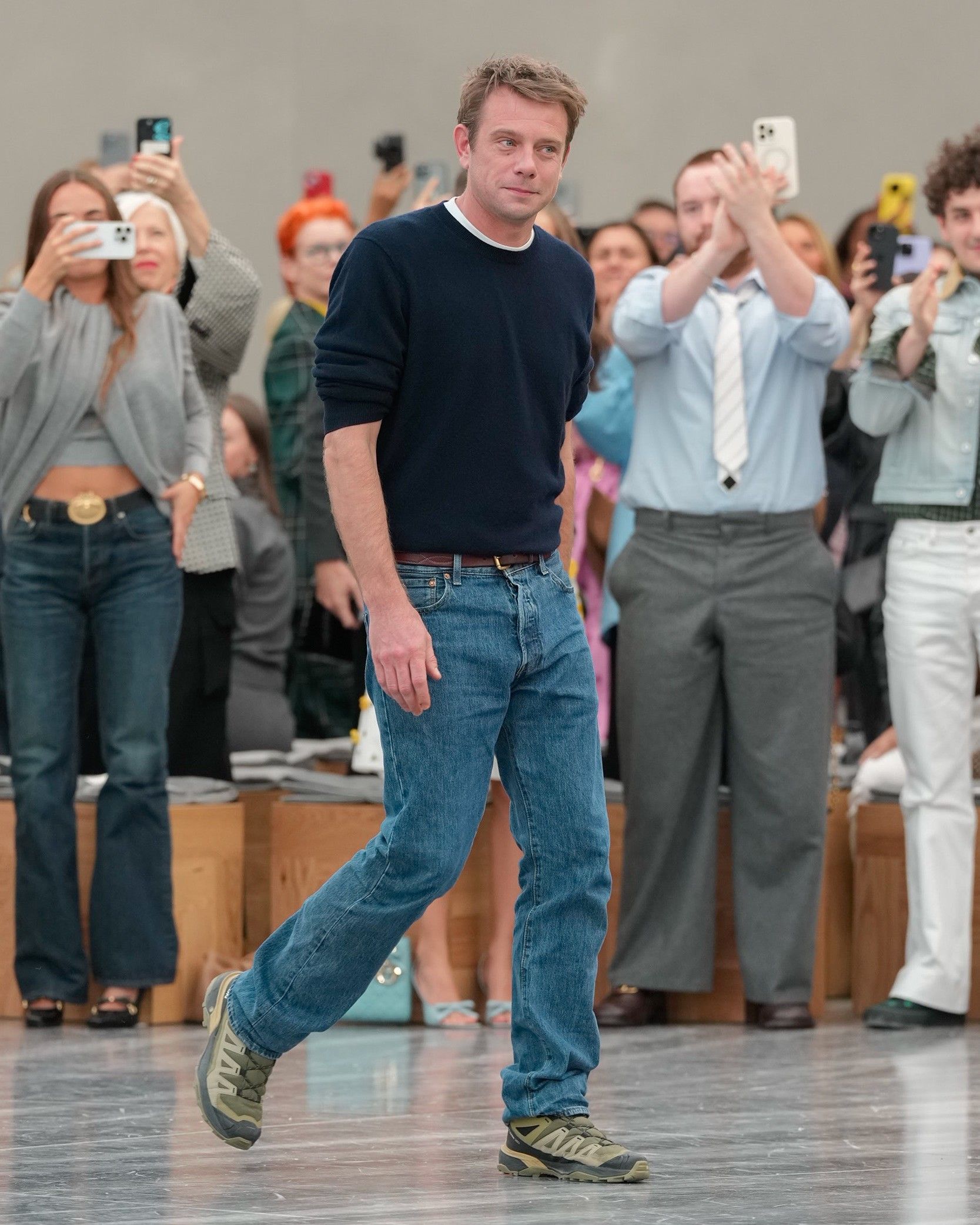
Few debuts in fashion were as anticipated as that of Jonathan Anderson at Dior. We're obviously talking about the debut in womanswear at Dior, much more important than the (already occurred) debut of the men's line, which certainly has its weight but does not represent the true, historical vocation of the legendary brand. To mark such an important beginning, also because we're talking about the second largest brand of LVMH, Anderson opted for a preamble: a video montage that retraces, paying homage to it, the entire previous history of Dior in a series of clips that, at the end, consume and collapse before starting the actual show. And it can undoubtedly be said that the idea of history, its angles of reading and its interpretations was present in Anderson's mind when composing a host of looks in which individual historical references, details taken from this and that era, and reminiscences of history sublimate through an abstract use of volumes and materials.
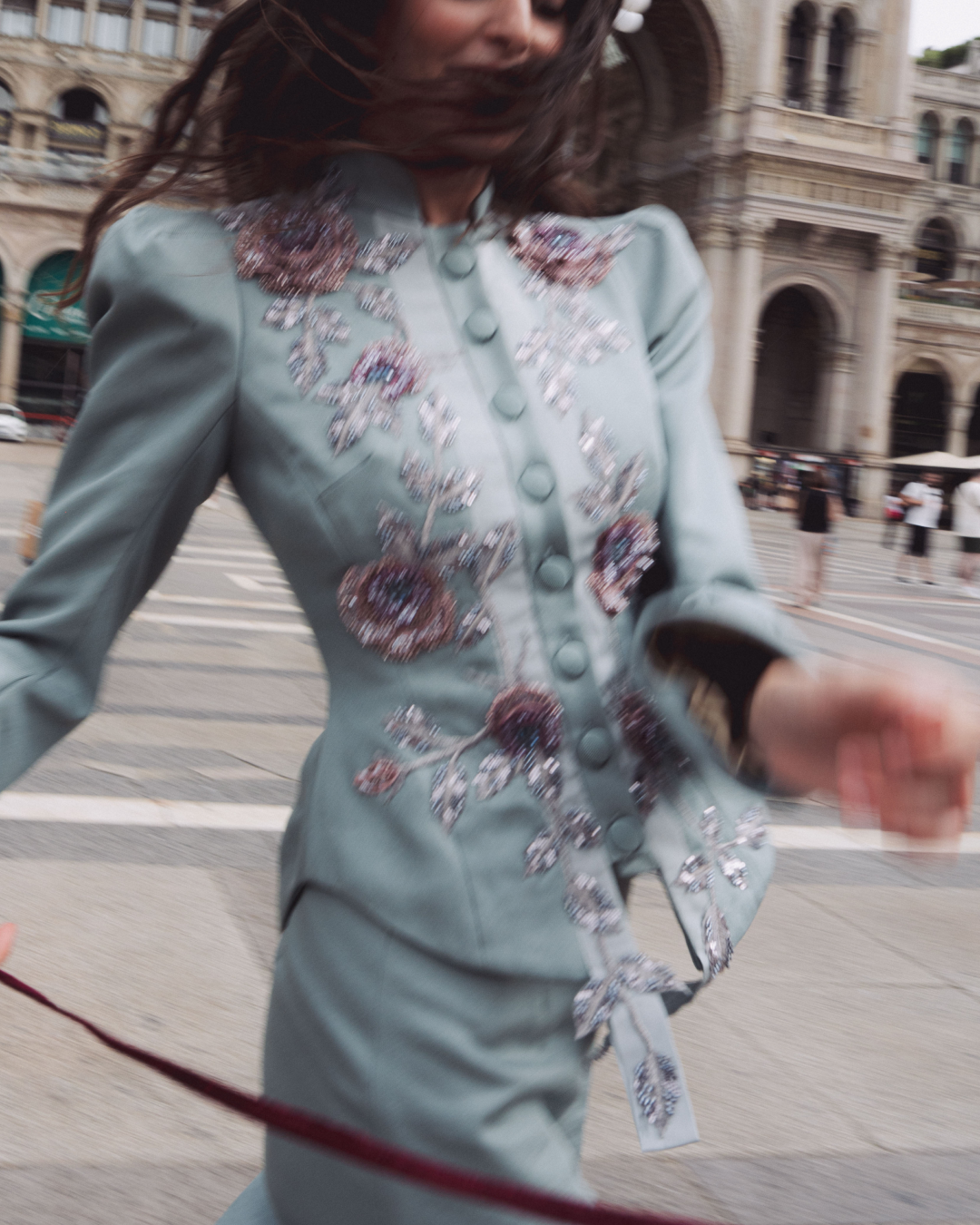
Anderson's vaguely surreal eye did everything with the classic Bar Jacket: he narrowed it, transformed its lower hems into volutes that wrap around themselves; he turned it into a sports blazer, into a tuxedo jacket. Nor were there lacking numerous references to historical Dior models including the famous Juno dress, the Tulip dress of '53, the Eugénie dress and the one with the "zig-zag" cut of '48 and the various oblique and tunic lines. All these quotations, however, were fused into a vision, as was said, abstract that recognized the ancestry of the designs without copying them literally: the silhouettes had quotations but were not quotations. The intent of the collection in this sense was clear. The main proposal was a sense of modernity.
They do indeed smell of modern, or even futuristic, the uses of certain volumes, the almost mischievous position of certain cockades, bow skirts, pleated tops similar to curtains. Among these more conceptual looks that will perhaps only see the lights of the red carpet, were skillfully disguised commercial looks but no less current, very skimpy and represented by cotton ensembles in checks or flowers, combinations of Bar Jacket and denim miniskirts, combos of polo and mega-pants, fitted bodysuits that mixed activewear and shirtmaking giving the impression of a tailcoat and so on. The Anderson-isms were many, including a pair of jeans with oblique lacing, the sack dresses (the most beautiful was decorated with large hydrangeas) and in general the insistence on tortuous volumetrics of knotted and intertwined materials whose folds became sculptures. The contrast between the two souls of the show, not too harsh in any case, has created some discontinuity.
The DEBUT womenswear collection of Jonathan Anderson for Dior Spring/Summer 2026 is HERE — ALL the looks in a thread.
— La Mode Unknown (@LaModeUnknown) October 1, 2025
PS: the revisioned panniers, layered voluminous skirts, the BAGS. pic.twitter.com/qi52wAwFgY
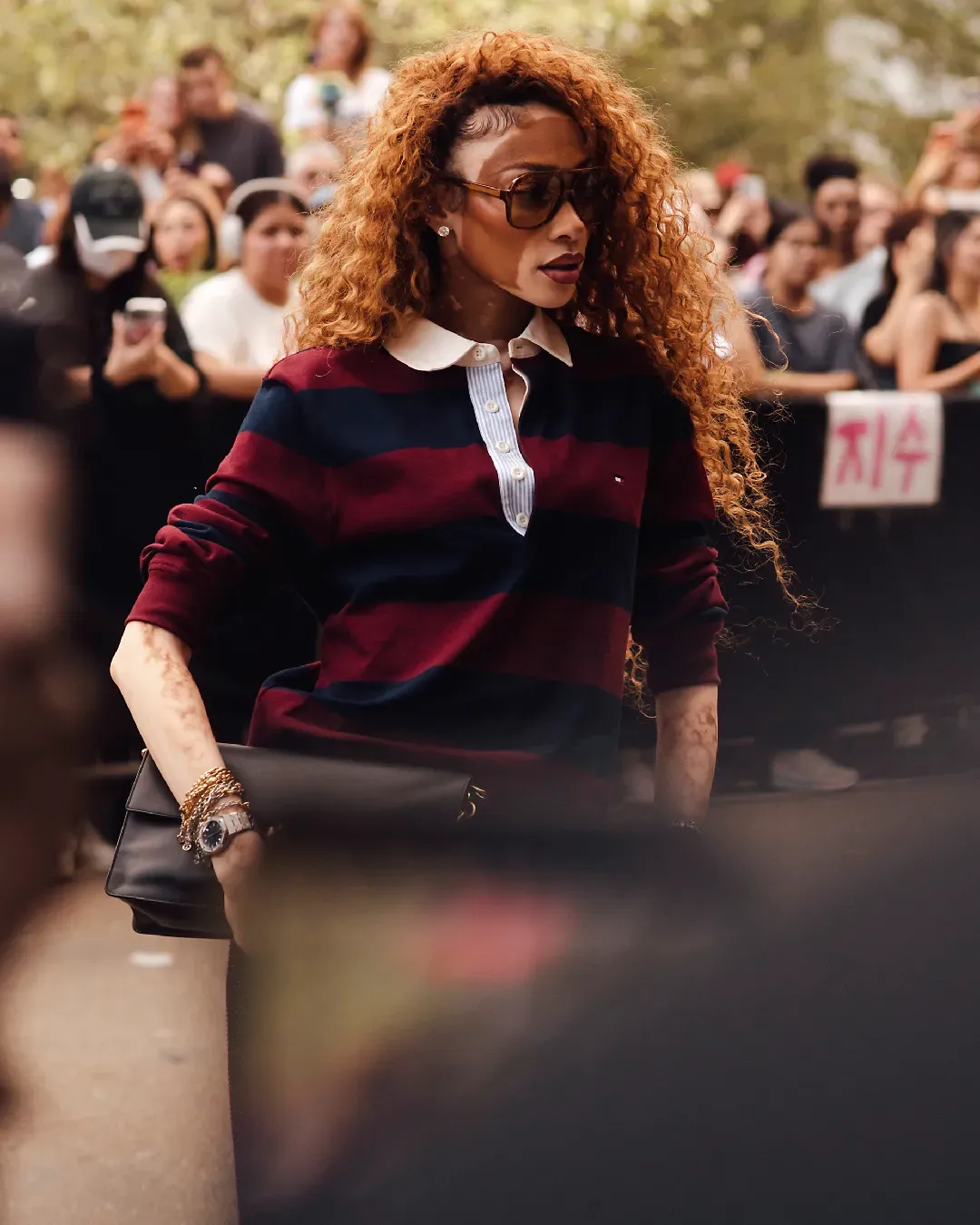
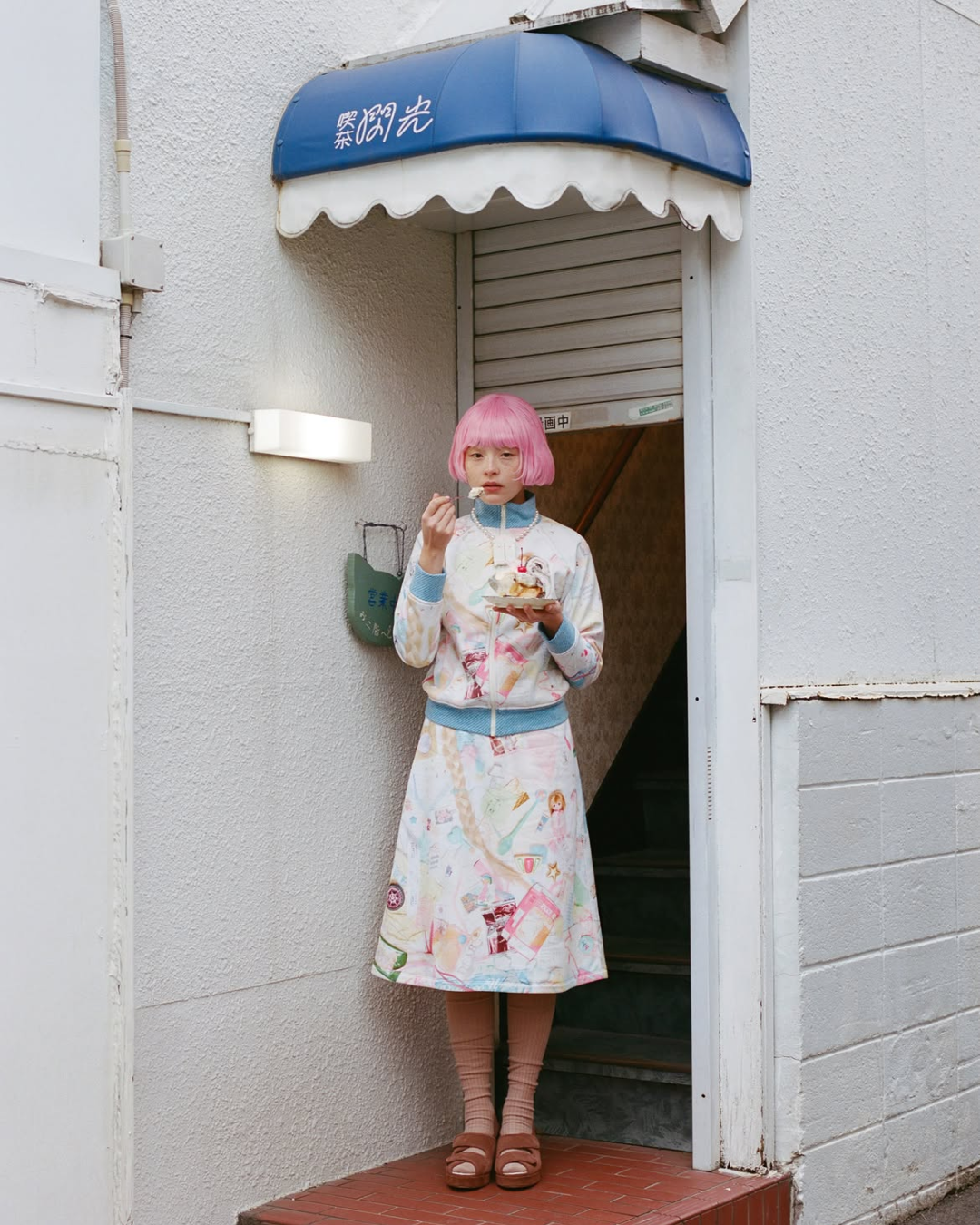
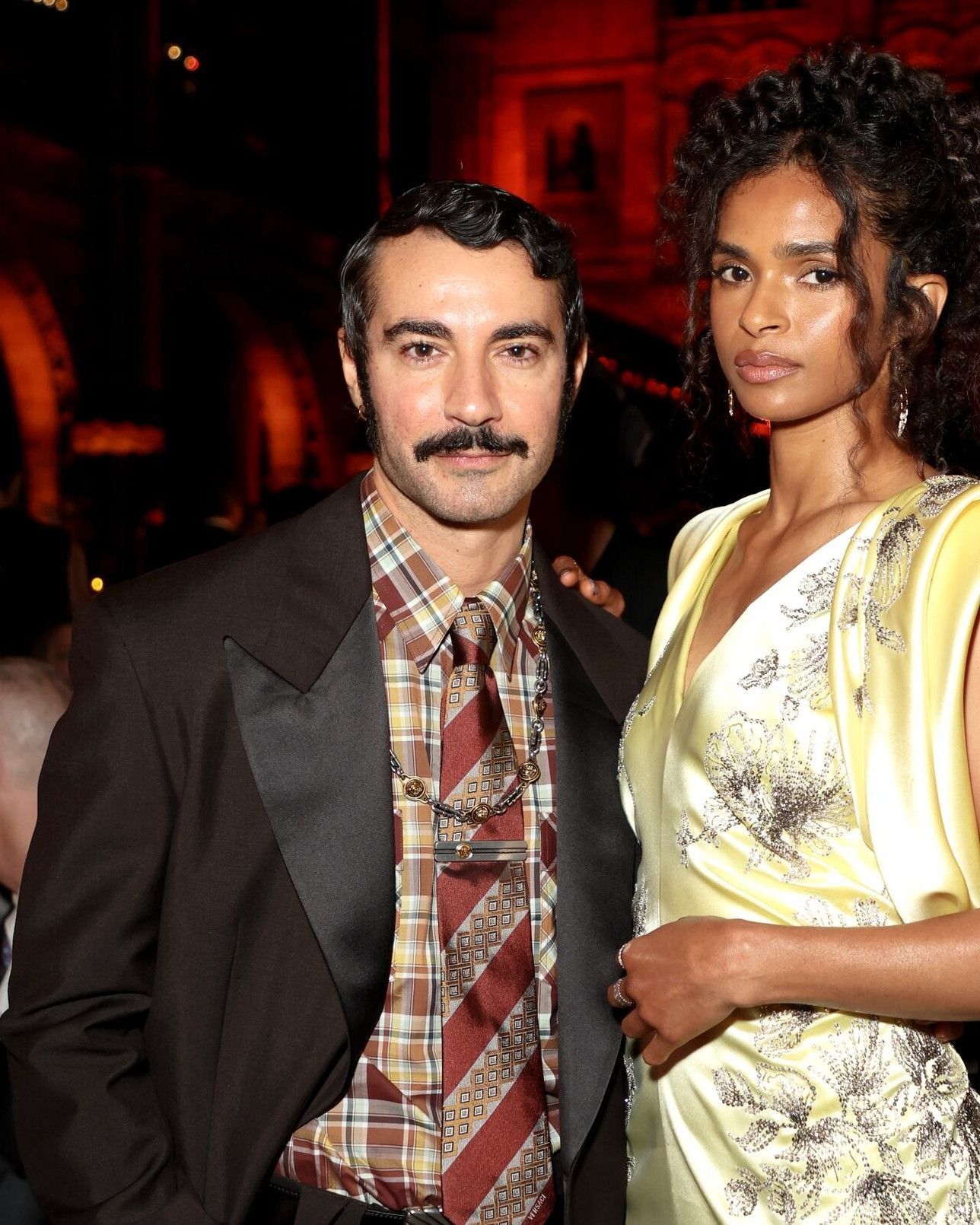
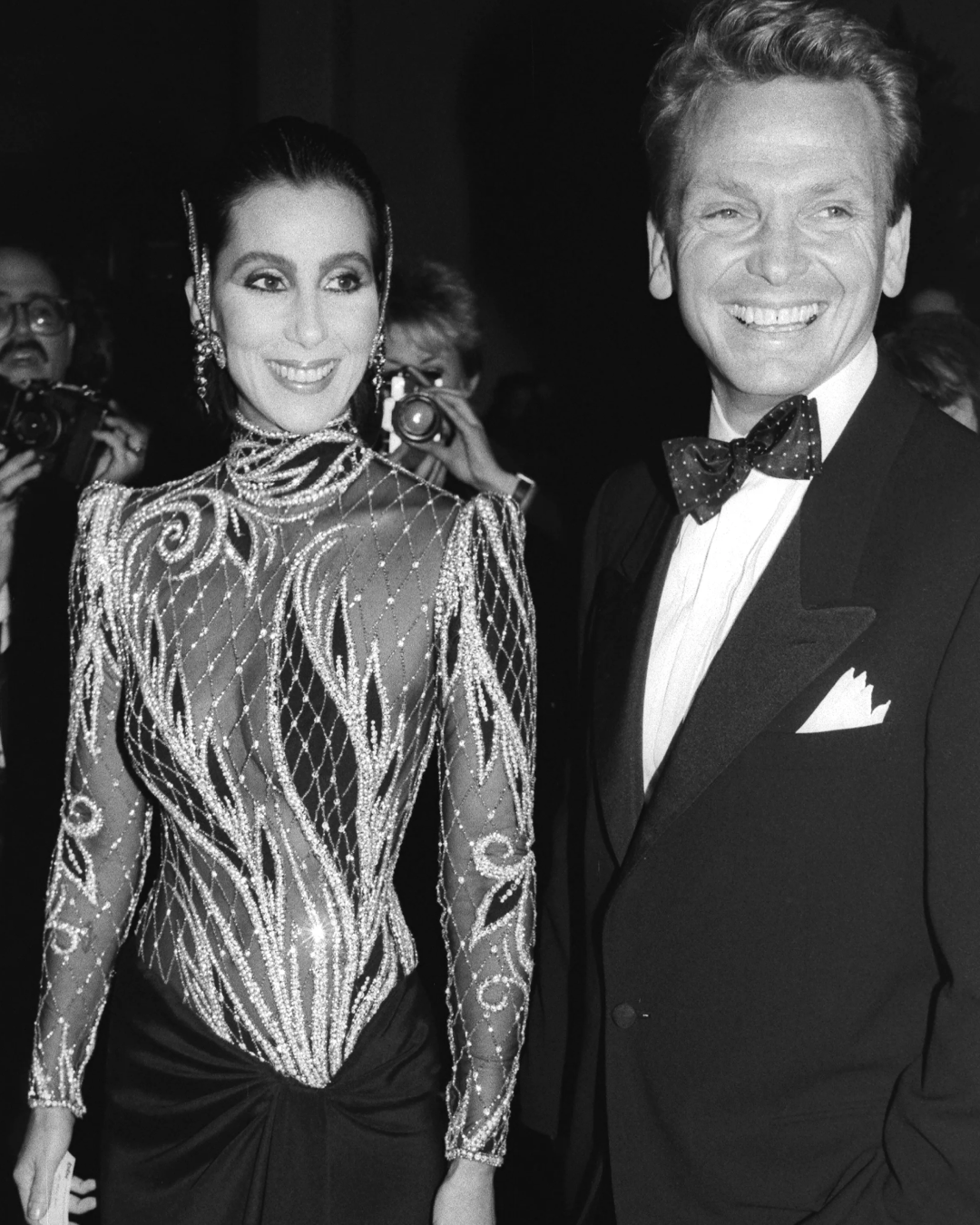
Among wimples and blouses, borrowings from the male preppy wardrobe and a palette of soft and delicate colors but never bloodless, it is evident that this collection wanted more to establish a tone than to start a narrative. In modern terms, the brand's vibe is not entirely clear. The new “Dior woman” was much more visible in the outfits of the front row celebrities, which undoubtedly reflected the commercial aspect of the collection that we will actually see in stores. It is a very “twee” aesthetic, bon-ton and bright, almost fairy-like if you will, in the most ethereal and gentle sense of the term. But an aesthetic is not necessarily a personality or an established direction. On the runway, net of several repetitive looks, Anderson succeeded well in making his language meet the world of Dior. But the question now is: in the next collections will he be able to give us a truly defined character and attitude?