.gif 2000w)






































Can a dating app help you become mayor of New York? The love story between Zohran Mamdani and Rama Duwaji is extremely Gen Z
Zohran Mamdani and Rama Duwaji met on Hinge
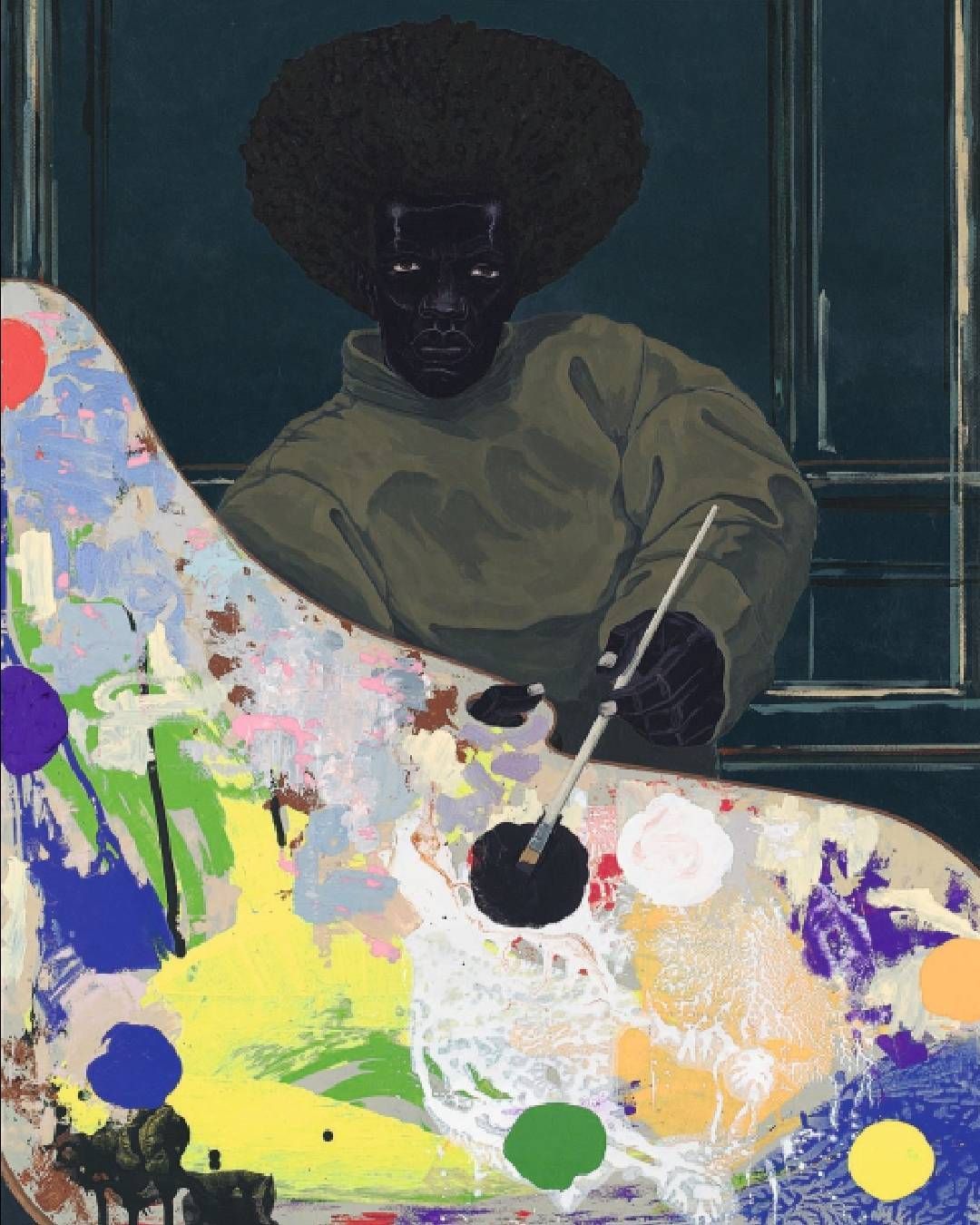
Zohran Mamdani, 34 years old, a young socialist of Indian and Ugandan descent, was elected mayor of New York on November 4, becoming the first person of Muslim cultural and religious heritage to hold this position in the city’s history. His victory was built on a clear and revolutionary platform: fighting inequality, freezing rents, free public transport, universal childcare, and higher taxes for the wealthy and large corporations. By his side has always been his wife, Rama Duwaji, an artist and illustrator who has turned political ideas into images, recognizable symbols, and colors. Her contribution made Mamdani’s communication effective, imprinting it in the memory of New York City’s citizens.
During an interview, Mamdani revealed that he met Rama on Hinge. For the first time in history, the fact that it’s a dating app (and which one it is) gives the story of his victory a surprisingly contemporary political twist: this love triangle (Mamdani - Hinge - Duwaji) represents an interesting case study from which everyone has benefited and will continue to benefit over time.
But why Hinge and not Tinder?
went ring shopping today and the lady said that 99% of couples she sees met on hinge pic.twitter.com/Itv7LRKAAP
— anna (@bimbomadonna) June 5, 2023
Both Hinge and Tinder were founded in 2012, but they grew differently, just as their approaches and core values differ. Hinge’s goal is to create lasting relationships rather than casual encounters. In its early versions, the app allowed users to connect their Facebook profile to show whether there was a mutual crush between friends, thus enhancing existing connections and making the experience safer and more human.
Tinder, on the other hand, quickly established itself as the leading dating app thanks to its fast and intuitive swipe system. From the beginning, it focused on an immediate experience, targeting an audience interested in both casual dates and more serious relationships, but in a less structured way than its counterpart. Today, Tinder has a user base about three times larger than Hinge’s, even though Hinge is growing faster. Moreover, there’s no real competition between the two platforms, since they belong to the same holding company, which makes perfect sense, as they target two different audiences and purposes.
An app for those seeking love and one for those who want to make it
The difference between the two platforms is very visible when analyzing the way they communicate. Tinder’s slogan is summed up in two words: swipe right. The intention is clearly focused on action; the goal is to trigger a quick and immediate response. An invitation to seize an opportunity, conveying a sense of fun and limitless possibilities. Hinge, on the other hand, conveys a more reflective message focused on long-term relationships. Its slogan, Designed to be deleted, expresses the idea that the app was created to help users find a meaningful relationship, to the point where they no longer need it.
For example, Tinder’s recent campaign Crush Feelings celebrates the euphoria and emotional chaos of first crushes, speaking directly to Gen Z with a tone that highlights the thrill of the encounter more than the longevity of the relationship. In contrast, Hinge recently launched the campaign Where Hinge Ends, We Begin, which celebrates the transition from digital to real, emphasizing that the app is just the starting point for a relationship.
Did Mamdani advertise for Hinge?
the performative men on hinge are already using mamdani and his wife on the “this could be us” prompt pic.twitter.com/gzka3NIlVY
— layla (@blxcksabbath) November 7, 2025
From a communication standpoint, choosing to explicitly mention Hinge had a significant impact on Mamdani’s campaign, having strongly contributed to building his personal brand. First of all, being associated with a dating app reflects the image of a modern and progressive politician, making him more relatable and accessible, especially in the eyes of Millennials and Gen Z, the core of his electorate.
This detail also reinforces the portrayal of the couple as a modern model, aligned with a political communication strategy that focuses on transparency and authenticity. The association with Hinge (instead of Tinder or other apps) allows Mamdani to be perceived as someone committed to deep and intentional relationships, values that his voters expect and project onto the political actions to come.
For Hinge, this mention represented a form of organic advertising of great value, but one that must now be handled carefully. Being recognized as the app where even the future mayor of New York found his soulmate greatly strengthens its positioning, but for reasons of political neutrality it cannot explicitly leverage this in its marketing campaigns, in order to avoid appearing as a direct endorsement and facing potential repercussions.