























Why do all the major brands want to show in America? Louis Vuitton, Dior, Chanel, Gucci, and Moncler are betting on American luxury
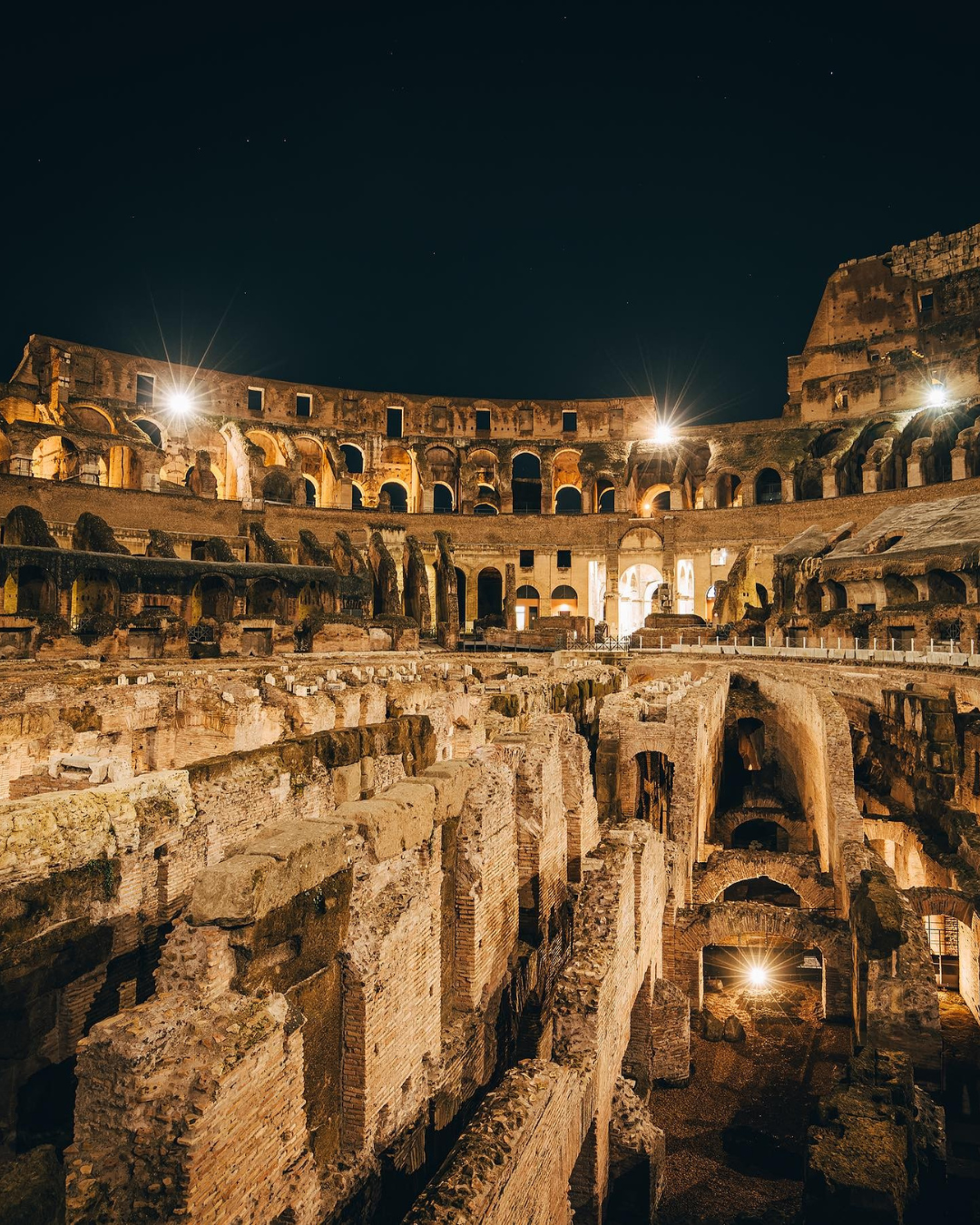
The pattern is impossible to ignore: Chanel will stage its Métiers d’Art 2026 show in New York tomorrow, Moncler will present its FW26 collection in Aspen, Gucci and Louis Vuitton will hold their Cruise shows in New York next May, while Dior has confirmed in the last few hours that it will hold its fashion show in Los Angeles, specifically at the LACMA museum. Such a concentration of major events inevitably raises the question: why do all the big commercial luxury players want to stage their shows in America?
In the long and complex chess game that brands are playing to capture ever-larger market shares, while the all-important Chinese spending continues to recover slowly, the United States remains the safest harbor in the world for luxury sales. But why?
The American dream lives on, despite everything
A quick look at the latest financial results of the biggest brands and groups, especially the section breaking down growth by country, reveals that while China remains a loss-making market and Europe shows stagnant sales, the American market still has grit. According to Altagamma, North America's luxury market alone is expected to grow by 5.5% in 2026, closely followed by the Middle East, while Asia and Europe will post lower, less significant growth rates.
The United States is the only market where, in recent months, both LVMH and Kering recorded +3% growth, against still-negative Asian sales and flat performance in Europe. Looking at other brands and groups, we see that Hermès sales rose 14.4% in the US, Zegna and Prada grew 8.2% and 15% respectively in the first half of the year, and even Ferragamo — which has faced financial difficulties in recent years — posted a 15.5% increase in North America in the last three months.
More cities, more citizens, more money
@nashvillexp Hèrmes is officially open in Nashville! The new location in the Wedgewood Houston neighborhood is the luxury good chain’s 43rd US location 510 Houston St. #Nashville #615 #Hermes #Fashion original sound - Nashville Experience
As WWD pointed out, U.S. per-capita GDP is double that of France. One aspect that brands have certainly taken into account in their retail expansion: in 2025 there have been more luxury boutique openings in the USA than months in the year. Fifteen so far, 40% of them in New York, 27% in Los Angeles, plus a series of other highly interesting locations that are drawing a new consumption hydrography, with rivers of dollars flowing into the predictable Miami, where Manolo Blahnik, Fendi and Retrofête all opened new stores; Chicago where Bottega Veneta opened a boutique; and Nashville and Scottsdale in Tennessee and Arizona respectively, where Hermès opened two stores.
Thanks to the health of the stock market driven, as Vogue reports, by a boom in AI investments (so strong that some fear a new speculative bubble) a “wealth effect” has been created, the same phenomenon that once occurred in China. The term describes a situation in which healthy markets and money flowing into the pockets of high-spending consumers create a feeling of perceived prosperity that makes purchases psychologically easier: when people believe money is plentiful, they spend it without hesitation. This is exactly what is happening among America’s wealthiest, even as the poorest grow in number and struggle.
Another side of the “wealth effect” is that the richest consumers are largely unaffected by price increases and tariffs. According to an RBC report cited by WWD, tariffs have split the market in two: they have penalized mass-market brands such as Nike, adidas and Puma — bought by the middle-spending segment — while leaving demand for ultra-luxury virtually untouched, even though it has become more expensive. For a clientele that can still afford it, price is not an obstacle. So why not reach those customers directly?
Luxury on their doorstep
Dior announces the opening of House of @Dior Beverly Hills on the legendary Rodeo Drive along with the debut of "Monsieur Dior", the Maison’s first restaurant outside of Paris led by three-star-Michelin chef Dominique Crenn.
— LVMH (@LVMH) November 10, 2025
Learn More: https://t.co/jPYqTtxZnW#LVMH #Dior pic.twitter.com/gTmHU2tuA6
Back to Cruise shows, traditionally staged in highly scenic and exotic locations, the decision to bring them all to America is also driven by logistics. If the most important clients live in New York, a mega-mansion in the Midwest, or the Texas oil fields, why fly them across the ocean when the U.S. already offers countless historic venues, local operational teams, and plenty of celebrities on site?
On Vogue, Rose Coffey of The Future Laboratory describes this remapping of destination shows as a «shift from symbolic spectacle to strategic proximity». Instead of flying caravans of editors, clients and buyers to Cuba, Morocco, Egypt or the Roman cemeteries of Arles (all real locations used in recent years), it makes more sense to stage these tens-of-millions-of-dollars productions in already-equipped, cost-effective venues. In short, showing in America is not only the most strategic decision for brands — it’s also the most convenient.
Takeaways
- All the major luxury houses (Chanel, Moncler, Gucci, Louis Vuitton and Dior) are bringing their Cruise and Métiers d’Art shows to the United States in 2026, mainly New York and Los Angeles, because America is currently the most dynamic and safest market for luxury sales.
- While China remains in the red and Europe is stagnant, the US continues to grow strongly: +3% for LVMH and Kering, +14.4% for Hermès, +15% for Prada and even +15.5% for Ferragamo in Q3 2025, with Altagamma forecasting +5.5% for 2026.
- 2025 has seen a boom in monobrand boutique openings (15 so far), concentrated in New York (40%), Los Angeles (27%) and Miami, but also in wealthy “secondary” cities like Nashville and Scottsdale, where per-capita GDP is double that of France and operating costs are lower.
- The Wall Street rally and AI investment boom have created a powerful “wealth effect” that makes high-spending clients immune to price hikes and tariffs, boosting luxury spending while hurting mass-market brands.
- After years of exotic runways in places like Cuba, Morocco or Egypt, brands are now choosing the US for logistical and strategic reasons: it’s easier and cheaper to bring the show directly to the doorstep of their richest customers, turning destination shows from symbolic events into tools of proximity and sales.