







































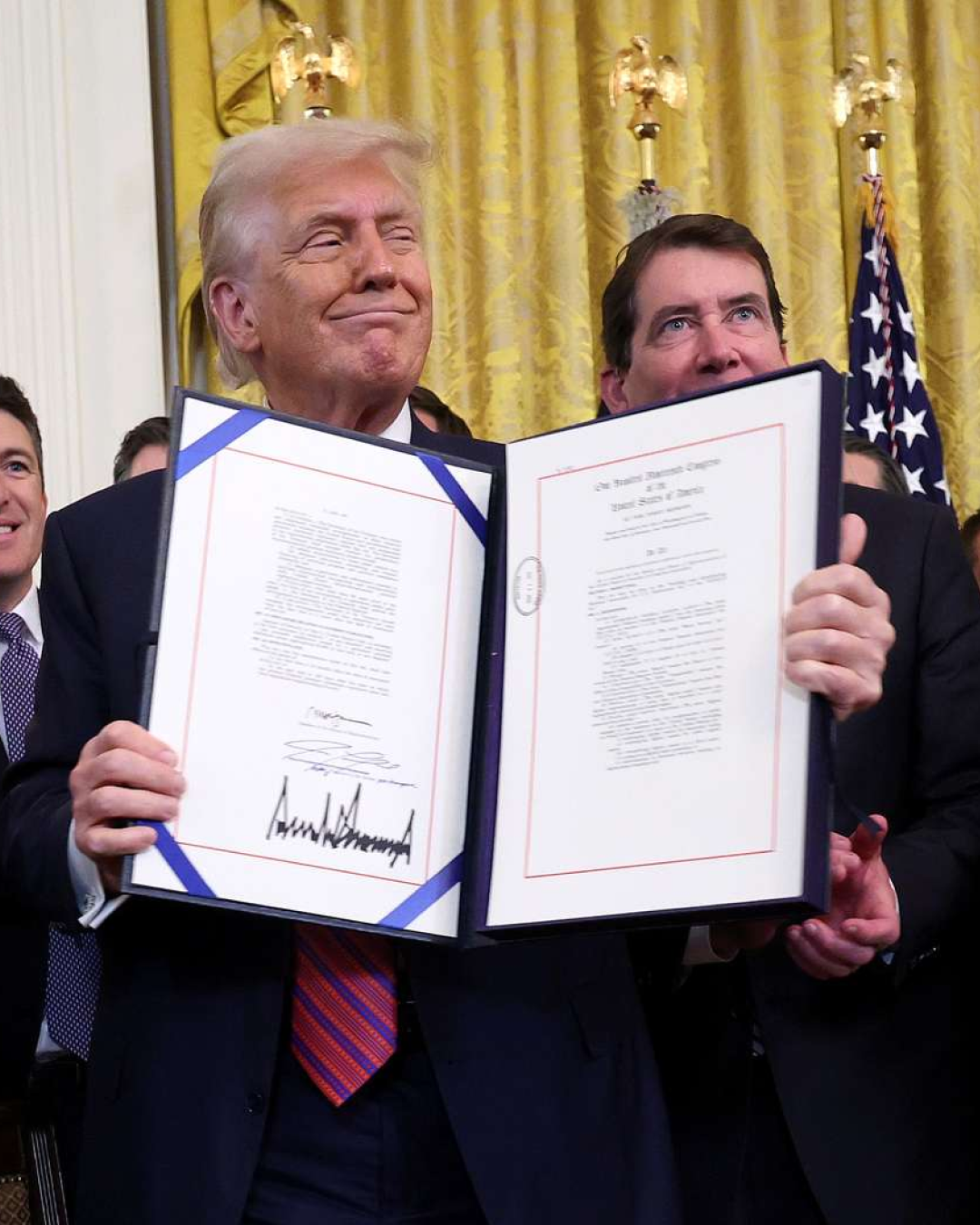
What is the GENIUS Act? The first federal law on cryptocurrencies passed in the US this weekend
For the first time in history, this weekend in the United States of America, the GENIUS Act was passed, the first federal law on cryptocurrencies. The bill introduces a regulatory framework for so-called stablecoins, or cryptocurrencies pegged to assets considered stable, such as state currencies. The stated goal of its supporters, who have been pushing the bill since last year, is to provide clear rules for a rapidly growing sector, ensuring that the U.S. keeps pace with the evolution of payment systems. The push comes directly from the crypto industry, which sees these rules as an opportunity to expand the adoption of digital currencies and finally make them part of everyday economics. For many industry observers, this law marks a real turning point. According to Christian Catalini, one of the most influential voices in digital finance and a key supporter of the bill, the introduction of official rules could trigger a wave of new players entering the stablecoin market. The main effect? Increased competition, more choices for consumers, and real acceleration in payment innovation. Some senators, however, argue that the current draft is too lenient on companies and lacks effective tools to truly protect consumers or counter the risks of money laundering and illicit trading. For senator and former Democratic presidential candidate Elizabeth Warren, the law even represents a step backward: a weak compromise that risks doing more harm than good by giving a false sense of legitimacy to a still opaque sector.
The stupidest motherfucker to ever walk this earth, claimed the
— Marlene Robertson (@marlene4719) July 19, 2025
GENIUS ACT was name named after him.
pic.twitter.com/0T0DzkEX5P
In December of last year, bitcoin's price exceeded $100,000 (about €95,000), reaching its highest value up to that point. During 2024, the price of the cryptocurrency had already more than doubled. Recently, on July 14, the value of bitcoin exceeded $120,000 for the first time, setting a new record. The growth was driven by strong investor interest, convinced that Trump could offer more favorable political and regulatory support to the cryptocurrency sector—something that is already partially happening. “The political aspect is especially important because it’s allowing cryptocurrency to gain increasing institutional legitimacy in the United States, transforming it from a speculative asset into a potential national strategic reserve,” writes Wired Italia. Although Trump had been skeptical about cryptocurrencies for years, during his campaign he openly supported their spread and promised to ease regulations that limit their use. These declarations have been seen as credible by investors, partly because they came from an institutional figure (however controversial and ambivalent), and partly because—despite everything—Trump currently controls both chambers of Congress: in this context, keeping promises is theoretically easier.
Bitcoin’s rise up the market-cap leaderboard continues:
— Bitcoin.com News (@BTCTN) July 14, 2025
• Now #5: BTC at $2.43 T just passed Amazon ($2.39 T)
• Last week it leapt over Silver ($2.22 T) and Alphabet ($2.19 T)
• Next target: Apple at $3.15 T — a 30 % price move from here
Digital gold is catching the $3 T… pic.twitter.com/QzKOfEXdP4
The cryptocurrency sector was among the key backers of Trump’s election campaign, hoping for a tangible return: after years of skepticism from financial authorities, investors now expect a more favorable stance toward bitcoin—at the very least. In fact, banking institutions—especially in Europe—remain reluctant to treat cryptocurrency as a viable investment tool due to the opacity of the platforms and the high volatility of its price—which can yield significant gains but also equally significant losses. Unlike company shares, cryptocurrencies are not based on solid economic fundamentals but are solely driven by supply and demand dynamics. “Until a few years ago, bitcoin was considered too risky by major financial institutions. Banks, pension funds, and corporations saw it as a volatile asset with no clear regulation,” explains Wired Italia. In recent months, however, expectations of wider adoption have prompted many investors to buy, boosting demand and consequently driving prices higher—especially for bitcoin. “It was the political shift in the United States that ultimately accelerated this transformation,” Wired Italia notes. “The transition from Joe Biden’s crypto-critical administration to Trump has completely flipped the approach.”
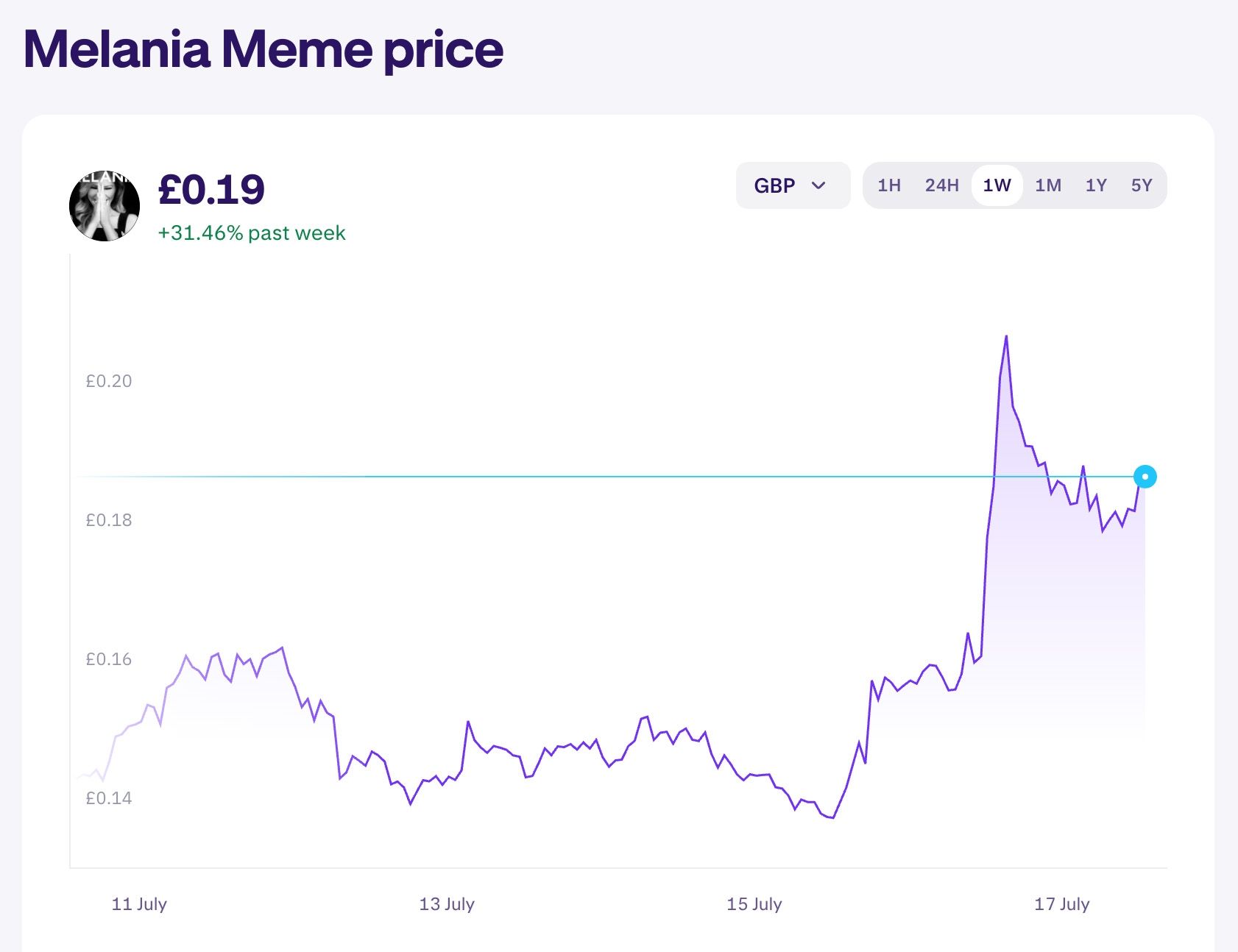
From an electoral perspective, Trump’s open support for cryptocurrencies has helped him win over millions of Americans who had already invested in them. But behind this stance lies a clear personal interest: just three days before taking office, Trump launched his own cryptocurrency—or rather: a meme coin (“$TRUMP”), a highly speculative category often seen as proof of the sector’s limited reliability. Shortly after, Melania Trump also created her own cryptocurrency, in what many interpreted as a quick attempt to cash in on the enthusiasm of the new president’s supporters. The move sparked controversy: according to many observers, rather than helping to mature and institutionalize the market, Trump acted purely to maximize personal profits. The operation also created a clear conflict of interest, as both the president and the first lady were profiting from cryptocurrency while the Trump administration claimed to be regulating the market. So, despite Trump’s crypto-friendly stance, many still question how trustworthy his initiatives really are.