



















Is art still a safe haven asset? That is, an economic investment worth betting on? According to many observers, not anymore
Christie’s is one of the most important and prestigious auction houses in the world, founded in London in 1766, and specialized in the sale of artworks, collectibles, and luxury goods. In the first six months of 2025 it recorded revenues of around 2.1 billion dollars, despite an international context marked by an aggressive trade war launched by the United States against many of its historic partners, including Europe. Christie’s new CEO, the American Bonnie Brennan, emphasized that the company’s priority has been to ensure economic stability, avoiding the sharp shocks of last year, when a 22% drop in sales was recorded. It is true that the market for 20th and 21st century works in 2025 experienced a slight contraction, but this slowdown was offset by the growth of the luxury sector, which nearly reached 30%.
Sotheby’s, Christie’s main competitor, also posted strong results, with a turnover of over 2 billion dollars in the first half of the year. But there’s a catch. Several analysts argue that the art market is not truly growing: in particular, it is increasingly struggling to attract the wealthiest collectors – who are now generally more focused on the economic solidity of investing in a given work, rather than its cultural prestige. According to The Art Newspaper, more than half of the works resold at auction in 2025 generated negative financial returns: if this trend continues, the art market would record its worst performance since the early 2000s, especially when compared to the strong gains of assets such as stocks, gold, and cryptocurrencies. In the first half of 2025, the U.S. stock index S&P 500, which groups the 500 largest companies listed on Wall Street, grew by 5%. Gold did even better, traditionally considered a safe haven asset, rising by 25% in the same period.
@thebaerfaxt "In your lifetime you get the one opportunity to acquire the object of your desire." -Jussi Pylkkänen In his first sit-down interview since leaving his role as Global President of Christie's, Jussi joins Josh on The Baer Faxt Podcast to reveal the secret art of the auctioneer. Listen today at the link in our bio or wherever you get your podcasts for our conversation with the specialist behind many of the biggest record-breaking auctions in recent years, as he shares his favorite stories from nearly four decades at Christie's, plus his plans for his new independent advisory, Art Pylkkänen, and his predictions for the future of the auction market. #jussipylkkanen #christies #christiesinc #christiesauction #artauction #auctioneer #auction #artcollector #artcollecting #talkingart #artistsoftiktok #artistatiktok #artpodcast #baerfaxt #baerfaxtpodcast #artmarket #artbusiness original sound - The Baer Faxt
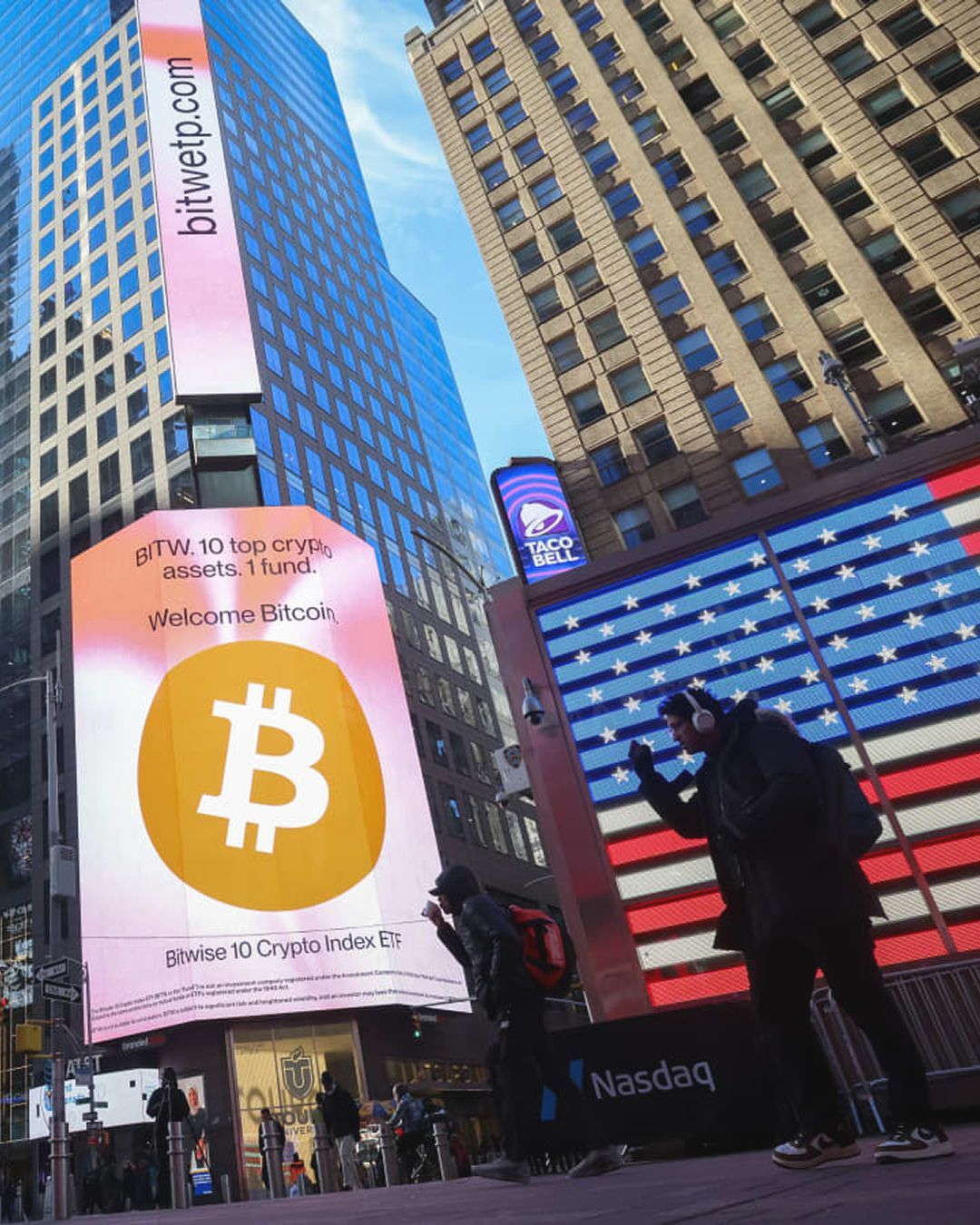
Bitcoin, the world’s most well-known cryptocurrency, also posted 9% growth, despite its inherent volatility. It is therefore no surprise that large amounts of capital have shifted toward these more profitable assets. A prime example is the Bitcoin Trust, a fund created by the well-known U.S. asset management company BlackRock, through which investors can buy and sell shares as if they were stocks, benefiting from Bitcoin’s value growth without having to directly manage digital wallets, private keys, or custody of the cryptocurrency itself.
Thanks to this mechanism, the Bitcoin Trust attracted over $84 billion in investments in the first half of the year alone: a very large figure even by financial sector standards, and greater than the entire economic volume generated by the global art market in the same period. This shift of interest toward more profitable resources, such as Bitcoin among others, is calling into question the idea of artwork as an investment vehicle. Art continues to attract the global elite, but increasingly because of the prestige and symbolic dimension associated with a painting or sculpture: essentially, it is ceasing to be considered – like gold – a safe haven asset in which to invest significant capital with the certainty of an economic return.
@jewelinthegallery Art Basel is the Olympics of the art world. But here’s the new, accessible alternative happening the same week. Basel Art Summer Camp is a pop-up affordable gallery & creative hub taking place at Hyve Hostel in Basel (18-22 June). Browse the art gallery for affordable pieces, meet up-and-coming artists, participate in events, and even stay at the hostel for an affordable, artsy stay! Let me know if you’ll be at Art Basel or Basel Art Summer Camp this June and I’ll see you there #artbasel #artfair #artcollector #affordableart @baselartsummercamp original sound - jewel
Even fairs historically central to the market, such as Art Basel in Switzerland, are today seen more as social events reserved for a few super-rich than as opportunities to make investments. In the past, these events were benchmarks for buyers, while today they are seen more as social gatherings, where networking opportunities or cocktail parties seem more relevant than the works on display – notes The Art Newspaper. According to many industry players, the art market will shrink further in the future: only major works will retain value over time, while those considered minor will progressively lose economic appeal.
In this context, it is not uncommon to hear talk of “zombie art”, a term used to describe works created specifically to perform in the market at a given historical moment, essentially riding the trend of the moment. Faced with these trends, Marc Spiegler, former director of Art Basel, speaking with The Art Newspaper, said the sector should change perspective: according to the French-American journalist, art should no longer be presented to the super-rich as a “safe” financial investment, but as a product of a purely aesthetic and cultural nature. In other words, for Spiegler, art should return to being appreciated for what it truly is, and not for what it can yield economically in the future.