
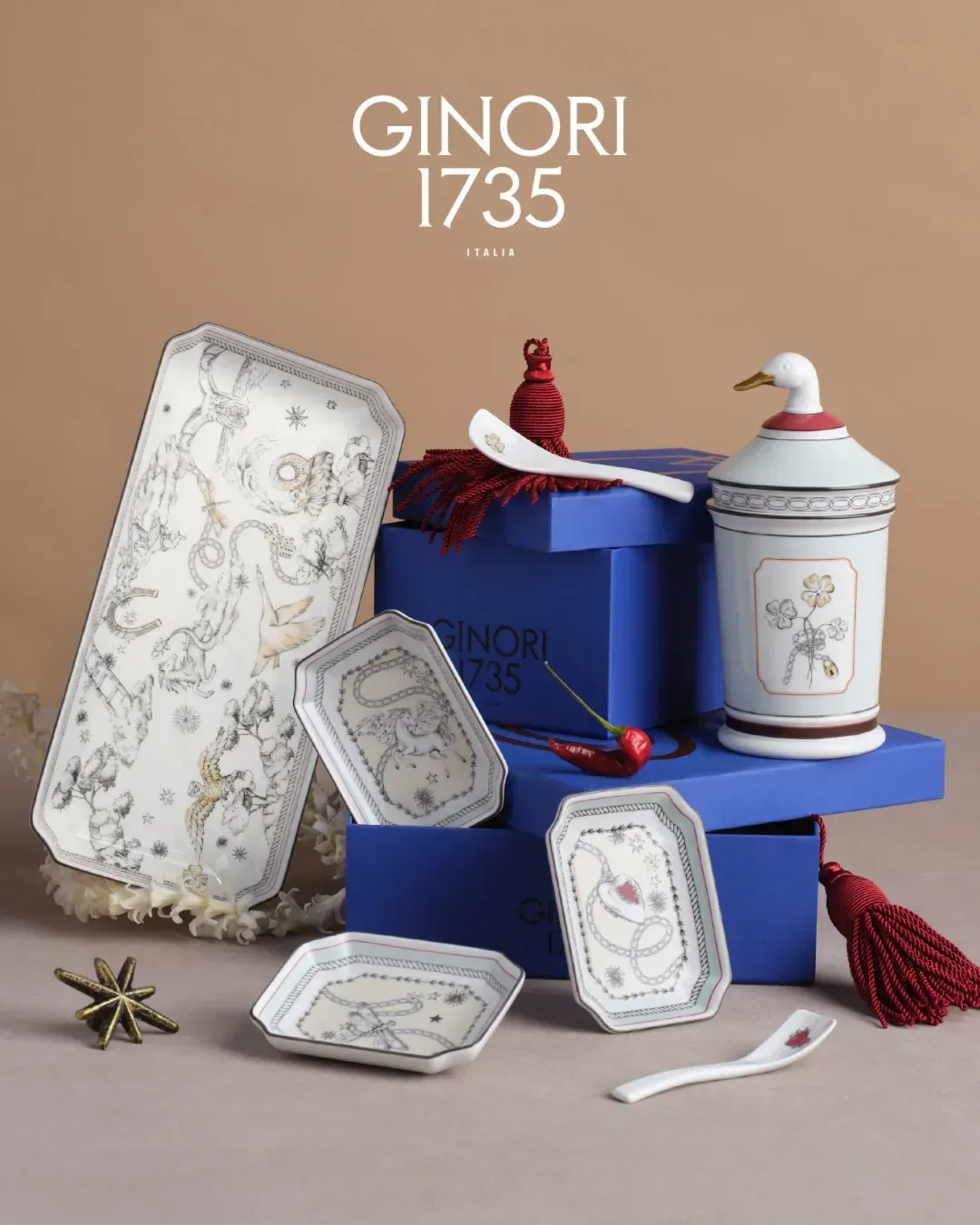
GINORI 1735 presents the new Fortunae collection "The Art of Wishing Well"
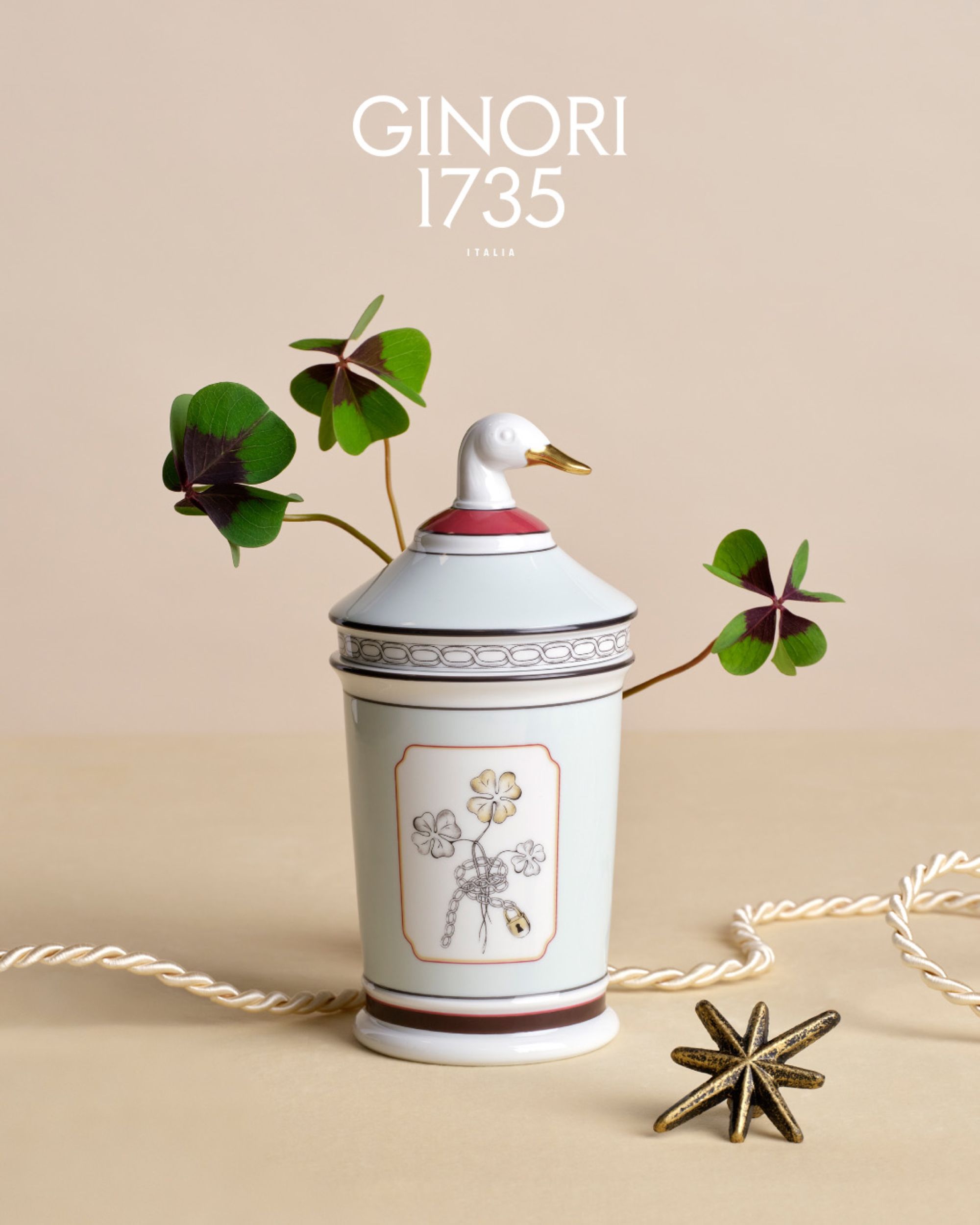
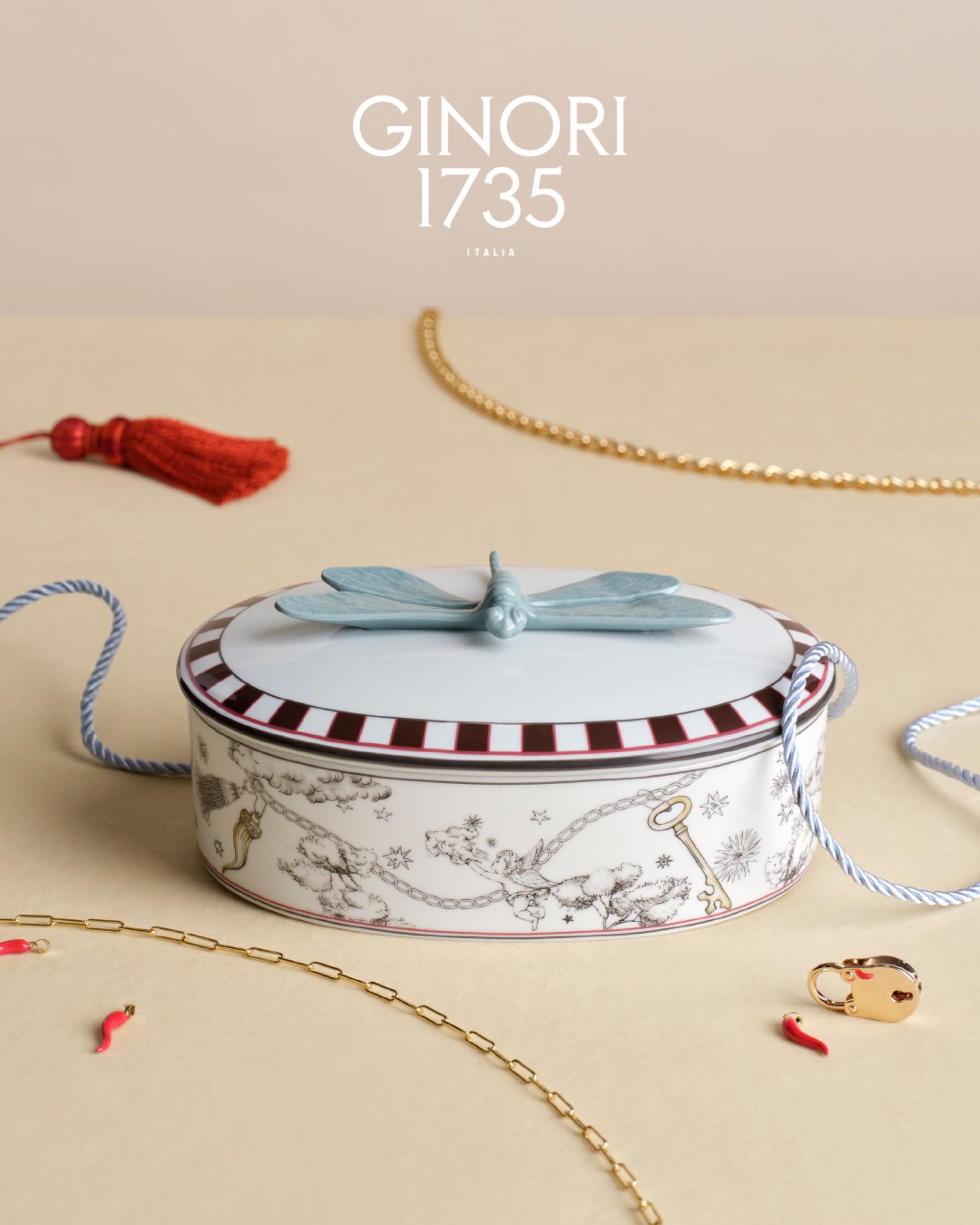
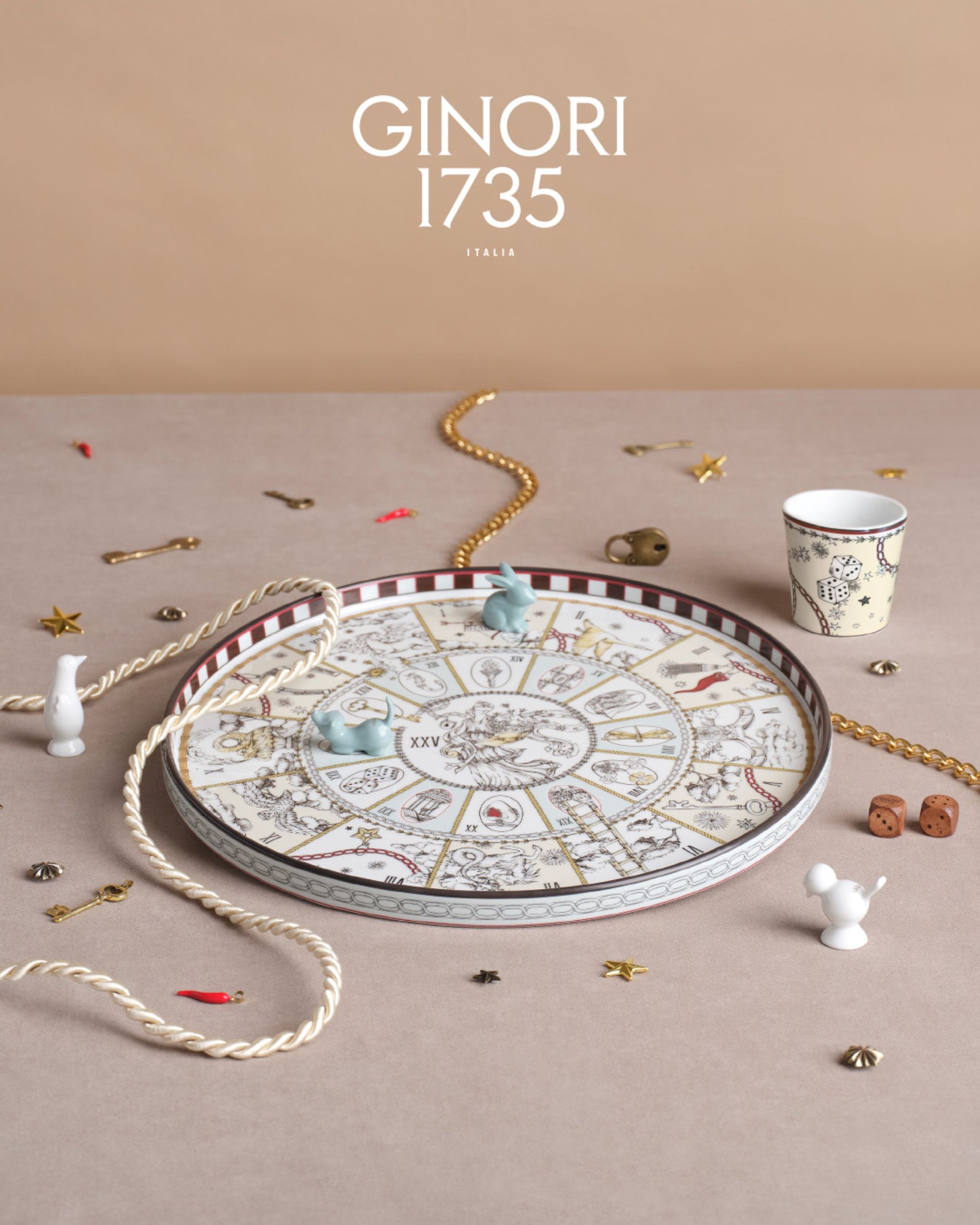
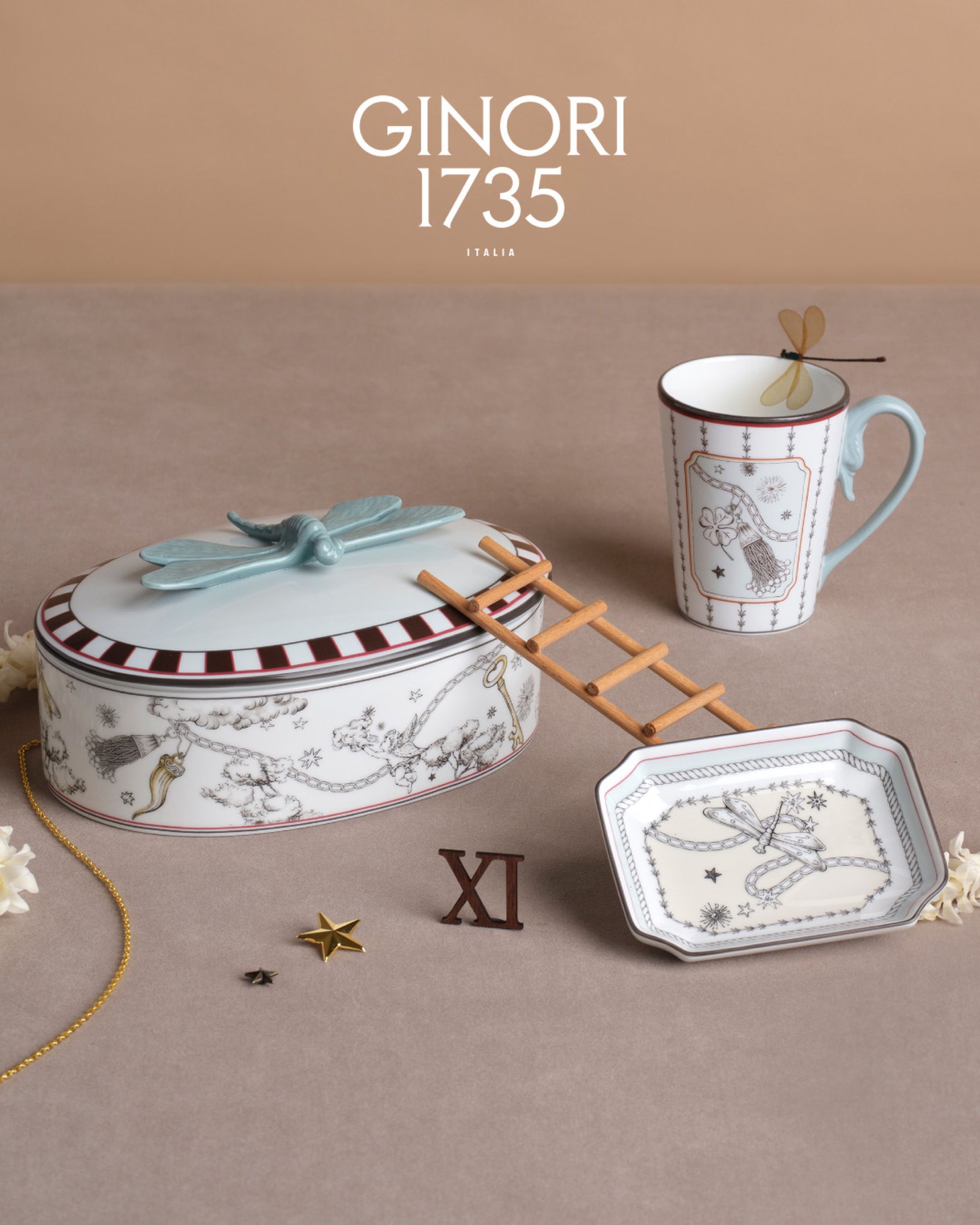
Luck takes many forms: a four-leaf clover found by chance, a small daily ritual, an object to keep close. It is from this imagery that Fortunae draws its inspiration — the new giftware and home décor collection by Ginori 1735, which translates good fortune into a series of objects designed to be used, given as gifts, or collected. For Ginori, luck is something to be shared: porcelain thus becomes a way to wish for the fulfilment of desires through the small gestures of everyday life. Vases, boxes, mugs, teapots, trays, espresso sets and miniatures are transformed into lucky charms to bring into daily life.
The centrepiece of the collection is the Game of the Goose, a Renaissance-era game linked to the Medici court, from which it is said to have spread throughout Europe. Built on symbols, unexpected twists and possibilities, the game is reinterpreted through the language of Ginori 1735, striking a balance between elegance and irony. The goose appears on the lid of a vase, while the dragonfly, four-leaf clover, horseshoe, dice, key and ladybird become lucky symbols to collect and combine.
The most interesting aspect of the new Fortunae collection is precisely the freedom with which it can be interpreted. The objects can be purchased individually or paired together, giving rise to different combinations depending on the person, the occasion, or simply the symbol one wishes to give. The gift thus becomes even more personal, almost a composition of hidden messages to be deciphered through shapes and symbols.
The palette of Fortunae also develops this idea: light backgrounds, polychrome details and golden accents come together with shades such as fortune red, wish blue, mocha brown and celadon hues. The illustrations, meanwhile, do not follow rigid patterns but adapt to the various forms, creating a continuous dialogue between decoration and object. With Fortunae, Ginori 1735 offers a more contemporary way of understanding collectible porcelain: no longer something merely to be kept and displayed, but objects to be lived with and shared, capable of accompanying everyday gestures with a wish for luck and good fortune.