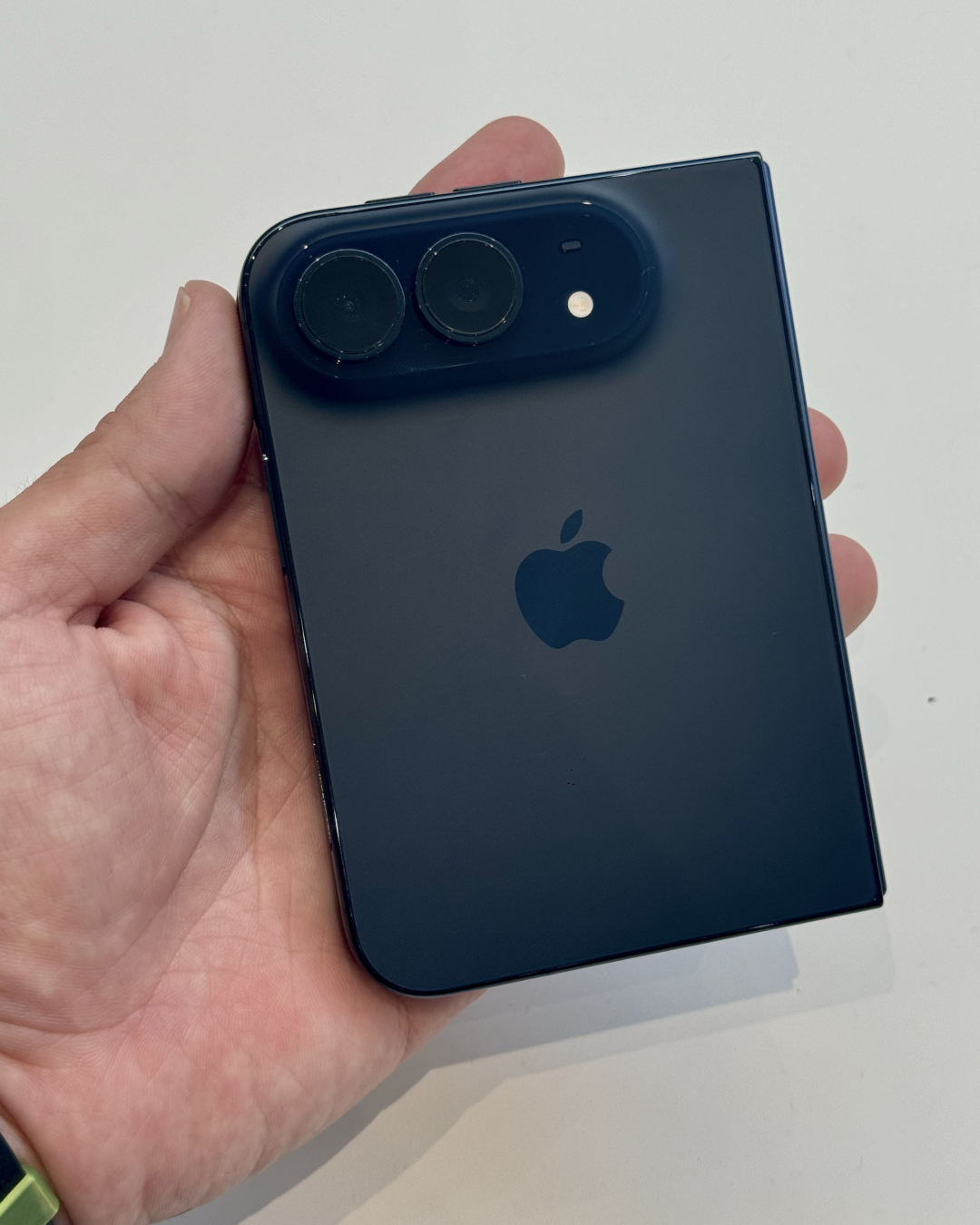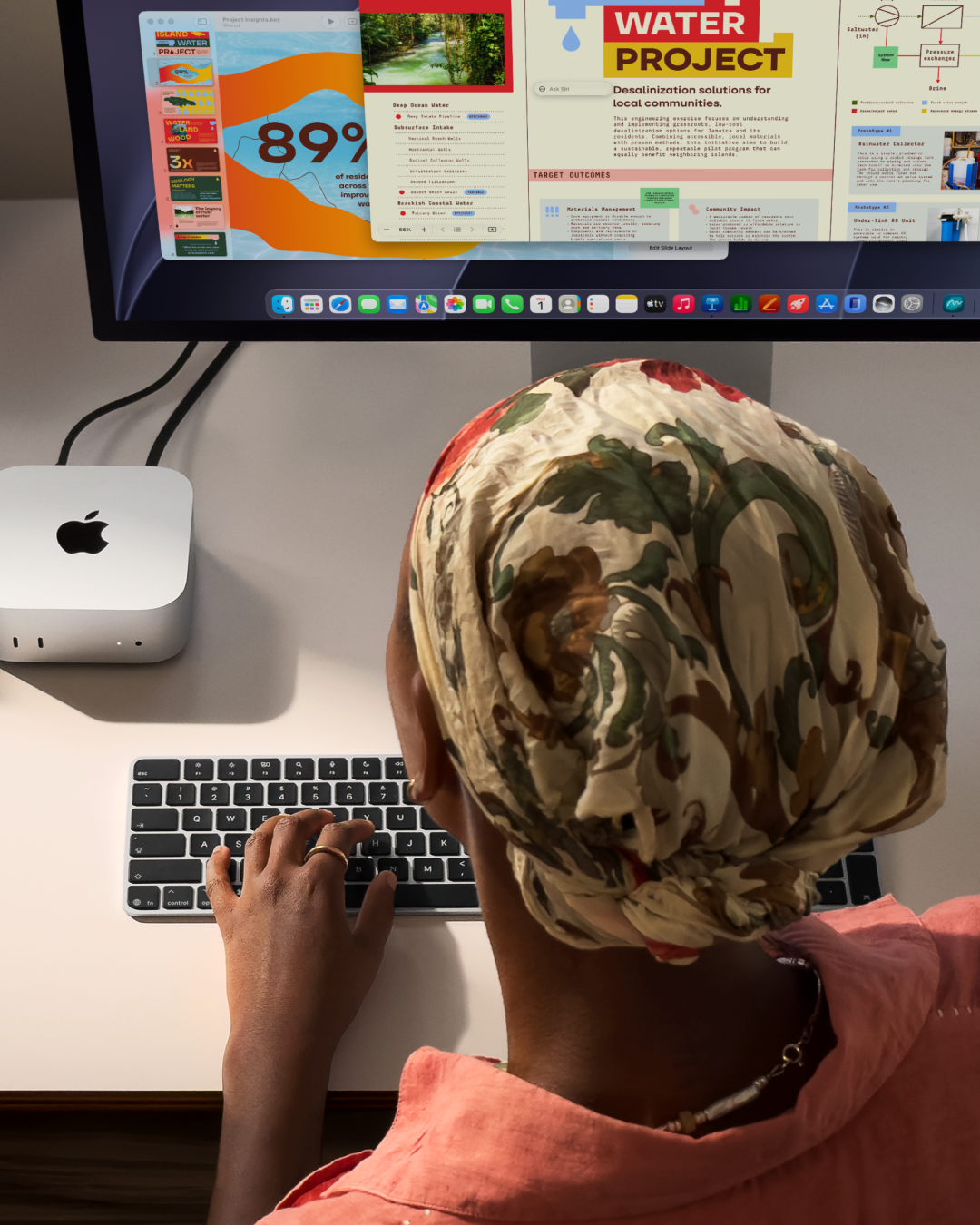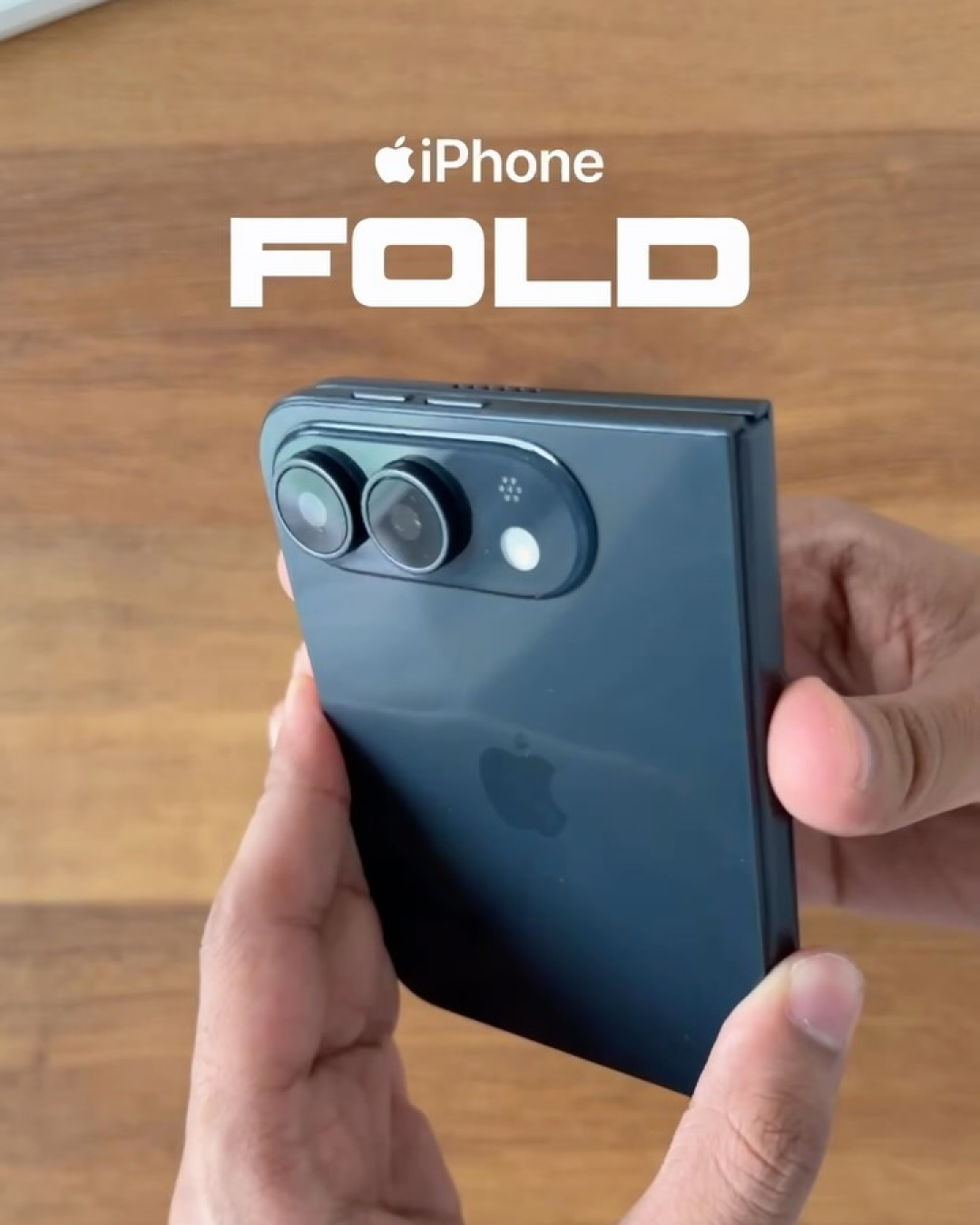







































Is leasing the future of tech devices? Apple was the first major company to take a step in this direction
Recently, Apple introduced a program for purchasing iPhones, Macs, iPads, or Apple Watches through leasing. In this case, the device is not purchased outright: the user pays a periodic fee for a set period and, at the end of the contract, can choose whether to buy it out or return it in exchange for a newer model. The company already offered similar solutions for businesses, but with the Apple Upgrade program, this model has been extended to consumers as well.
The program is currently available only in the United States and stems from a partnership with Klarna, the payment service that allows users to purchase goods and spread the cost over time. Apple Upgrade involves paying a monthly installment over a two-year period. For example, someone who chooses an iPhone 17 Pro can pay $31.99 per month, spending a total of around $770, compared to a list price of $1,099. At the end of the plan, the user can decide whether to keep the device, paying the difference from the list price, or return it.
What does the RAM market crisis have to do with all this
@sidneydiongzon How do you feel about Apple Upgrade? #Apple #appleupgrade original sound - Sidney Diongzon
The rise of alternatives to traditional purchasing is being driven in large part by the increasing cost of tech devices, due to the surge in prices for RAM — the components used to process and temporarily manage data, which have become particularly sought after with the growth of artificial intelligence. The AI sector requires enormous memory capacity for its data centers – the infrastructures that house thousands of servers and provide the computing power needed to run services such as ChatGPT or Claude, among others.
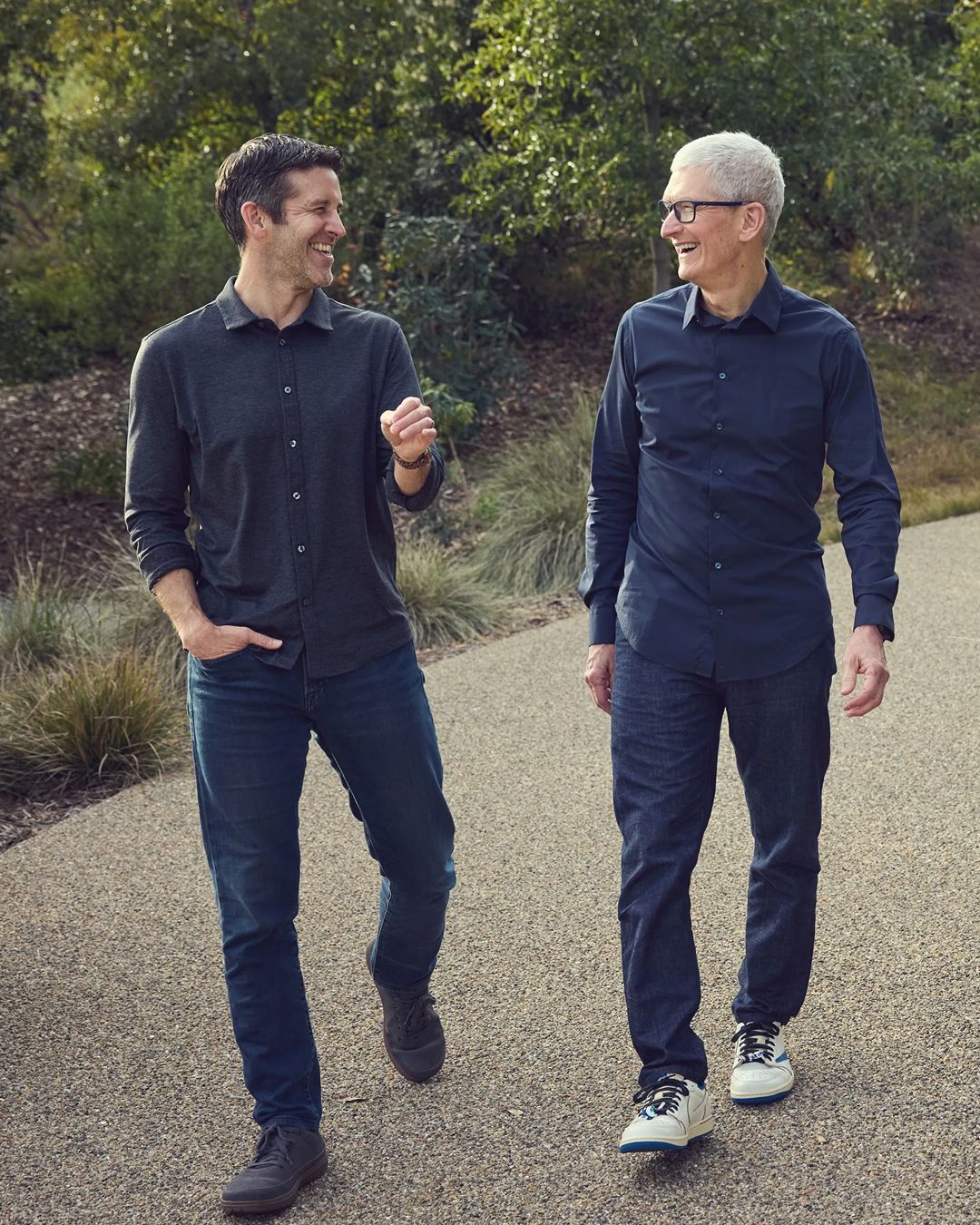
Given its size and purchasing power, Apple initially appeared to have managed to limit the impact of the so-called "RAMageddon" — as insiders dubbed the crisis affecting these components. Over time, however, even the Cupertino company was forced to pass at least part of the sector's rising costs on to consumers, raising the prices of several of its products. Tim Cook, Apple's former CEO, had metaphorically compared the situation to a flood, warning that the effects of the crisis could last for a long time.
Is Apple Upgrade just the beginning?
Apple Upgrade appears to be the first move in a broader shift in the way tech products are purchased and used. A growing number of companies are working on programs that allow users to use a device without immediately becoming its owner — through leasing or rental agreements, as the case may be. In recent months, Sony has moved in this direction, launching a program in the United Kingdom that allows consumers to purchase a PlayStation 5 through a leasing arrangement, as has HP, which before shutting it down had introduced a plan that allowed users to rent computers designed for gaming.
These arrangements, however, come with specific contractual conditions compared to outright ownership of a device, as well as potential additional costs in certain circumstances. As The Verge notes, in the case of Apple Upgrade the "purchased" product would technically remain the property of Klarna for the entire duration of the lease — and, according to the tech outlet, it cannot be ruled out that the user may be required to pay an additional sum should they return the product in a condition deemed inadequate under the terms of the contract.