































Jupiter is the French version of A House of Dynamite Too bad it lacks the same punch
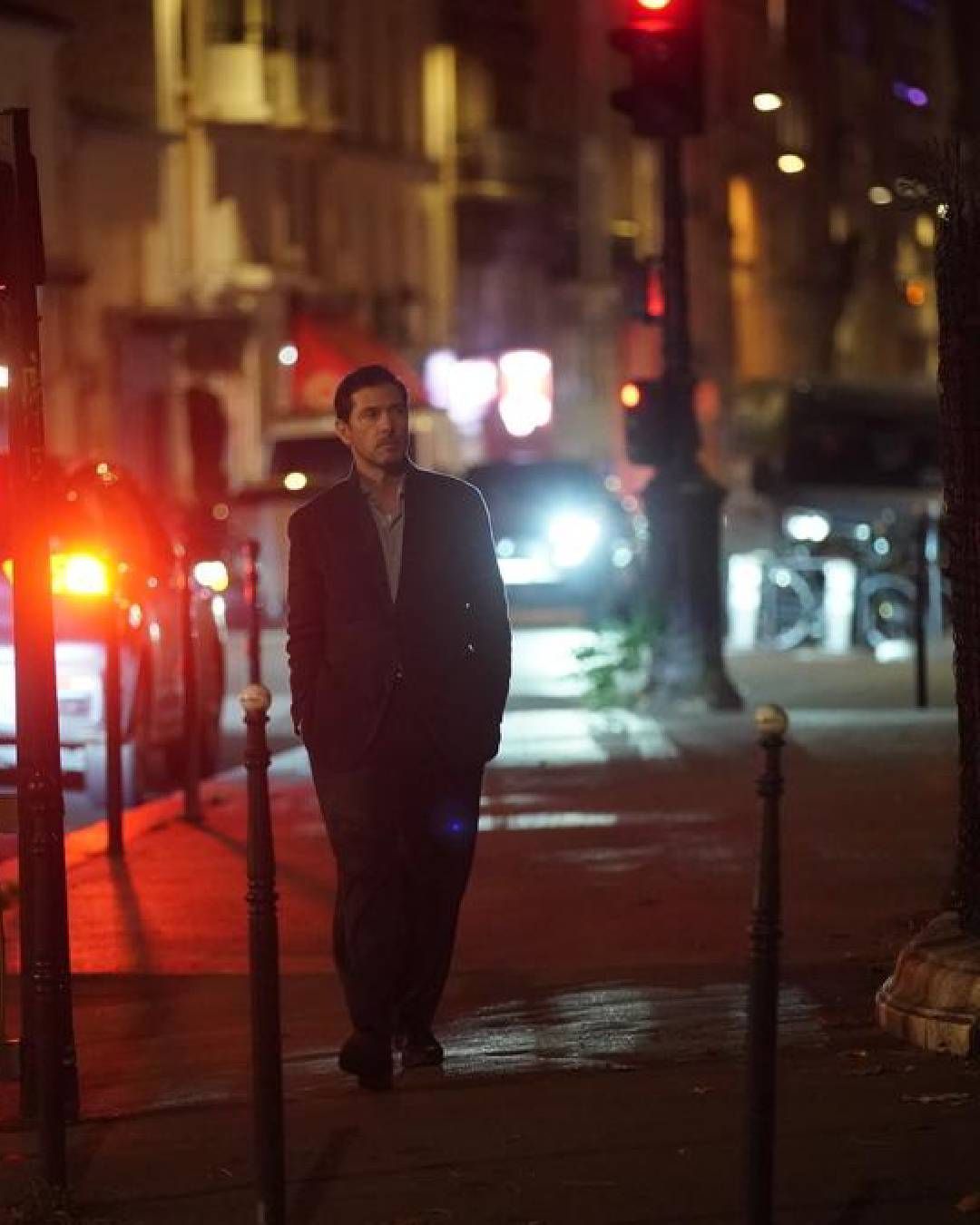
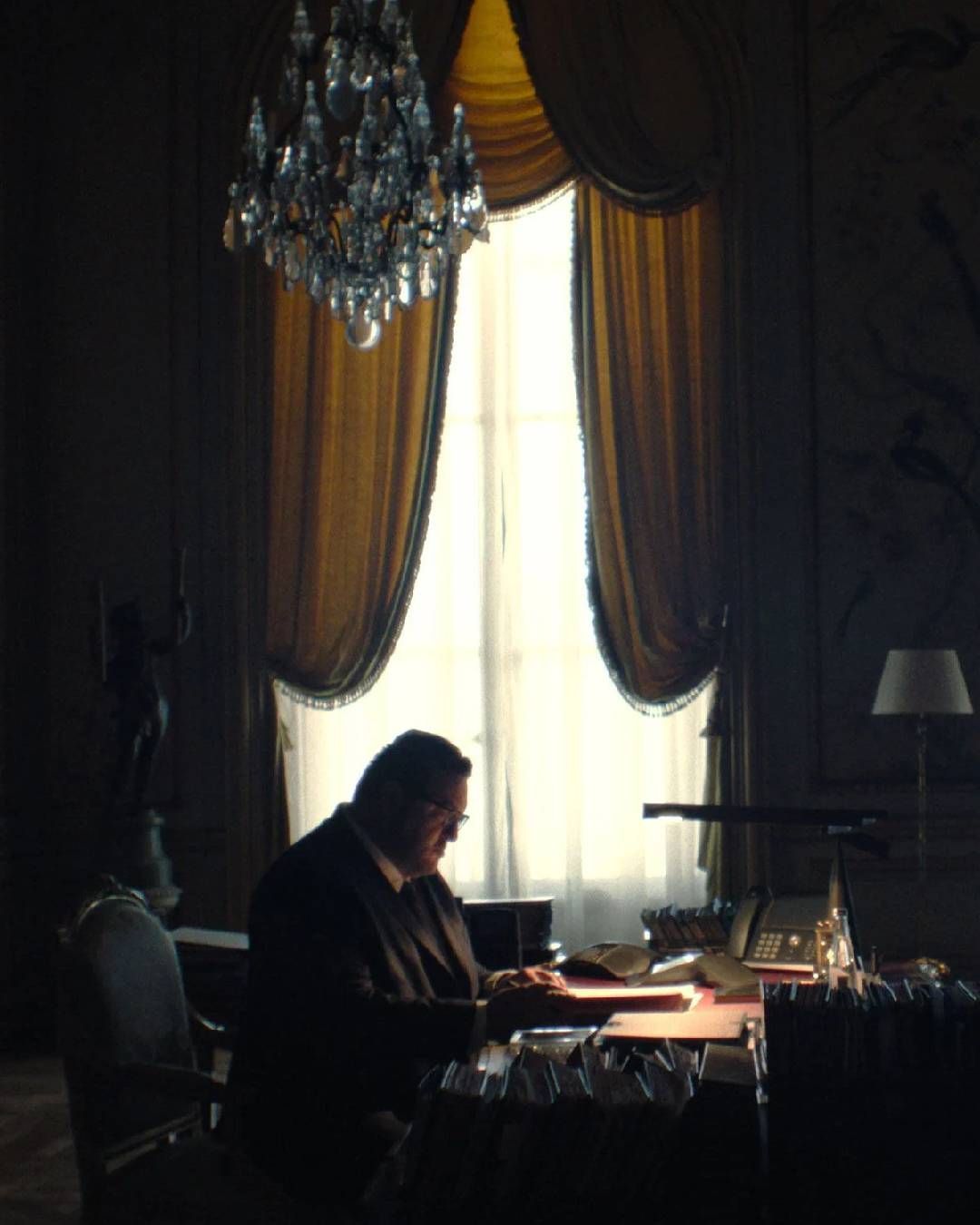
Last year, the Venice Film Festival featured Kathryn Bigelow's A House of Dynamite in competition—a statement piece and a global political nightmare about deterrent warfare, where the United States comes under attack from a missile of unknown origin, leaving officials scrambling to determine its trajectory, target, and impact. It also explored the choices facing the U.S.: victims, yet potentially further executioners should they choose to fight fire with fire. For its 83rd edition, the festival selected Alexandre Smia's Jupiter out of competition, a European take on attack and defense in which the President of the French Republic must choose between unleashing his arsenal or waiting for common sense to prevail.
The setup is quite different from A House of Dynamite. While Bigelow's film, written by Noah Oppenheim, relied on an invisible enemy striking out of nowhere and plunging an entire nation's intelligence apparatus into panic, Jupiter uses real-world global tensions—specifically the Russo-Ukrainian conflict—as the foundation for a escalating crisis that spreads across Europe. It is the alignment (or lack thereof) of allies that further inflames the hours leading up to a potential trigger of MAD: Mutual Assured Destruction. A mad protocol indeed, as the acronym ironically underlines, toward which the film dangerously veers while illustrating what might happen if a threat directly provoked the Élysée Palace.
This fragile balance of power was absent from Bigelow's work—at least in these terms—since her film did not seek to unpack real-world geopolitical alliances and political backing. Jupiter, on the other hand, makes that attempt. Rather than aiming to predict the future, it draws on our current reality to craft a scenario that is not only unthinkable, dangerous, and terrifying, but unfortunately increasingly plausible. The film balances real-world accuracy with fictionalization of the events and countries involved; Smia and his co-writer Thomas Finkielkraut change the names of both the Ukrainian and Russian leaders, while inevitably drawing inspiration from years of conflict between the two nations.
If Jupiter aims to leave moviegoers walking out of the theater with their minds still racing over decisions made in the underground bunkers of power, several misfires in its filmmaking unfortunately undermine the weight of its premise. Audience engagement remains limited, largely hampered by the fact that a nearly identical premise was tackled just last year in a very similar manner—notwithstanding its differences—making it easy to spot what worked in Bigelow's film that falls flat in Smia's.
Where the American director's work was rigorous, with measured performances and a atmospheric pressure so tight you could feel the air vibrate, Smia's film does the exact opposite. It actively chases drama through its characters and actors, as though the situation weren't tense enough on its own, overloading the protagonist's race against time with disproportionate melodrama. Denis Ménochet, usually a brilliant actor, falls victim here to the over-the-top tone chosen for the project. Naturally, the despair such a scenario would induce is unimaginable in real life. But cinema is more than just its subject matter; it is staging as much as story, execution as much as content. It requires bringing the audience directly into those rooms where the world's fate is decided, rather than making them feel like they are merely watching a simulation.