
































The paradox of "day in the life" videos by influencers with ordinary jobs Becoming famous thanks to your job and no longer being able to leave it
In the digital world content has shifted toward more ordinary scenes where spontaneity reigns supreme: we've seen ugly photo dumps, counterproductive horizontal formats (it used to be said that vertical format captured users' attention and boosted engagement), and pimple patches spammed everywhere. Everything is content, and any occasion is a good one to create it. And indeed, over the past few years the format that has conquered TikTok and Instagram most thoroughly is the "day in the life," a type of content that could be considered the evolution of the old YouTube vlog.
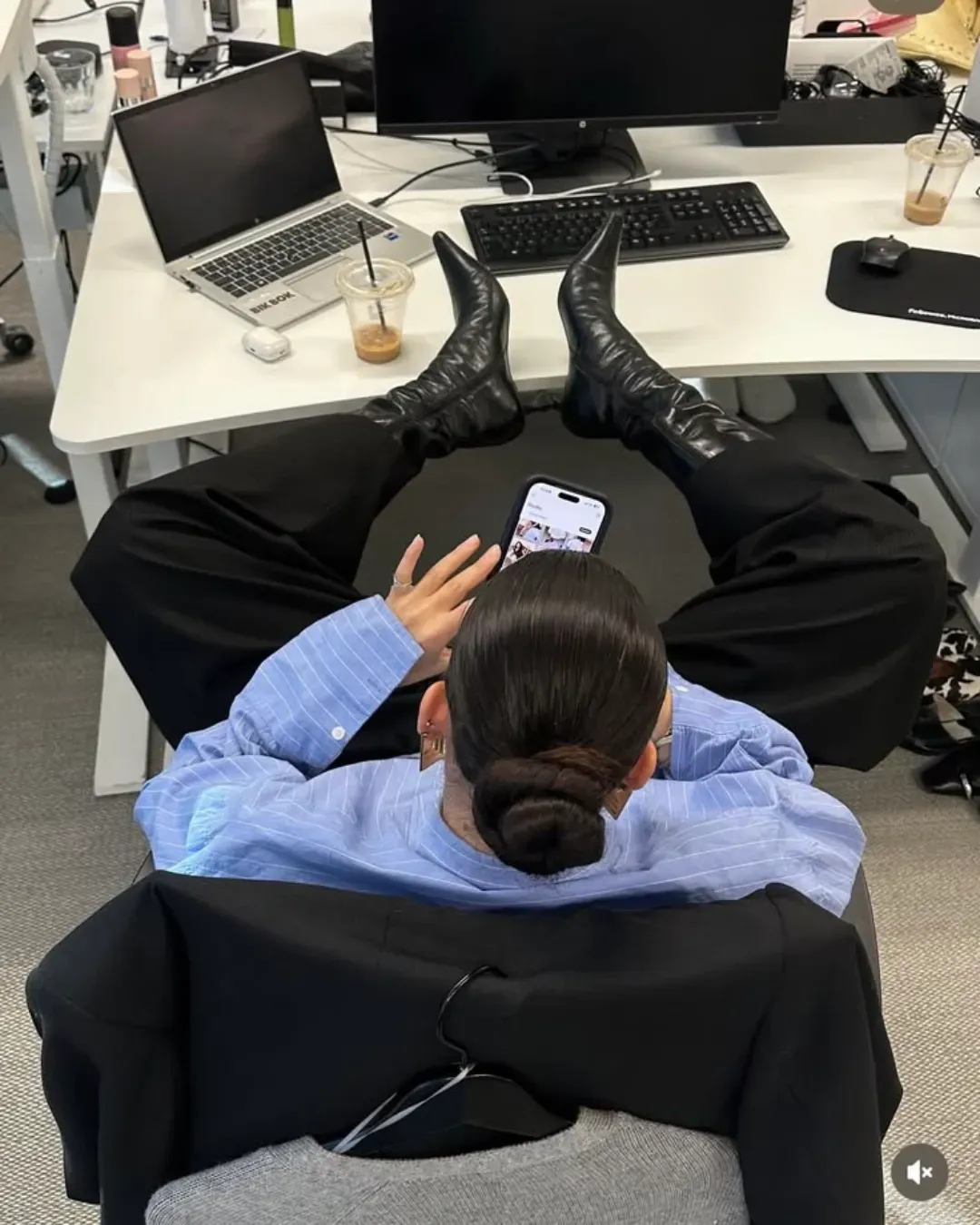
Far from the lives of influencers who wake up at six to do yoga and drink overpriced matcha while pretending it doesn't taste like grass, the subjects of these chronicles of everyday life are the barista, the beautician, the hairdresser, even truck drivers. This content typically opens with a morning alarm, documents the work shift with colleagues, and closes with the end of the working day. Working to live, or living to work?
Definitely working to show it to others.
A genre to monetize
@verorocher97 One time I burned the whole trolley of croissants. It seemed like my blood went to quickly to on top of my head and my heart beated as if I just sprinted. Oh well, it was one of those days, thankfully it never happened again and hopefully never again in the future, now I can laugh about it Chefs, what do you also dream about your work in your sleep? #chefvlog #cheflife #pastrychef #sydneychef original sound - Veronica Indrawan
"Ordinary" work, in short, has become a genre. And like every genre, it is now marked by a certain degree of monetization: coffee product sponsorships, brand collaborations with cosmetics companies, salon equipment brands that recognize the audience and come knocking. A rather enticing scenario, given that potentially anyone could seize the opportunity and perhaps become a full-time creator.
But the catch is just around the corner for those who build an audience by documenting their real job. The moment that audience grows, an uncomfortable fork in the road opens up: on one side, continuing to do that job for the rest of their life and documenting its moments for the benefit of the audience. On the other, changing jobs and risking losing everything.
This is a problem that fashion, travel, or beauty influencers have never really had to face. Many of them were able to leave their previous jobs behind, often thanks to content that didn't necessarily have anything to do with those roles. Those who document a manual or service trade, on the other hand, build their digital identity on the authenticity of a specific context — one that cannot be replicated at a luxury resort visited on an invitation.
The golden trap
idk why people quit their well paying jobs to pursue content creation when they just want to do “day in the life” videos… no showcasing a skill, passion to inform or educate…. just matcha and Pilates classes in the same alo set every other girl is wearing
— H (@houseofhazel) October 22, 2025
The result is a kind of golden trap. The more the channel grows, the greater the temptation to become a full-time creator, but the more one does so, the greater the risk of depleting the very thing that made the project interesting in the first place. Some resolve this by staying hybrid: they continue working part-time at the salon or café precisely to have something to talk about, even when their income as a content creator has long since surpassed their shift wage.
@marcelloascani Dentro gli uffici dell’Estetista Cinica
suono originale - Marcello Ascani
Others choose to transform their trade into a broader brand. This is the path taken, in different ways, by figures such as Cristina Fogazzi, known as Estetista Cinica, who went from beautician to beauty entrepreneur with a company generating tens of millions in revenue, shifting the center of gravity from showing the work to building a product that tells the story of that work.
Working for the content
This paradox also lends itself to a broader reading concerning the way social media has redefined the value of ordinary work. Until recently, showing one's working day had no economic value: it was just work. For a growing number of people, that same day also becomes a monetizable asset, and this creates the strange incentive to keep doing a job not only for the paycheck, but also for the content it produces.
The risk is that of remaining tethered to it even when, economically, there would no longer be any need to, turning everyday life into pure performance. This is where the paradox closes in on itself: the promise of this content is the authenticity of real work, but its success generates a pressure that risks turning that very work into a permanent performance.