

































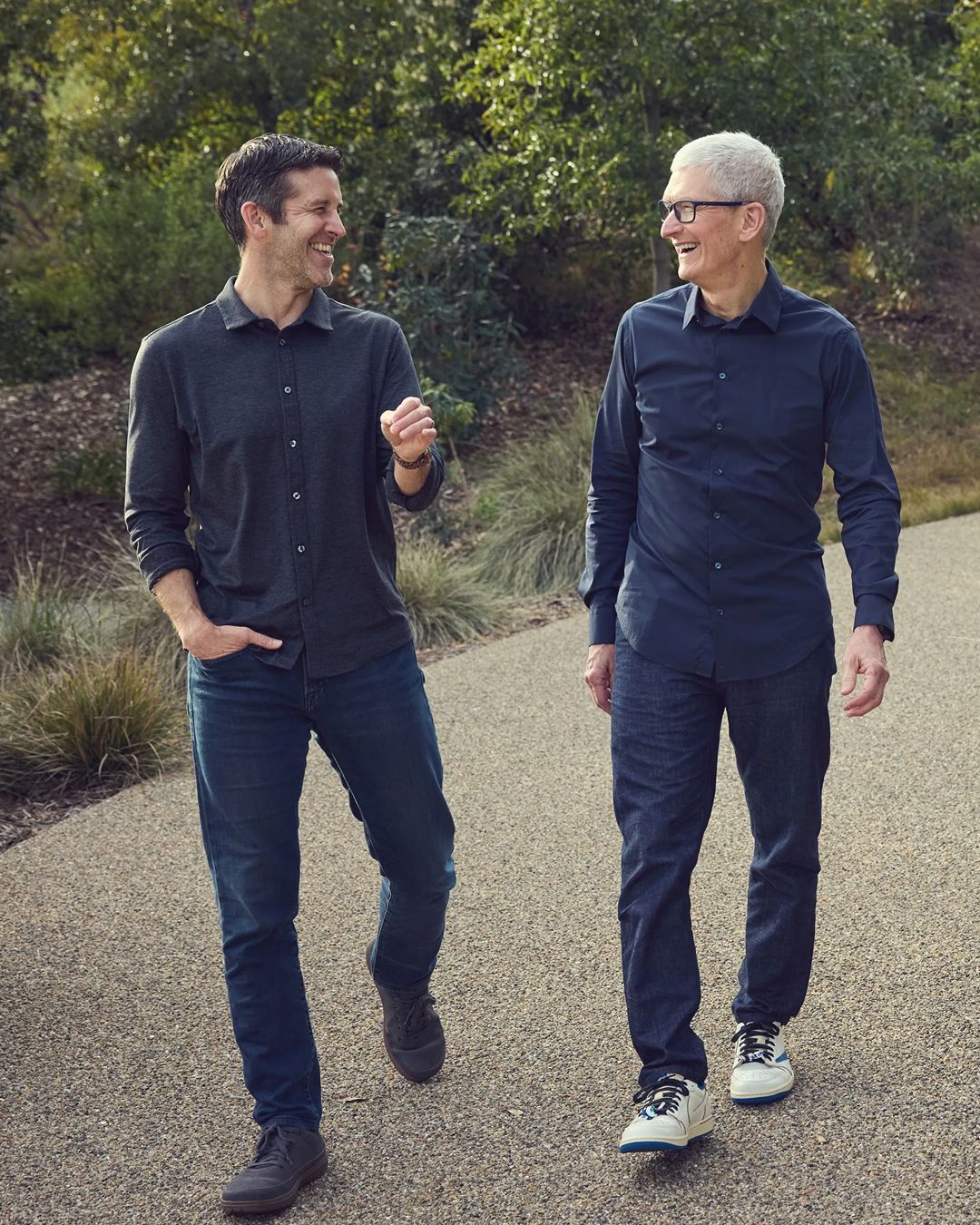
What to expect from Apple's new CEO John Ternus succeeds the renowned Tim Cook after 15 years of company growth, but the challenges ahead will be anything but simple
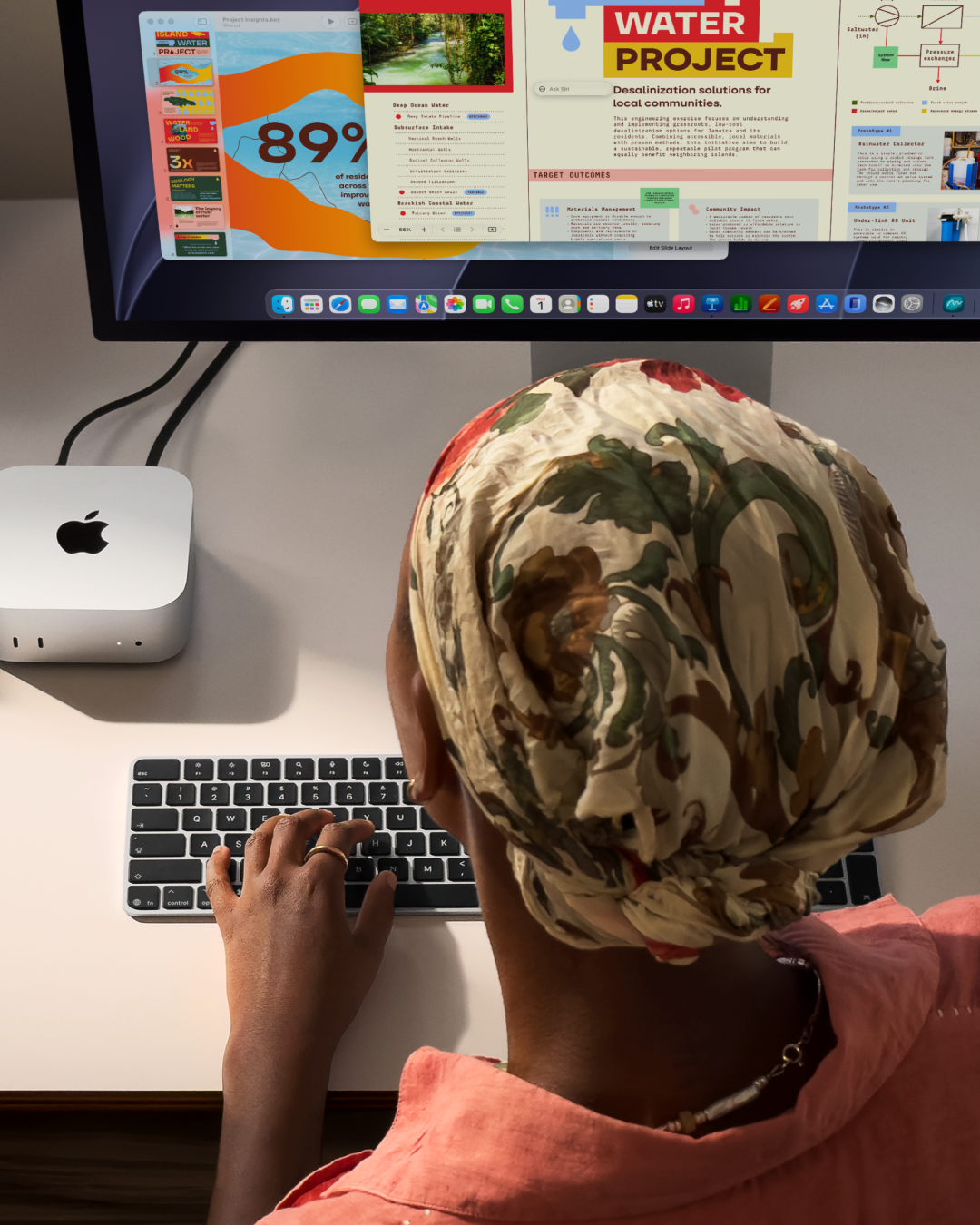
Recently, American John Ternus became the new CEO of Apple, after more than 10 years during which the company had been led by Tim Cook. Ternus is 51 years old and joined Apple more than twenty years ago as an engineer, initially working on Mac design. Over time he worked on the development of several of the company's products, including the iPhone, iPad, and AirPods, eventually becoming head of the company's entire hardware division — that is, all activities related to the design of its physical devices.
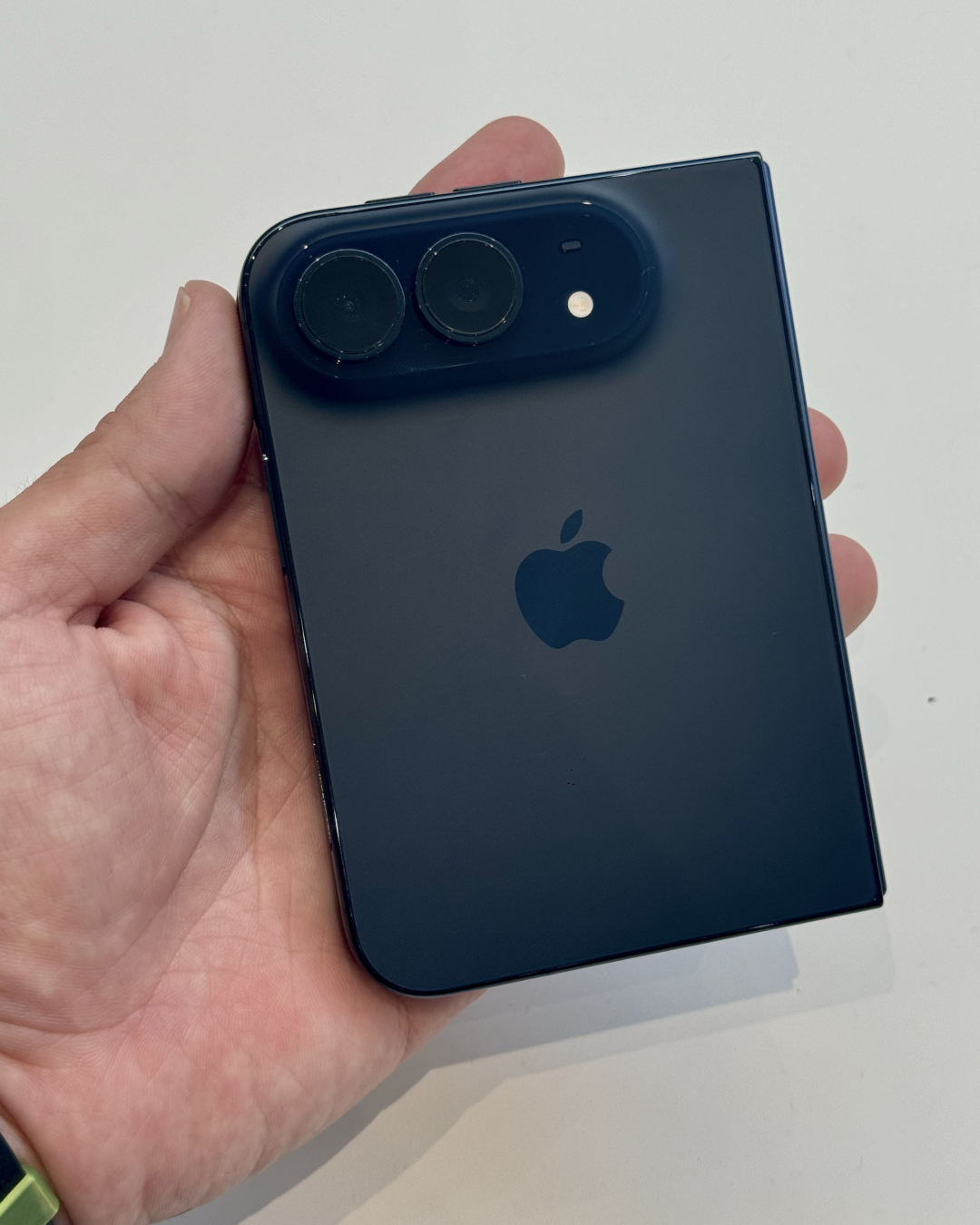
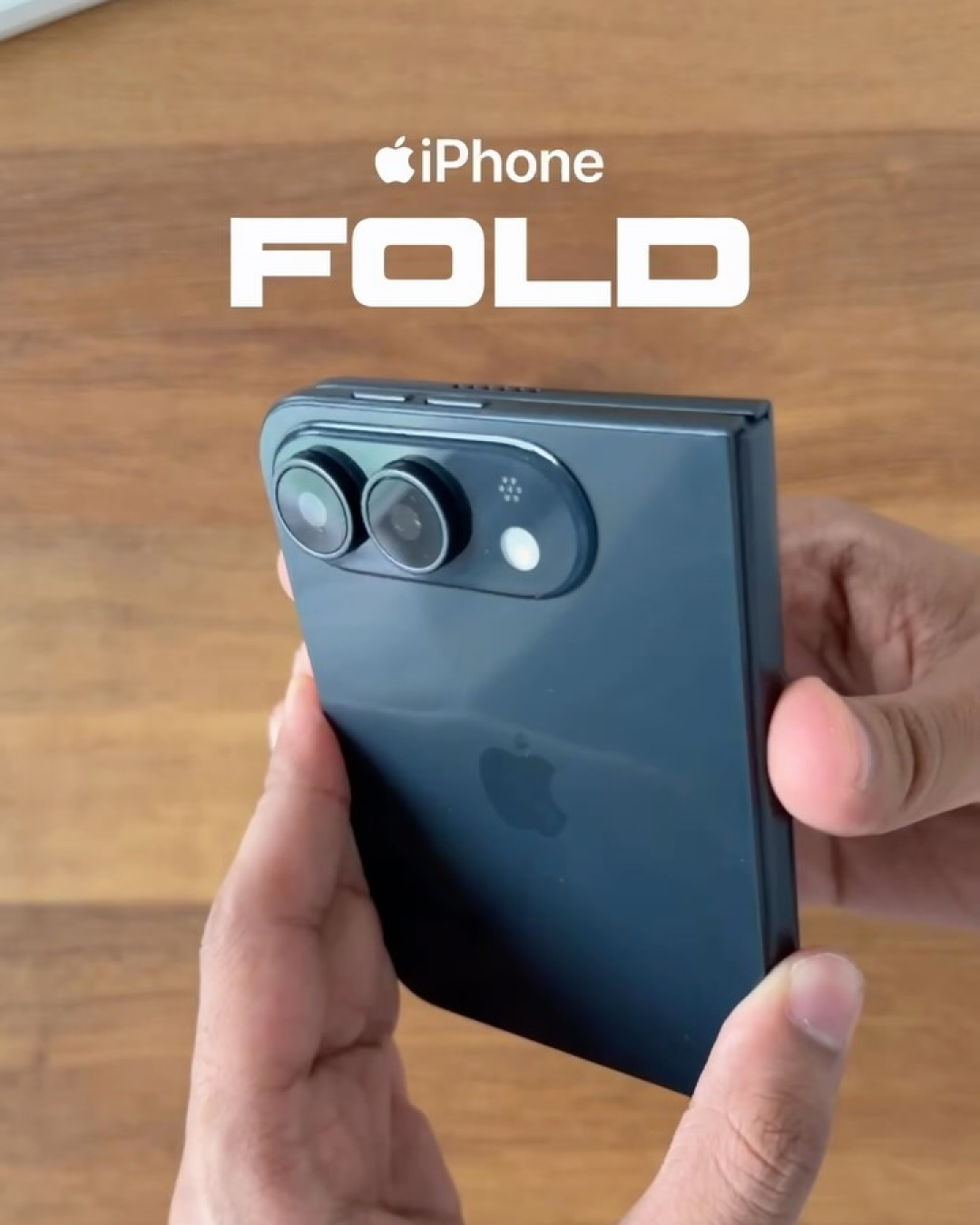
Among the new CEO's first commitments will be the annual unveiling of the new iPhones, which to this day remain Apple's flagship product — according to reports circulating in recent weeks, the event could also see the introduction of the first foldable iPhone. After that, Ternus — whose experience is indeed tied primarily to the hardware sector — will have to navigate areas such as sales, finance, supplier management, and institutional relations, in which Cook had built up extensive experience and moved with ease. Partly for this reason, Cook will retain the role of Apple's executive chairman, handling relations with the Trump administration and the Chinese government, given how heavily Apple depends on China for the production of its devices.
Ternus's goals as Apple's new CEO
@wallstreetjournal John Ternus has officially replaced Tim Cook as Apple’s chief executive, but can he take the iPhone-maker to new heights? WSJ’s Rolfe Winkler breaks down three challenges he faces. : Adam Gray/Bloomberg
original sound - The Wall Street Journal
Ternus will have to lead Apple through a phase marked by considerable uncertainty, tied above all to the rapid evolution of artificial intelligence and the difficulties the company has encountered in keeping pace in this area. Among his priorities will also be the renewal of the device lineup, which has remained largely unchanged in recent years, through greater integration of artificial intelligence into the company's products.
Furthermore, it should be noted that under Steve Jobs, Apple's divisions responsible for industrial design and software had become highly influential within the company, whereas in the final years of Cook's tenure their influence had progressively diminished, leading to a period of reduced innovation. A significant moment in this process was the departure, in 2019, of Jony Ive, then head of industrial design, who left Apple to found his own startup, now engaged in a much-discussed collaboration with OpenAI. Among Ternus's priorities will therefore be the strengthening of the teams involved in industrial design and software, with the aim of bringing them back to the center of Apple's product development and innovation process.
Finally, Ternus will have to contend with the loss of numerous employees, including some executives, who in recent years have left Apple to move to other technology companies. In some cases, the voluntary departures are said to have been driven by dissatisfaction with Apple's still poorly defined strategy on artificial intelligence, combined with particularly attractive financial offers from competitors.
Ternus's background
Ternus studied mechanical engineering at the University of Pennsylvania, where he graduated in 1997 with a thesis devoted to a robotic arm controllable through head movements, designed to assist people with tetraplegia. After graduating he began working at one of the first companies active in the field of virtual reality. In 2001 he joined Apple, at a time when the company was still trying to gain ground against Microsoft, which in the late 1990s and early 2000s held a dominant position in the technology sector.
Ternus's role within Apple grew progressively more important, particularly from 2021 onward, when he was appointed executive vice president of the company and began working closely with Tim Cook, directly overseeing the development of several new products, including the MacBook Neo, a more affordable version of the company's celebrated laptop, and the iPhone Air, significantly thinner than the traditional mobile device.
What to read next
What to expect from Apple Home's new solutions
Everything you need to know about the tech giant's new home initiatives
Apple Music now has a venue too
Apple Music Hall tries to combine the intimacy of a live show with Spatial Audio technology

Is leasing the future of tech devices?
Apple was the first major company to take a step in this direction