.gif 2000w)








































Apple Music now has a venue too Apple Music Hall tries to combine the intimacy of a live show with Spatial Audio technology
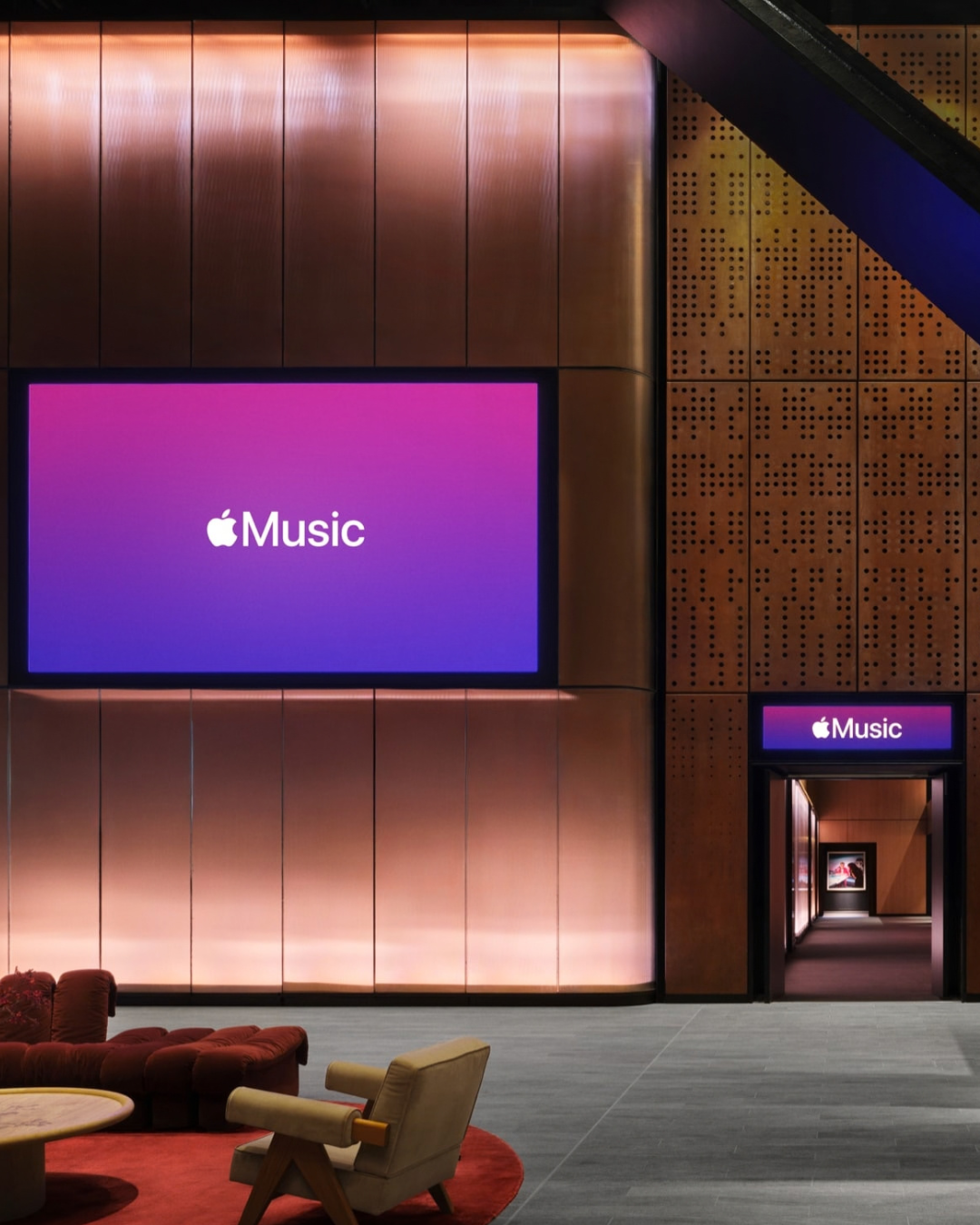
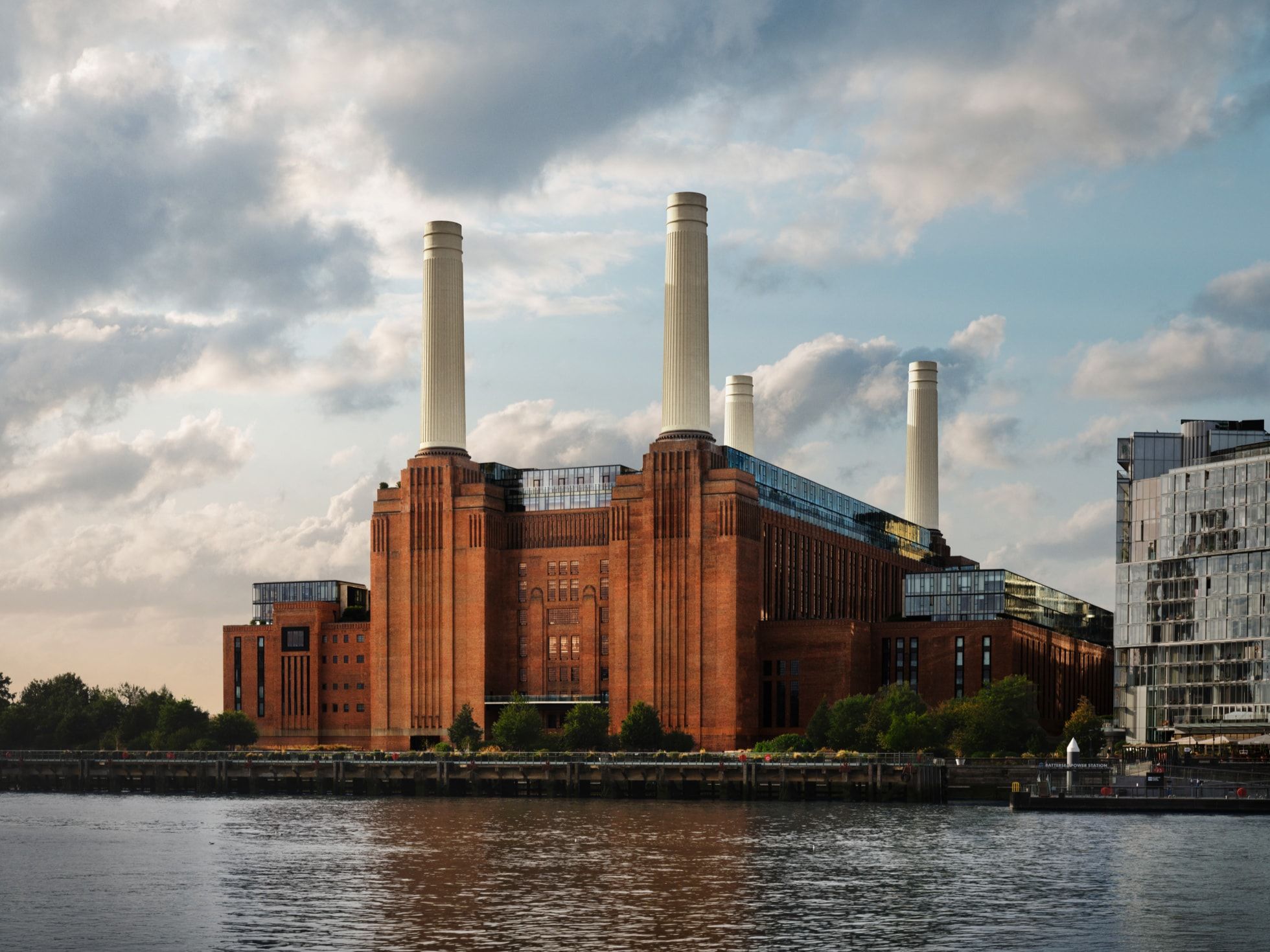
Apple has changed the way we experience music — how we listen to it and even how we buy it. Now the company is going a step further and building a dedicated space for it. On September 21, it announced the opening of Apple Music Hall, a new 600-capacity venue inside Battersea Power Station in London.
Apple Music Hall is smaller than the arenas we've grown accustomed to, in an attempt to recreate the feeling of being truly inside the performance — something that has become increasingly hard to find at larger concerts. The distance between artist and audience remains intimate, yet the space has been built with production capabilities that typically belong to shows of an entirely different scale.
A 600-seat hall inside the former power station
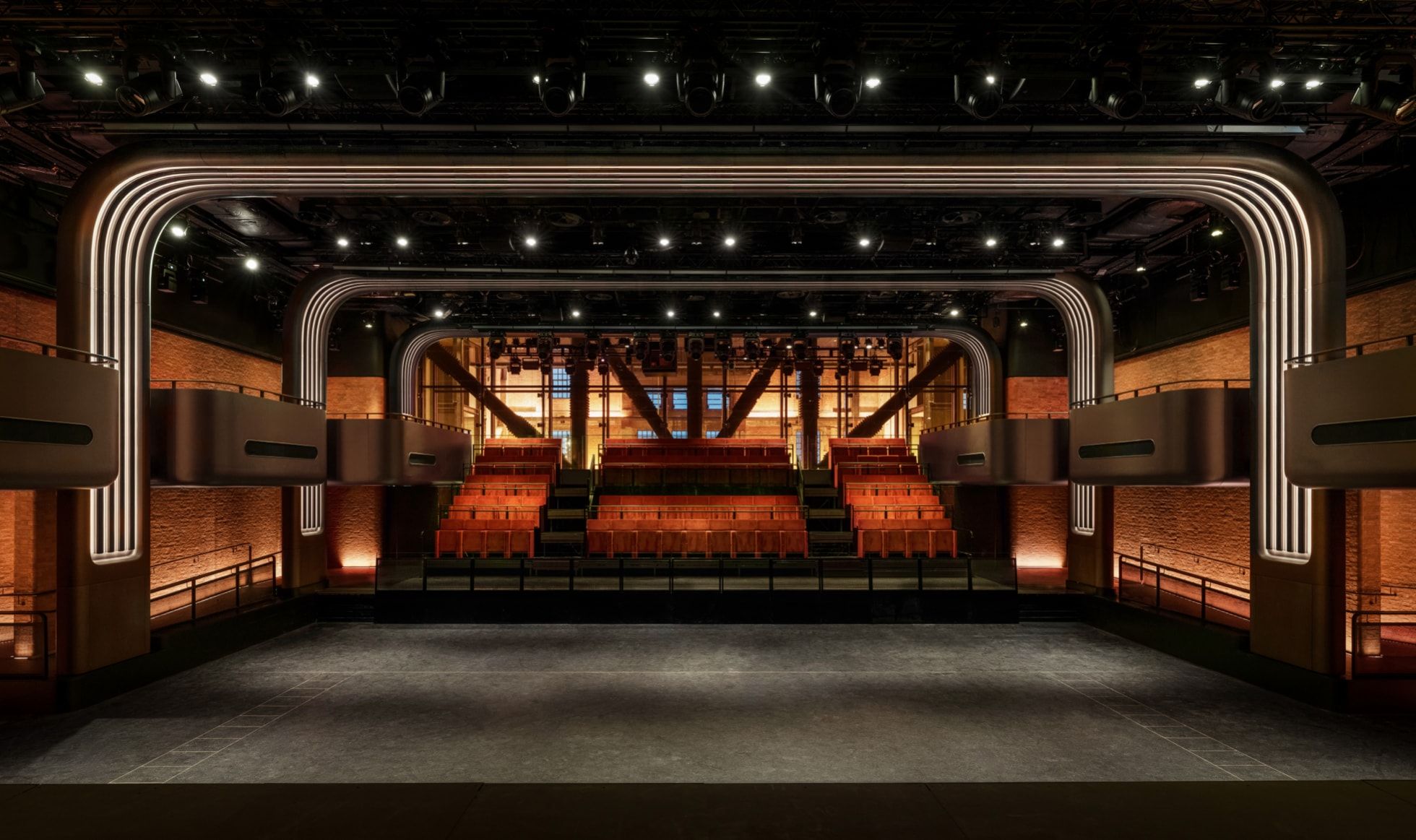
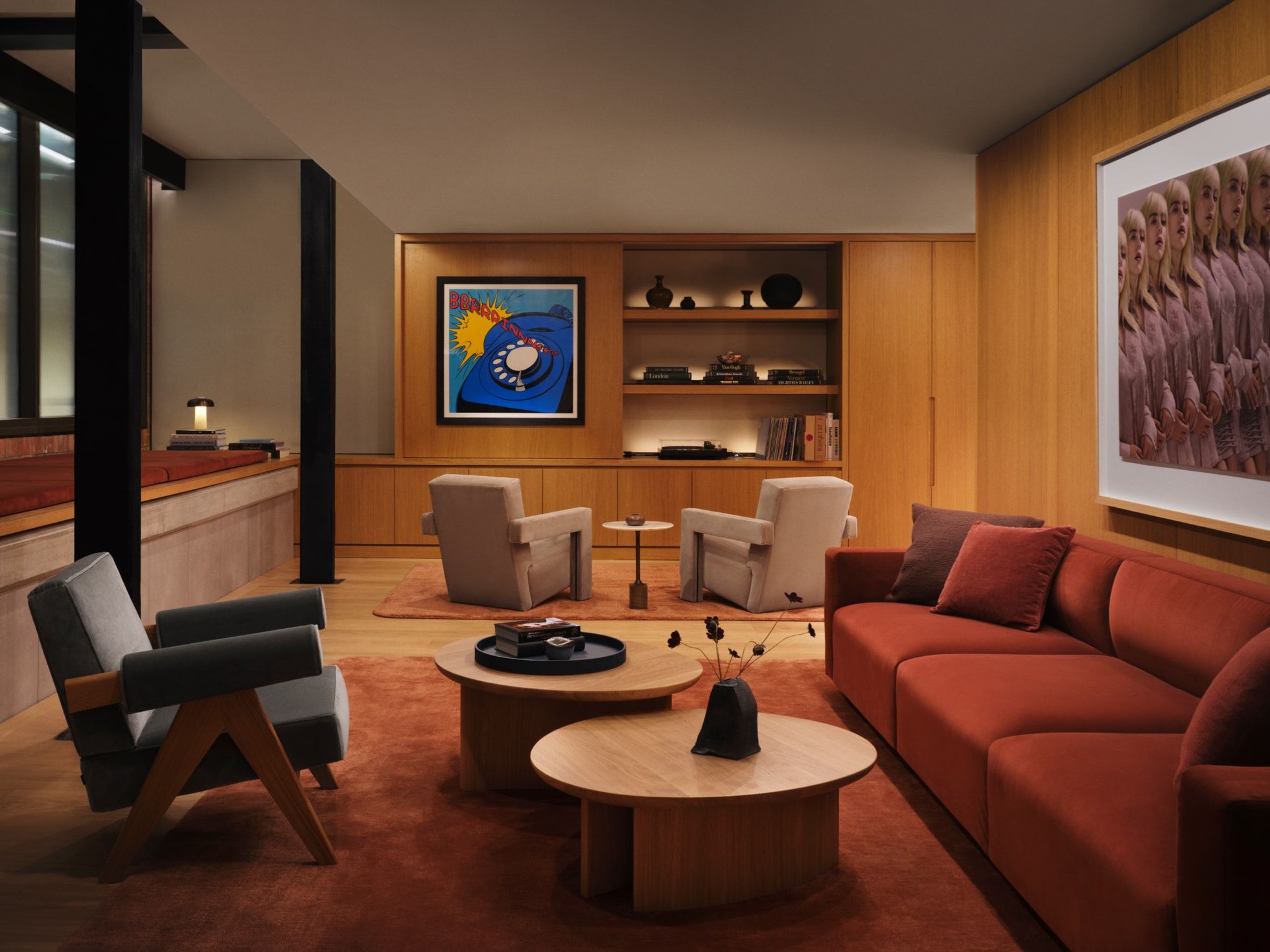
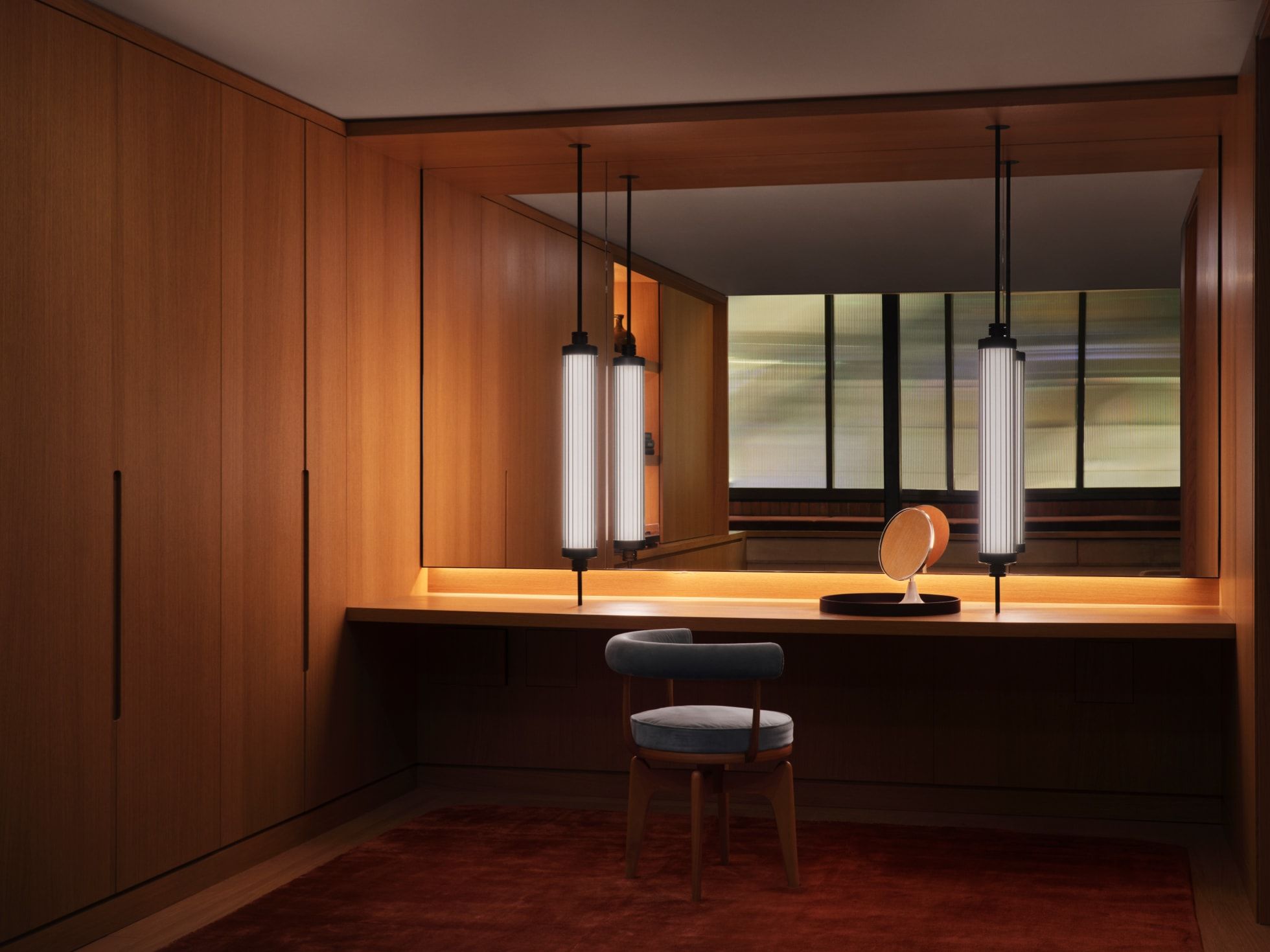
The stage measures approximately 11.6 metres and, crucially, it was never meant to stay the same. It can be used in a traditional front-facing setup or reconfigured depending on the artist, allowing for more immersive performances with the audience arranged all around. The seating is also flexible and capacity can be reduced further, meaning a concert can become even more intimate and close-knit without sacrificing the production values and spectacle of a major live show.
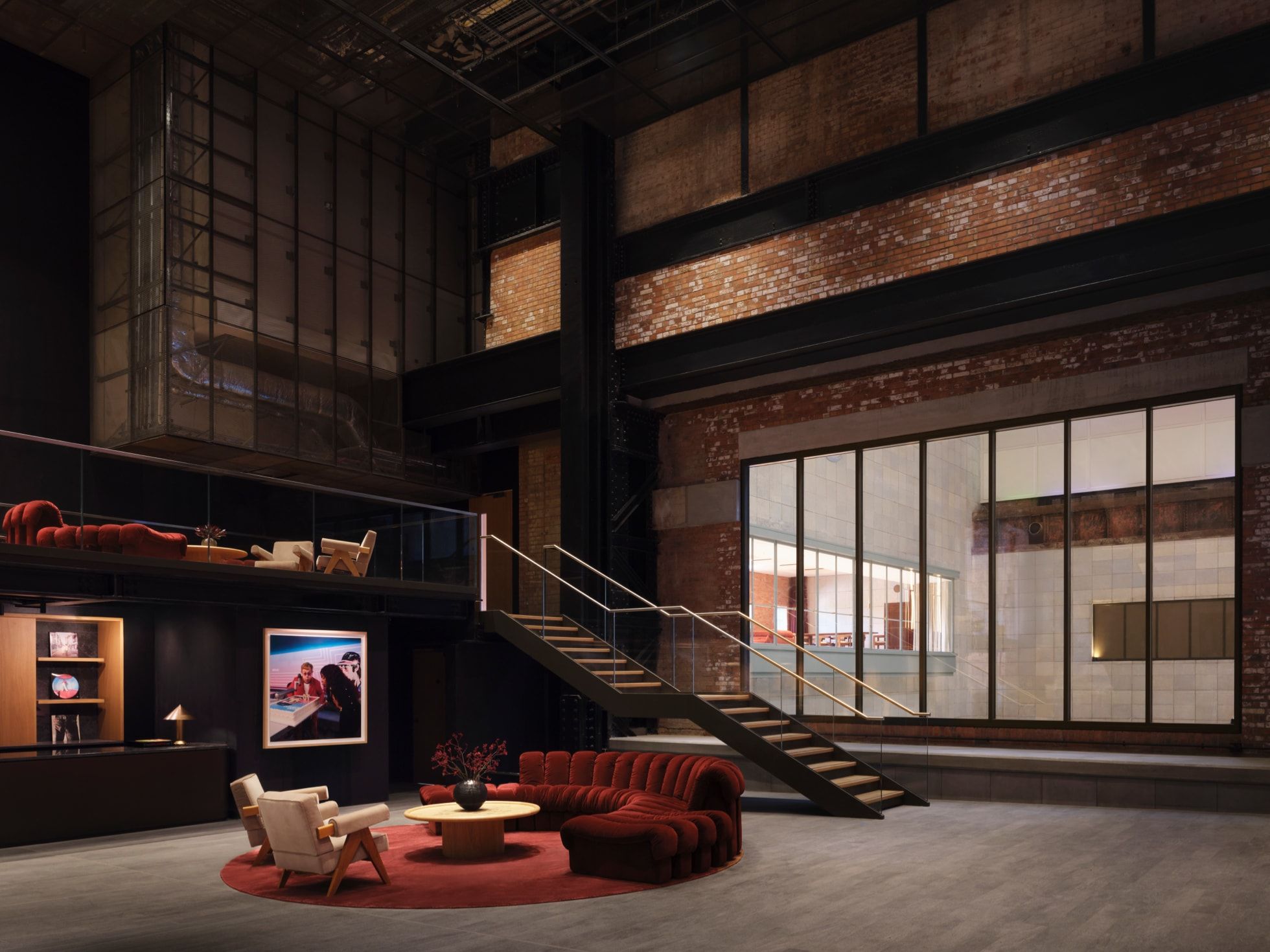
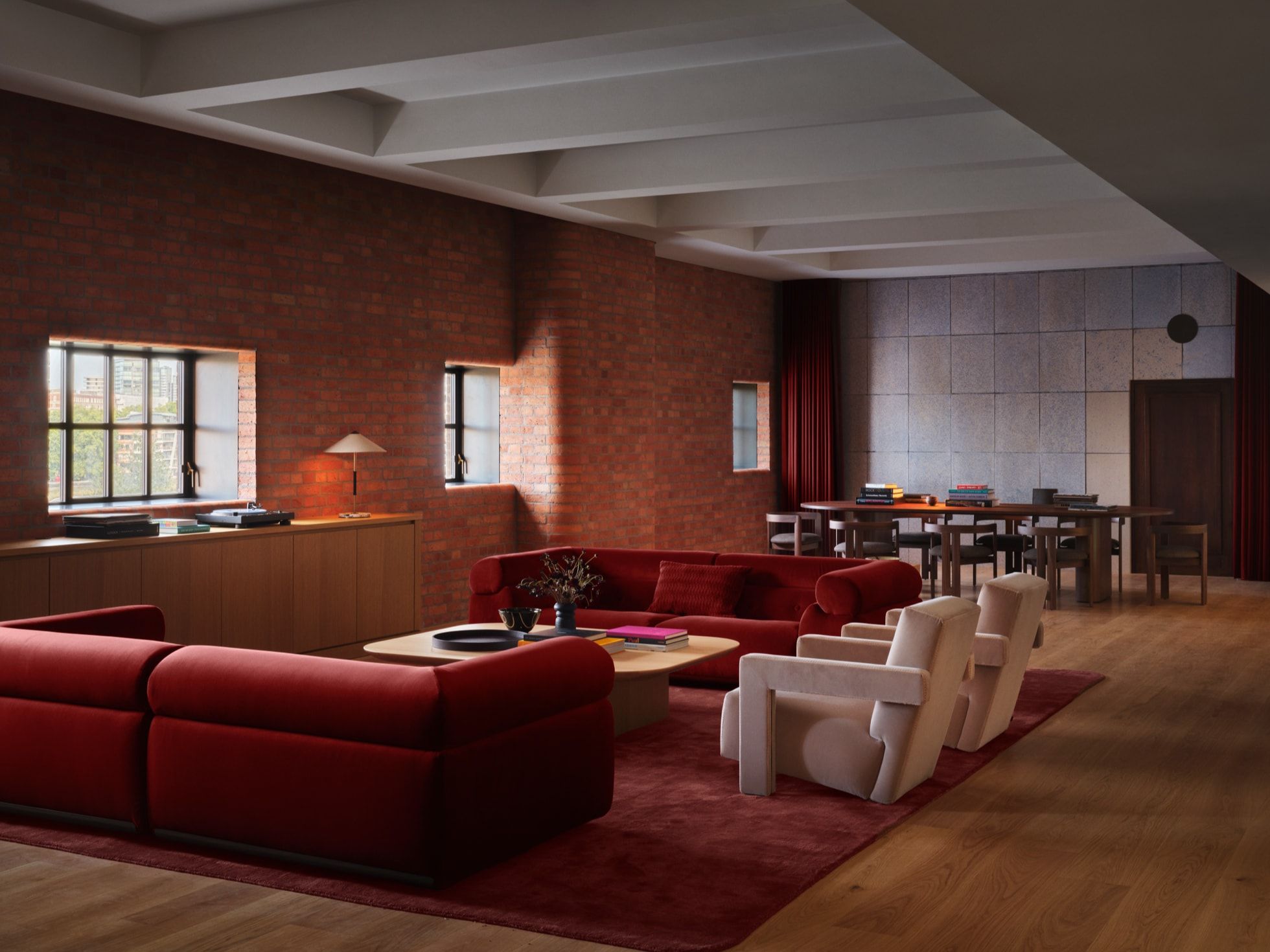
The hall is housed within the former power station overlooking the Thames, and it inevitably absorbs the building's atmosphere, with exposed brick, fluted arches and bronze balconies that echo the structure's large historic windows. Even the river becomes part of the scenography, thanks to a glass wall that opens the space outward. Technology remains central to the experience here too: 48 speakers are distributed throughout the audience area. Performances recorded in Spatial Audio can therefore be heard in the same immersive format that Apple has progressively brought to its music streaming service.
Behind the stage, Apple has built two dedicated recording and mixing studios, through which every performance can be captured in multitrack and subsequently mixed in Spatial Audio. These are complemented by a control room connected to around 16 cameras, where traditional broadcast equipment can be paired with footage shot on iPhone. The same complex also houses the new Apple Music Radio Studios in London, from which the service's hosts will broadcast.
Spatial Audio and live music
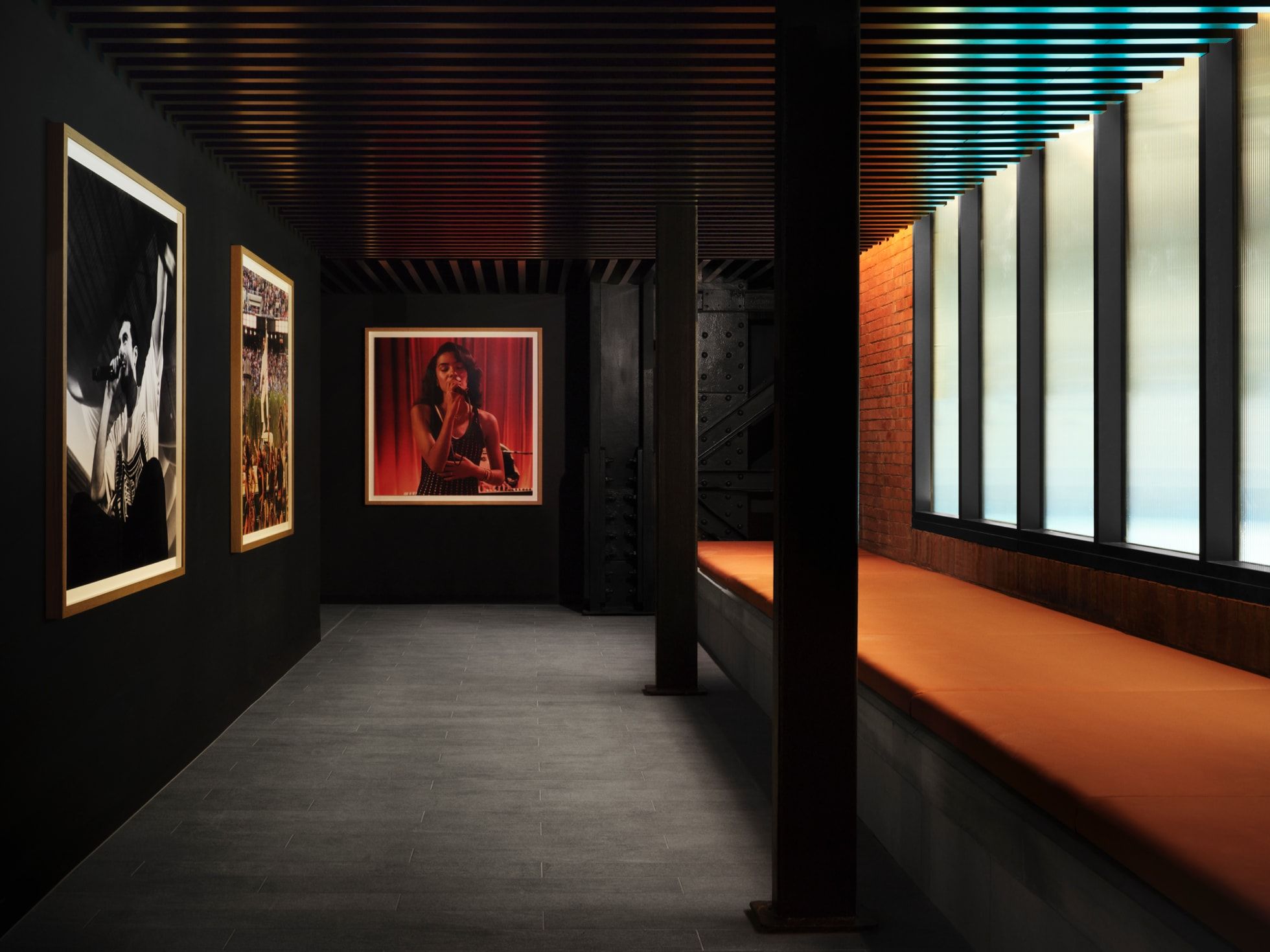
This is not the first time, after all, that Apple has tried to bring music beyond the purely digital realm. Before Apple Music there were the iTunes Festivals, while in recent years Apple Music Live has allowed concerts by artists such as Billie Eilish to reach streaming audiences who weren't there in person. With Apple Music Hall, however, there seems to be a further step: no longer simply broadcasting what happens live, but building a space where performance and technology can coexist.
For centuries, after all, live music was something impossible to preserve once the experience that had produced it was over. And even when technology learned to capture it, every recording ended up delivering that moment back to us a little smaller — compressed first onto a record and then into the two channels of our headphones.
With Spatial Audio and a hall designed from the ground up to record everything that happens inside it, Apple seems intent on closing precisely that gap. The ambition is no longer simply to bring a concert to a screen, but to carry along the space that surrounded it. And even if nothing will ever fully replace standing in front of a stage, Apple Music Hall at least tries to make that stage feel a little less far away.