
































Will the heat make us live at night? From Paris to Barcelona, parks and museums stay open late to counter extreme temperatures
This summer, in many European cities it has become normal to wait for the sun to go down before heading out. Running later in the day, putting off a walk, choosing a restaurant table after nine o'clock, or avoiding certain hours of the day altogether are small changes in the life of the individual citizen, but they could influence the schedules of an entire city.
June 2026 was the second hottest ever recorded in Europe and the hottest on record in Western Europe, according to Copernicus. France, Spain, Italy, Germany and other countries endured weeks in which making normal use of streets, squares and public spaces during the middle of the day became increasingly difficult.
Until now, urban adaptation to heat has focused primarily on space: more trees, more shade, public water, permeable surfaces, better-insulated buildings. But there is another urban resource we have always considered almost immutable: time.
Parks open at night and evening cool islands
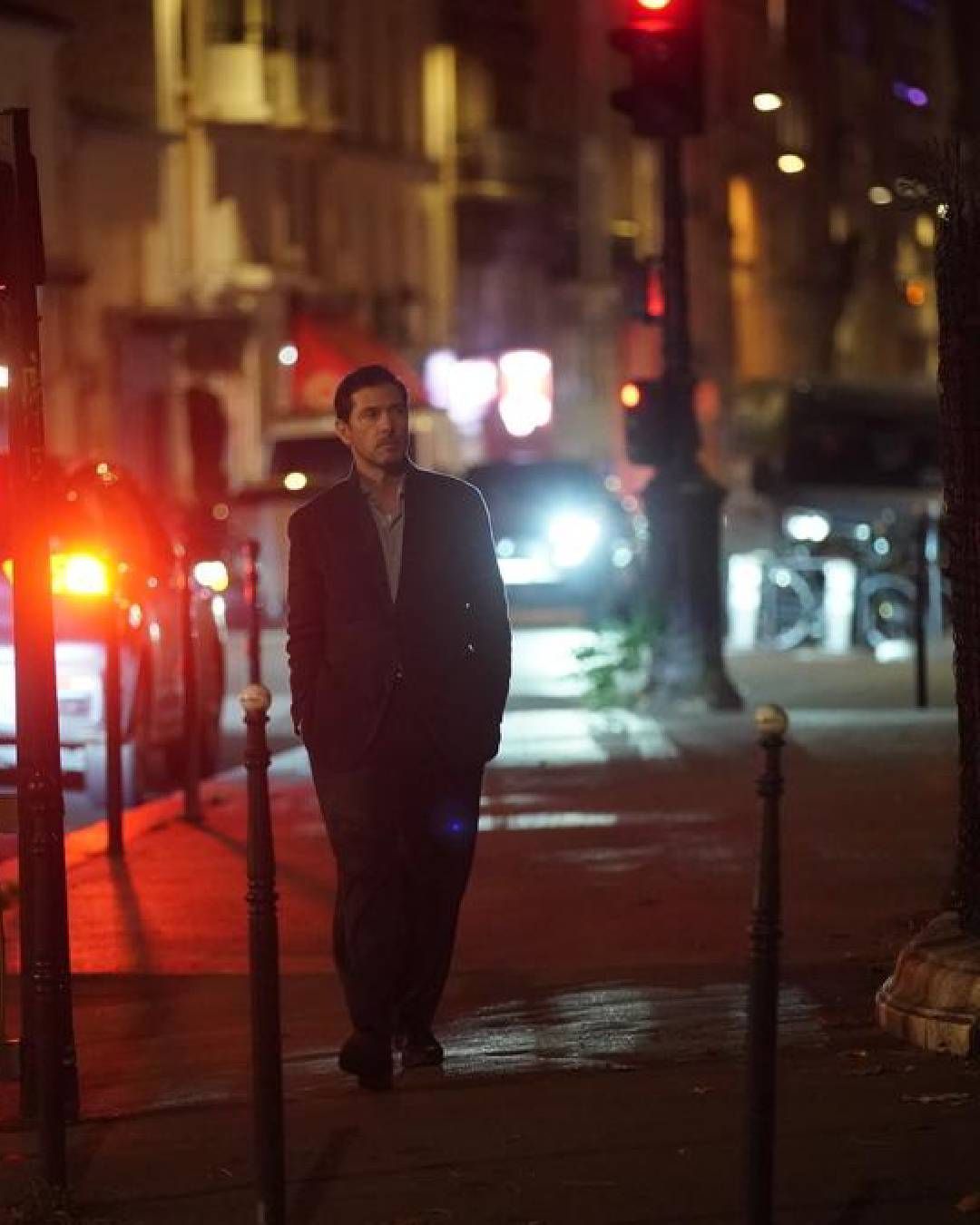
@yirongfoto Pour moi, c’est ça le vrai Paris. Comparées au luxe raffiné des quartiers touristiques, les rives du Canal Saint-Martin portent davantage cette âme bohème et de gauche parisienne. Ici, les gens parlent fort, boivent, dansent ; les jeunes s’asseyent à même le sol, jusqu’à ce que le vent de la nuit disperse l’odeur de la dernière cigarette. #paris - YirongyLin
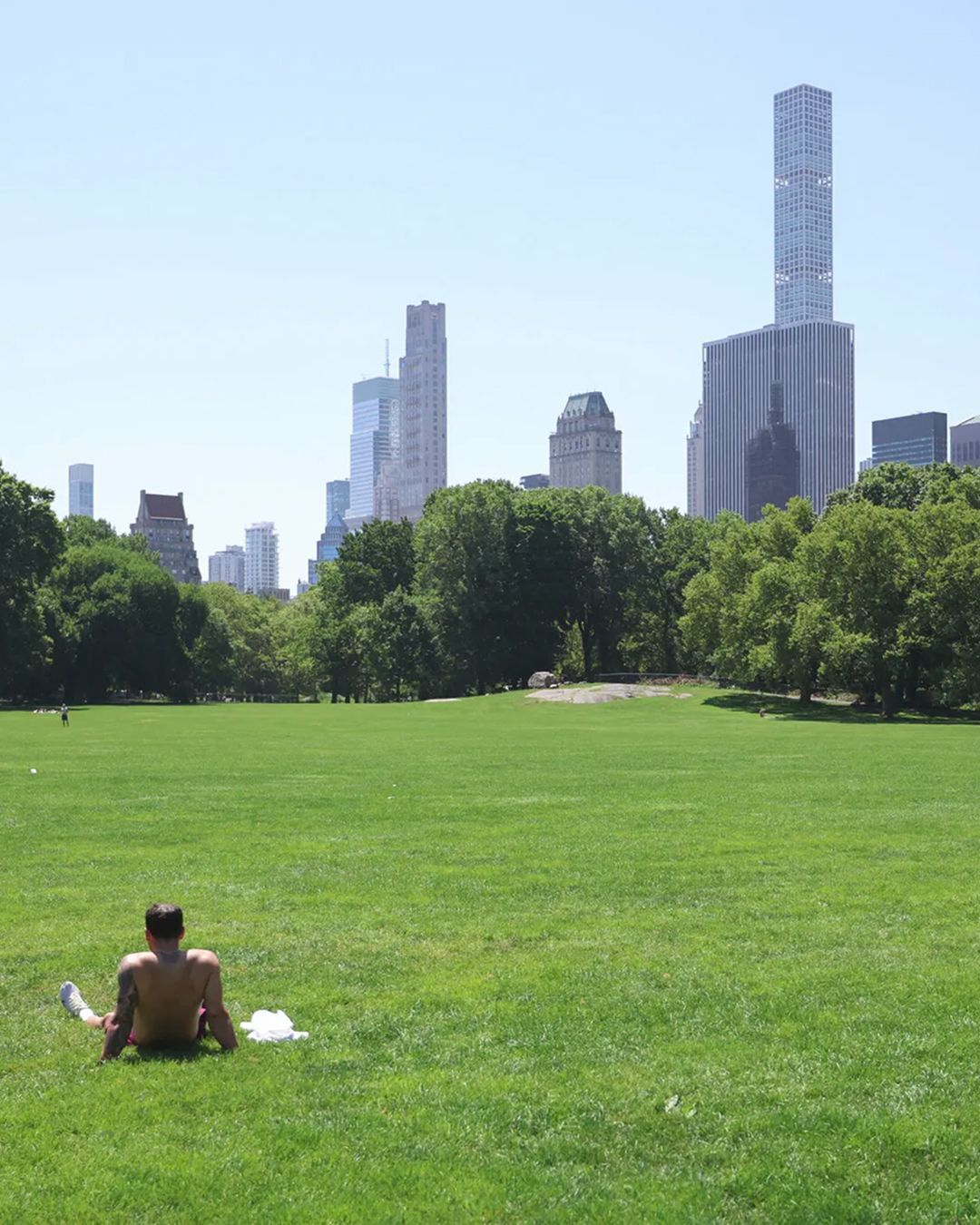
Cities run on schedules. Museums, sports facilities, parks and public transport are organised primarily around daytime hours. If certain parts of the day progressively become less liveable, it may make sense to shift some activities toward the evening. In Paris, this is already happening. During the summer, several of the city's parks and gardens remain open until midnight, while nearly a quarter of the more than 550 green spaces managed by the city council are accessible 24 hours a day throughout the year.
During the hottest weeks, these places become true cool islands, allowing people to use public space when temperatures finally begin to drop. Buildings, too, can change function depending on the time of day. In recent years, Paris has begun opening certain school courtyards during heatwaves, transforming them into oases: spaces with more vegetation, shade and surfaces designed to reduce heat. For a few hours, the school becomes a climate infrastructure for the neighbourhood.
The impact on tourism
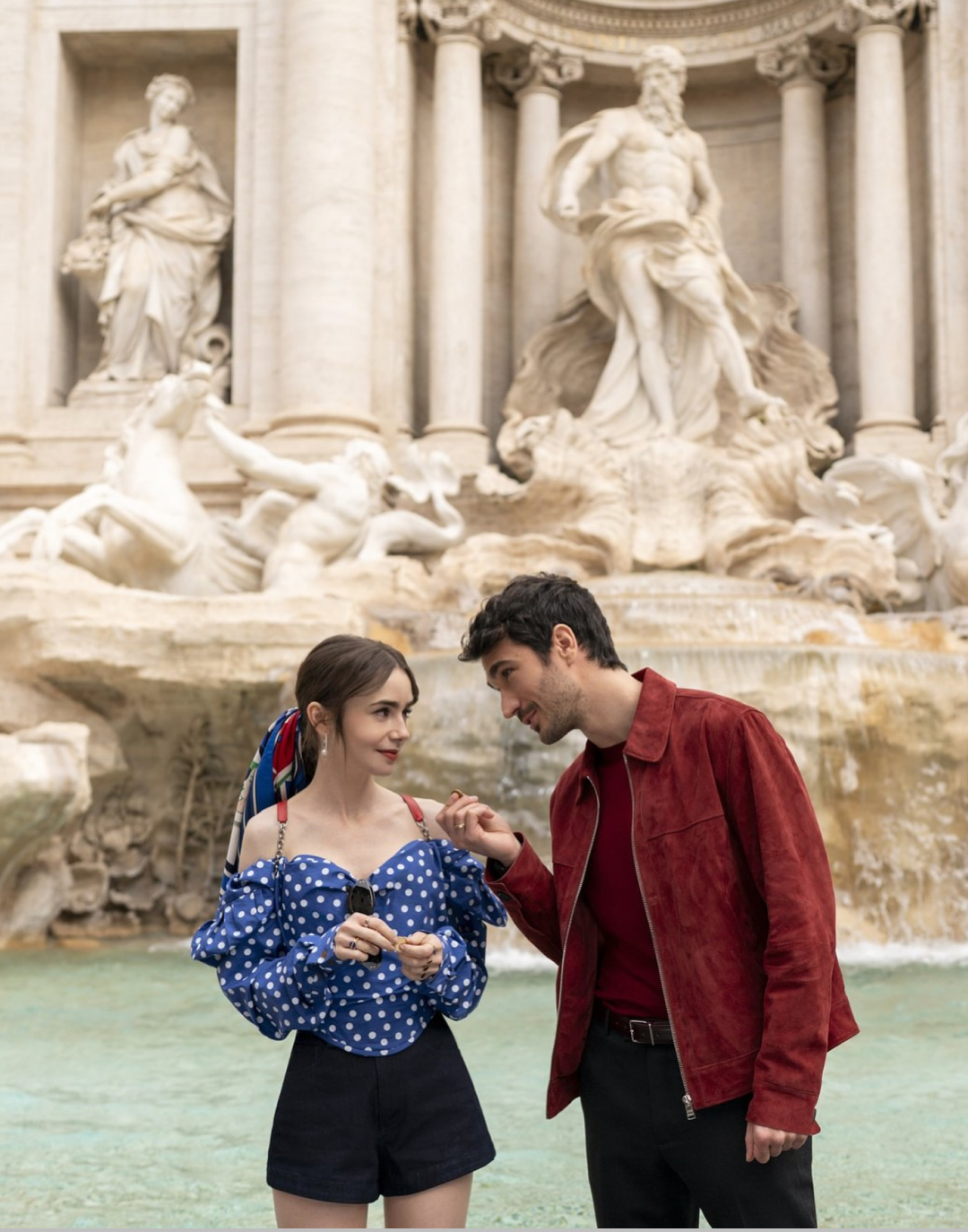
Let me take you to the Trevi Fountain at night. pic.twitter.com/adBDNfsaqO
— Architectolder (@Architectolder) September 12, 2026
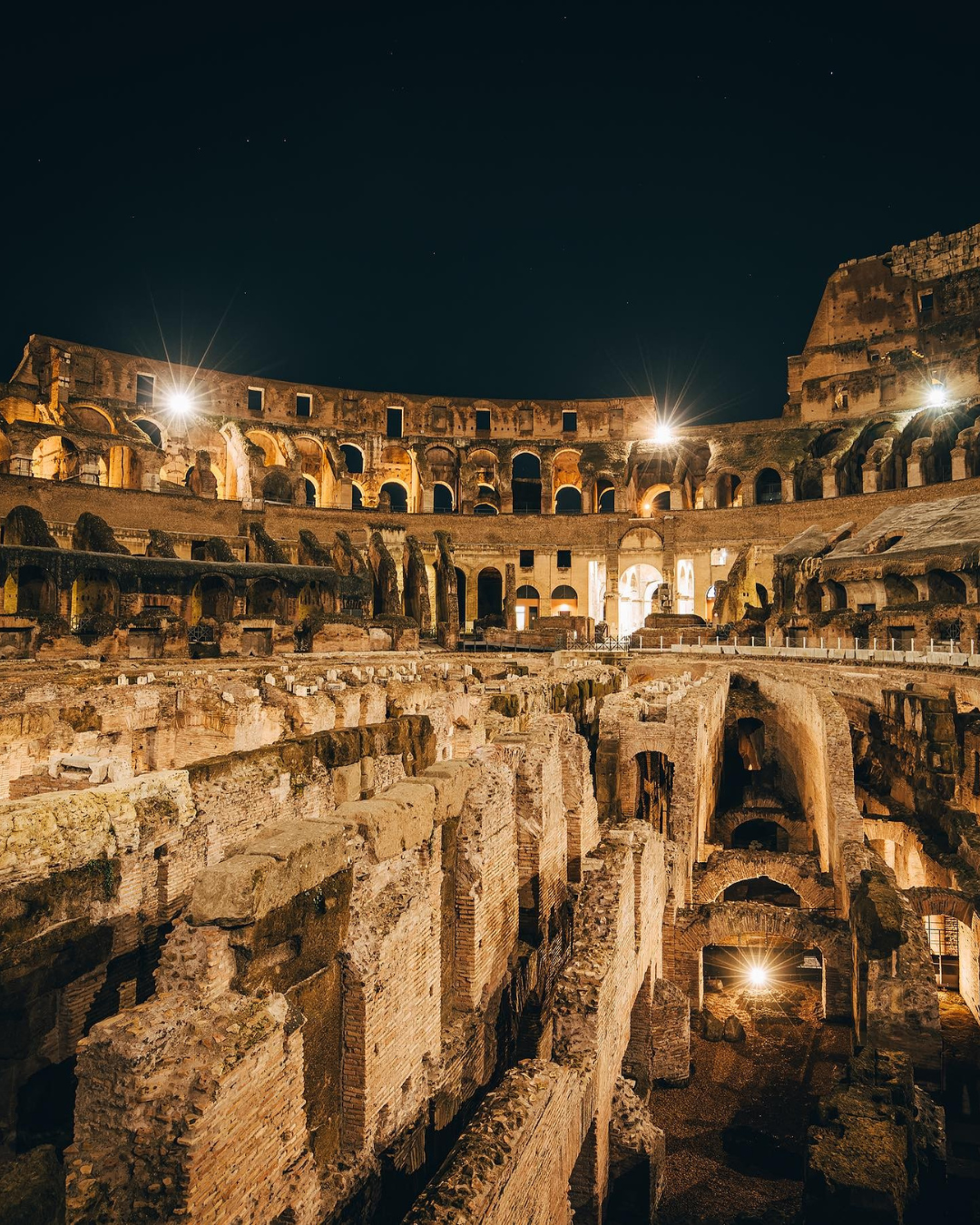
The same principle is making its way into culture and tourism: in August, Rome and Milan trialled extended opening hours for the Colosseum, the Pantheon and Castello Sforzesco. Among the stated goals was the possibility of spreading visitors across the cooler parts of the day and making opening times more compatible with working people's schedules. The trial produced results positive enough to reopen the debate on extending this kind of initiative.
In Barcelona, the concept is even more explicit. The CCCB has become a climate shelter, making air-conditioned spaces and areas for reading or resting freely available. The courtyard remains open until ten in the evening for much of the week. Libraries, cultural centres, schools, parks and museums are thus beginning to be assessed also for their capacity to offer refuge from extreme temperatures.
Is it possible to live at night?
do they make nightlife for 25 yr olds who don't have a lot of money and are also a little socially awkward
— theyfab trade (@likebattleangel) August 3, 2025
The problem is that nights are getting hotter too. The European Environment Agency is recording an increase across Europe in so-called tropical nights — those in which the minimum temperature does not drop below 20°C. In Southern Europe, under high-emission scenarios, these could number up to a hundred per year by the end of the century. Simply shifting everything to ten in the evening is therefore not enough. A city that wants to live more fully during the night hours must be designed to do so.
Extending the city's active hours also raises new challenges. These spaces require staff, and shifting activities toward the night also means shifting the working hours of those who run them. Then there is the question of coexistence: more people on the streets means more noise, lighting and movement. Many debates that today concern nightlife and outdoor dining could become part of a far broader urban planning issue.
Adapting to the climate
@chaneldimopoulos Swimming is now allowed in Paris canal Saint Martin #heatwave original sound - Ibiza Records
Across much of the Mediterranean, organising life around the cooler hours is certainly nothing new. Squares full of people until late, evening meals, walks after sunset and activities suspended during the middle of the day have for centuries been spontaneous forms of climate adaptation. The difference is that these behaviours could begin to spread further north and, above all, enter the official planning of urban centres, and not only in coastal or rural areas.
Parks open until midnight, schools transformed into climate shelters, monuments visitable in the evening and cultural centres used as refuges from the heat are still small and often temporary measures. Together, however, they already point in a direction. If certain hours of the day become increasingly unsuitable for being outdoors, part of urban life will inevitably seek out other times. And cities may begin to be designed not only through their square metres, but also through their twenty-four hours.