
























"Supergirl" isn't that super A shame, because we really like Milly Alcock
Bringing superheroes to the movies seems like an impossible task. Sometimes it's the public that doesn't want to trust them: just think of the little interest aroused by a choral film like Birds of Prey, more fun and original than many similar titles with male heroes, not to mention the real hatred that Brie Larson generated at the time when it came to bringing the character of Captain Marvel to the big screen.
Other times the impression is that directors and screenwriters don't quite know what to do with this great power destined for some female characters, as is the case in this case with James Gunn's DC Supergirl, who with his previous title about his cousin Clark Kent has instead been able to arouse the ecstasy and joy of spectators. The reason, besides because it was Superman, is another and it's very simple.
There was potential, wasted
@warnerbrosuk This Summer, find your place in the universe. New trailer for #Supergirl original sound - Warner Bros. UK
Gunn's work, in fact, had a story that the protagonist could rely on, a theme that held the pillars of the message and emotions that the work wanted to return to the spectators and therefore a degree of care that seems forgotten in the writing and direction of Supergirl, binding it to anonymity. The first person responsible is the screenwriter Ana Nogueira, whose work is so scarce that it makes one wonder if during the drafting there was any interference from third parties, perhaps from DC itself, who would be expected to talk about their projects.
Rightly, sometimes; with Supergirl, however, the studio seems to have done the bare minimum, without making sure that the writing had that depth that instead, coincidentally, Superman does not lack. A superficiality that makes us wonder how it could have been reserved for a protagonist like Kara Zor-El.
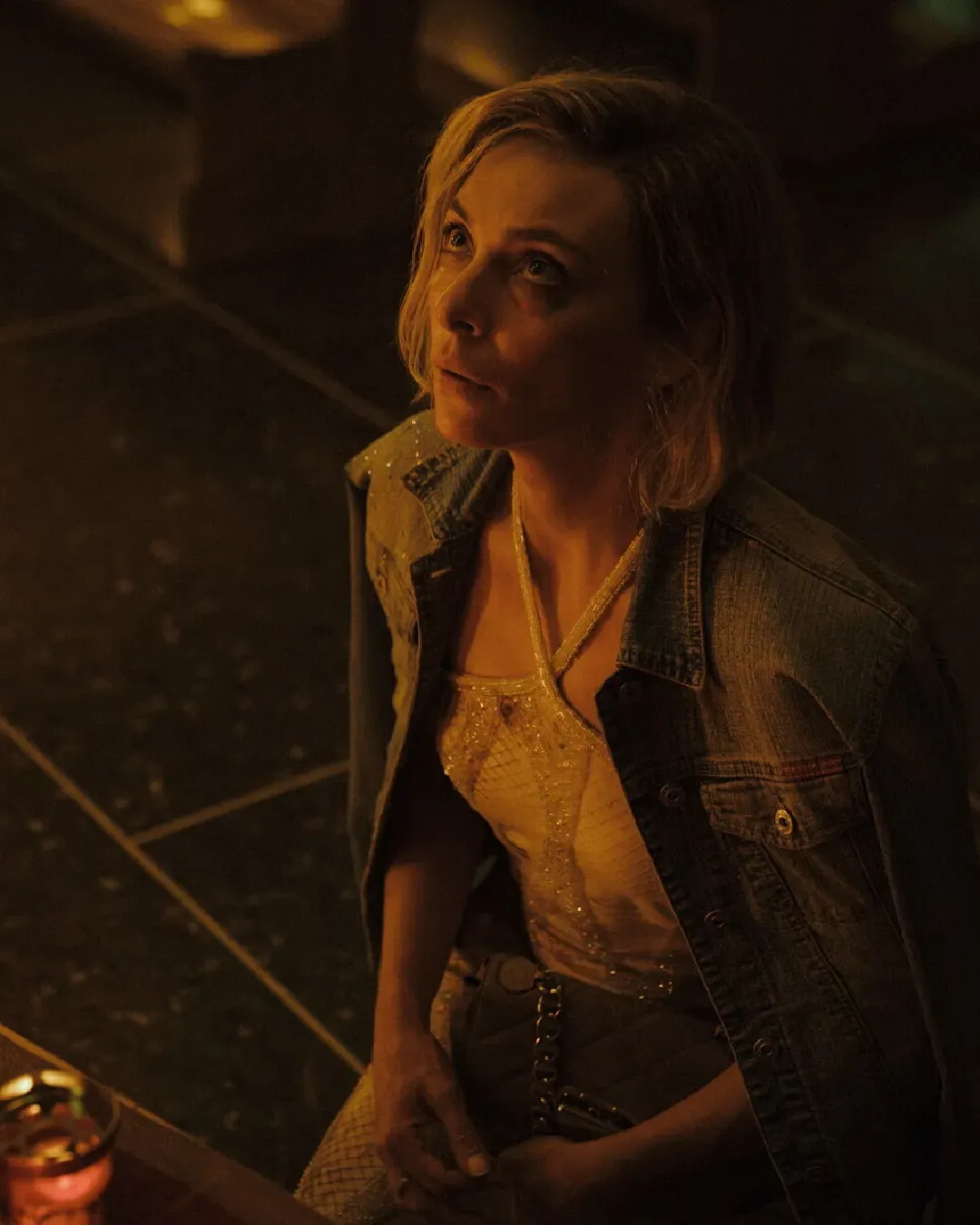
To think that there was material. With a certain propensity for alcohol, the young woman went through a turbulent period after being launched, just like her cousin, from the planet Krypton to Earth, but at an older age. An adolescent on the threshold of adulthood, forced to learn to adapt, to know a new language, to study and stick to the habits and customs of a people from whom she could only feel far away.
Stop at the surface
#Supergirl lands a lot of punches, but a flimsy villain and tonal inconsistencies hold it back from reaching its true heights. Milly Alcock is fantastic as the titular character but Jason Momoa’s Lobo truly steals the show. It’s fun, but far from the triumph I was hoping for. pic.twitter.com/nUyyE0wImc
— Epic Film Guys (@EpicFilmGuys) June 24, 2026
Loneliness, however, cannot remain just an observer's hypothesis. The sequences dedicated to understanding her interior are too few, and they force the audience to make do with both the protagonist's alcohol addiction and her constantly feeling out of place, looking for a place to call home and people to call friends.
If all this is visible just below the surface of Supergirl, one wonders why we didn't want to dig a little deeper. So that we did not seek a way to give a more introspective speech about the young woman's emotionality and what were the causes of her discomfort. The fact that they were established data (having to leave home, feeling alone, being a 'stranger' in the land of others) does not mean that they did not deserve greater (self) analysis.
In this way, we end up building a story around our identity and the concept of revenge, on which we think with the same summary with which it supersedes everything else. The invitation not to give in to the anger that the protagonist addresses at her counterpart Ruthye (Eve Ridley) is so mild that it lacks a real reason or an in-depth teaching that is not, once again, the most obvious.
Milly Alcock deserved more
And then there's the direction of Supergirl, or it would be better to say the non-director. Having Craig Gillespie and not hearing Craig Gillespie behind the camera is an affront that DC should not have allowed. Energetic and dynamic director, the Australian filmmaker puts himself at the service of a blockbuster in which his personality is completely lost, not perceiving even a hint of the panache he has reserved for his other female protagonists, from Tonya's Tonya to Cruell's punk and naughty stylist. Whether it's supporting his protagonist or giving character to the combat scenes, Gillespie is absent and this weighs on the performance of the film comic, as if to say that Kara Zor-El is really alone, without even her director to support her.
In all this, the sorrow is great, especially by virtue of the choice and commitment of his interpreter Milly Alcock, unlike, for example, a Jason Momoa in the role of Lobo, identical to the many other specks played by the star lately. Although more incisive in that small fragment of presentation that appeared in Superman than in all of Supergirl, the actress cares about the protagonist and would have deserved a screenplay and attention to the superhero apparatus (technical, visual and directing) capable of supporting her differently.
A screenplay that would allow her to express herself at her best as Supergirl, who will return in the next Man of Tomorrow, but whose bitterness remains to see how she lost, with her first stand-alone film comic, the chance to do justice to her role and to that of many other superheroes.