


































"Lanterns" promises great things for the DC Cinematic Universe The series releases weekly on HBO Max
Despite the resounding flop of Supergirl at the box office, DC's era of revival continues, this time in serialized format. The designated project is Lanterns, the first production of the company's new dawn to revisit the figures of the space agents who, up to now, had been given a not entirely satisfying outing in 2011 with the film starring Ryan Reynolds. This time, two characters share the spotlight. Veteran Kyle Chandler, who plays the well-known Hal Jordan — albeit older than the comics version — and the rising yet increasingly established Aaron Pierre, who portrayed Martin Luther King Jr. in the fourth season of the anthology series Genius and voiced Mufasa in Disney's live-action sequel.
What Lanterns, the new DC series, is about
@hbomax No evil shall escape their sight. Watch the official trailer now. #Lanterns original sound - HBO Max
The duo is the series' main asset, much like the ring Hal wears to carry out his interstellar role. Rough-edged and disillusioned, the man must serve as mentor to the diligent and assertive pupil played by Pierre. A pairing built more on forced coexistence than on mutual liking. For as long as Hal remains a Green Lantern, his young partner cannot replace him — a tension that sets the tone of the relationship between the characters, in an atmosphere hovering between constant mistrust and the comedy that these clashing personalities generate. This dynamic forms the foundation of a story built around the investigation that draws them in: a shooting at a sports field in the deep Nebraska heartland, with overtones of vengeance and alien involvement.
What is happening in Lanterns after the first few episodes of the series is hard to say, but it is certainly intriguing — the total runs to eight episodes releasing weekly on HBO Max. The characters are both complex and entertaining, the pacing is brisk but not superficial, and information is doled out in measured, timely doses, quickly establishing the danger that may be looming over Earth and that the agent belonging to the Green Lantern Corps must keep in check. Because it is precisely in works like this one — where sci-fi takes up all the space and science fiction reigns supreme — that the underlying theme is always entirely human. In this case, it is the transgression of boundaries, the dominance of one race over another, and the colonialism whose imminence can be felt or, more often, the paranoia that the mere possibility of it produces.
Lanterns between western and sci-fi
Indeed, Lanterns features cowboys and ranches, in a nod to the western genre, which has always grappled with the themes of conquest and the frontier. The enemy, still undefined, rides on horseback and decides to take justice into his own hands. He prepares for the imminent, presumed invasion. He becomes hostile, wary, violent. Prevention is wielded as a means of control, and protecting is equated with destroying.
All of this is set within investigative conventions, with the superhero element added into the mix — a well-balanced dance in which no single register overwhelms the others, and where the plot manages to blend the many influences it draws on without letting any one of them dominate. Which is, after all, the very point of the fear that drives individuals to savagery, whether earthly or extraterrestrial: the terror of being crushed like ants, of being stripped of one's home — a theme that in Lanterns has the added dimension of making the subject matter intergalactic in scope. Some viewers have seen echoes of True Detective in the show; others find it more reminiscent of Fargo's various seasons. But the further it goes, the more Lanterns has the potential to carve out its own identity and become one of the must-watch titles of 2026.
What to read next
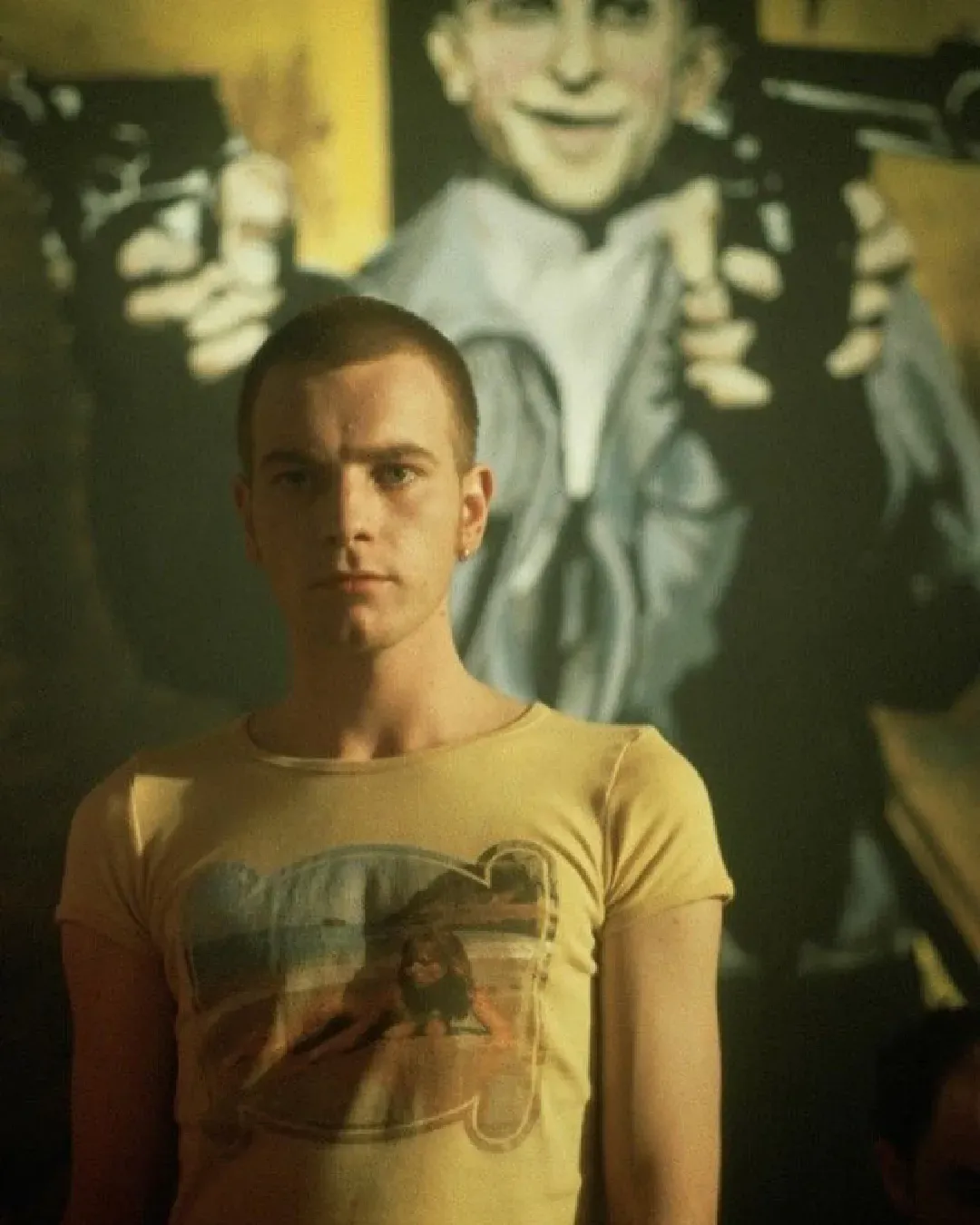
5 trends that Trainspotting anticipated Back in 1996
There is much more to the film than the famous Helmut Lang tank top
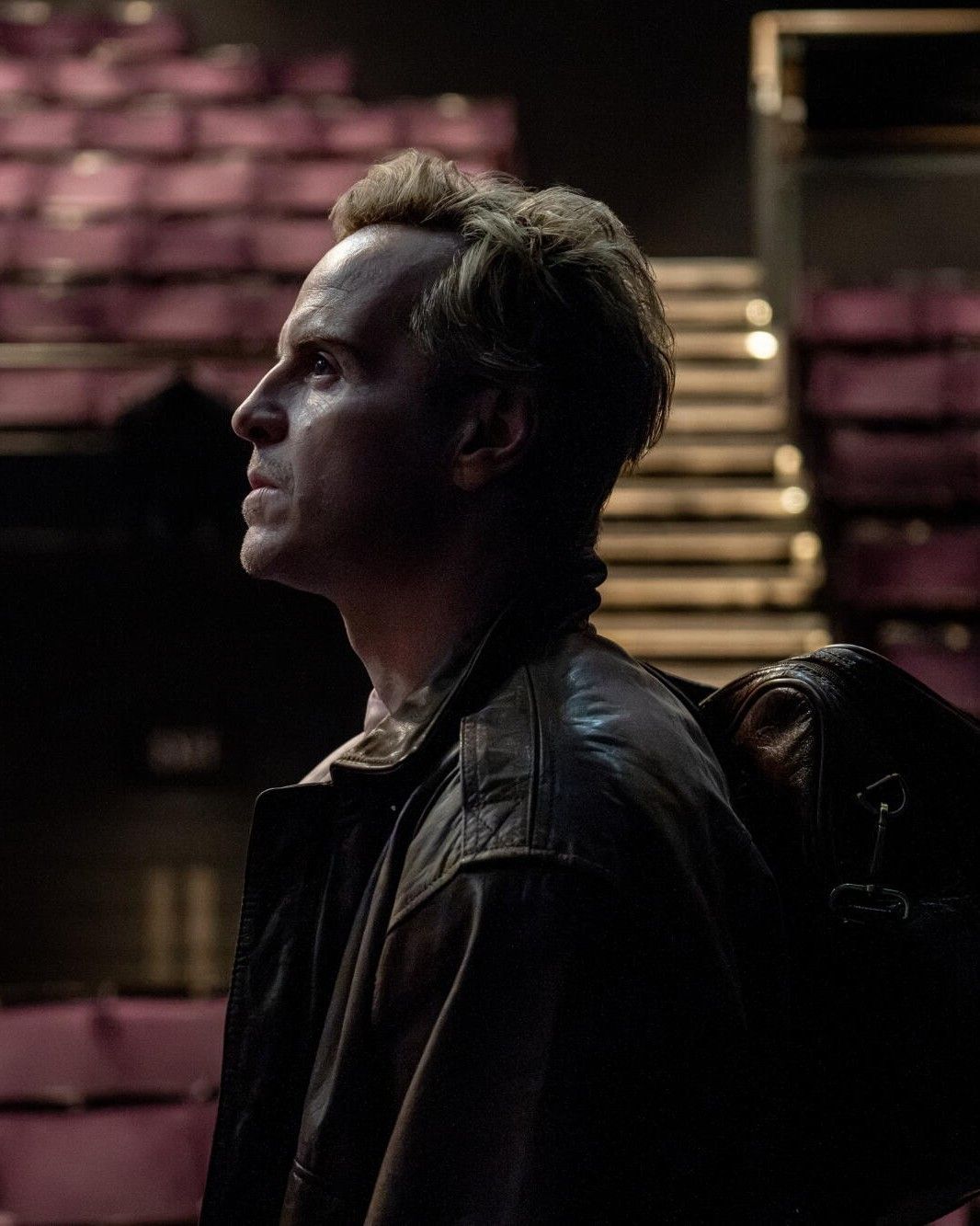
Andrew Scott gives the best performance of his career in "Elsinore"
Simon Stone's film tells the true story of actor Ian Charleson and his production of "Hamlet"

"Il rumore delle cose" by Paolo Genovese opens the 2026 Rome Film Festival
The film, adapted from Genovese's novel of the same name, is nonetheless the usual Italian drama