








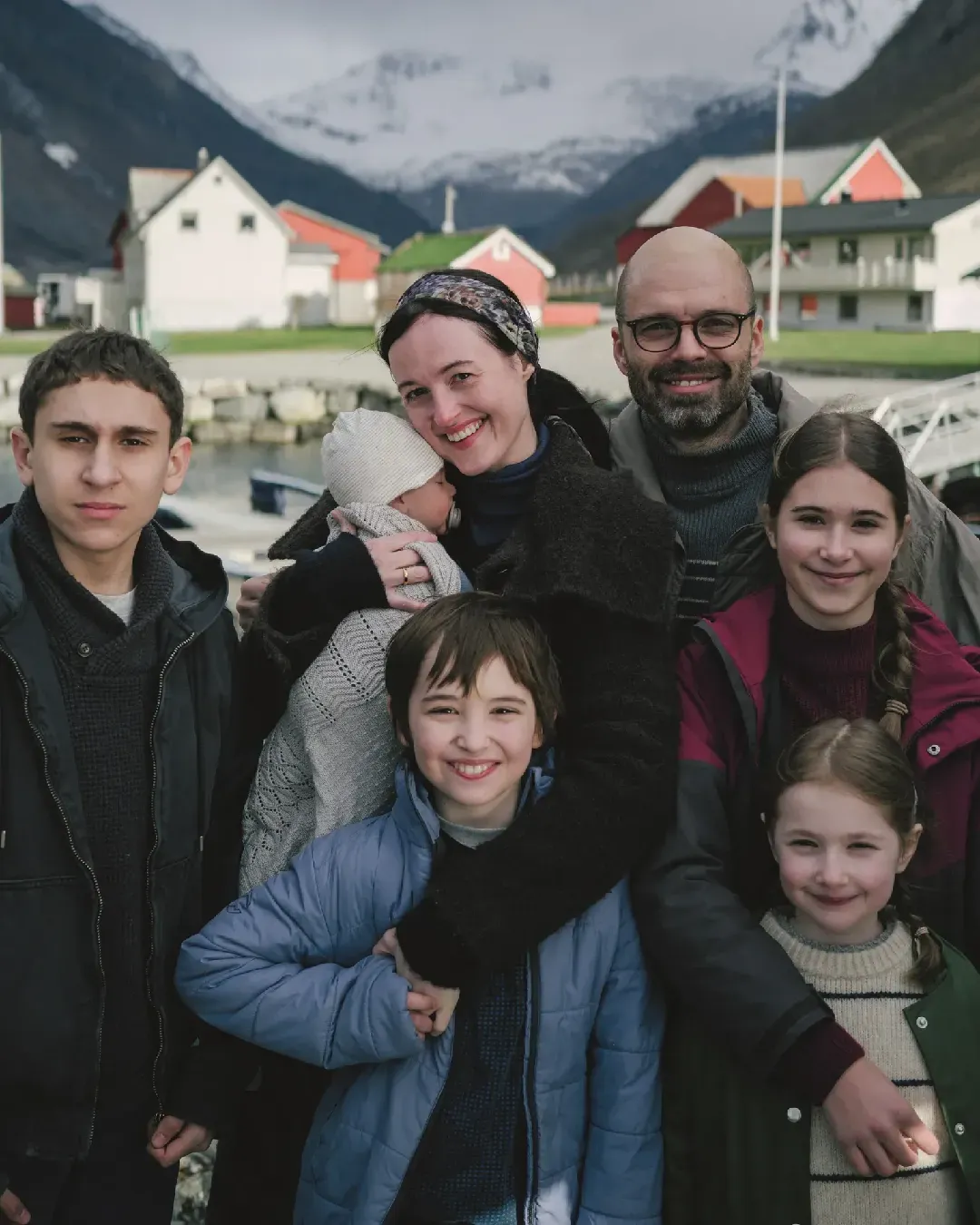


























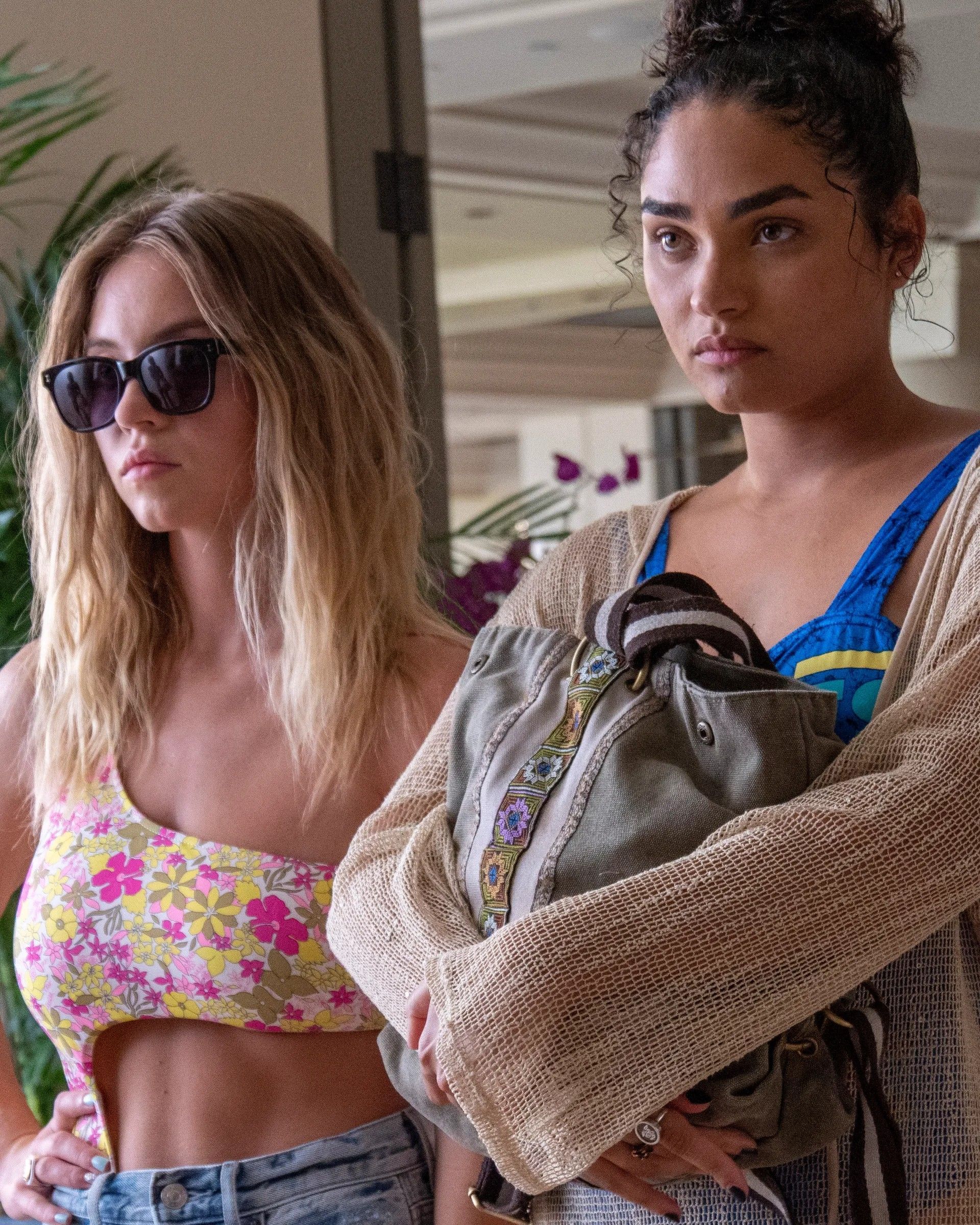
Vacationing with parents is cool again In times of crisis, more and more young people are making the best of a tough situation
Ten years ago, travelling was simple. Those were the years of low-cost flights, the post-hipster allure of cheap little spots, and Airbnb's first, affordable steps. Years when, for young tourists, the world seemed like an all-you-can-eat buffet at a fixed price, and when, above all, the way of experiencing foreign countries was entirely different from the dull, standardised approach of their parents. And indeed, saying you went on holiday with your parents was very uncool. You can't be "young, wild and free" on a well-behaved, boring family holiday. But today things have changed.
In 2026, travelling has become quite a demanding affair. Airbnb prices have risen to the point where people have gone back to preferring hotels; once charming, cheap little spots have become extortionate outposts of gentrification, and the tourism industry has turned every comfort for the average traveller into a new line item on the bill.
And if, on top of crunching the numbers financially, we factor in that Gen Z doesn't share the Millennials' cult of transgression, heading to a resort with mum and dad doesn't seem like such a nightmare after all — quite the opposite. This summer, a new TikTok trend is showing more and more twenty-somethings openly enjoying holidays with their parents, all expenses paid, naturally. But why this year in particular?
It looks all-inclusive, but it isn't
"I love this all inclusive holiday" is the catchphrase running through the countless TikTok videos this summer showing young tourists — often American — sitting at a restaurant and amazed that they don't have to pay the bill. Another scene that crops up frequently on social media is the one where the parents are whispering to each other, with the father asking the mother, "Why did you bring her?" There's plenty of irony, but the bottom line is that, for Millennials and Gen Z alike, travelling with their parents means above all not having to pay for almost anything out of their own pocket. But can a luxurious holiday with one's family also be a status symbol? To some extent, yes.
Consider The White Lotus, a series that anticipates and shapes luxury travel trends, where the only Millennial or Gen Z characters we see are there precisely because they are on holiday with their parents. Series like The Summer I Turned Pretty or We Were Liars also portray the luxury holiday as something inseparable from the presence of a wealthy family. In the case of the "Euro summer" as seen on social media, all the twenty-somethings who have "invited themselves along" on their parents' expensive holidays are invariably staying in luxury hotels or visiting scenic restaurants and bars. Almost as if to say that showing off your family is kinda chic.
More broadly, travelling with one's family is considered less and less cringe these days. According to a Skyscanner study, over the past two years, 33% of Gen Z has travelled with parents and grandparents, while 30% of Millennials have travelled with both children and parents. Furthermore, "29% of adult Gen Z members cite saving money or splitting travel costs as their main motivation for travelling with family." According to Happy Minds, "searches on Skyscanner using the 'family' filter have grown by 66% over the past two years, and Reddit conversations dedicated to family trips are up 387%," while a growing number of adults are including their children in trips to create family memories together, with the vast majority involving them in the planning.
Irony or infantilisation?
Beyond the practical and financial reasons behind the appeal of holidays with one's parents, it is worth noting the reality painted by the language of memes and videos found online. Alongside the irony of "Who invited her?" and "I wonder why everything's free," the insistence on the children being far too old for this, and the humorous debunking of the rhetoric about enjoying your kids before they grow up — since they apparently show no sign of leaving the metaphorical high chair — surrounds the whole phenomenon with an air of infantilisation, often self-inflicted. Behind it lie the tell-tale signs of an increasingly pronounced economic hardship.
According to the Bank of America Institute, not only does Gen Z spend on average twice what it earns, but 42% of Gen Z lives pay cheque to pay cheque, 49% cite the cost of living as the main obstacle to financial security, and 17% spend more than half their salary on rent — a figure rising from 13% in 2025 and 10% in 2024. In Europe, Il Sole 24Ore reports that the overall rate of risk of poverty or social exclusion among young people aged 15 to 29 stood at 24.2% until last year, while according to other Eurostat data, in Croatia, Slovakia, Italy, Spain, Poland, Greece and Ireland, more than 80% of young people aged 16 to 29 live with their parents or contribute to the family income, while in the 25–29 age group, more than 60% still live with their parents.
In this light, shifting to the psychological dimension, the regression process that is often triggered in grown adults who return to the family home for the holidays and find themselves caught up in adolescent behavioural dynamics changes entirely. Rather than being a source of discomfort and a forced return to the helplessness of adolescence, the regression activated by holidays with one's parents becomes a return to the sense of security and carefree ease of childhood, as the burdens and tedium of adult life are temporarily suspended.
This is a phenomenon that the Italian press, using a rather offensive term, once branded as that of the "bamboccioni" — overgrown babies — choosing to ignore all the obstacles and distortions that had accumulated over the years and progressively pushed young people further from the goal of financial independence. We might therefore say that the return of twenty-somethings to parent-funded holidays is not merely a social media trend, but the inevitable result of nearly two decades of erosion of young people's income and wealth relative to previous generations. At least, fortunately, there is family to take comfort in.
What to read next
Gen Z is spending more on art than any other generation
A new Arts Economics report on global collecting reveals the trend
How Gen Z is changing the rules of physical retail
From clubhouses to test labs, new brands are transforming stores into something that goes far beyond shopping

There Is a Streaming Service Dedicated to John Galliano's Fashion Shows
It's called GallianoFlix and it was created by an Indian fashion writer