



















What does it actually take to sell Boho Chic as a luxury? An aesthetic that comes back every year, but with fewer and fewer fans
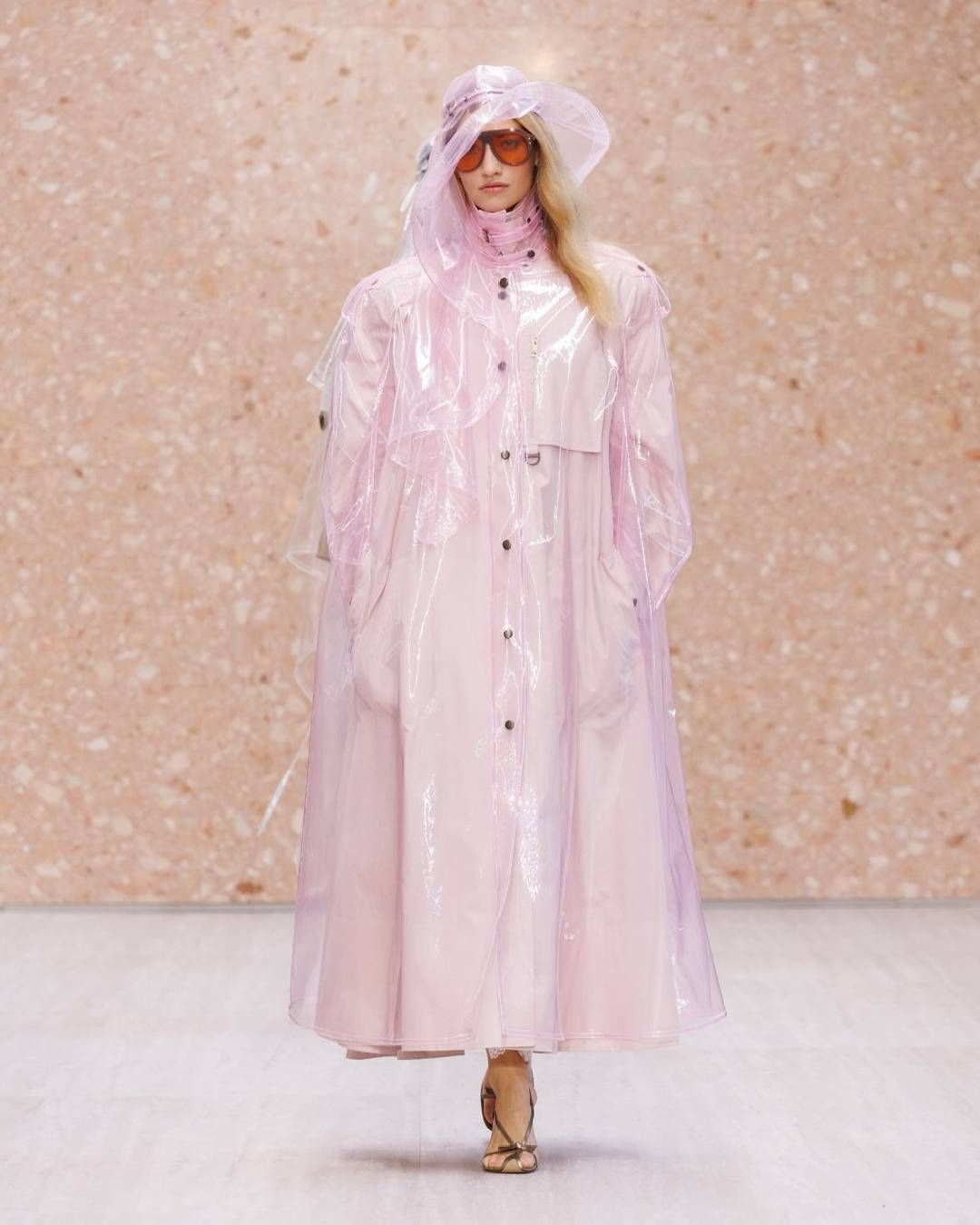
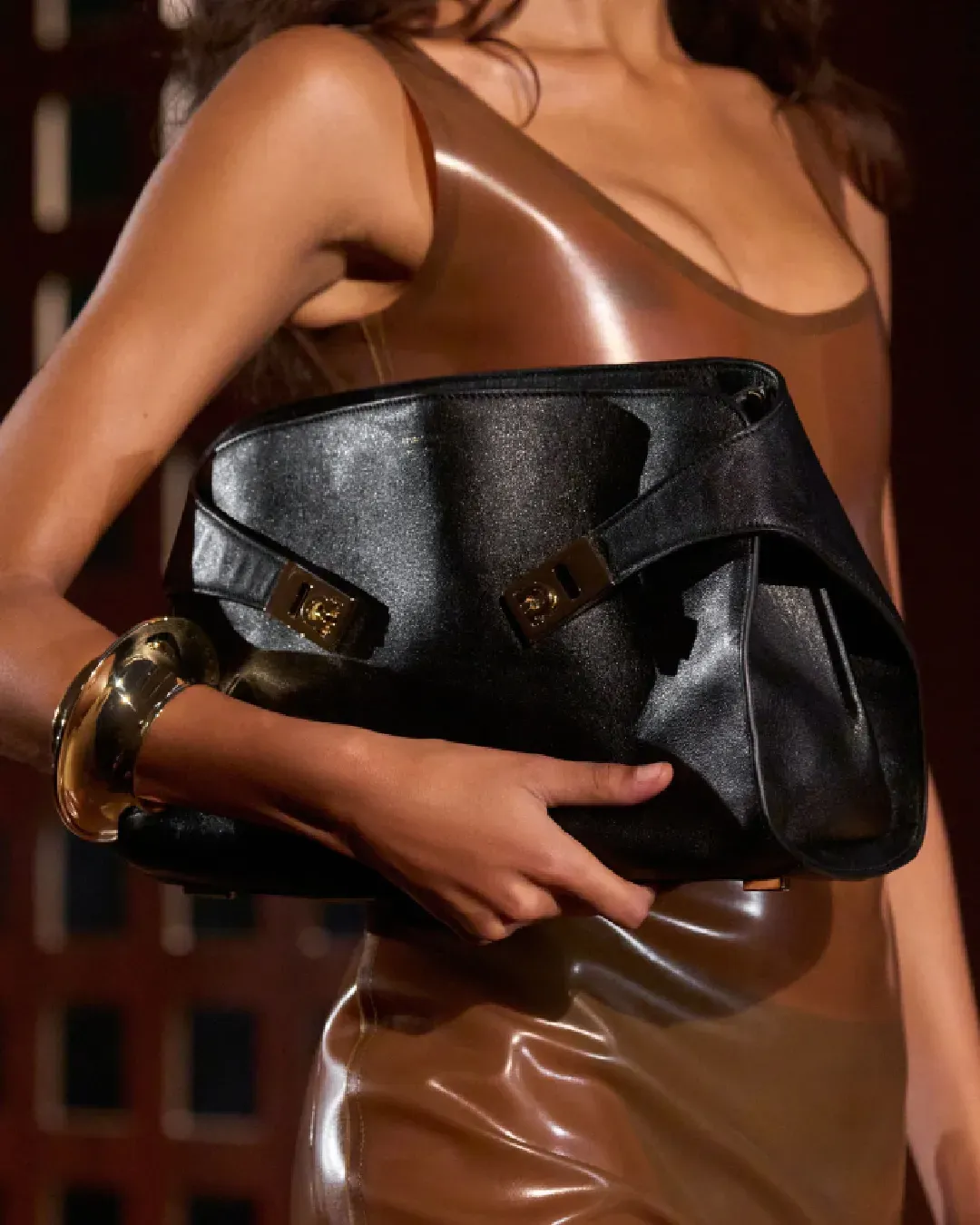
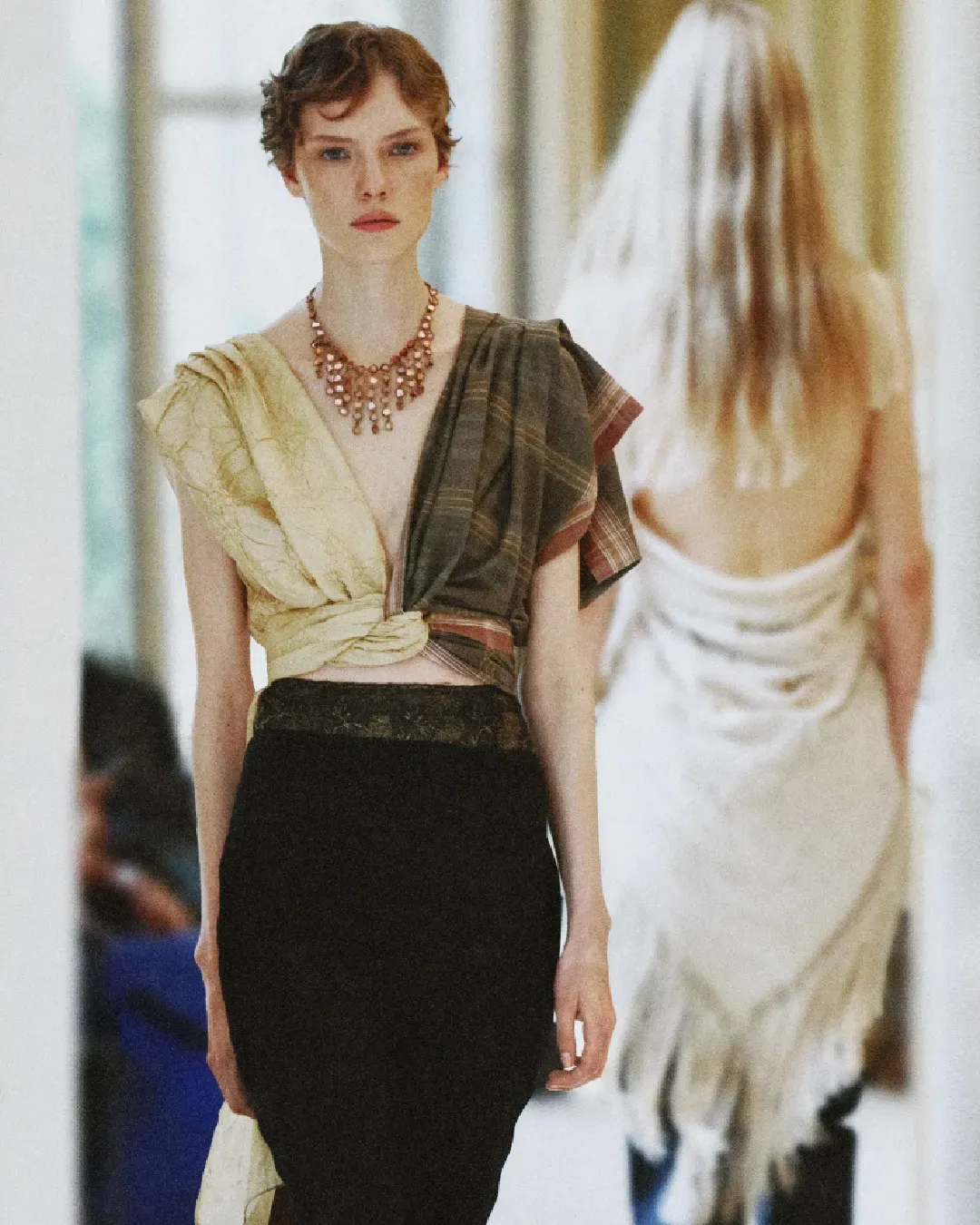
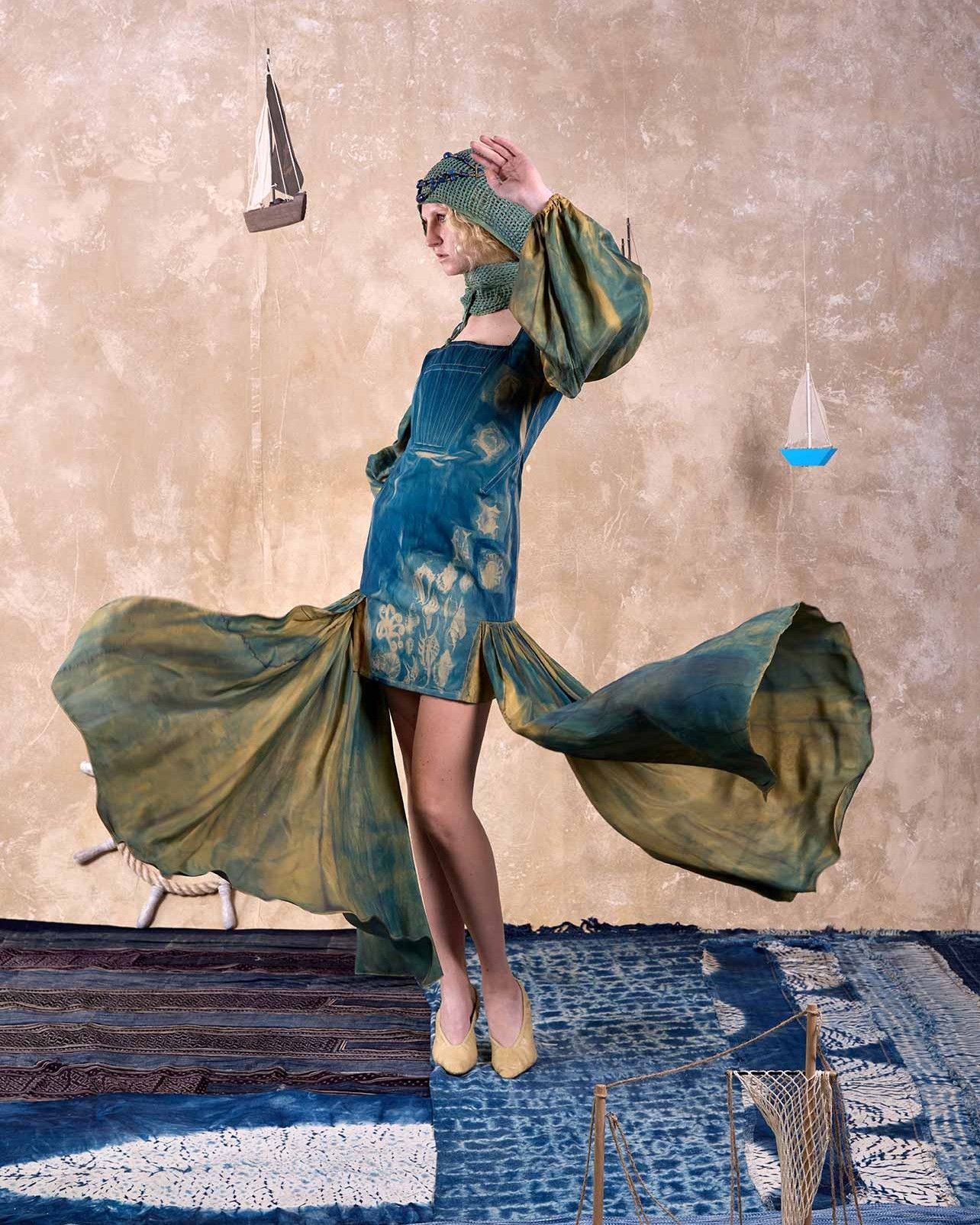
Boho chic is popular. It's light, sensual, evokes a bygone era and lends an air of mystery to those who wear it. Fringe, suede, paisley prints, crochet, maxi dresses, statement belts, layered jewellery and worn-in bags keep reappearing on the runways, especially in summer, through brands that have made themselves its standard-bearers, such as Etro and Chloé. The problem, however, is that while the fashion crowd seems to keep appreciating boho chic, on the streets and on social media this trend doesn't seem to be winning the same approval.
The question at the heart of this phenomenon is: who is the real boho chic customer? A millennial mom who collects artisan ceramics? A young Gen Z-er who loves outdoor festivals? The problem is that, if it were those two, we're not entirely sure they'd prefer to spend their money at markets or in vintage shops rather than in a luxury boutique.
A luxury that wants nothing to do with luxury
Boho chic works best when it doesn't look like it was bought on purpose — a characteristic that makes it rather uncomfortable for the fashion brands that build their entire identity around it. Buying a full look in a store is nothing like building a wardrobe piece by piece, collecting accessories from around the world and gathering second-hand items with a genuine lived-in charm. Luxury boho chic, after all, is too expensive to feel authentic.
Addison Rae wearing Chloé fw2025 at coachella, one of my favourite looks of her pic.twitter.com/BrNE46fNHK
— (@ifuliedownhere) August 17, 2026
It's no coincidence that Chloé seems to be going through another period of instability. According to media outlet Glitz, Chemena Kamali may be leaving her role as creative director of the maison. No official confirmation has come, but the possibility is surprising given that under the German designer the maison had rediscovered a fresh take on its bohemian DNA, even managing to bring back the Paddington bag.
Where are the ambassadors?
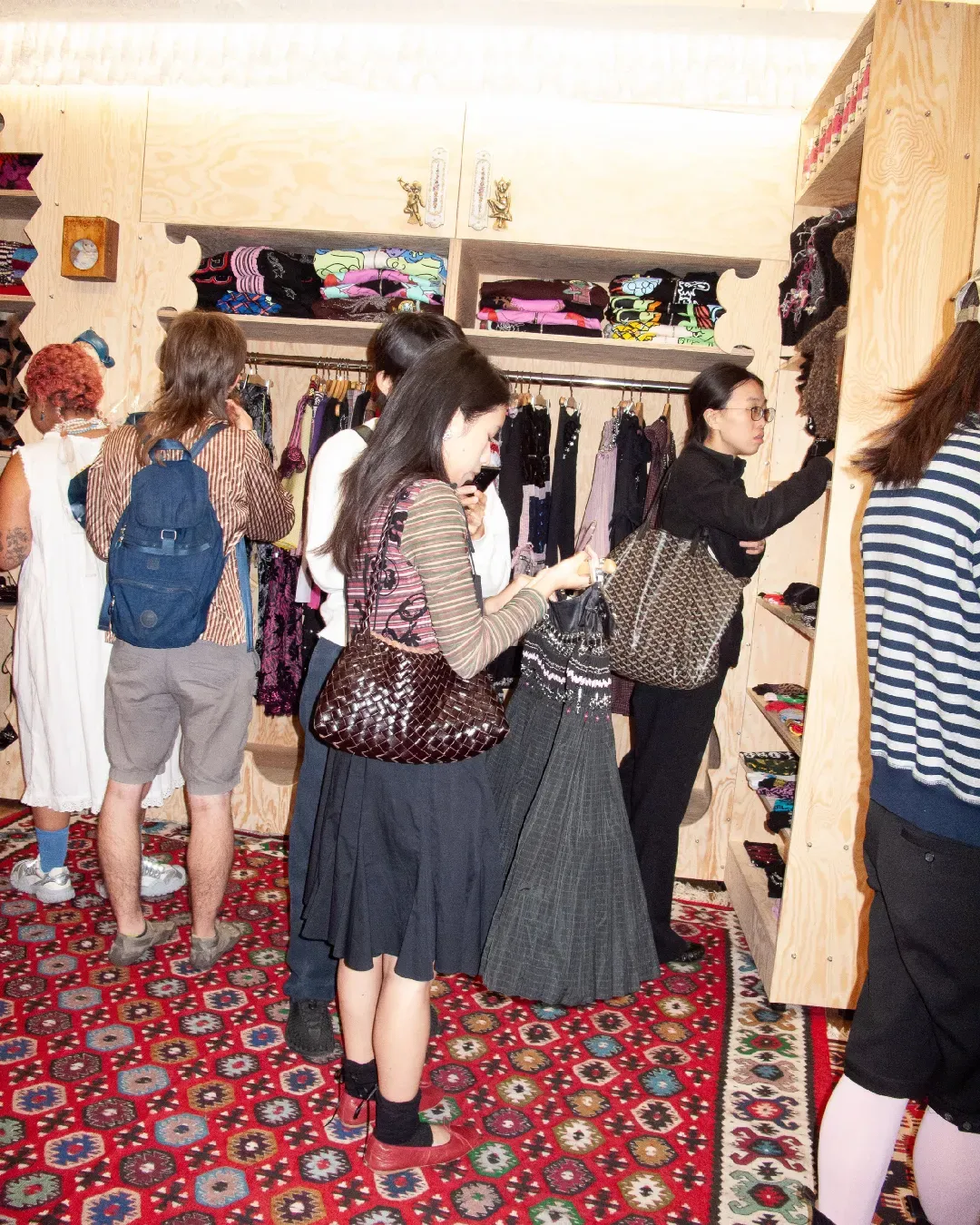
Swallowed up by Coachella and fast fashion, the boho chic aesthetic in the mid-2010s gradually became a repertoire of commercial clichés, losing the individuality that had made it an unbeatable trend from the 1970s onwards. Fortunately, the vintage shopping boom has restored the aesthetic's reputation. But while consumers hunt for the boho chic flavour among the rails of flea markets, luxury brands are left to leverage what second-hand shopping lacks: ambassadors.
Chloé is betting on high-impact image campaigns, with boho accessories front and centre and a colourful, explosive, instantly recognisable creative direction that stands out amid the sea of total-black collections presented by others in recent seasons. One of the maison's latest campaigns starred Apple Martin, model and actress and daughter of Gwyneth Paltrow and Coldplay's Chris Martin — a recognisable face, certainly, but one not yet tied to a strong personal image capable of captivating a new community of customers.
Etro, meanwhile, counts Kaito Takahashi and Ren Jialun among its ambassadors and dressed Shakira for the LMYNL World Tour — but perhaps the brand's most interesting choice has been Olivia Dean. In Milan, the singer wore two custom Etro looks that shifted the conversation towards old Hollywood seventies glamour, less festival-ready. Perhaps that is precisely the direction boho chic should take today, if it wants to survive in luxury fashion: not trying to replicate the formula that defined the trend in previous years — primarily through fast fashion — but broadening the narrative of the aesthetic with more interesting, contemporary and authentic figures. More Cher, less Vanessa Hudgens.