
Luxury wants some Jellycat magic Chanel and Louis Vuitton's penguins appeal to cuteness (and the Chinese market)
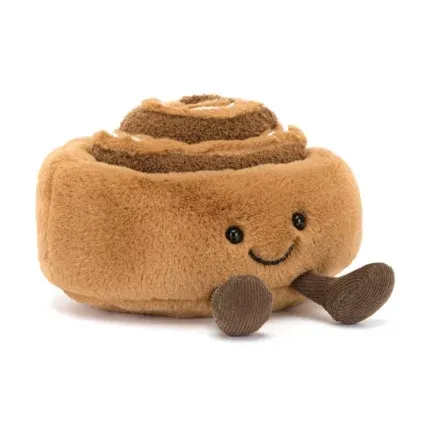
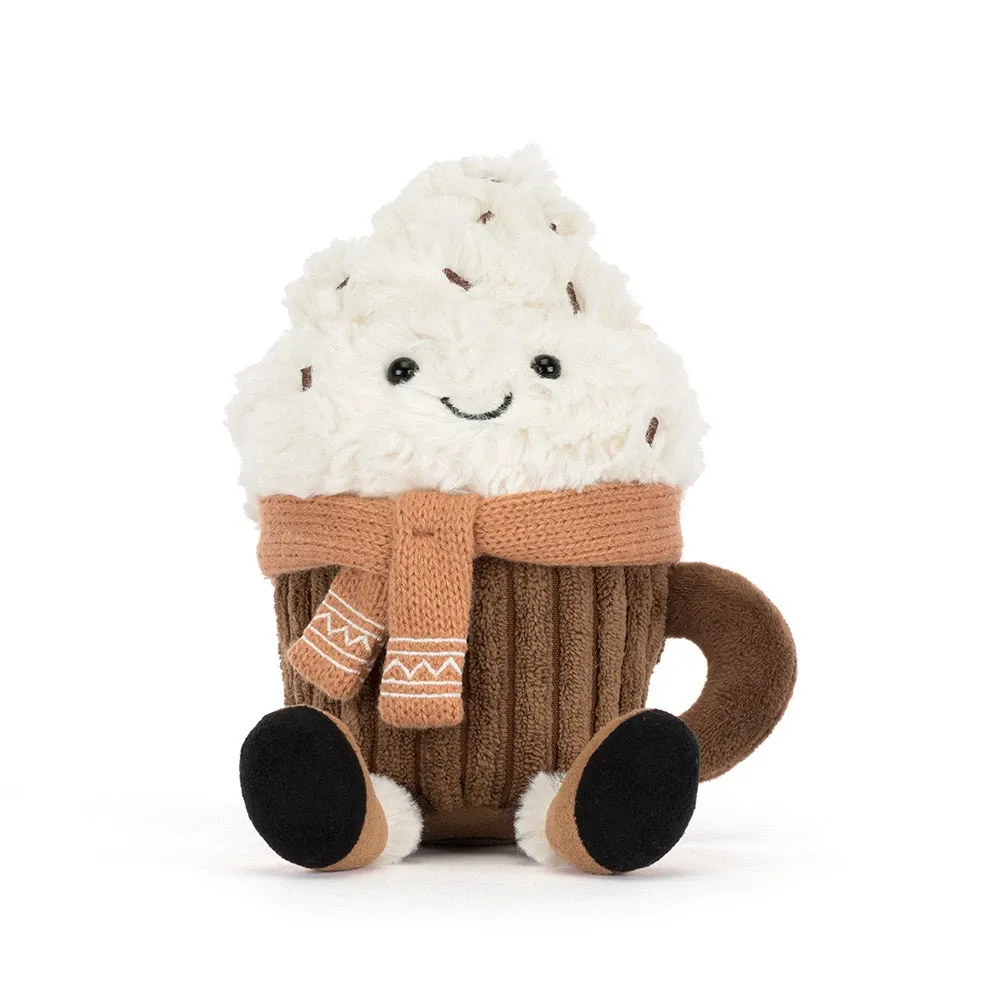
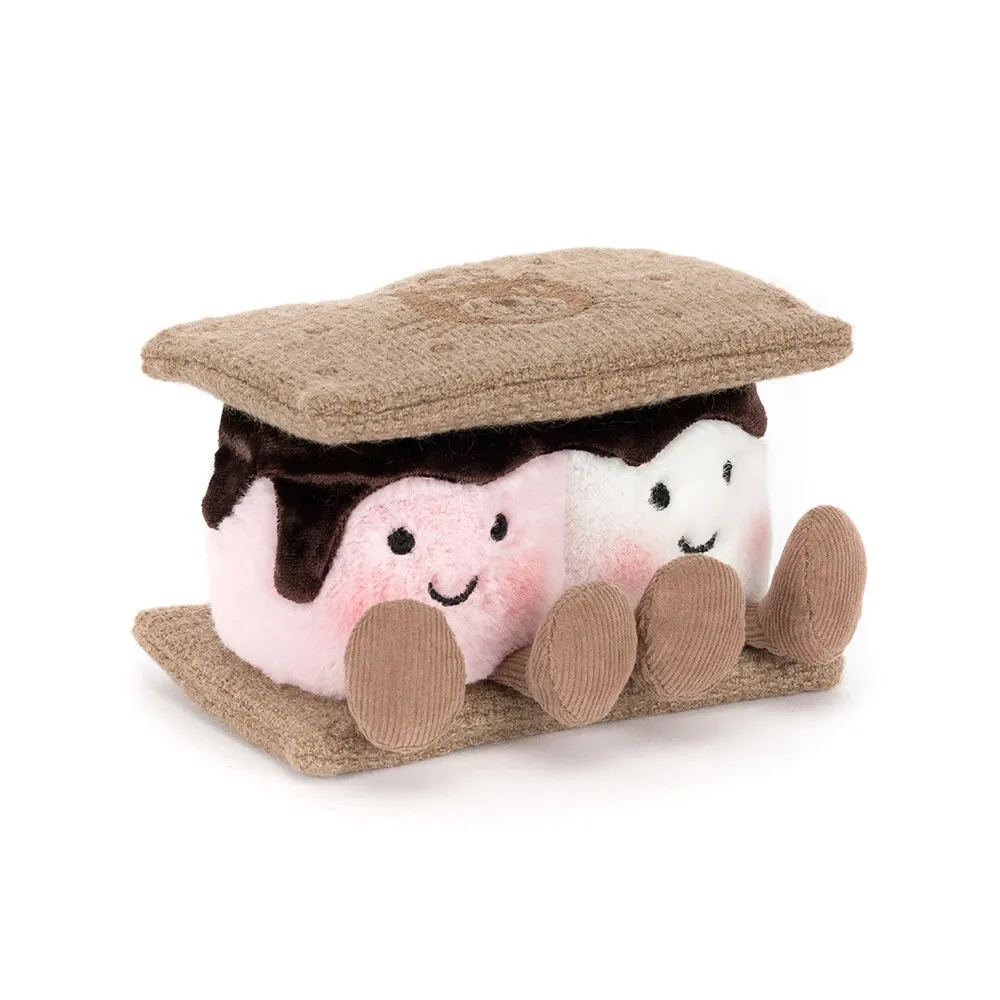
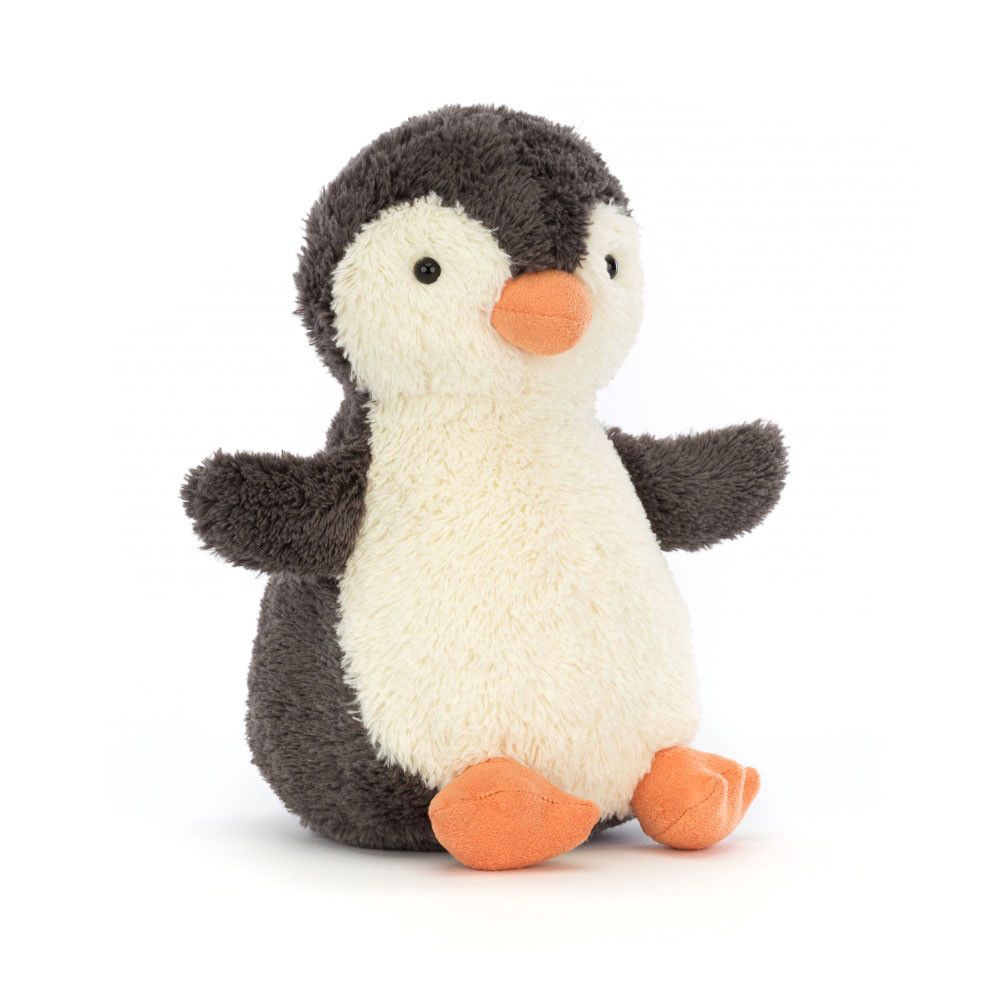
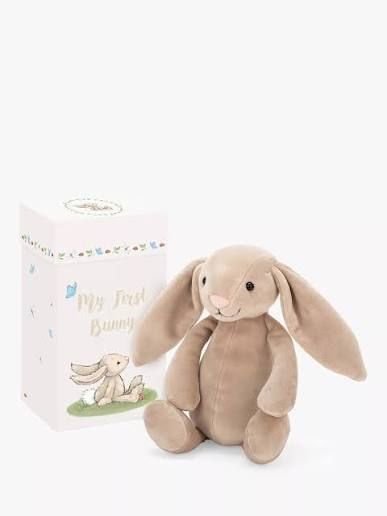
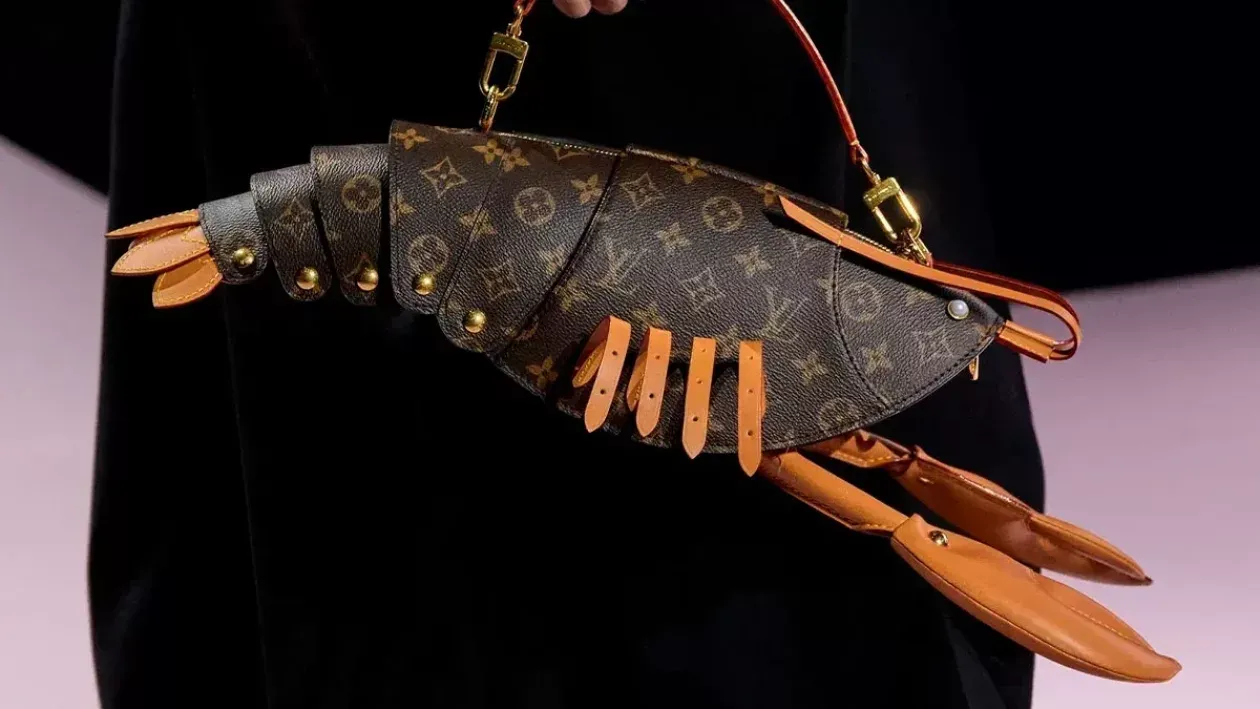
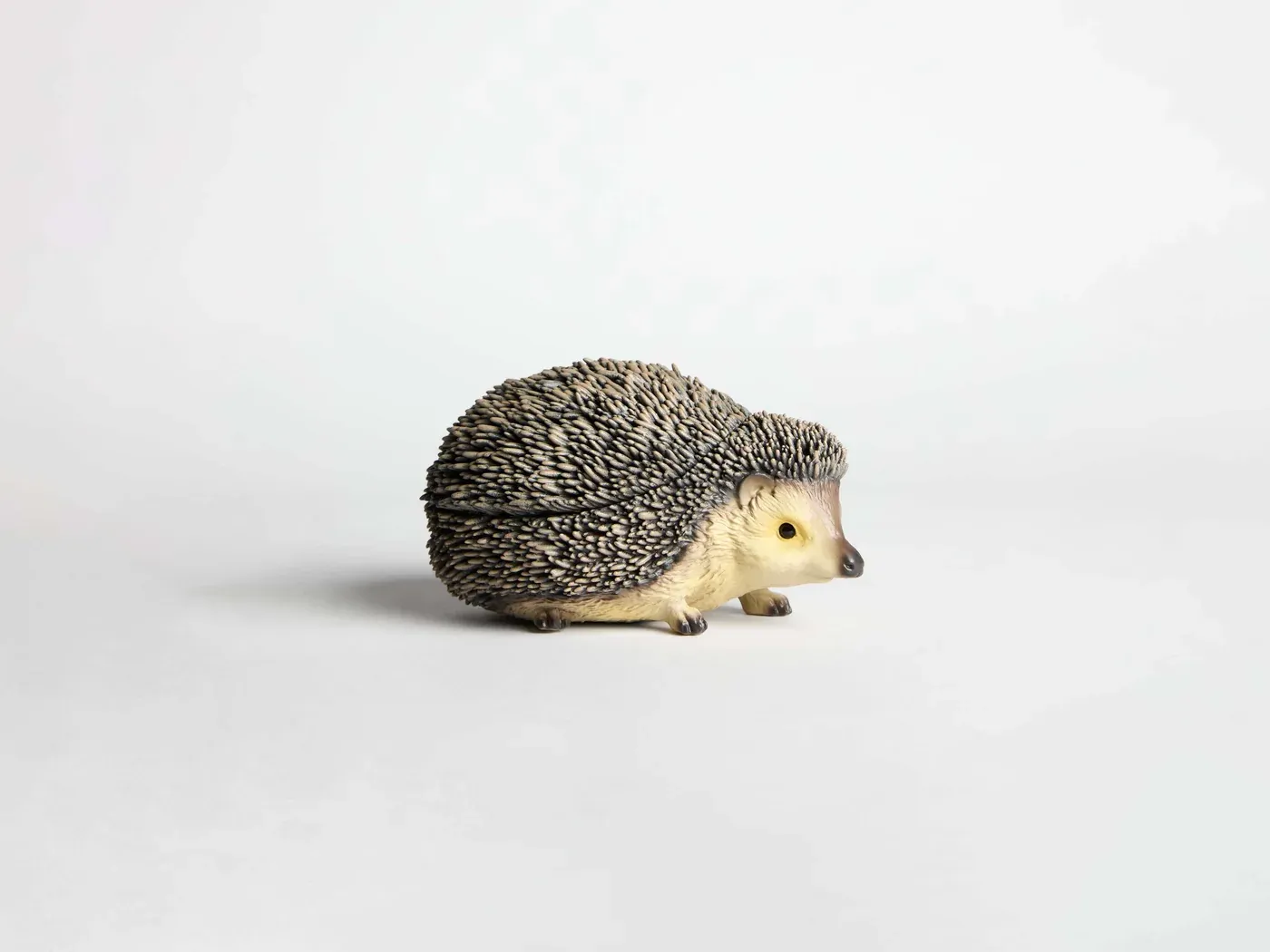
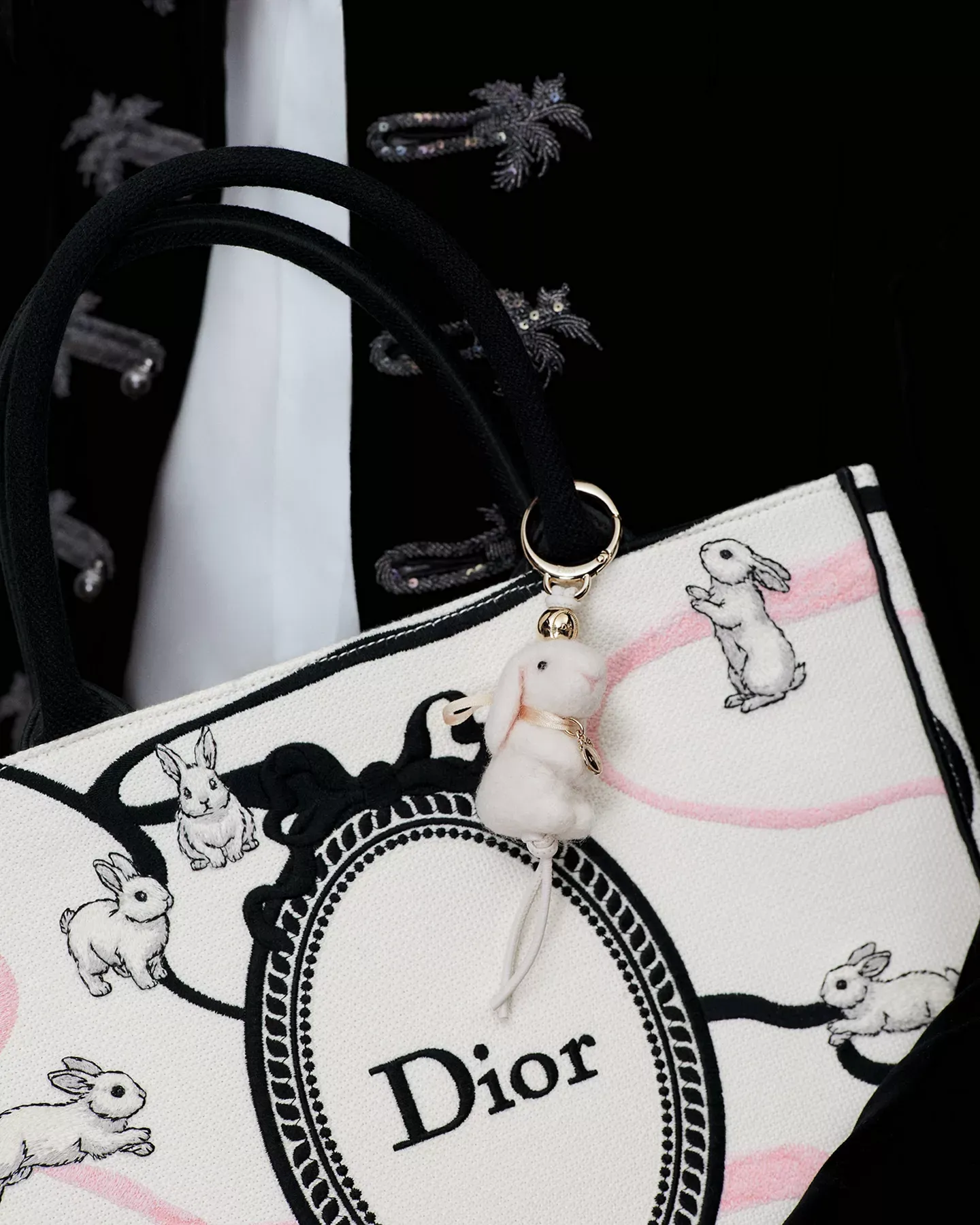
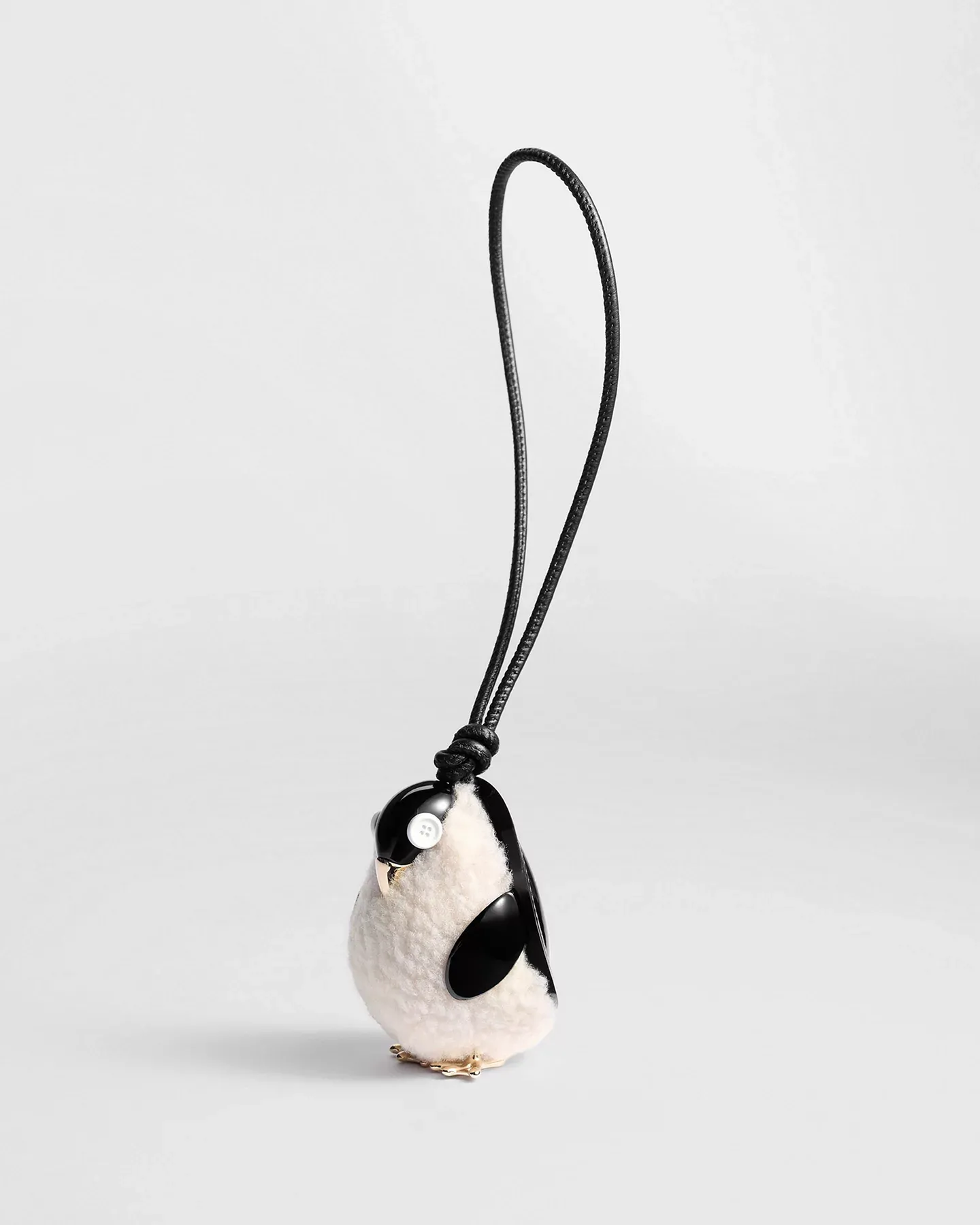
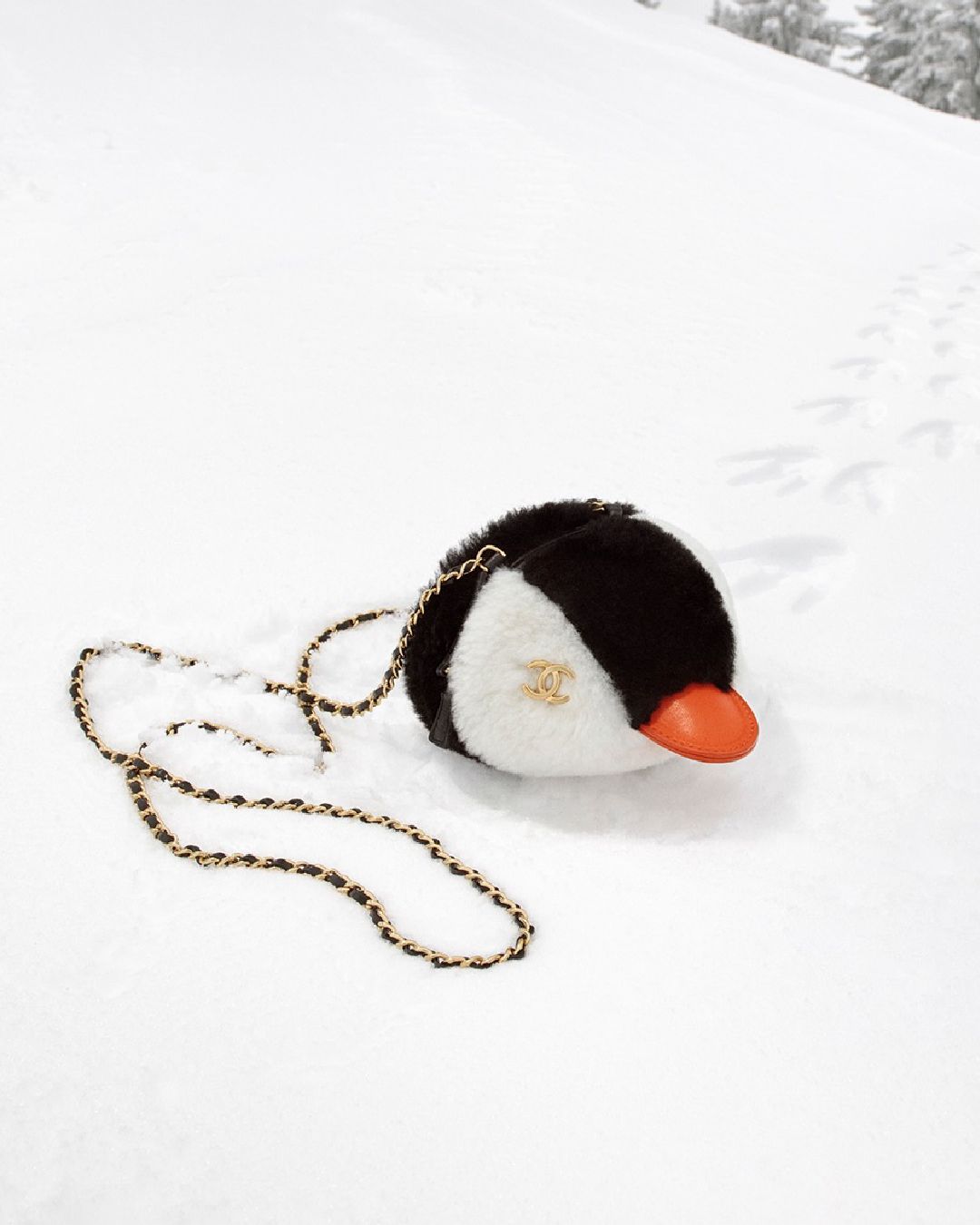
If you spend even a little time on Xiaohongshu, the Chinese platform also known as RedNote, you can't help but notice how obvious the comparison is between products from the giant Jellycat and certain accessories from well-known luxury brands. The current "jellyfication" of fashion accessories is driven by consumers' desire to freely express their personality and access luxury brands with caution, as well as by brands' need to win back the trust of the country that once drove fashion forward.
But let's explore together the reasons behind this new trend.
What is Jellycat?
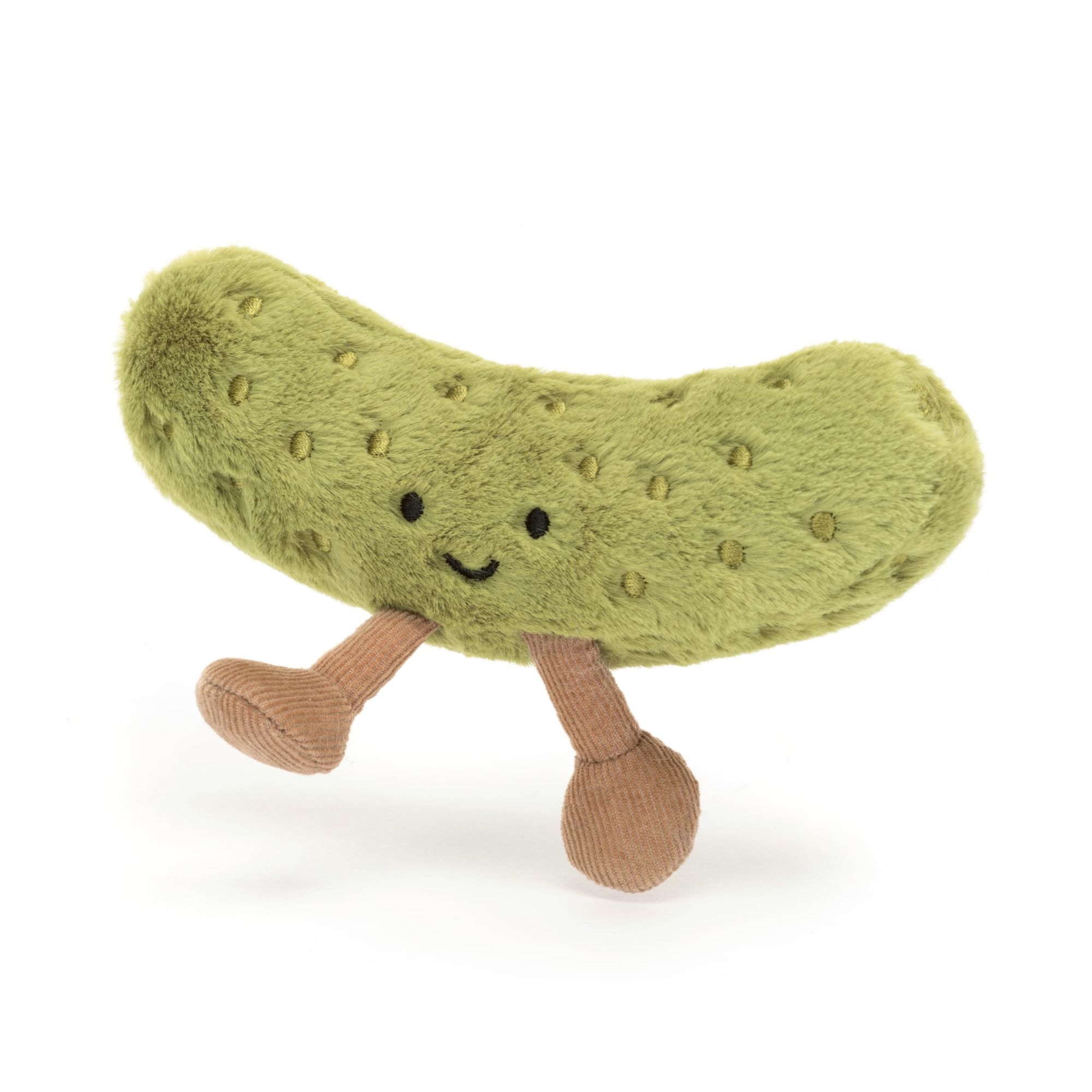
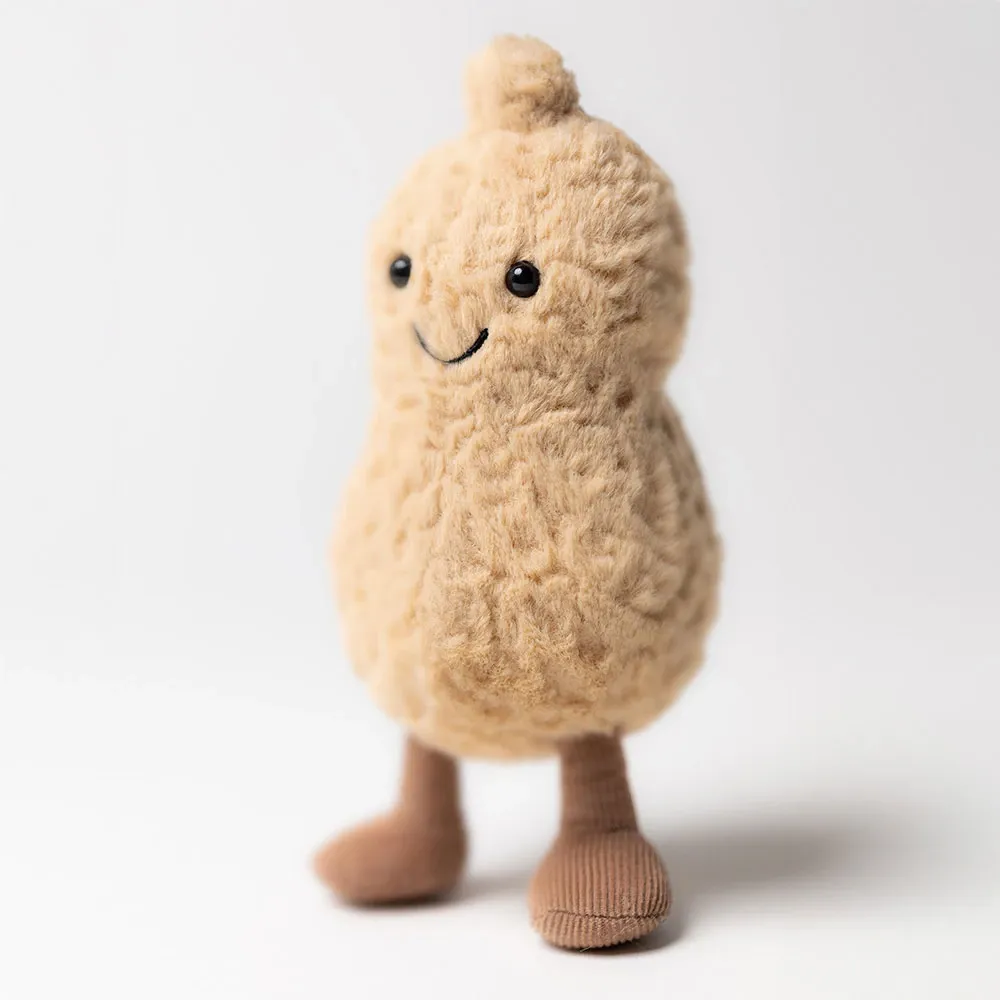
Jellycat was founded in London in 1999 by brothers Thomas and William Gatacre with a simple idea: to create softer, quirkier, and more carefully crafted stuffed animals than anything else on the market at the time, initially designed for newborns and young children. Their first major success was the Bashful Bunny, the floppy-eared rabbit launched in the early 2000s and still one of the company's best sellers today. But it was the Amuseables line that marked the brand's evolution, with cacti, avocados, and peanuts with sweet eyes and cheerful smiles. The rest was achieved through social media, themed stores, and limited editions: a company born as a maker of cradle gifts thus found itself, twenty-five years later, speaking primarily to adults.
To understand why fashion houses with over a century of history would want to resemble a London stuffed animal maker, the numbers say it all. Jellycat's revenues increased by 43% in 2025 compared to the previous year, with China as its primary market. A decisive portion of their demand comes from adults buying for themselves. Known in marketing parlance as kidults, these are emotionally driven consumers seeking a comfort object, not a gift for children. And it is precisely their emotional nature — and their occasional impulsiveness when purchasing — that makes them attractive to the luxury market.
Cuteness as a bridge between culture and market crisis
It would be a mistake to think that fashion houses are simply imitating a form. As JingDaily reports, the concept of "meng" — that slightly childlike cuteness — has always contributed to product sales in China: younger customers spend heavily on purchases that can lift their spirits or give them a sense of belonging.
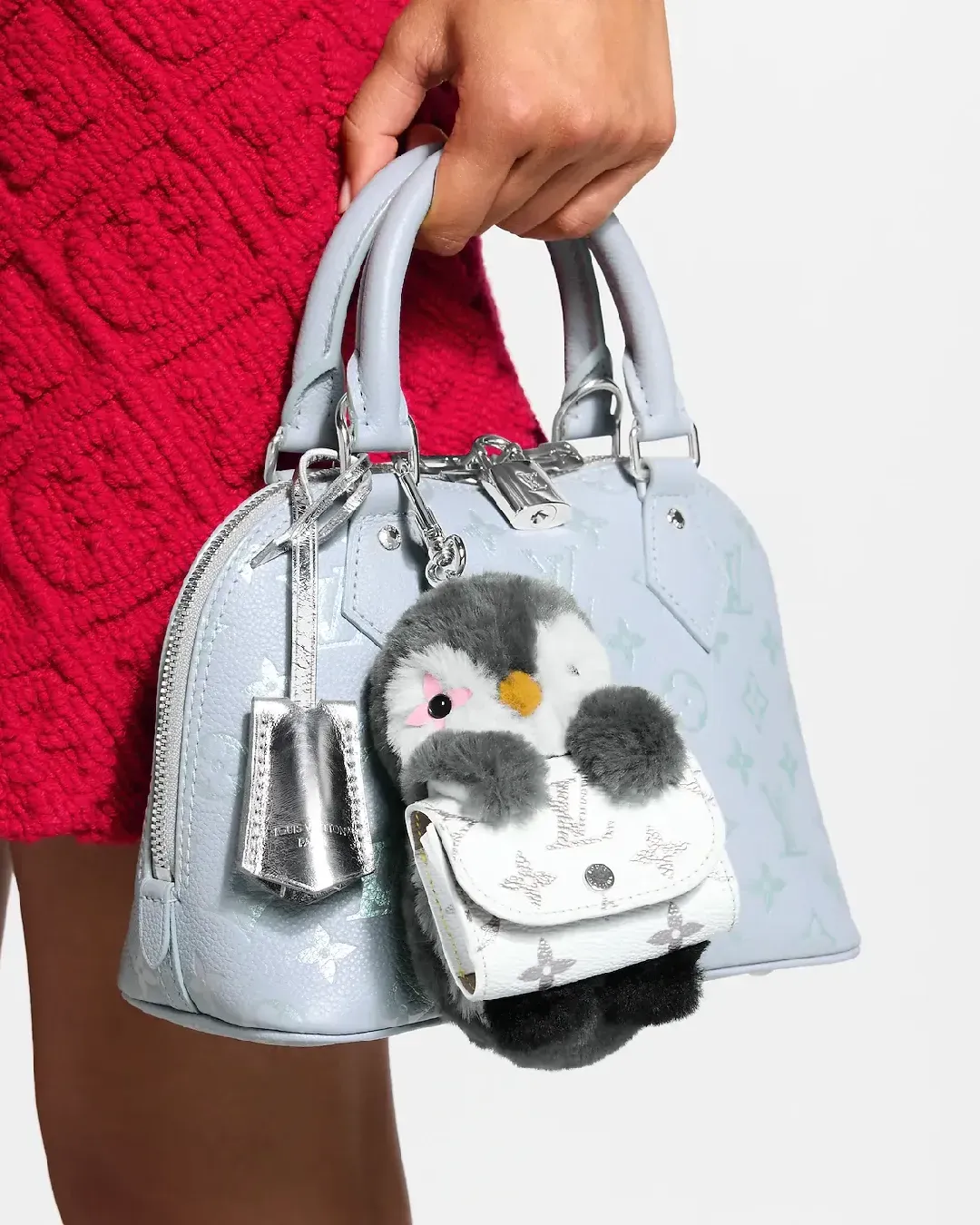
Focusing on collectible accessories is far from new (in recent years, the conversation has been dominated by charms for personalizing bags, from Labubu to the highly sought-after Swatch x Audemars Piguet). Jellycat joined the trend with the Peanut Penguin bag charm, available for around thirty euros, followed by Louis Vuitton and its Cute Penguin Bag Charm — a small penguin carrying a tiny monogrammed pochette. Same idea of cuteness and soft portable companionship, but with over 600 euros' difference in price.
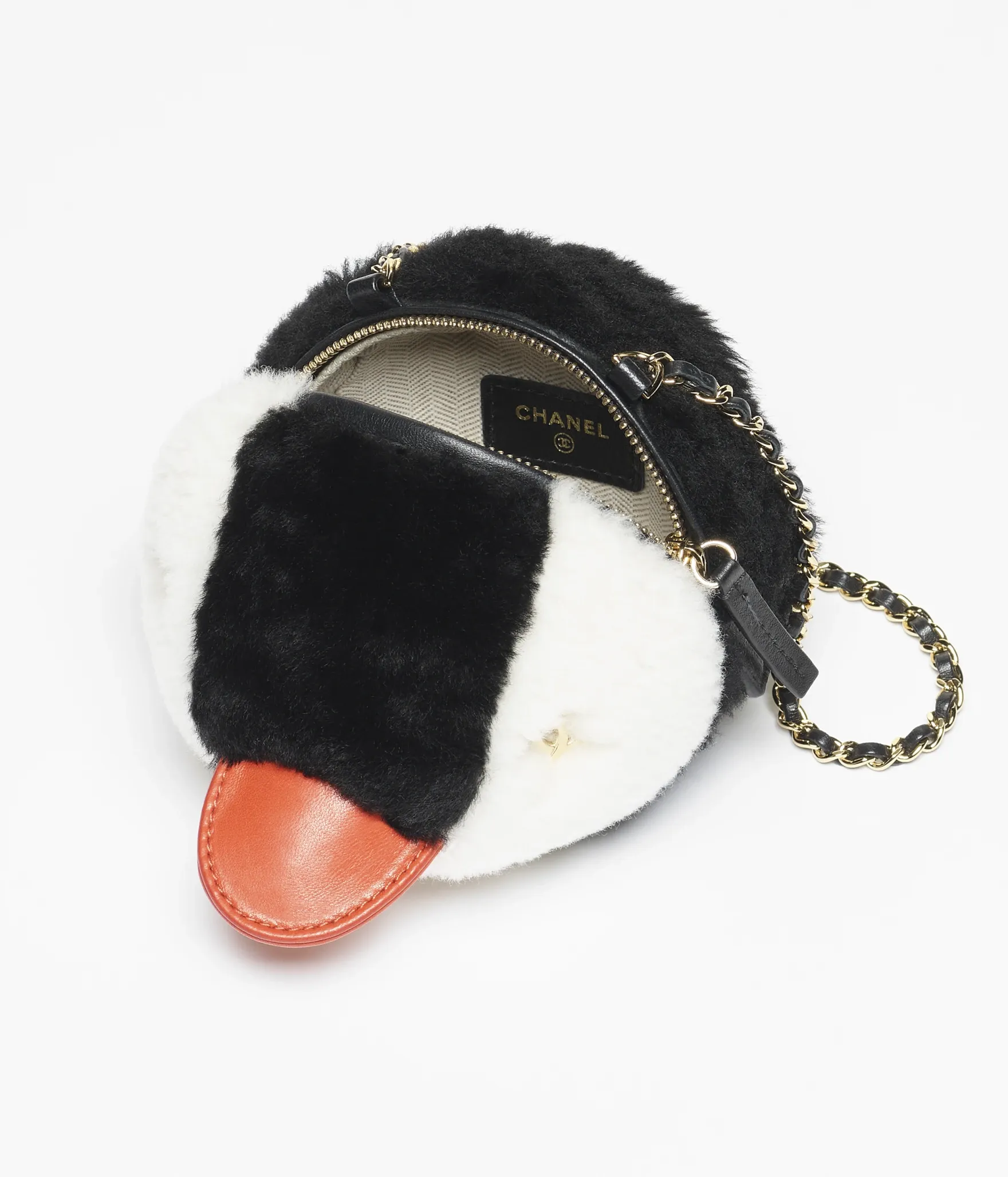
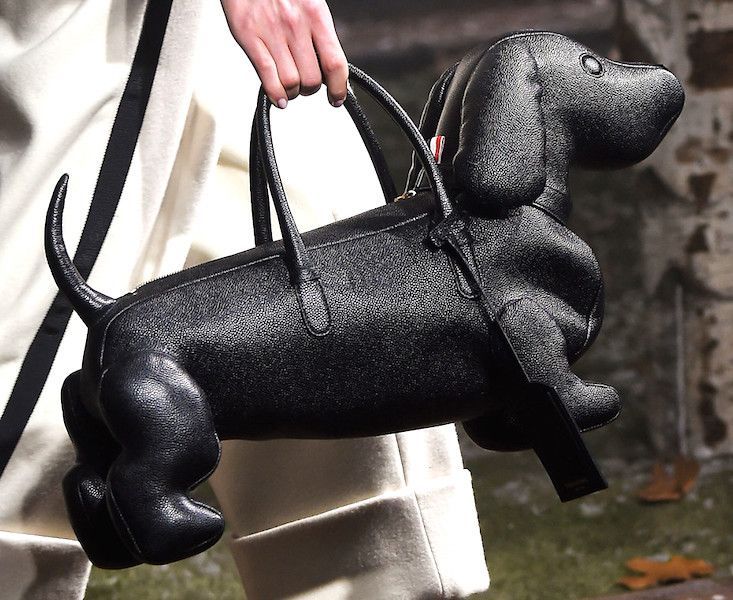
Long before this trend took hold, stuffed animals were being turned into actual handbags: that was the case with Thom Browne's 2016 Hector Bag, a tribute to his dachshund, and it remains true today with Chanel and its shearling bag shaped like a penguin from the NEIGE 2026 collection. What has changed today is the scale: eccentricity is no longer a one-off collection statement, but a strategic direction, driven by an audience — predominantly young and Chinese — that asks luxury for emotion before status.
To this must be added a struggling Asian luxury market. The LVMH group recorded a sales decline in its fashion and leather goods division of 5% on an organic basis in Q3 2026, due to weakening Chinese demand. For Kering, Gucci fell 6%, hurt by reduced traffic in China. Hermès is wavering: revenues grew 4.3% at constant exchange rates, with Greater China stable over the first nine months, driven mainly by leather goods. In this context, the luxury plush toy becomes a practical response to the crisis: an emotionally resonant product, priced lower than a classic handbag and easy to share on social media, designed for an audience that spends cautiously but refuses to give up on desire.
The results will show at Christmas
On a commercial level, the move itself — however lacking in creativity — could help recover margin on Chinese sales, especially during the holiday season. A Jellycat is more than a stuffed animal; it's a character with a personality, a connection to consumers' lives. It is a social product: unboxing videos, collections shared online, and photos taken around the world make it a product that lives within user-generated content. Its marketing, moreover, leverages the logic of seasonal editions, limited pieces, and dedicated stores and pop-ups around the world (such as the Fish & Chip shop Jellycat opened at Selfridges, or the pop-up at La Rinascente in Milan).
The fact remains that luxury cannot afford to copy the authentic lightness that defines these products: a bag worth thousands of dollars, after all, must remain credible. The path is not without its pitfalls: in 2025, Jellycat's inventory grew faster than its revenues, and for Pop Mart, the other major name in kidult culture, Q3 2026 data points to a sharp drop in sales. An emotionally driven trend can burn out quickly, and if it's true that luxury thrives on lasting desirability, passing trends can always run their course. Sometimes, it's a matter of months.
What to read next
