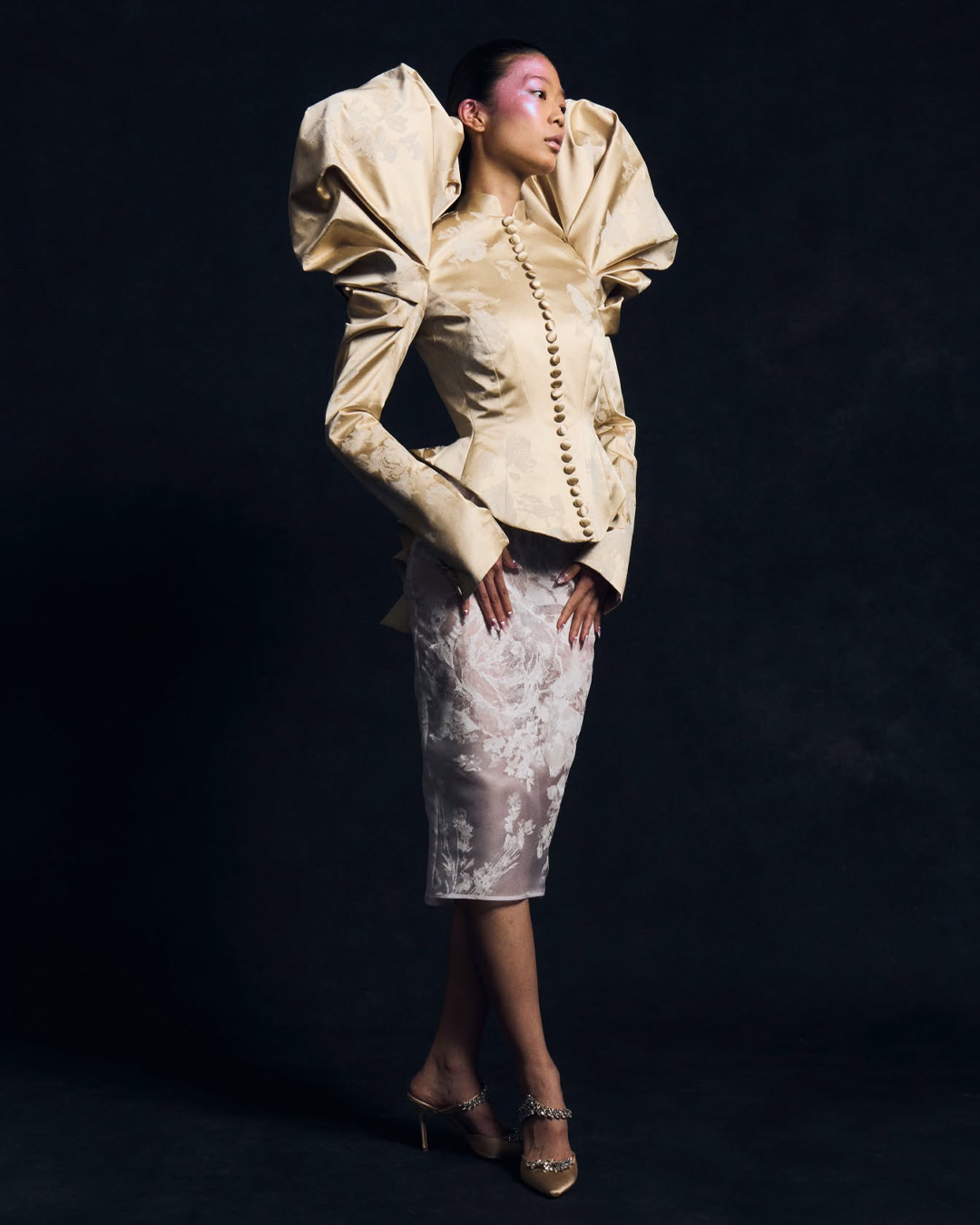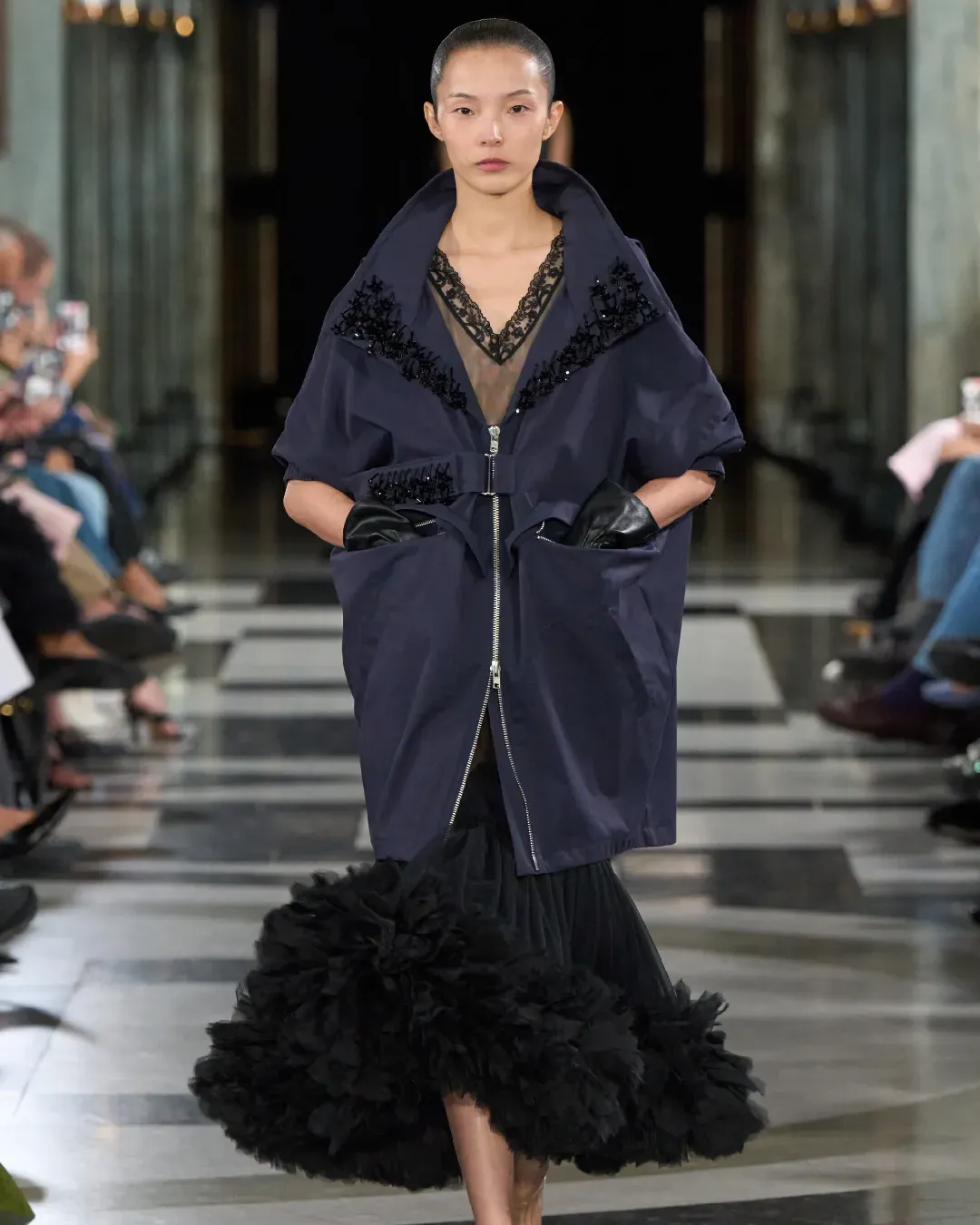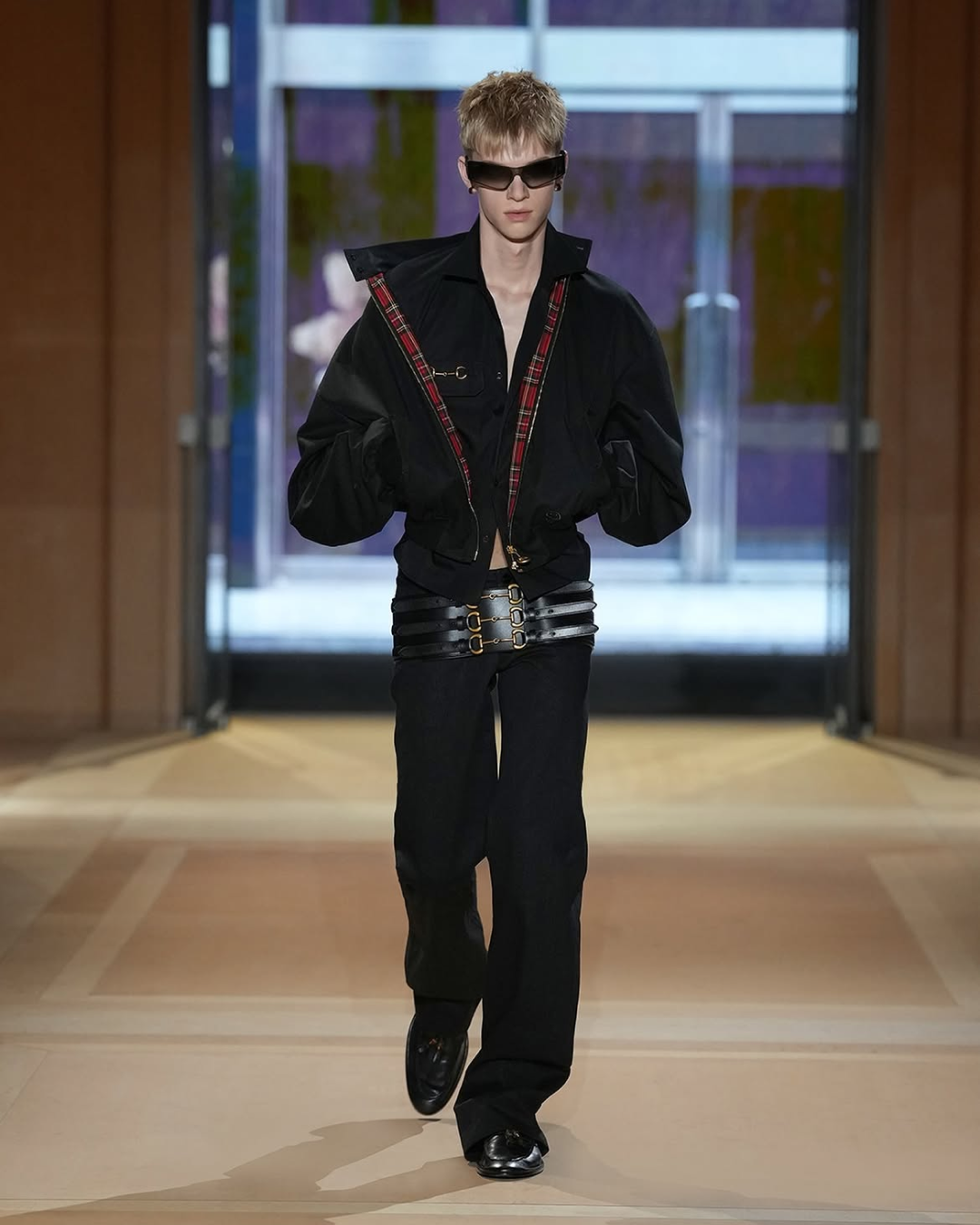






















Luxury brands have discovered Substack's power Balenciaga is the first fashion house to participate in the platform's native sponsorships program
Just over a week ago, Substack launched a new update to its native sponsorships program: a project that will see dozens of brand partners invest directly in creators on the platform. Among the brands involved in the program's first edition are Yahoo Scout, Whatnot, Granola, T-Mobile, Polymarket, Uber, and even Balenciaga, the only fashion house in the mix. But while this new program will give Substack authors an extra edge cementing the platform's role as a new cultural engine it could also crumple the sense of authenticity and community that has always defined the Substack experience.
How do you make money on Substack?
@substack if you were wondering how the Substack app works, you’re in luck
original sound - substack
While on most social platforms creators must navigate branded partnerships, algorithms that reward (or don't reward) their content, and a compensation system based on views, Substack tries to make an author's work a little easier through subscriptions and, now, the native sponsorship program.
The platform states that today more than 100,000 creators earn through subscriptions on Substack, and that the ten most-followed in the world make more than $100 million a year. The native sponsorship program, the company writes, will give authors the opportunity to invest more in their editorial offering, thereby establishing a stronger connection with their audience.
The native sponsorship program
The native sponsorship program is not about the familiar ads and sponsored content we see every day on Instagram and TikTok, but rather long-term partnerships between brands and creators. It all works through the Creator Kit a tool (comparable to the media kit that companies share with potential investors or collaborators) that allows Substack to connect creators with the most suitable brand for them and a Partnership Platform through which they can stay in touch. For now, the project is available only to Substack's bestselling authors.
Fashion on Substack
It is worth noting, however, that both women interviewed by nss on two separate occasions raised two broader concerns about the fashion journalism industry that could soon apply to the much-loved Substack as well, which Petrarca considers "more genuine" than other social platforms.
The first issue, raised by the author of Shop Rat herself while we were charting Substack's rise, concerns the arrival of influencers: «For me, Substack is at its best when it feels like intimate correspondence, not an advertisement, and I hope it stays that way. But hey, writers need to make money, so I'm not judging,» she commented. The second, observed by Dana Thomas in an interview on how to become a fashion critic, has to do with the authenticity of content: «Only a few of us still care about fact-checking. [...] Even if you're a critic, you still have to act like a journalist. Even when you're writing an opinion piece, you can't just make things up.»
@archivesbyaida Adding to the dog pile of short form content critiques /p> again: we see ourselves in the end of everything - Porreria
And so the entry of massive brands and companies into the Substack partnership circuit becomes a powerful double-edged sword. If used thoughtfully, the native sponsorship program could genuinely contribute to the much-hoped-for return of long-form content in media while also supporting the authors who are championing it. If exploited carelessly, it could instead turn Substack into just another advertising container, stripping it of the authenticity that has always set it apart from other social media. It all rests in the hands of creators, who will need to choose carefully which brands to trust.