































The history and big comeback of the tube dress The controversial corset descendant
Few garments are as controversial as the tube dress. The history of the tube dress, which has recently returned to the womenswear runways in various forms, carries with it an ongoing cultural debate: for some, it is a democratic garment that celebrates and adapts to every body shape; for others, it is a descendant of the corset that, rather than liberating women, subjects them to greater hypersexualization. But what is its history, and when did it become such a divisive garment?
Origins and historical evolution in fashion
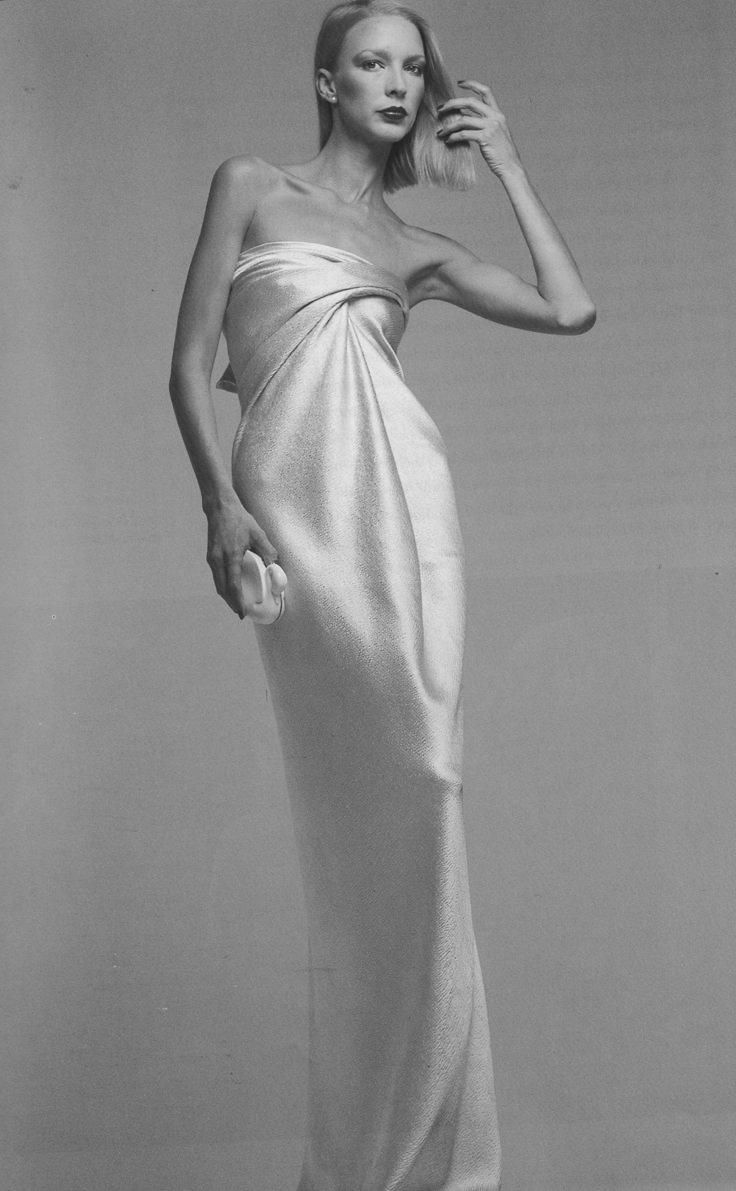
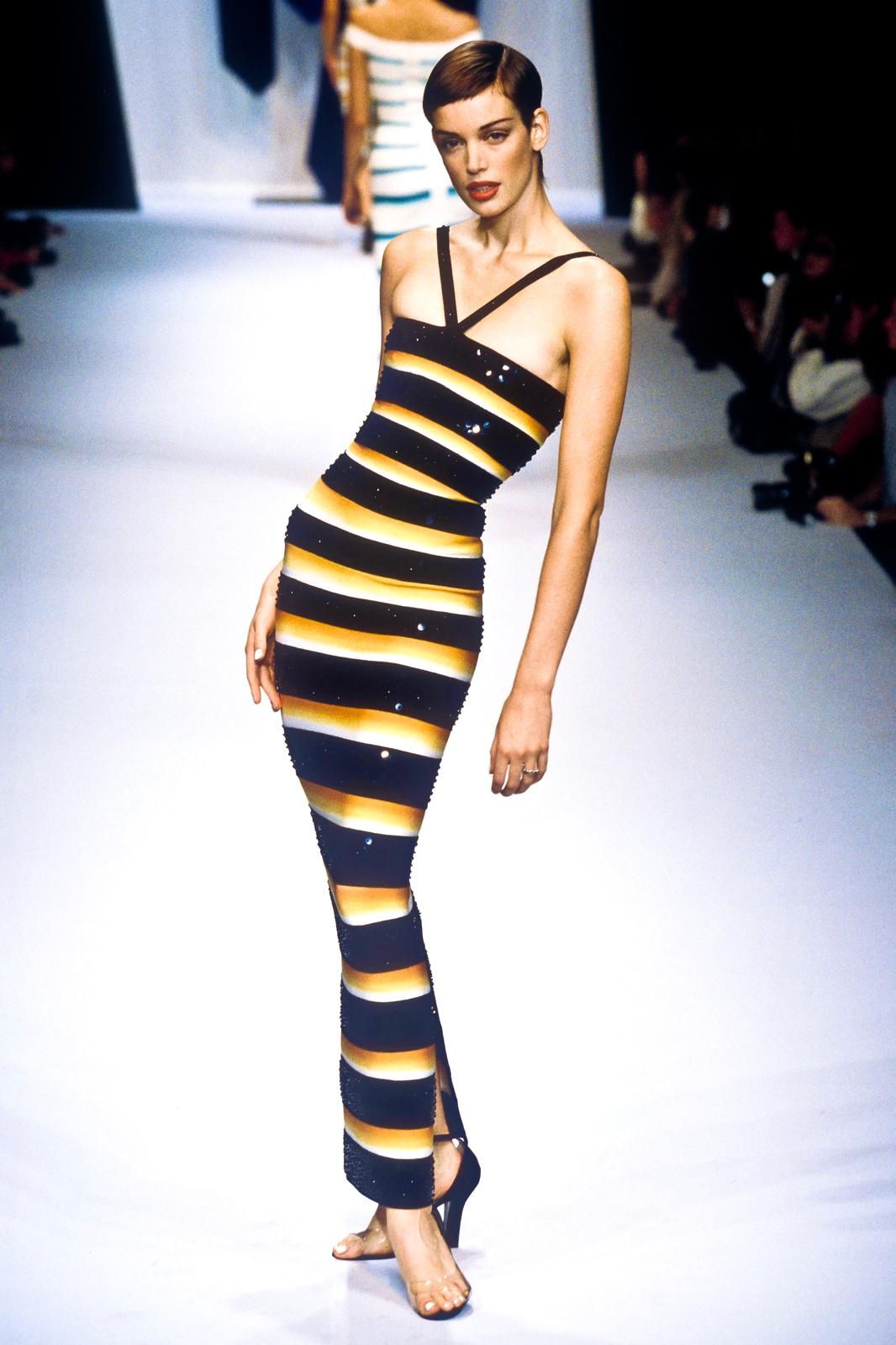
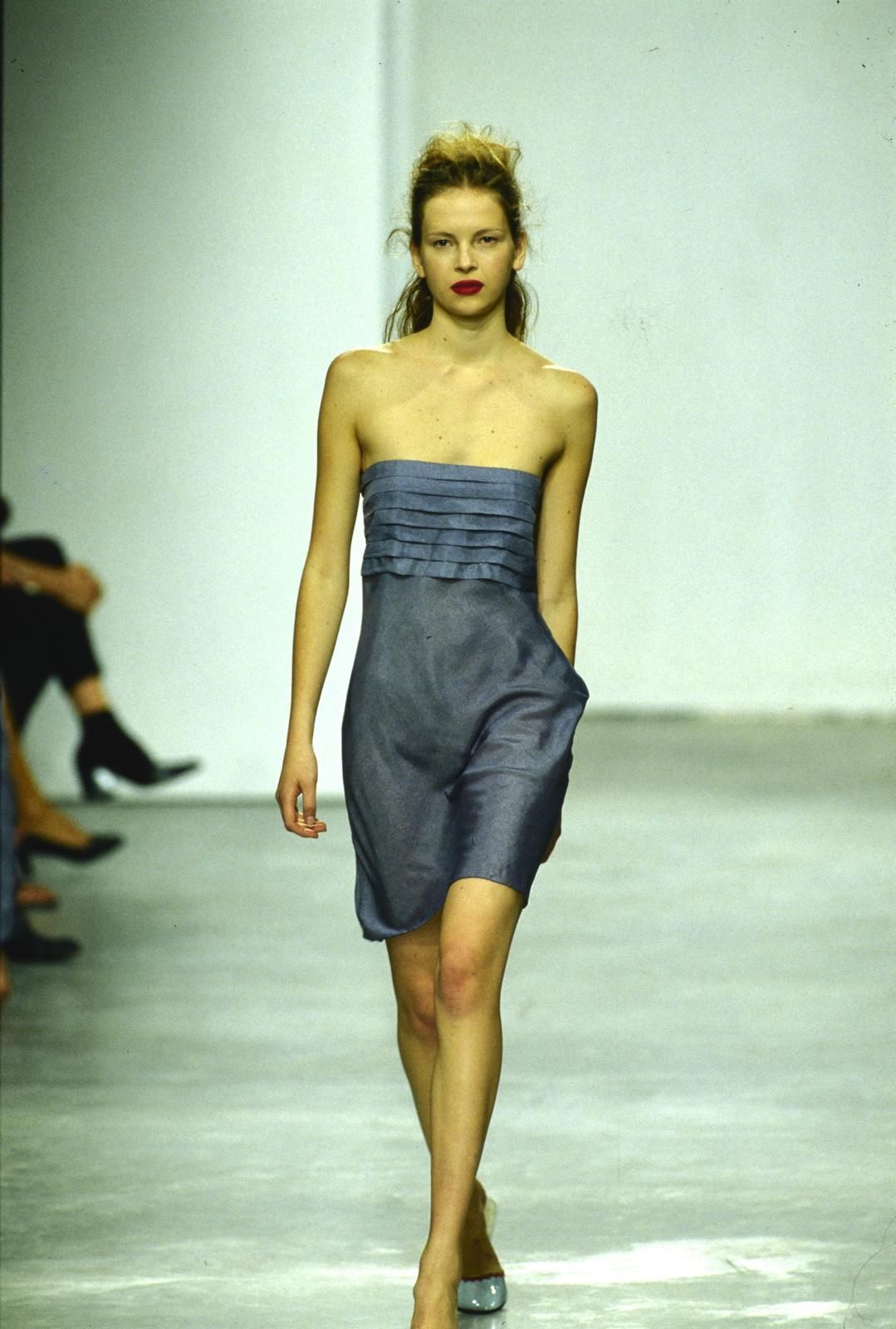
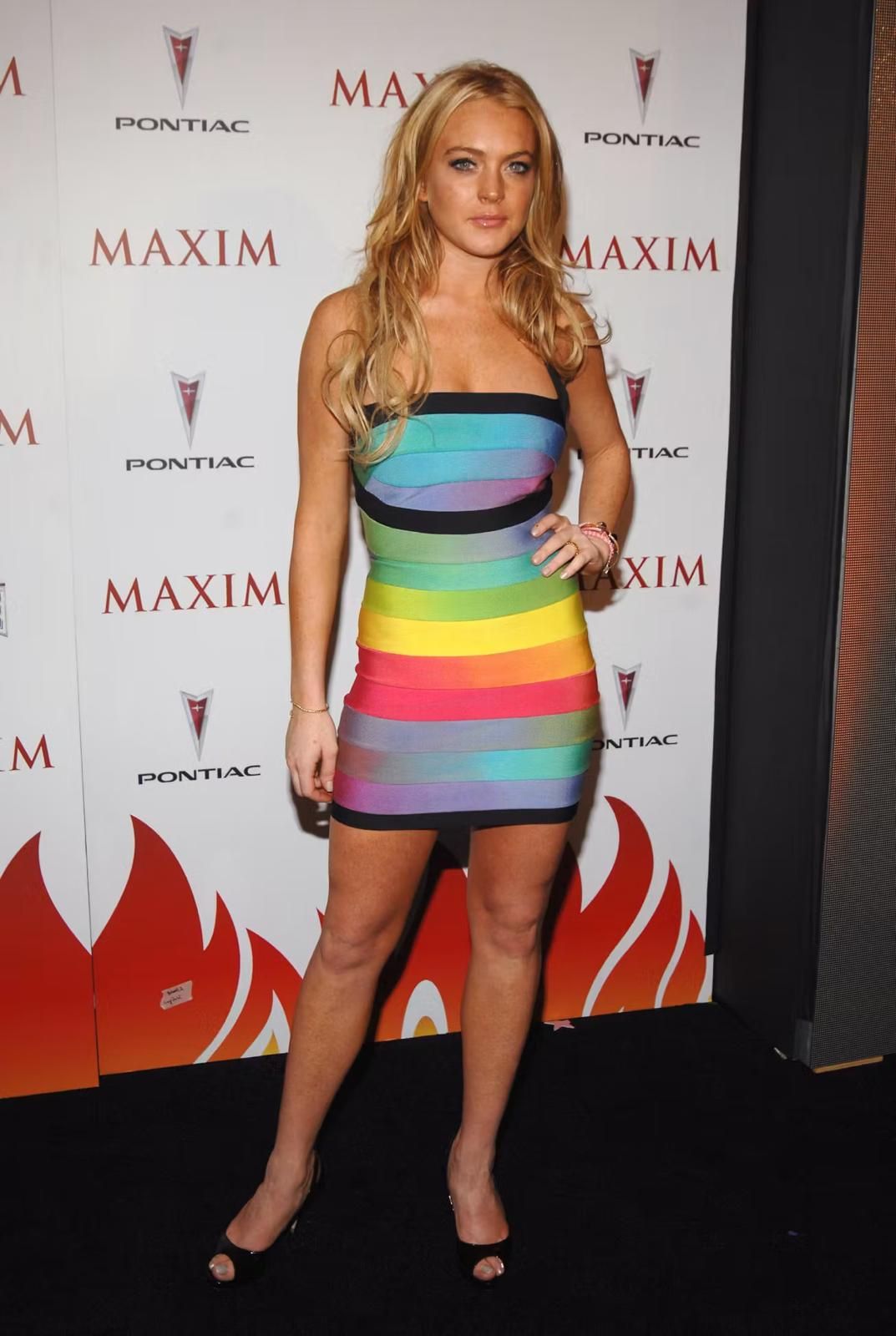

The tube dress’s family tree can be traced back to Coco Chanel’s little black dress, the first true sheath dress in fashion history. The transition toward a strapless, sleeveless silhouette is owed to the boldness of Mainbocher and Christian Dior, who were among the first to “defy gravity” and social conventions by exposing women’s shoulders. However, the real transformation - the one that turned the sheath dress into the stretchy garment we know today - was born in the 1970s from a collision of creative intuition and industrial production.
Part of the credit goes to designer Elie Tahari, who in New York accidentally came across a batch of stretch knit fabric created due to a manufacturing error. Recognizing the potential of this tubular textile, Tahari first commercialized the tube top, a bandeau-style garment, and shortly afterward the full tube dress. During the same period, Halston created his famous spiral-cut tube dress (also known as the sarong dress): by using fluid materials such as silk jersey, the designer began crafting garments with almost no seams, capable of wrapping around the body without the support of zippers, buttons, or rigid internal structures.
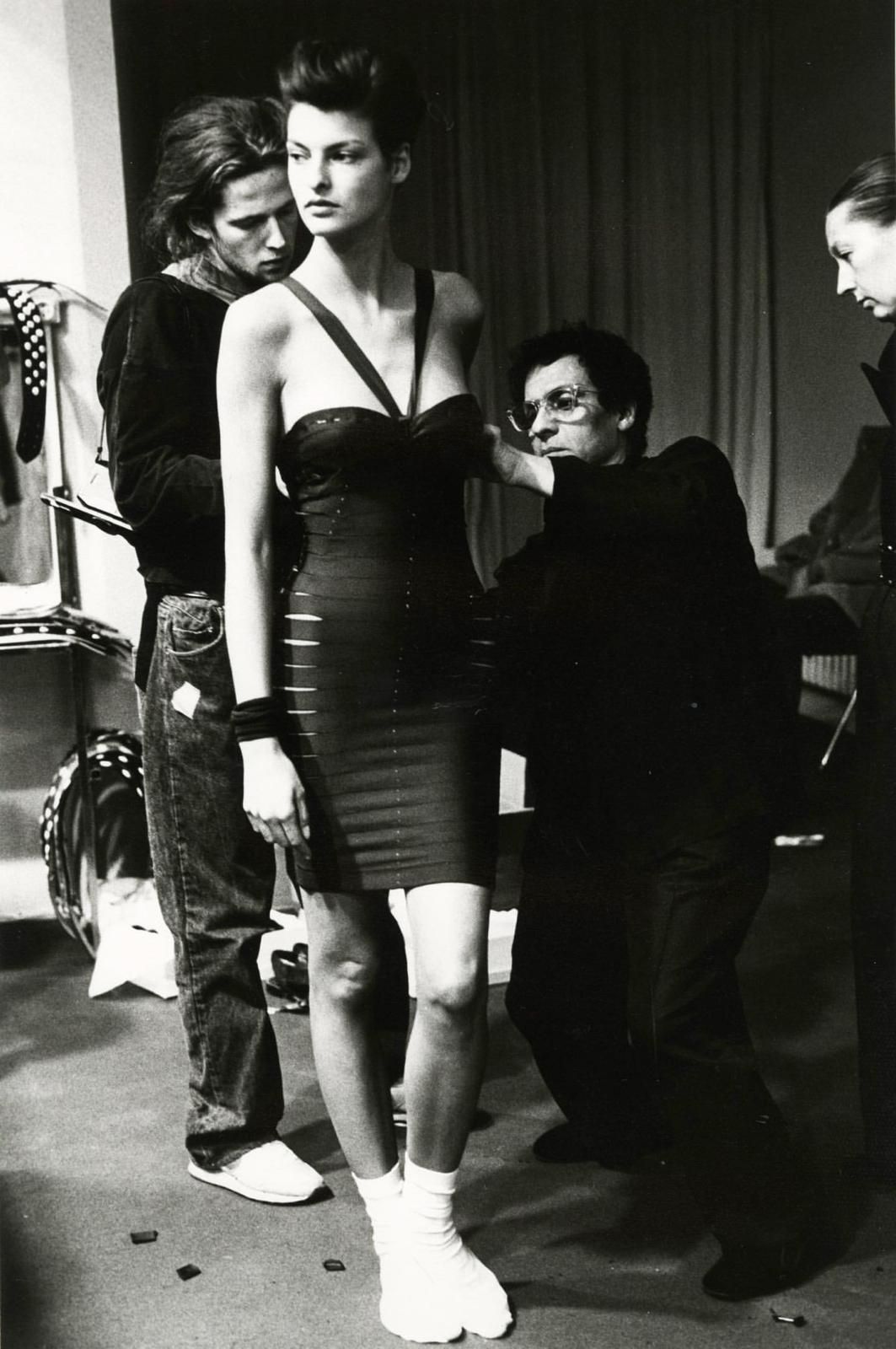
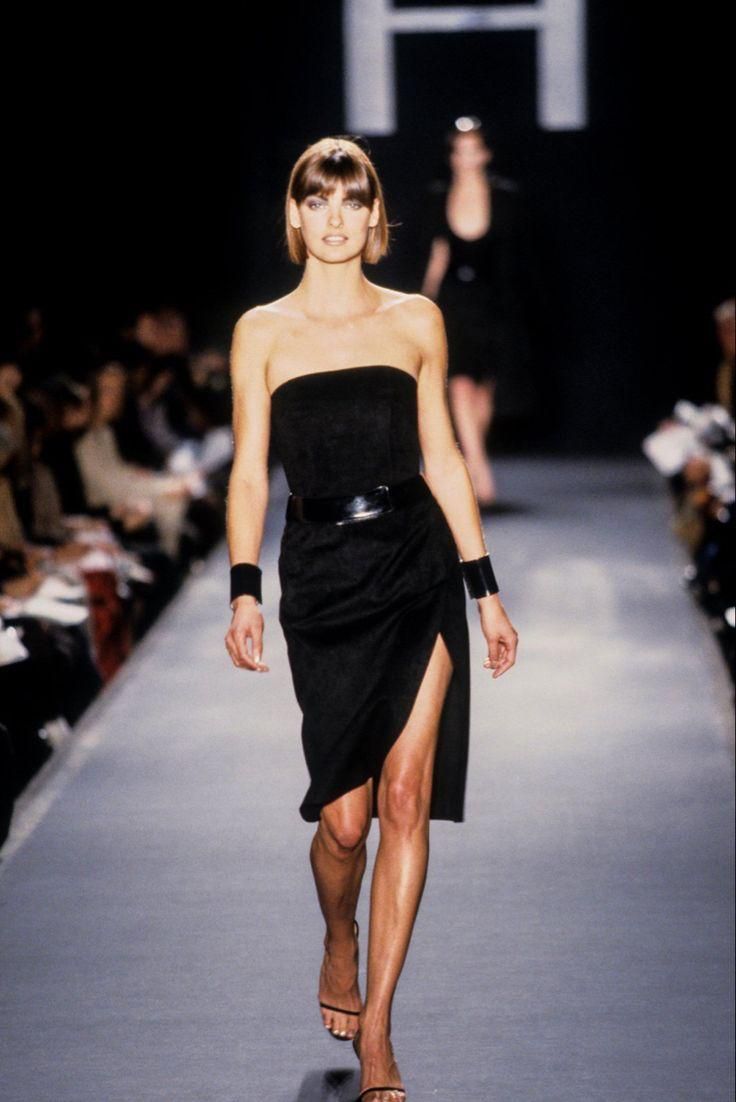
With the arrival of the 1990s, the tube dress, thanks to Hervé Léger and Azzedine Alaïa, became an erotic power dress. In the first case, Léger created the bandage dress in 1989 by weaving together elastic strips of viscose and elastane; in the second, the Algerian designer worked with Lycra and other synthetic fibers to create tubular dresses that followed the contours of the female body. At the same time, Calvin Klein, Jil Sander, and Miuccia Prada brought a softer, more minimal version of the garment to the runway, presenting the tube dress as the perfect expression of their reductionist style philosophy. In the early 2000s, the garment once again changed both its appearance and meaning: with the rise of fast fashion, the tube dress became democratized and turned into the party dress of an entire generation, aided by its frequent use by pop culture icons such as Paris Hilton, Lindsay Lohan, and Rihanna.
The tube dress in cinema
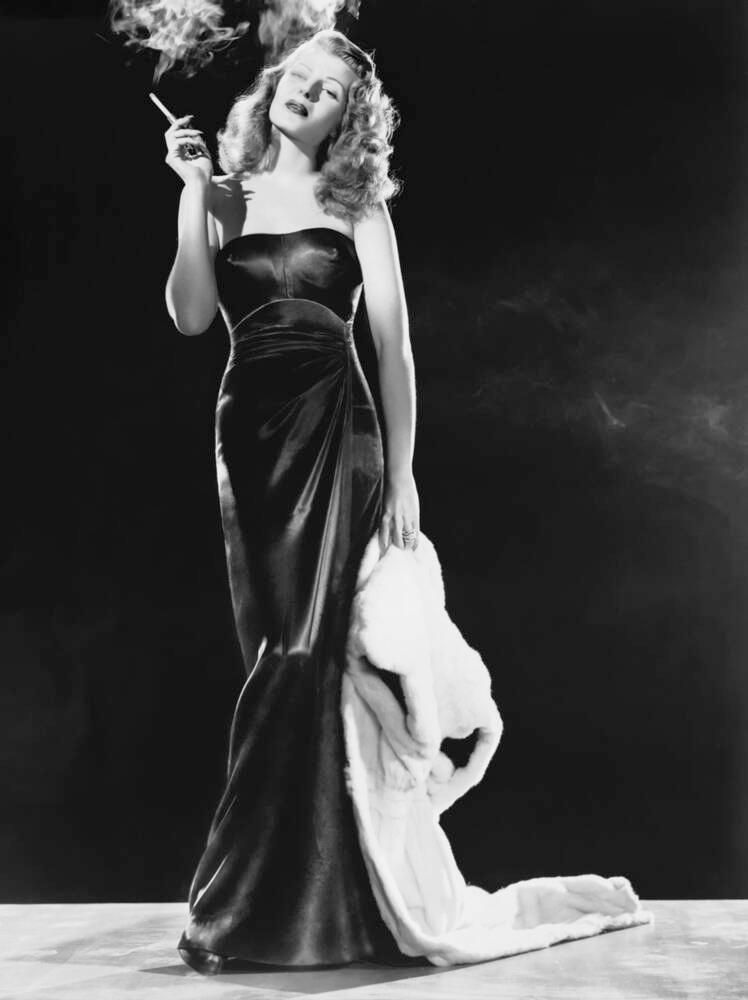

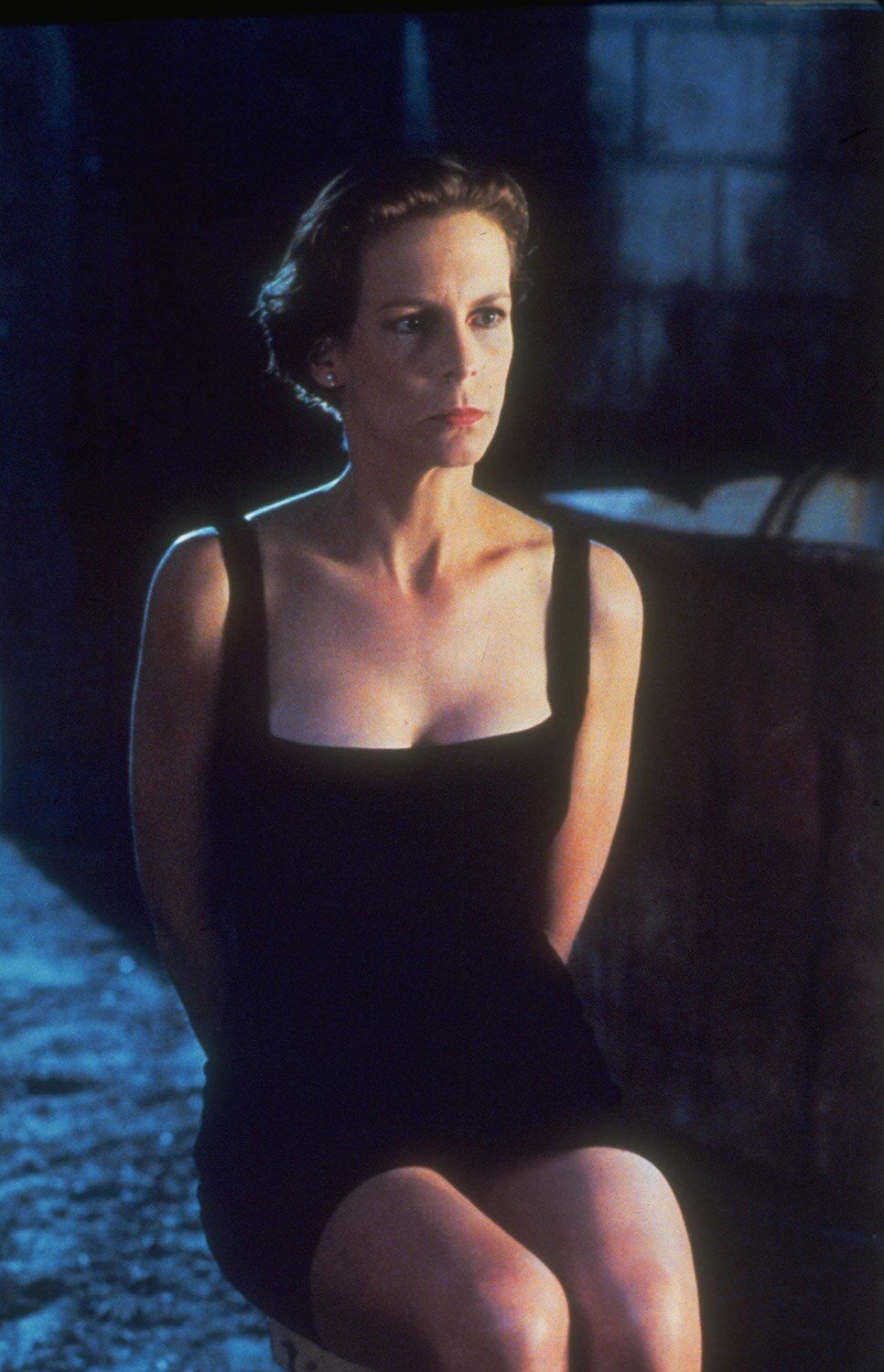
The debate surrounding the tube dress - whether it represents liberation or a tool of restriction and sexualization - originated on the silver screen. In Gilda (1946), Rita Hayworth appeared for the first time in a strapless dress, immediately causing a public sensation. The garment, also referred to as the nude look, sparked protests from American Catholic activists who opposed this type of clothing. During those same years, U.S. military authorities banned soldiers’ wives from wearing revealing and strapless garments. Beginning in the early 1990s, the dress became a symbol of unapologetic eroticism and the uniform of the modern femme fatale. In Pretty Woman (1990), the famous two-tone dress with a metal ring defines Julia Roberts’ character’s initial status, combining social marginality with explosive sensuality.
Soon afterward, the stretchy tube dress evolved into a "dress of crime." This is the case in Basic Instinct (1992), where the white high-neck dress worn by Sharon Stone during the famous interrogation scene becomes a weapon of calculated seduction. The garment’s erotic aura is also evident in True Lies (1994), where a shy Jamie Lee Curtis transforms into a sexy spy by tearing the ruffles off her prim dress in front of a mirror. At the same time, the tube dress began infiltrating the imagination of teenage girls, taking on the role of a forbidden object and, for that very reason, becoming extremely desirable.
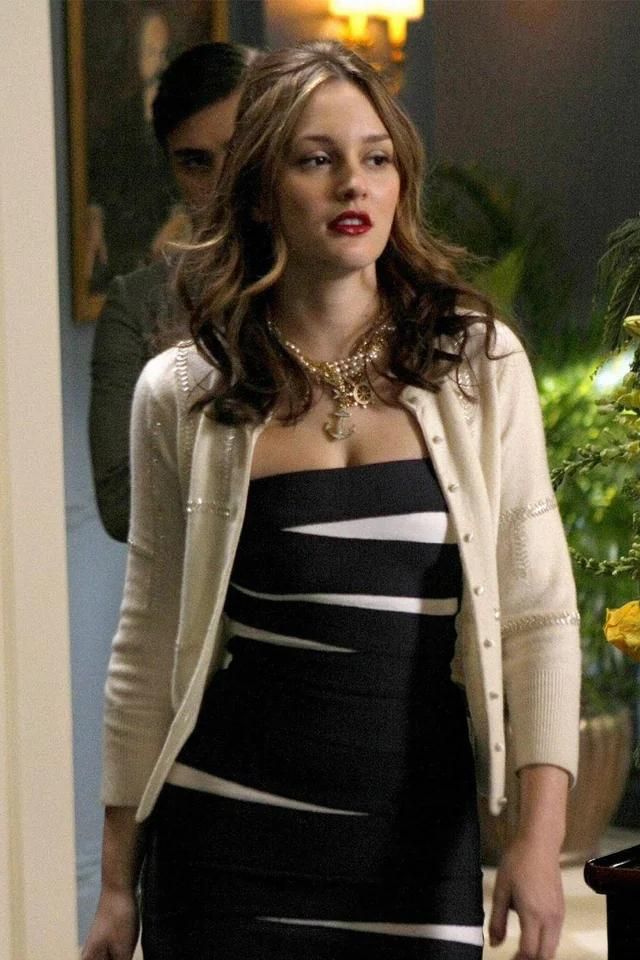
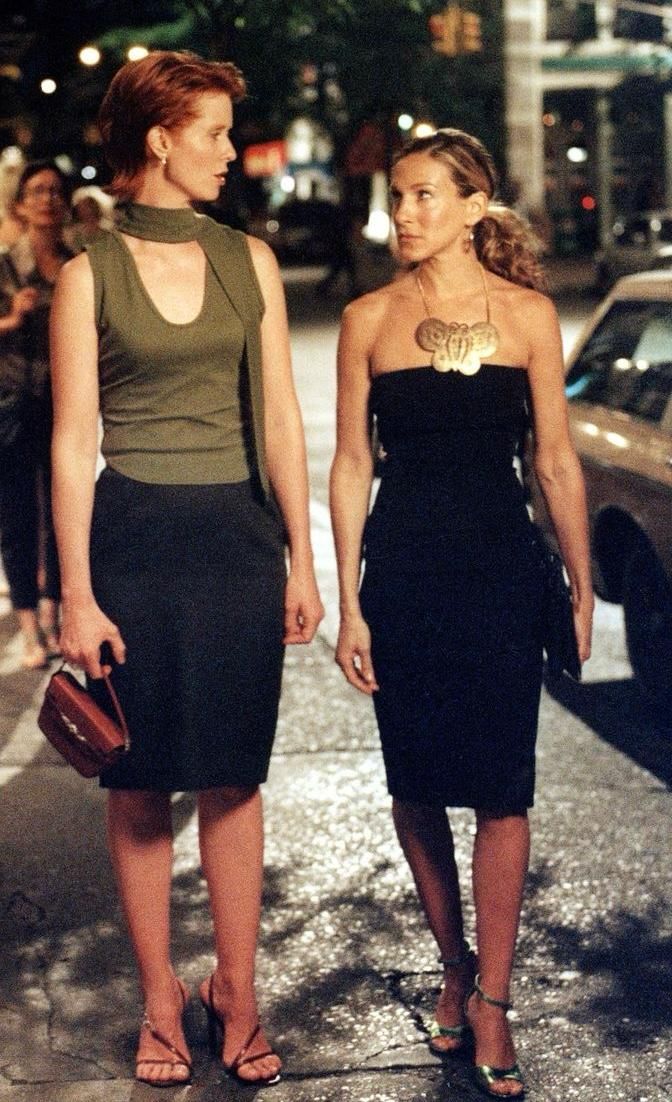
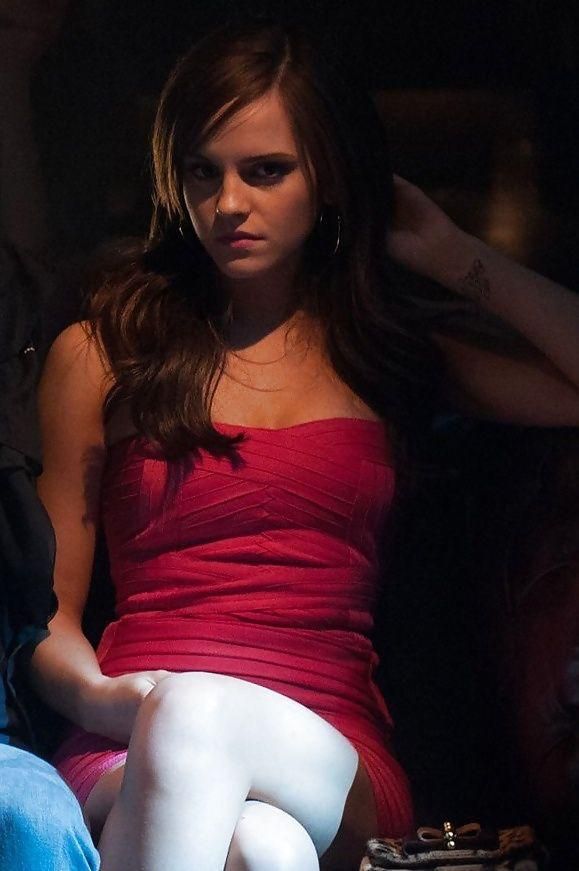
In Clueless (1995), the scene in which Cher (Alicia Silverstone) walks before her father in a white Calvin Klein mini dress cemented the tube dress as the ultimate symbol of youthful provocation. Years later, this same symbolism reappears in The Bling Ring (2013) by Sofia Coppola, where Emma Watson wears body-hugging dresses that embody the uniform of the cool, rebellious girl. The garment’s popularity was also fueled by television series: on one hand, the tube dresses and tube tops worn by Carrie Bradshaw in Sex and the City; on the other, the ultra-tight strapless dresses worn by Serena van der Woodsen and Blair Waldorf in Gossip Girl.
The tube dress in contemporary fashion

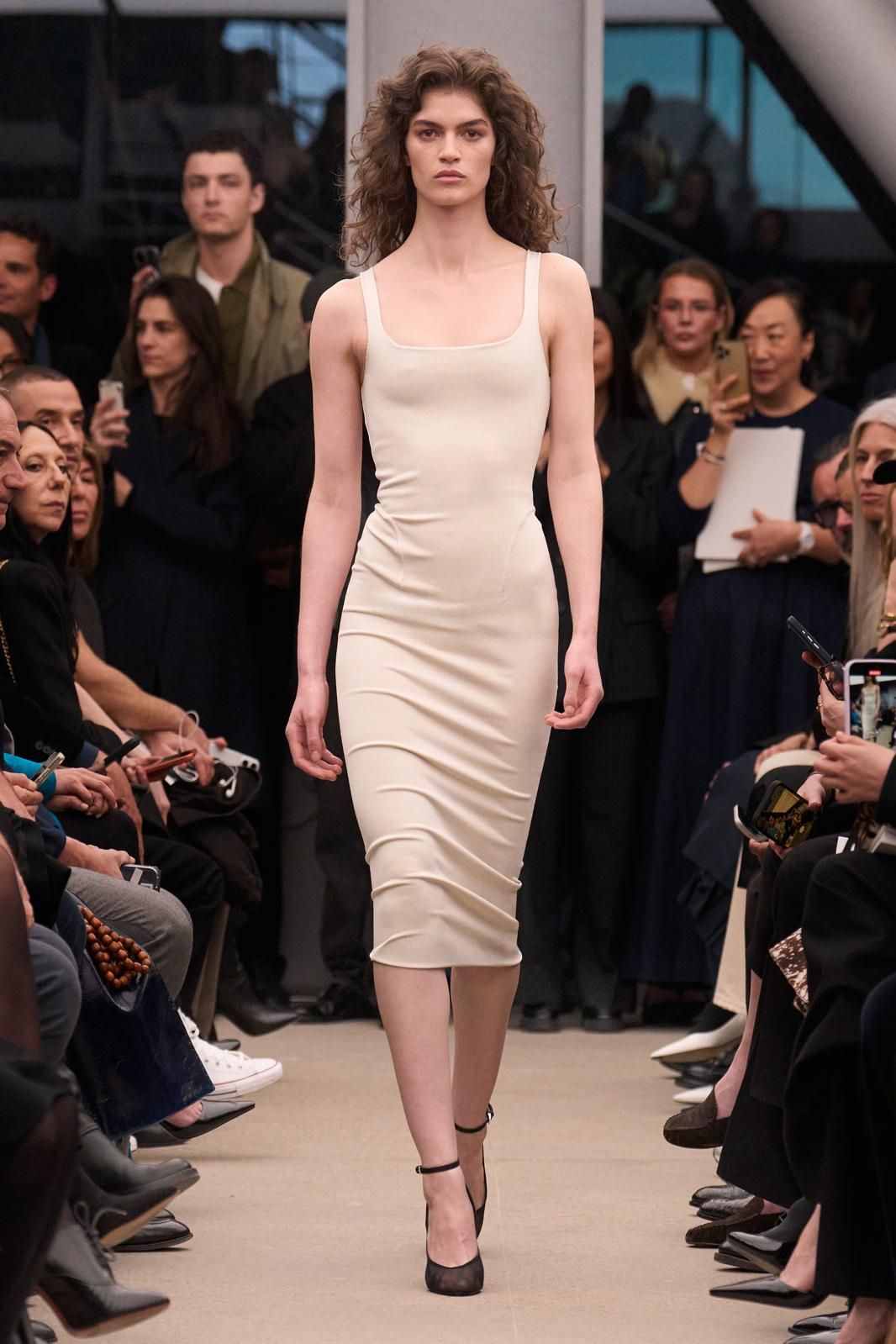
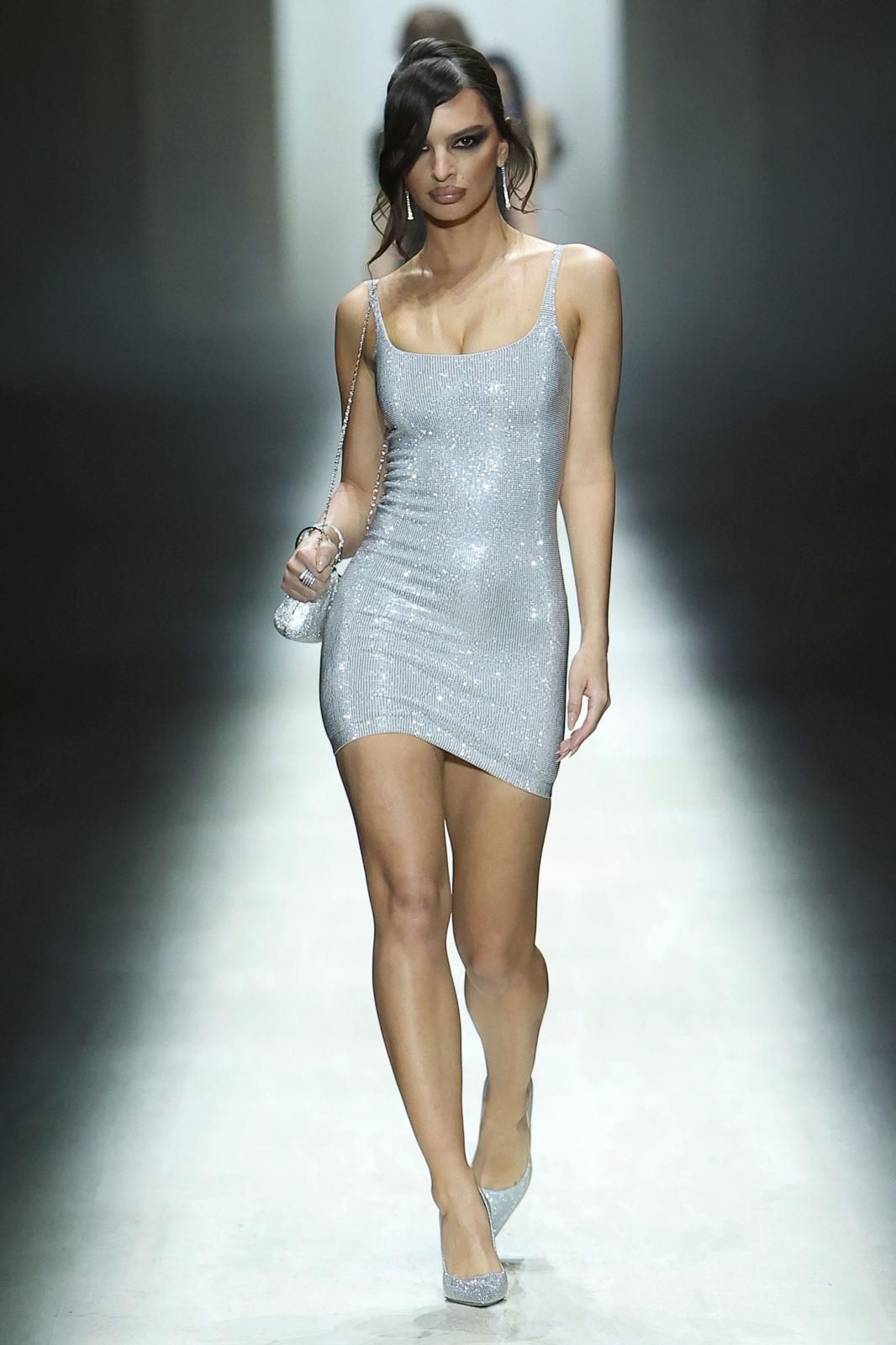
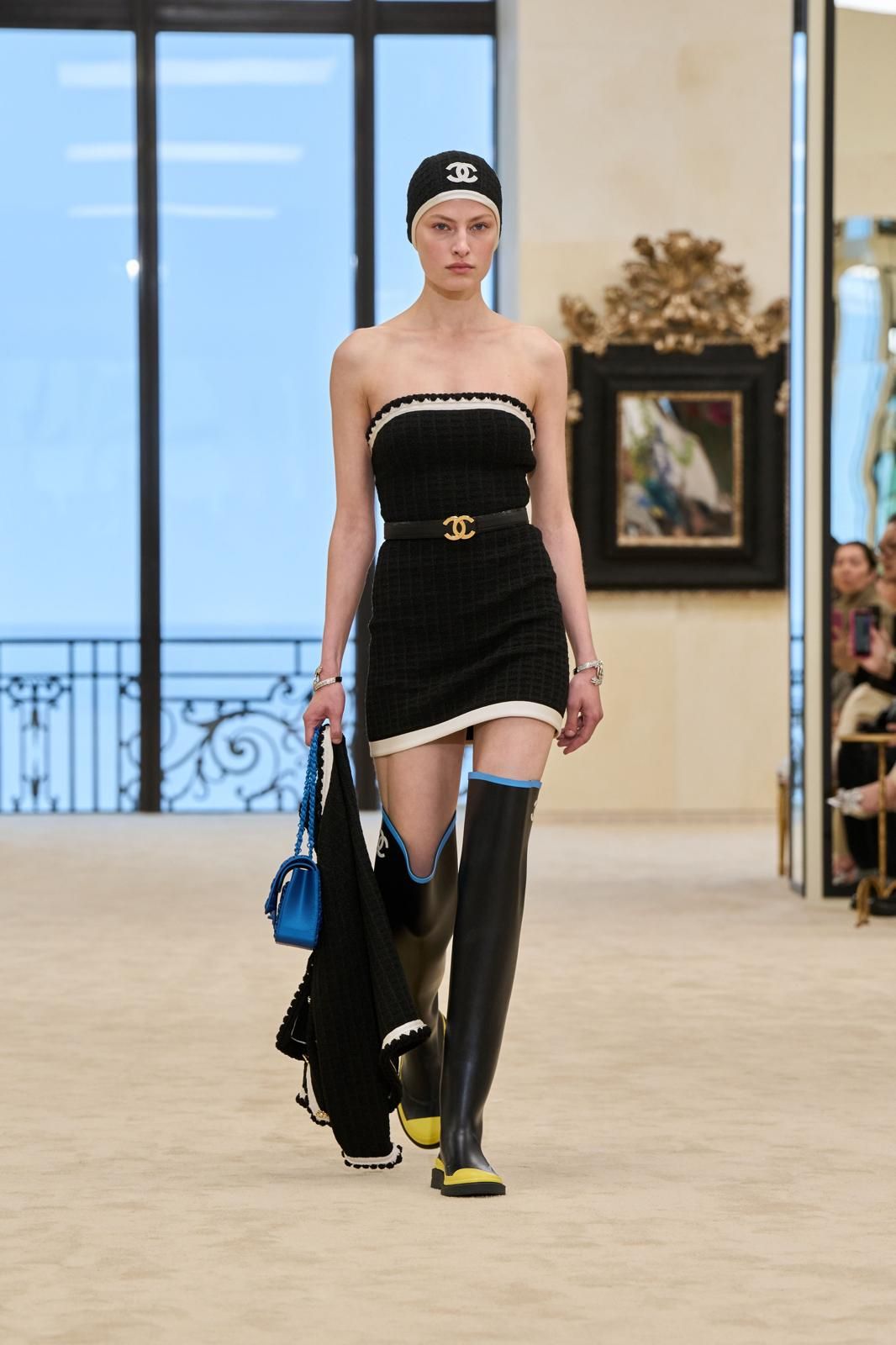
Today, the return of the tube dress to contemporary fashion and its definitive establishment as a mainstream staple is largely due to Kim Kardashian, who merged the tube dress with shapewear through her brand Skims. The Skims maxi tube dress has become - particularly thanks to social media - "the dress every woman should own in her wardrobe," as Kardashian herself has stated. It is frequently worn as an everyday garment, sometimes as eveningwear, or, due to its shaping effect, as a slip designed to improve the fit of other dresses.
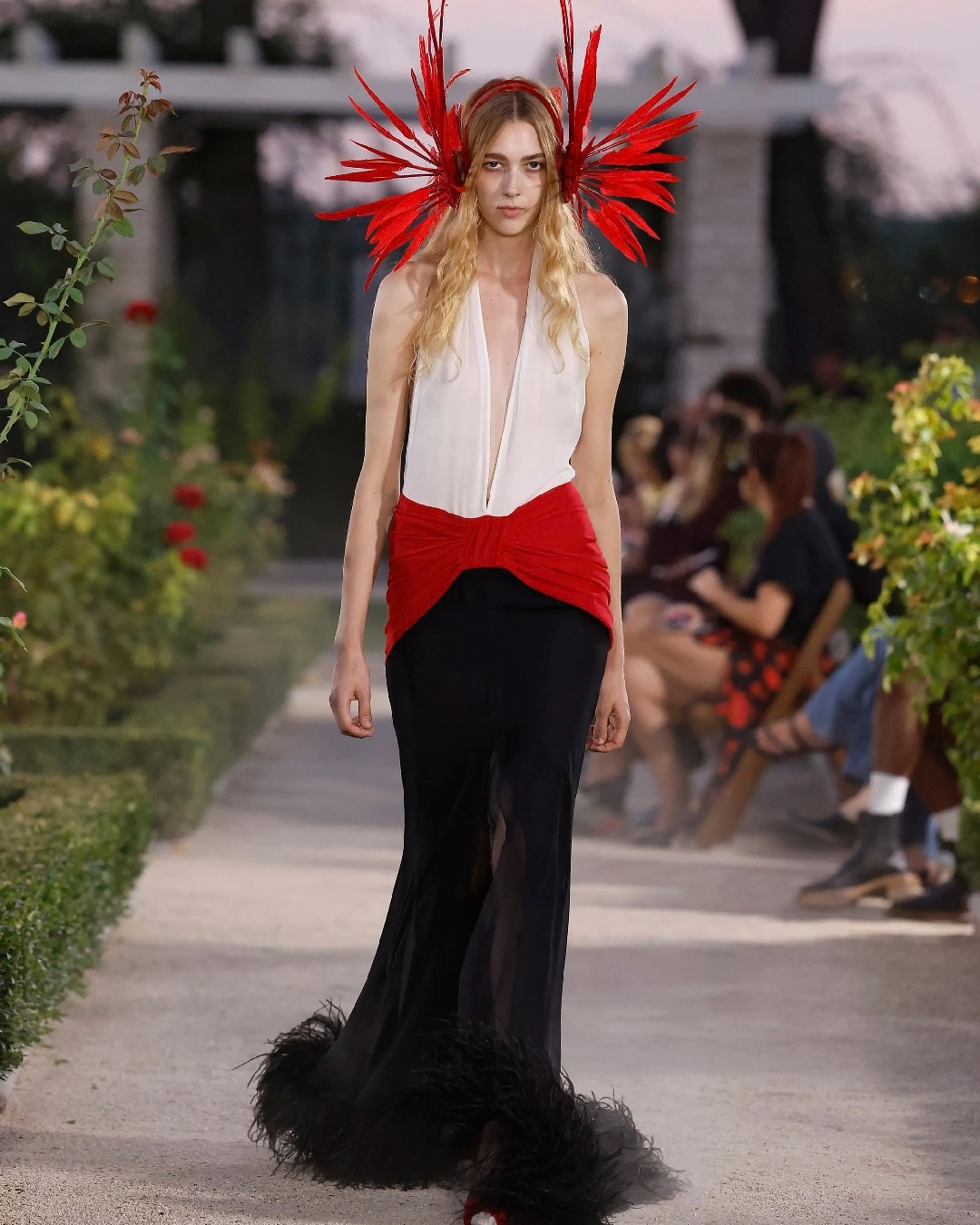
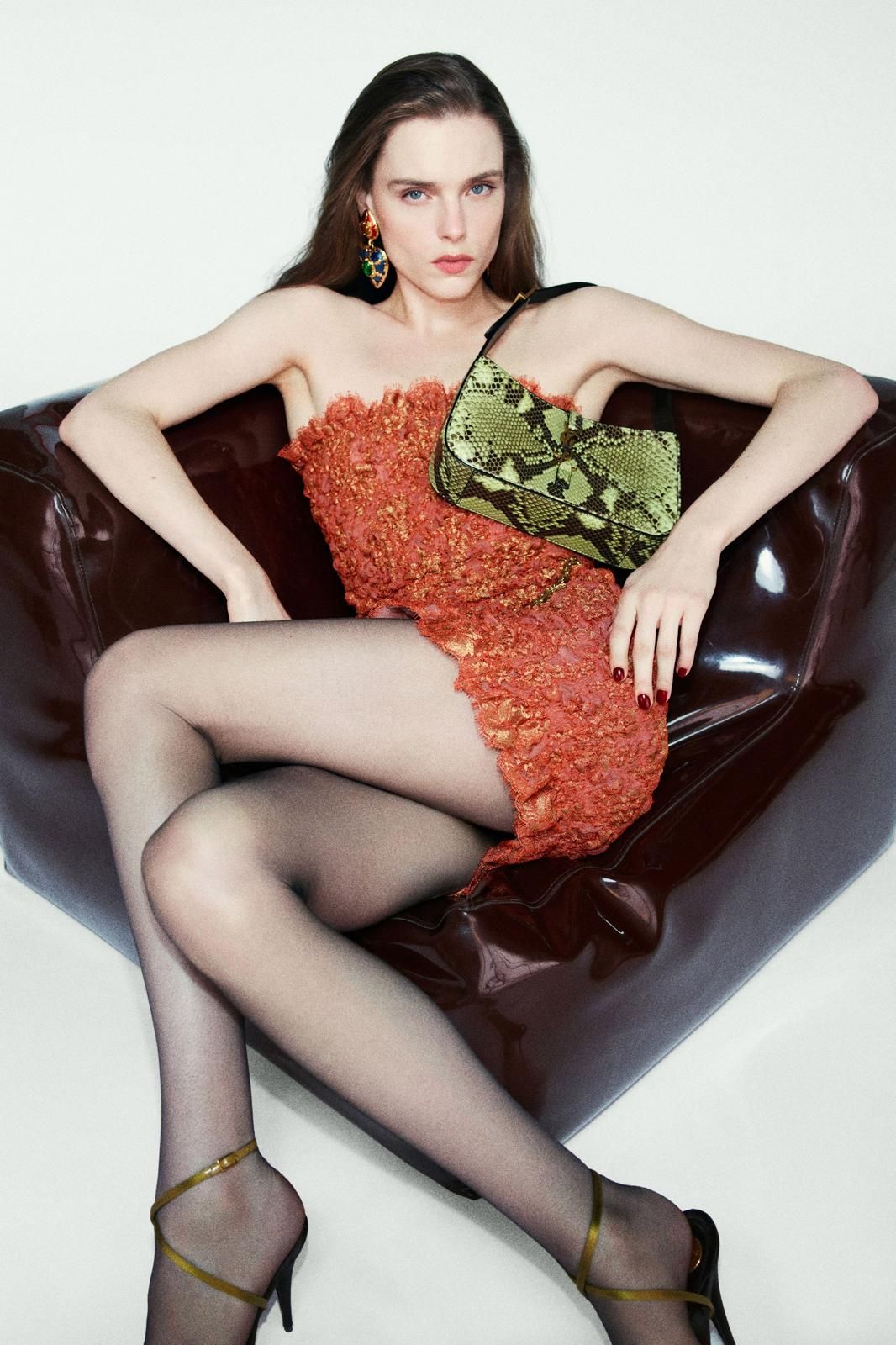
As for the latest fashion weeks, the tube dress has undergone a true aesthetic fragmentation, with designers exploring different material and structural variations of the garment. Starting with Chanel, the quintessential house of the sheath dress, Matthieu Blazy created a tube dress for Resort 2027 that recalls women’s swimsuits from the 1920s. While Saint Laurent presented damask and lace versions of the garment, Ferragamo proposed a shiny gold tube dress with an almost liquid effect.
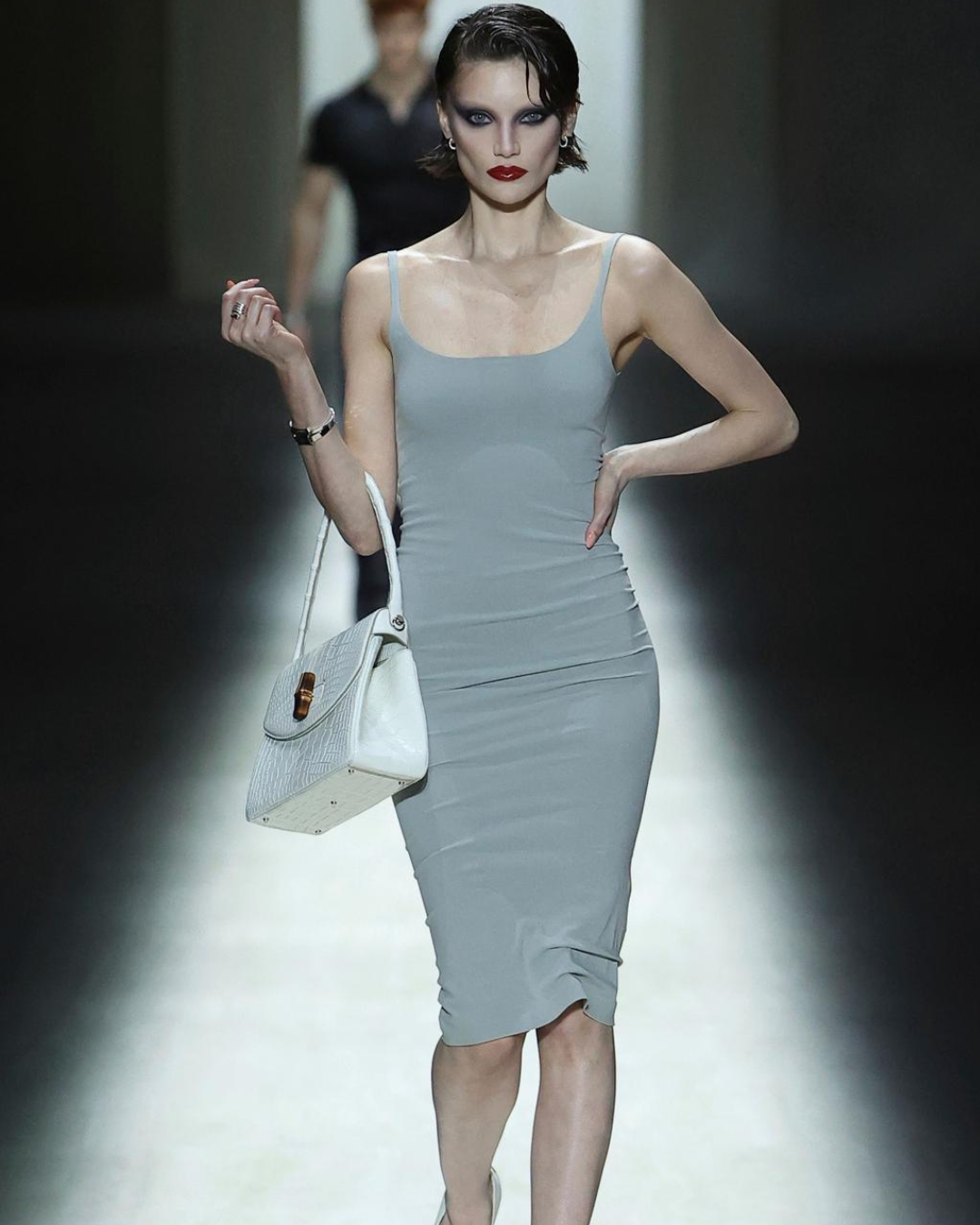
Other designers have chosen to revisit the Nineties version of the garment, presenting fitted tube dresses with thin straps. Notably, Pieter Mulier, for his latest collection at Alaïa (FW26), created tube dresses in technical jersey, while Demna Gvasalia showcased a series of seamless stretch dresses for Gucci FW26, directly referencing the iconic optical-white dress from Basic Instinct in the opening look of the show.
The conservative turn of the tube dress
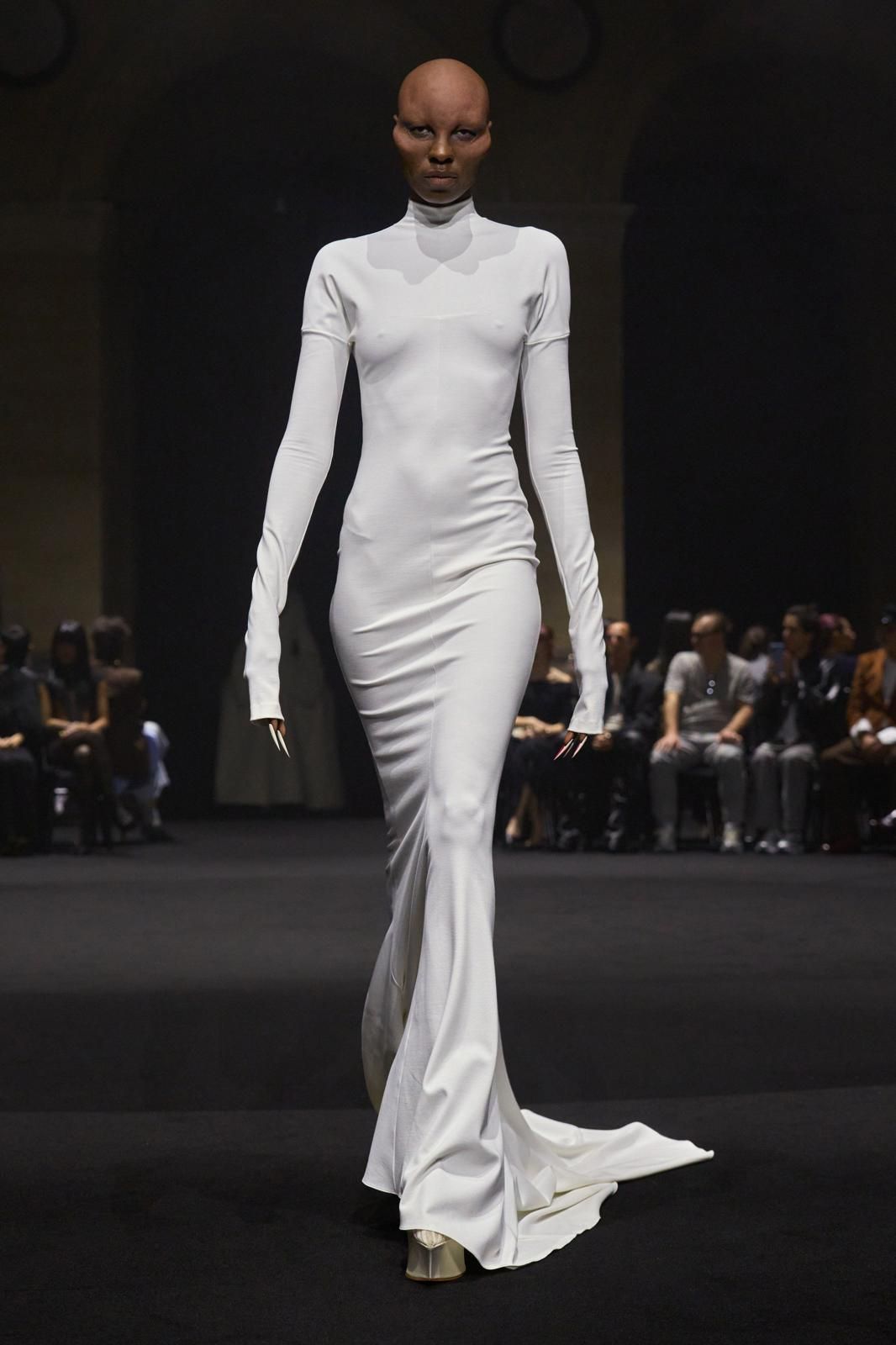
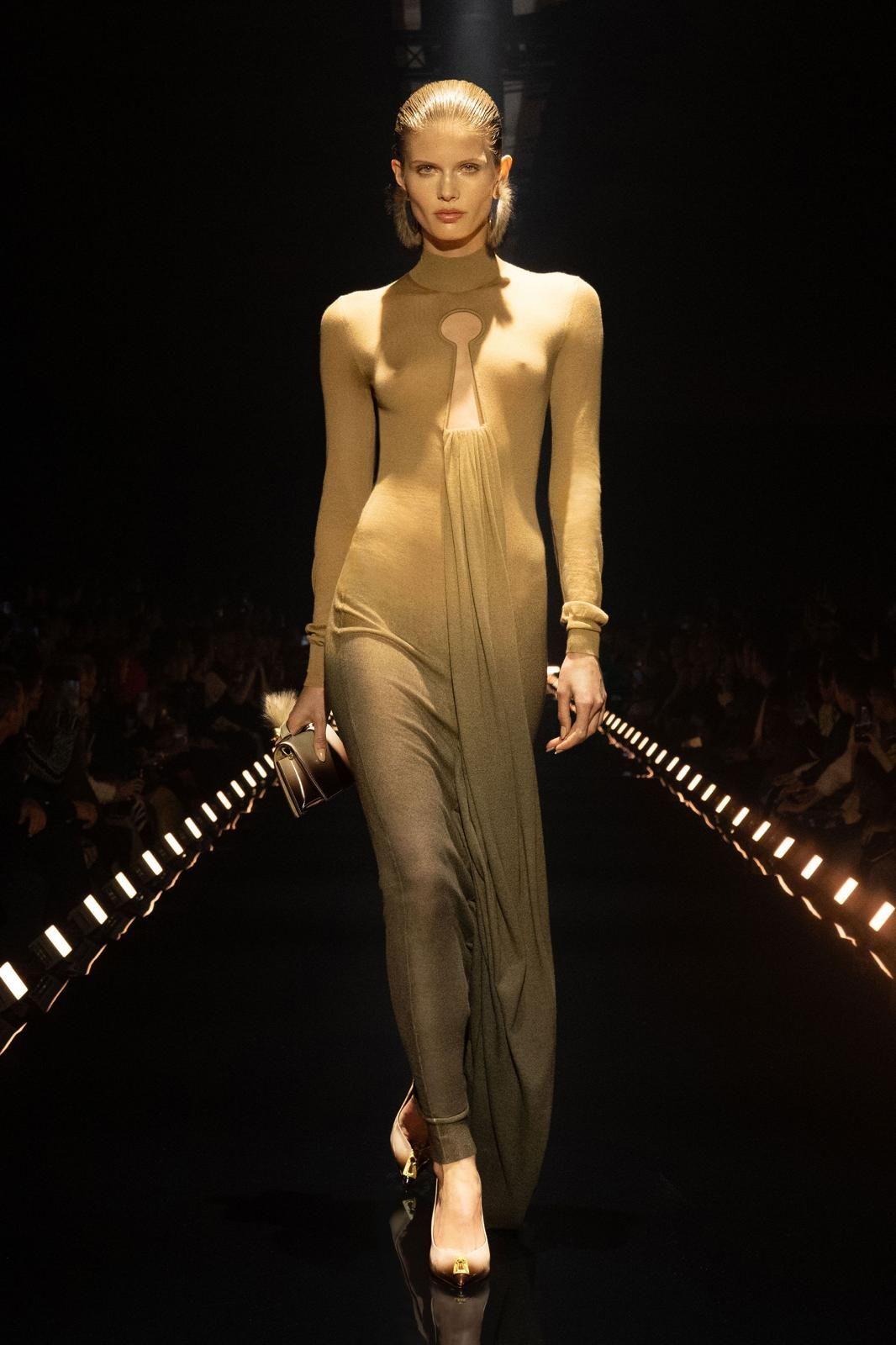
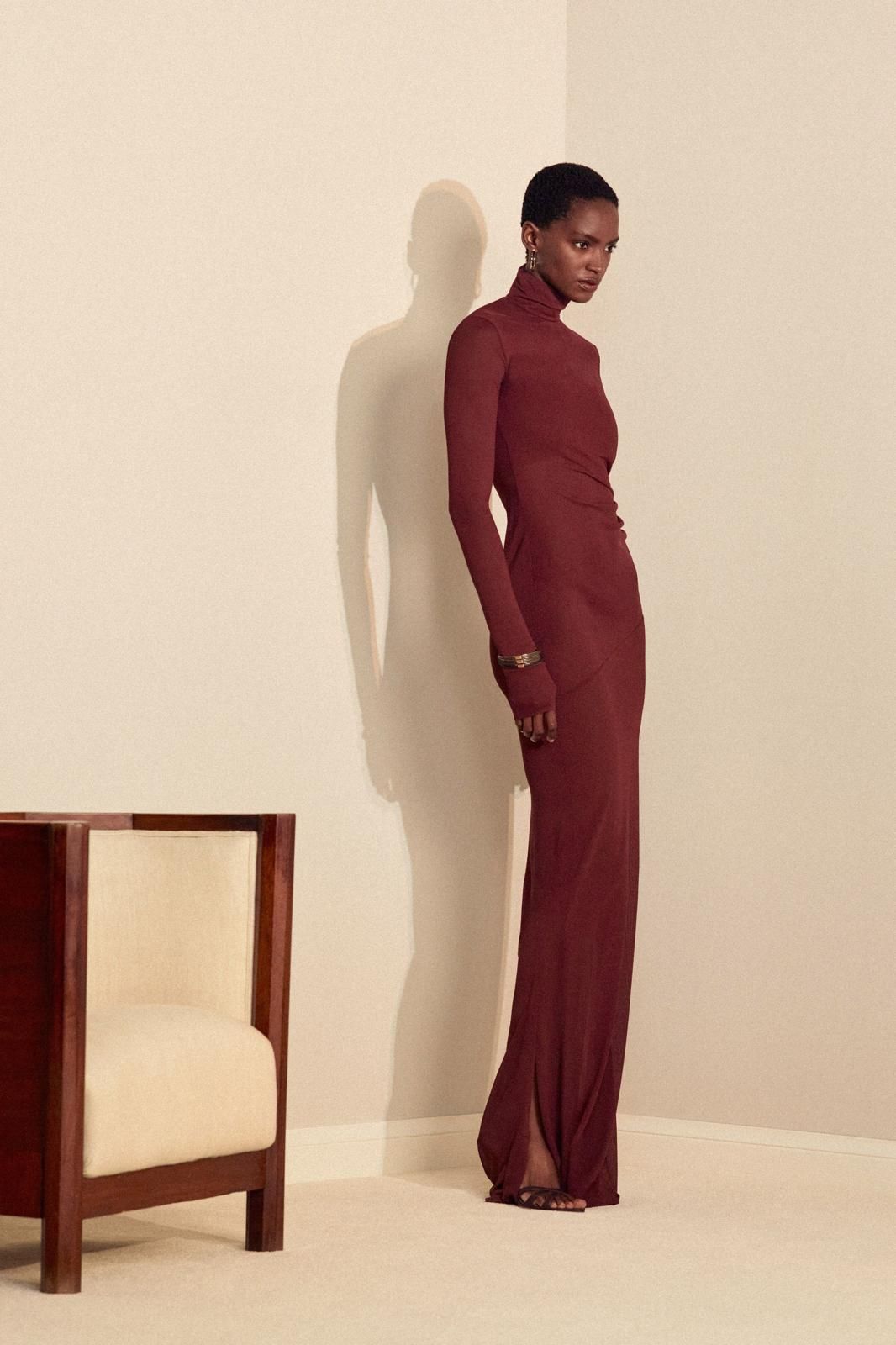
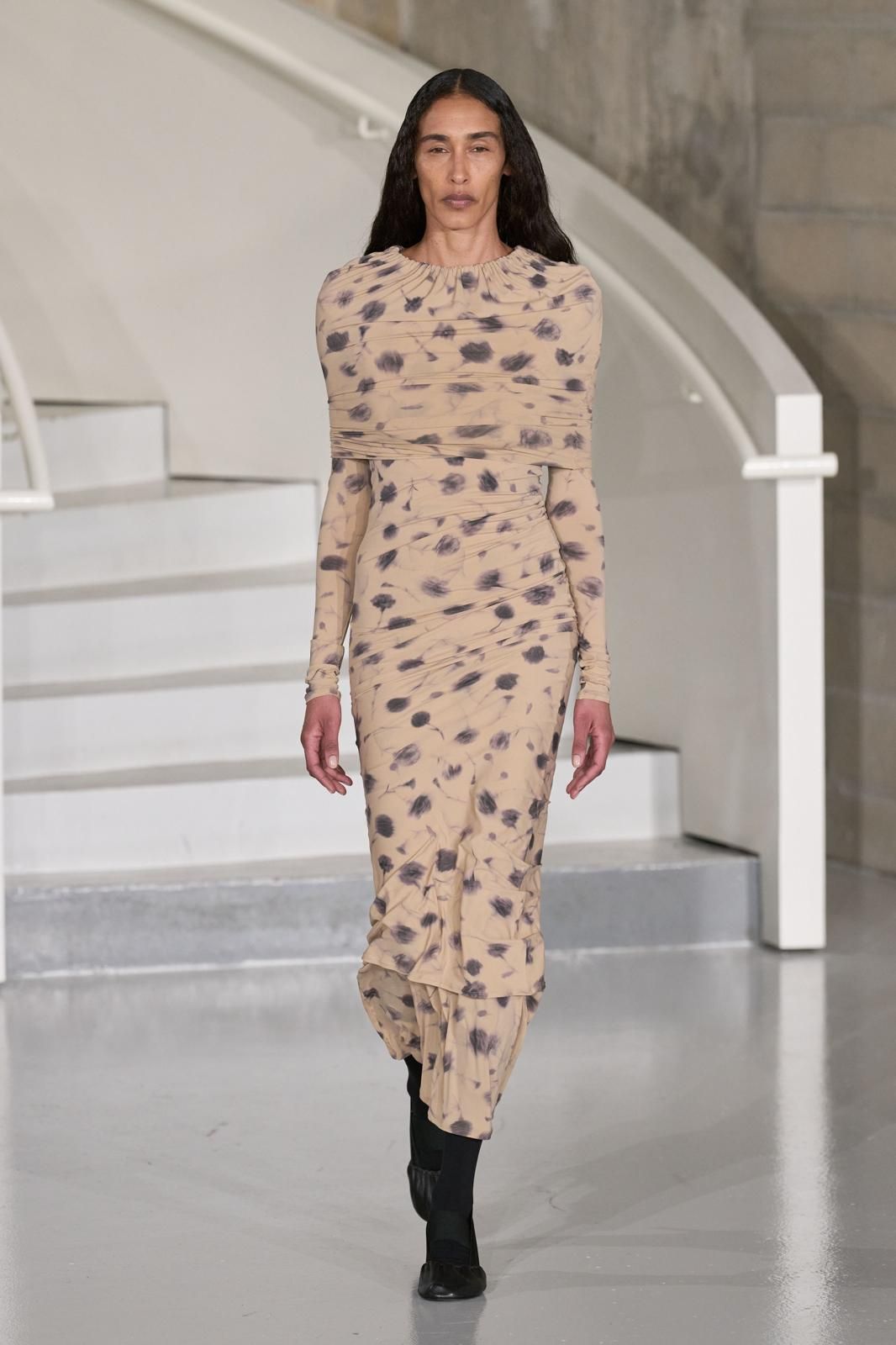
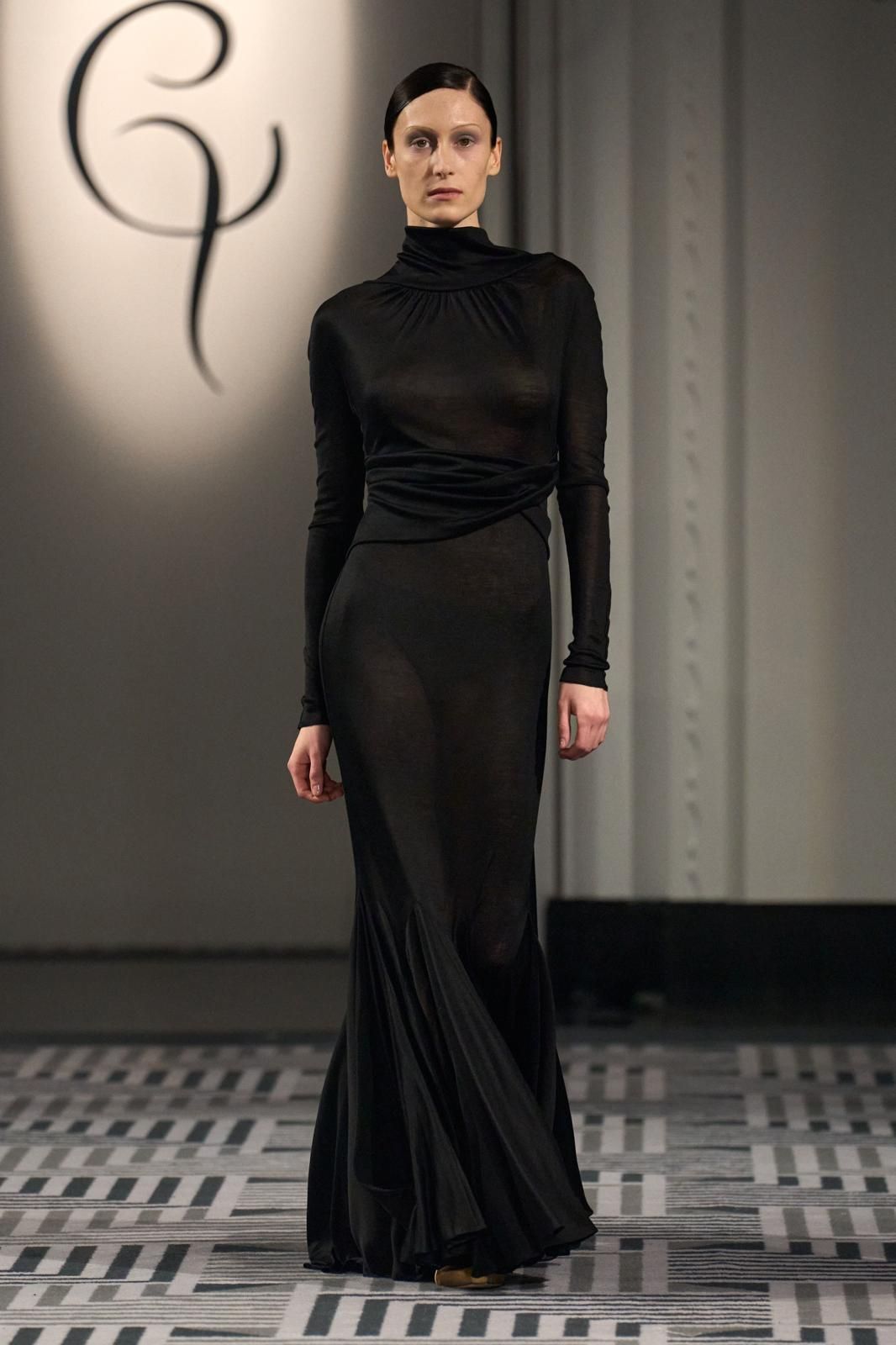
An interesting observation is that today, in recent collections, the most common tube dresses appear to be the most modest ones: high-necked, long, and highly covering. While brands such as Victoria Beckham, Matières Fécales, Mugler, and Schiaparelli offer dresses that leave not a single inch of skin exposed, this aesthetic becomes intentionally dramatic and unsettling in the work of Alain Paul, who sent down the runway a tube dress wrapped around the body like a mummy.
These latter examples demonstrate how the strong wave of conservatism that has influenced recent fashion has ultimately affected even the most daring garment of all. This is further confirmed by the fact that brands, despite the garment’s potential to adapt to different body types, continue to anchor the tube dress to the classic slender silhouette. In this sense, the original promise of freedom associated with the tube dress risks disappearing, transforming it into a cage-like garment.