




































The naive freshness of 2000s surfwear brands Back when Italian Millennials dreamed of California
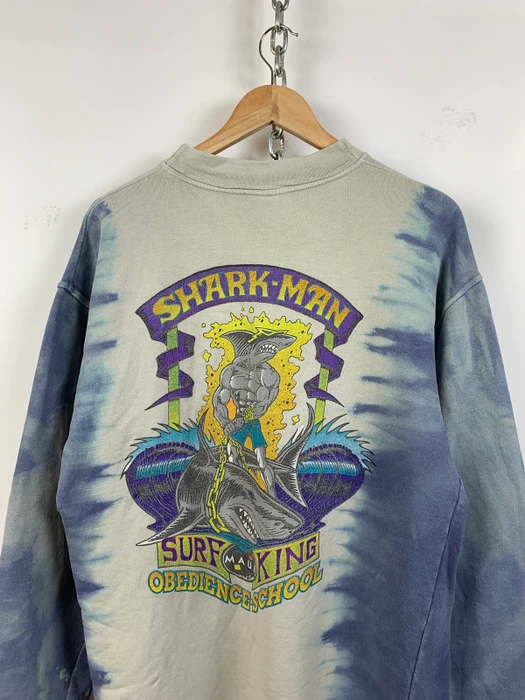
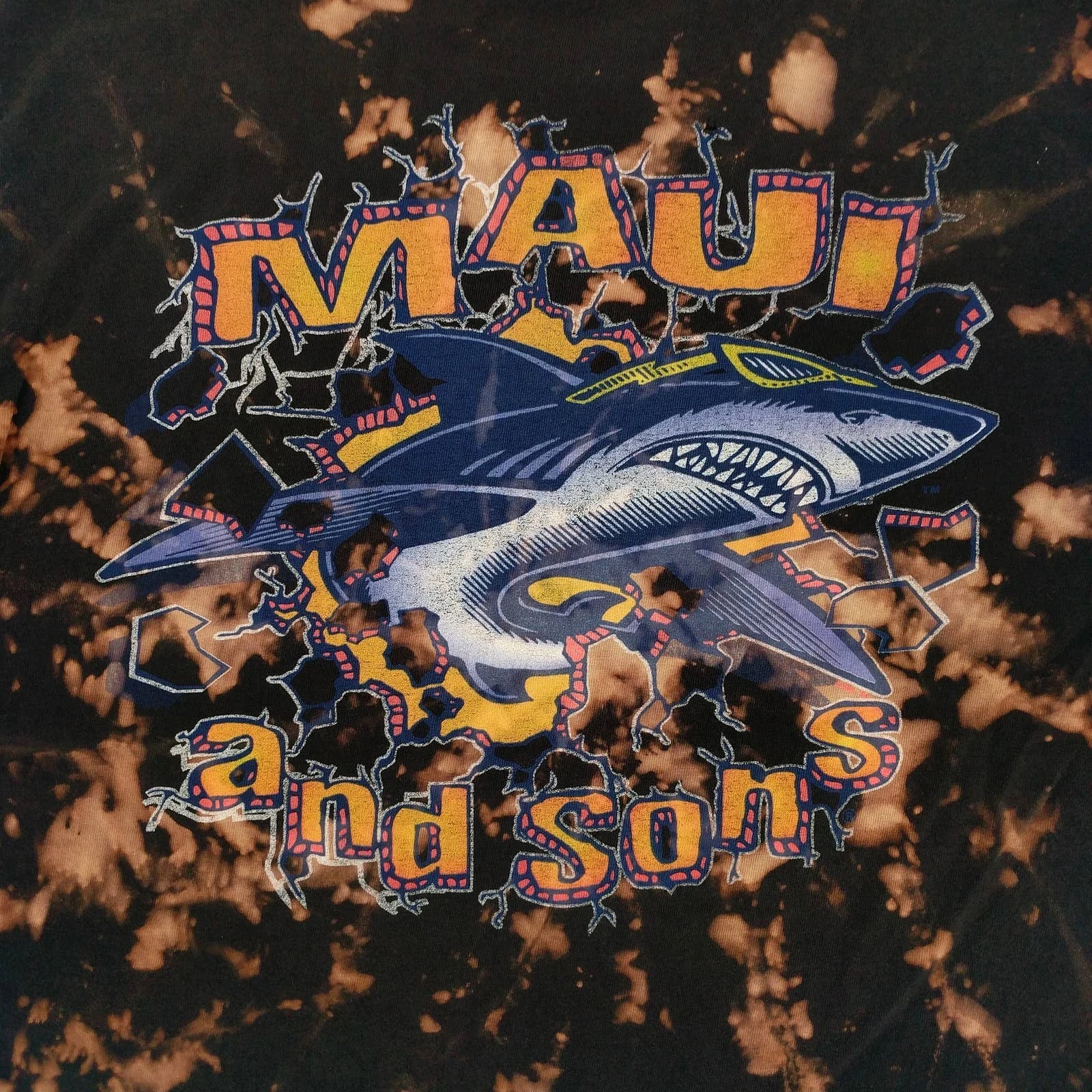
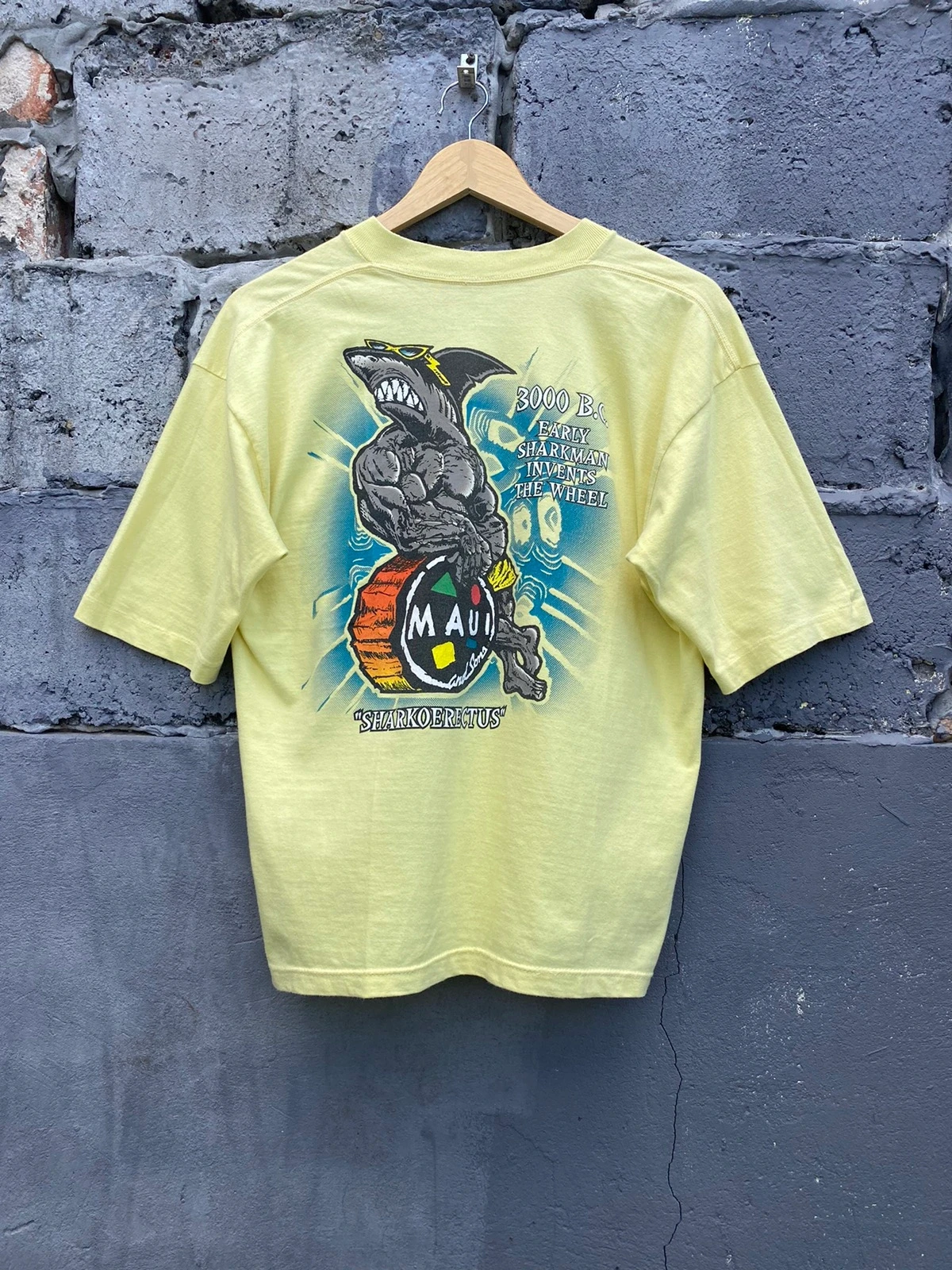
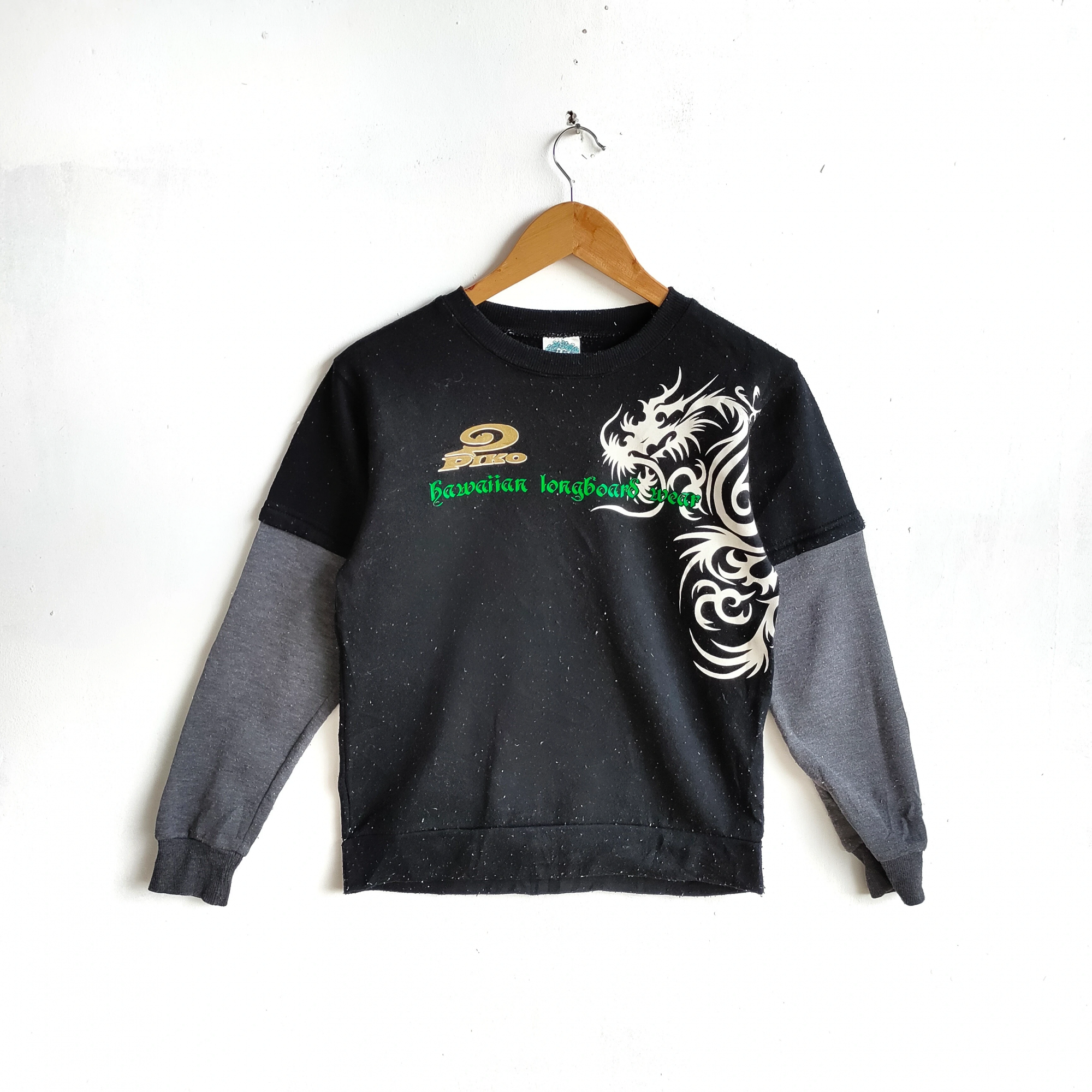
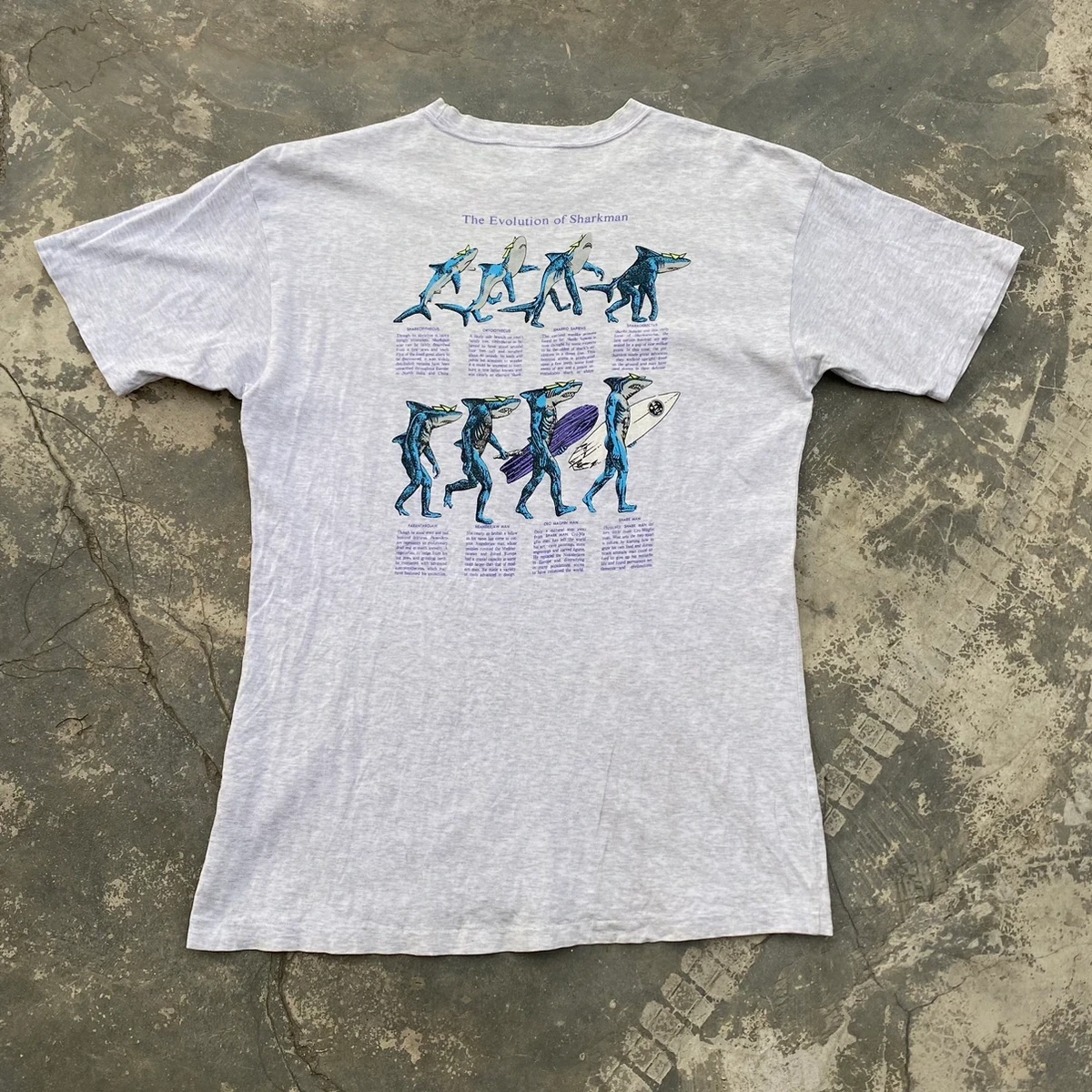
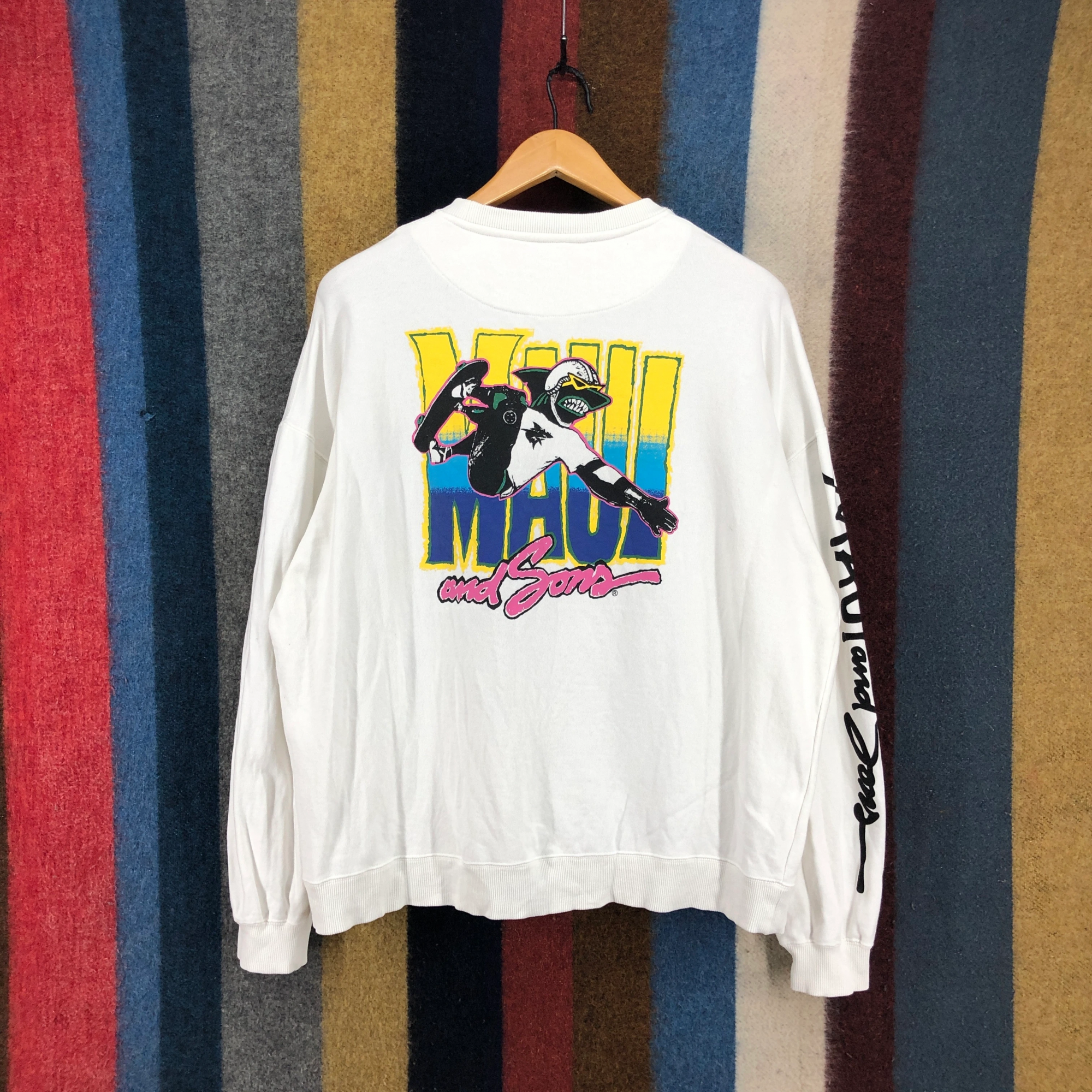
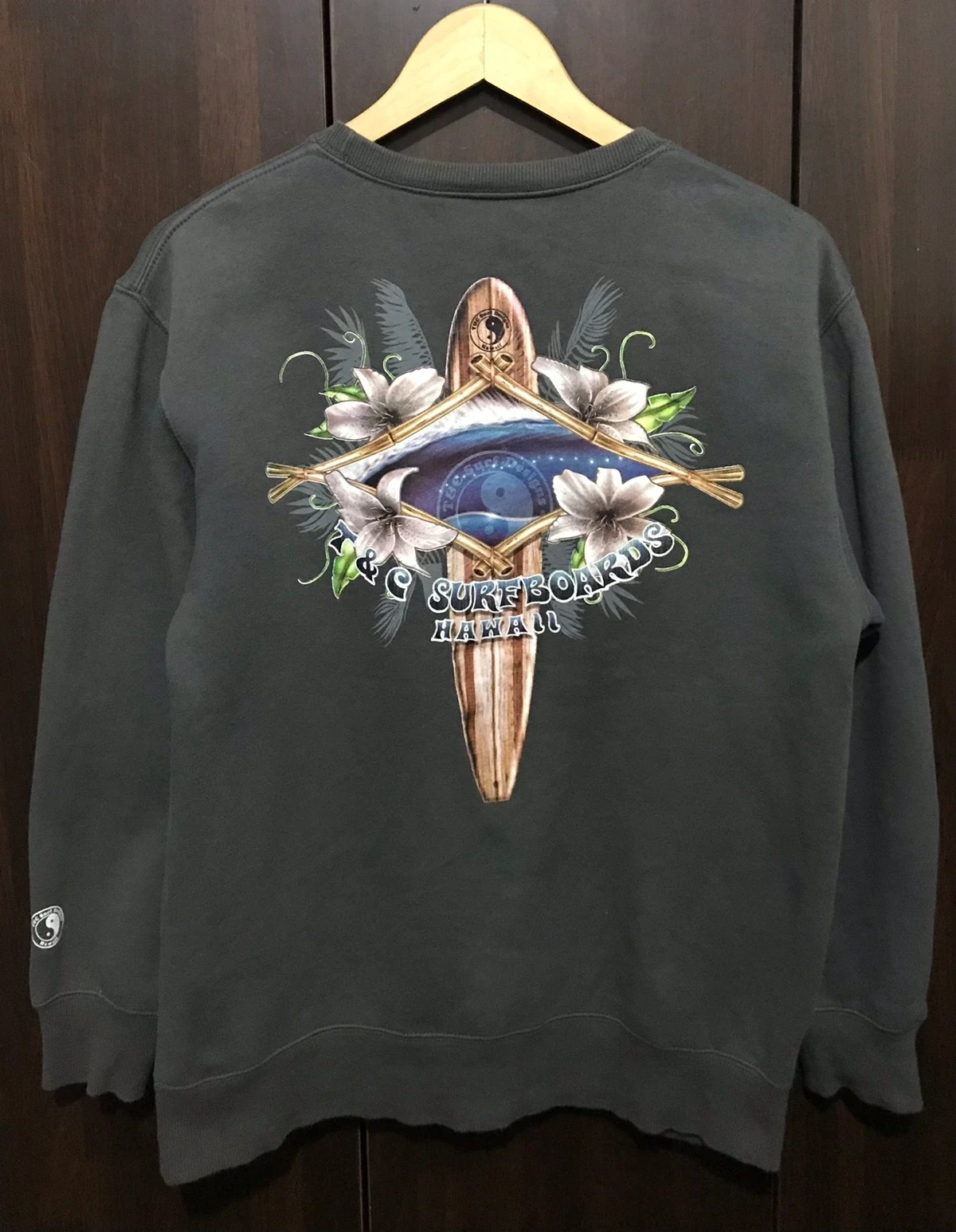
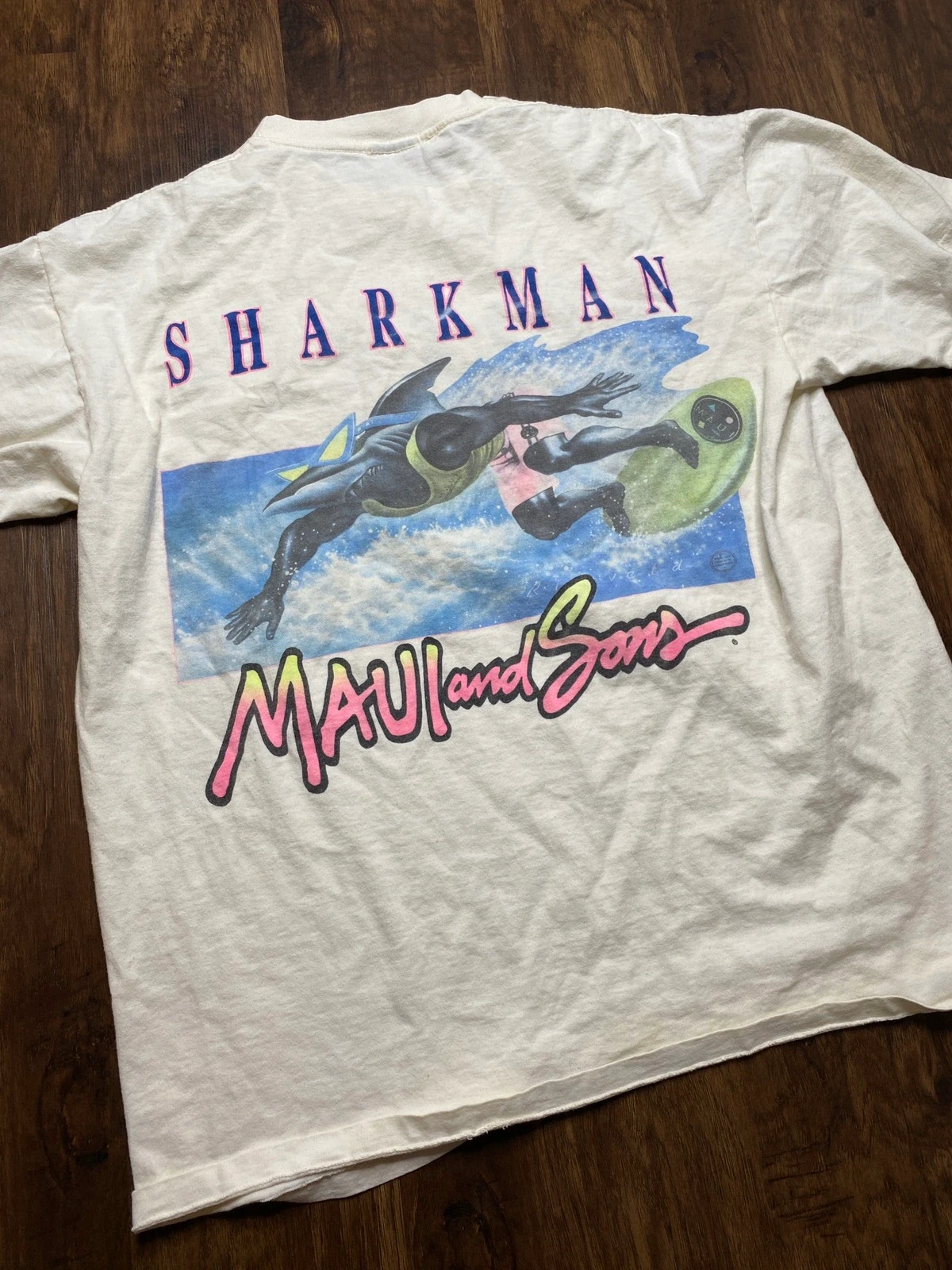
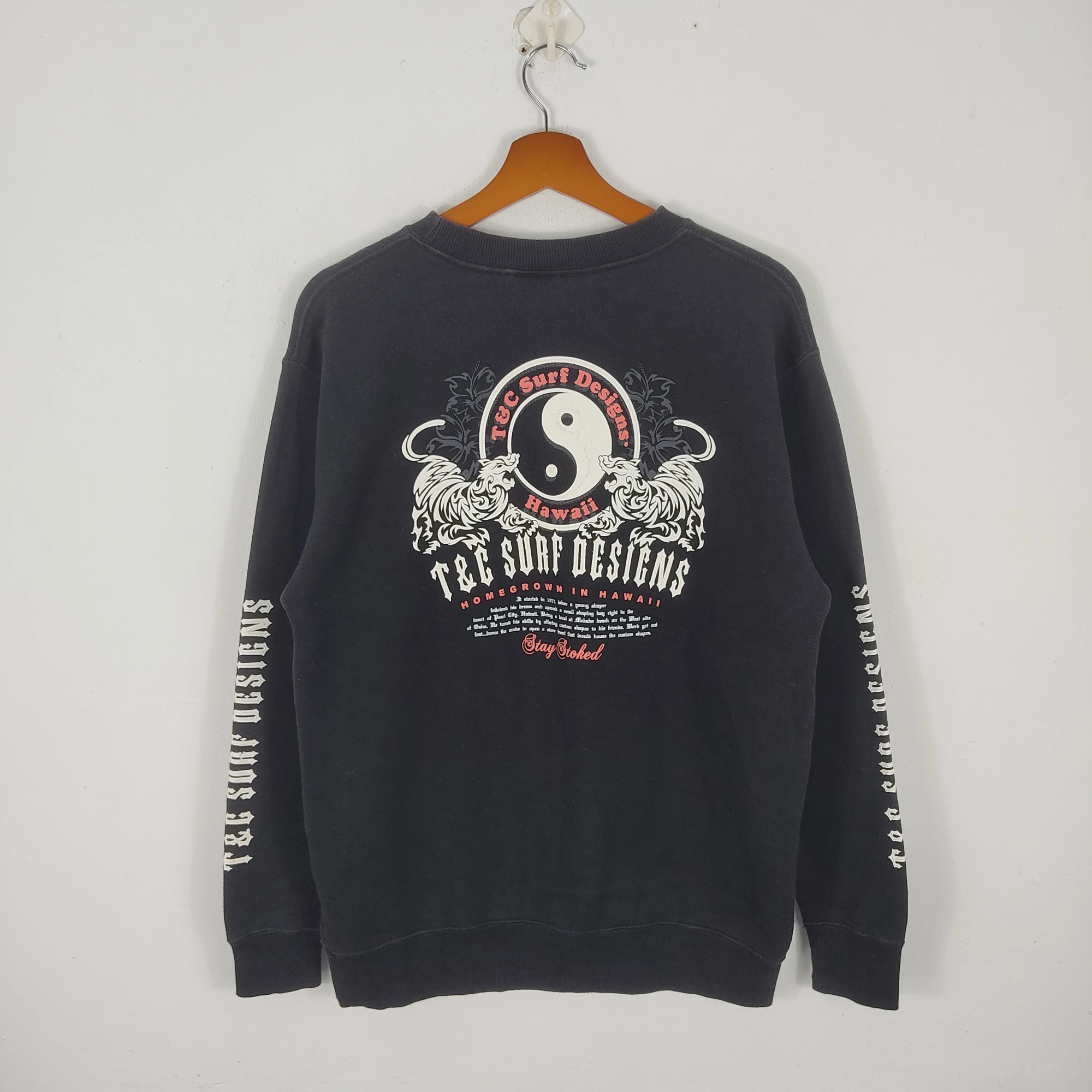
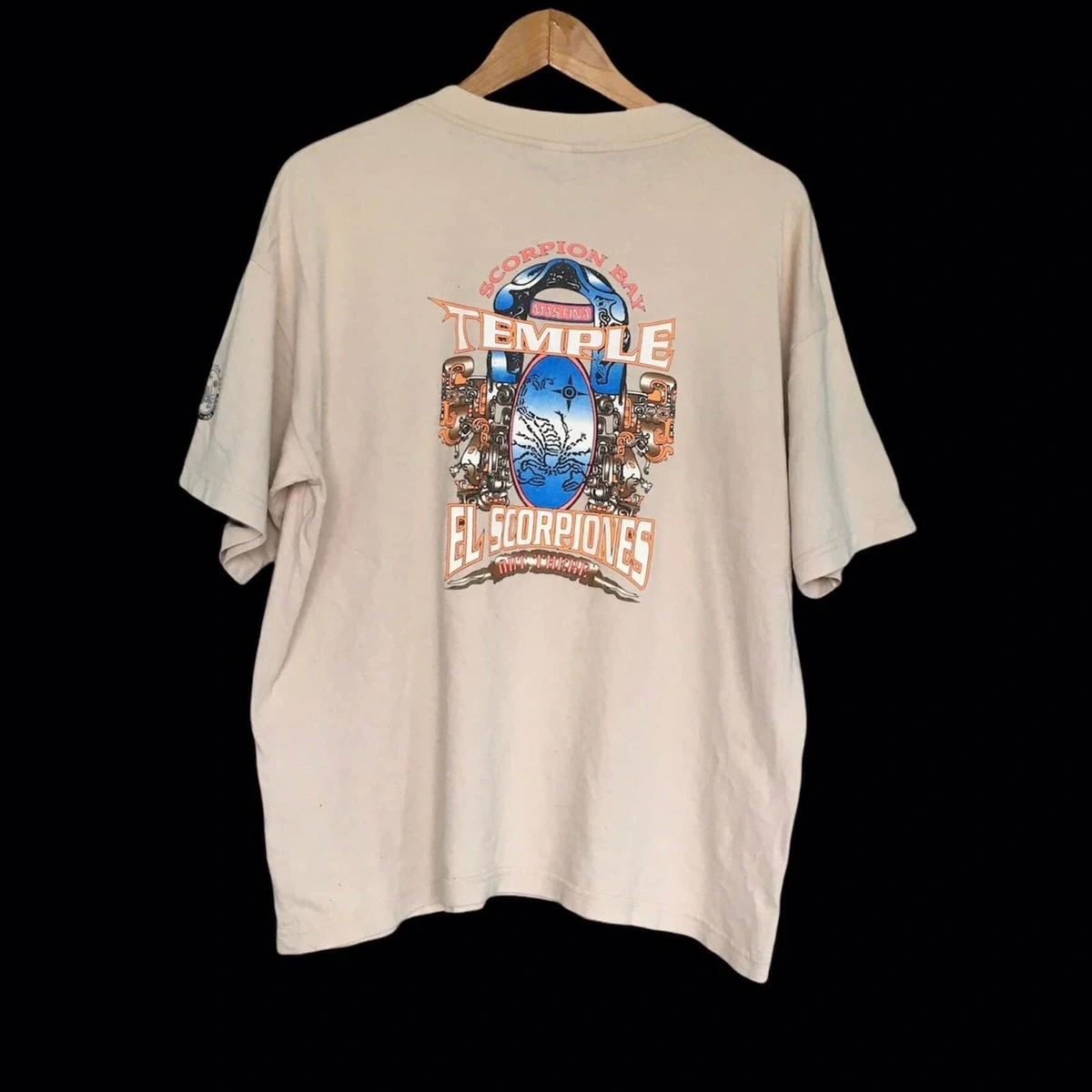



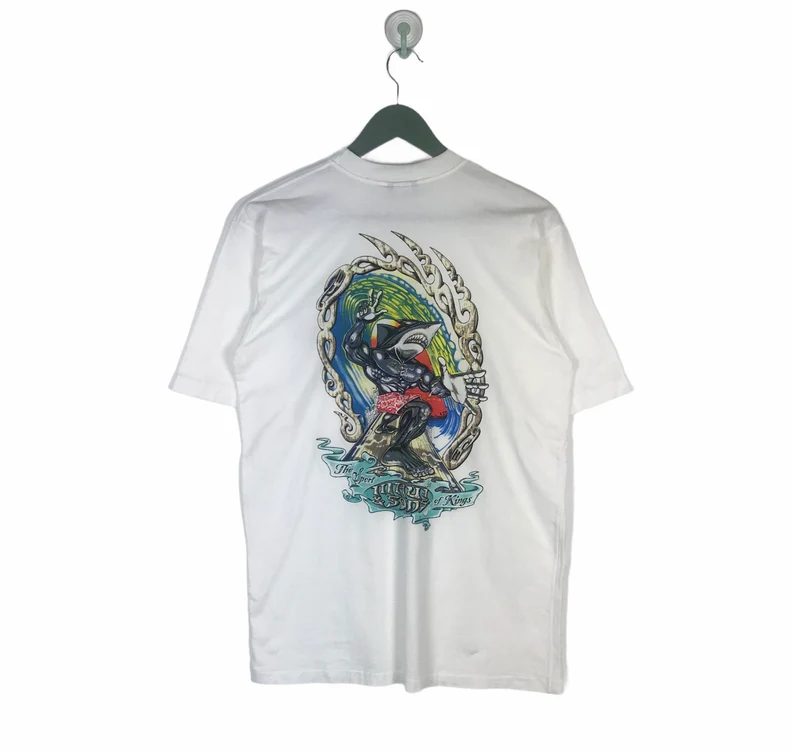



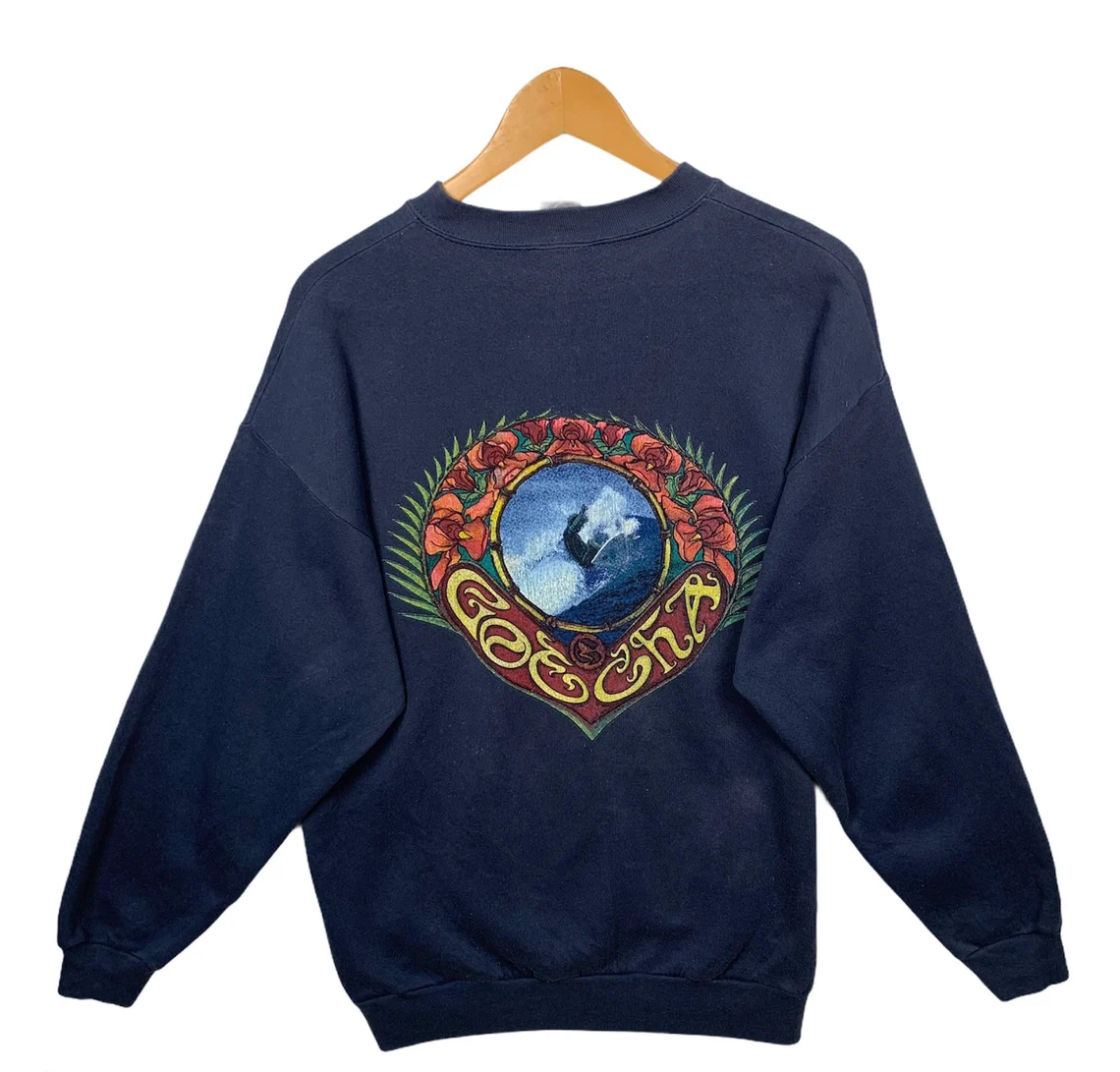
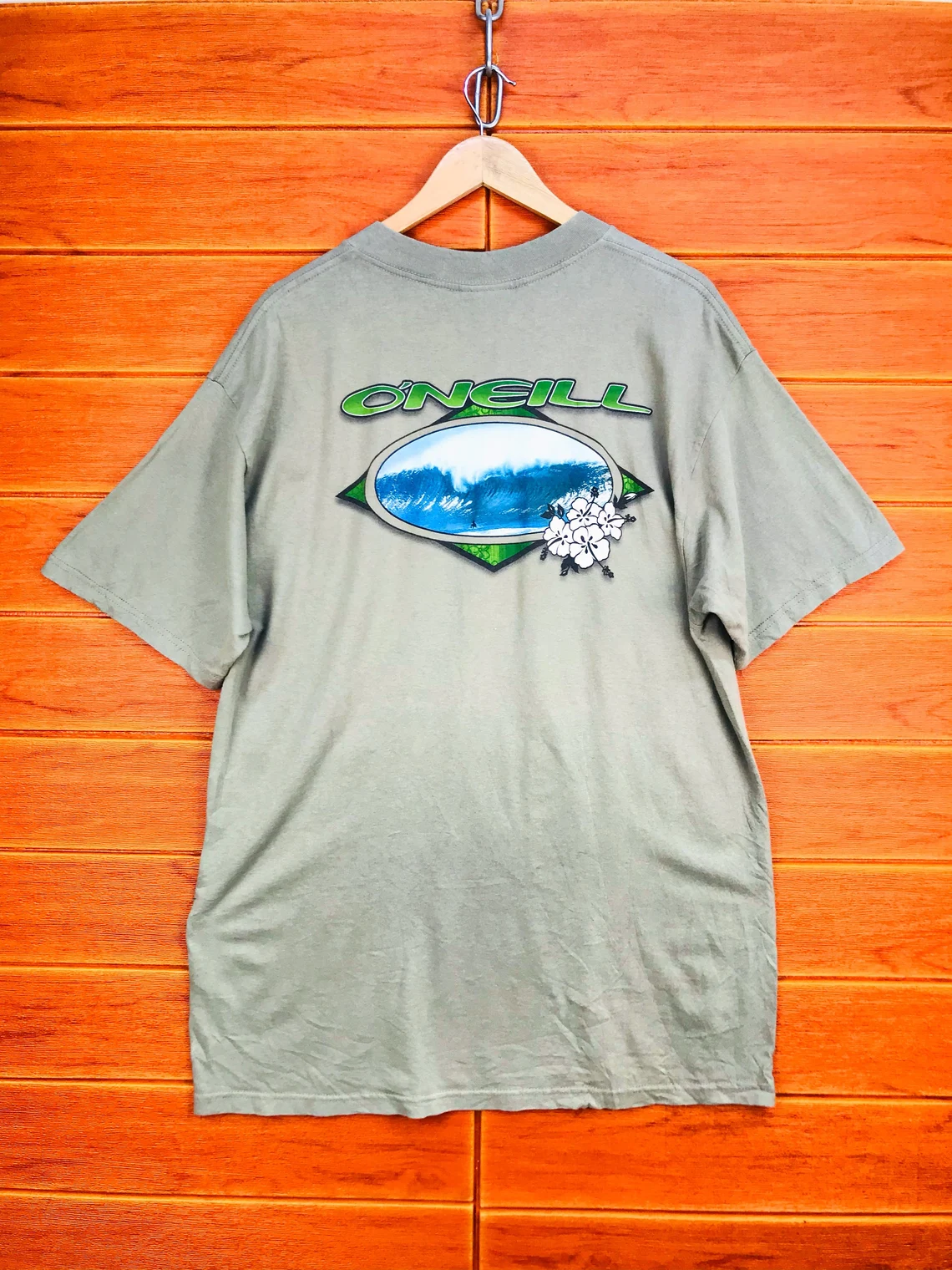
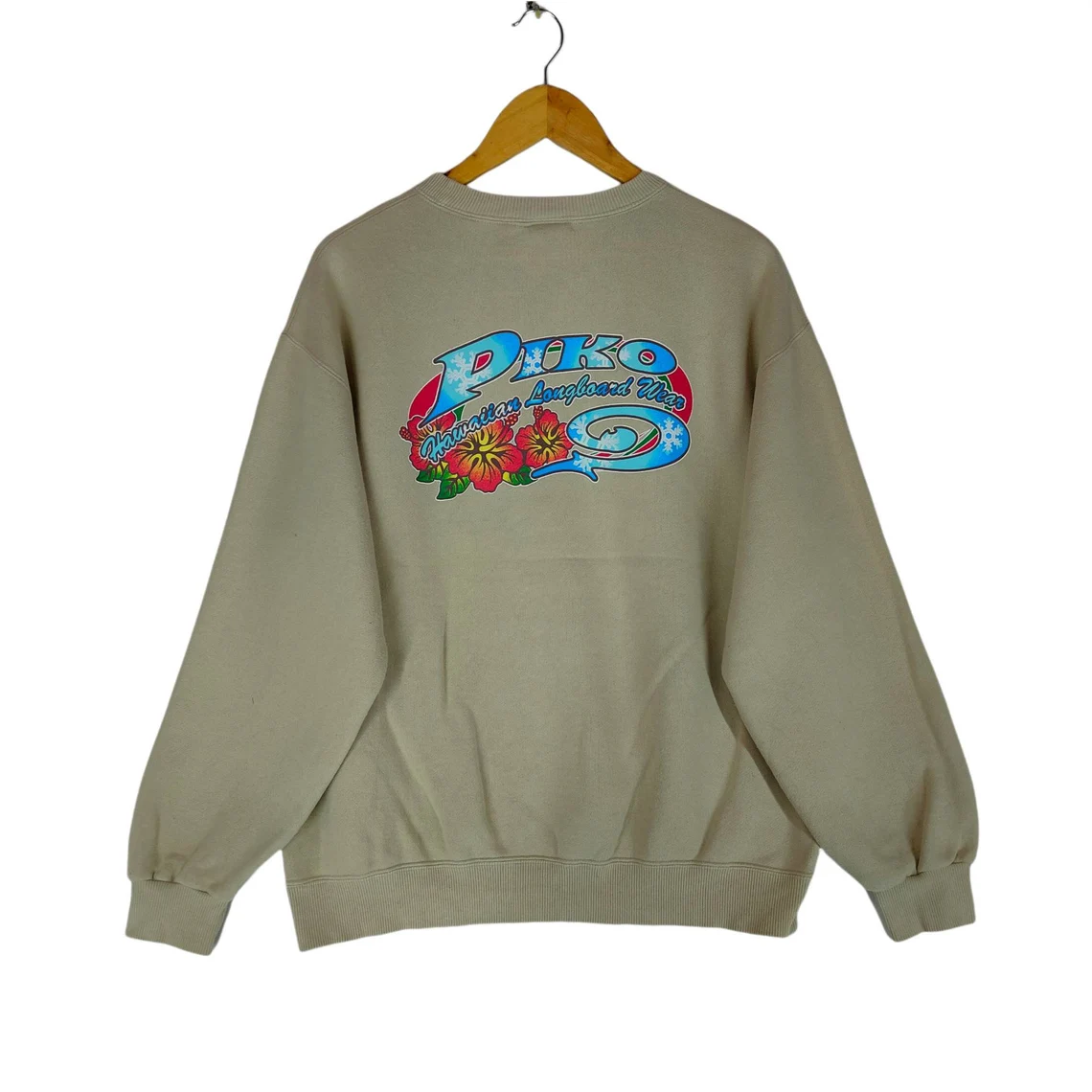
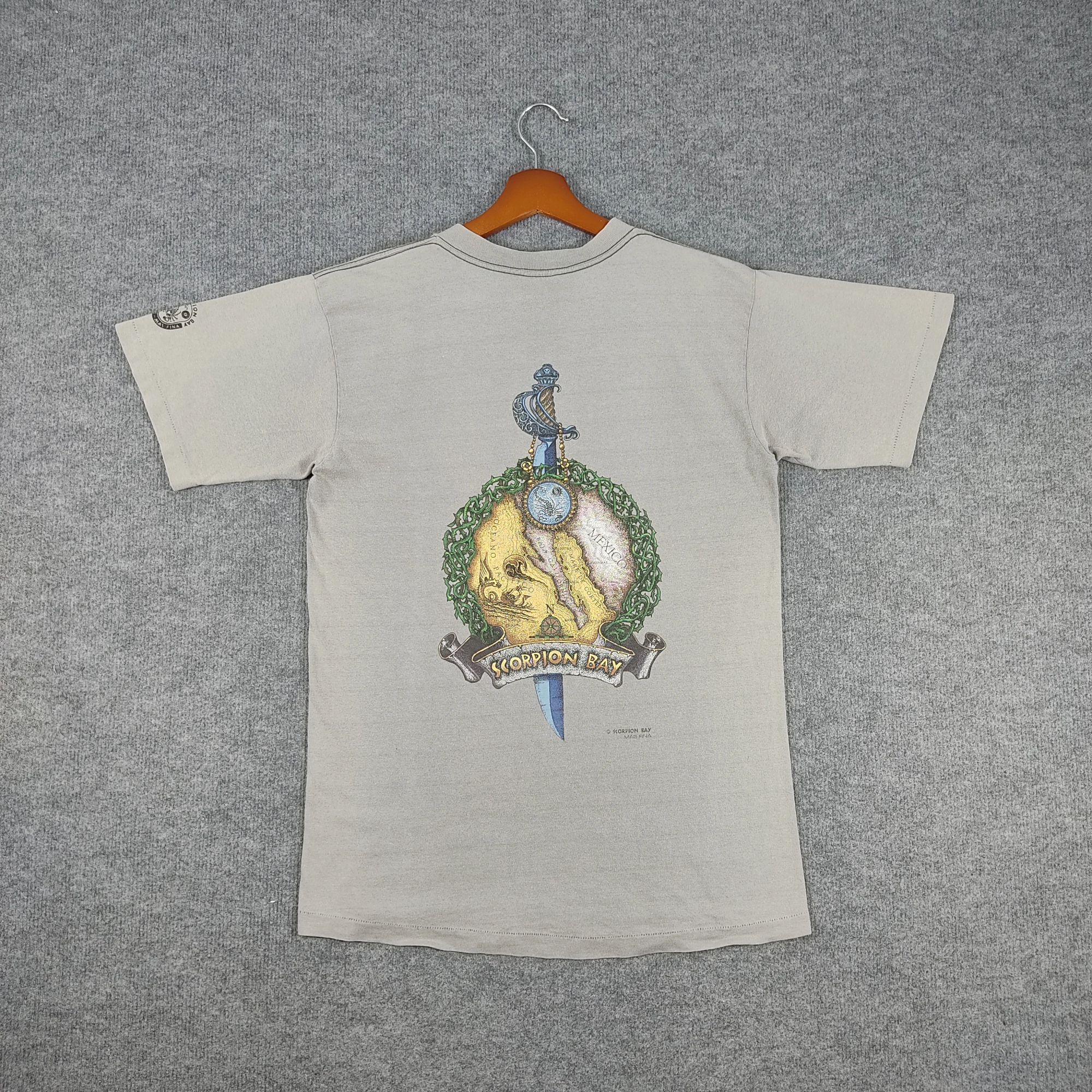
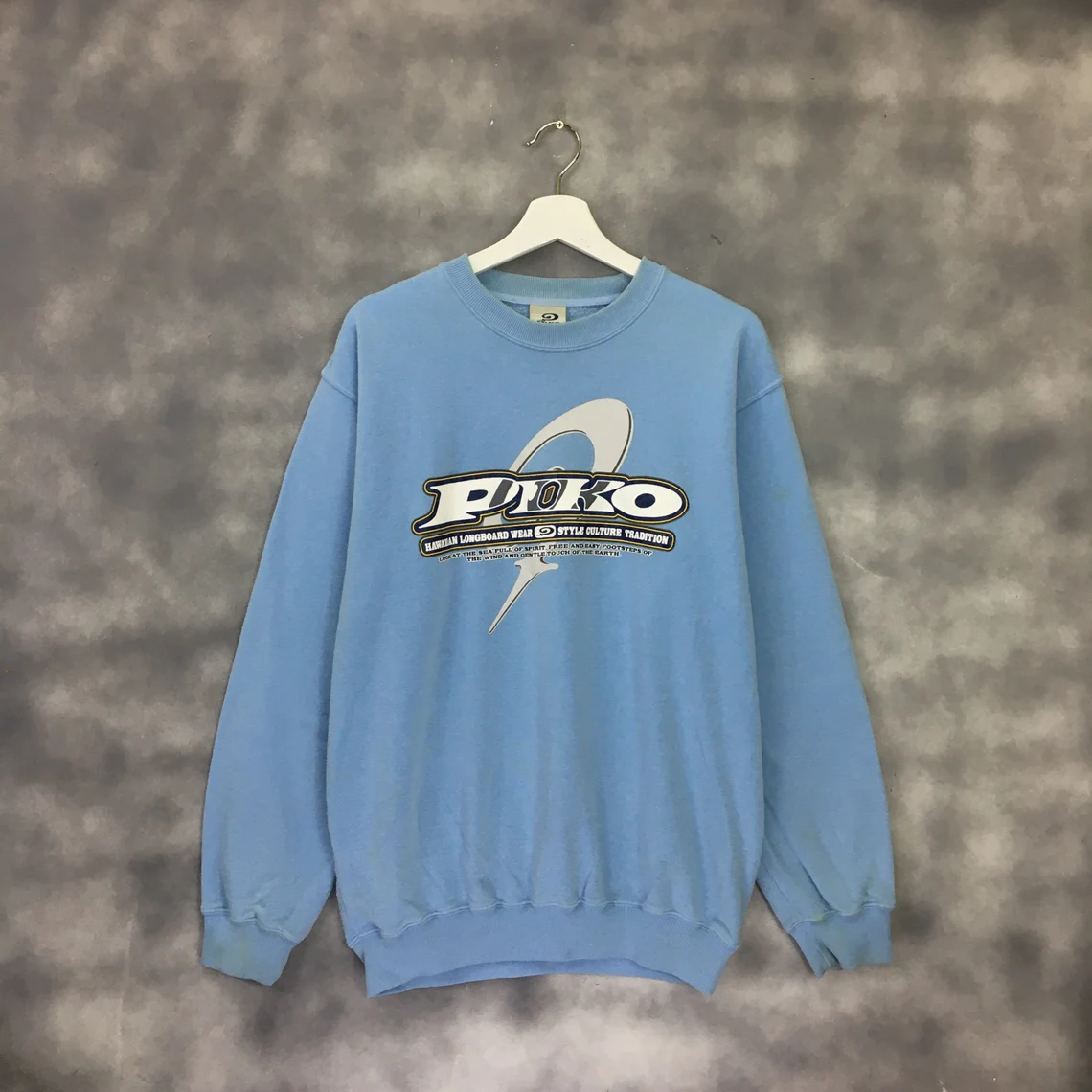
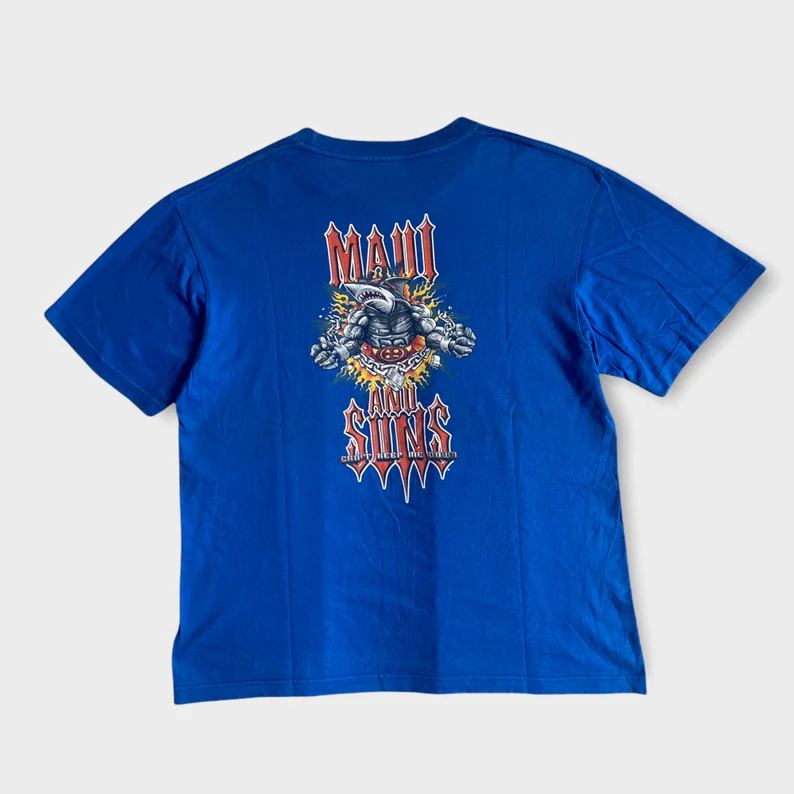
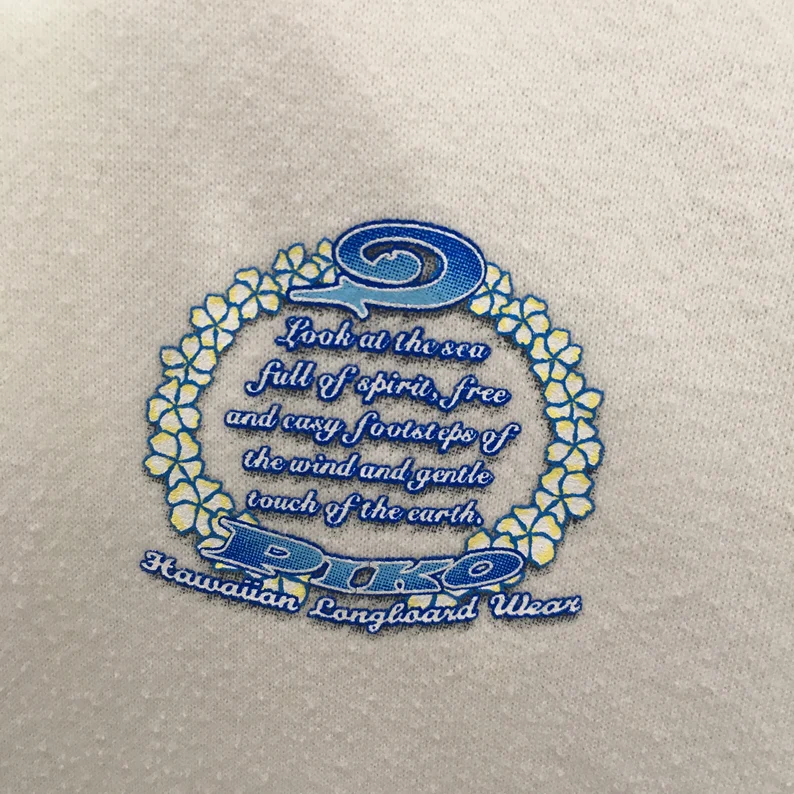
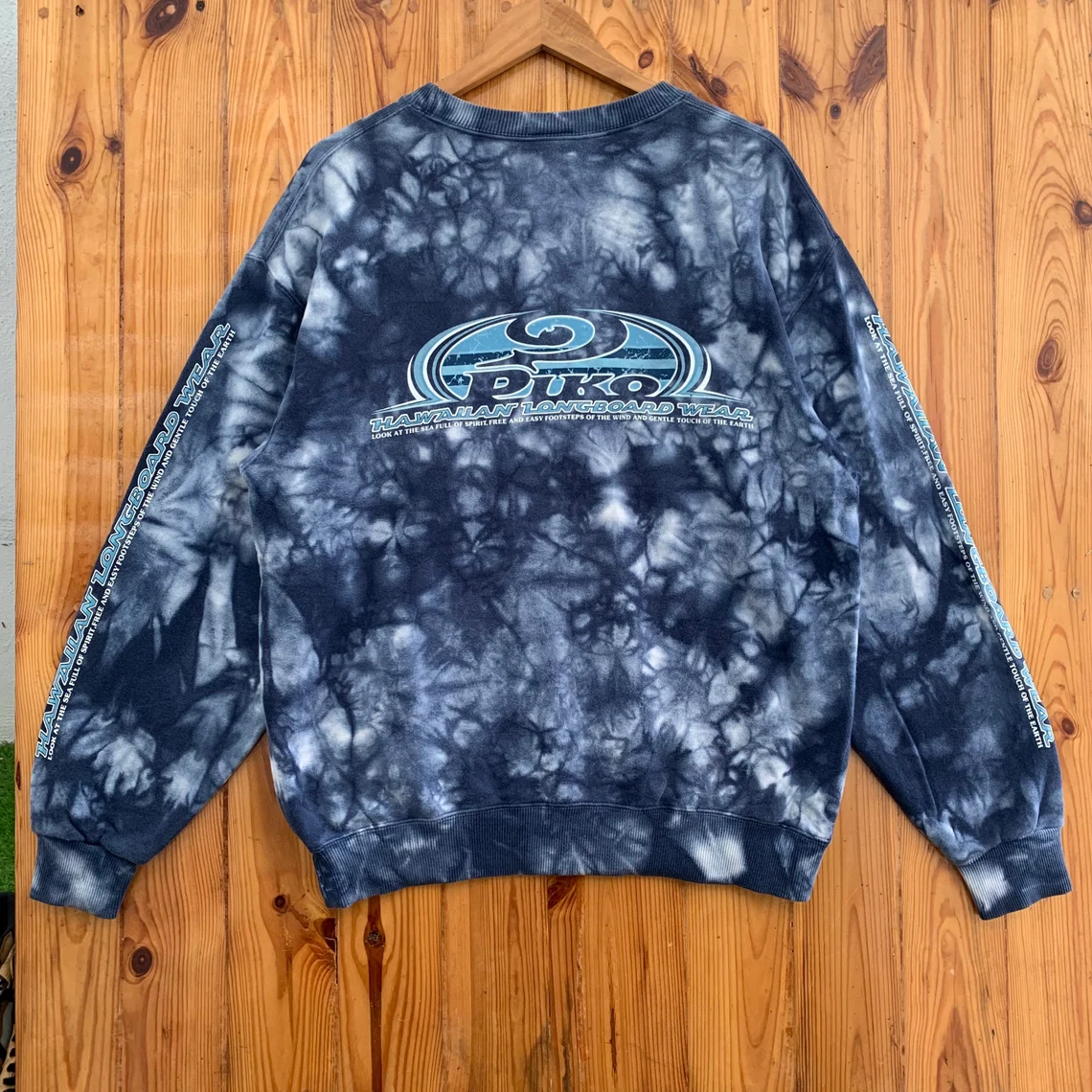
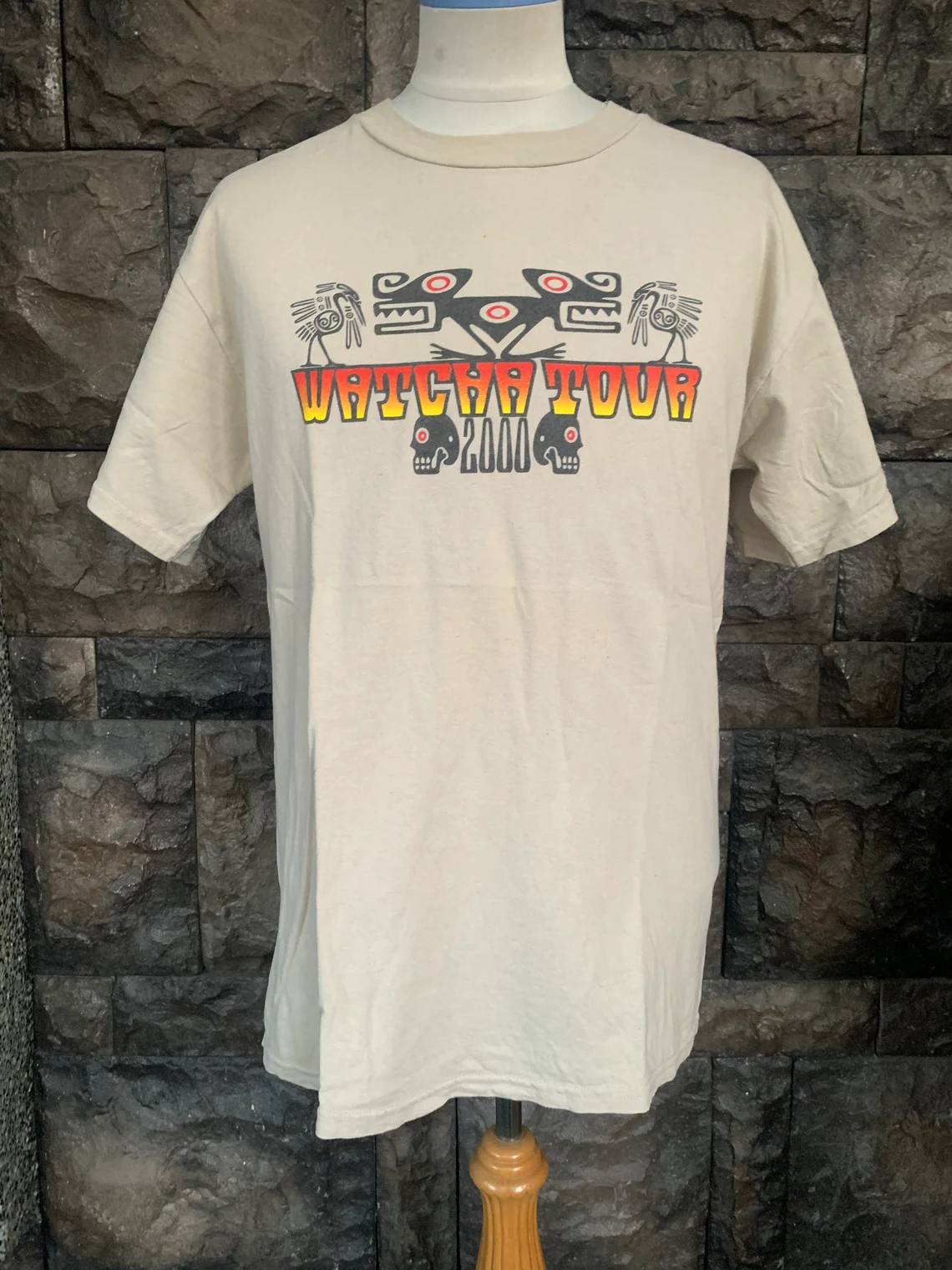
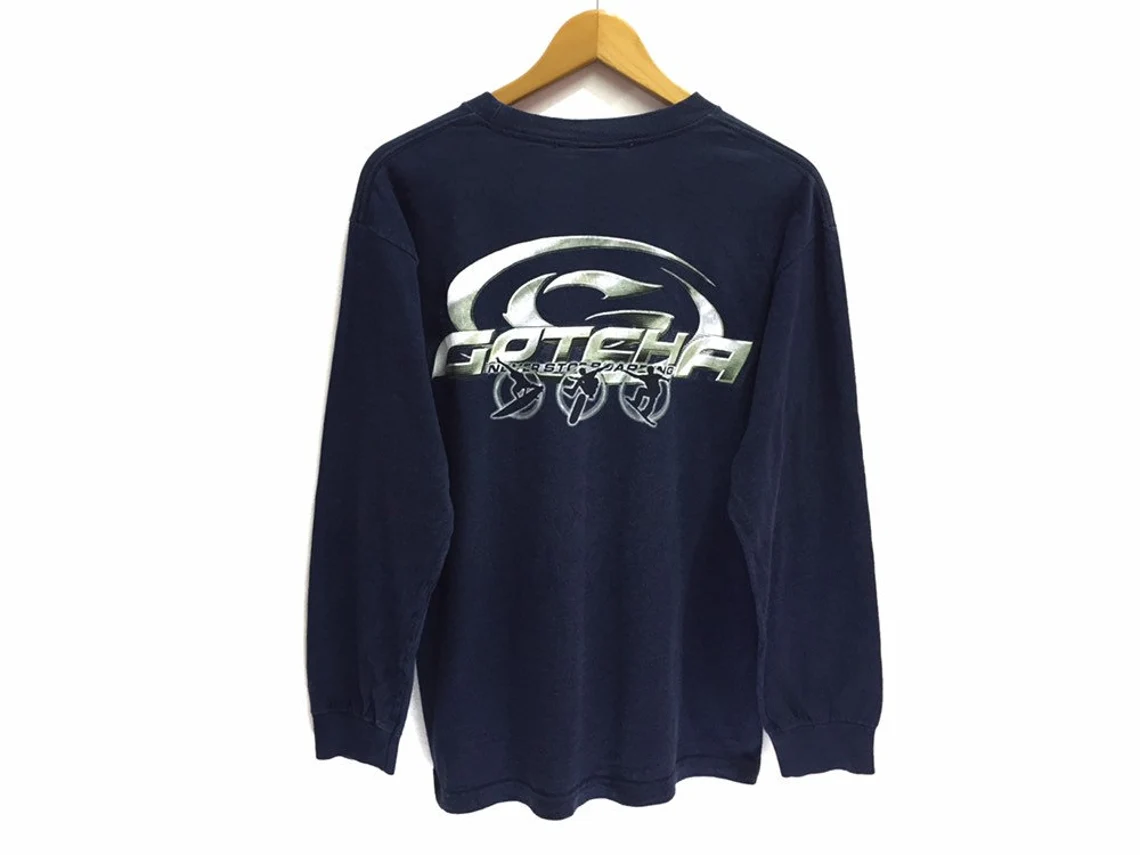
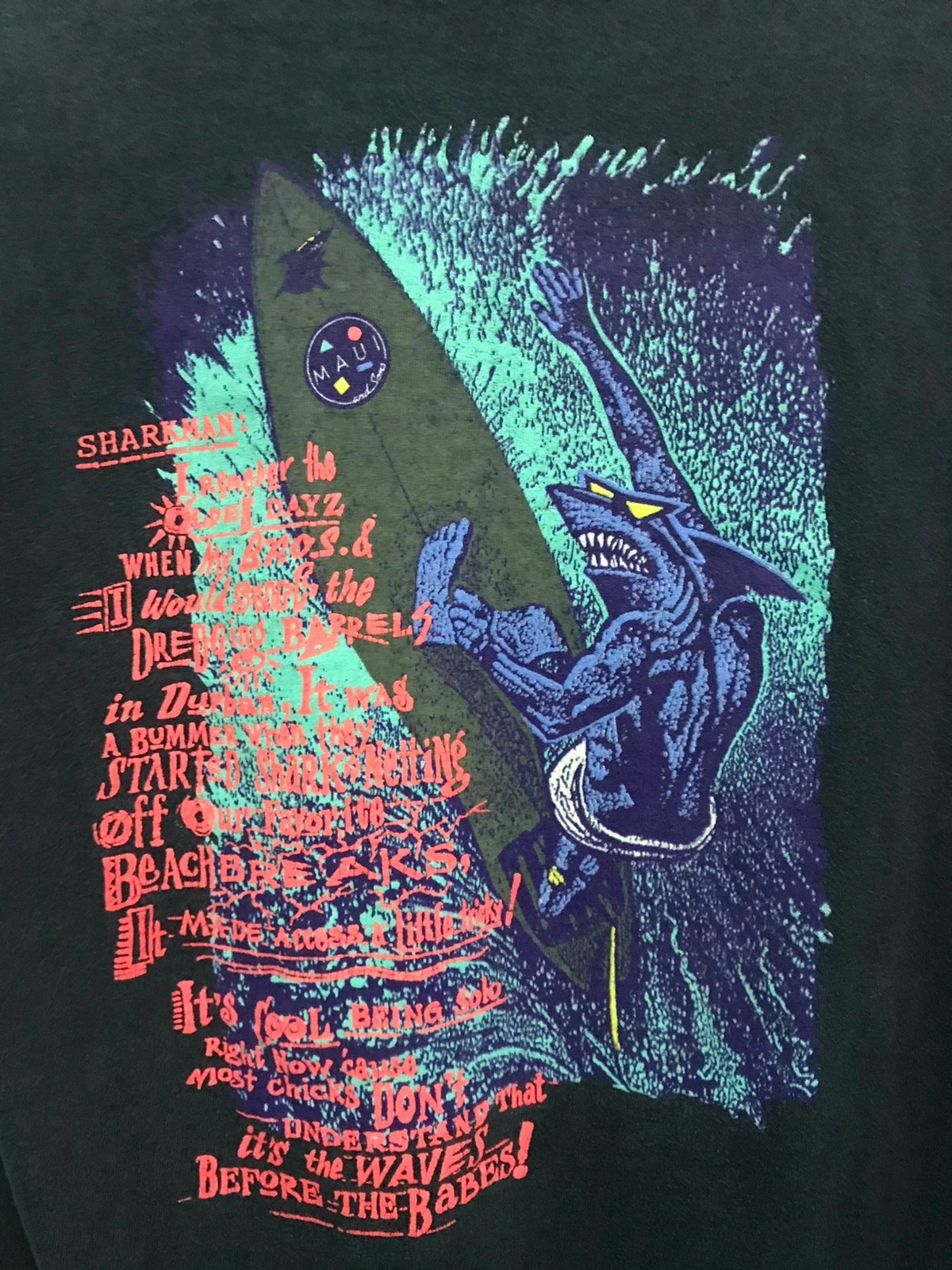
There was a time, between the late '90s and the early 2000s, when the wardrobes of Italian teenagers filled up with T-shirts covered in sharks, surf, flowers, Mexican skulls, and ocean sunsets. The success of this wave can be attributed to a strand of proto-streetwear brands that took Californian and Hawaiian surf culture and converted it into a pop, energetic, and vaguely aggressive visual language. Maui & Sons, Scorpion Bay, Billabong, and Quiksilver are the main ones, but we could also mention the more obscure North Shore, Piko, Gotcha, and T&C Surf.
All these brands shared not only a surfing vocation but also a taste for vintage or futuristic lettering, influences drawn from the "tribal" tattoos of Leo Zulueta and Ed Hardy that were popular in the '90s, and an appeal to summery, exotic worlds that conveyed a sense of adventure and adrenaline.
The iconography typified by these brands drew on the landscapes and cultures of the South Pacific, filtered and reinterpreted through the lens of American commercial fashion, whose "tropical" visual theme and edginess (picture the robot sharks of Maui & Sons that seemed to roar from the prints on their famous T-shirts) became something of a symbol for Millennial teenagers, leaving unexpected traces in their future.
The best vintage surfwear brands
It would be impossible, in the course of this overview, not to mention the brand that reinvented surfwear: Stüssy. At the time, however, it had not yet achieved — at least in Italy — the cult status it enjoys today. Both Stüssy and these surfwear brands share the same origins in time and place — often clustered around the international surf hubs and the '70s and '80s, give or take a year.
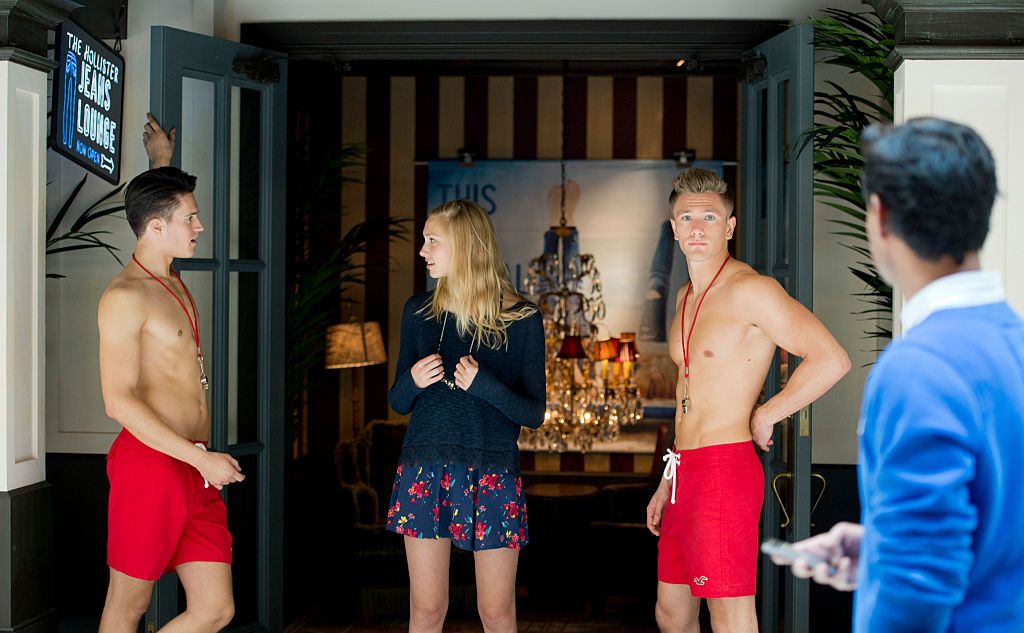
Quiksilver, for example, was founded in 1969 in Torquay, Australia; T&C Surf Designs was born in Pearl City, Hawaii, in 1971; in 1978, Michael Tomson and Joel Cooper founded Gotcha in Laguna Beach, whose graphic designer was none other than Shawn Stussy; Billabong was founded two years later in Queensland, also in Australia; after leaving Gotcha, Shawn Stussy founded his eponymous brand in Laguna Beach in 1980, the same year Maui & Sons was born in Malibu; Scorpion Bay was founded by two Californian surfers in 1987; while in 1994, in Honolulu, Kevin Kamakura and Wade Morisato founded Piko. Last in line is Hollister, conceived in vitro by the owners of Abercrombie & Fitch in 2000, who even invented a fake origin story to make it seem more "historic" and rooted in the imagery of California beaches.
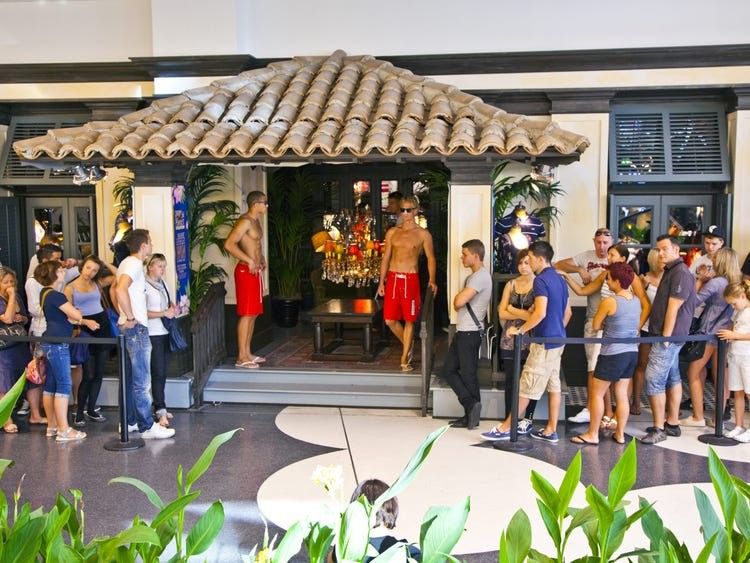
The Hollister case alone demonstrates the strength of the trend in those years: just to exploit the allure of surf culture and California vibes, a retail chain was willing to invent a founder out of thin air and build store facades resembling Malibu houses.
The arrival in Italy
The more established surfwear brands, however, arrived in Italy "on a delay" following a series of licensing agreements, the most significant of which were the acquisition of the Maui & Sons license for Italy by Maurizio Cocchi in 1986 and that of Scorpion Bay by the Mistri family in 1992, which became a full acquisition in 2007. The commercial licenses for Italy made these brands "new" to the country even though they already had more than a decade behind them.
There is little need to describe how their arrival helped create the belated mall brand culture in Italy, which saw the rise of a series of flash-in-the-pan brands that became so closely associated with the teen and preteen world of those years that they still seem trapped in that era today — painfully out of date. Yet those fashion brands, whether international or domestic, established a shared stylistic koiné across that vast multiverse that was provincial Italy — a world that in the early 2000s (and to a lesser extent even today) was entirely alien to the idea of fashion and trends, frozen in a respectable immobility that only the arrival of fast fashion from Zara and H&M, with their retinue of fast fashion brands, managed to shake — without quite shattering it.
The teenagers of that era, who had grown up with Transformers, Bionicle, Disney's Gargoyles, anime like GTO, and cartoons like Street Sharks, found in the Hawaiian graphics of Maui & Sons and Scorpion Bay the breath of a world halfway between the childhood fantasy of toys and cartoons and the more grown-up excitement of adventure and the Californian surf imaginary.
Surfwear: from subculture to international fashion
Looking back at them retrospectively, all these surfwear brands share something: the same visual language, the same emphasis on graphics that adorned basic garments like T-shirts, sweatshirts, and swimwear, and the same obsession with the logo, repeated and varied in ever-different fonts.
These were sportswear pieces, but without the ambition or athletic aspirationalism of more properly sportswear-oriented brands — they had little to do with the technicalities of "real" surf equipment, and above all they were sold to a teenage audience, like the Italian one, that was relatively unfamiliar with this culture. In other words, these surfwear brands of the 2000s were selling a certain kind of fantasy — or, as Hampton Carney of Abercrombie & Fitch once put it: "It's more about the lifestyle and the inspiration than the actual activity."
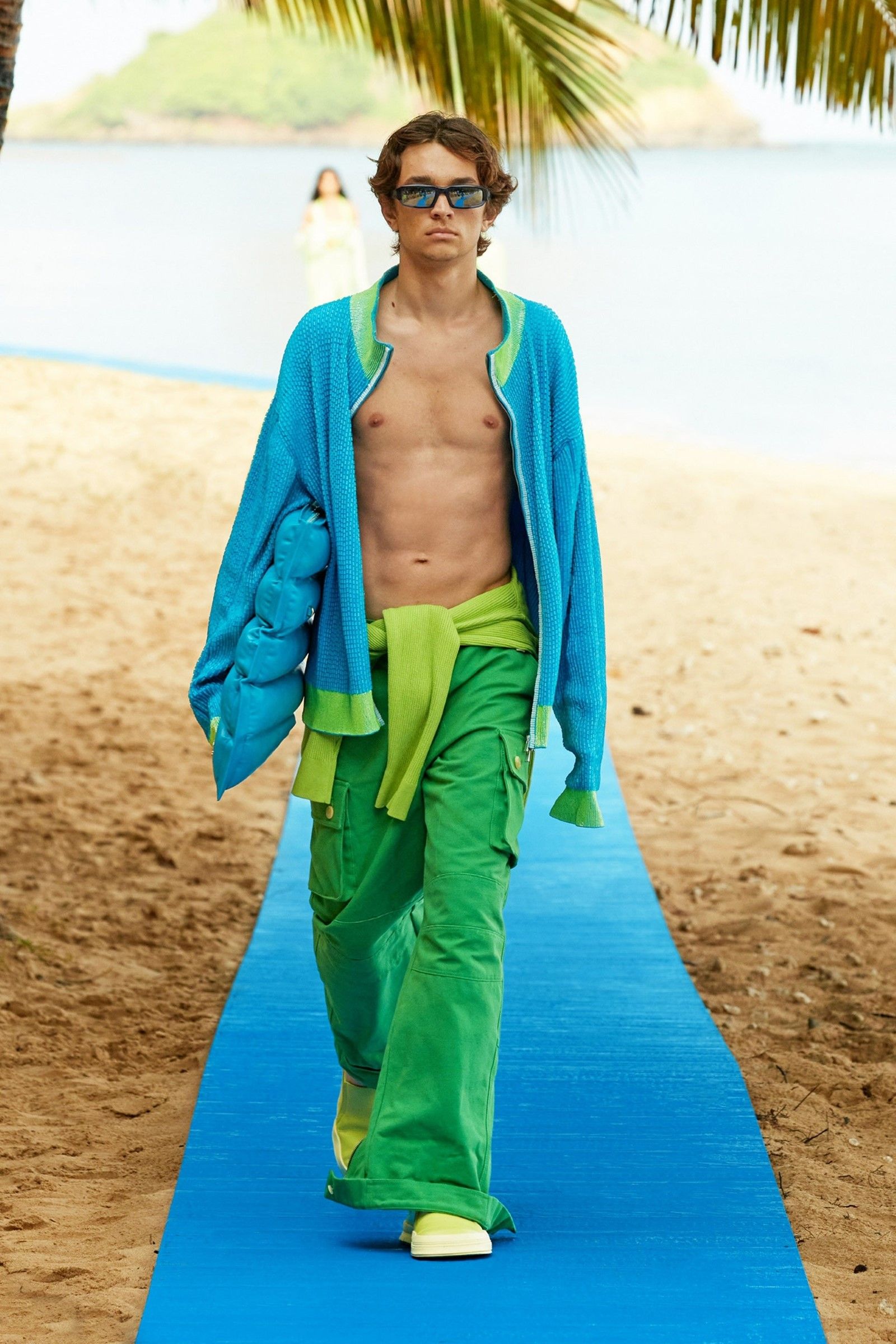
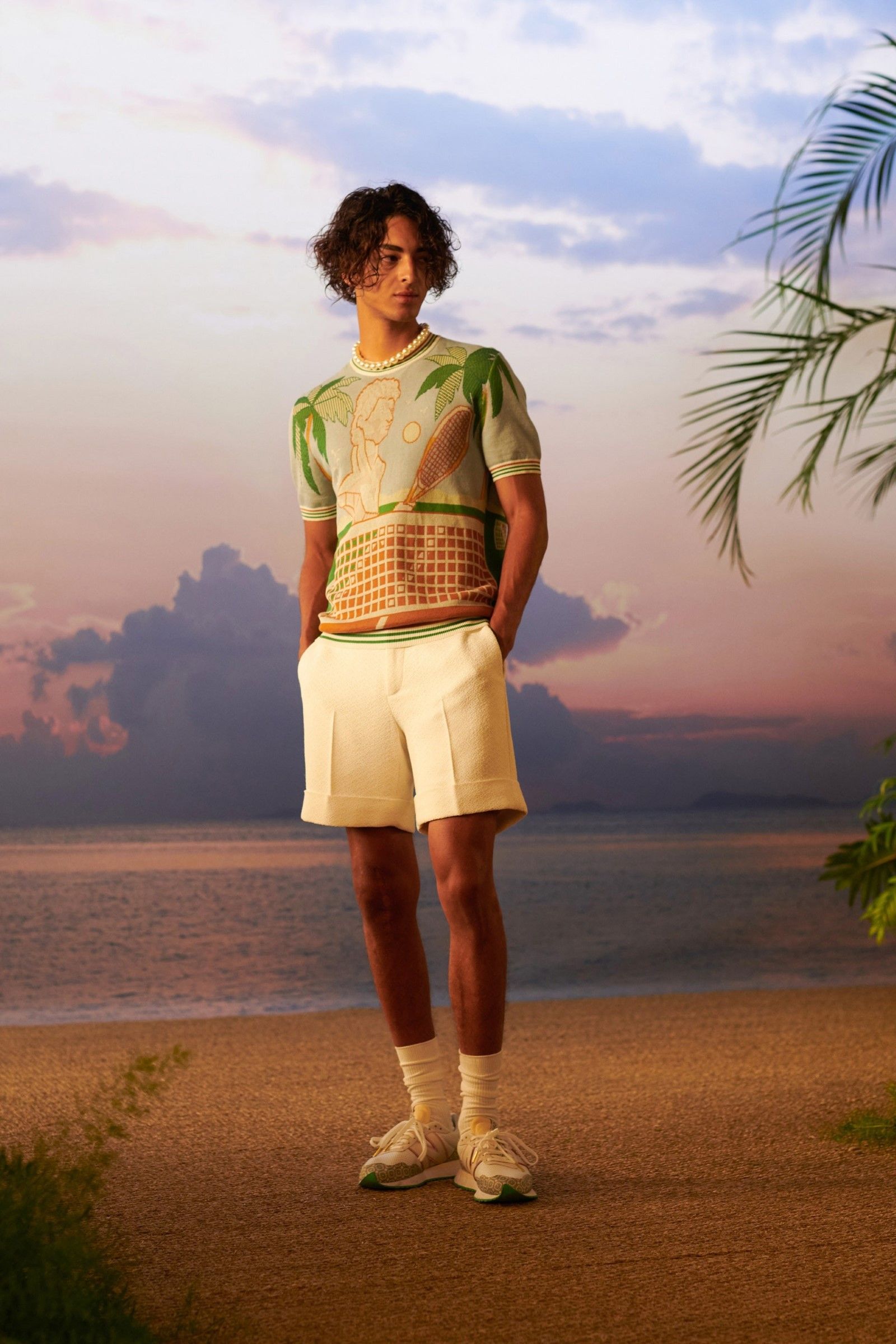
A mechanism — that of lifestyle inspiration — that fashion had long possessed, but which in recent years has been taken to a new level: from Casablanca and Miu Miu casting an eye over the world of tennis players, to Hedi Slimane's perennial fascination with motorcyclists, their acrobatics, and their leather jackets; from Gucci reinterpreting running aesthetics with adidas and rethinking equestrian accessories, to Jacquemus transforming scuba diving gear into it-bags. Most recently, it was Louis Vuitton Men that turned its gaze to the world of surfing, elevating the aesthetic to an extreme form of luxury, presented in front of an enormous artificial wave erected in the heart of Paris.
And yet, whether fashion or streetwear, it has been since those years that we have not seen a unifying trend or lifestyle inspiration that shapes an entire brand and becomes an observable, sustained "phenomenon" in the way the rise of surf brands did in the early 2000s.
In a post-streetwear era, after the intoxication of graphics and branding that caused many middle-range brands to lose their aspiration to cultivate a truly unique personality — becoming increasingly generic with a "broad-spectrum" appeal — the case of the surfwear brands of those years stands as a lesson on the importance of concept and pop aspirationalism, which need not necessarily be synonymous with luxury.