

























Kering has found a strategy to win back aspirational customers The French group will bet on second-hand to reclaim a slice of the market that seemed all but lost
After pushing ever further toward exclusivity by raising prices and restricting access to their codes, the major luxury groups now appear to be eyeing a new frontier: the second-hand market. Kering, in particular, is reportedly considering a direct entry into pre-owned resale, with a strategy that could involve some of its most important brands, including Gucci, Balenciaga and Saint Laurent.
The news was reported by Glitz, which contacted Kering directly to seek clarification on the project. The French group spoke of preliminary discussions with several specialist operators in the sector, specifying that Luca de Meo, who has been Kering's CEO since last September, would not be directly involved in the working group dedicated to second-hand. Nevertheless, the project appears to reflect a philosophy already tested by De Meo during his time leading Renault, where he had transformed the used car market into a strategic asset through the Renew programme.
The idea underpinning the plan is ambitious: to transform second-hand from an external phenomenon within the fashion system into a genuine brand-controlled channel. No longer just independent platforms such as Vestiaire Collective — in which Kering had already invested in 2021 — but autonomous management of authentication, distribution and customer relationship processes.
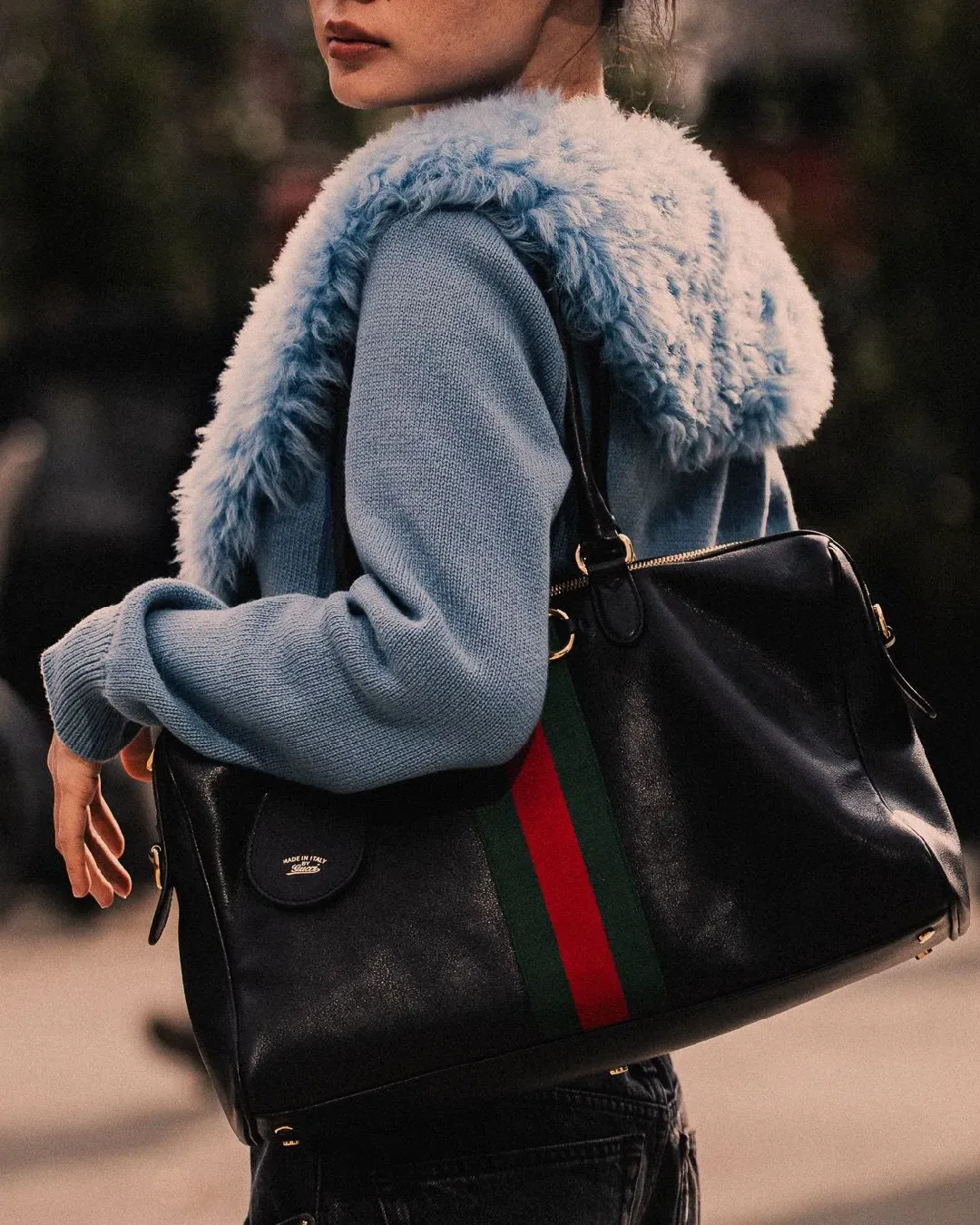
@theneevintage.store Balenciaga City Bags are back! The ultimate Y2K it bag in multiple colour ways, which one is your favourite? #balenciaga #citybag #vintage #theneevintagestore son original - IAMCAMILODJ
The move comes at a particular moment for luxury. In recent years, the major brands have pursued an elevation strategy: fewer aspirational customers, more VICs and ultra-high-spending consumers. Price increases, a reduction in promotions and a greater focus on craftsmanship and exclusivity have all contributed to making luxury increasingly out of reach for the middle-spending class that for decades represented its natural growth base.
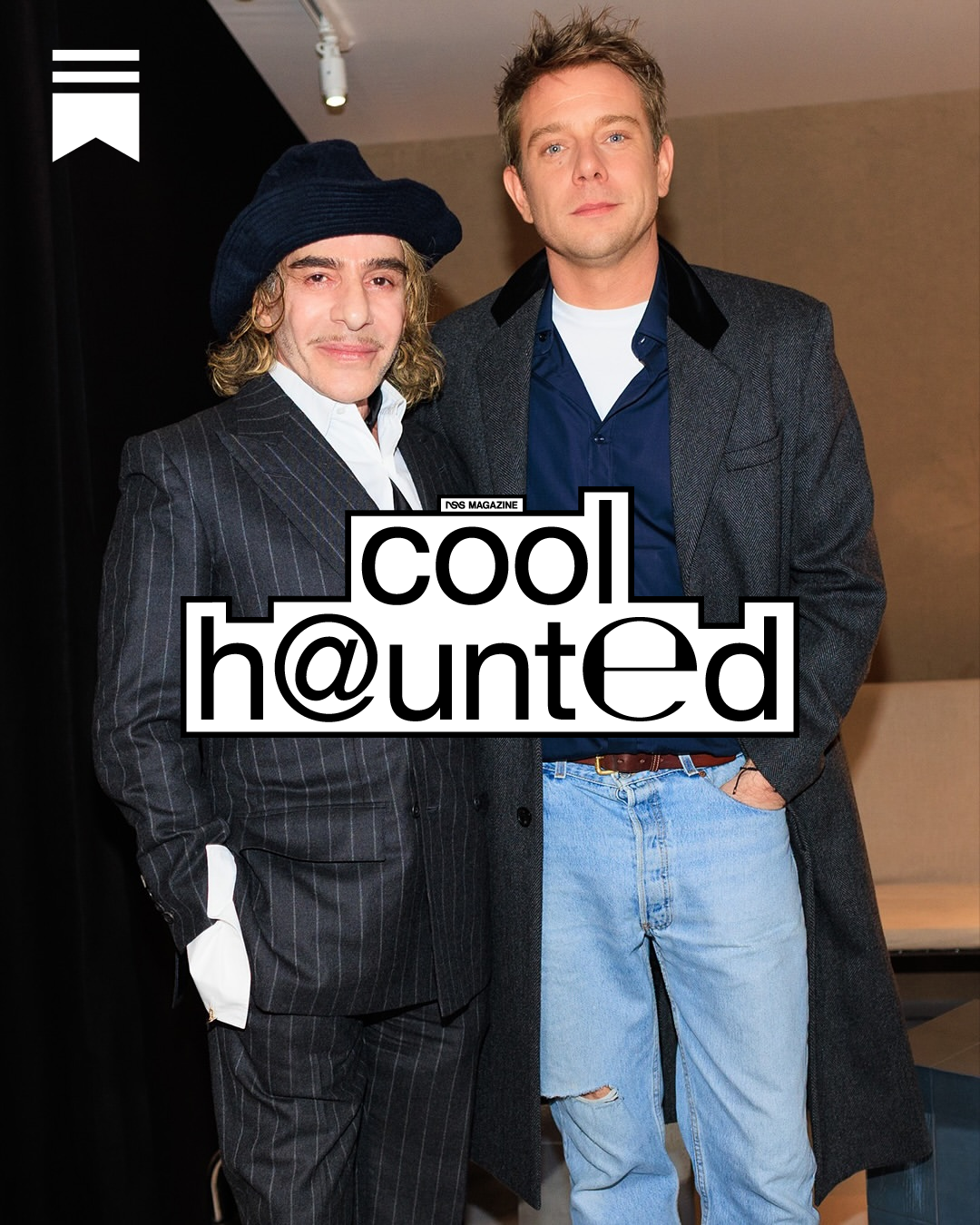
Aspirational customers, shut out of luxury, have in the meantime shifted their attention elsewhere. Part of that demand has been captured by evolved fast fashion, which has embarked on a rebranding operation aimed at occupying a space that once belonged to accessible luxury. Zara is one of the most striking examples: through collaborations with leading designers and creative figures, such as the partnership with John Galliano, the Spanish brand has built a model capable of delivering desirability, storytelling and design at more democratic price points.
Second-hand could therefore represent for Kering a way to reopen a door to these consumers without diminishing the perceived value of its brands. Gucci and Balenciaga are among the most sought-after brands in the resale market, where vintage pieces and past collections continue to hold strong appeal even when traditional retail slows down.
According to Glitz, Kering is reportedly weighing several options, including the creation of a dedicated platform or a new brand focused on vintage and resale. But in pursuing this strategy, the French group will need to tread carefully: reopening to middle-spending customers could win back consumers, but risk compromising the trust it has built with its VICs. Everything will hinge on how the project is communicated.