























Matthieu Blazy Opens Up About His Vision of Women Chanel’s Creative Director looks back on the Métiers d’Art collection presented in Seoul
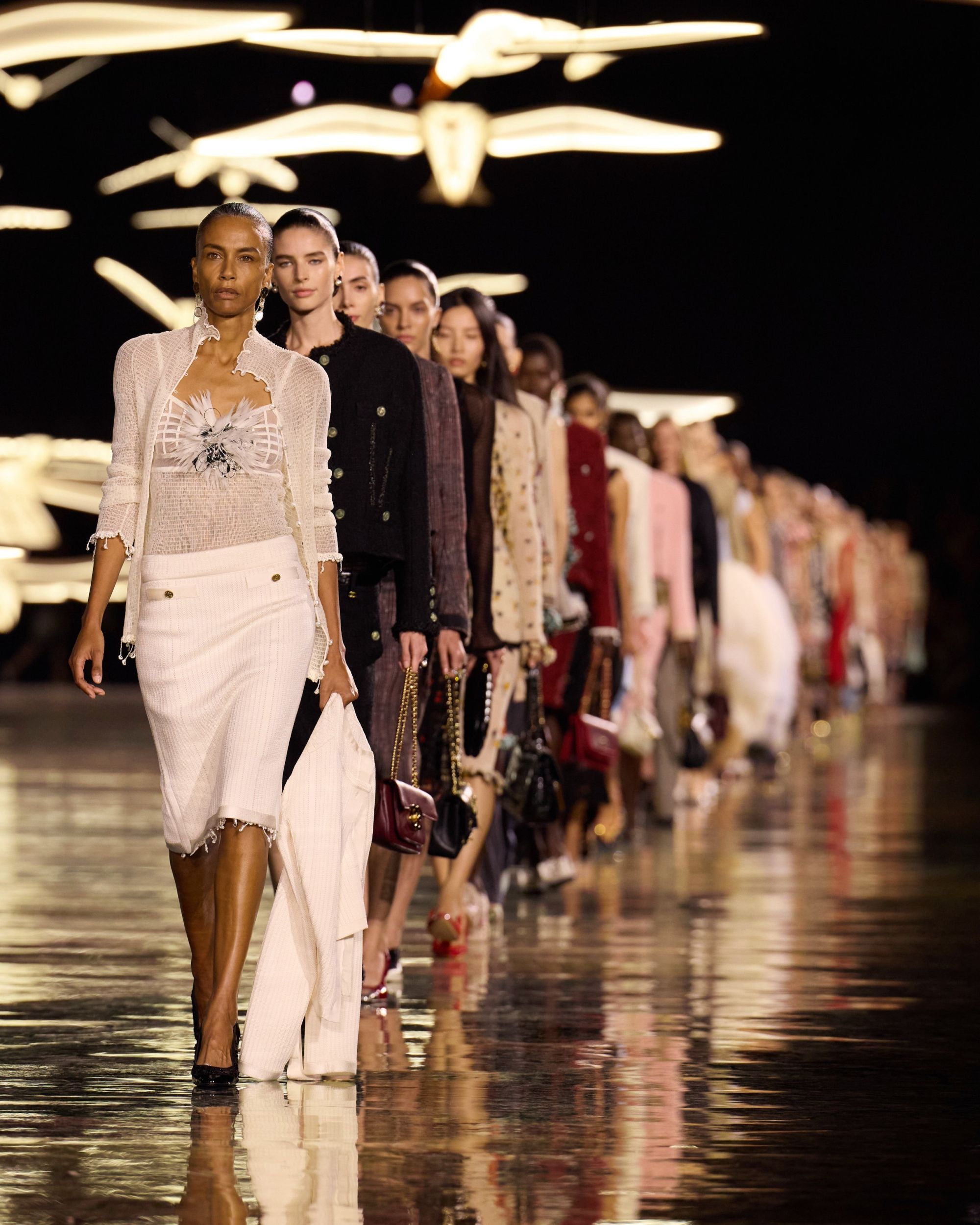
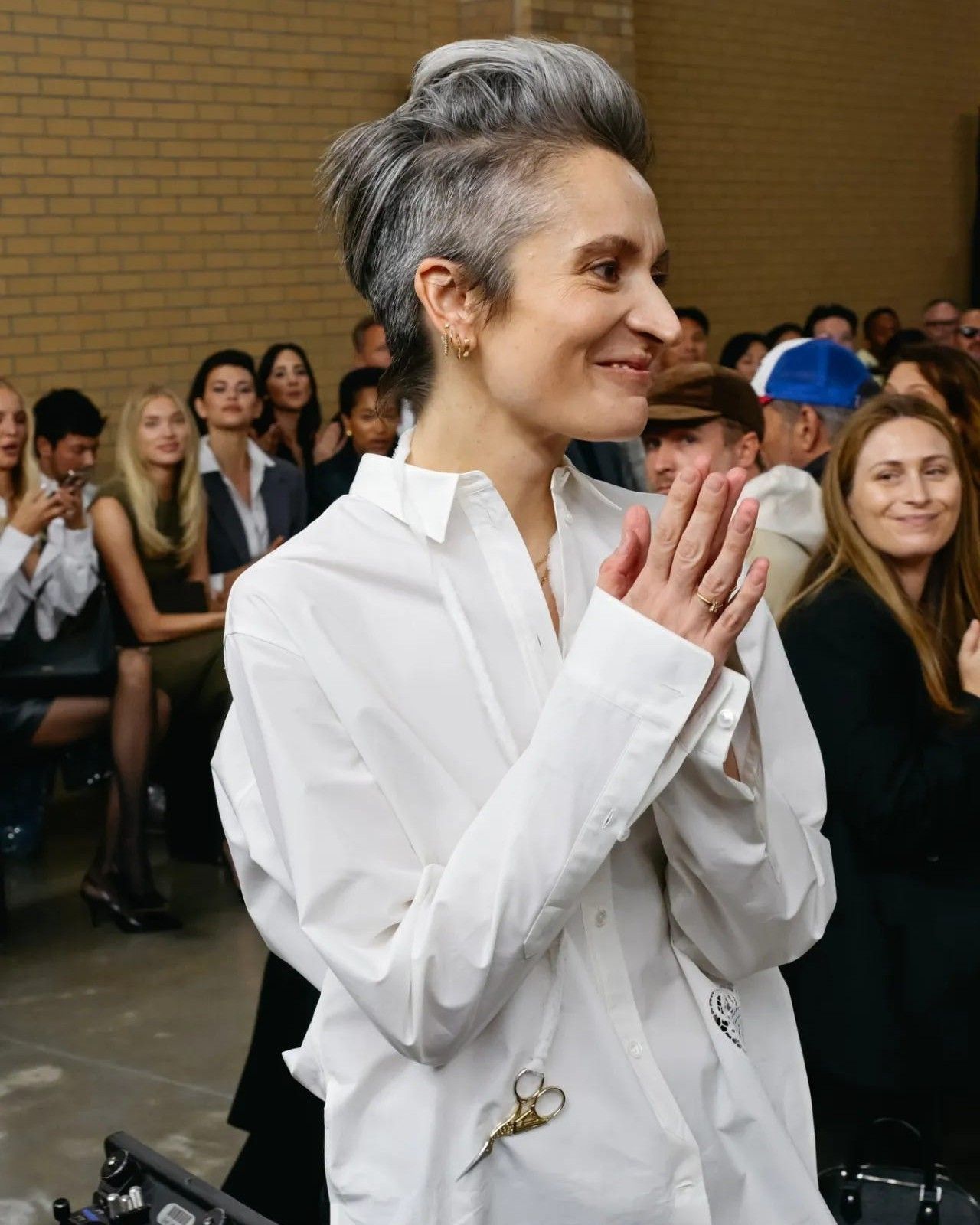
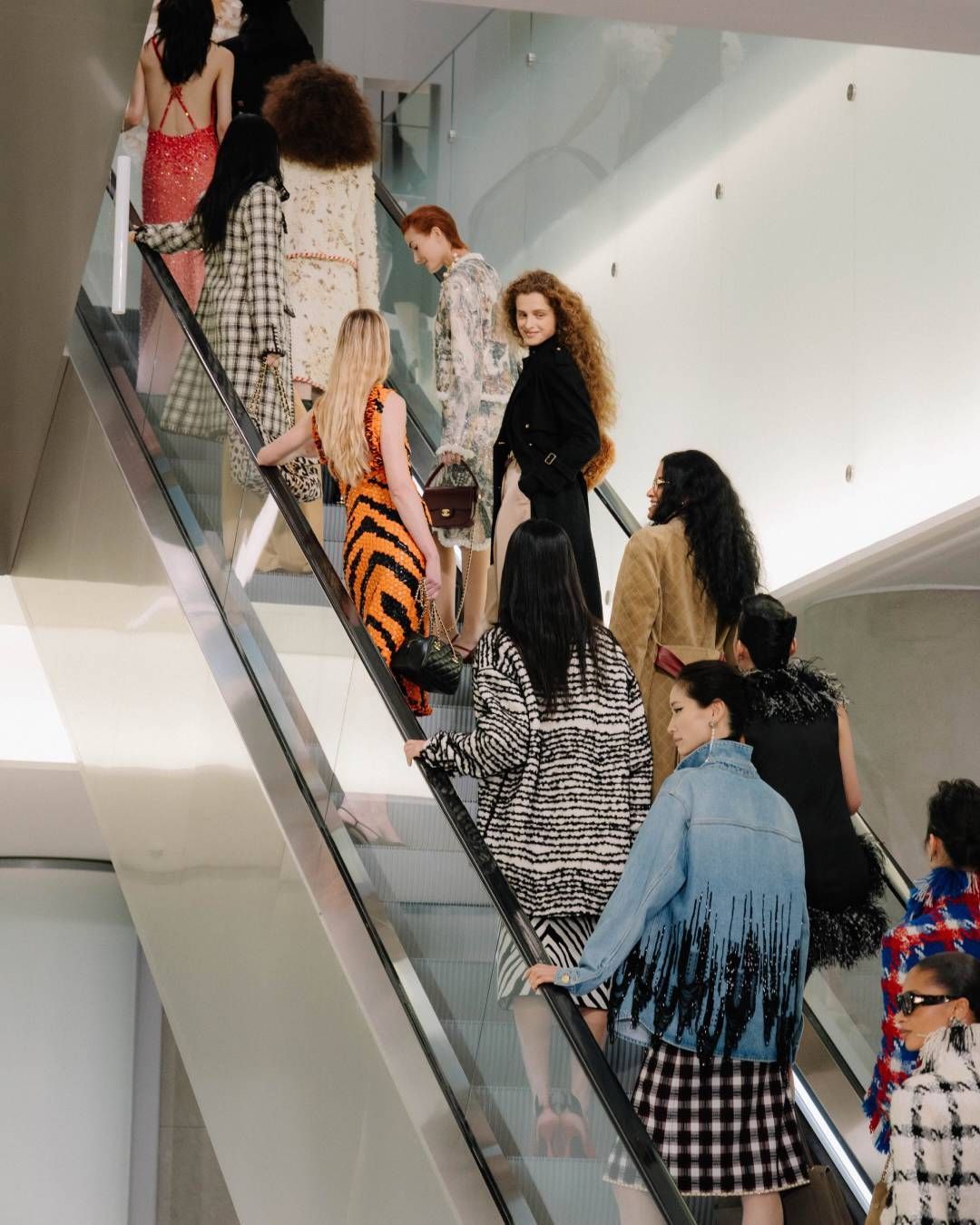
Within the continuous stream of shows that punctuate the fashion calendar -spanning Métiers d’Art, Ready-to-wear, Haute Couture, and Cruise- it can sometimes be difficult to find one's bearings. Yet, this collection holds a very special resonance: following a highly noticed debut in New York with his first Métiers d'Art collection, Blazy and his team made a stopover in Seoul, at the heart of the future Centre Pompidou Hanwha.
While the designer readily discusses the genesis of the Métiers d'Art collection, notably infused with flashes of American pop culture (from "popcorn" tweed to nods to Spider-Man and Superman), the Creative Director -who brought textual mastery to Bottega Veneta before taking the reins of the house of the camellia- also unveils a much more intimate and political side of his work: his vision of women's clothing. This is a crucial question, and one that feels even more pressing when we consider that the vast majority of creative directors at historic couture houses today are men—with a few rare exceptions, such as Louise Trotter or Sarah Burton.
A Heritage of Streetwear’s Birth
Contrary to what one might think, Matthieu Blazy is not necessarily looking to play the grand emancipator from the podium. Instead, he aligns himself directly with the continuity of Gabrielle Chanel, who famously shook up conventions by popularizing looser, shorter cuts in the 1920s. In fact, the designer considers this great modernist turning point to be, in its own way, "somewhat the birth of streetwear."
"Chanel is not just the camellia; it is also streetwear, liberation, freedom, and movement," he points out with great relevance.
Everyday Fashion for "Women on the Move"
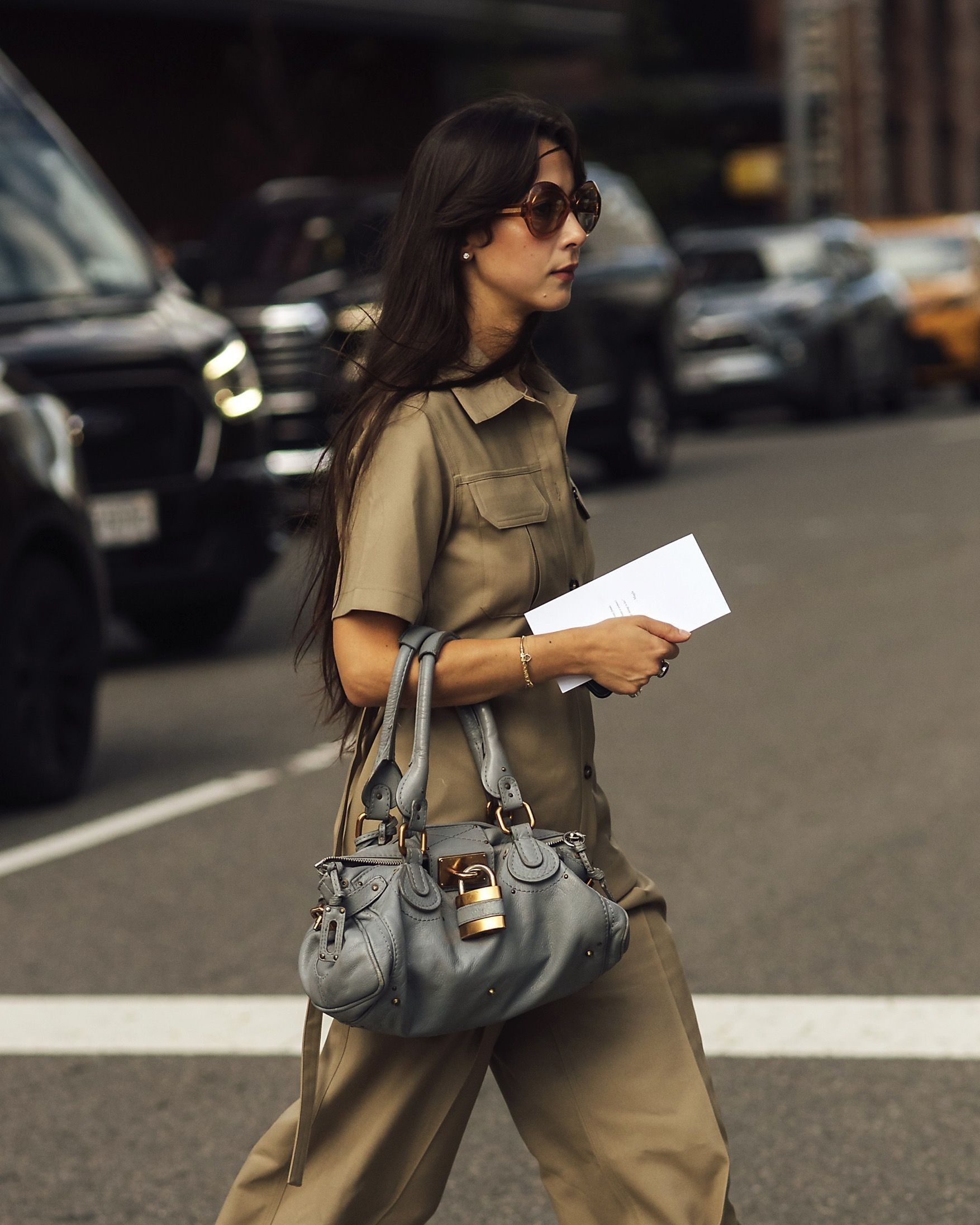
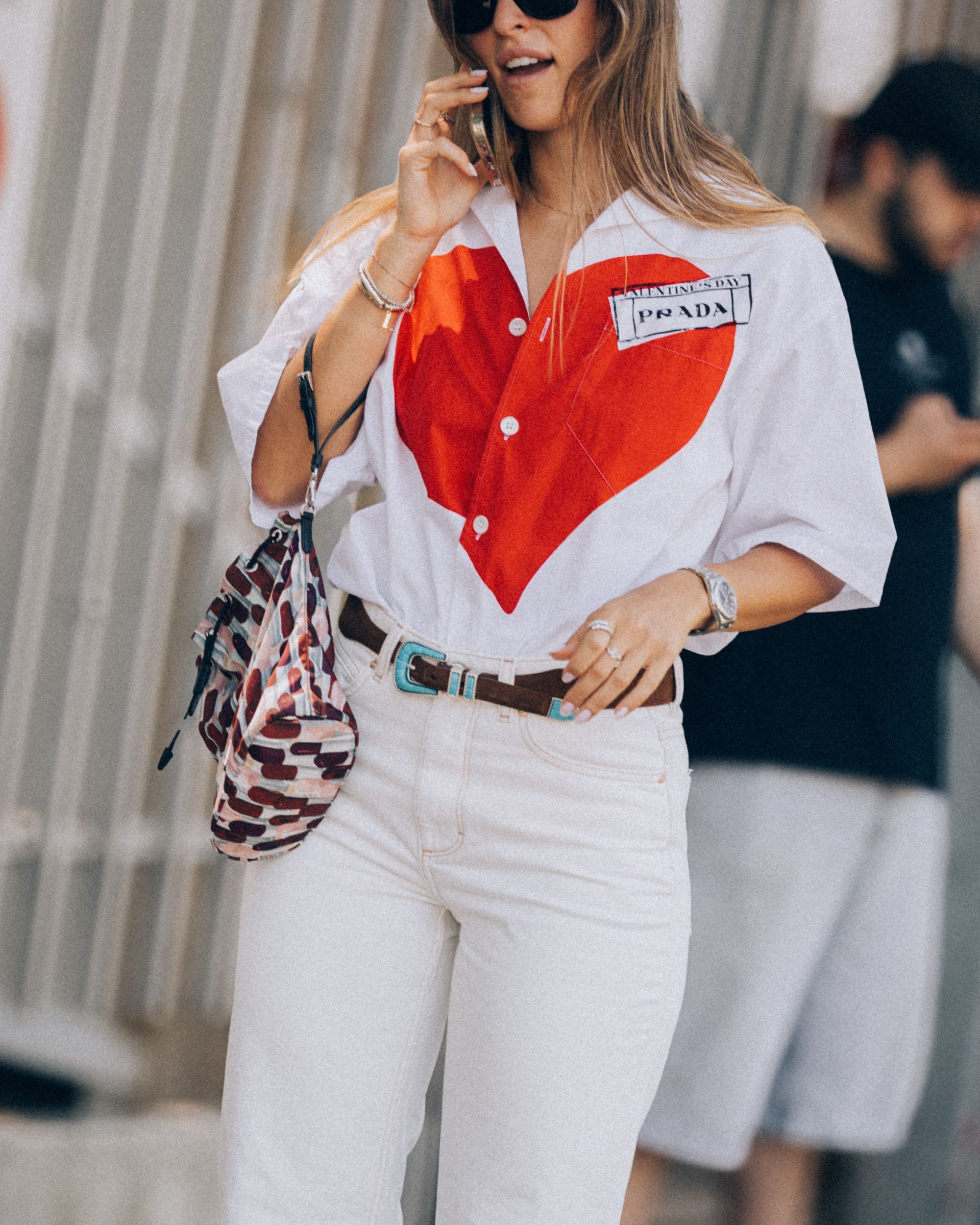
For Matthieu Blazy, the premise is clear: "Women dress [first and foremost] for themselves." Far from the runway fantasies disconnected from reality, he positions himself as a humble designer, eager to conceive pieces that integrate seamlessly into the everyday lives of women. His goal? To create "an look for every day, a look for going to the office, for running out to do groceries, that kind of thing."
The profile of the women he imagines these silhouettes for? Active women, businesswomen, but stripped of the austere uniforms and usual constraints of the corporate wardrobe. To illustrate this duality, Blazy did not hesitate to inject a dose of softness and wit into his collection, notably through voluminous cuts affectionately dubbed "cupcake" by his studio.
For him, claiming one's femininity is by no means an admission of weakness: "Being not only modern, but also cute, is also a choice -the choice of a woman on the move." It is a beautiful way to remember that at Chanel, freedom begins first with the right to choose who you want to be every morning.
Representation Matters
Behind this discourse on freedom of movement, there are women who wear Chanel, but there are also those who walk the runway and embody the brand. For Matthieu Blazy, the vision of the "woman on the move" cannot be written without real diversity, moving far past the standards of another time. Right from his appointment, the Creative Director made a strong statement by naming African-American actress Ayo Edebiri as the house's new face. He also chose Indian model Bhavitha Mandava to open the Métiers d’Art show in New York before naming her a brand ambassador. These represent two historic moves for the double-C brand: it is the first time a Black woman has been named a global ambassador and the first time an Indian woman has had the honor of opening a show for Chanel.
This desire to break glass ceilings does not stop at ethnic diversity; it also tackles the ageism that still too frequently plagues the Haute Couture runways. For his very first Haute Couture show, Matthieu Blazy chose to entrust the opening of his collection to 50-year-old model Stephanie Cavalli.
By diversifying the faces, backgrounds, and ages of his muses, the designer is doing much more than a public relations exercise. He is aligning the brand's image with its creative manifesto: at Chanel, clothing is made to elevate the lives of all women, without exception, wherever they come from and no matter their generation.
*Quotes are from Hypebeast
What to read next
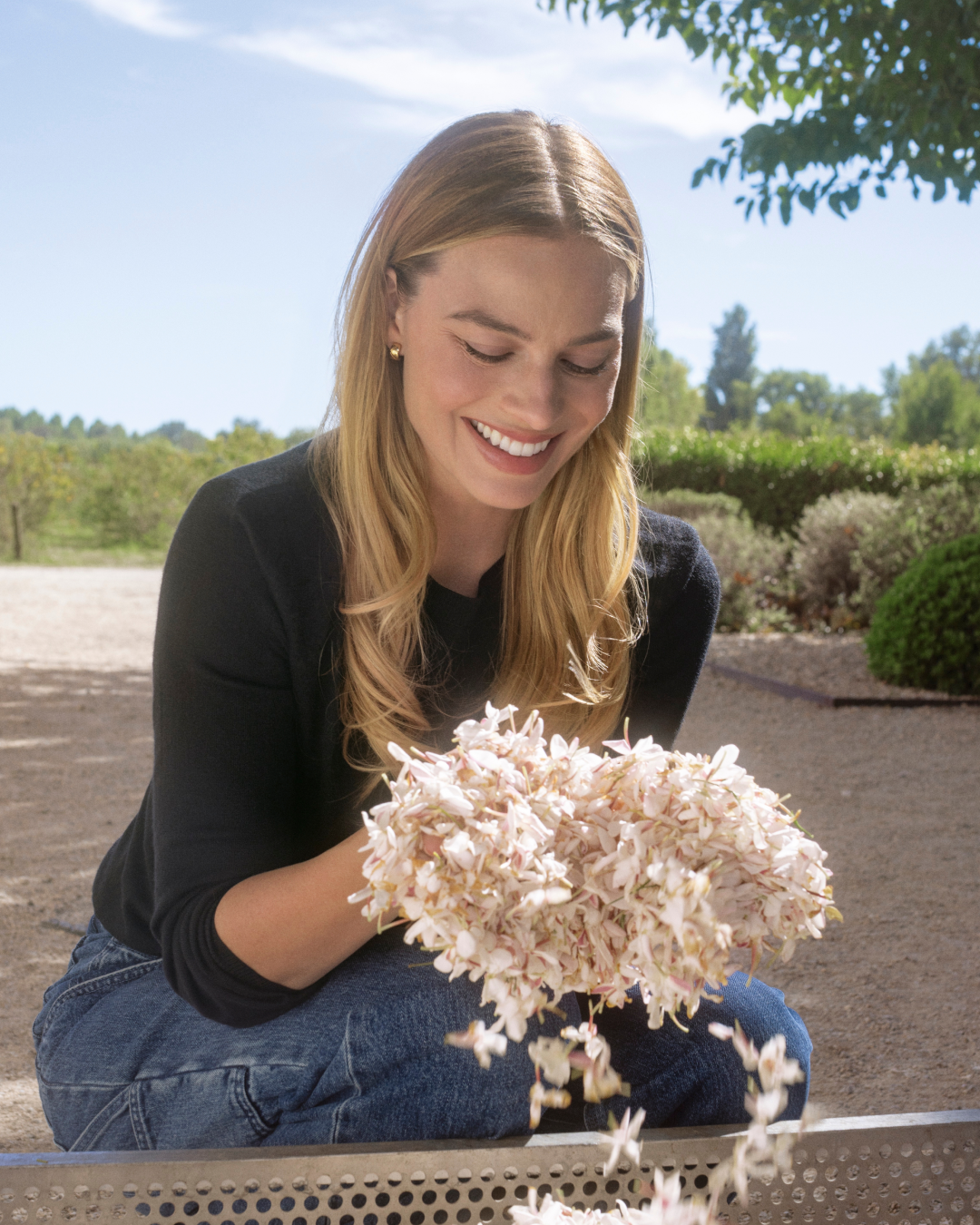
Margot Robbie Discovers the Secrets of CHANEL Fragrances
In a new short film, the actress meets Olivier Polge among the jasmine fields of Grasse