



























Gucci by Demna and the desirability of objects The analysis of the see-now-buy-now strategy
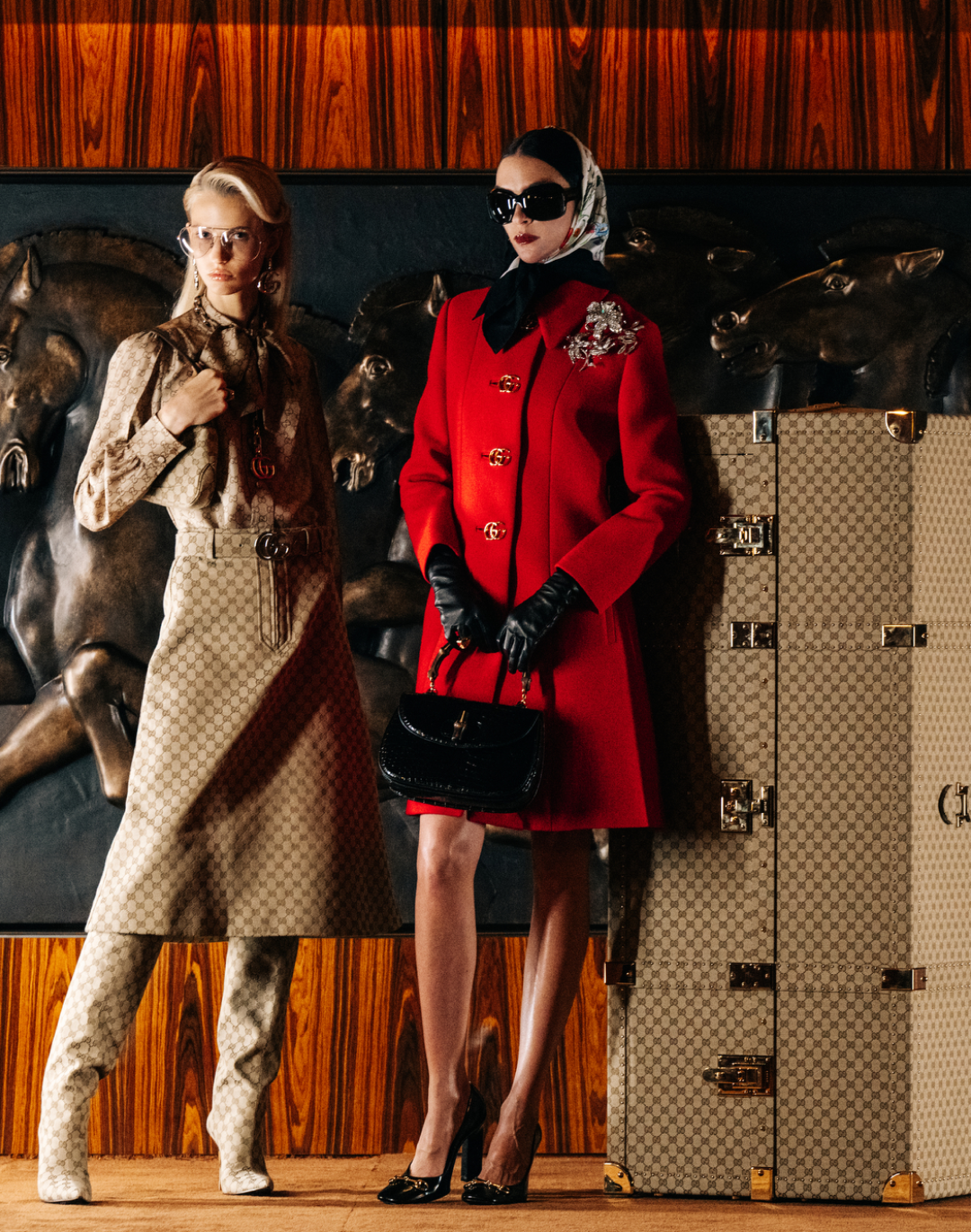
From September 25 until October 12, the Gucci La Famiglia collection will be available in ten selected flagships around the world. No, it’s not a glitch: the famous (and fast) debut of Demna for Kering’s leading maison has already hit stores, just 72 hours after Monday’s presentation at Milan Fashion Week. The Georgian designer, who spent a decade at the helm of Balenciaga, was announced as the new creative director of the Florentine brand last March, alongside the recent CEO change that signals confidence in Francesca Bellettini’s new leadership.
According to reports, his appointment at Gucci only became effective in mid-July; based on this timeline, the team had just over two months (including August) to conceptualize, produce, and deliver to boutiques the 37 looks built on Italian archetypes, the SS26 creative idea that dropped by surprise Monday morning on the brand’s official channels. On top of that came the production of The Tiger, the fashion film directed by Spike Jonze that replaced a runway show as the collection’s presentation. Was it really necessary to move this fast? Debuts like Michael Rider at Celine and Matthieu Blazy at Chanel took over a year from announcement to runway. Why then, for a debut as anticipated and imposing as Demna’s, opt for the see-now-buy-now strategy?
Kering is seeking a rebound
Rush appears to be the fil rouge of this new Gucci chapter: the rush to find a creative director with a sufficiently weighty profile to relaunch the brand, the rush to stage his debut, the rush to distribute the collection across the ten most strategic locations for sales (Milan, Paris, Shanghai, Beijing, Seoul, Tokyo, New York, London, Los Angeles, and Singapore). Above all, there was urgency to get Kering back on track, alongside Gucci, which, though under strain, remains the group’s main engine.
Over the past year, the group has faced arguably one of the most difficult periods in its history: a 25% drop in sales, real-estate debt, Pinault stepping down as CEO, the unstable situation with Mayhoola and Valentino, and even dropping out of Europe’s Top 50 stocks. Once a direct competitor to LVMH, Kering now seems to be playing in a different league: one conglomerate keeps growing, despite tariff wars, labor scandals, high global inflation, and a general consumer fatigue, while the other struggles to resurface. To recover, Kering (and Gucci) didn’t need fleeting virality, but hype and desirability.
Gucci by Demna: stylistic influences
Gucci by Demna / Gucci by Tom Ford SS97 pic.twitter.com/IUCNe288w7
— Maximilian Kilworth (@MaxKilworth) September 22, 2025
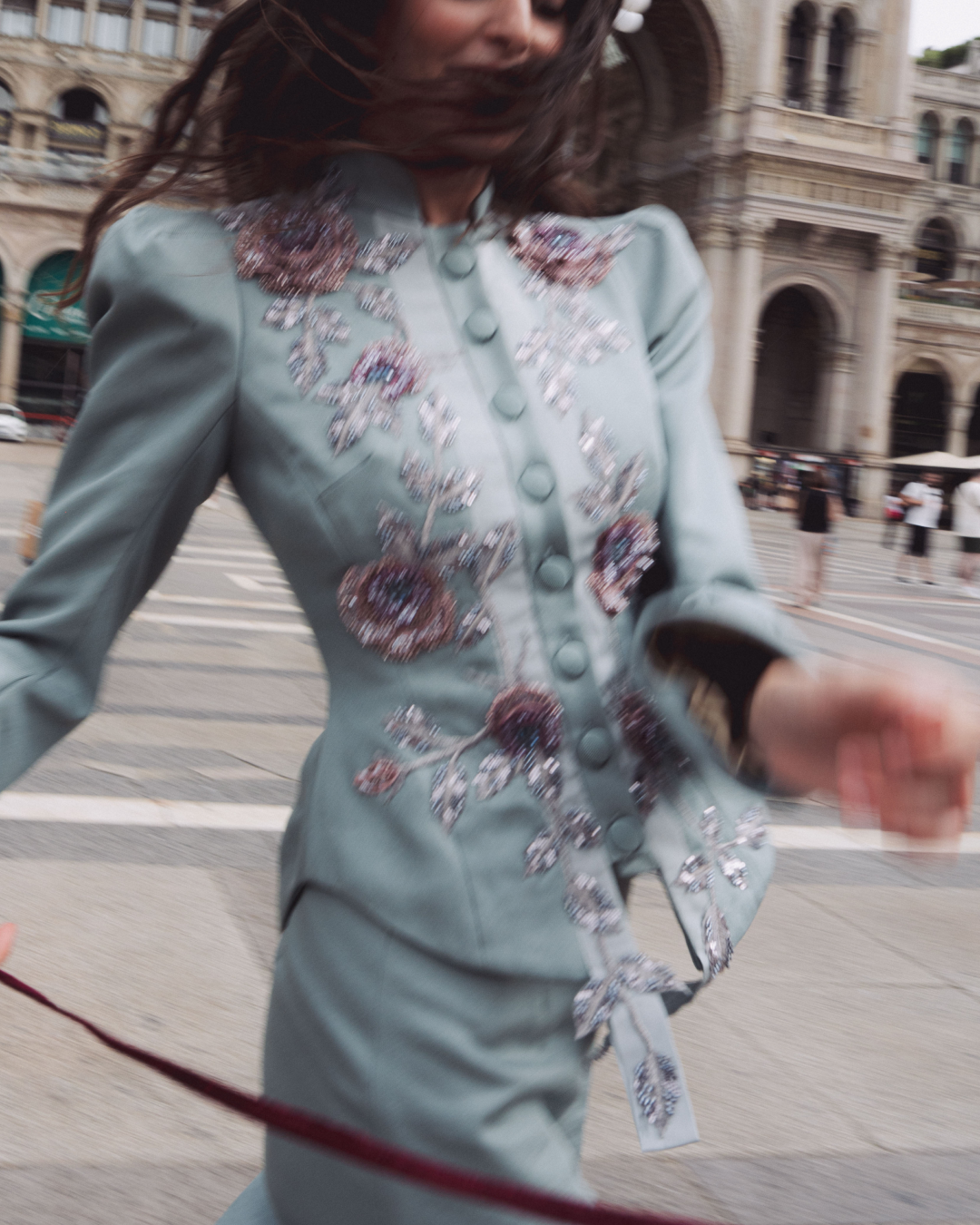
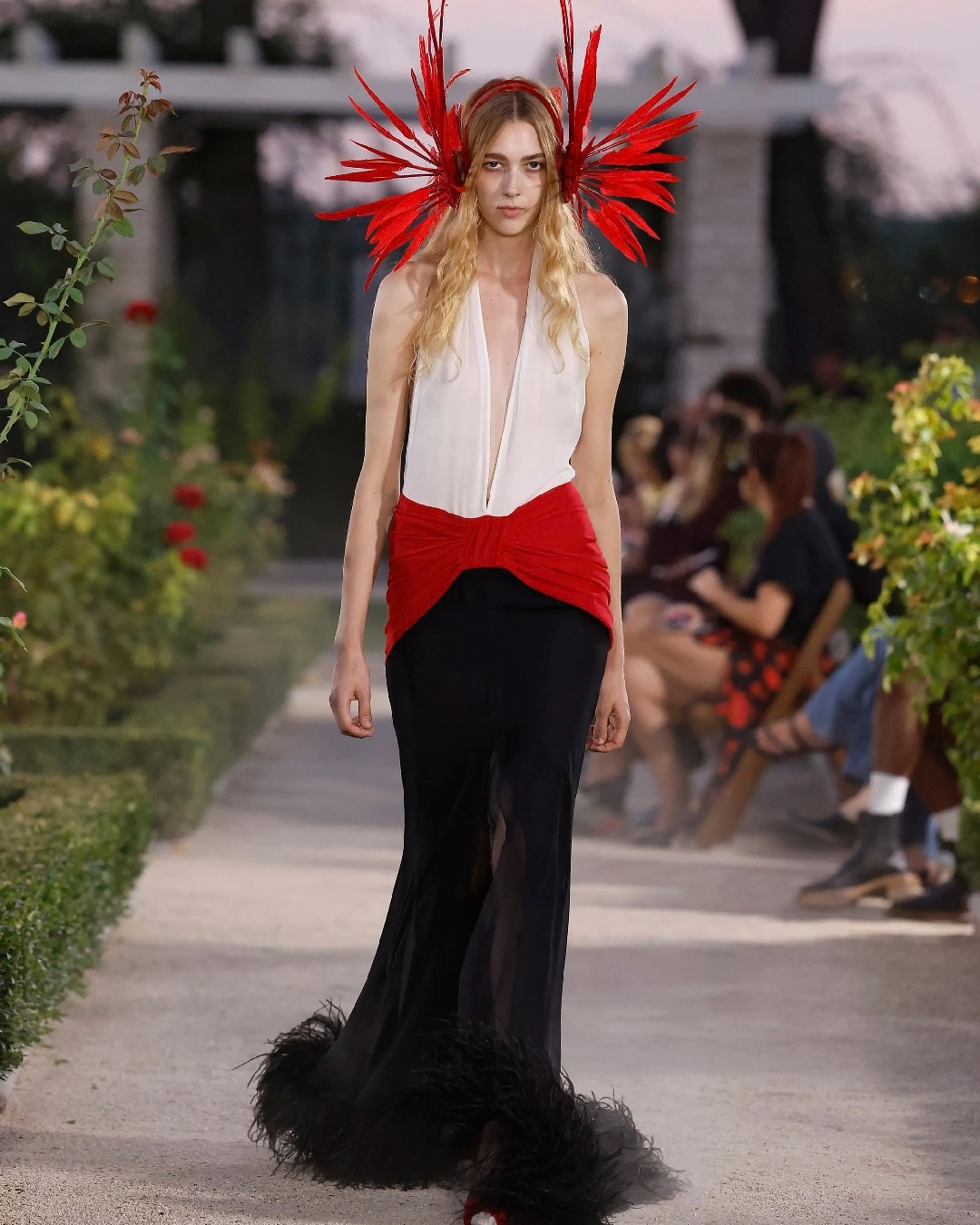
Whoever the strategist behind this debut was, they moved smartly and fast, perhaps aided by behind-the-scenes work from the group’s ace up the sleeve, Bellettini. Starting with the collection itself, which packs enough references to Tom Ford and Alessandro Michele to satisfy nostalgics, while still articulating the maison’s codes in a distinctly “Demna-esque” register, winning over the designer’s fans as well.
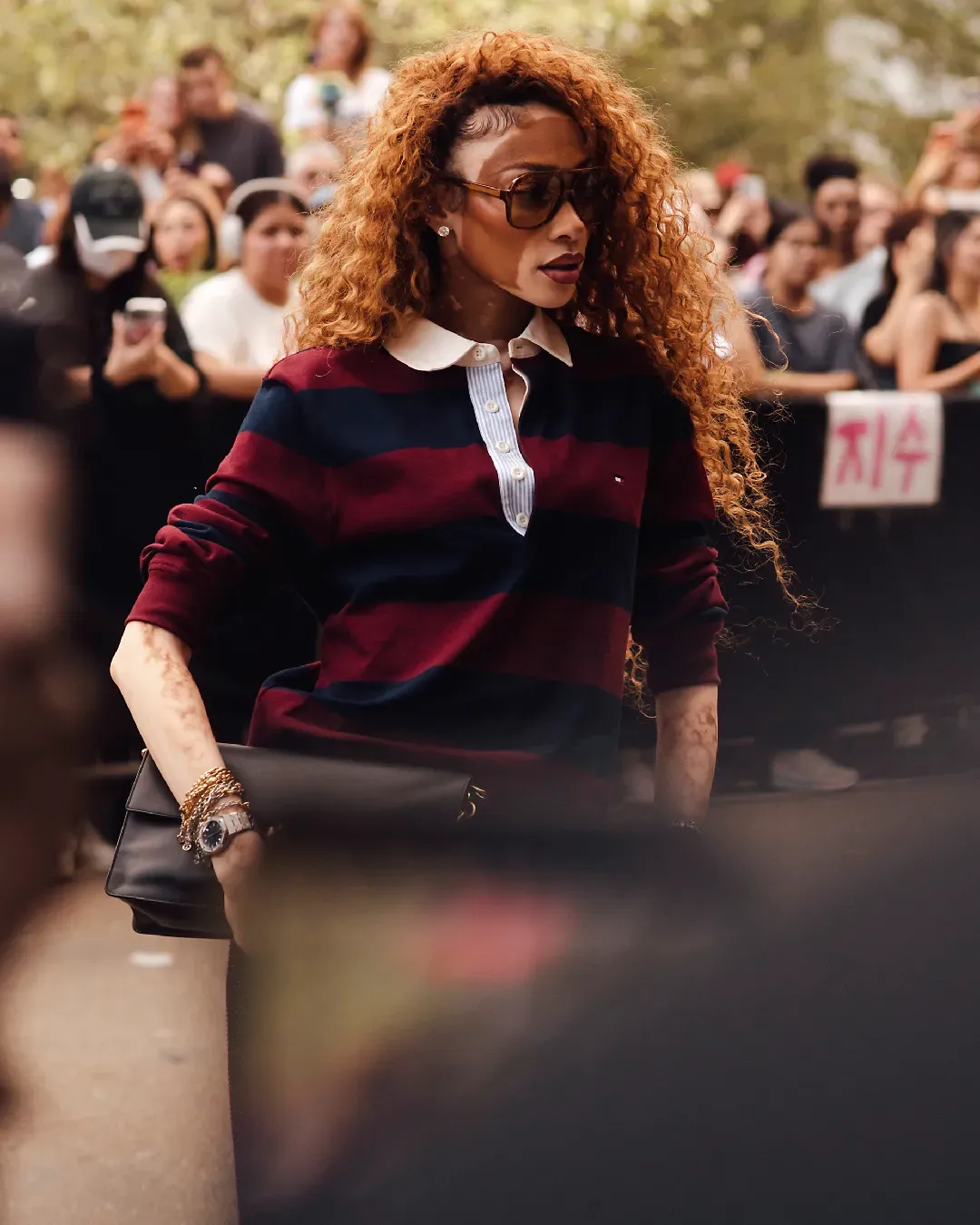
Then came the decision to forgo a show and instead rely on a fashion film featuring some of the most recognizable names in the entertainment system: nods to the ultra-viral body horror The Substance with Demi Moore, an appearance by the model of the year (and of an entire generation) Alex Consani, and a narrative oscillating between banal and gripping, enough to keep viewers glued for half an hour and already nearing half a million YouTube views in a single day. It all culminated in the film’s premiere on the opening day of Milan Fashion Week, with a red carpet where the casts of The Tiger and La Famiglia took turns presenting Demna’s new Gucci to the public.
What hasn’t worked at Gucci?
@nssmagazine Alex Consani arriving at Gucci SS26 - The Tiger premiere #gucci #alexconsani #ss26 #milanfashionweek #alexconsaniedit original sound - Alex Consani
It was once said that under Tom Ford, Gucci prospered because it sold sex without worrying about controversy. But how do you sell luxury to a generation that isn’t having sex? How do you make such a steep price point desirable without the eternal promise of glamour and sensuality? The answer is hype: that mass hysteria that, in a few months, turns an object or an aesthetic from unknown to essential (see Labubu). But today's hype doesn’t last long enough, in a generation that swings between ADHD impulses and the belief that the next thing will always be better. As Jessica Kwon, an editorial apprentice at BoF, noted on The Debrief podcast, investors are increasingly unwilling to bet on creativity, preferring profitability and consistency. Wholesalers and retailers expect immediate results, with pressure to perform from day one on the shelves.
This was likely the first misstep in Sabato De Sarno’s tenure: his debut collection reached stores with heavy delays, hampered by production issues and the worldwide overhaul of flagship boutiques. So while everyone was singing Ancora by Mina, stores were still stocked with post-Michele studio collections. One of the many timeline discrepancies of Gucci’s previous creative direction, starting with the fact that, while the fashion branding pivoted to that Bordeaux minimalism, the beauty line still carried Alessandro Michele’s baroque imprint, from packaging to advertising, echoing the current Valentino creative director.
See-now-buy-now as the answer
@nssmagazine Take a closer look at the new Gucci horsebit jacket worn by Nettspend yesterday at Demna’s debut. #gucci #nettspend #mfw #fashiontiktok original sound - luxel edits - user27144768249
It is precisely to bridge this gap between hype and reality that the magic of see-now-buy-now comes into play: the missing piece that turns volatile attention into immediate action. No more stretched-out waiting that risks letting desire evaporate, but the promise of instant gratification. This is a return to the basics of marketing with the AIDA model (attention, interest, desire, action), which leads to a clear outcome: sales. After all, the new strategy was teased as early as last June and is now being tested for a limited period in key luxury markets, some of the very same markets that contributed to the sector’s downturn.
If sex no longer sells, a bit of edging, that constant tension between desire and fulfillment, can become the new engine of consumption, motivating aspirational shoppers and loyal clients alike, as well as TikTok fashion critics. Ultimately, luxury is no longer purchased solely for status or belonging, but for its ability to embody a personal transformation, however illusory. As Rachel Tashjian notes in the Washington Post, those who buy a handbag or a flamboyant dress aren’t interrogating the designer’s mood boards or fidelity to house codes: they’re buying into the promise of change, the irrational belief that an expensive talisman can rewrite their identity.