





















With Arnault on the board, could LVMH buy Nike? Alexandre Arnault joins the company's board as oligarchic fashion accelerates
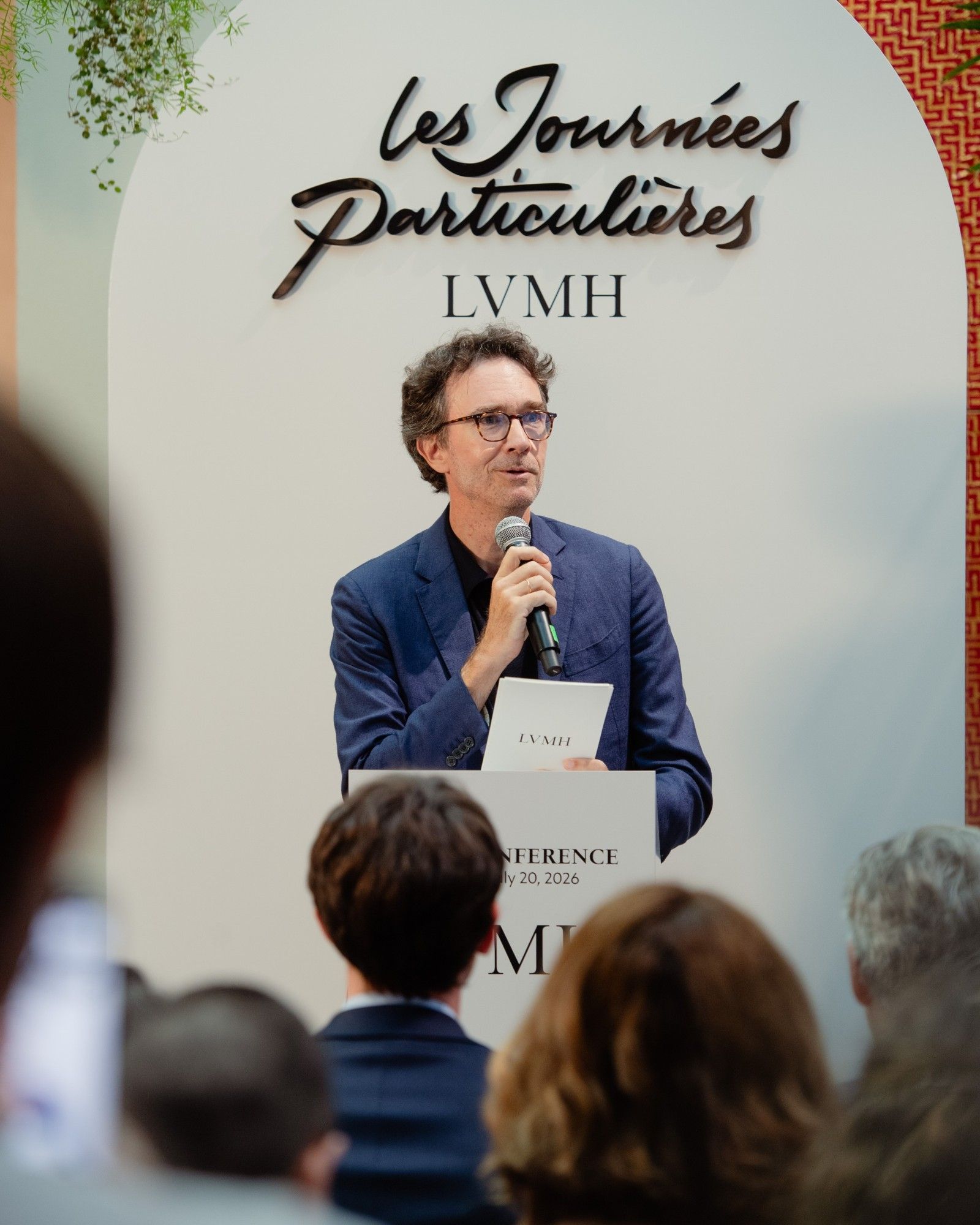
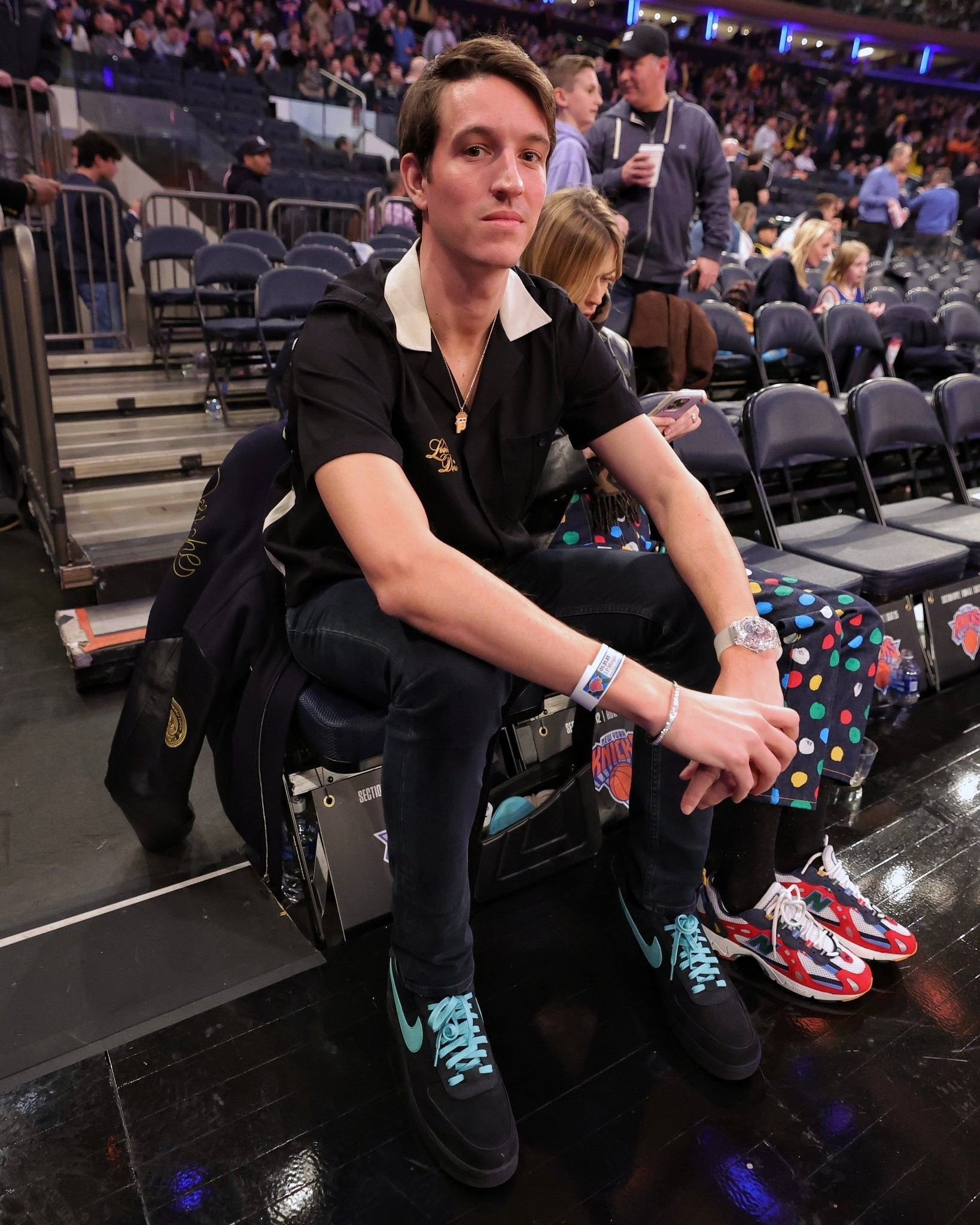
On Wednesday evening, Nike announced the appointment of Alexandre Arnault, son of Bernard Arnault, to its board of directors. The news had an immediate, if very slight, effect on the brand's stock performance, with shares closing up a modest 1.6%. It was impossible to tell, however, whether this sign of lukewarm enthusiasm reflected a lack of confidence in Nike — whose performance has deteriorated significantly in recent years — or the doubts raised by this appointment. Indeed, the move could hint at something bigger than a simple new board member.
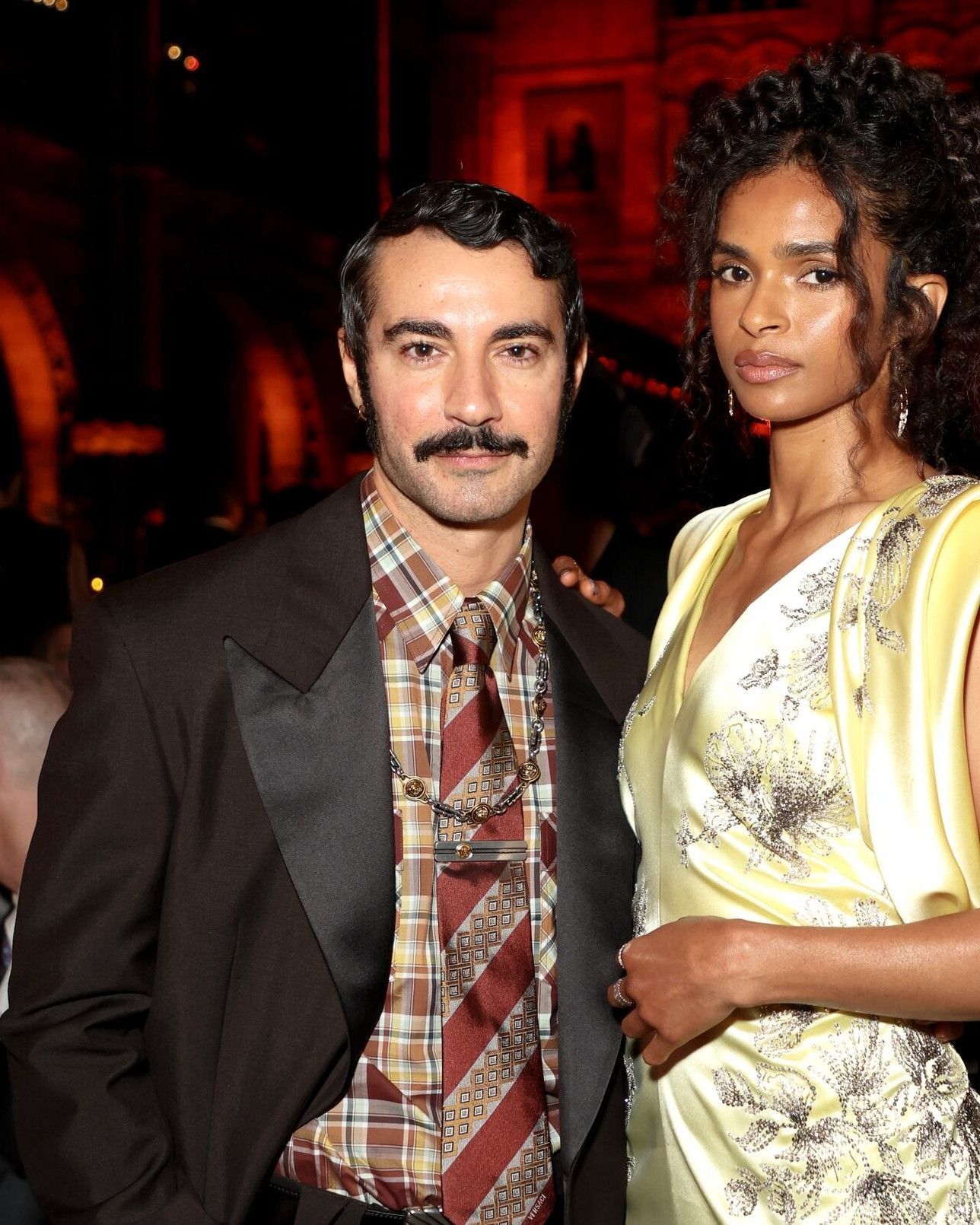
Alexandre Arnault has for years been one of the key figures in managing brands that the Arnault family had acquired, joining their boards immediately after major acquisitions. The young Arnault is also a runner and sports enthusiast, a field in which the fashion world's imperial family has invested heavily in recent years. So we should ask ourselves: does LVMH intend to buy Nike?
The Sports Empire
Alexandre Arnault is young but already has considerable experience — specifically, experience with major global brands that his family had just acquired, serving as a key figure in their revival. It all began ten years ago with the acquisition of Rimowa, announced in 2016, completed in 2017, and then fully consolidated in 2021. Alexandre Arnault was appointed co-CEO at the time of the announcement, became sole CEO around 2019, and then left the position in 2021. That very year, LVMH completed the historic acquisition of Tiffany & Co., and Arnault became Executive Vice President of Product, Communications and Industrial on the same day the deal closed, remaining there for four years — overseeing, among other things, the Nike x Tiffany Air Force 1 1837 collaboration in 2023.
Also in 2021, L Catterton and Financière Agache (the Arnault family's investment vehicle) acquired a controlling stake in Birkenstock, and here too, Alexandre Arnault joined the board of directors almost immediately, remaining until last August — a period of six years. Then, when in 2024 LVMH acquired a minority stake in Double R, Remo Ruffini's vehicle that controls the Moncler empire, Alexandre Arnault became a non-executive director in April 2025, only to resign last July after just over a year, replaced by Sidney Toledano, another key member of LVMH's senior leadership.
The pattern is so precise that when Agache acquired shares in the Carrefour supermarket chain in 2019 and then exited in 2021, Alexandre Arnault joined and left the board of directors on the same timeline. Add to this his presence among LVMH's directors in 2024 and his appointment as deputy CEO of the conglomerate's spirits division, Moët Hennessy, in February 2025. In short, his entry onto a brand's board of directors always appears to be synchronised with or subsequent to the injection of capital by the family or the group.
The Nike Anomaly
@vincenzolandino Nike is circling a deal with Formula 1 just as @alexarnault joins Nike's board. Call it a sign. I think we'll be seeing Nike in F1 very soon. #f1 #SportsBiz #f1tiktok #shotoniphone #nike @businessofspeed @Nike @LVMH original sound - Vincenzo Landino
His arrival almost always coincides with a repositioning, internal synergies with other LVMH brands, a push toward digital, and market elevation through collaborations. The Nike case is therefore thought-provoking, because it is the only instance in a decade where his arrival does not coincide with a capital injection, but rather with the moment when Nike's shares are at their decade-long historic lows — and are therefore undervalued. Nike has lost more than 80% from its 2021 peak and is trading around $35–36 per share. Contributing factors include a decline in sales, the familiar performance issues in China, and a general cooling of brand equity.
Arnault could therefore bring his expertise in collaborations, expansions, investments, and above all premium repositioning. The issue is that his arrival does not always herald better times for the brands involved — at least not immediately. In 2025, Moët Hennessy recorded a 9% drop in revenues and a 25% collapse in recurring operating profit — among the worst performances of any LVMH division — only now recovering with an organic rebound in the first half of 2026. According to Bloomberg, also last year, there was some turbulence at Tiffany & Co. as well (reports spoke of missed sales targets and a staff exodus), though that too appears to have seen a recovery this year.
It is therefore legitimate to ask how much a manager who has led struggling divisions is the ideal person to help Nike out of the quagmire — or whether, instead, he is the ideal figure to get a proverbial foot in the door, especially given that the young Arnault stepped down from his roles at Birkenstock and Moncler this summer, only to announce his entry into Nike in September. It is fair to ask whether the oligarchs of global fashion want to save Nike or study it from the inside, influence its product and distribution decisions, and perhaps lay the groundwork for a more structural operation.
LVMH and Sport
Nike taps Alexandre Arnault as board member at a moment of crisis for the sneaker maker. Shares in the doldrums, the brand has lost fans to Adidas but also Hoka, On in recent years. Arnault recently stepped down from Moncler and Birkenstock boards presumably to allow time for… pic.twitter.com/cZE7QIHwHa
— Angelina Rascouët (@arascouet) September 16, 2026
Starting in 2024, LVMH descended on the world of sport in a true campaign of conquest. First, the group became the principal partner of the Paris Olympics that year with an investment of 150 million euros, a flurry of tie-ups with athletes who became brand ambassadors, and the participation of its brands in every key moment of the ceremony: Dior designed the looks for the artists and performers at the ceremonies, Louis Vuitton created the trunks for the Olympic torch and the medal trays designed by Chaumet, Berluti made the outfits for the French delegation, and every single drop of champagne or spirits consumed throughout the duration of the Games came from the cellars of Moët Hennessy.
A few months later came the ten-year partnership with Formula 1 as Global Partner. A masterstroke that saw TAG Heuer become the official timekeeper of the race, replacing Rolex, Louis Vuitton create the trophies and their trunks, and, as ever, Moët & Chandon supply all the champagne and spirits served throughout the competition. Now that global luxury is slowing down, sport and its athletes are becoming the key to a mass market and to an ecosystem of highly lucrative alliances — in other words, a gold mine. And a huge piece of that gold mine, both symbolically and literally, is Nike itself. What would happen if every Formula 1 athlete started wearing Nike? We may find out soon.
Of course, Alexandre Arnault is on Nike's board, not its CEO. But in a context of a failed turnaround, a depressed stock, and a search for renewed desirability, the entry of a member of the world's most powerful luxury family is not a neutral move. It may well be an injection of premium know-how, but it could equally be the first step toward ever-greater influence — perhaps the prelude to something bigger. From a classic synergistic partnership (we'll know if we see LVMH brands collaborating with Nike, Jordan, or Converse), to a joint venture, or even a serious assessment of what it would actually cost to get their hands on a piece of the Beaverton brand.