




















Irving Penn at the Maison Européenne de la Photographie Unquestionably the exhibition of the season
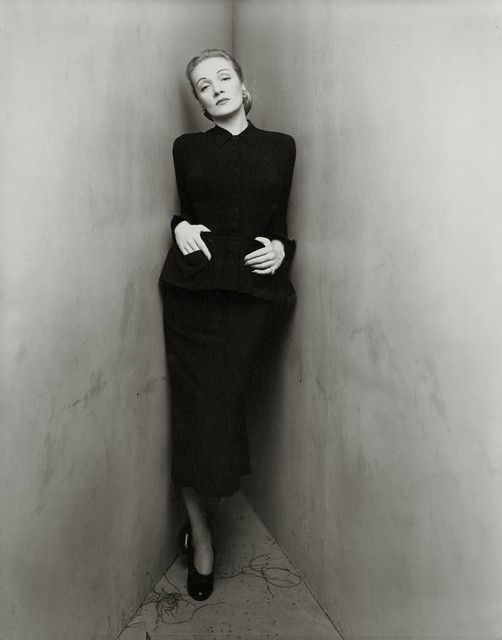
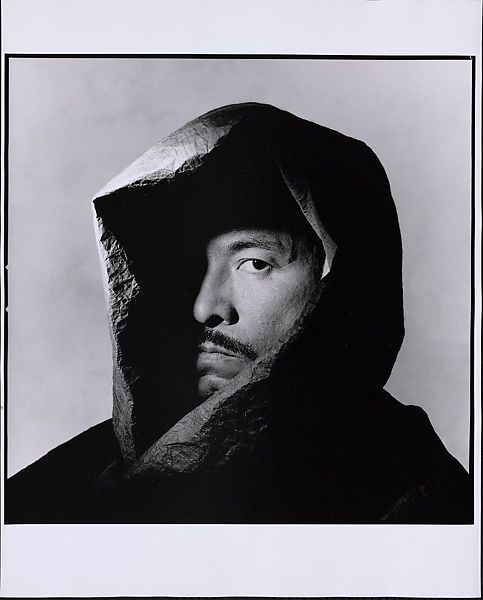
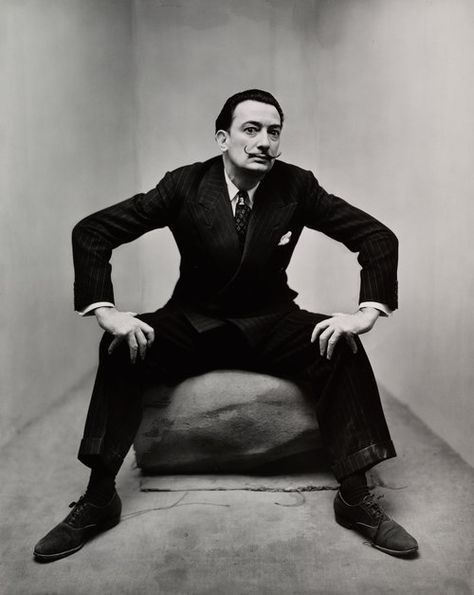
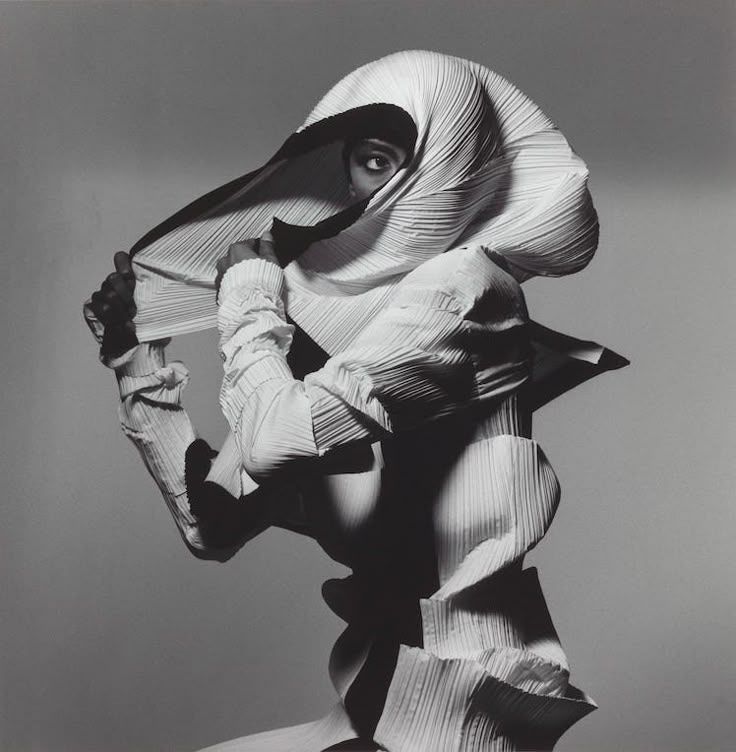
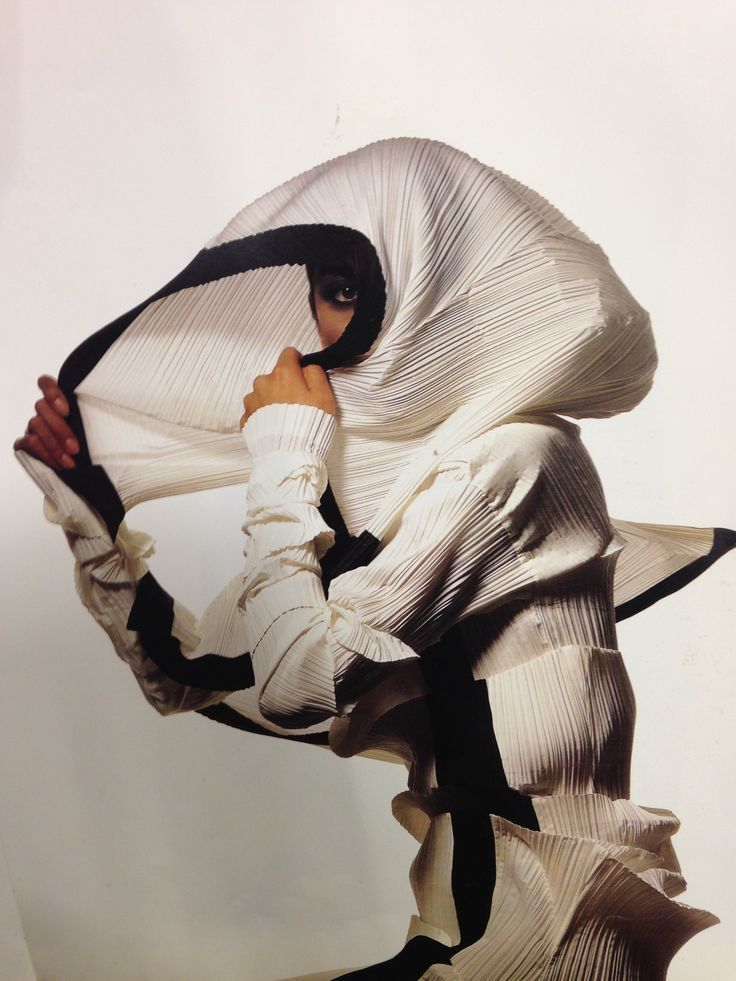
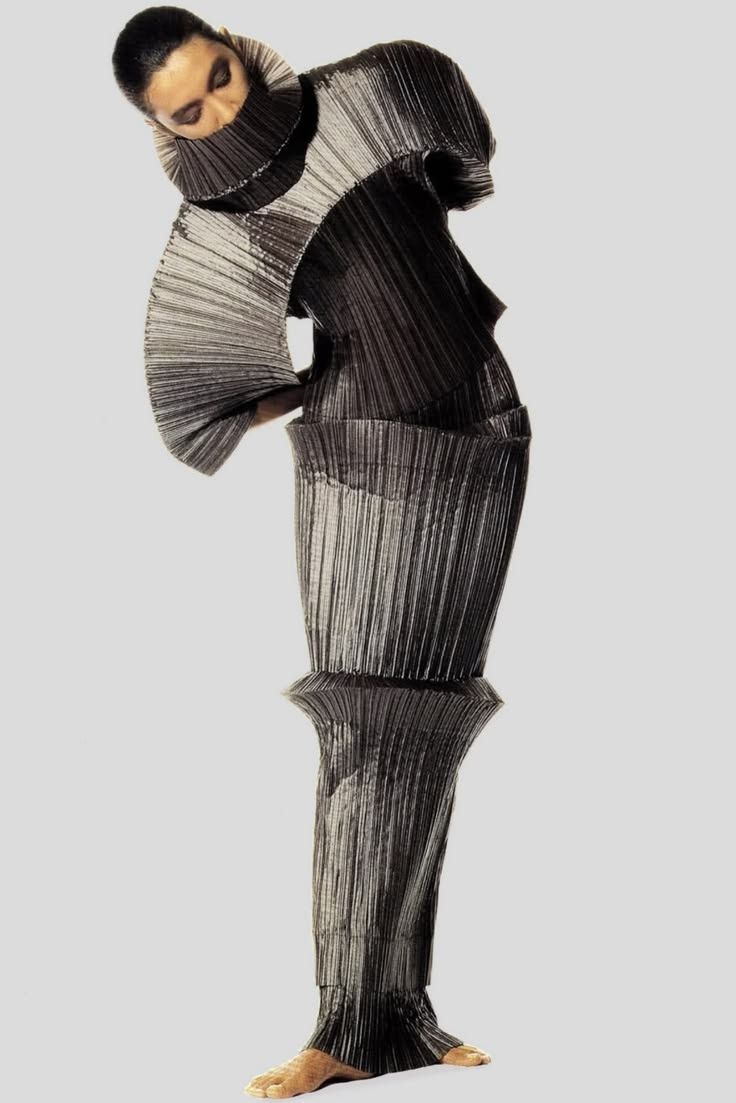
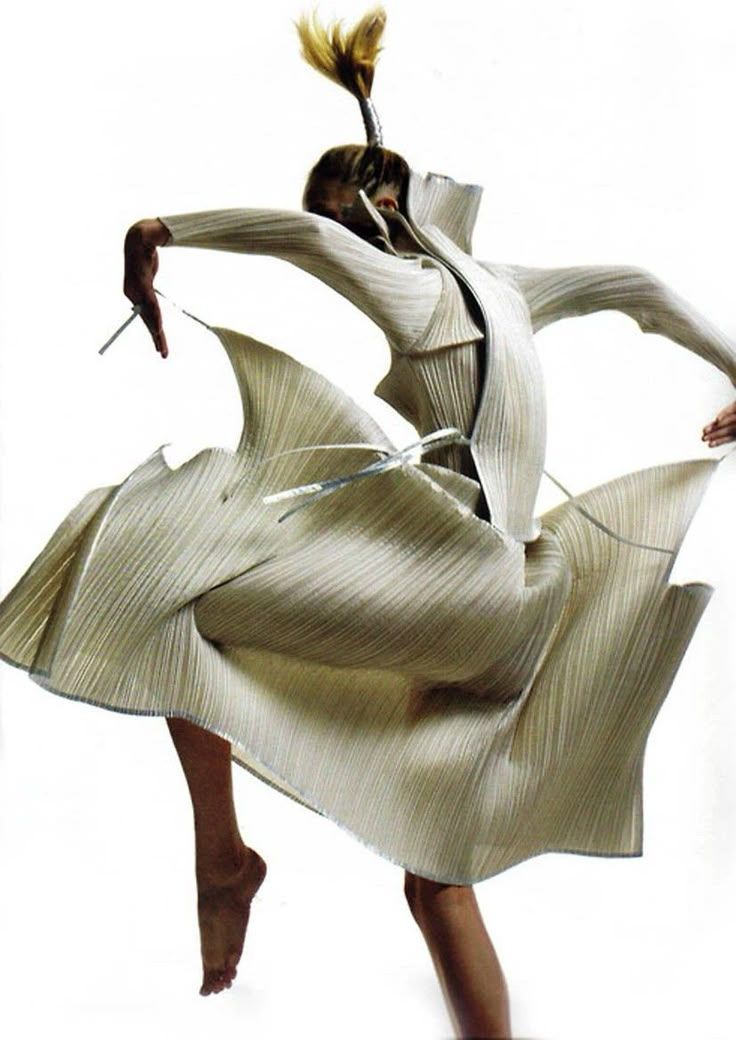
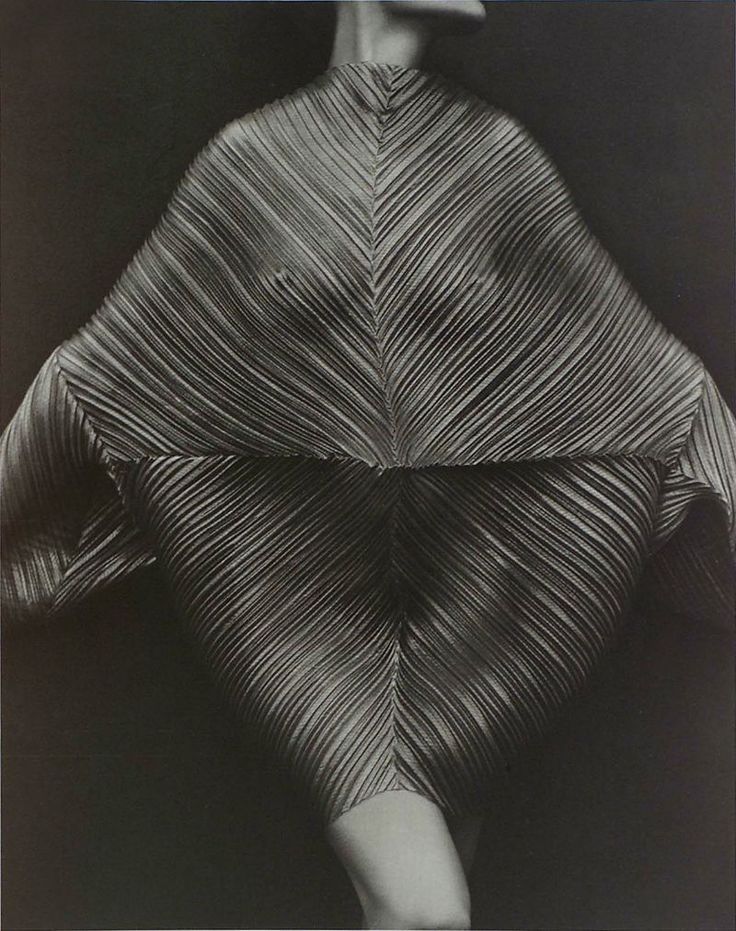
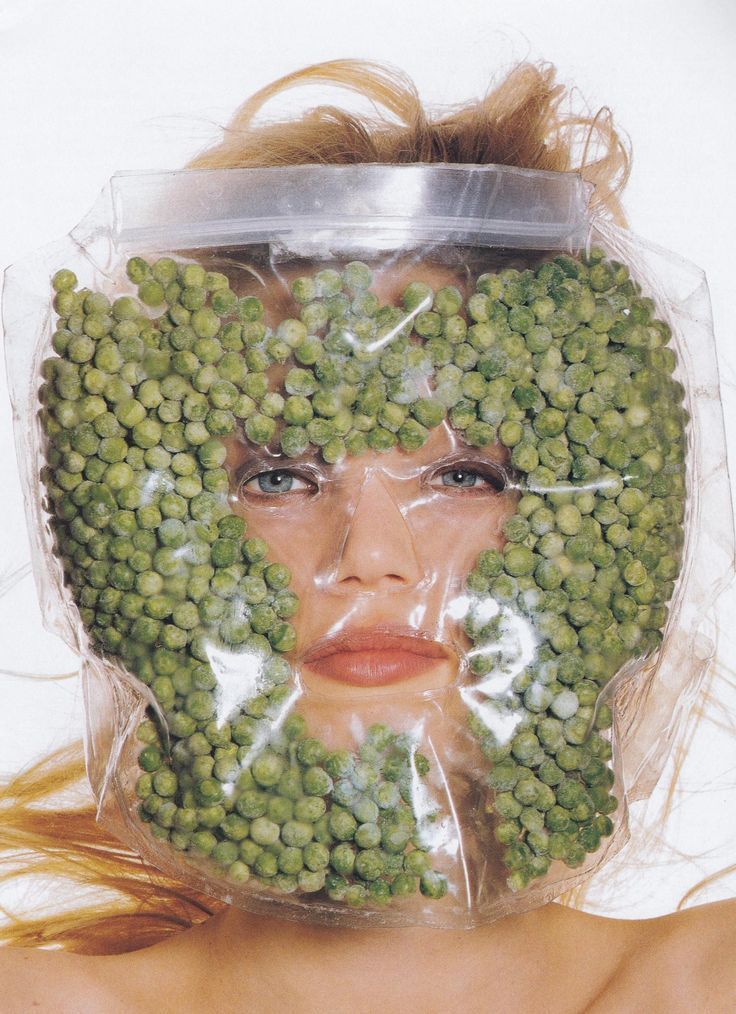
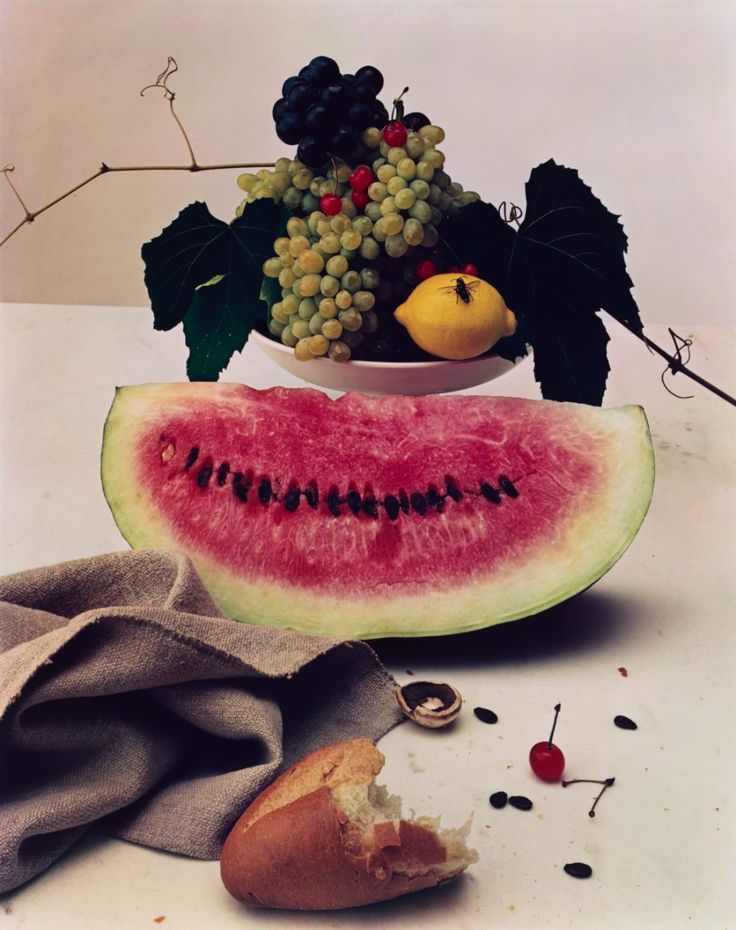
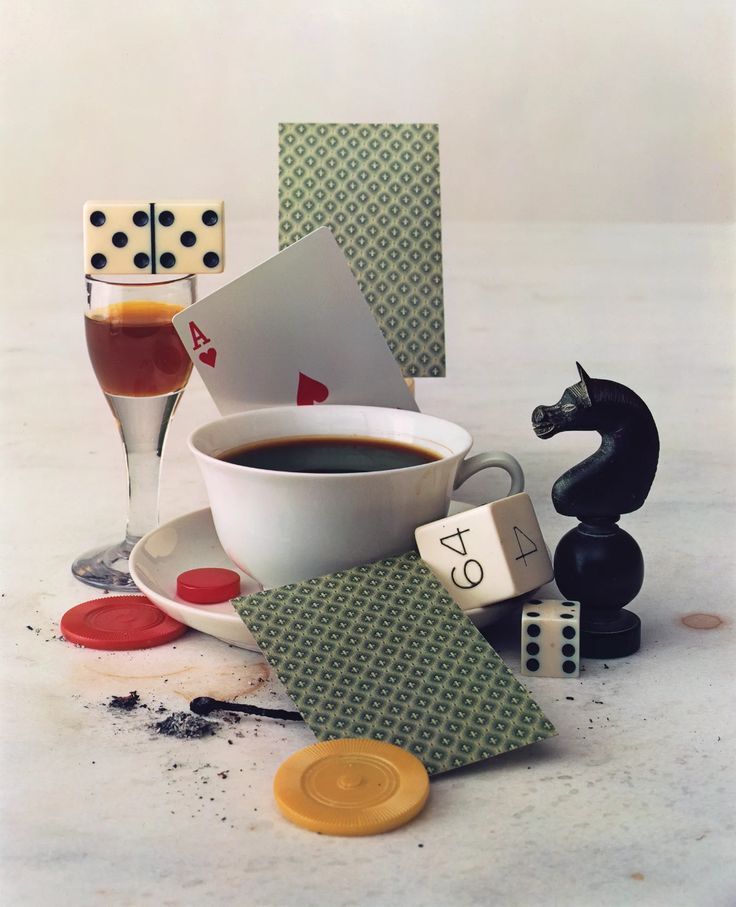
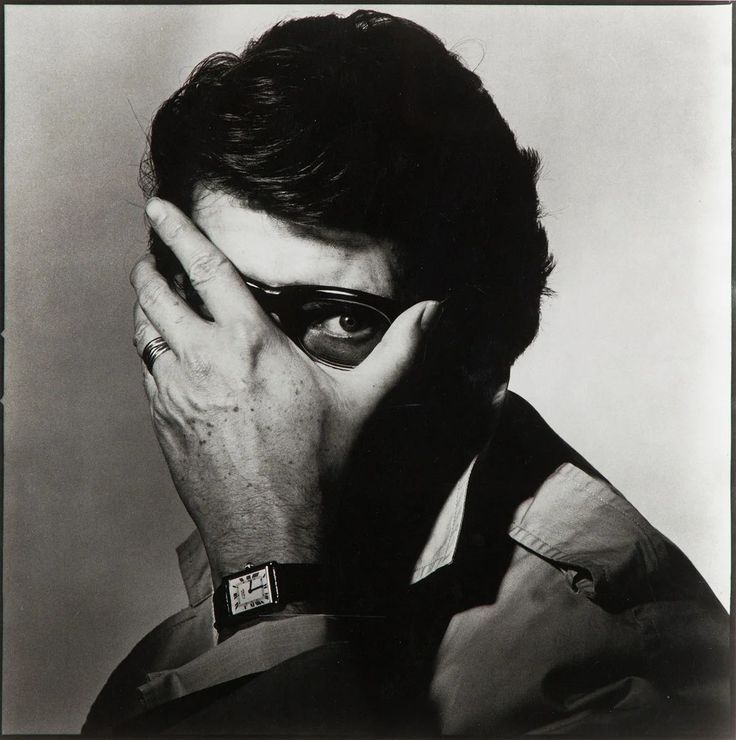
It’s the absolute must-see event in Paris this autumn. From September 30, 2026, to January 17, 2027, the Maison Européenne de la Photographie (MEP) honors the immense Irving Penn (1917–2009) with an exceptional retrospective titled PENN & FASHION.
Studio craft and the pursuit of the sublime
Trained under the legendary Alexey Brodovitch at Harper’s Bazaar, Irving Penn was spotted by Alexander Liberman and shot his very first cover for Vogue in 1943. It was the starting point of an extraordinary creative partnership spanning over sixty years.
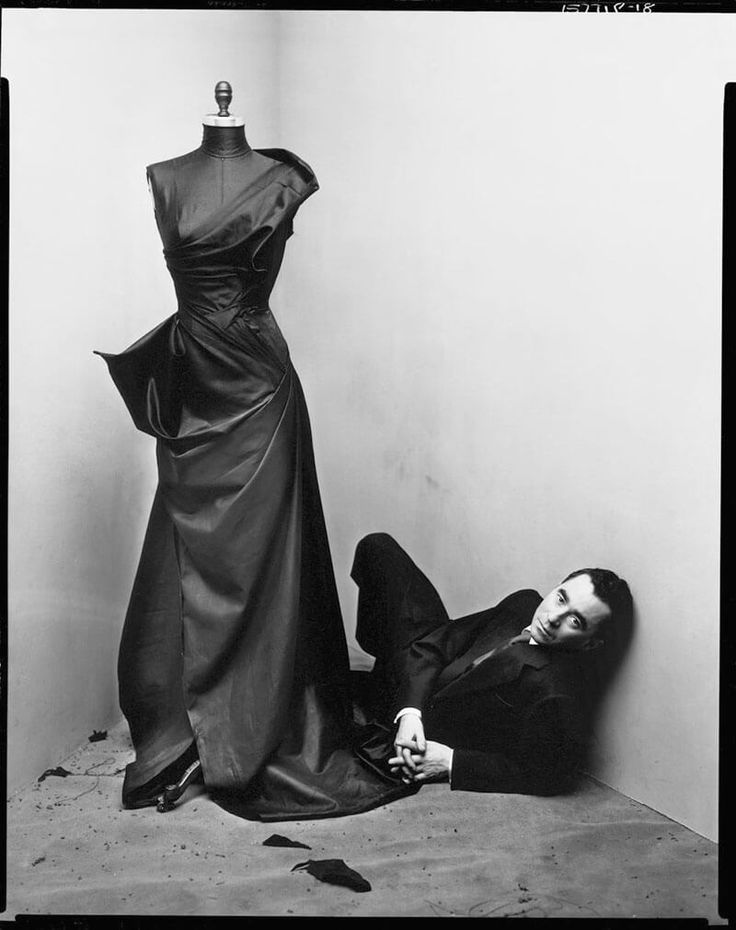
A master of framing, Penn built a body of work defined by radical minimalism. His studio was his sanctuary: wherever he went - whether Paris, Papua New Guinea, Morocco, or Peru - he systematically recreated his stripped-back backdrop, most famously anchored by an old theater curtain he found in Paris in 1950.
In the early 1970s, stepping away from editorial magazine work, the artist embarked on fiercely bold personal visual research. He elevated the mundane, transforming cigarette butts and urban debris into exquisite still lifes using the demanding technique of platinum-palladium printing -a process he had mastered to perfection since 1964.
The MEP and Irving Penn: an intimate relationship
The history between the MEP and Irving Penn runs deep. From the institution’s opening in the 1990s, the American photographer placed complete trust in the Paris museum, encouraging the creation of a collection that is today unique in the world.
Comprising 109 prints made by the artist himself, this collection spans Penn’s entire career from 1939 to 2007. It moves from his early documentary shots on the streets of New York to his famous Small Trades series, through his portraits of key figures in the art world and his ethnographic photographs. It also features his iconoclastic nudes, his conceptual experiments (Street Material, Underfoot, Wessel), and, naturally, his iconic fashion photographs, famously featuring his wife and muse, supermodel Lisa Fonssagrives.
Enriched over the decades - notably by Penn’s gift of 14 prints from The Bath series in 1996, followed by a donation of 46 prints from The Irving Penn Foundation in 2020 - the MEP’s collection offers an intimate, rigorous journey into the heart of a giant of world photography.
PENN & FASHION: a decade-by-decade odyssey
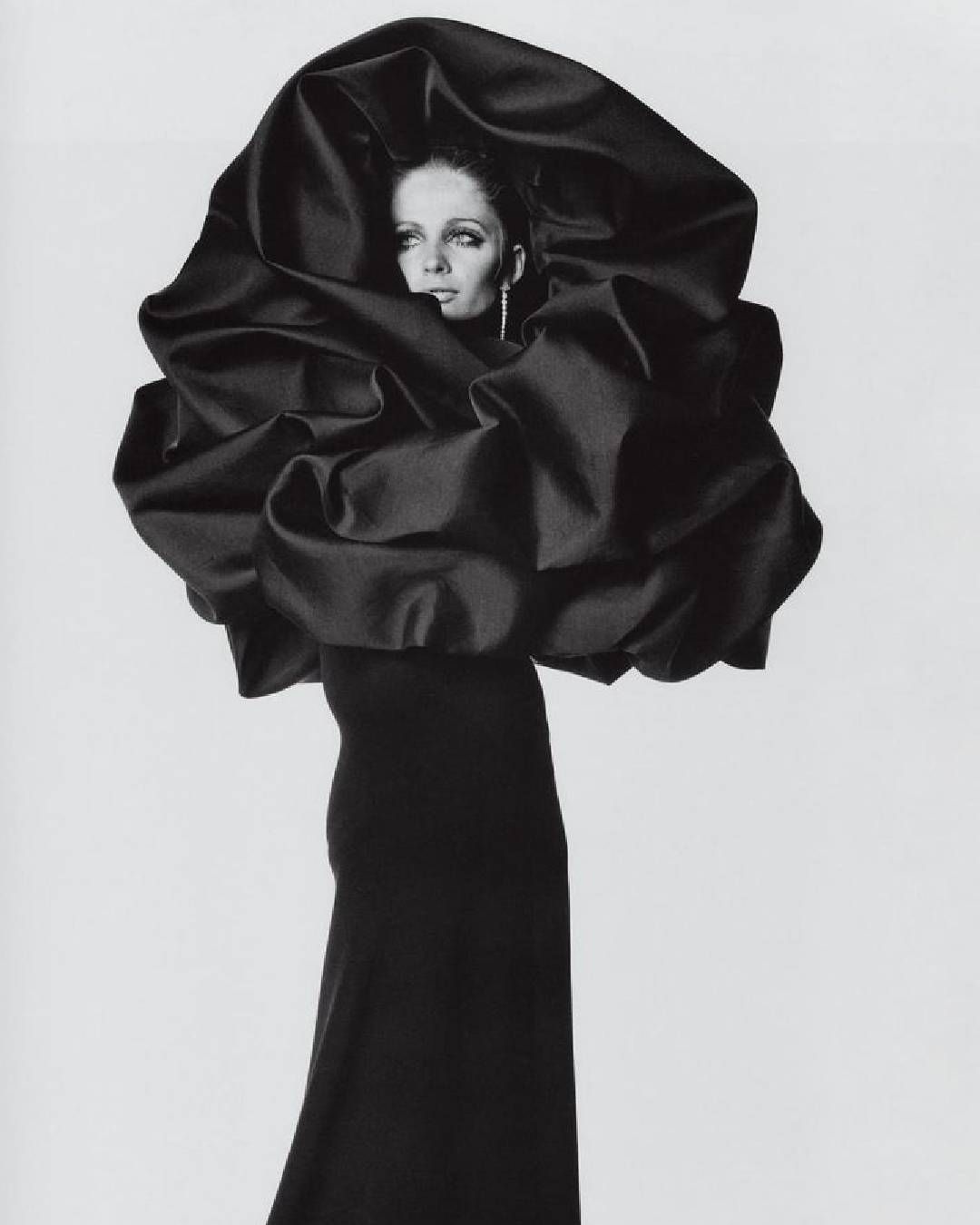
The PENN & FASHION exhibition charts this masterclass of a career chronologically from 1947 to 2008. The museum path opens in the 1950s with the golden age of Parisian haute couture: Dior and Balenciaga, worn by legendary models such as Jean Patchett and Lisa Fonssagrives. In the 1970s, Penn captured the creative freedom of Courrèges and Ungaro, embodied by Marisa Berenson or Lauren Hutton, before showcasing the audacity of Yves Saint Laurent and Karl Lagerfeld in the 1980s. The exhibition also highlights his groundbreaking collaboration with Japanese designer Issey Miyake.
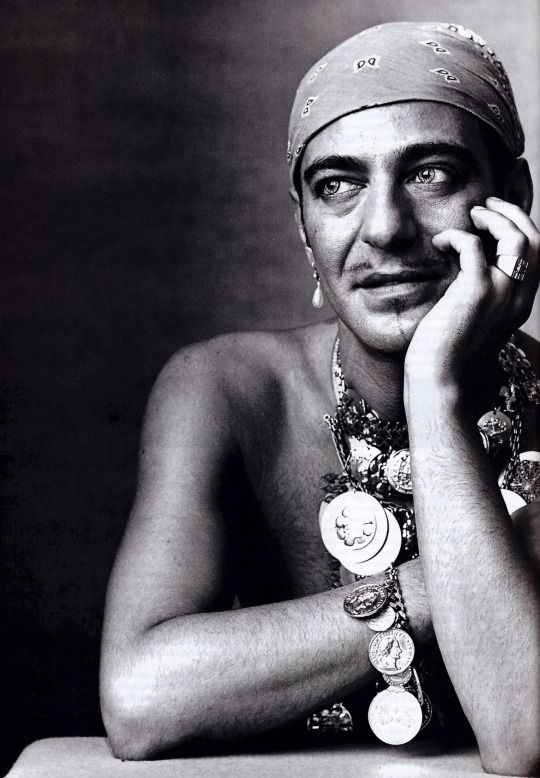
In his final three decades of creation, Irving Penn continued to break boundaries. Whether capturing in color the breathtaking gowns of John Galliano, the opulent silhouettes of Christian Lacroix, the dramatic feather headpieces of Chanel, or immortalizing beauty pages for Vogue in the 1990s and 2000s, the artist maintained the exact same architectural rigor and precise focus on texture and volume. Do not miss this landmark retrospective under any circumstances.