





























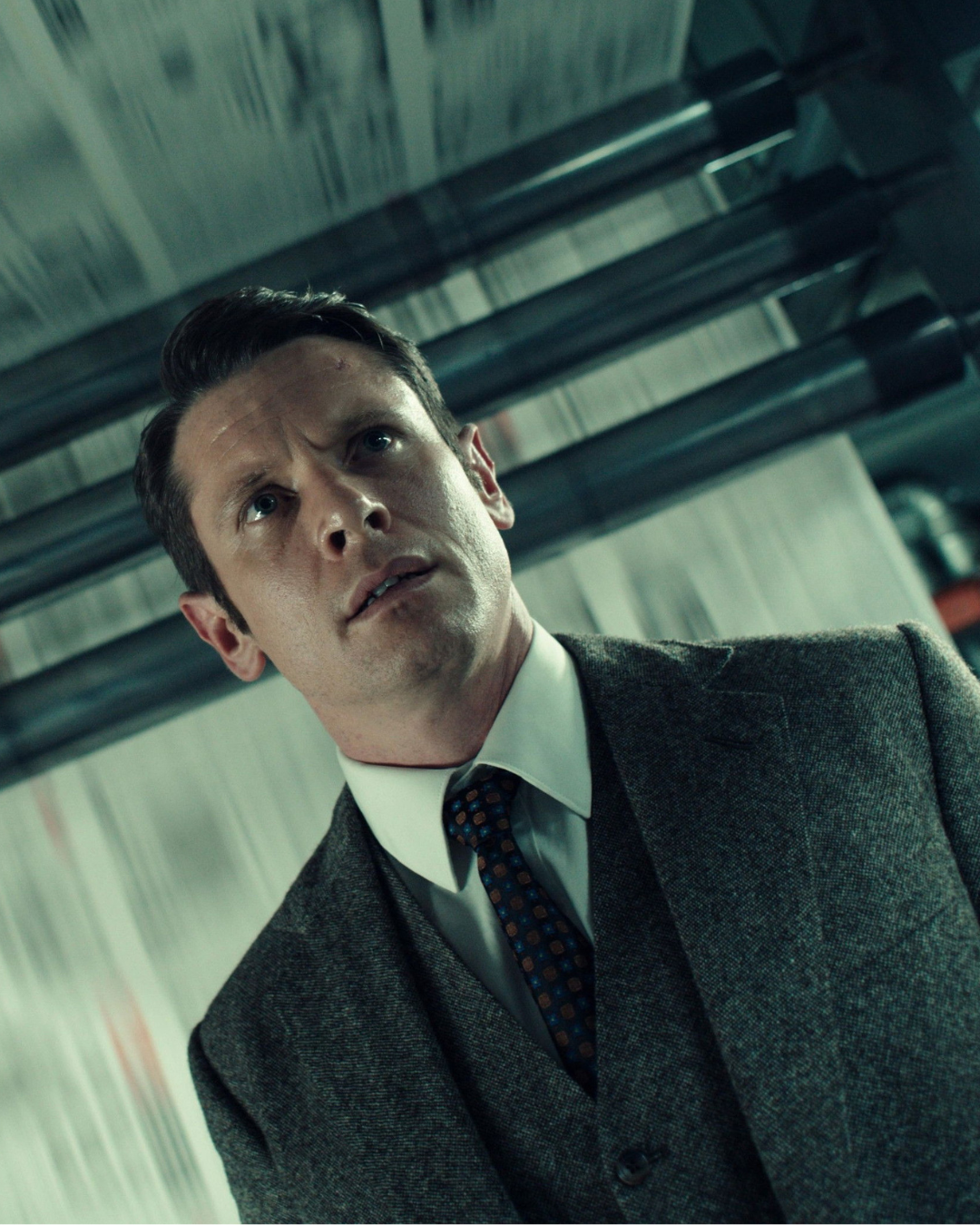
"Ink" is the story of how journalism died At the 83rd Venice Film Festival, Danny Boyle reconstructs the birth of the Murdoch empire
What is a story? A question that countless people must ask themselves every day, as happens in Ink, the film by Danny Boyle. A writer, a director, a journalist. Different professions, yet bound by a common purpose: to win people over. Some say they make films or write books for themselves alone, that they give no thought to a hypothetical audience and that only an artistic impulse drives them to create. It is an honesty veiled by a thin layer of hypocrisy, as well as by a solipsism of which many could be accused, though one must always weigh the nuances.
Perhaps, above all others, it is journalism that has always had to try to navigate between two parallel lines that must somehow intersect: on one side, an ethics tied to the craft; on the other, the need to stay afloat in a world that moves fast and reads less and less. A crisis that publishing is going through right now one might say: thoroughly mired in perhaps unexpected for those who, in earlier years, saw the printed press as the primary source of information. Impossible to beat, pervasive down to the millimetre, and driven therefore not so much by the need to survive, but primarily by the imperative to drive up sales.
Murdoch's rise before Fox News
@studiocanaluk They broke the news. INK – from Academy and BAFTA award winning director Danny Boyle. Starring Jack O'Connell, Guy Pearce and Claire Foy. Only in cinemas January 8th.
original sound - studiocanaluk
This is what the tabloid The Sun went through in the late 1960s, as told by Boyle's film, written by James Graham and based on his 2017 stage play, which transferred from the West End to Broadway. The relaunching of a newspaper not its collapse, as happens to so many outlets today. And also the beginning of the ruin of journalism as a whole.
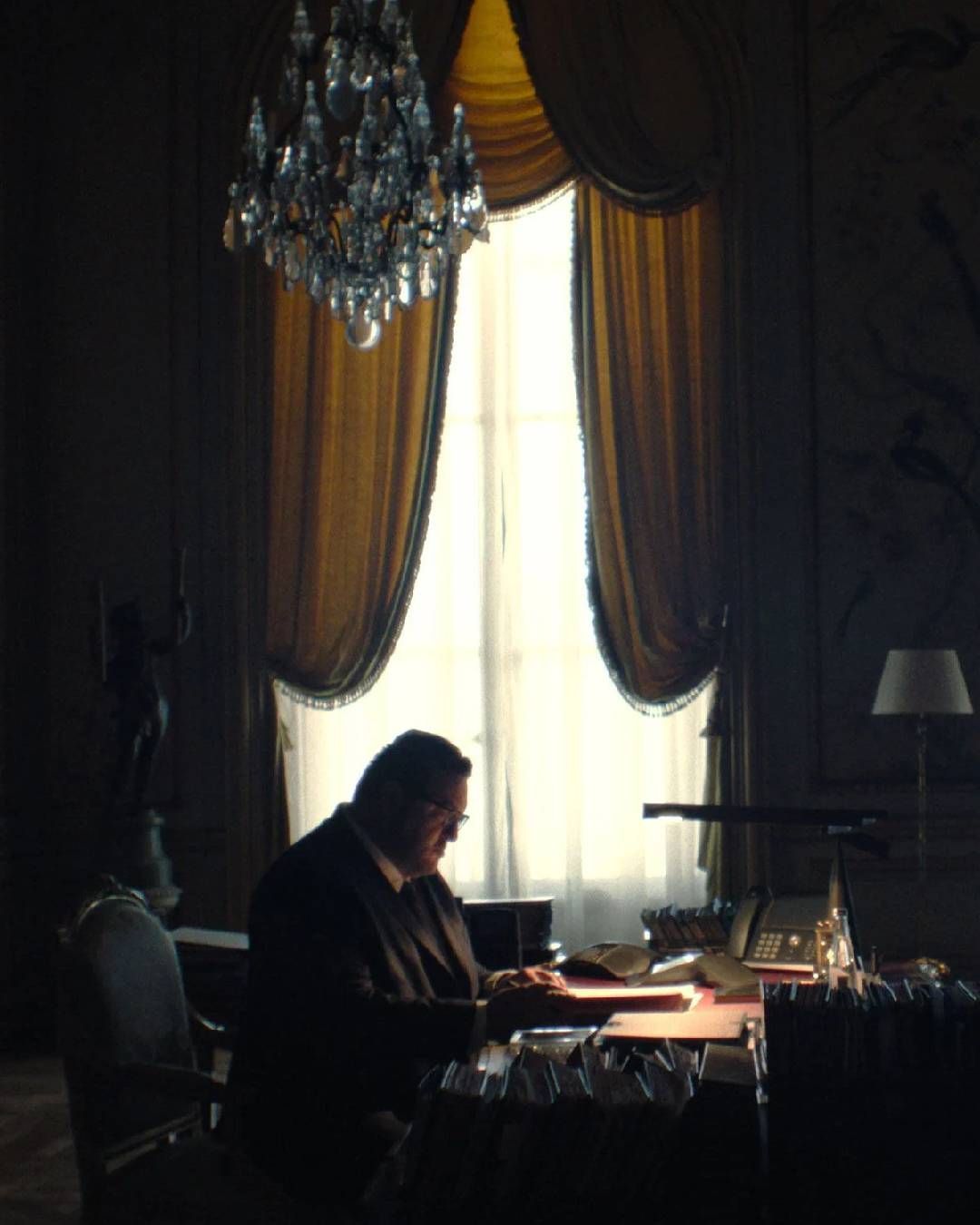
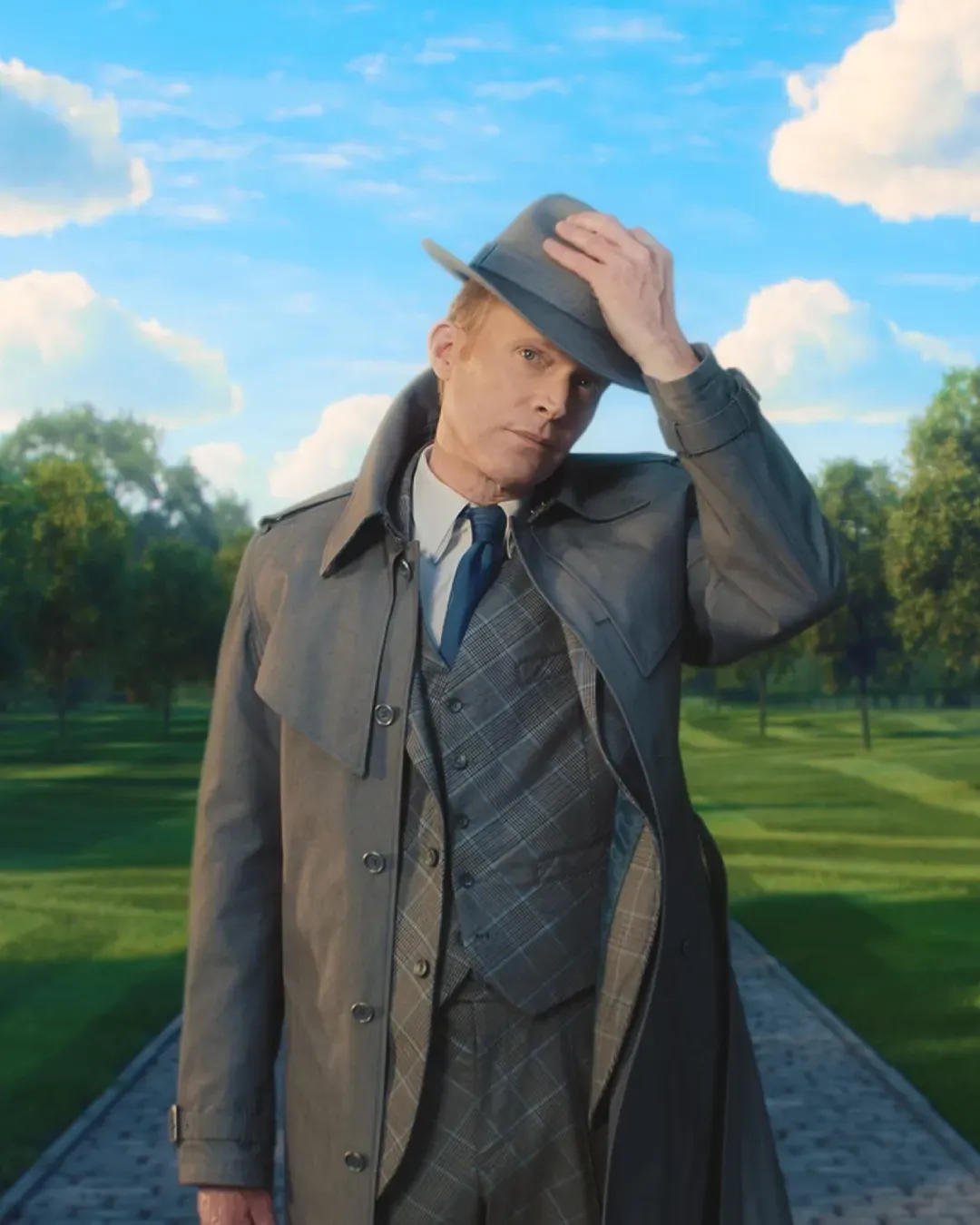
Ink, the opening film (and in competition) at the 83rd Venice International Film Festival, recounts in a dance between reality and fiction, not unlike the sensationalist scoops that defined The Sun the rise of Rupert Murdoch through the ranks of the media world, long before Fox News and the age of clickbait. Real events rendered through fictional dialogue, staging the role of the right-hand man who allowed the paper to rocket to the top of the sales charts: editor Larry Lamb, the film's true villain — even more so than Murdoch himself.
A man who, with a mission to fulfil and a score to settle, gave the publisher and millions of readers exactly what they wanted: freedom, lightheartedness, sex and scandal. Along with the introduction of the infamous Page 3, featuring topless women — a symbol of the flattening of journalism as it had been conceived, yet an irresistible driver of sales for The Sun.
The smear machine
If telling a story in journalism above all requires more or less the truth, then that is precisely what Graham and Boyle offer with their film. A revisiting of an epochal event that changed the way communication worked and how news was disseminated. Ink enacts the beginning of the end, and it is by examining its various interlocking pieces and the psychology of its characters that the film reveals the irreversible consequences. Revenge and business go hand in hand while professional ethics are left behind, and the ground becomes fertile for all the problems that journalism will face in the future — from clickbait to fake news.
And even as we witness the decline of human and professional morality, Boyle somehow manages to make us root for this smear machine as it begins to claim its first victims. Throughout the film, he draws us into the world of the outsiders who have decided to challenge the Goliath of British media, the Daily Mirror. He even makes us hope that these little Davids — as invasive as the mice scurrying through the newsroom — will manage to win the highest readership.
It is a false mirage just like the one the film's characters live in to believe that success will redeem them for the disservice they are rendering as they dirty the blank page. An illusion from which the viewer manages to break free in time, unlike the protagonists, and is thus able to witness and be shocked by the collapse that an entire society will find itself having to reckon with.
A time machine
jack o'connell at the 83rd venice film festival pic.twitter.com/1th5SE55oQ
— ˖᯽ ݁˖ pop backup ˖᯽ ݁˖ (@popbackupp) September 1, 2026
Danny Boyle's dynamism electrifies the air, drawing the eye just as the captions and typeface of The Sun do, constantly striking both eye and ear and giving rhythm to every single line and scene as if reproducing the sound and cadence of a typewriter. This is supported by the editing, once again a cornerstone of Boyle's work, here entrusted to Fin Oates and filled with inserts that heighten the counterpoint between reality and performance.
In the cast led by Jack O'Connell (Larry Lamb) and Guy Pearce (Rupert Murdoch), the character played by Claire Foy argues that journalism should not merely be a mirror in which to see oneself a reference to their rival, the Daily Mirror. Rather, it should serve as a window through which to look out at the world, or up towards the sky, like the sun of The Sun. In this sense, Ink is a time machine. A privileged vantage point from which to observe what has happened and to ask whether things might ever find a way to change. The empire of Murdoch as we know it, with the rays of The Sun having left everything more parched.
What to read next

In "The Stranger" the family is fertile ground for horror and fear
Paolo Strippoli's new film puts the mother-daughter relationship back at the center
"Primetime" asks us who a bad person is
Presented in competition at Venice 83, Lance Oppenheim's film tells the story of "To Catch a Predator"