























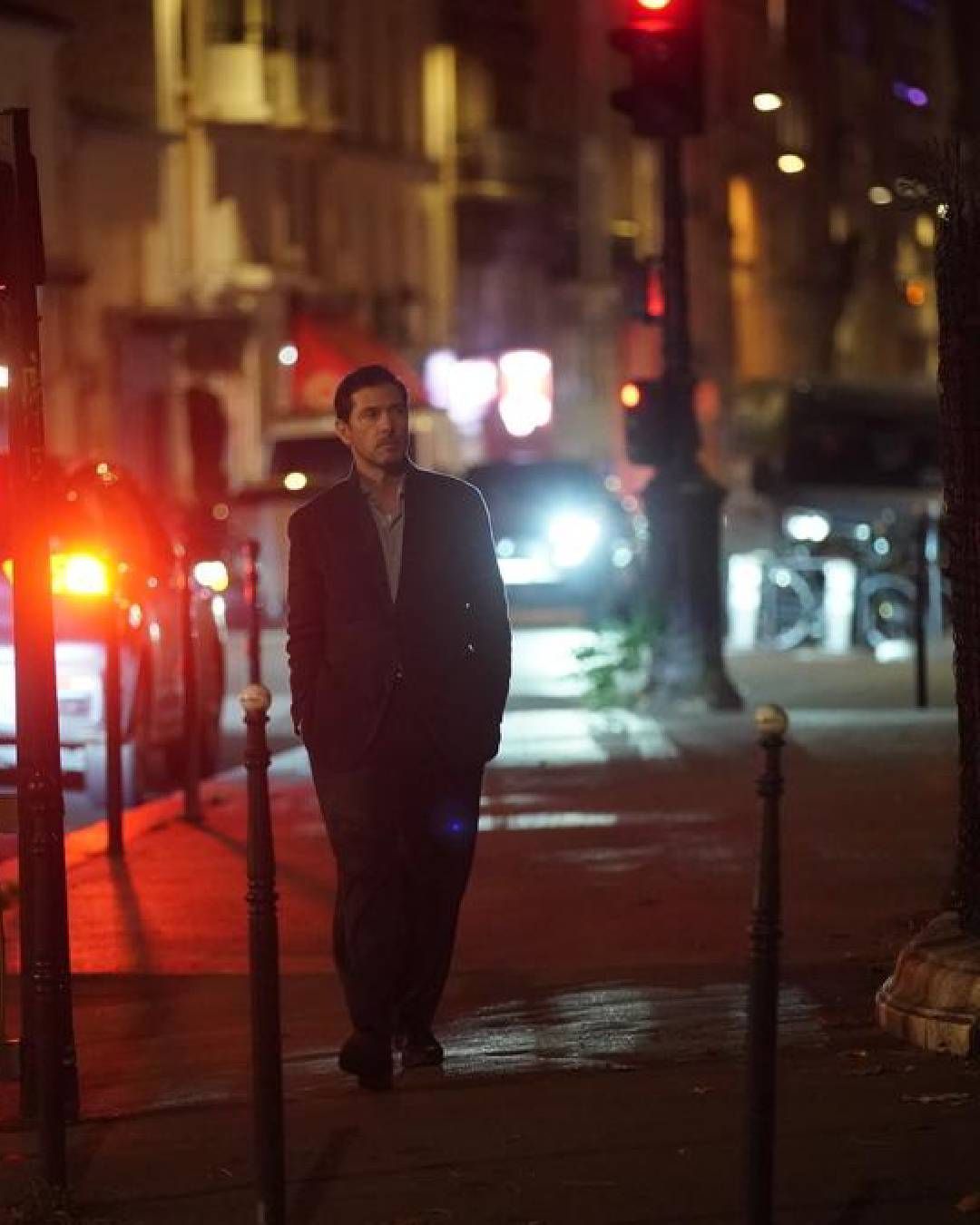
" Un peu avant minuit " is made up of long, empty small talk Nicolas Pariser's film was presented in competition at the 83rd Venice Film Festival
The premise of Un peu avant minuit is better than its execution. The film is written and directed by Nicolas Pariser, and that might already be the first problem. Not because of the filmmaker himself, but because of the attempt to lead his protagonist toward an awareness of the role the male figure has played, plays, and will play in society without bringing a female perspective into the writing. The latter would have lent authenticity to statements made more for effect than out of genuine conviction. It is the famous performativity so widely discussed and joked about today, which this work—premiering in competition at the 83rd edition of the Venice Film Festival—embodies.
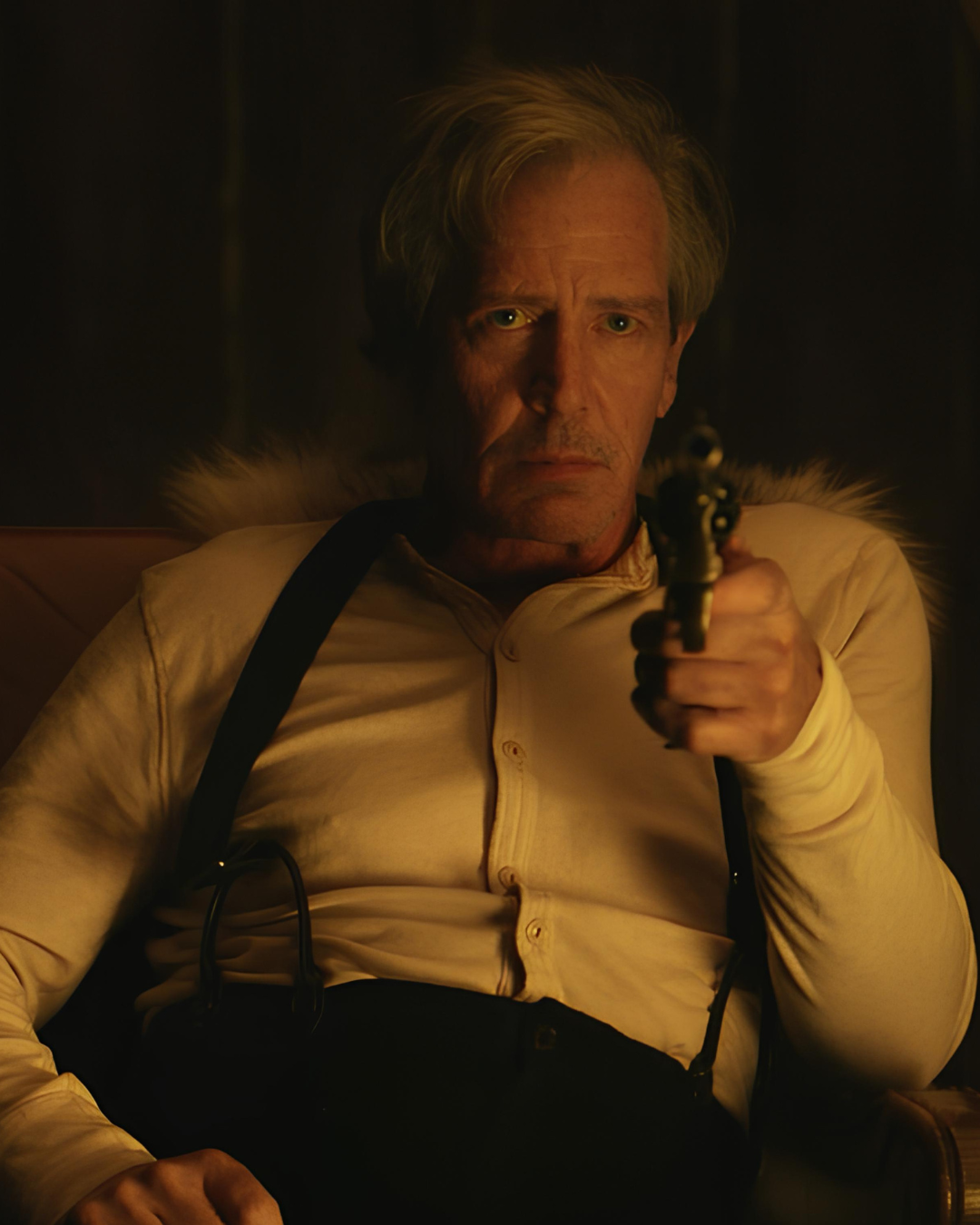
At the core of Un peu avant minuit is Léo, played by French cinema mainstay Melvil Poupaud. He is on the brink of a breakup and attempting to forge a deeper relationship with his daughter, with whom he can only now connect as she gets older. The young woman is the first to join the protagonist on the long walks that fill his Parisian days while passing through the capital before flying to Italy to read his late father's will. It is a parent with whom Léo never had contact, and whose passing triggers reflection on major themes, both societal and personal.
Memory in the film is engaged like a muscle striving to bring the past back to life in order to face it with newfound awareness. Un peu avant minuit does not seek to accuse or tarnish times gone by; it does, however, place them in a strongly critical light in view of all the social and gender awareness acquired over the years. It looks back at how the world turned back then and how few people felt like stepping off—with older men seeing nothing wrong with dating their interns, the very same interns who were not allowed to write pieces in the protagonist's arts department. It was the norm for everyone, a collective way of behaving that the film both condemns and partially excuses. It falls into the familiar trap of noting that it was, after all, a different era, without making the effort to draw out an analysis or dialogue any more compelling than the mere presentation of its own thesis.
Falsely humble, the film rattles off platitudes while taking itself for particularly profound, stripping away its modest facade during lengthy sequences where public issues are addressed through the emptiest of truisms. Even when the writing shifts to Léo's personal life and intimate topics specific to the character, the specter of superficiality seems to follow him. It dogs his footsteps much like the camera preceding the protagonist and his secondary companions, placed alongside him to ponder the direction his life has taken and its inevitable consequences.
Poupaud is solid and works hard to keep the character from becoming unbearable, but his sorrow and conversations with friends, exes, and family keep him trapped in the rhetoric of Un peu avant minuit. Even the sharpest insights fail to shake the feeling of being subjected to an unwanted sermon—such as the male habit of idealizing women and confining them to memories rather than who they actually are or were. It is a brilliant observation, but left isolated within the overall scope of the screenplay. The film ultimately becomes a funnel of chatter between friends that we had no need to eavesdrop on, as well as a reminder that it is good to take responsibility for past mistakes while trying not to make new ones in the present.