



















The anarchic lightness of Celine's SS27 Menswear collection Michael Rider's first dedicated menswear show was a knockout
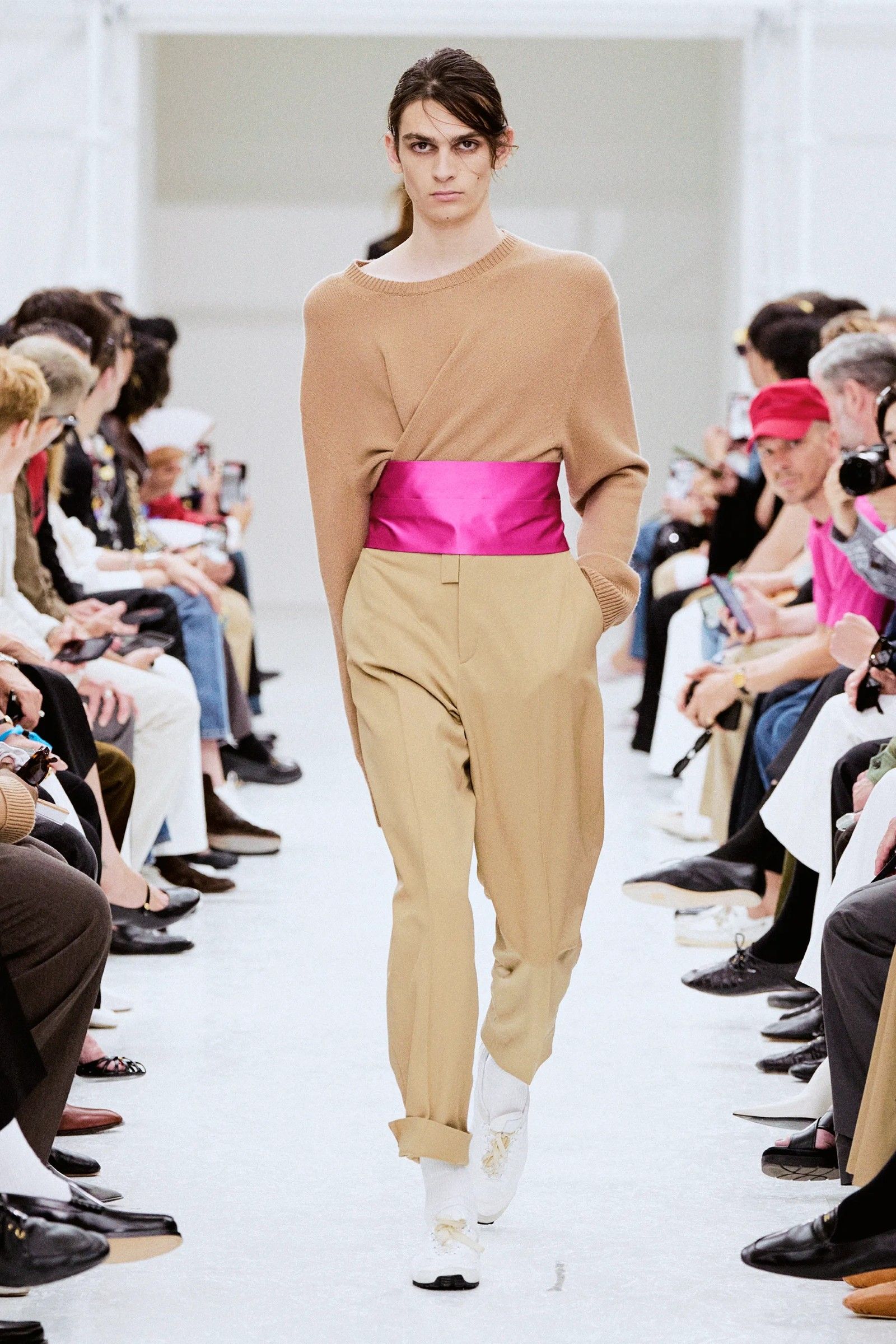
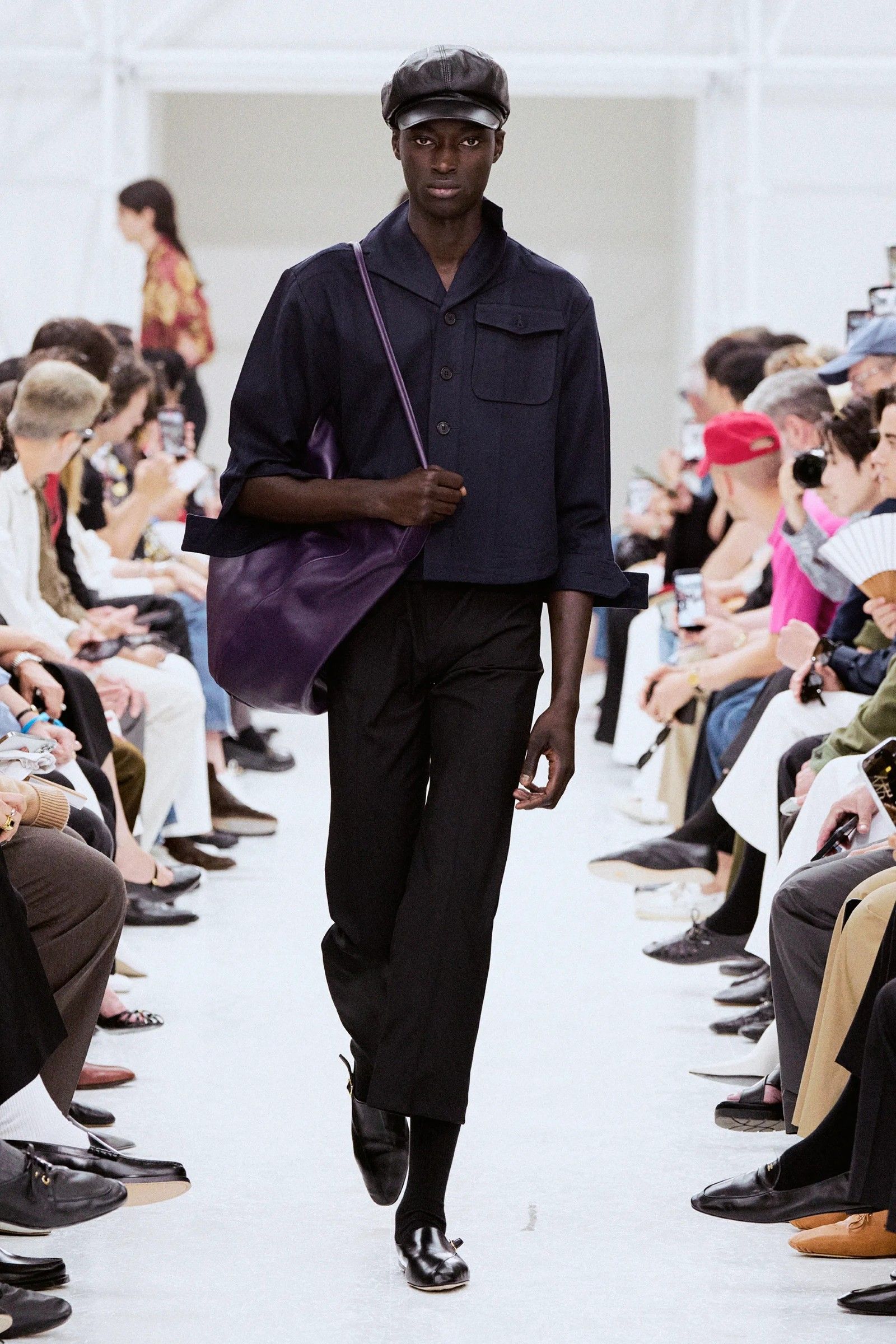
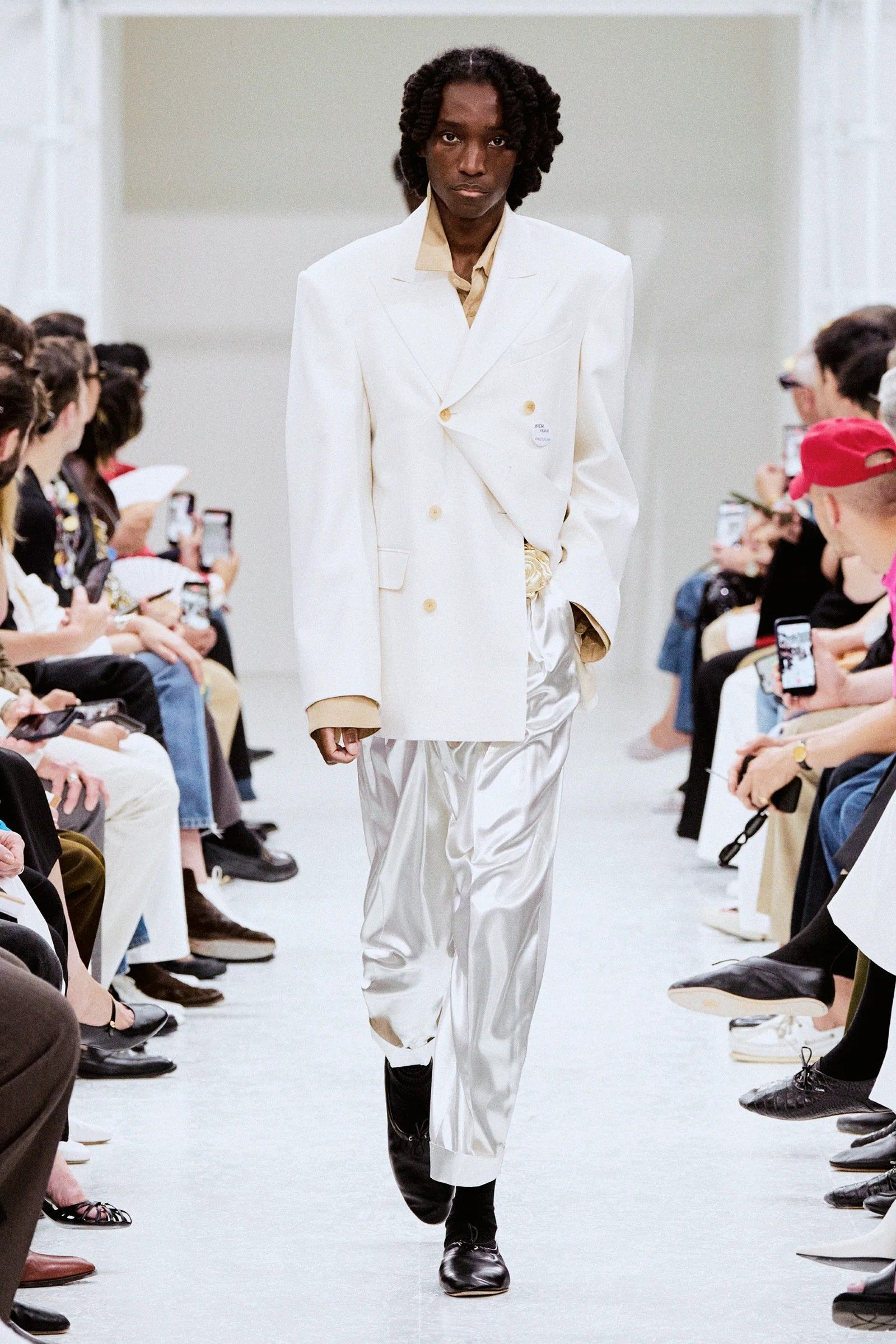
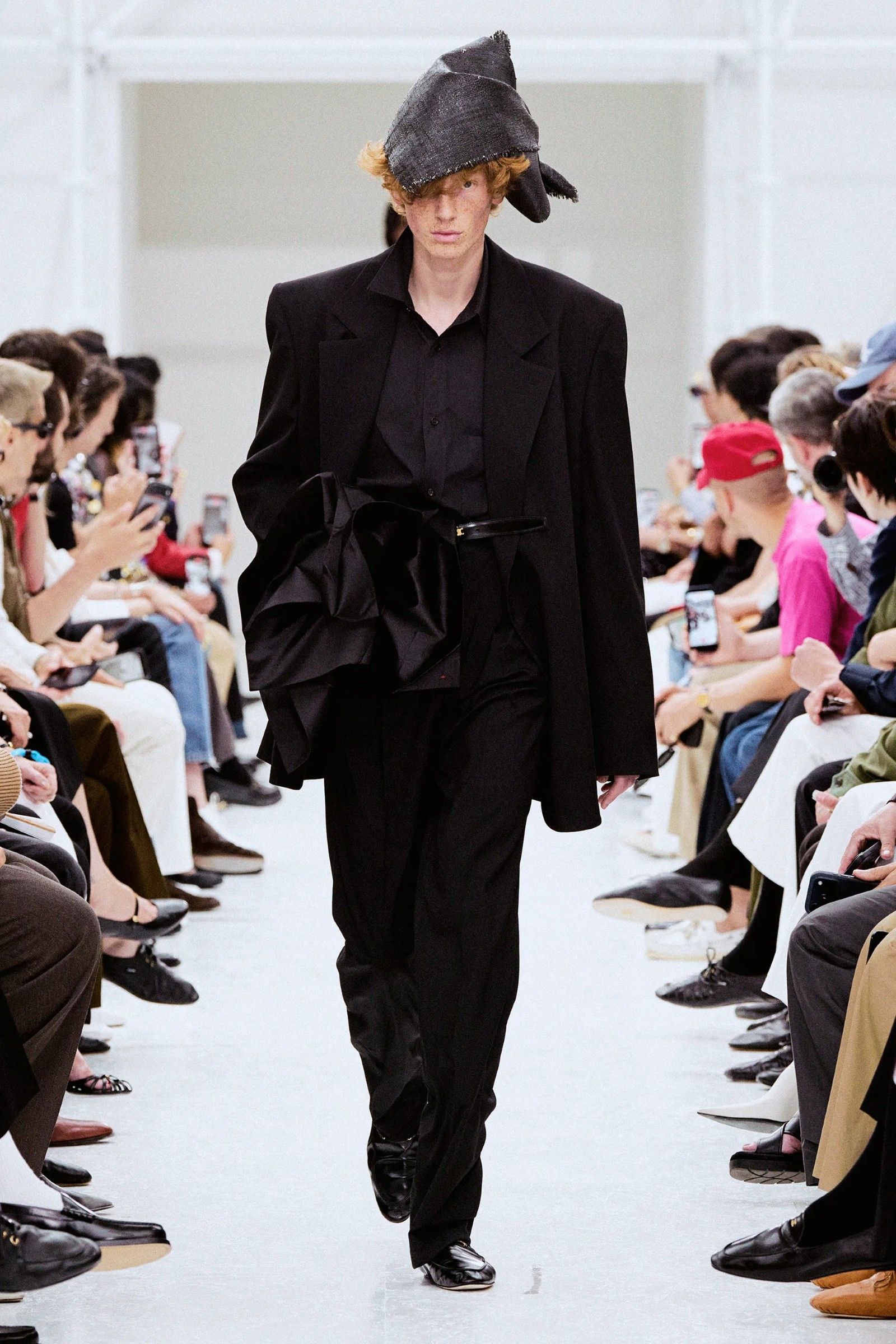
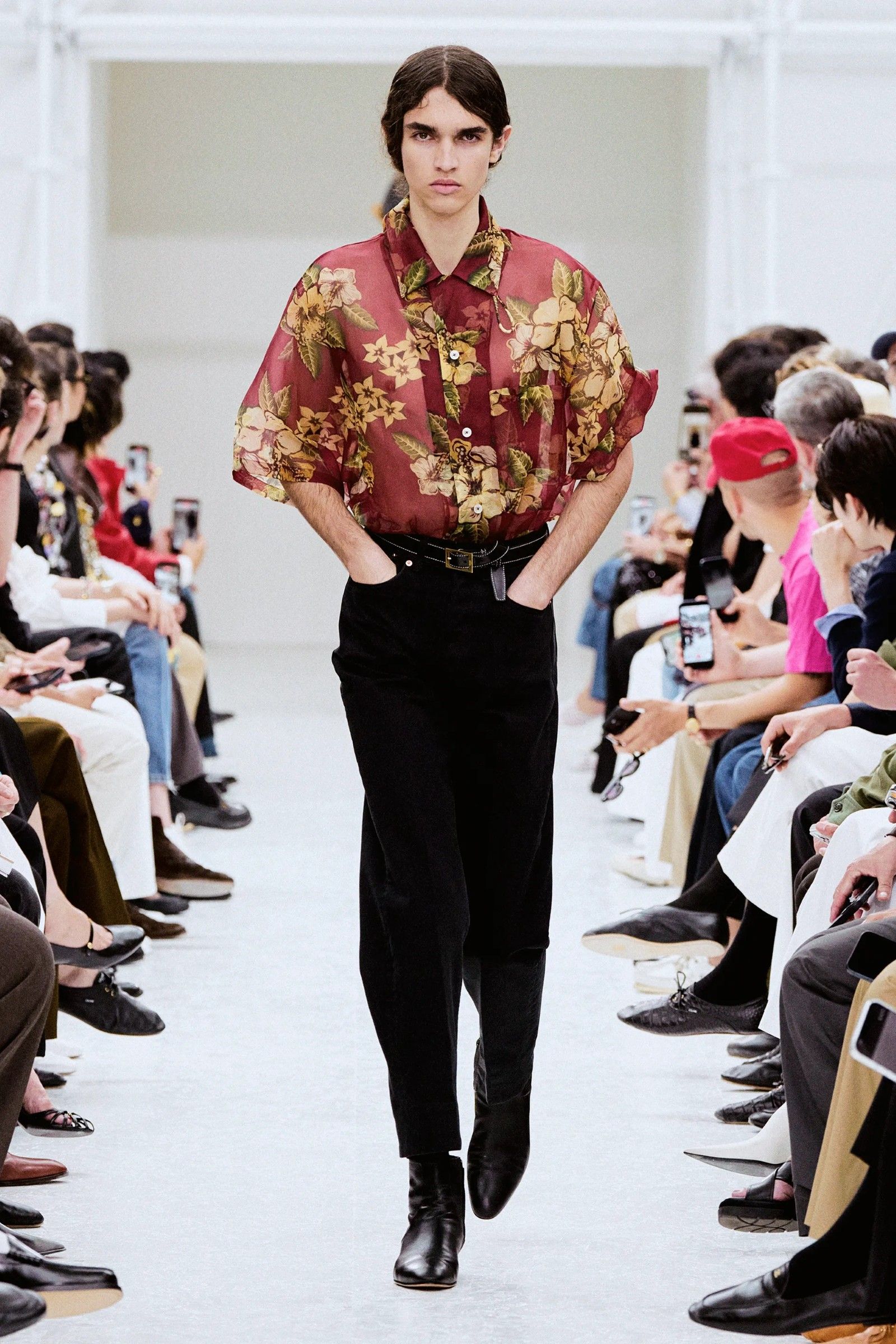
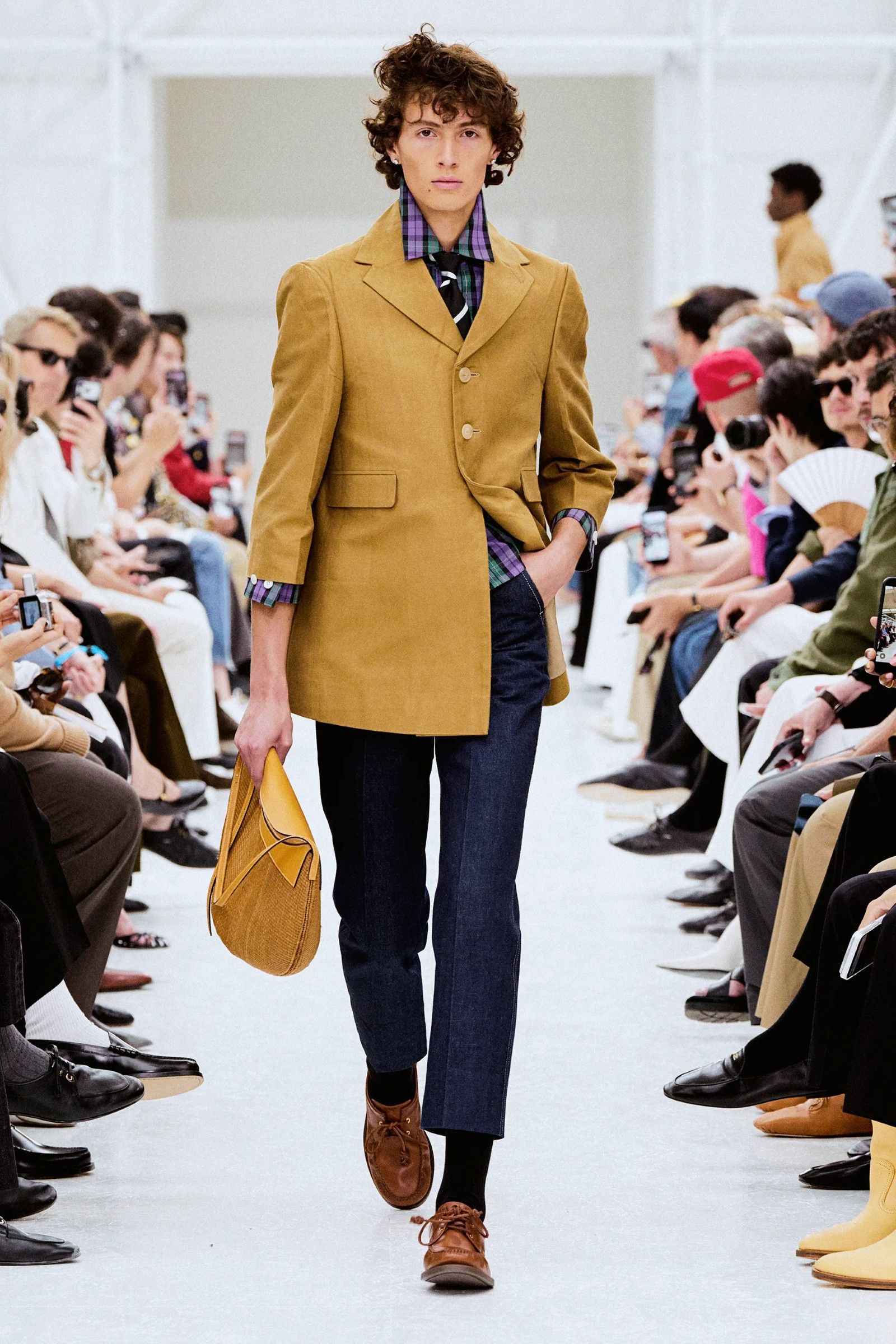
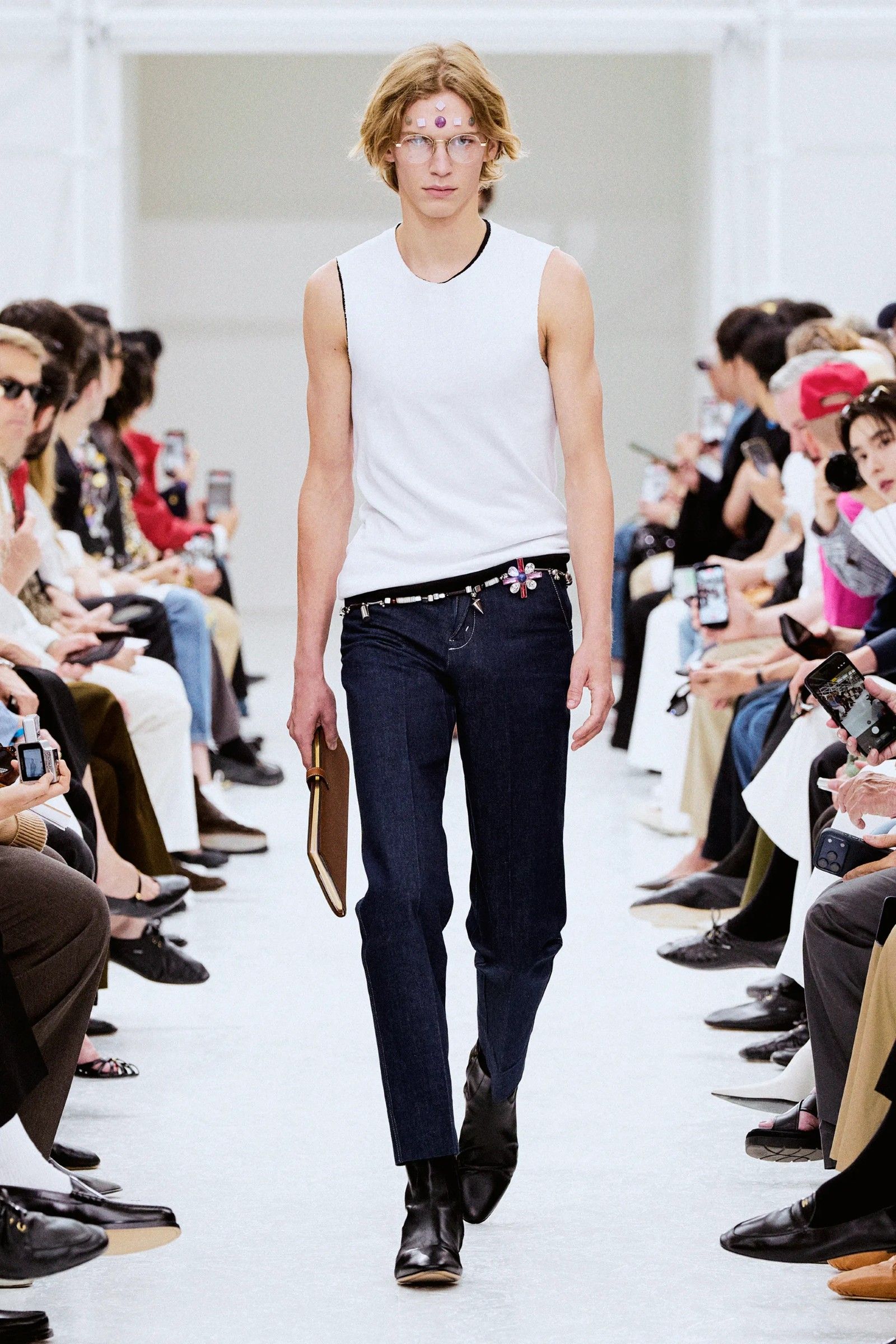
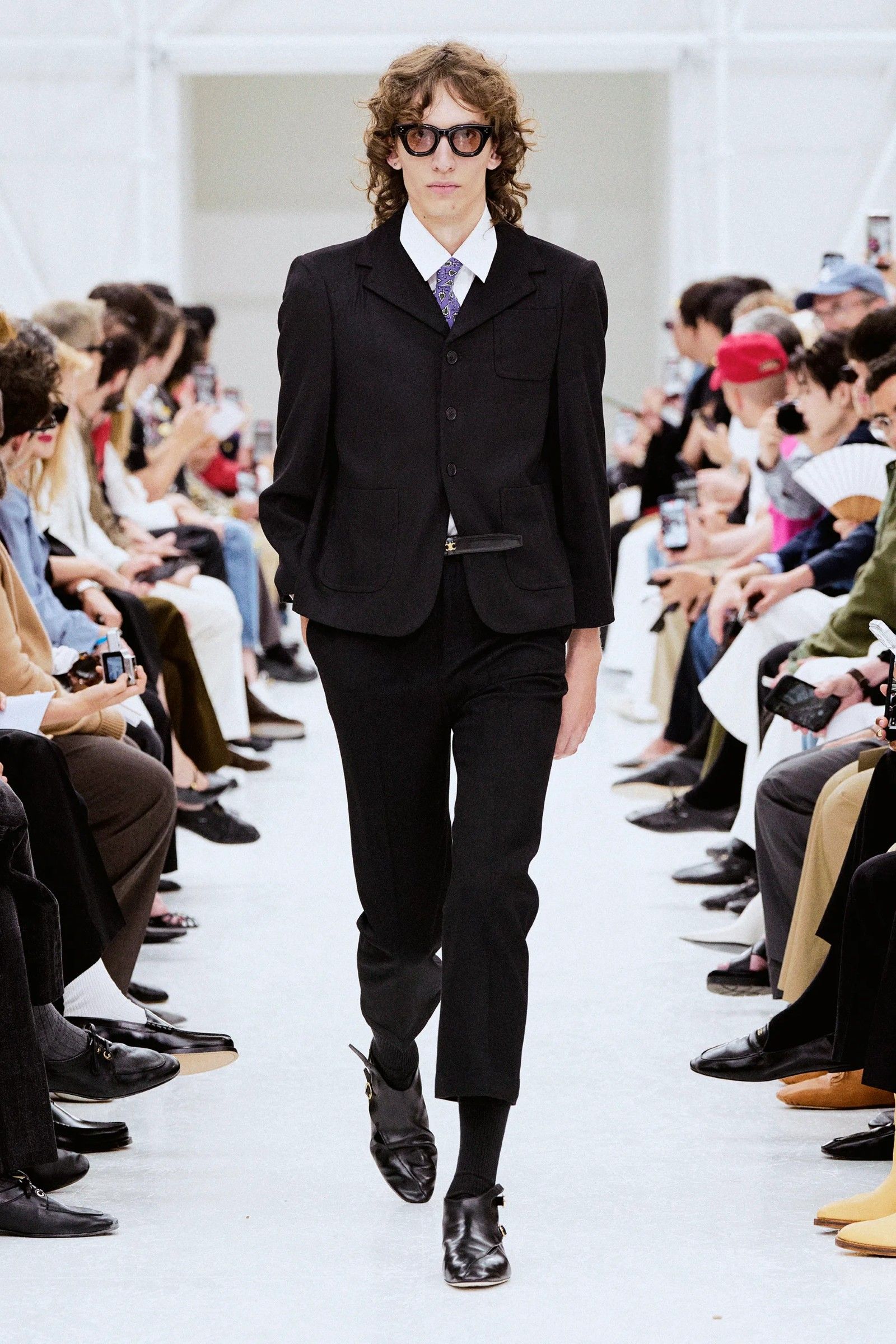
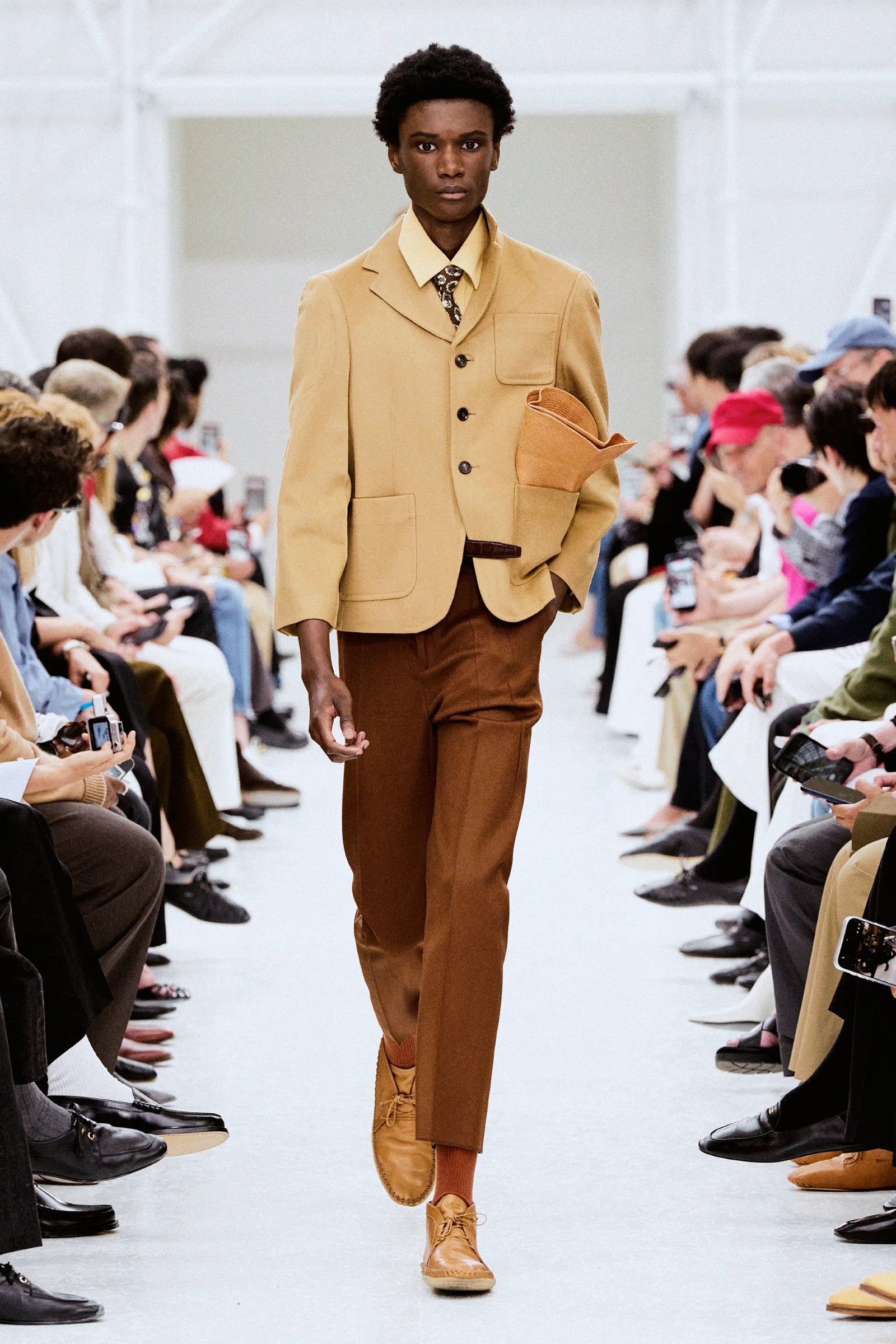
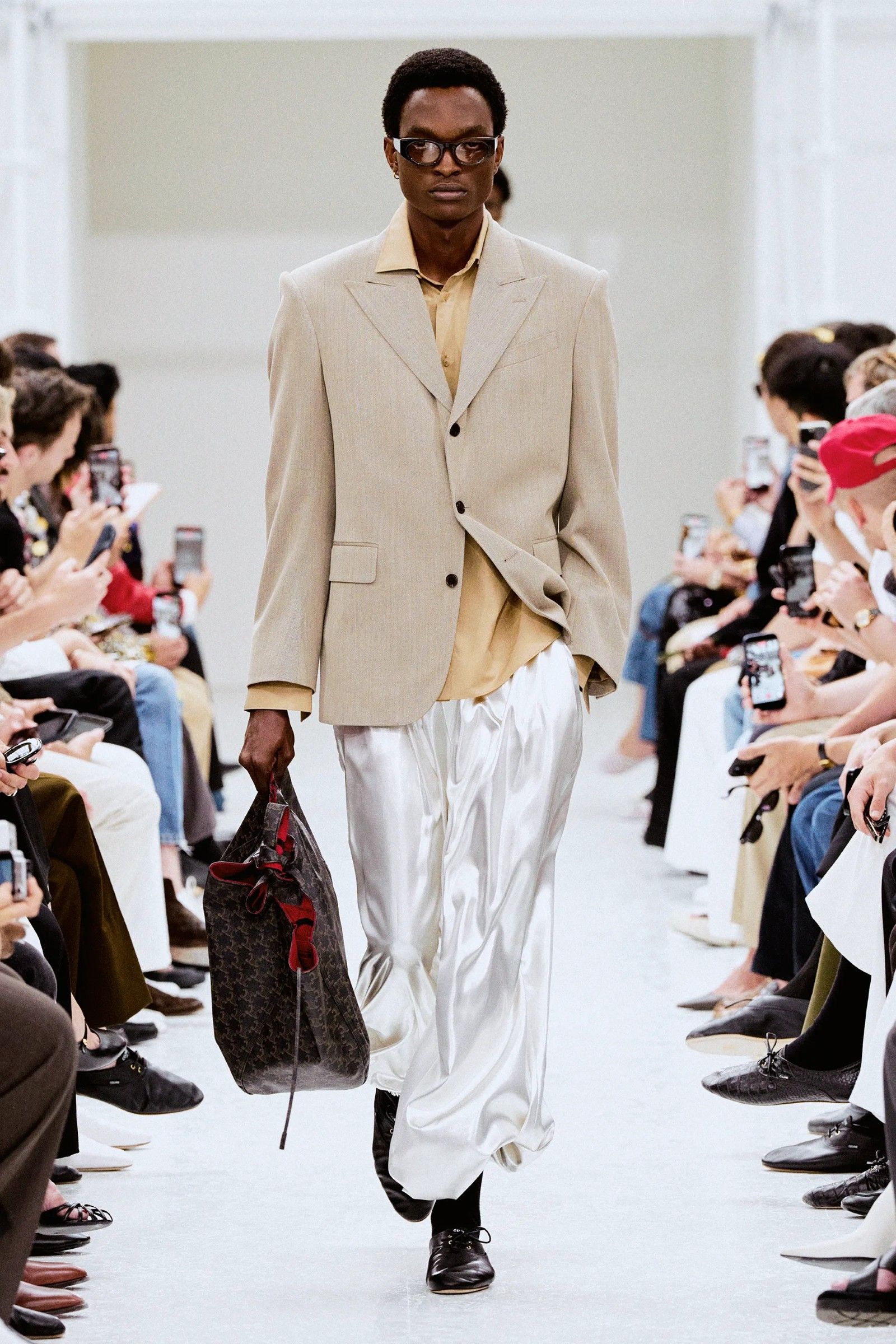
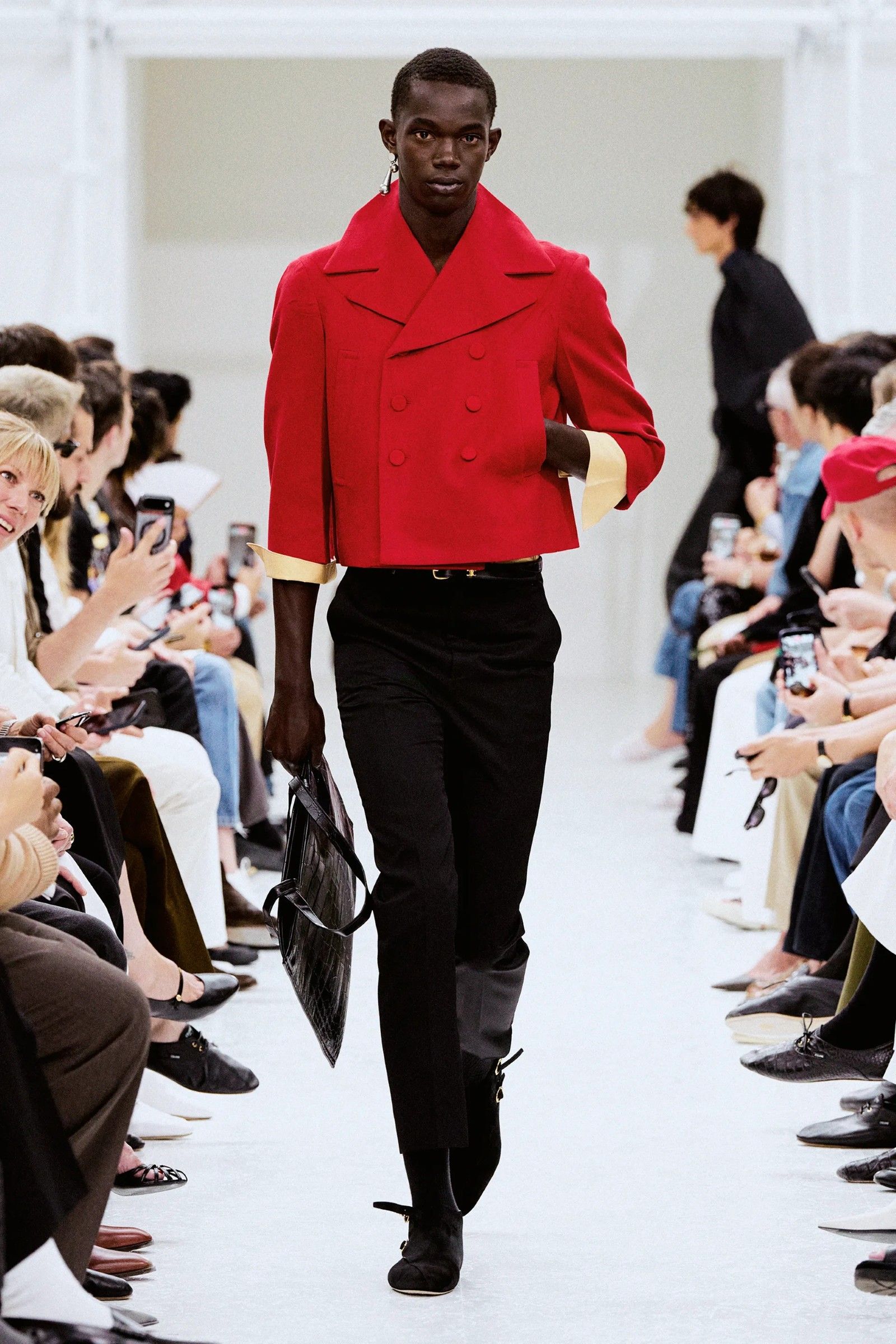
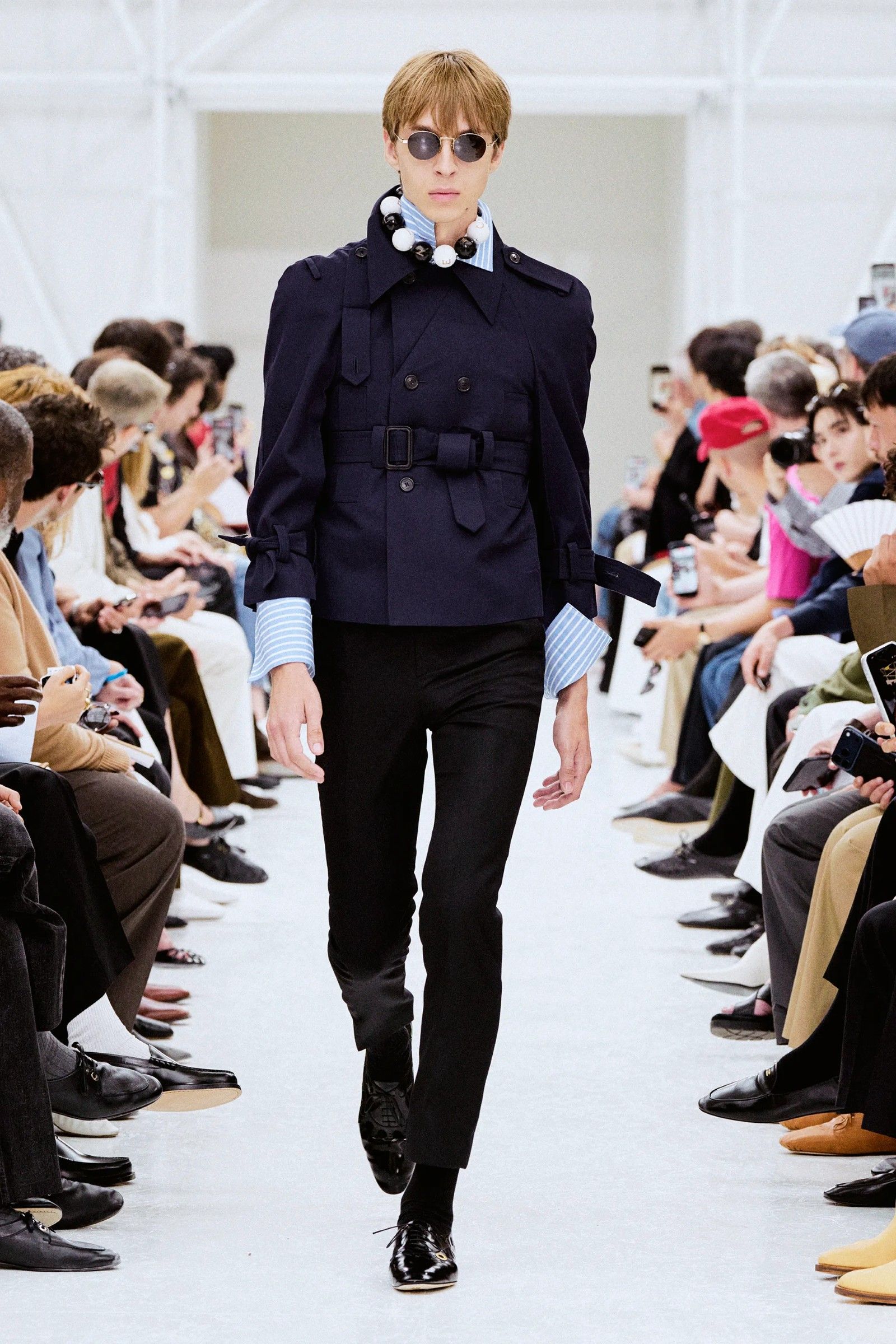
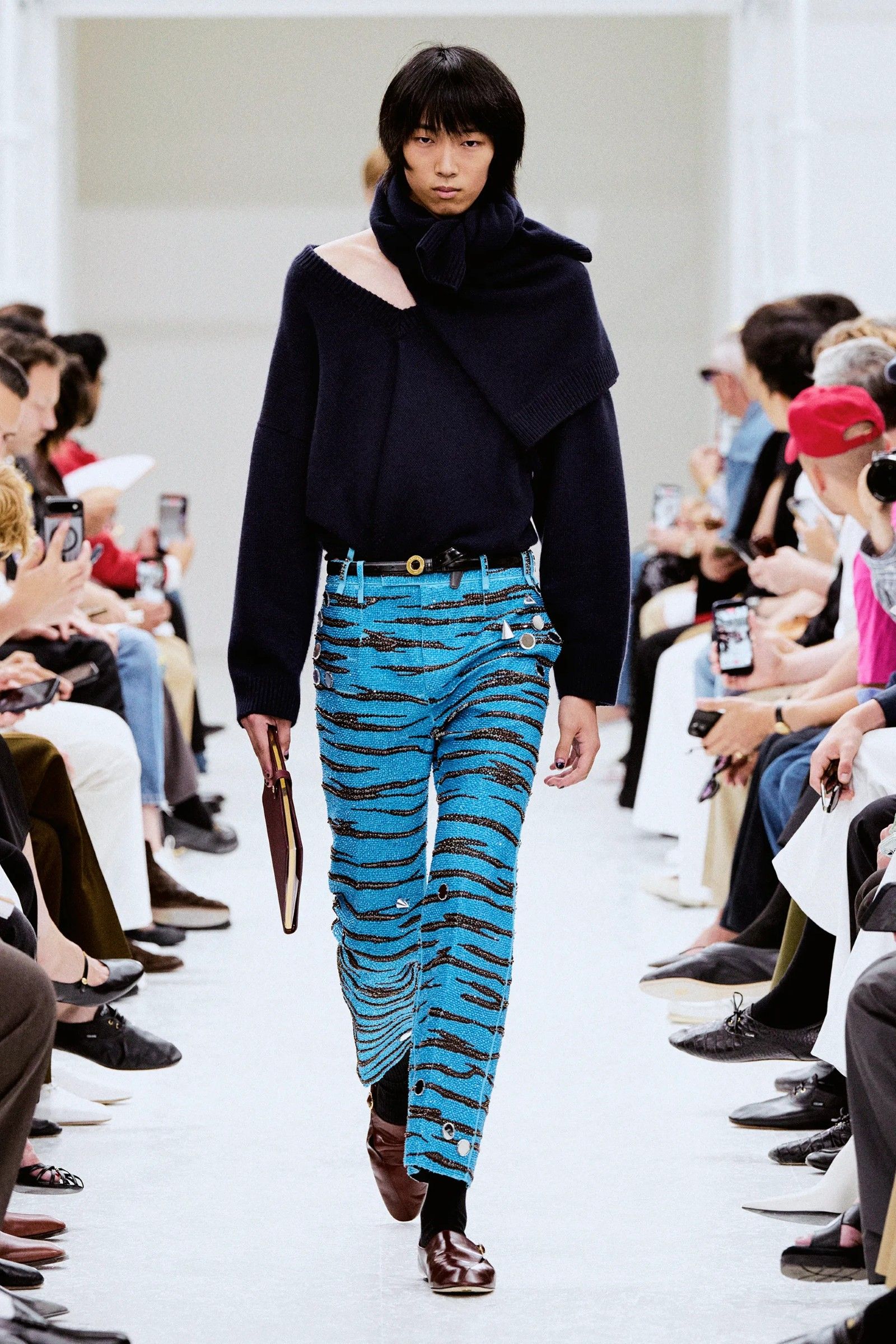
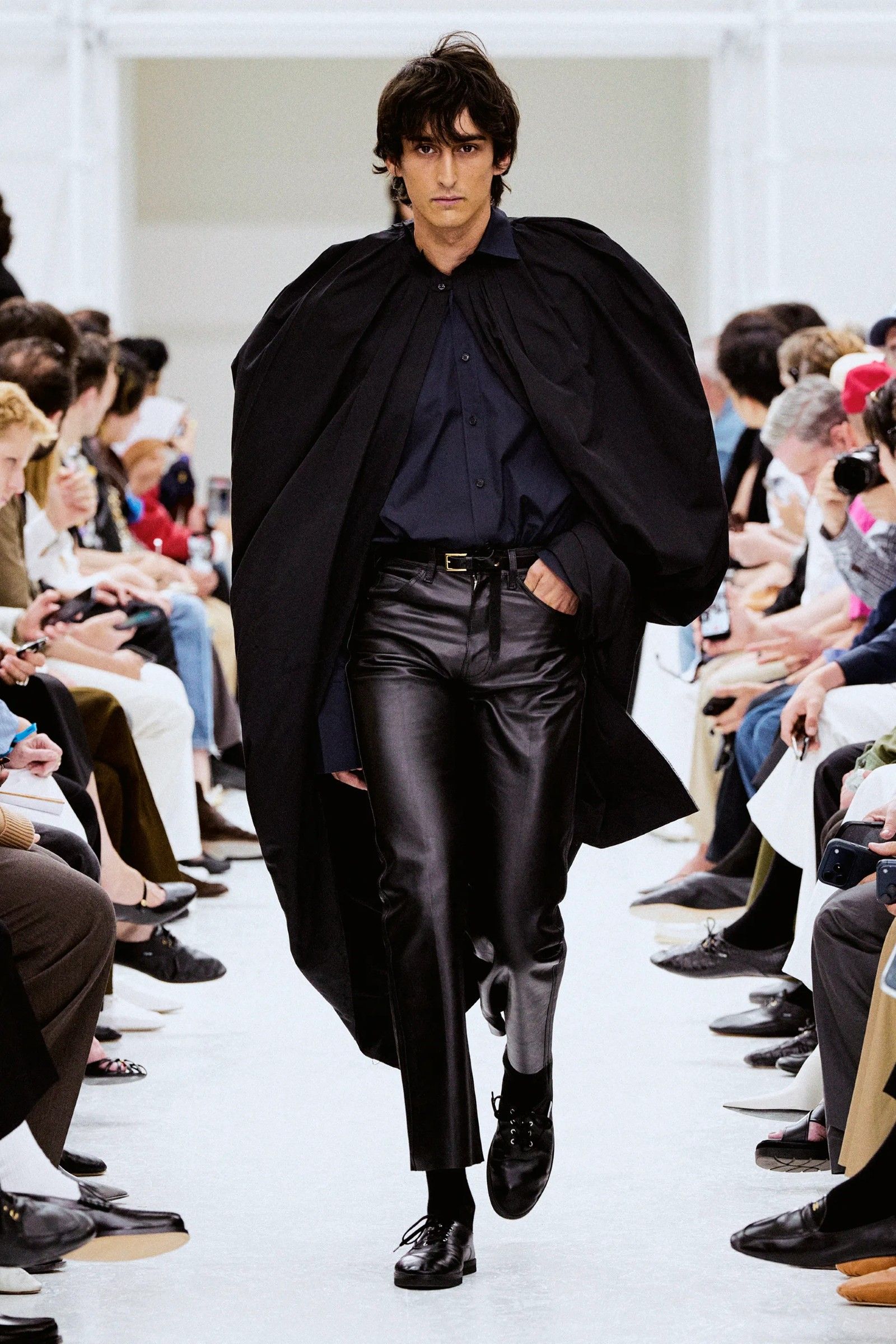
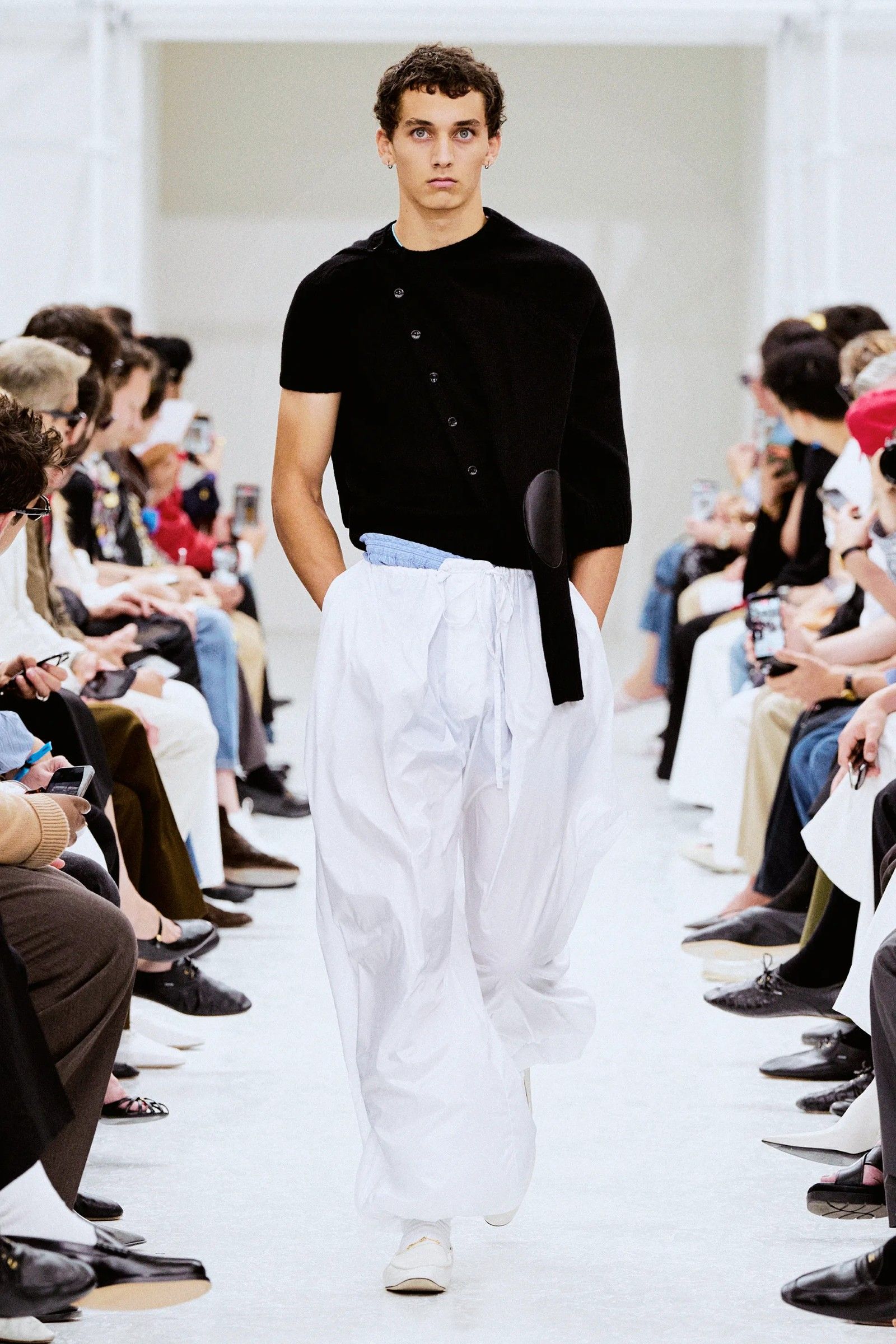
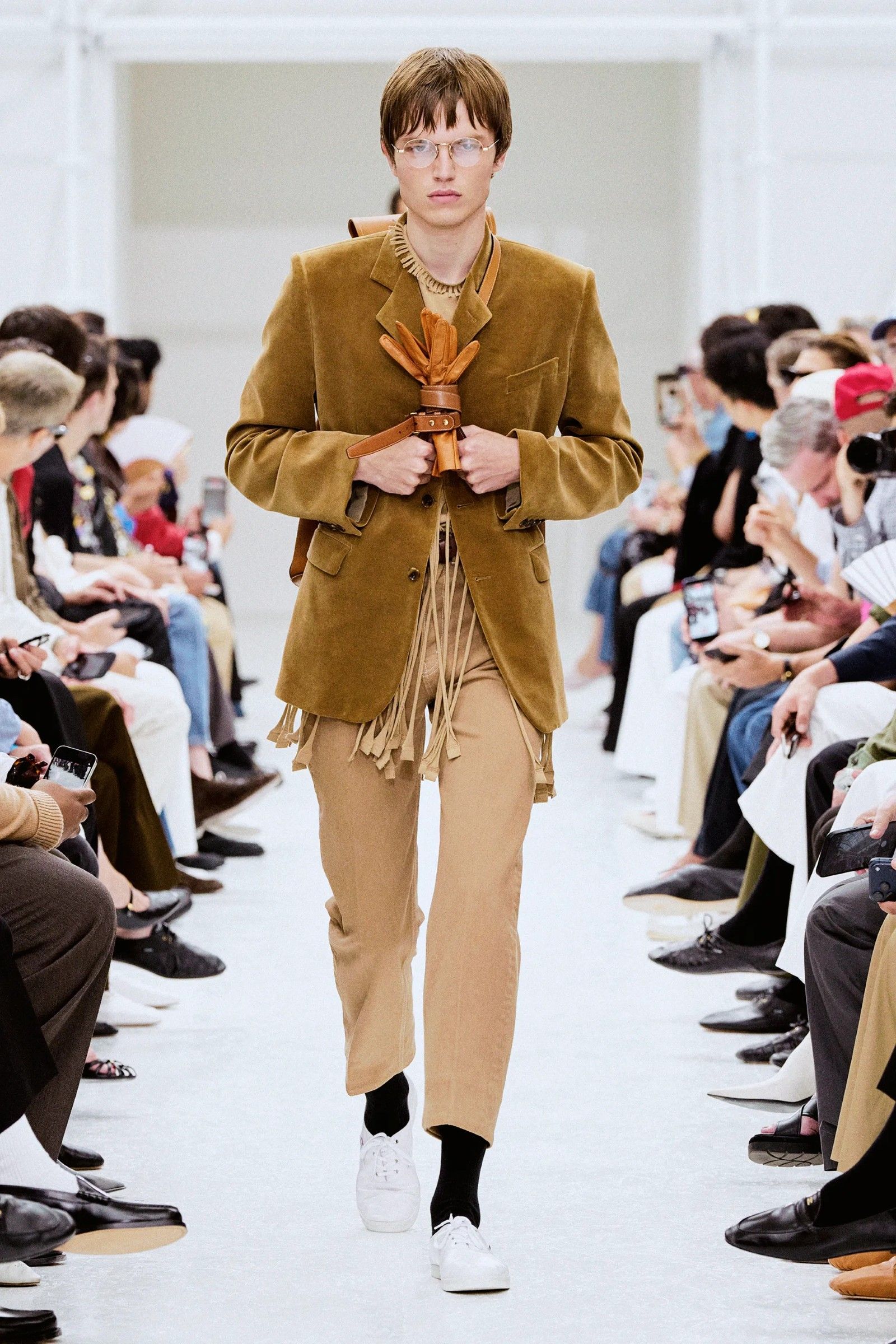
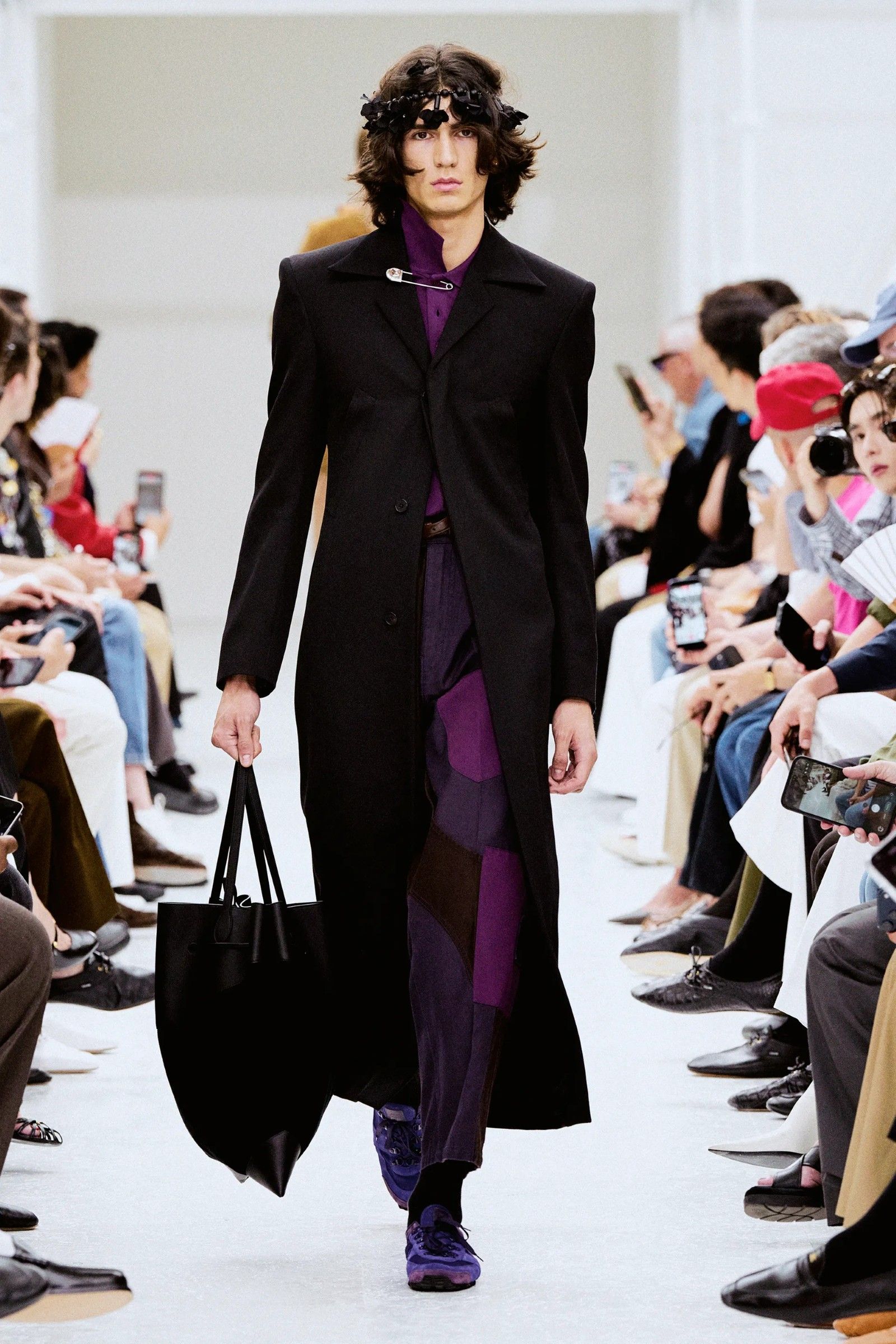
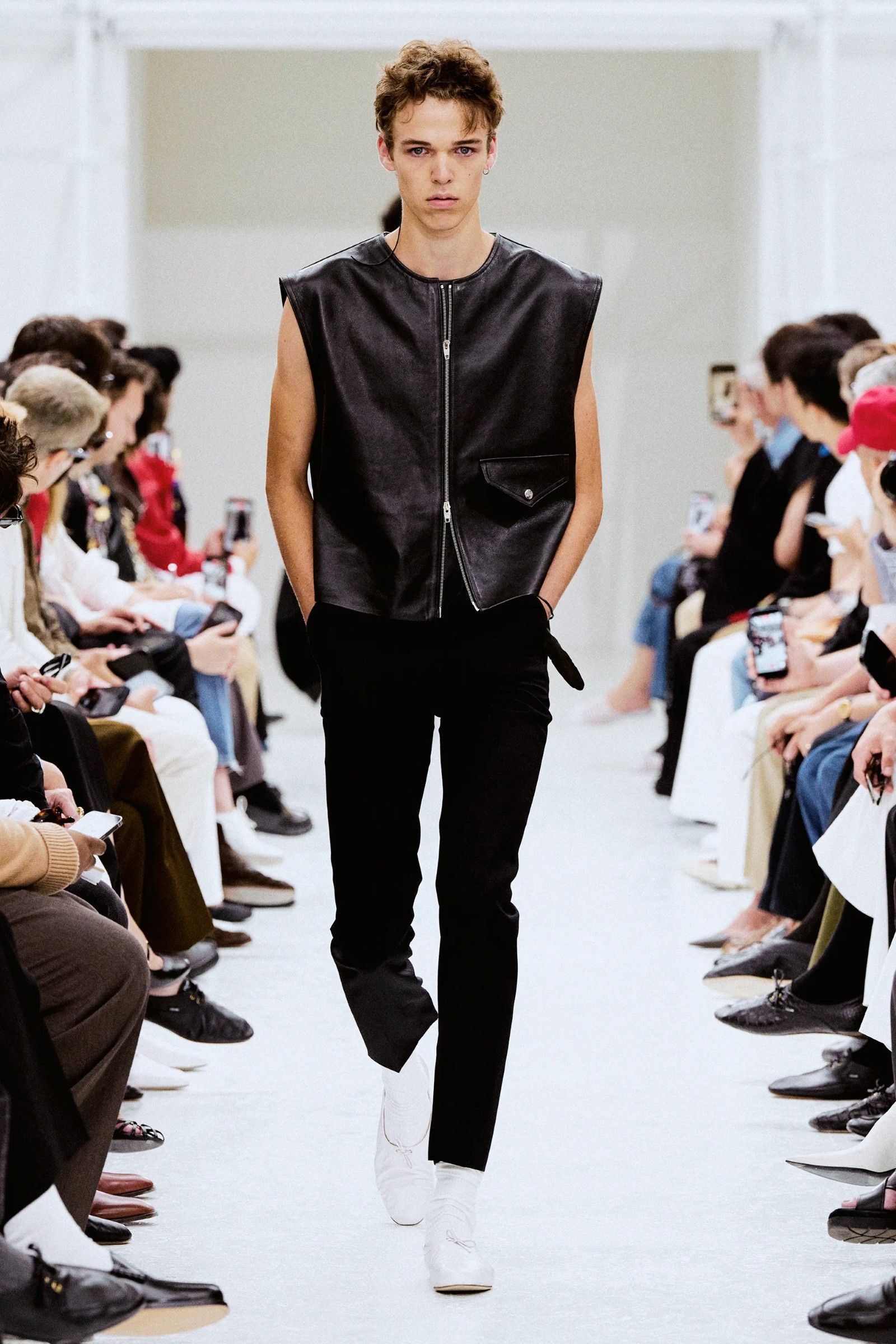
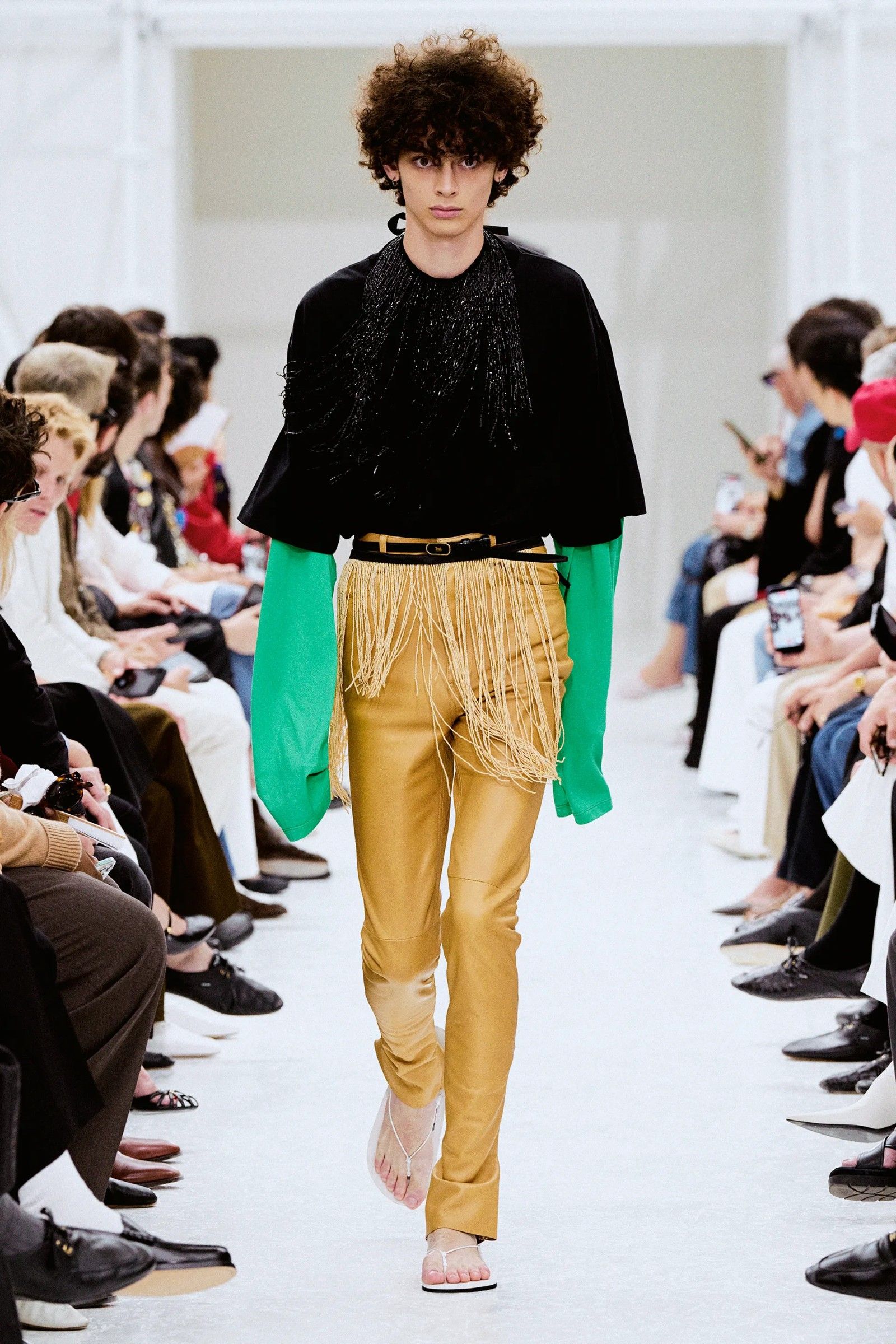
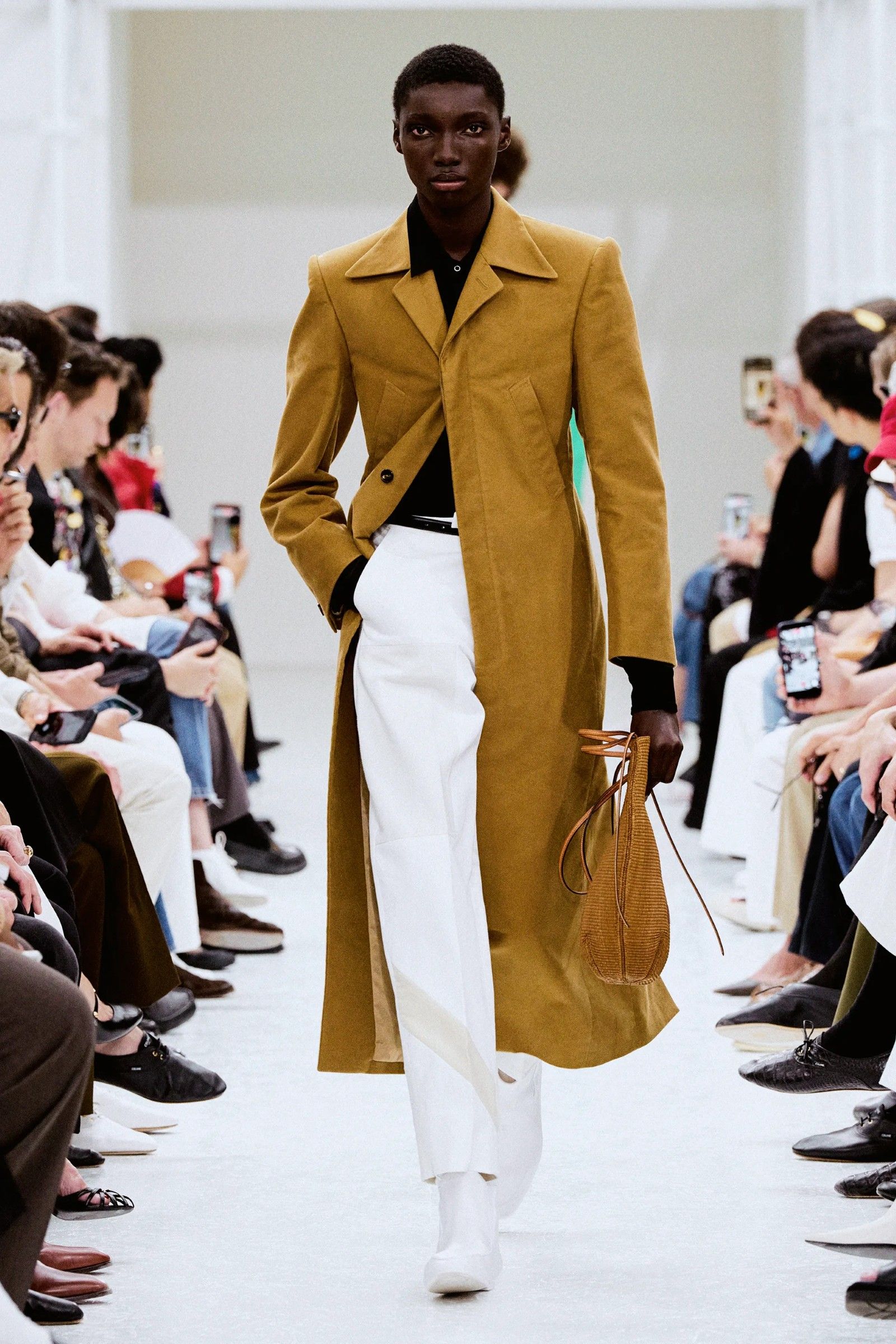
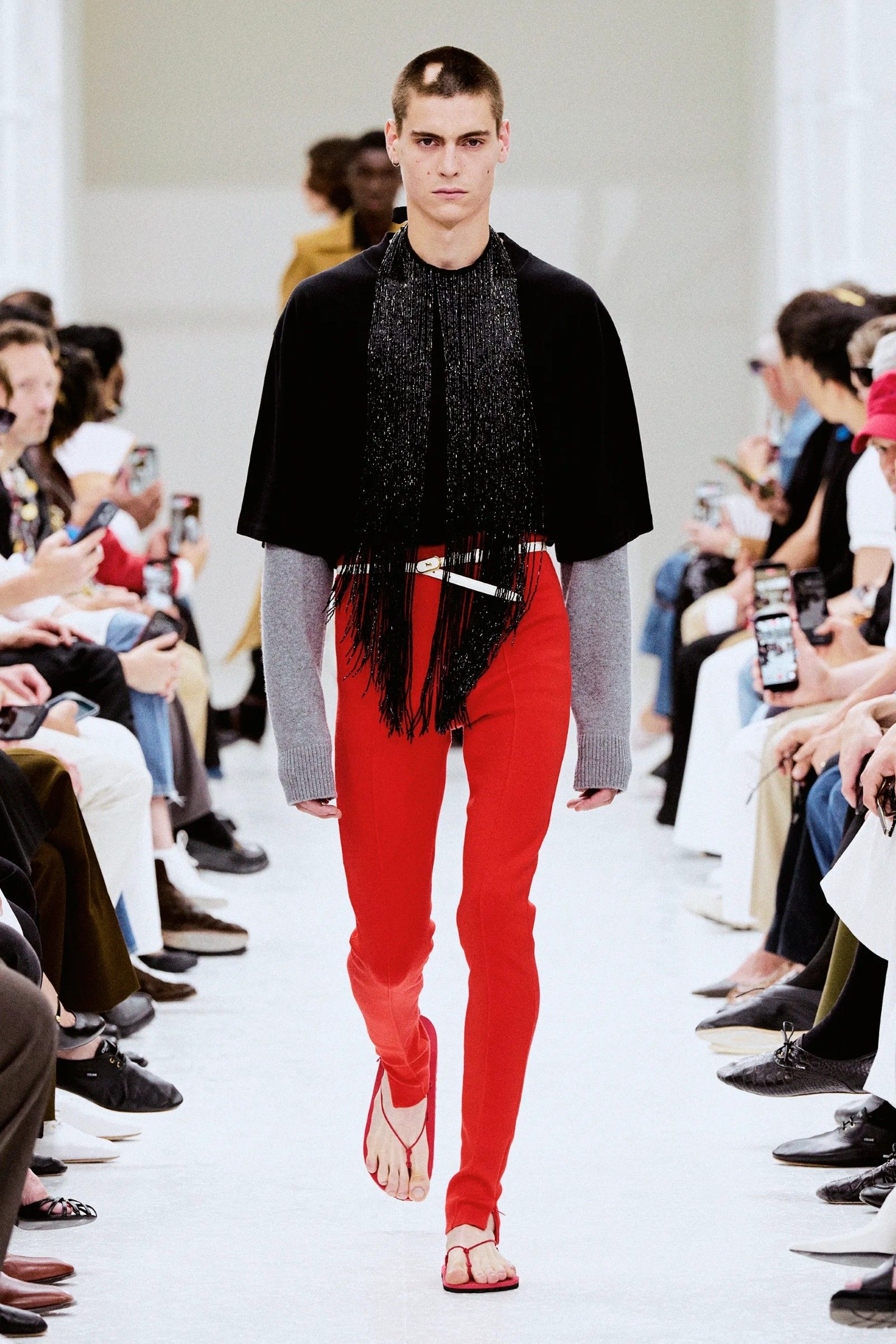
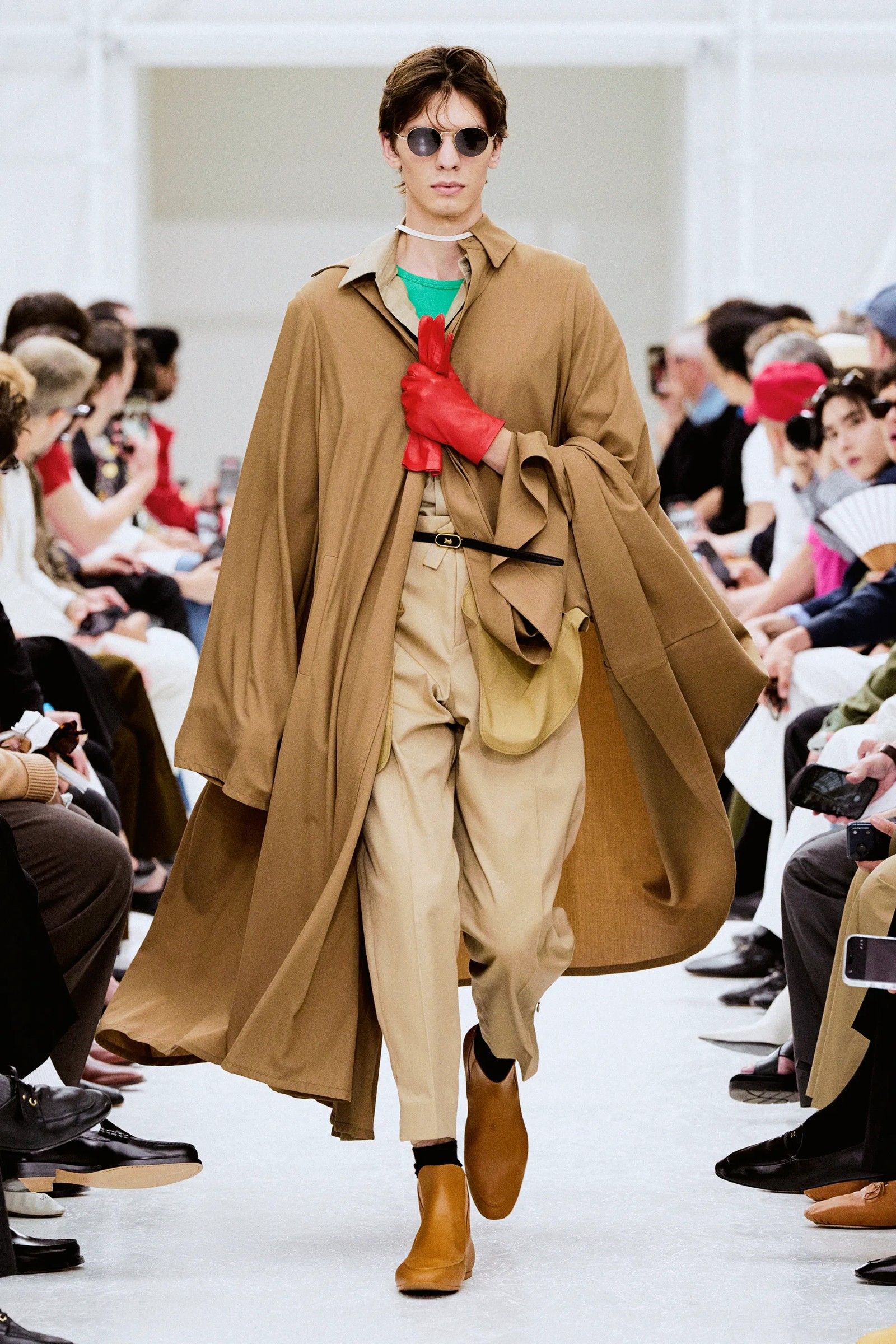
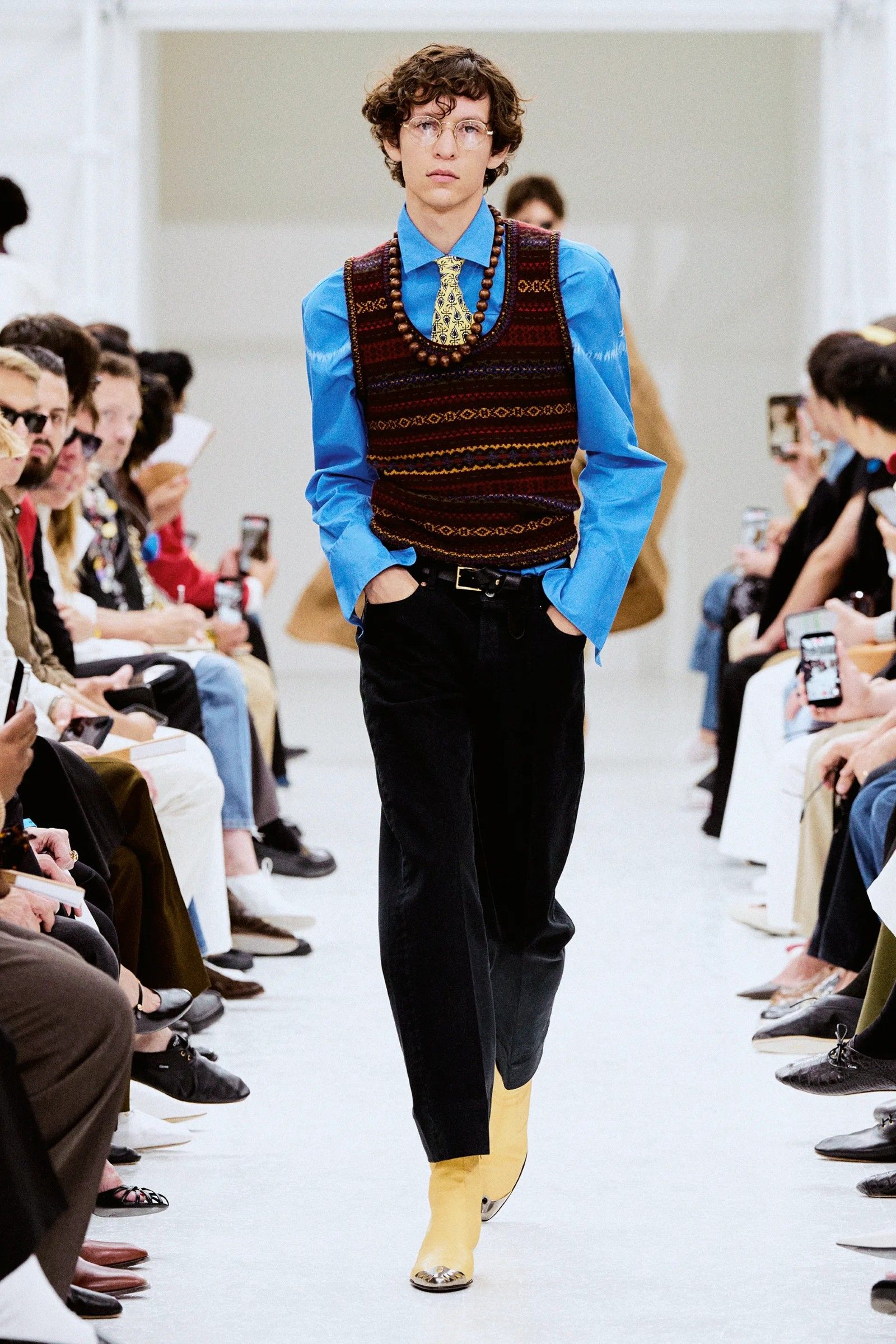
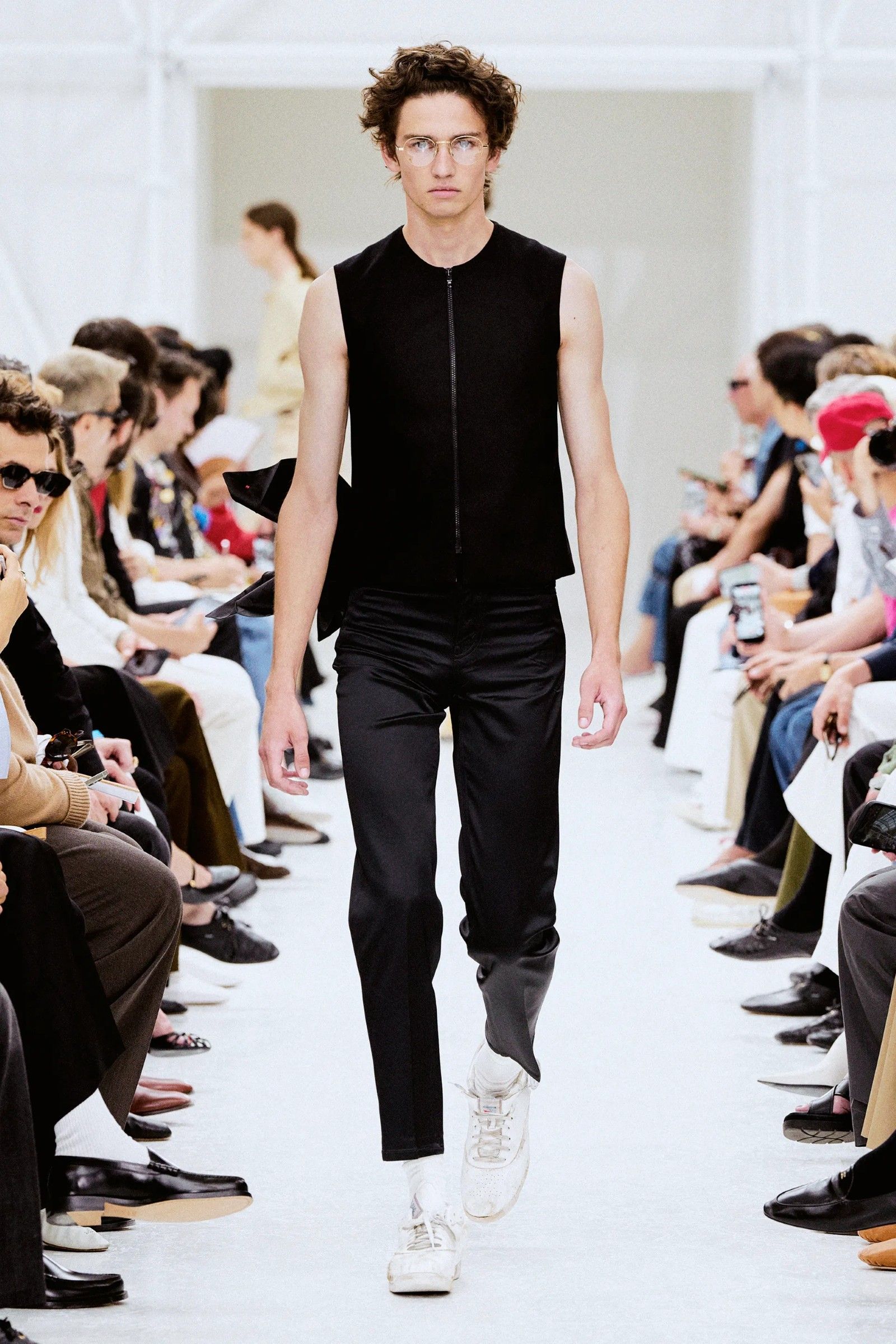
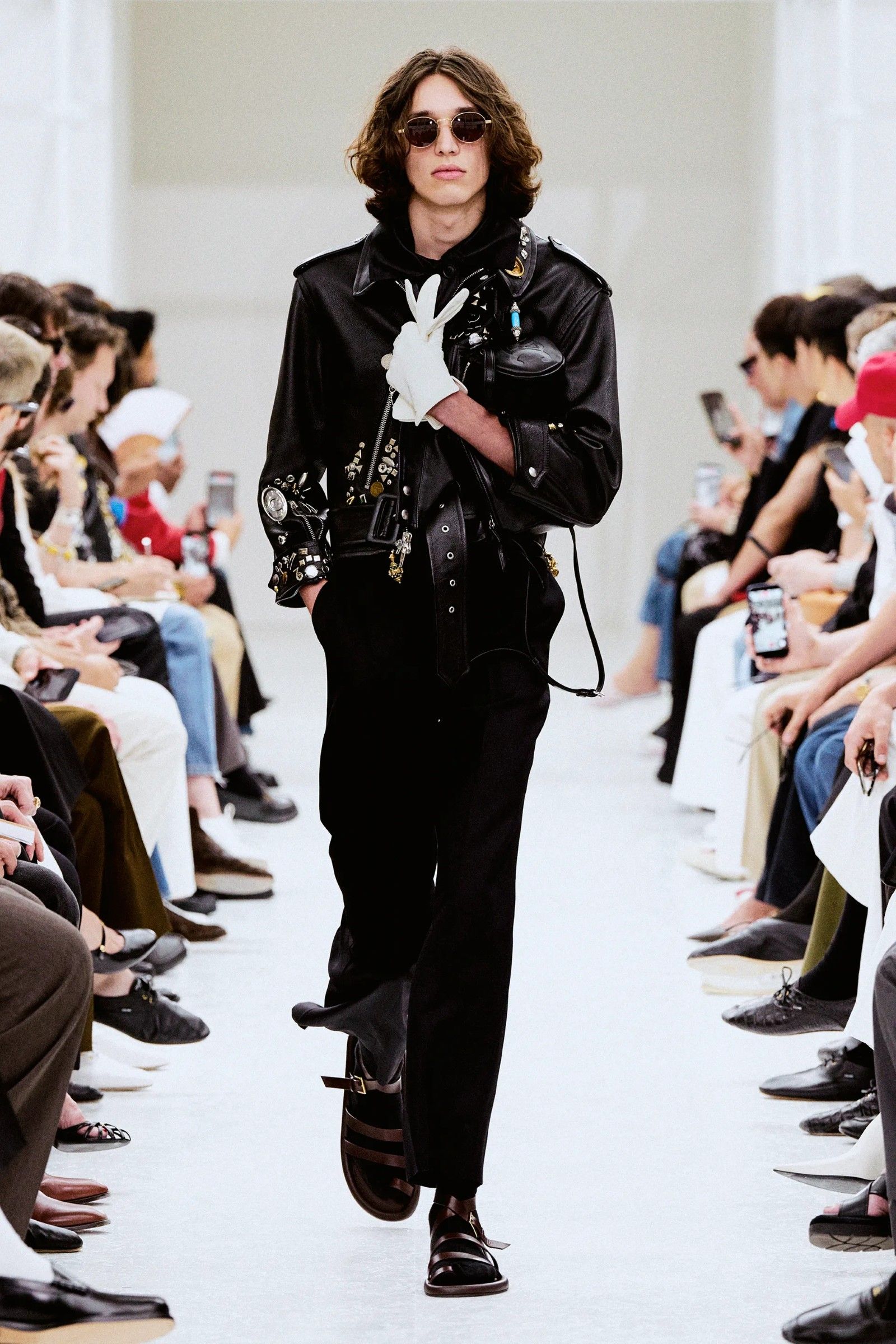
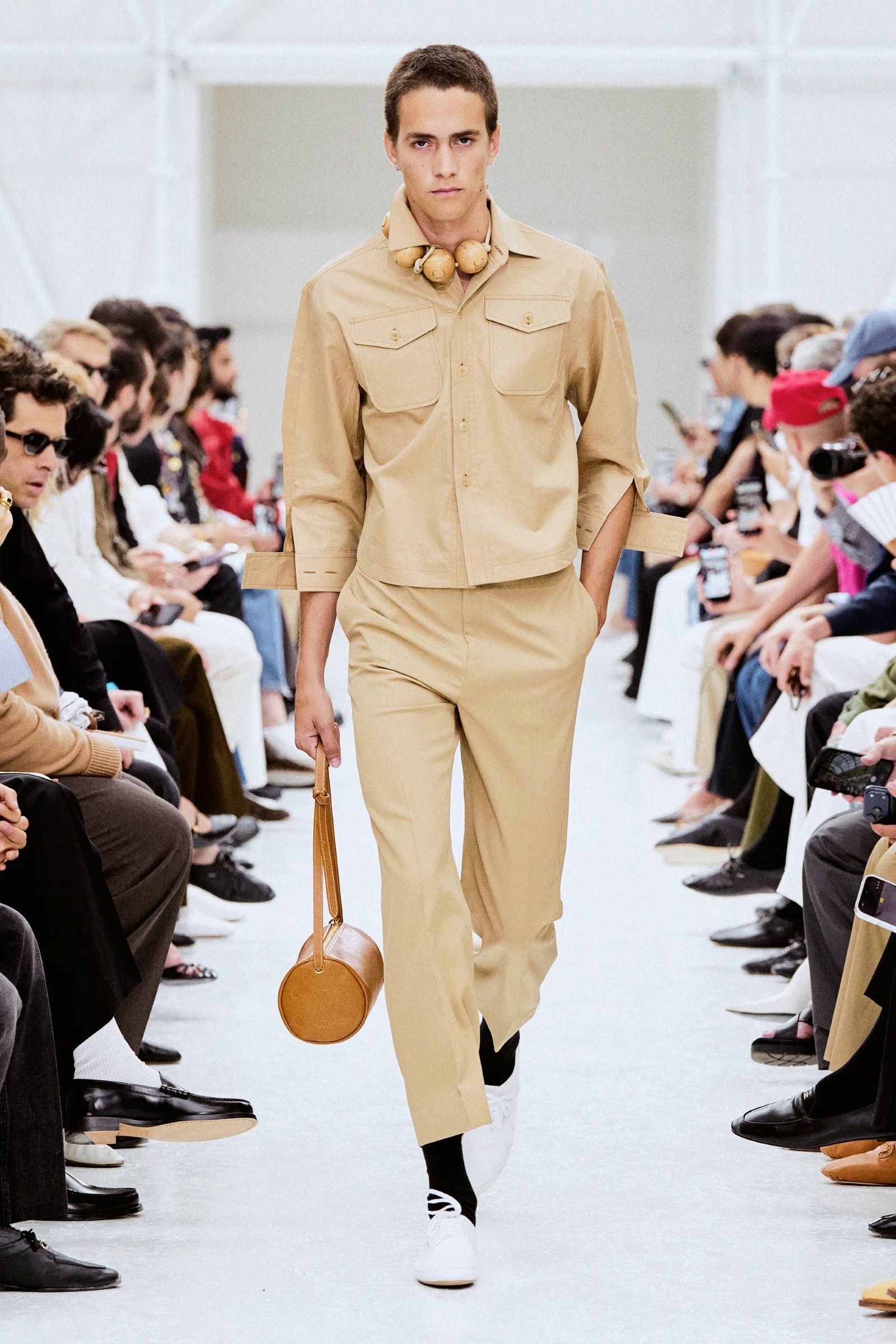
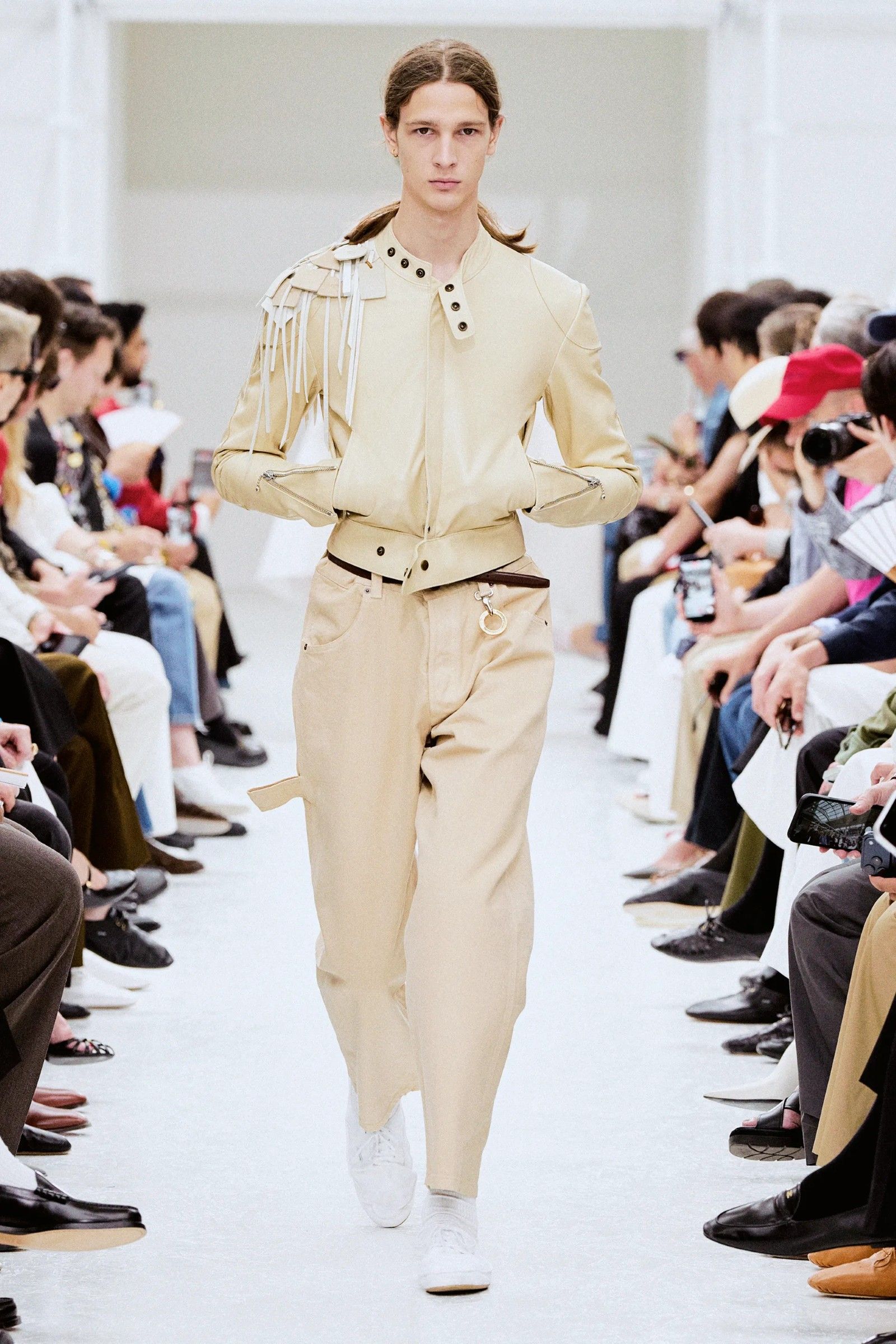
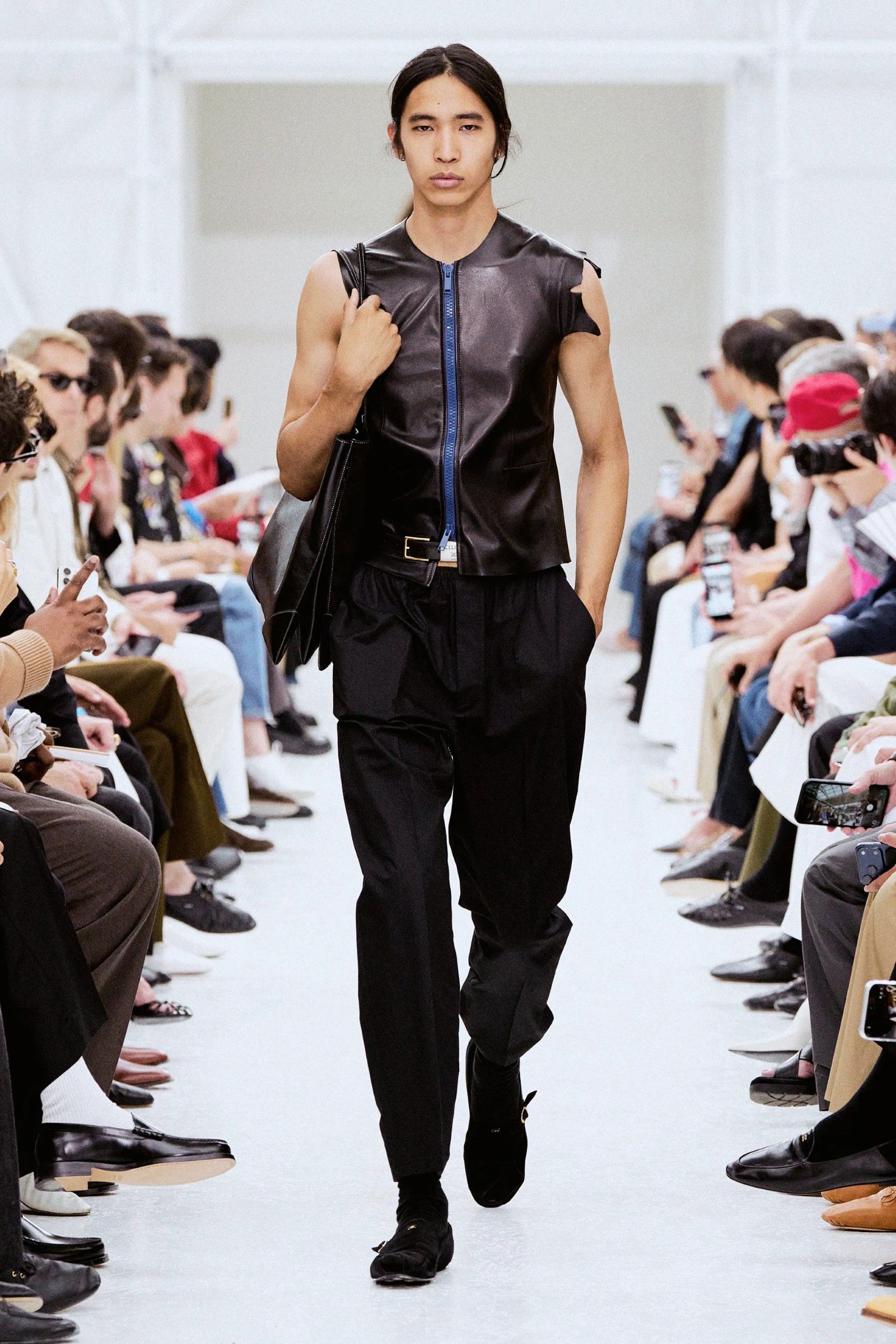
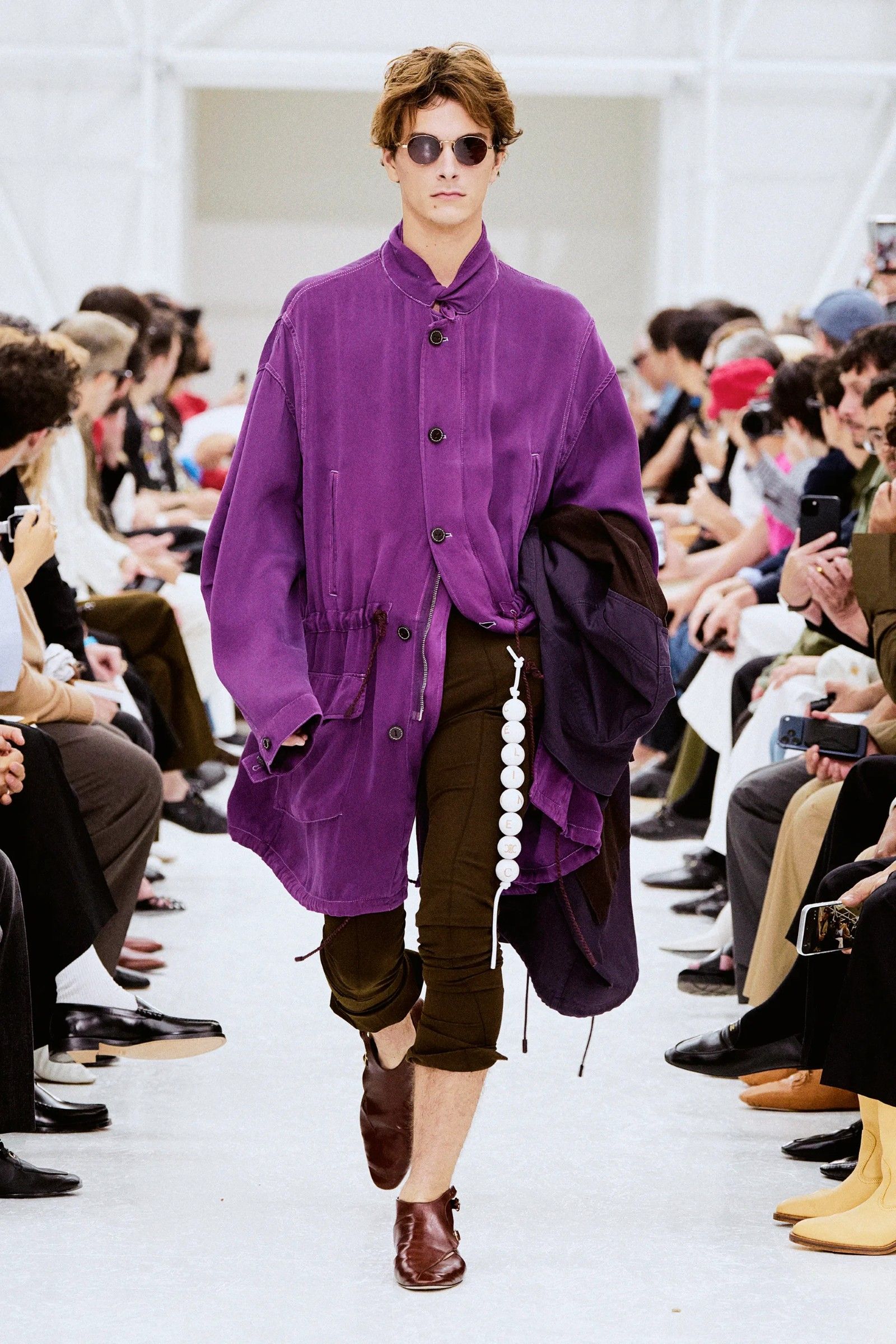
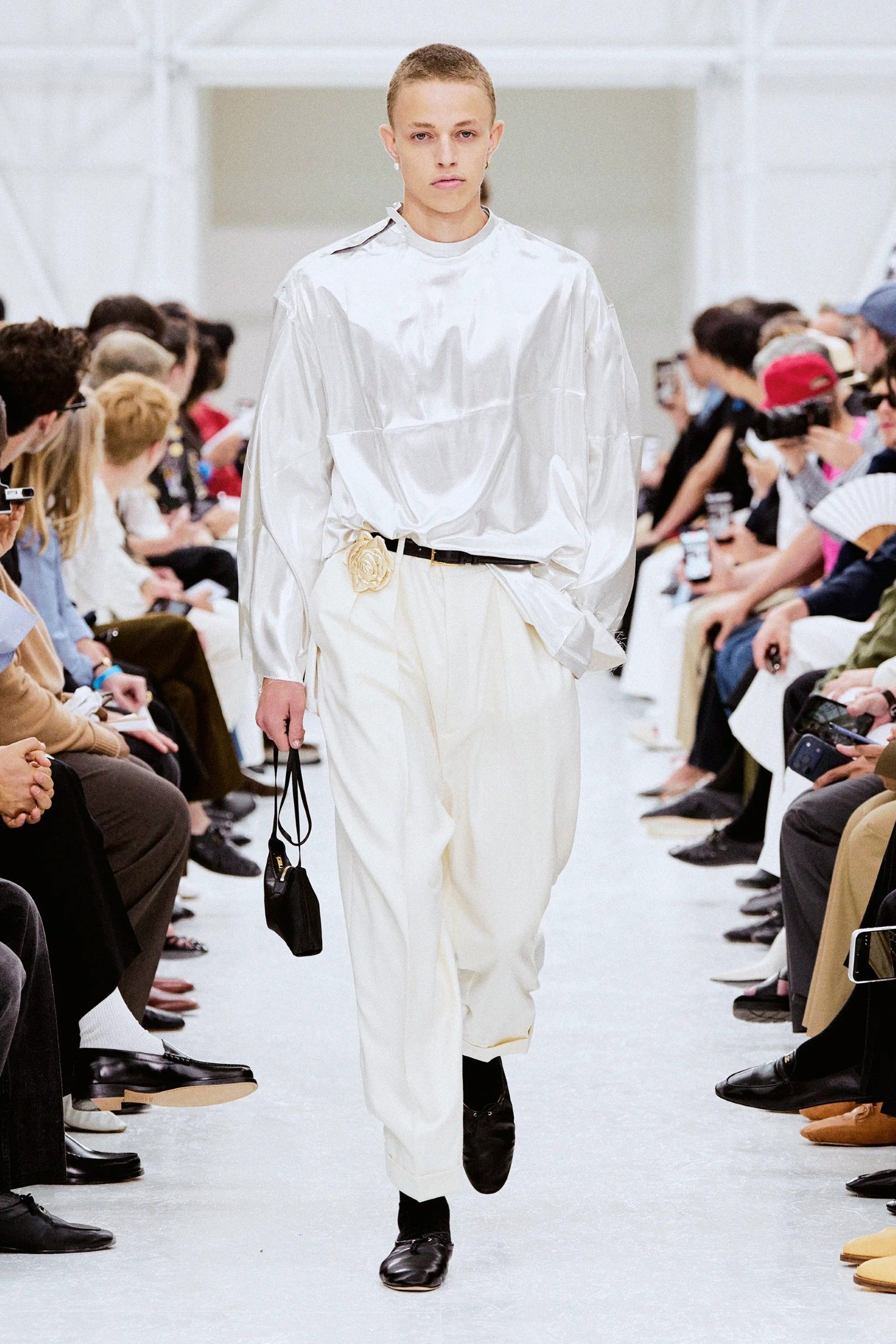
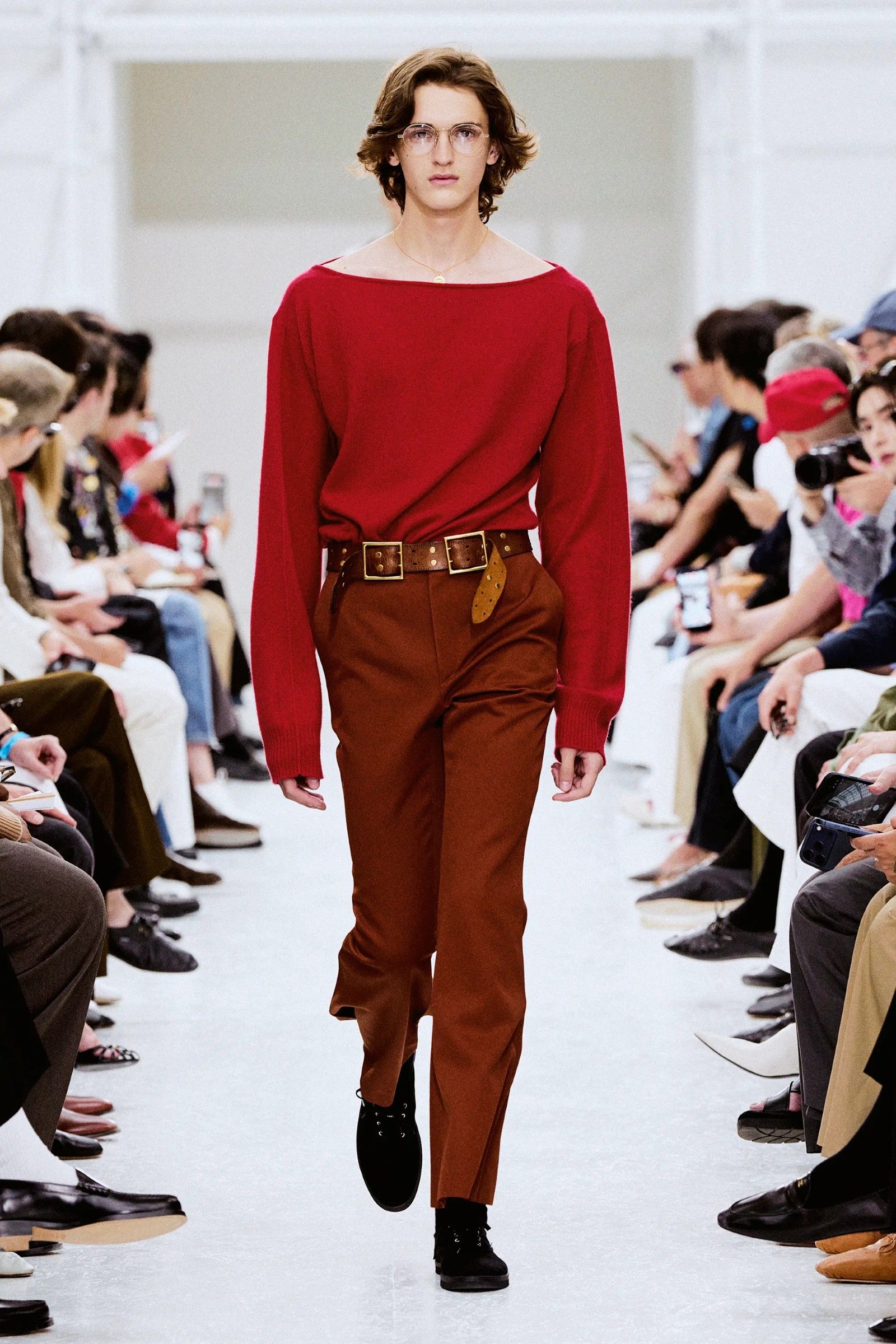
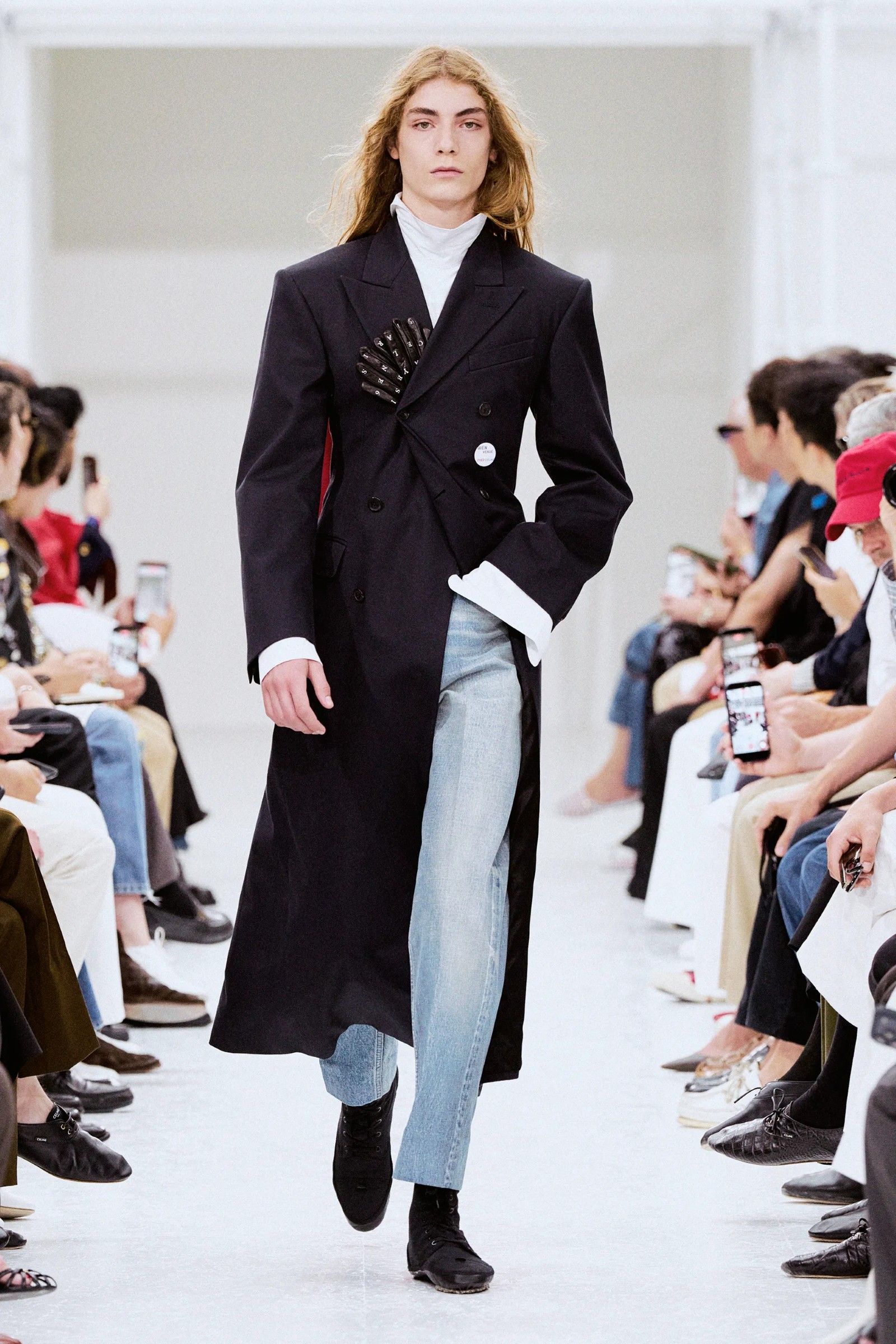
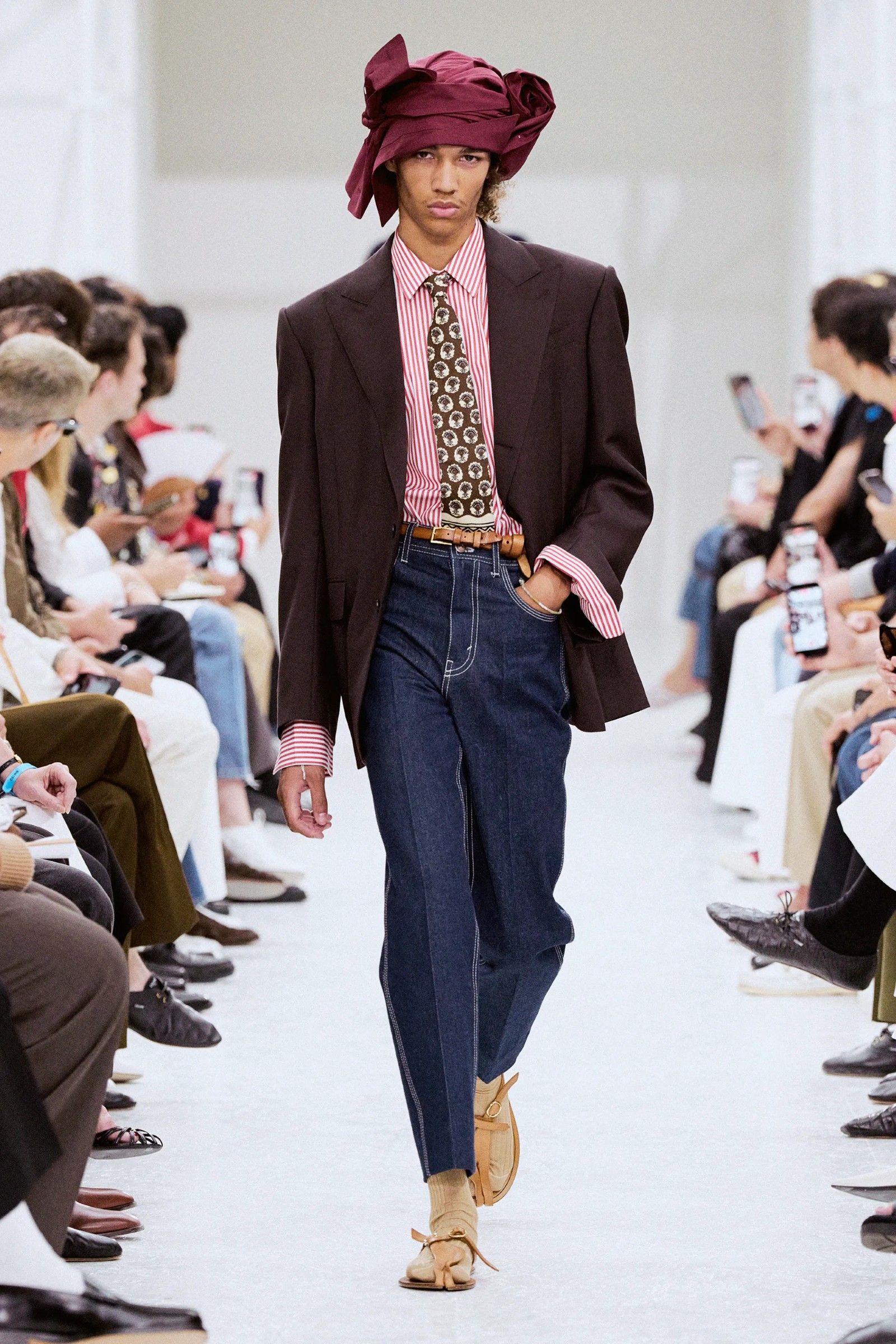
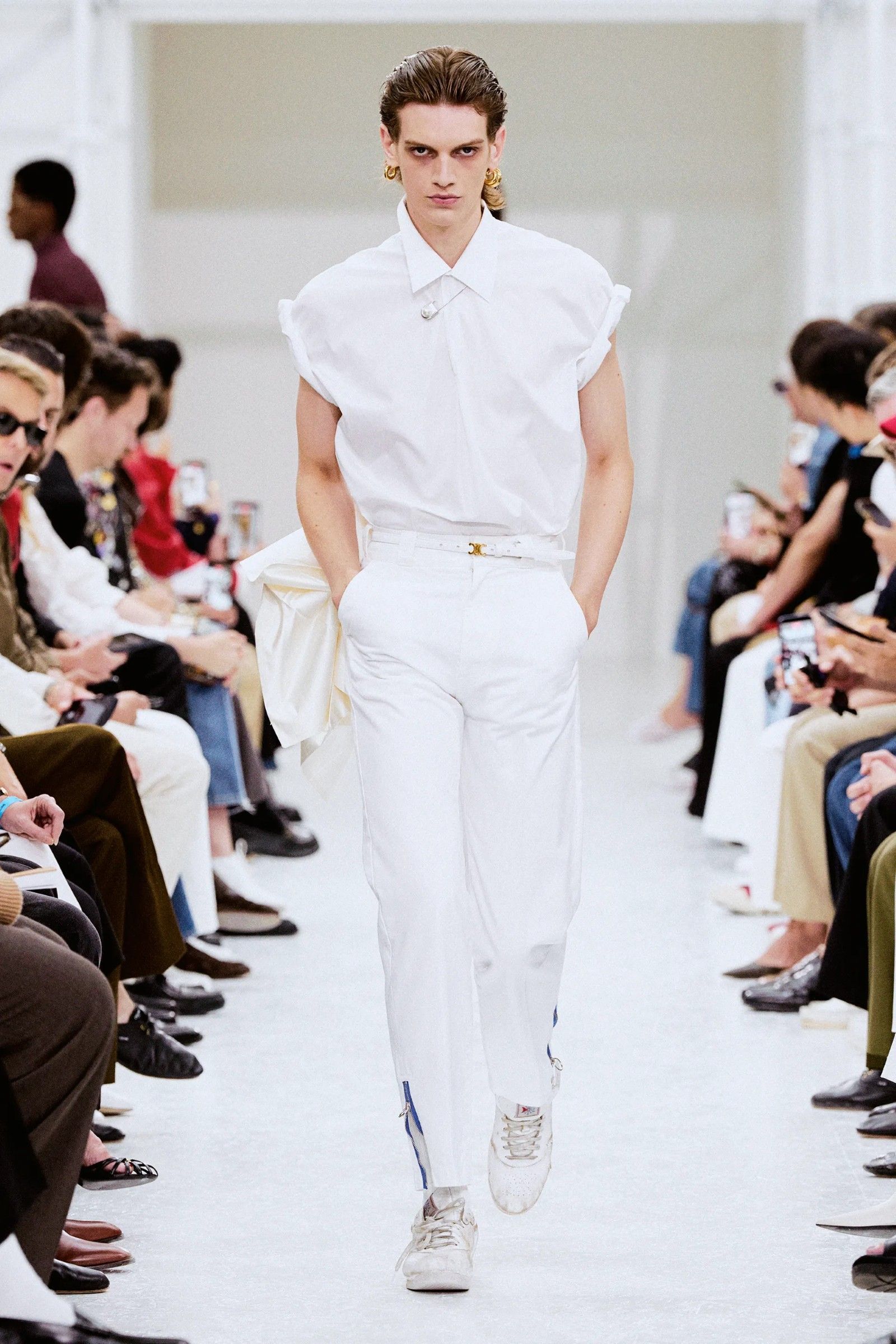
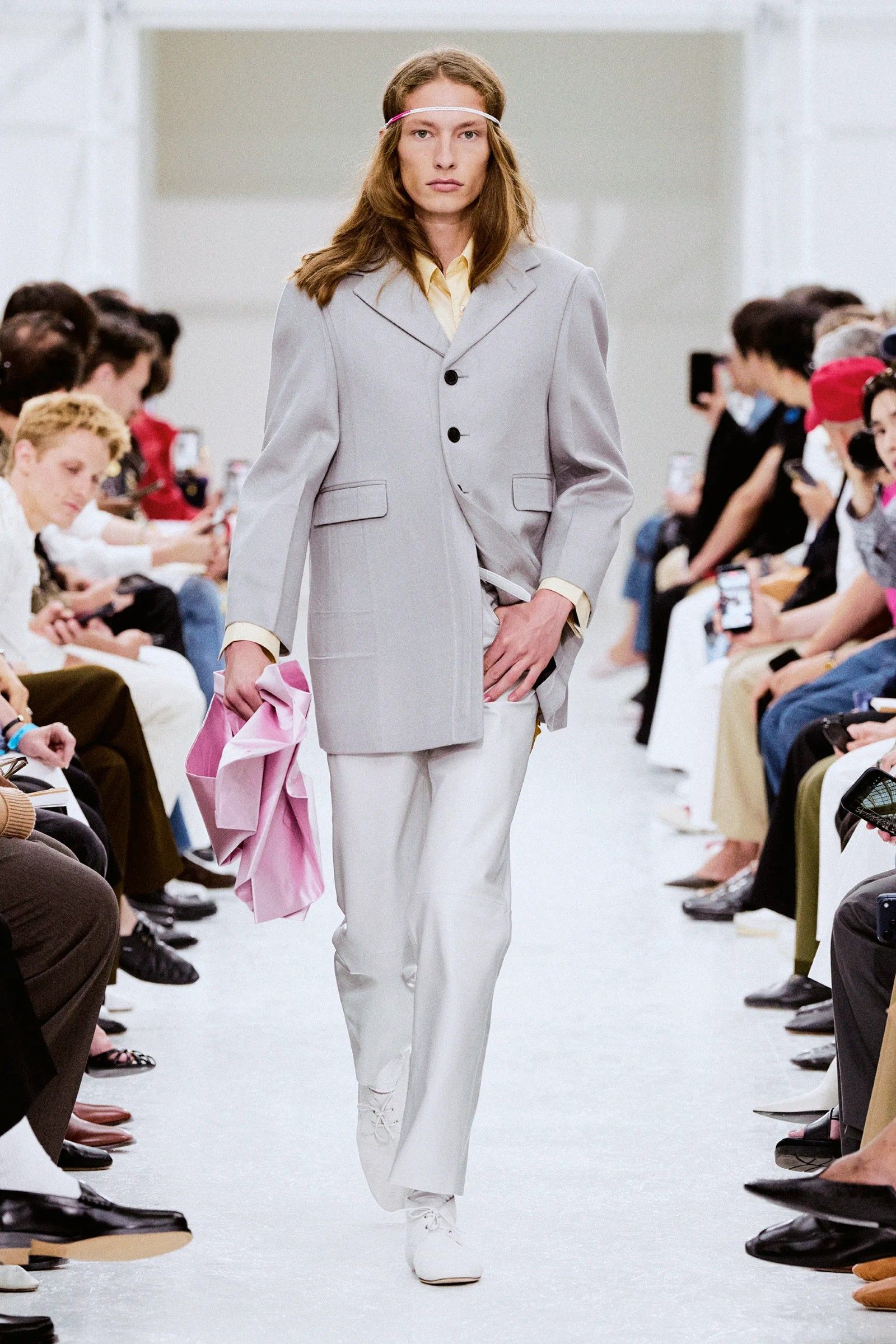
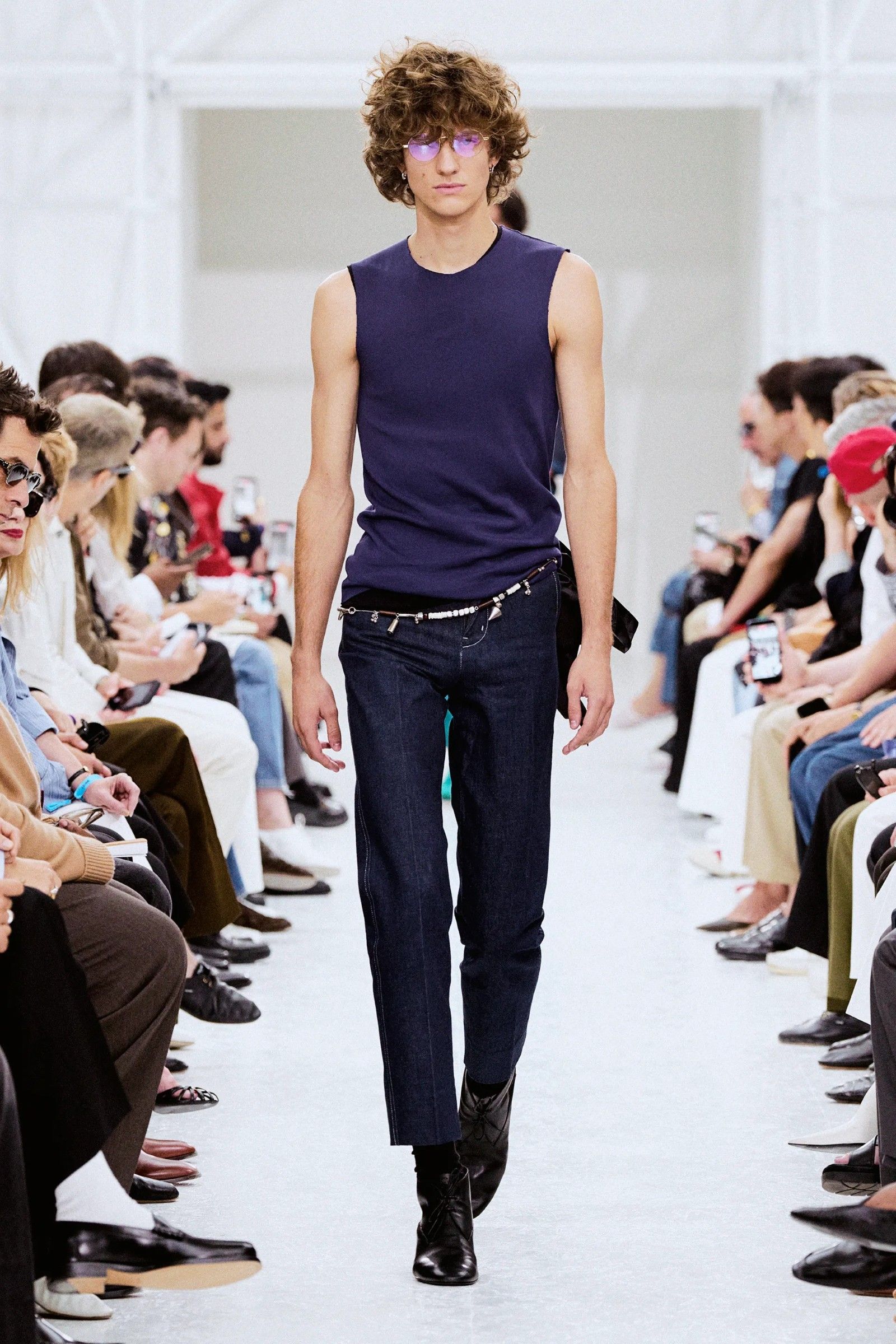
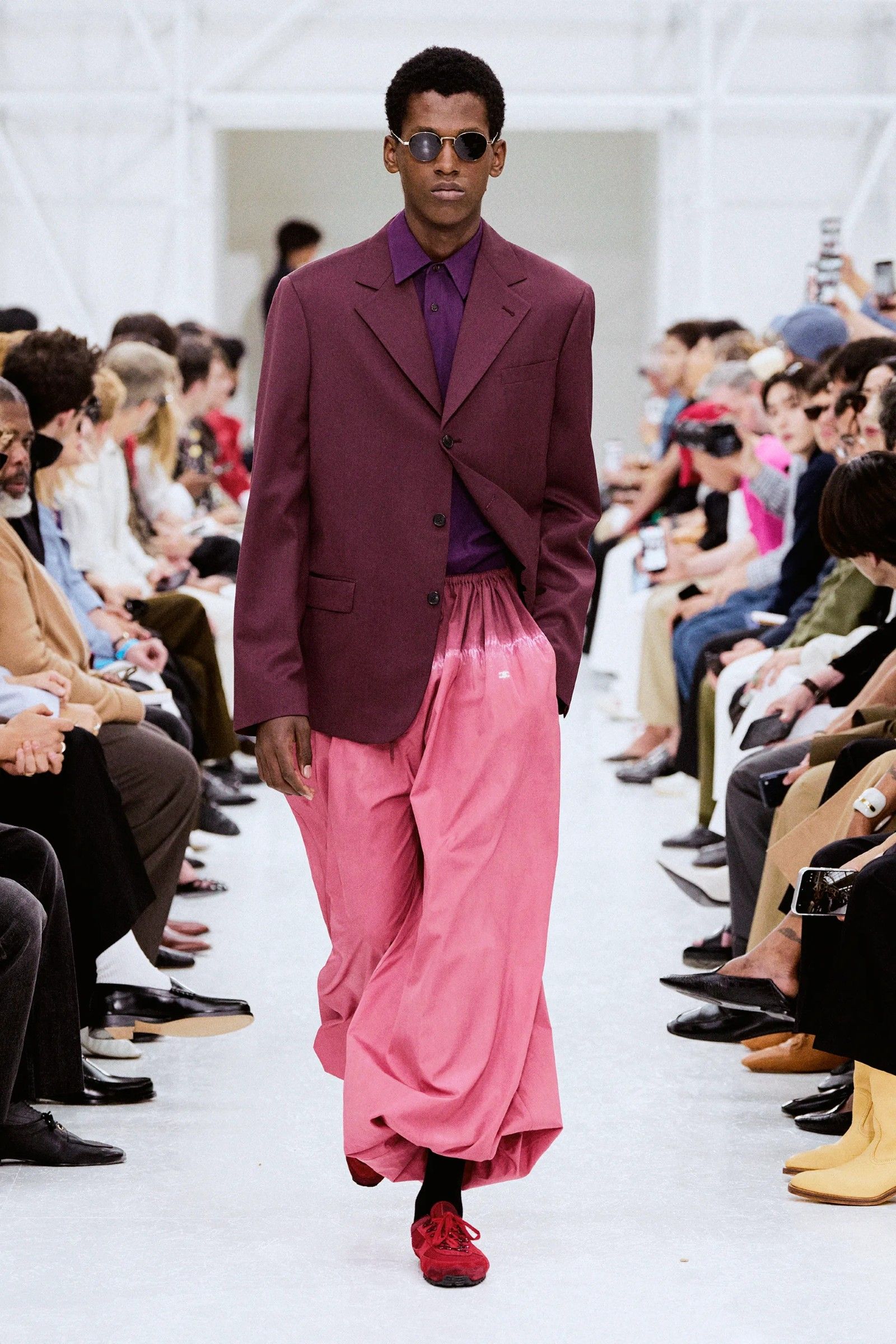
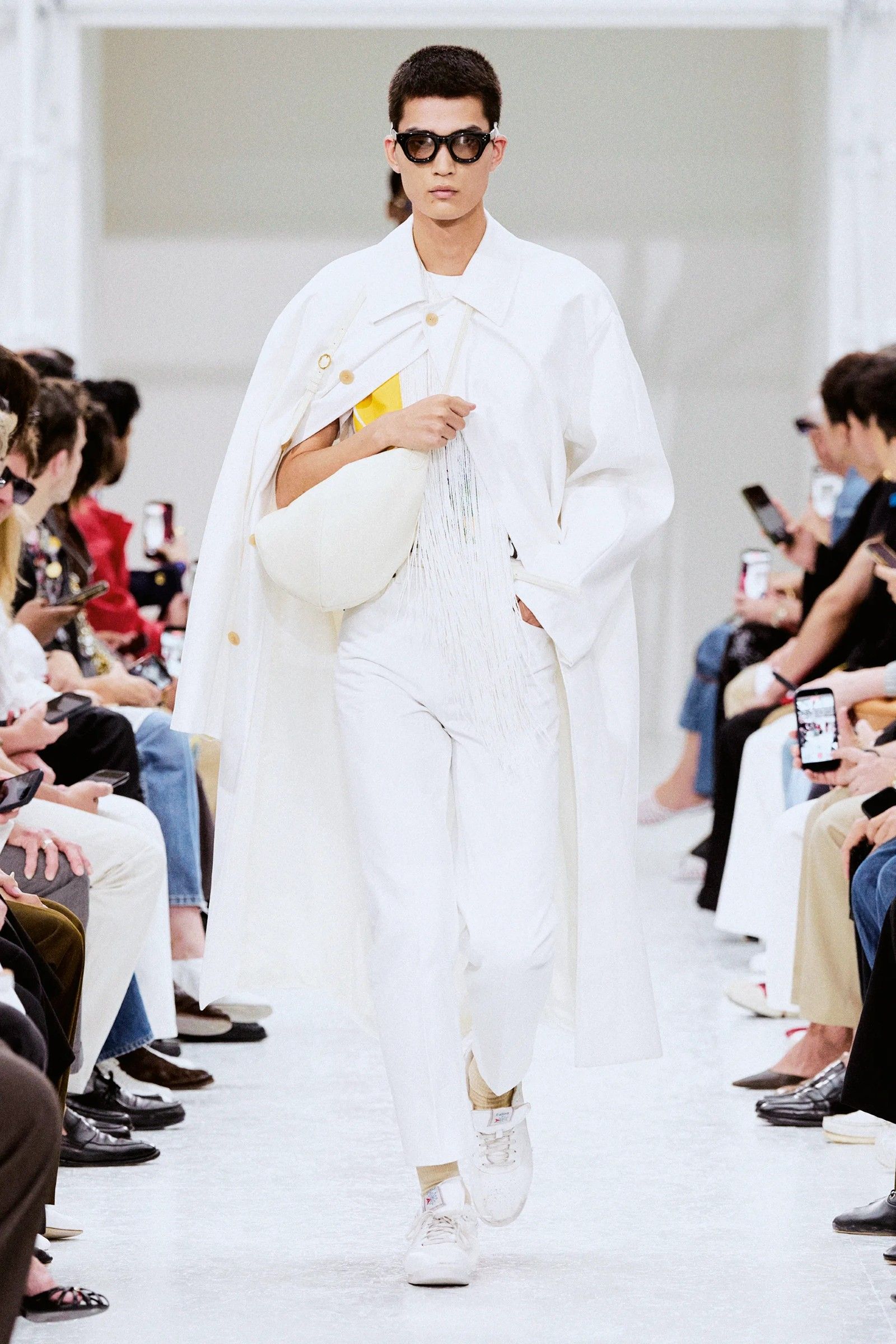
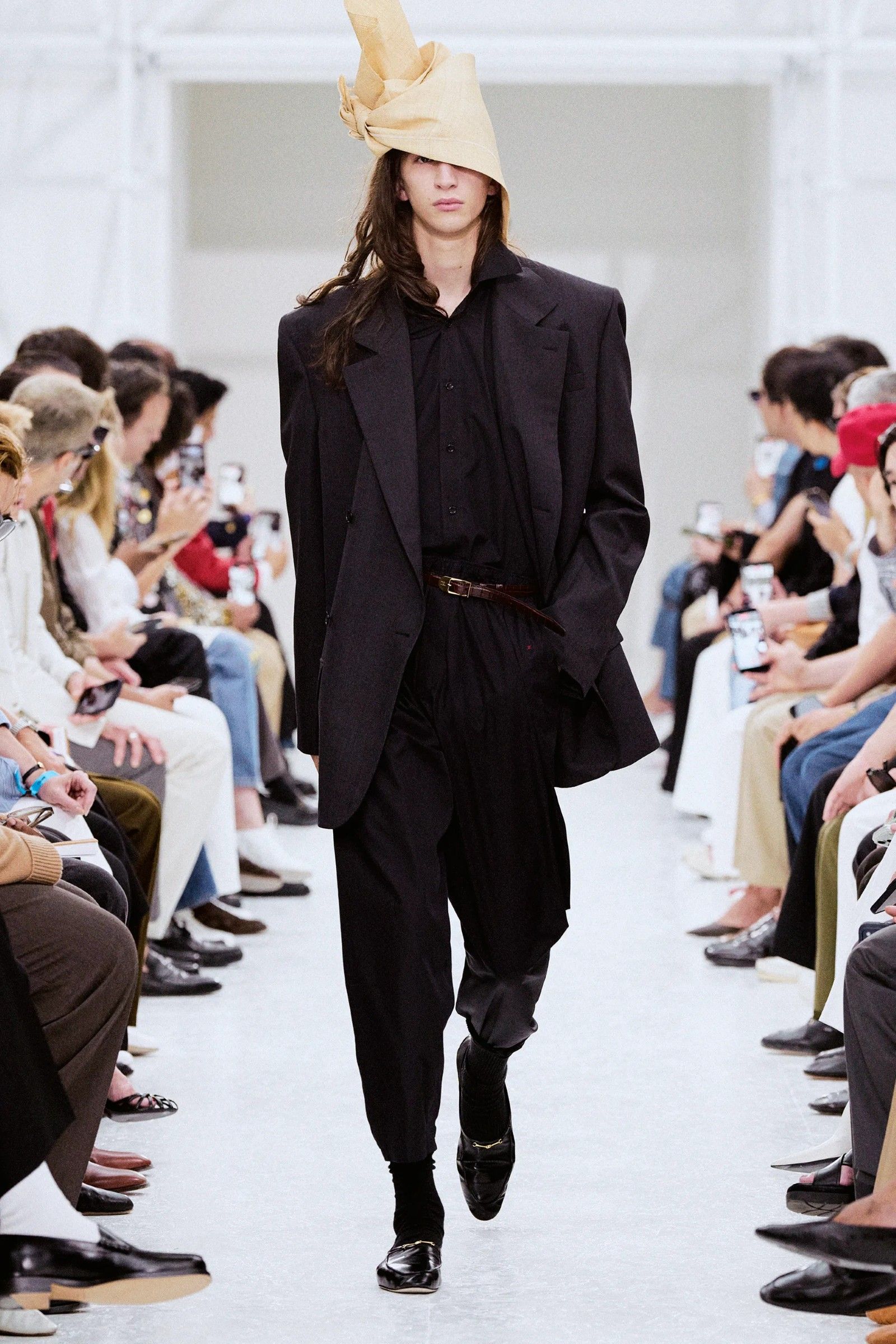
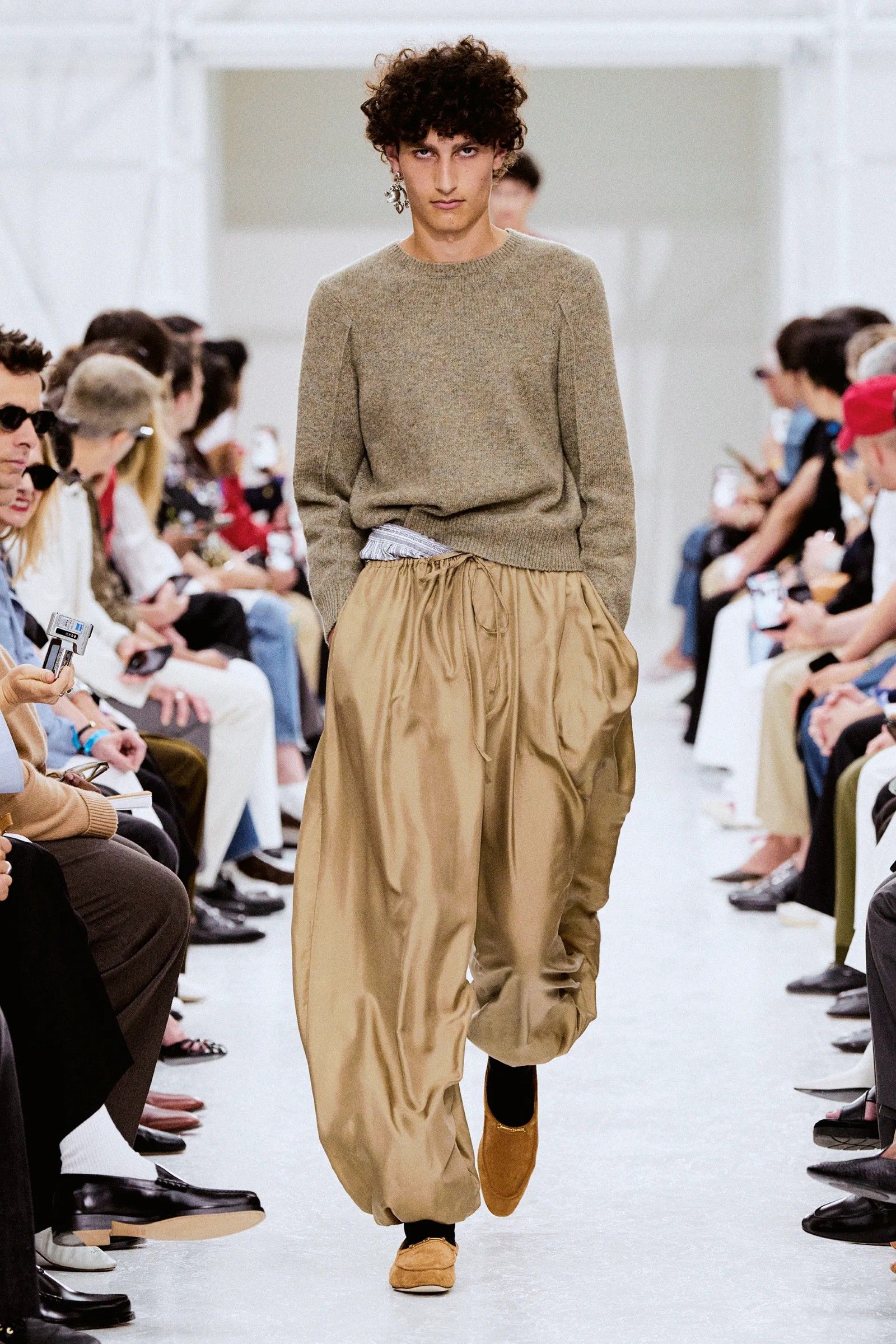
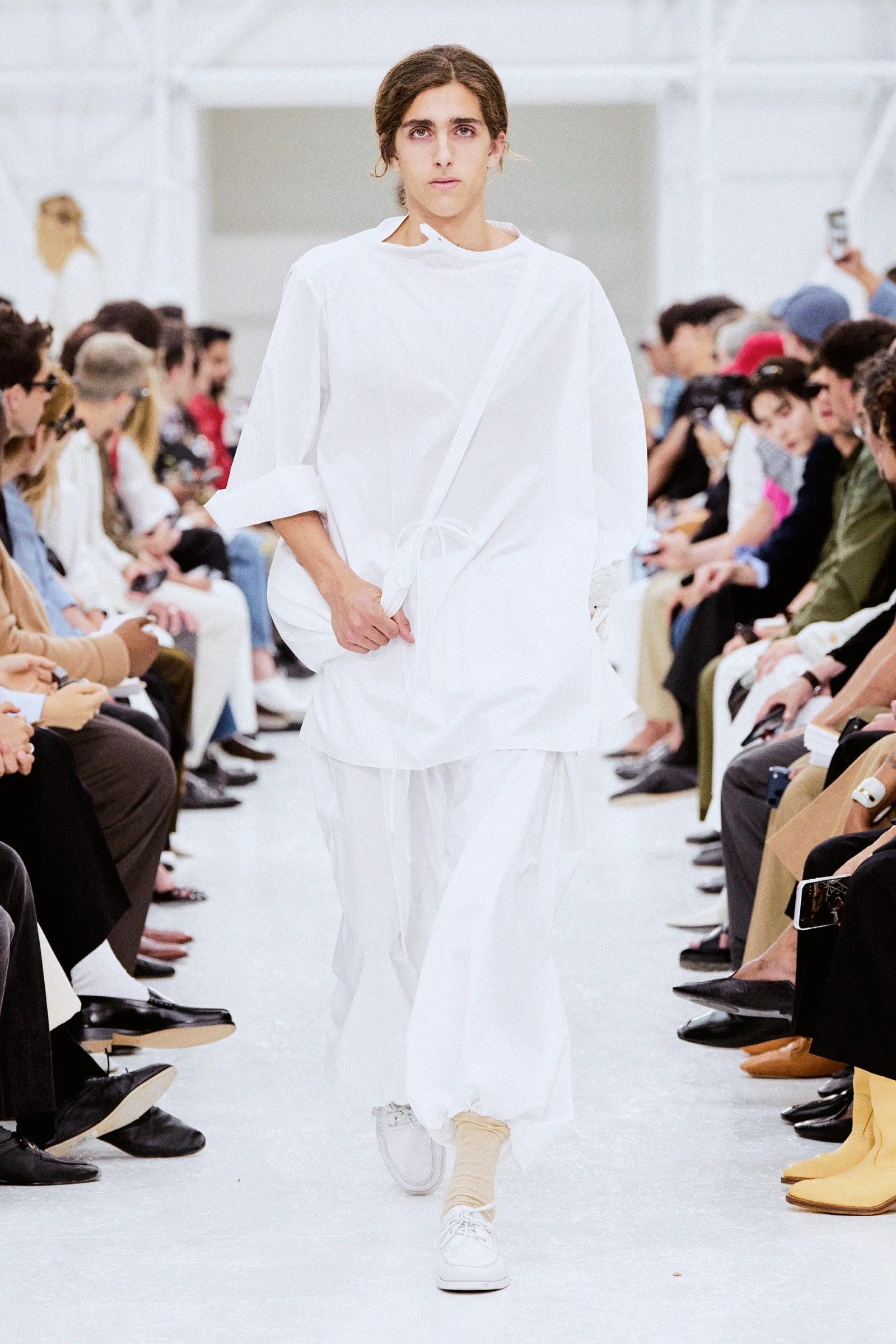
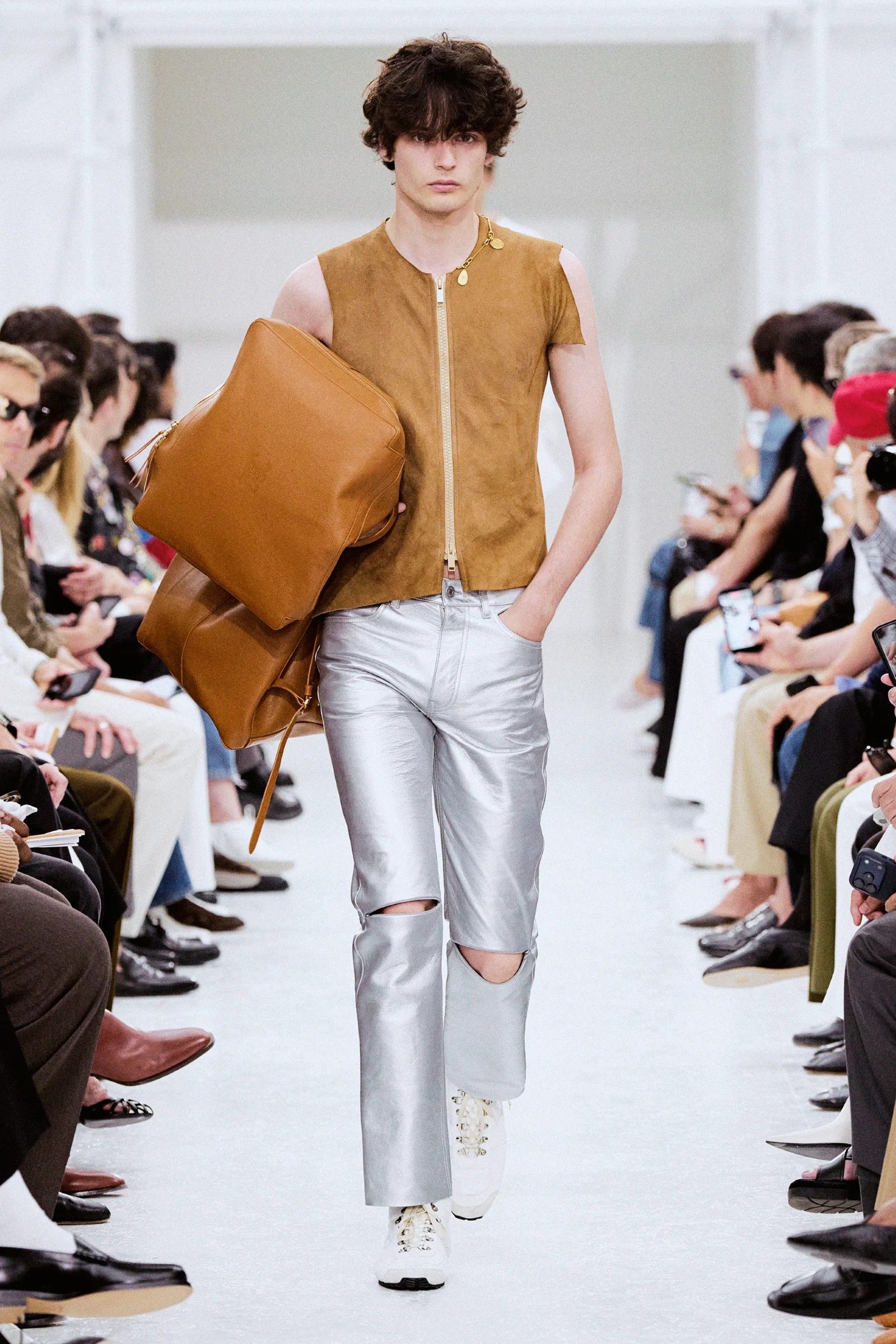
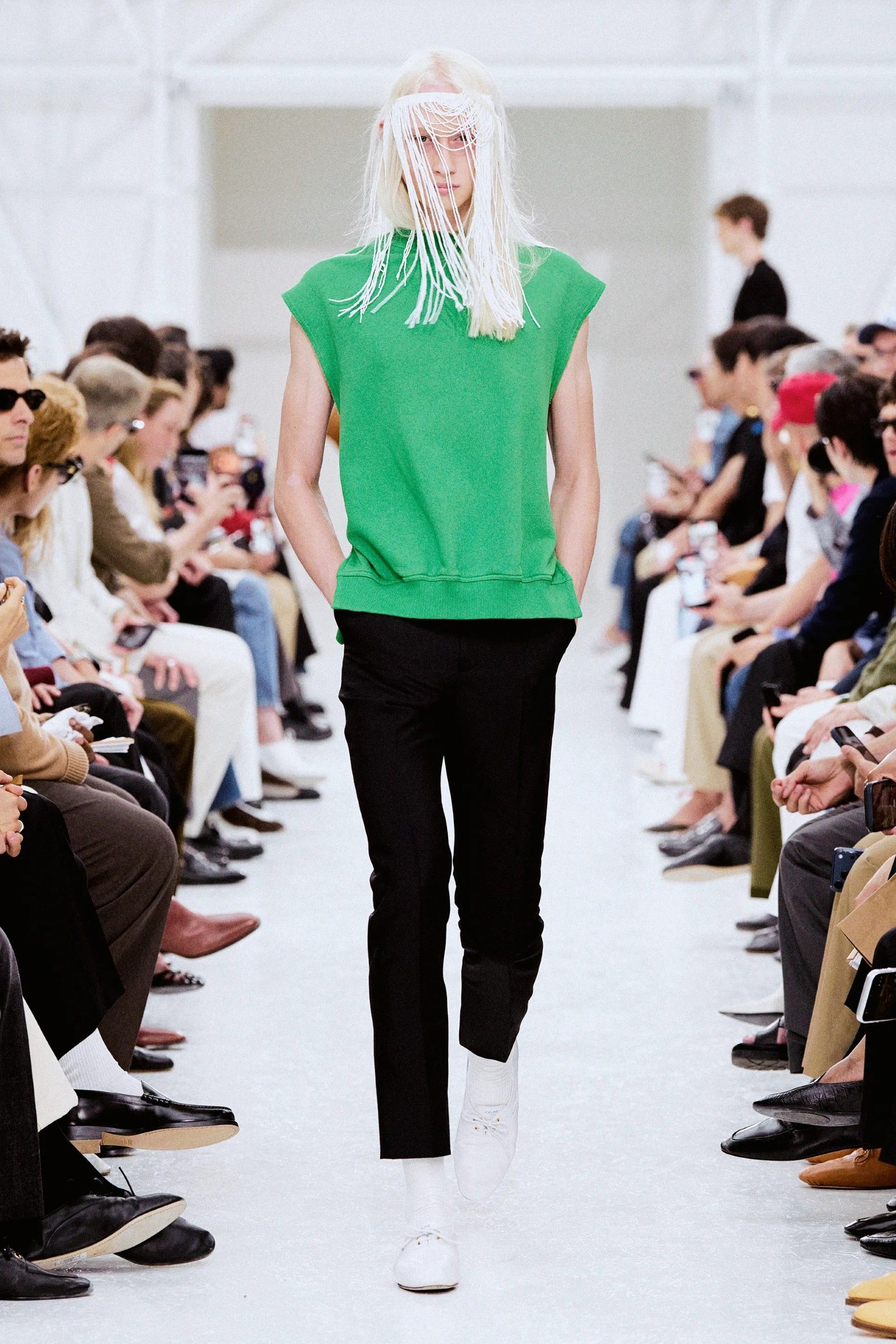
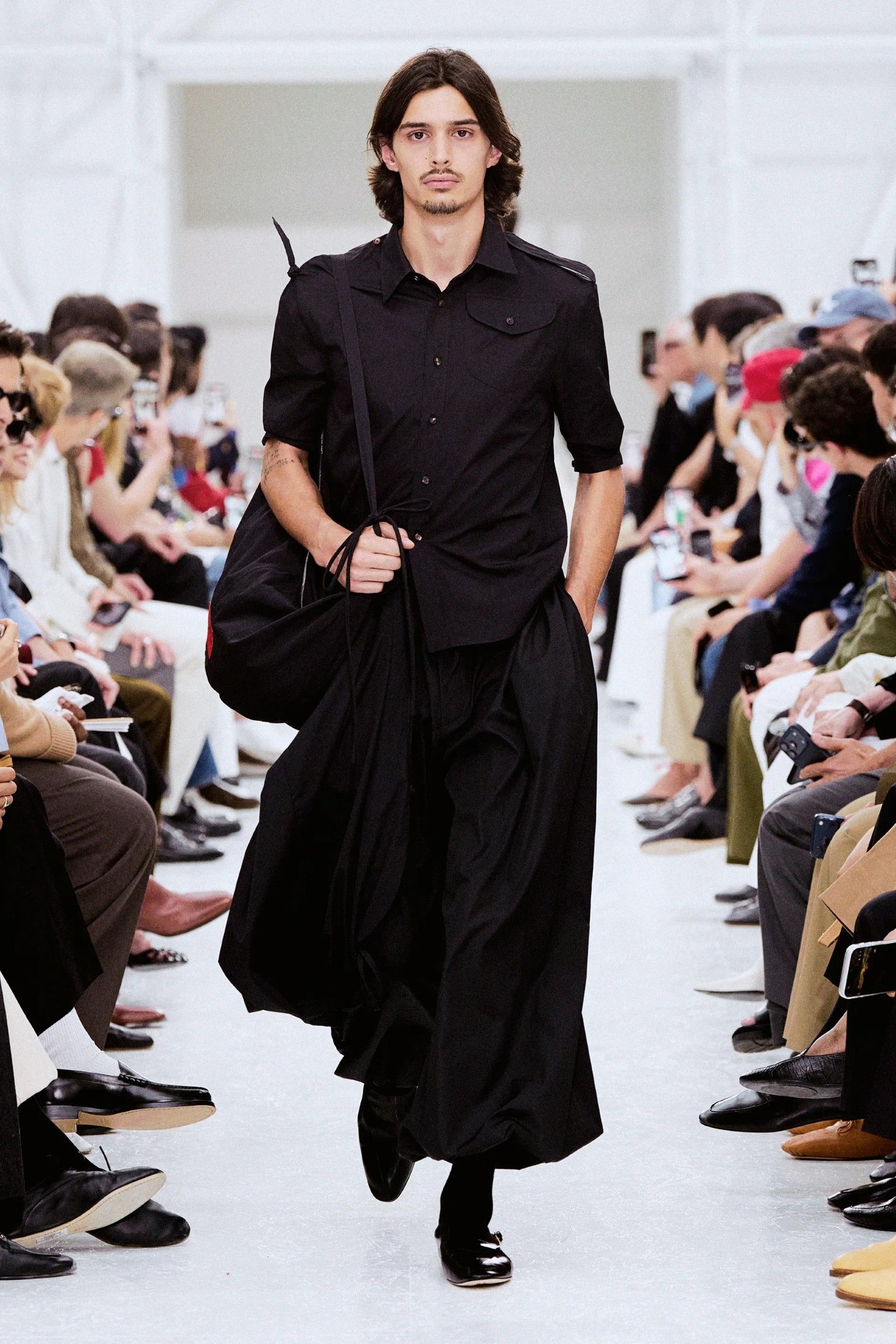
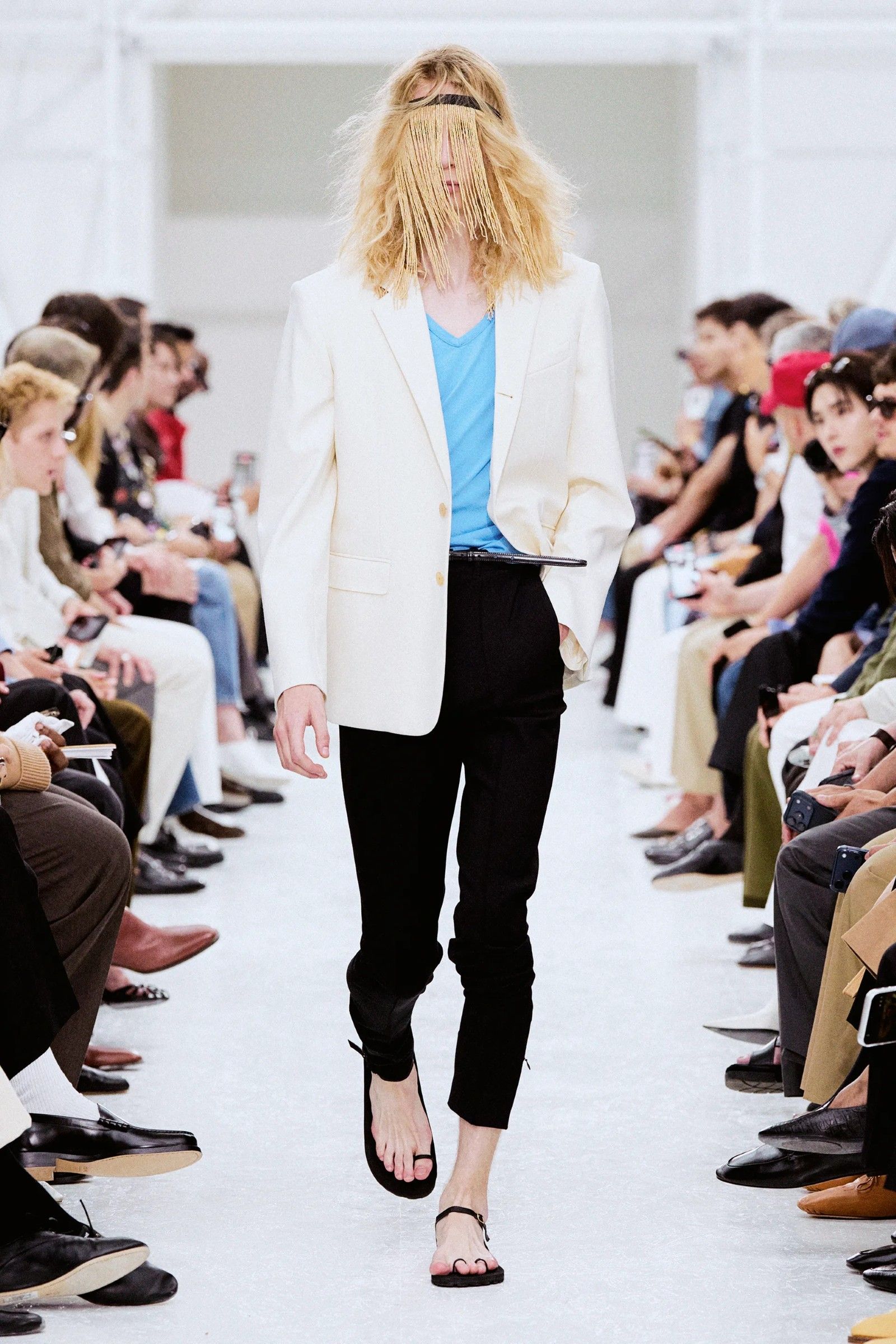
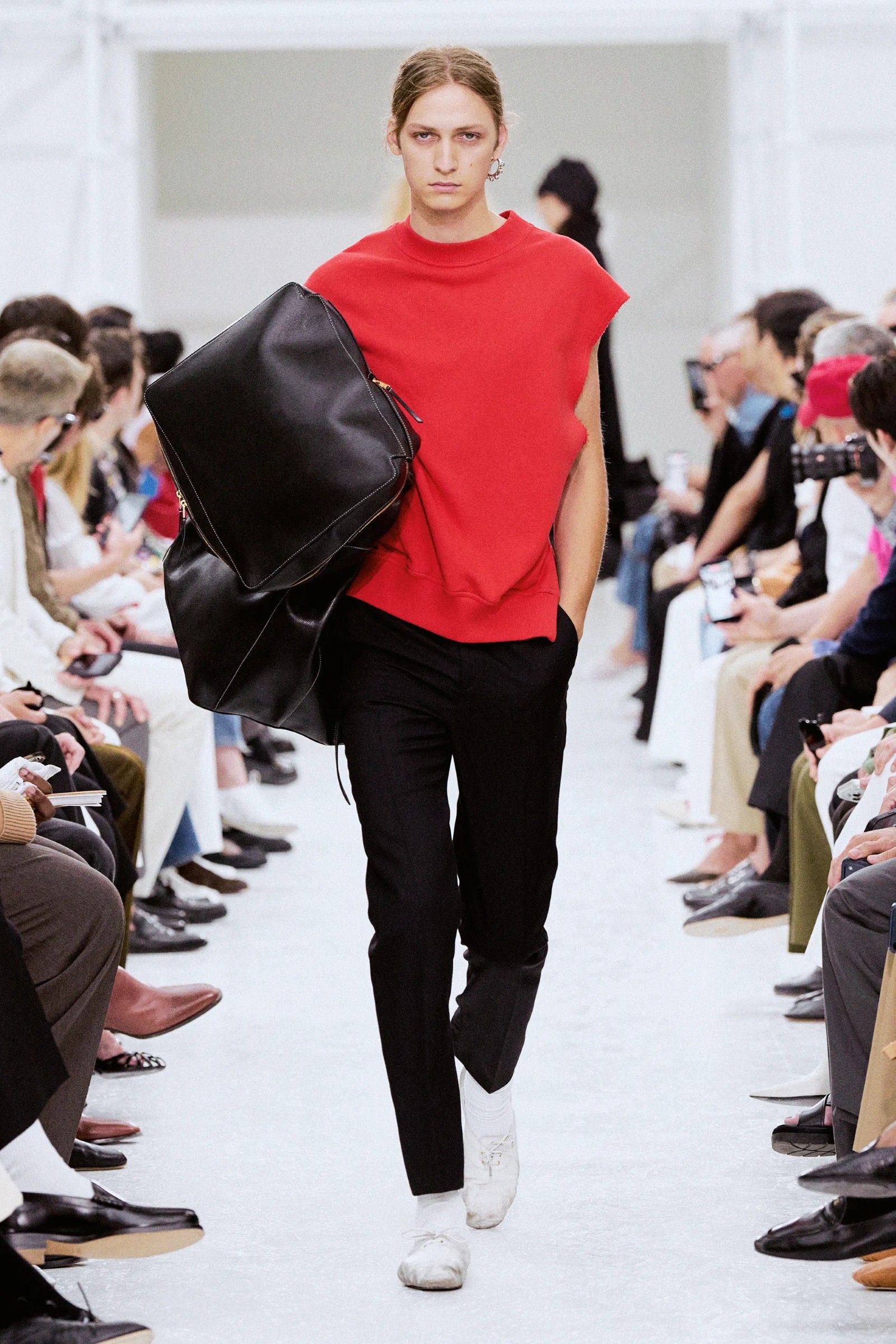
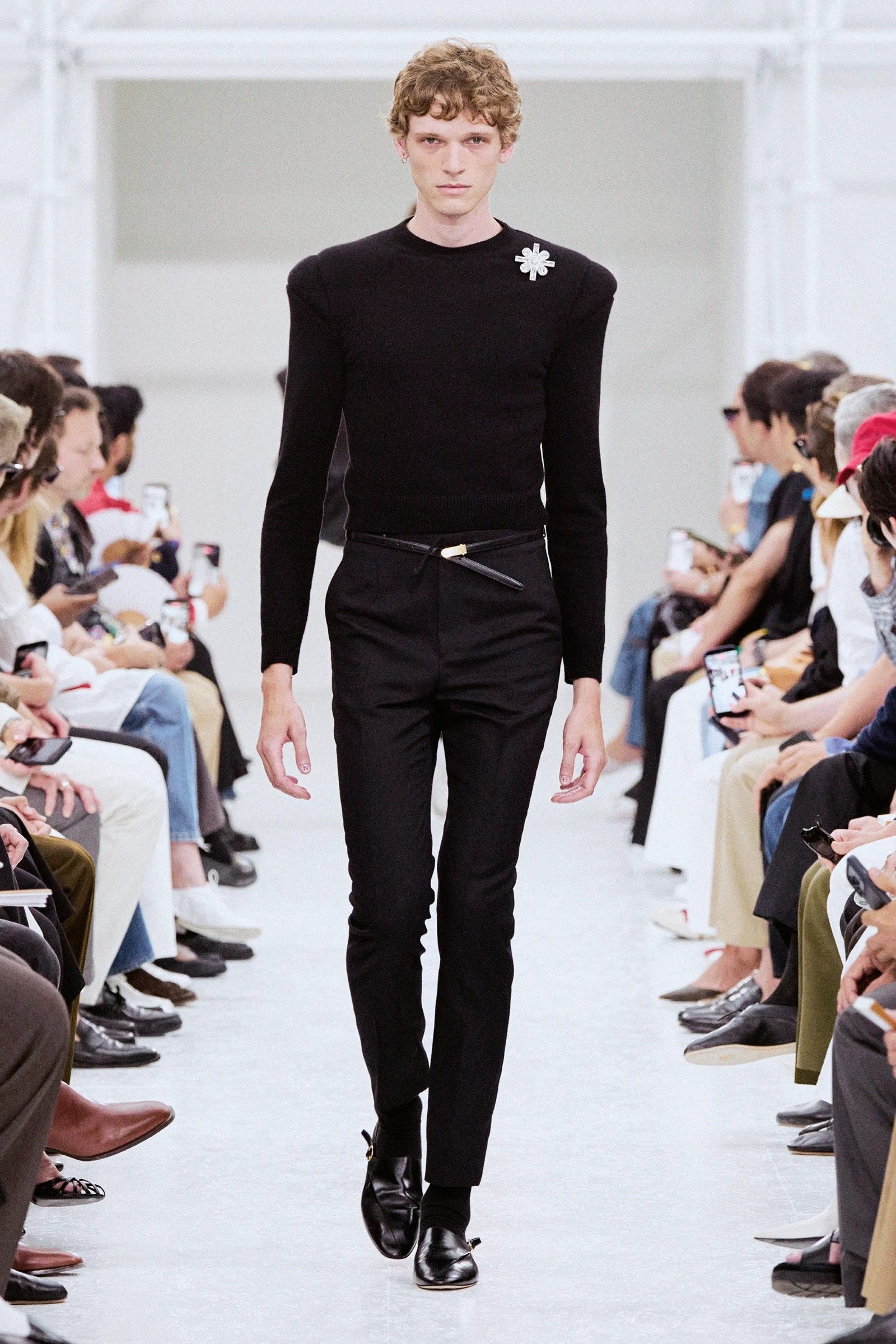
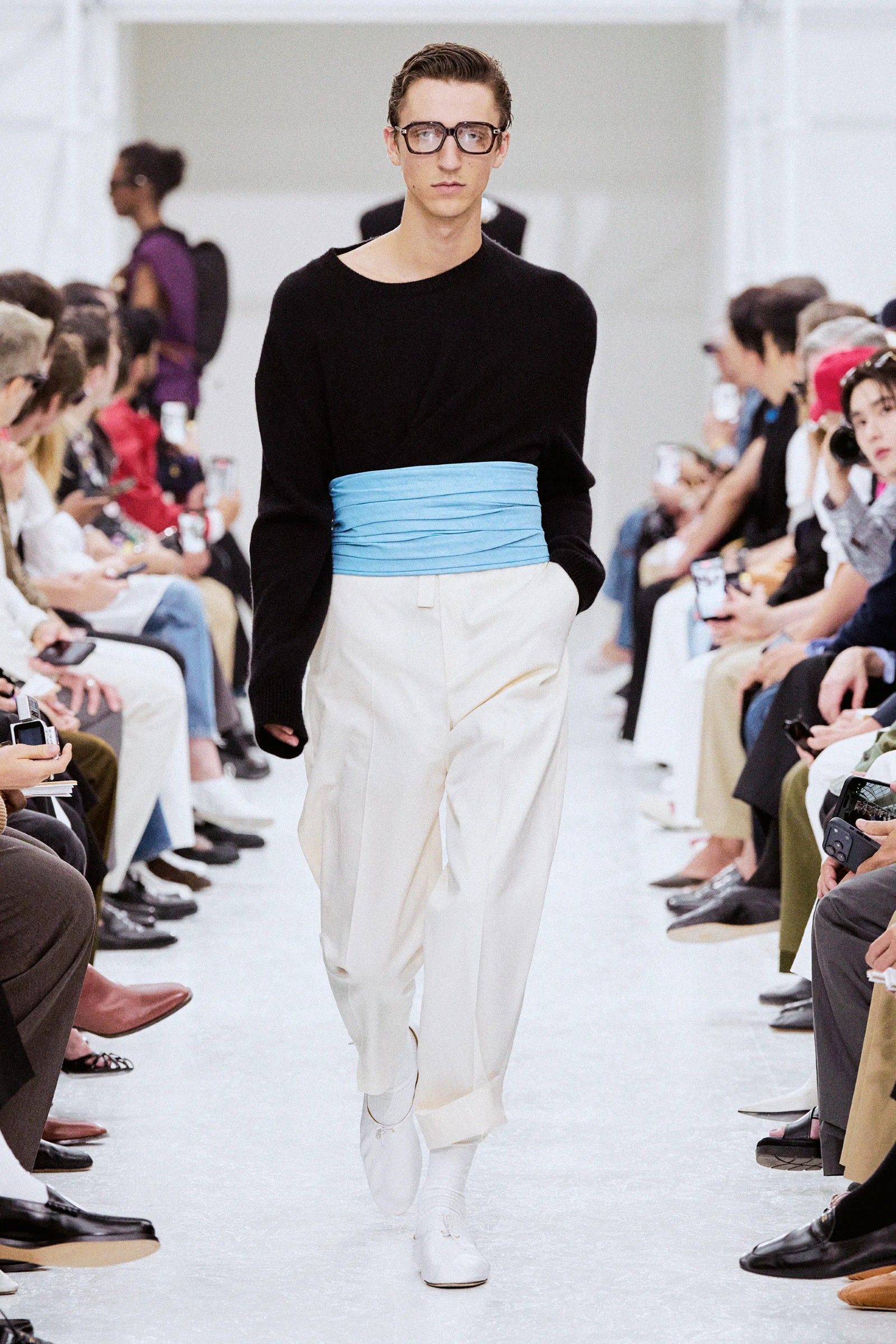
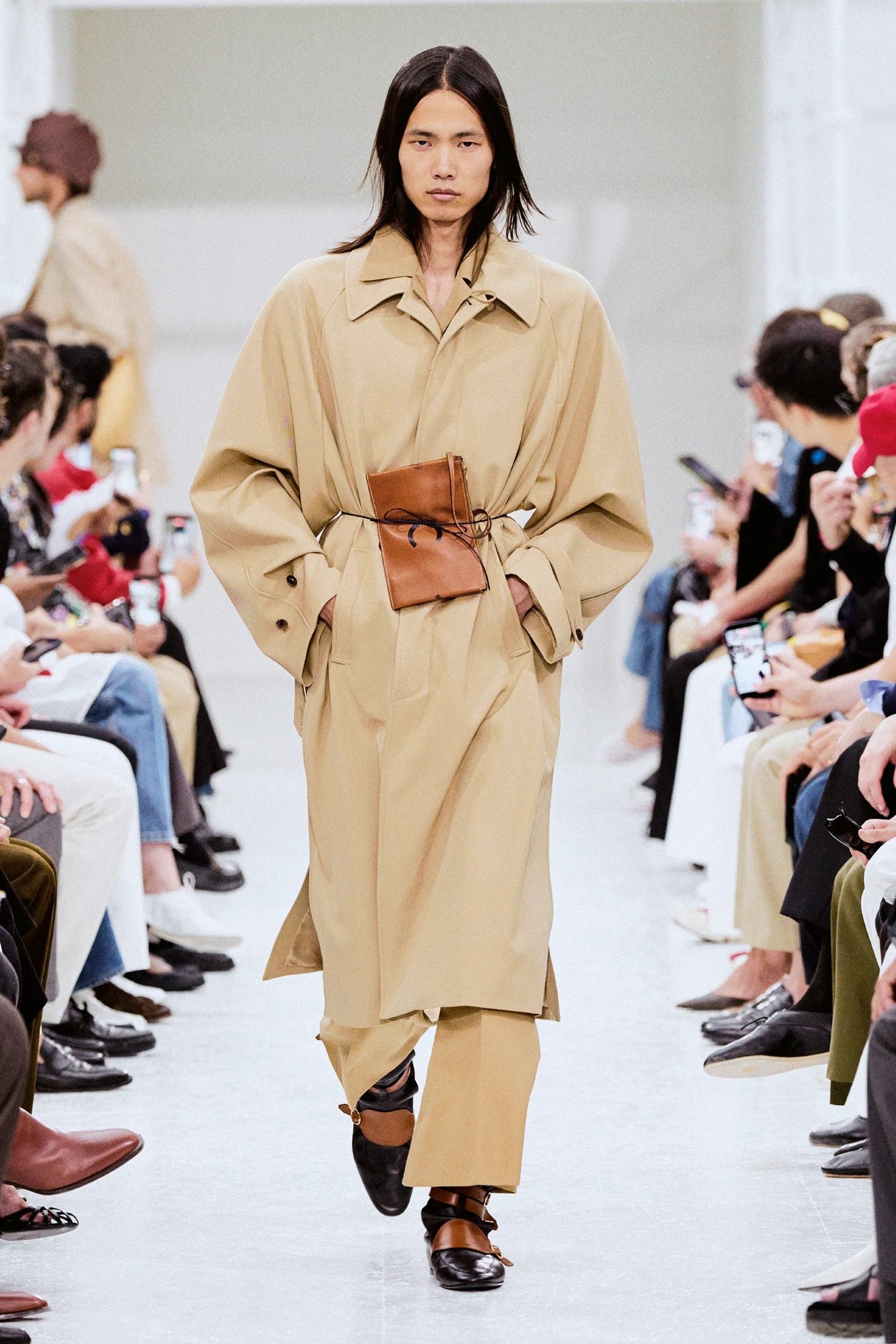
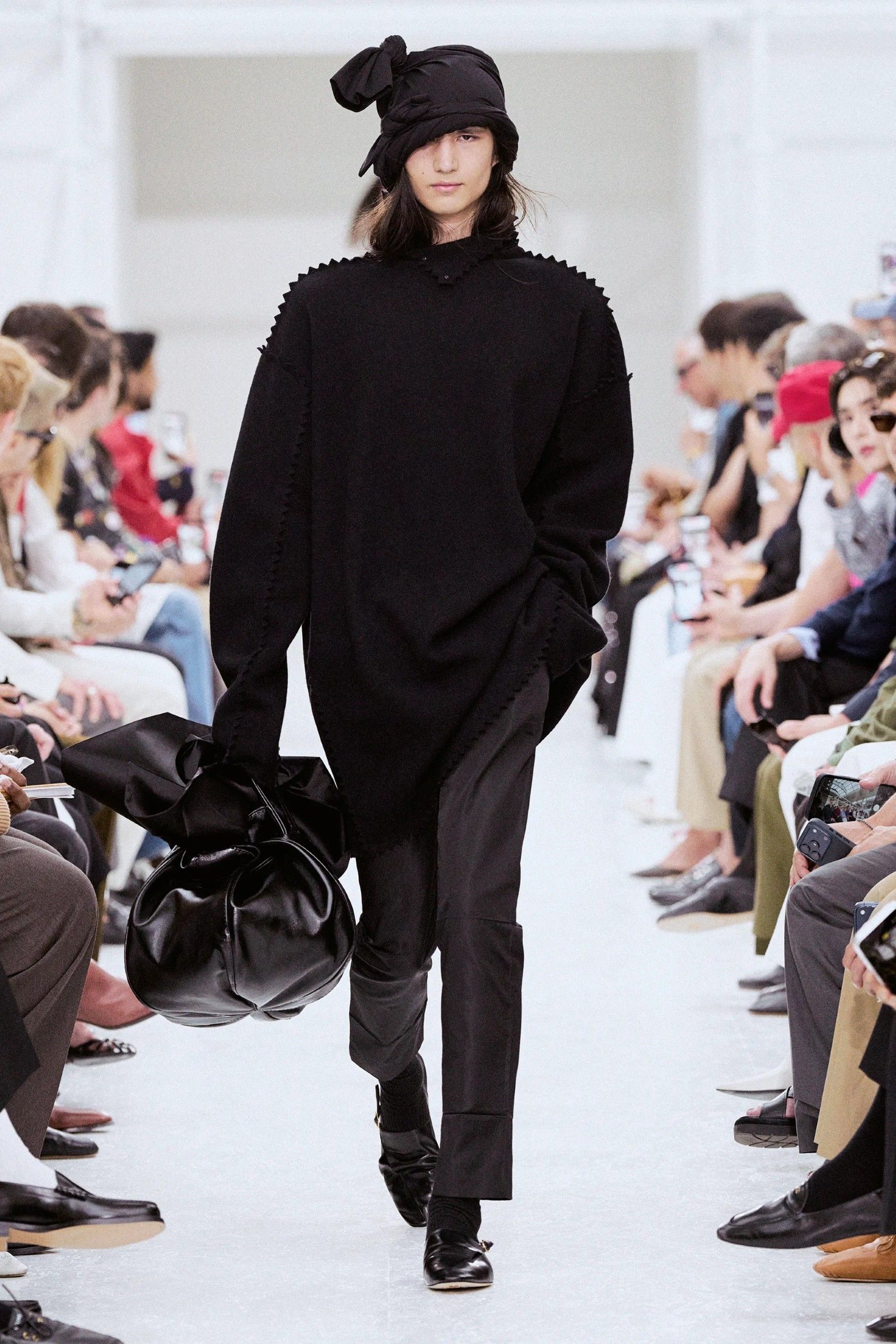
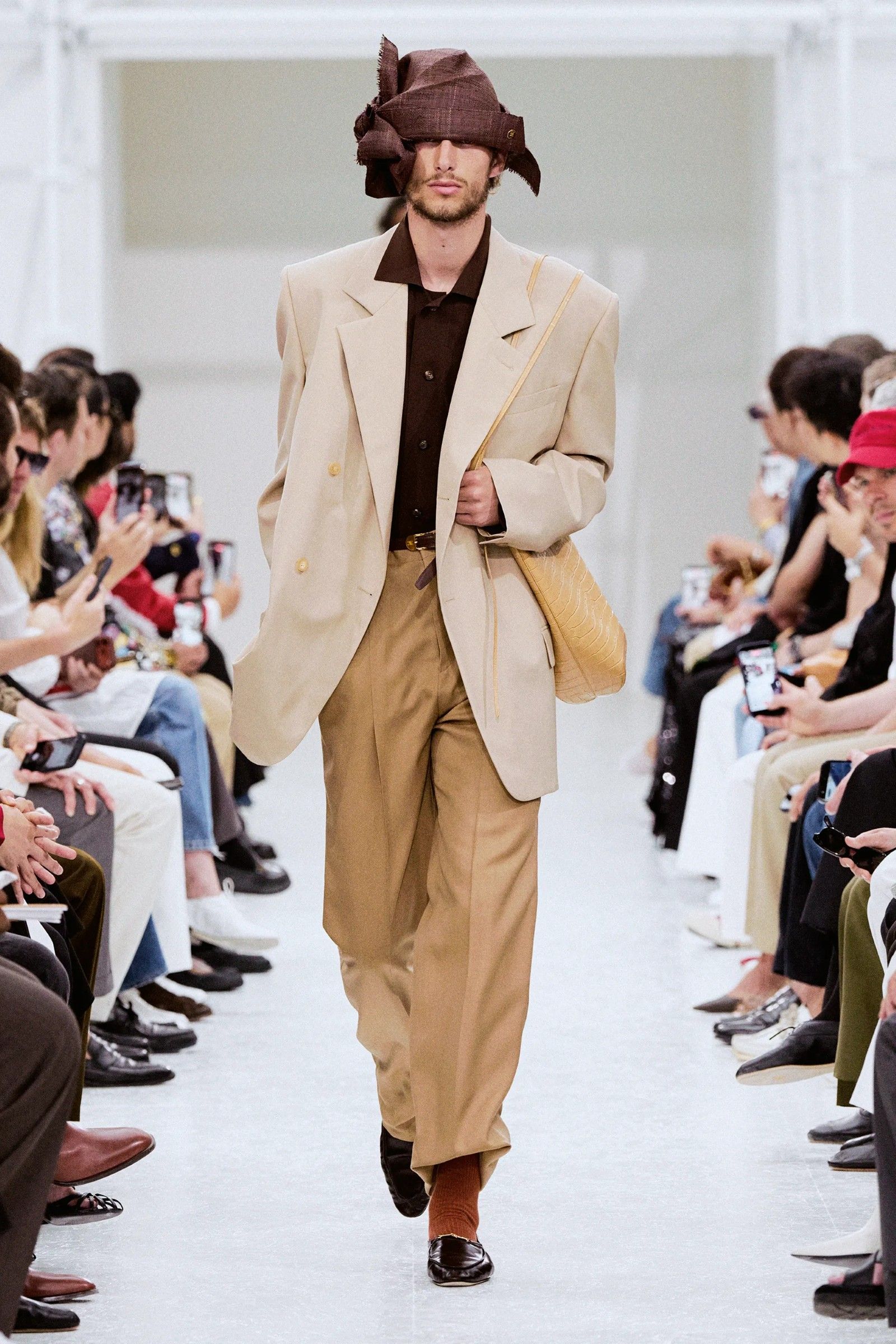
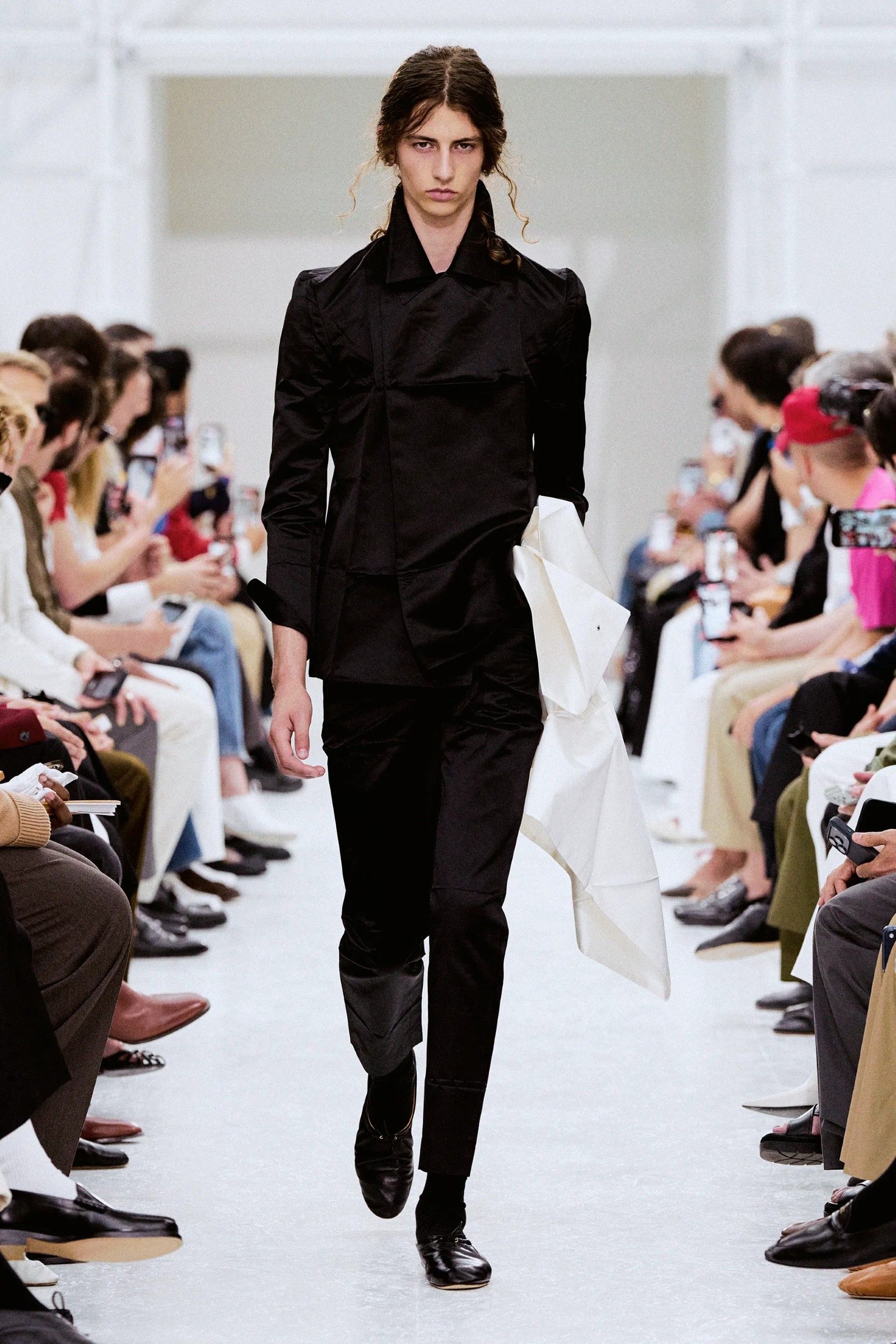
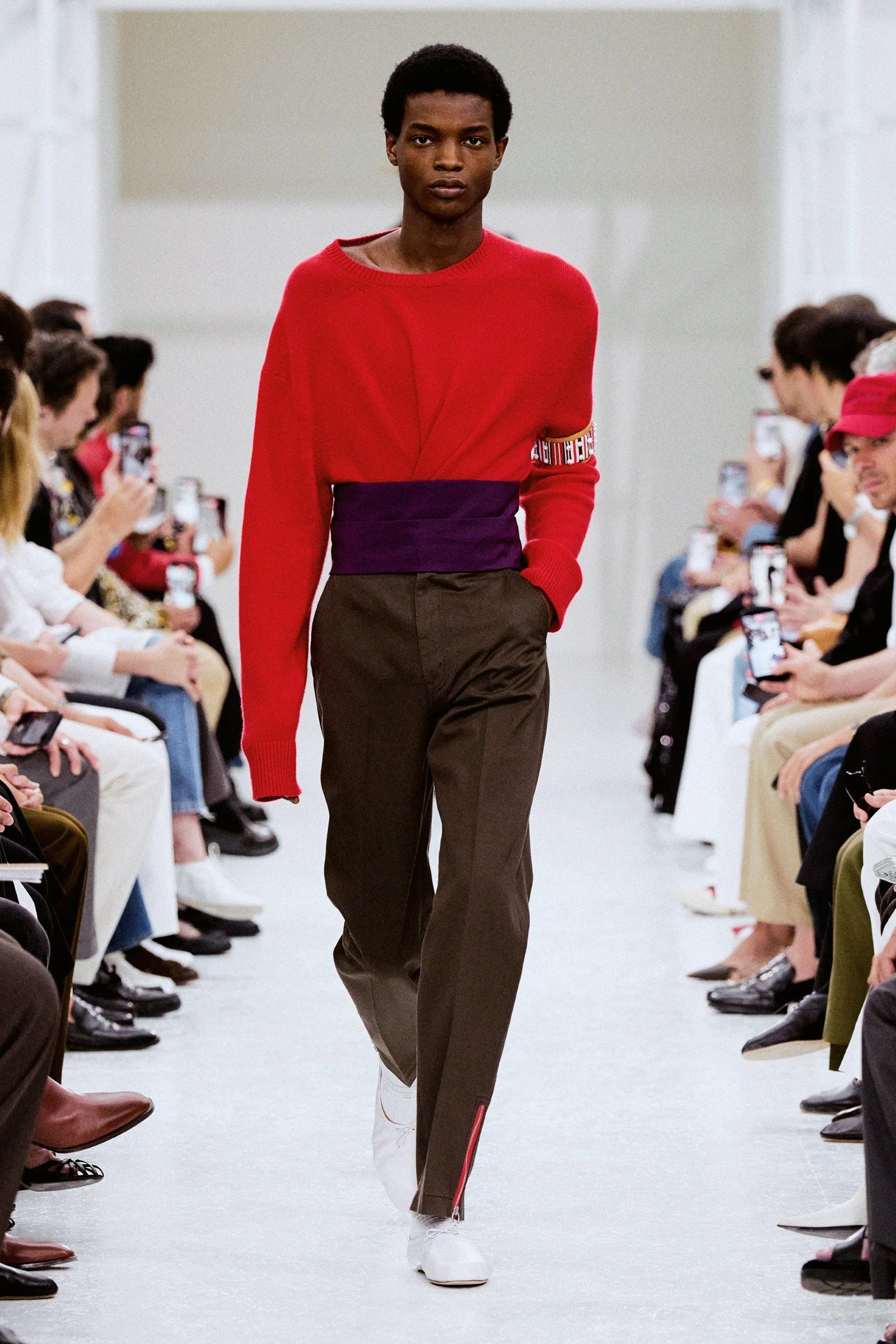
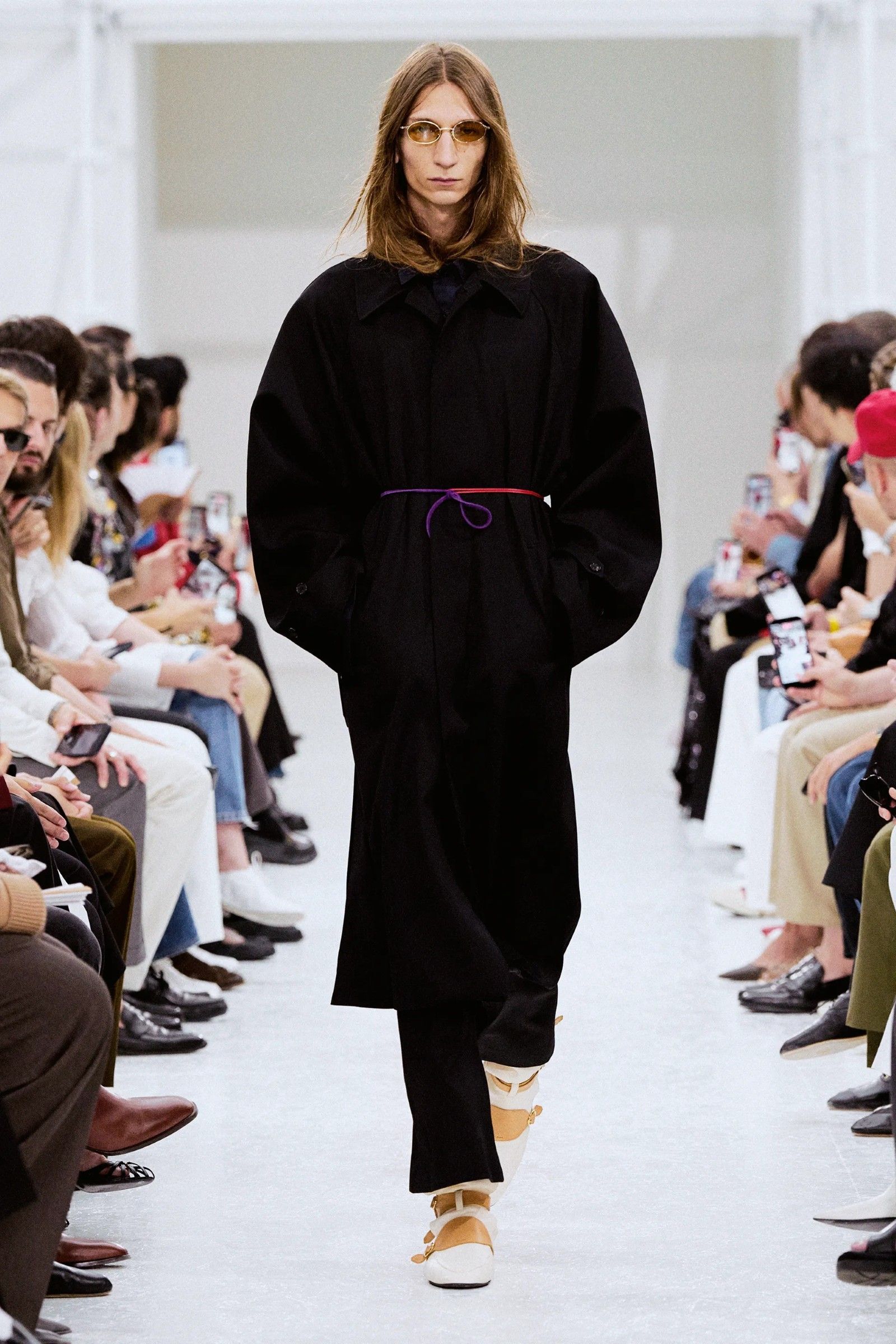
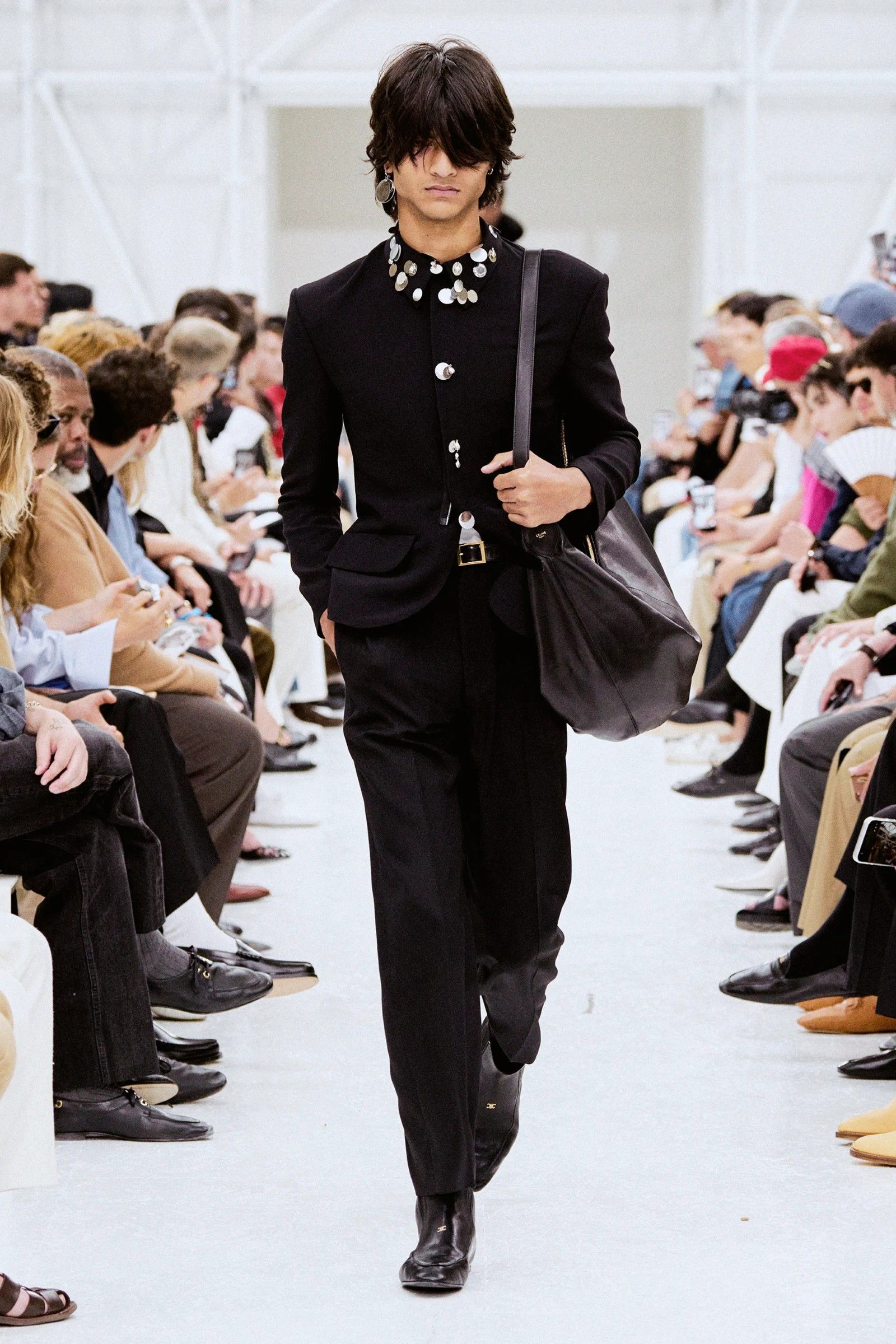
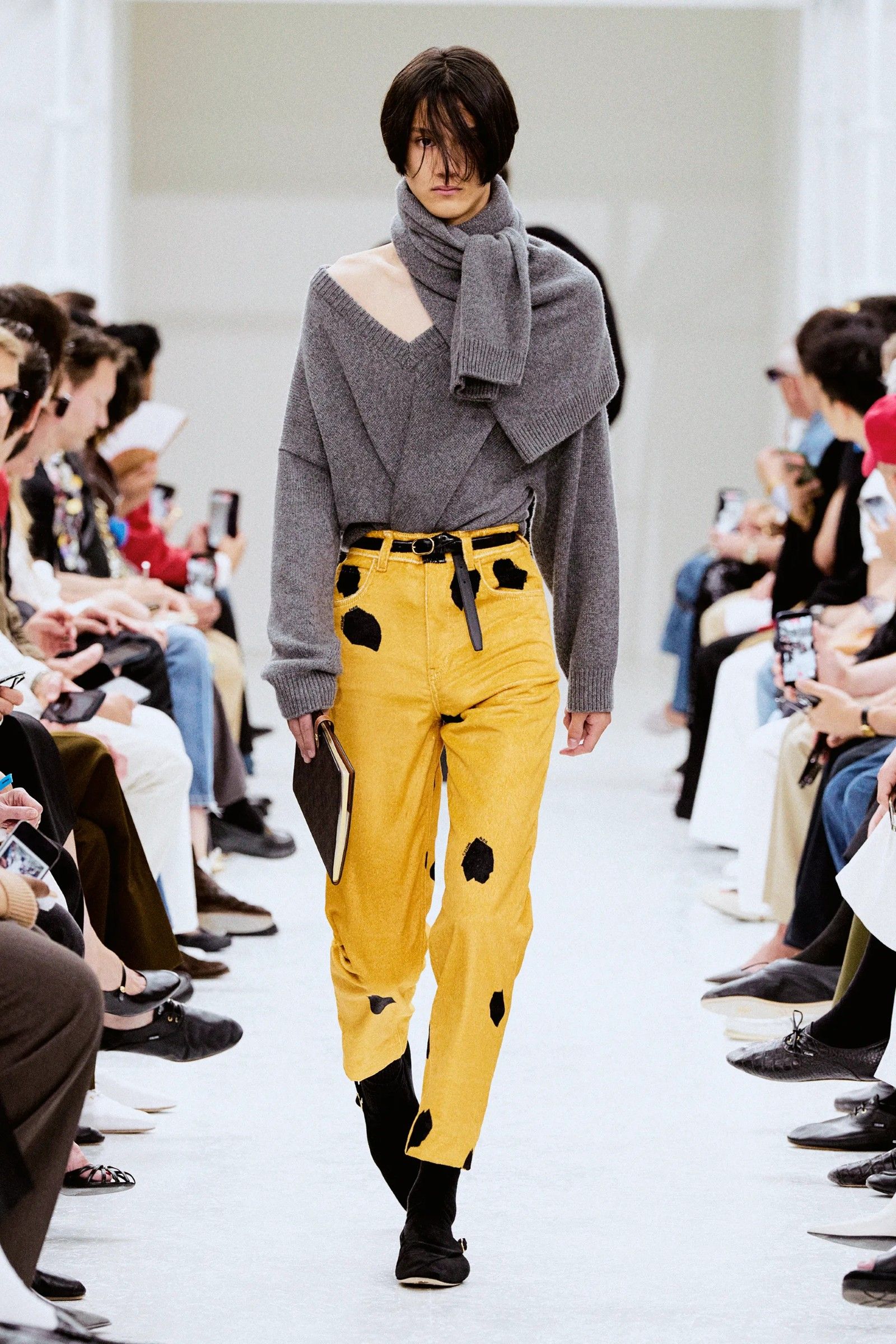
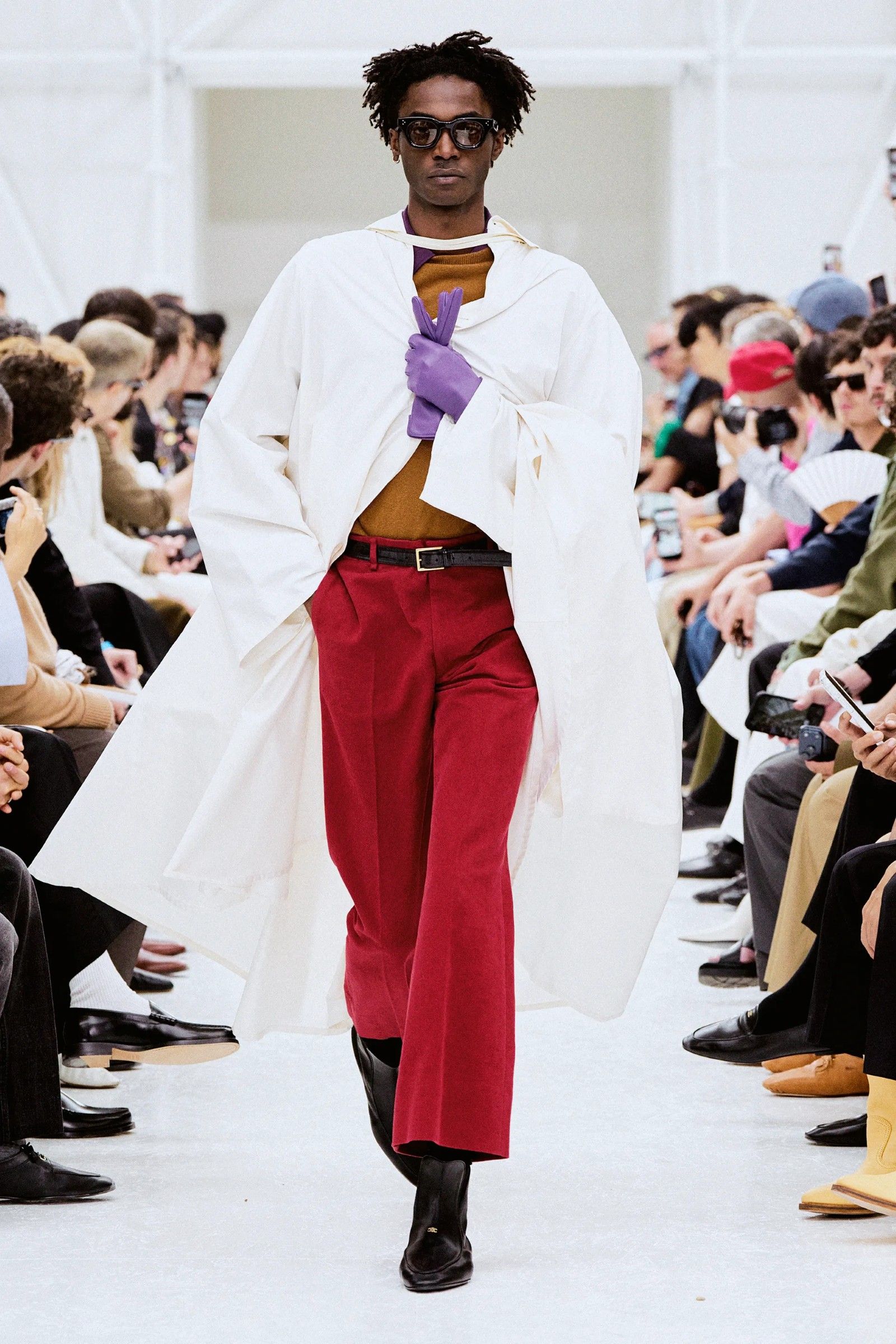
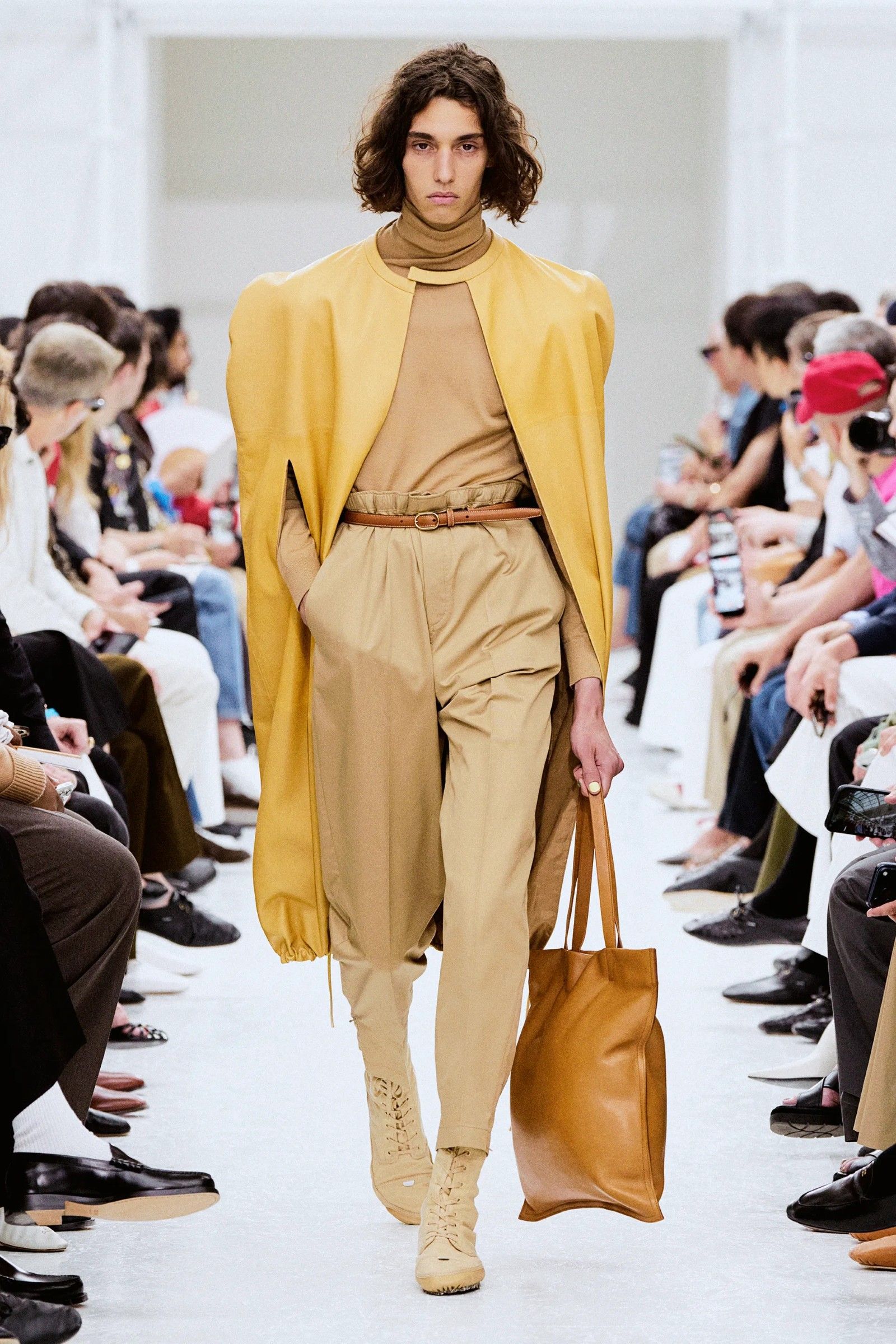
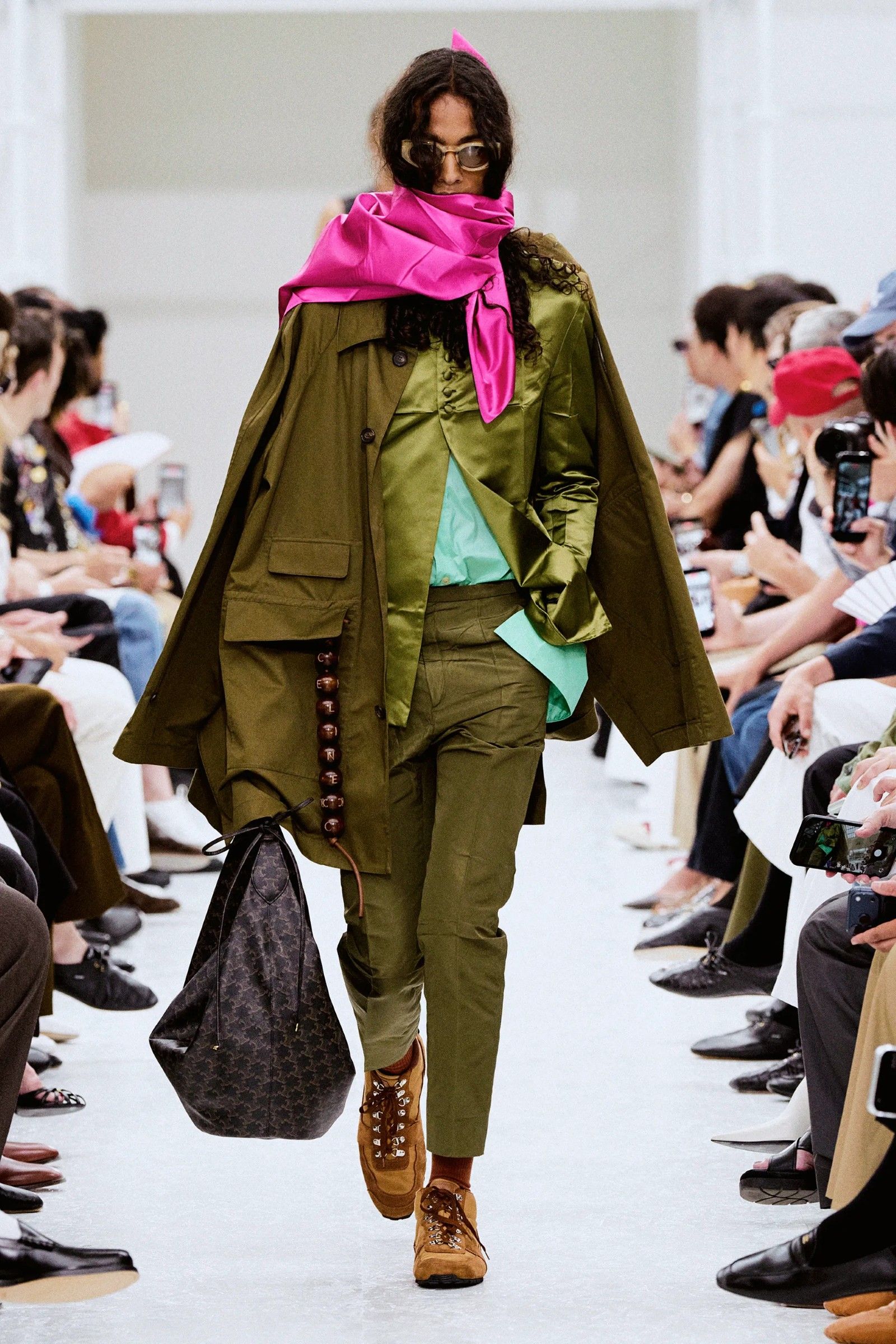
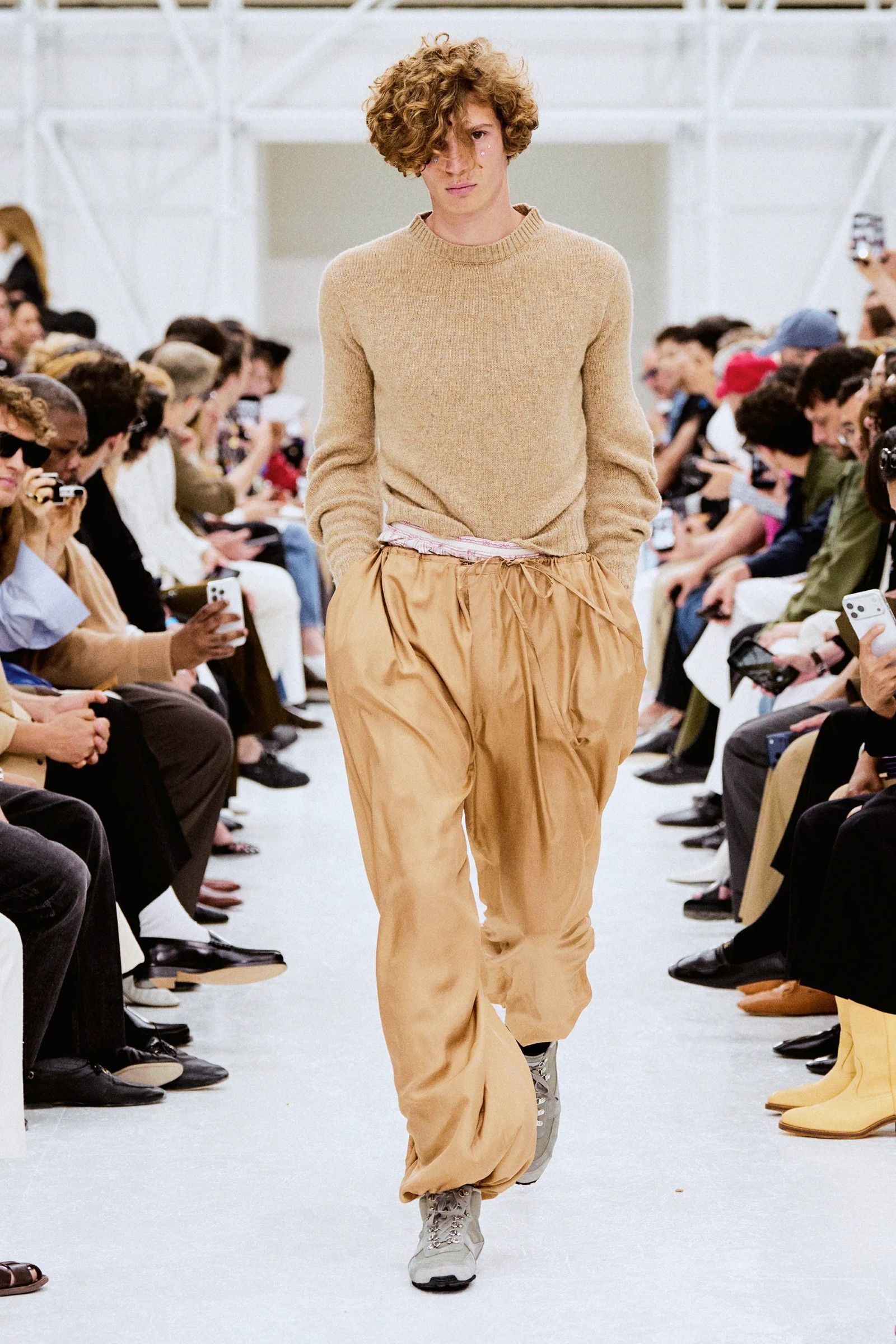
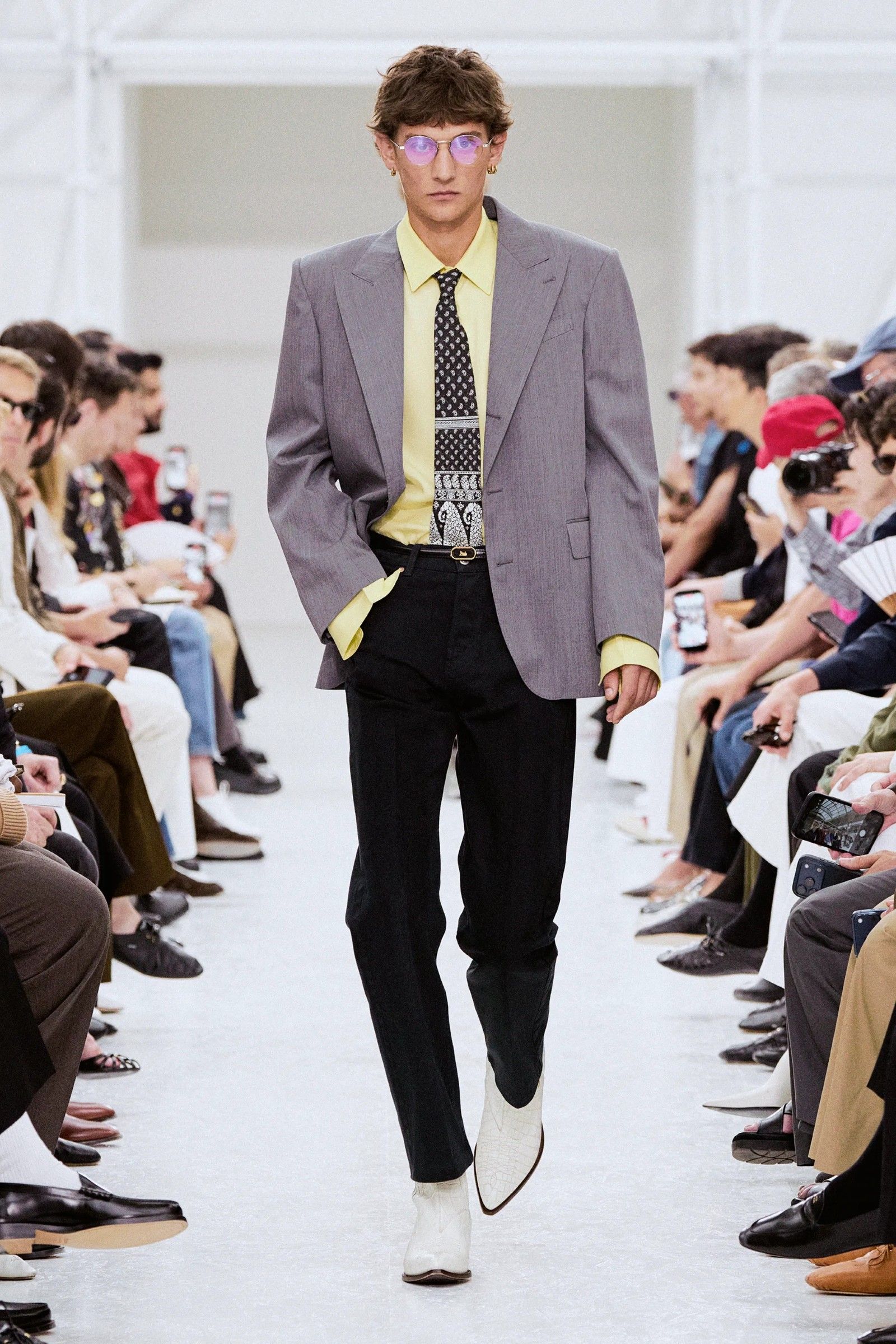
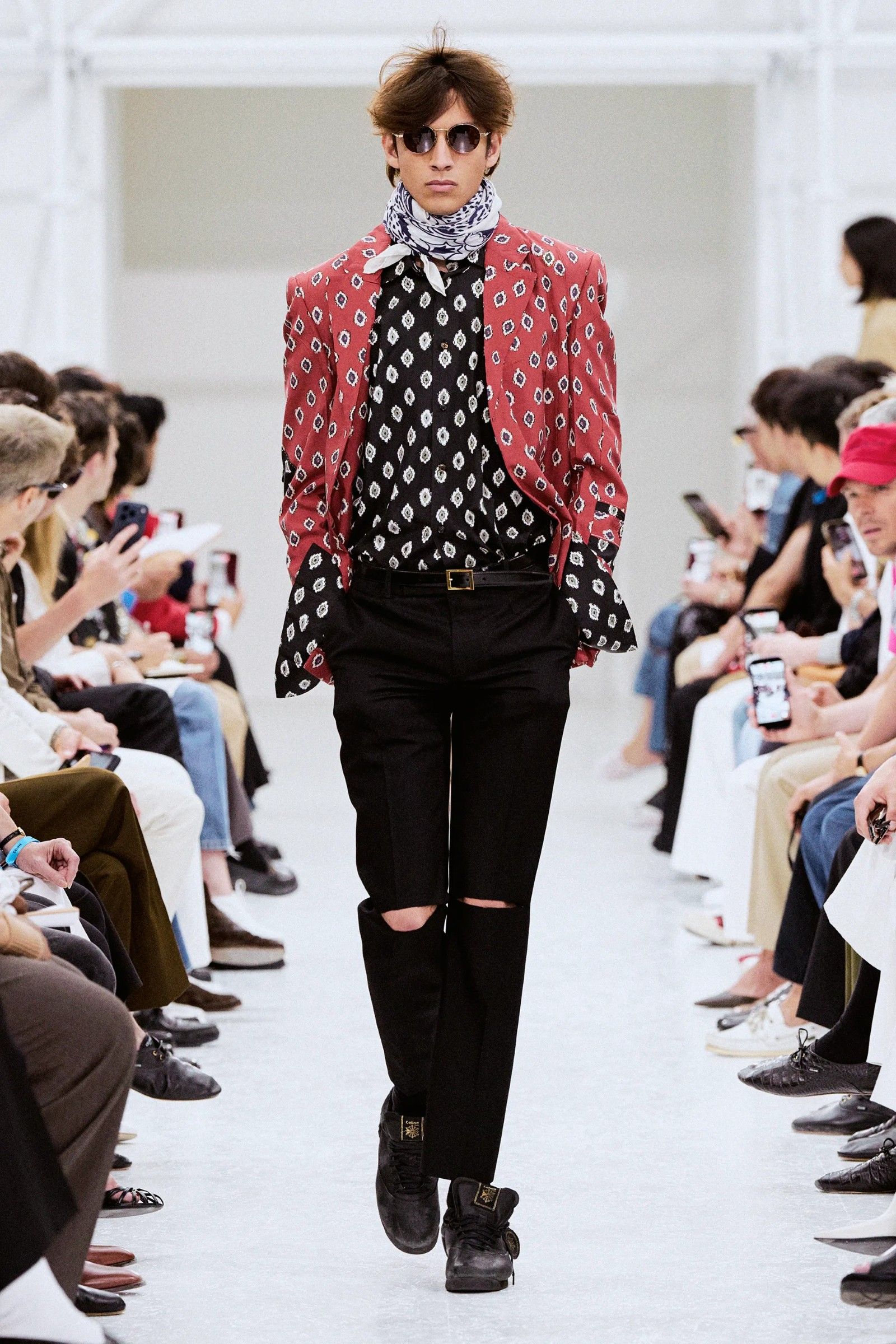
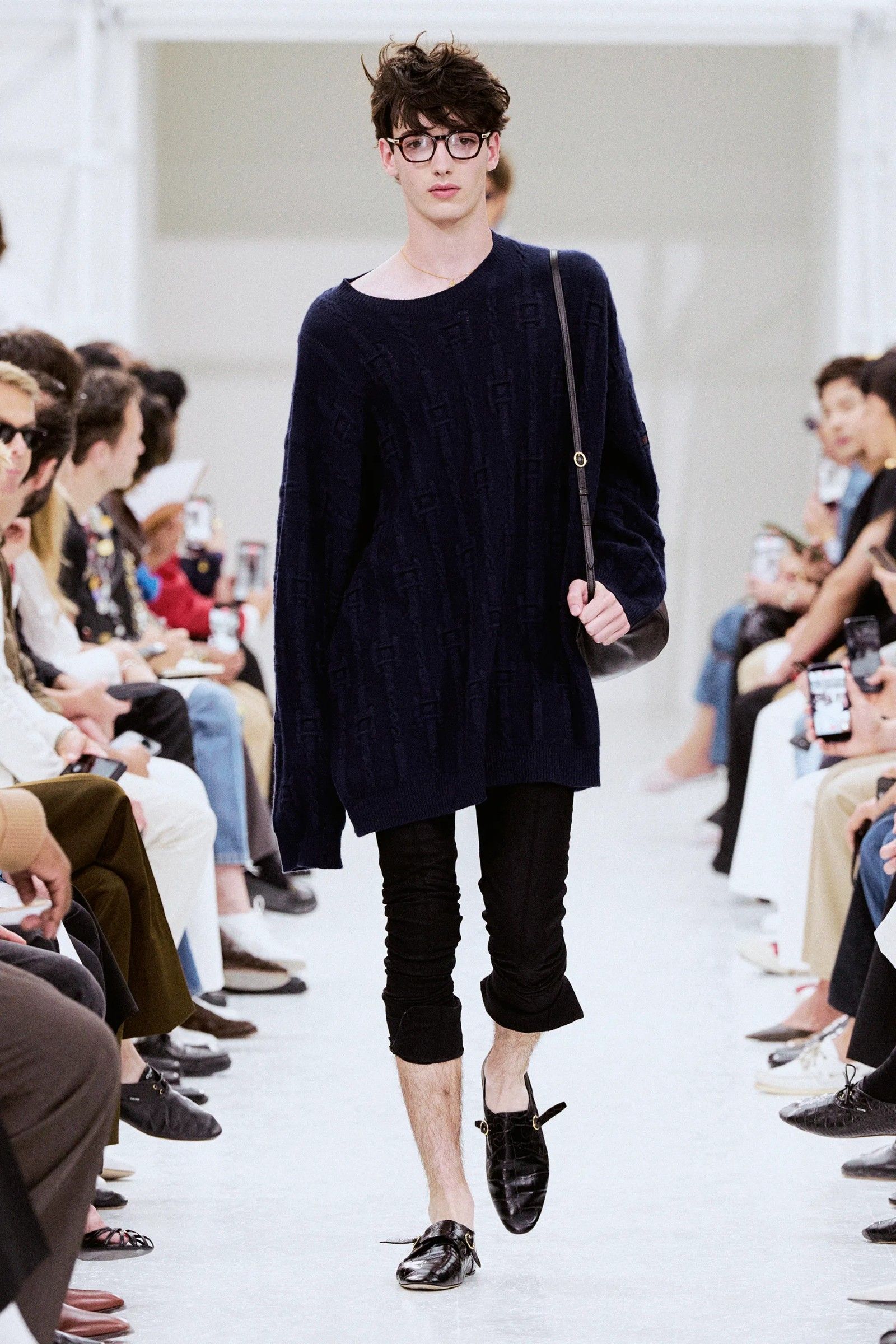
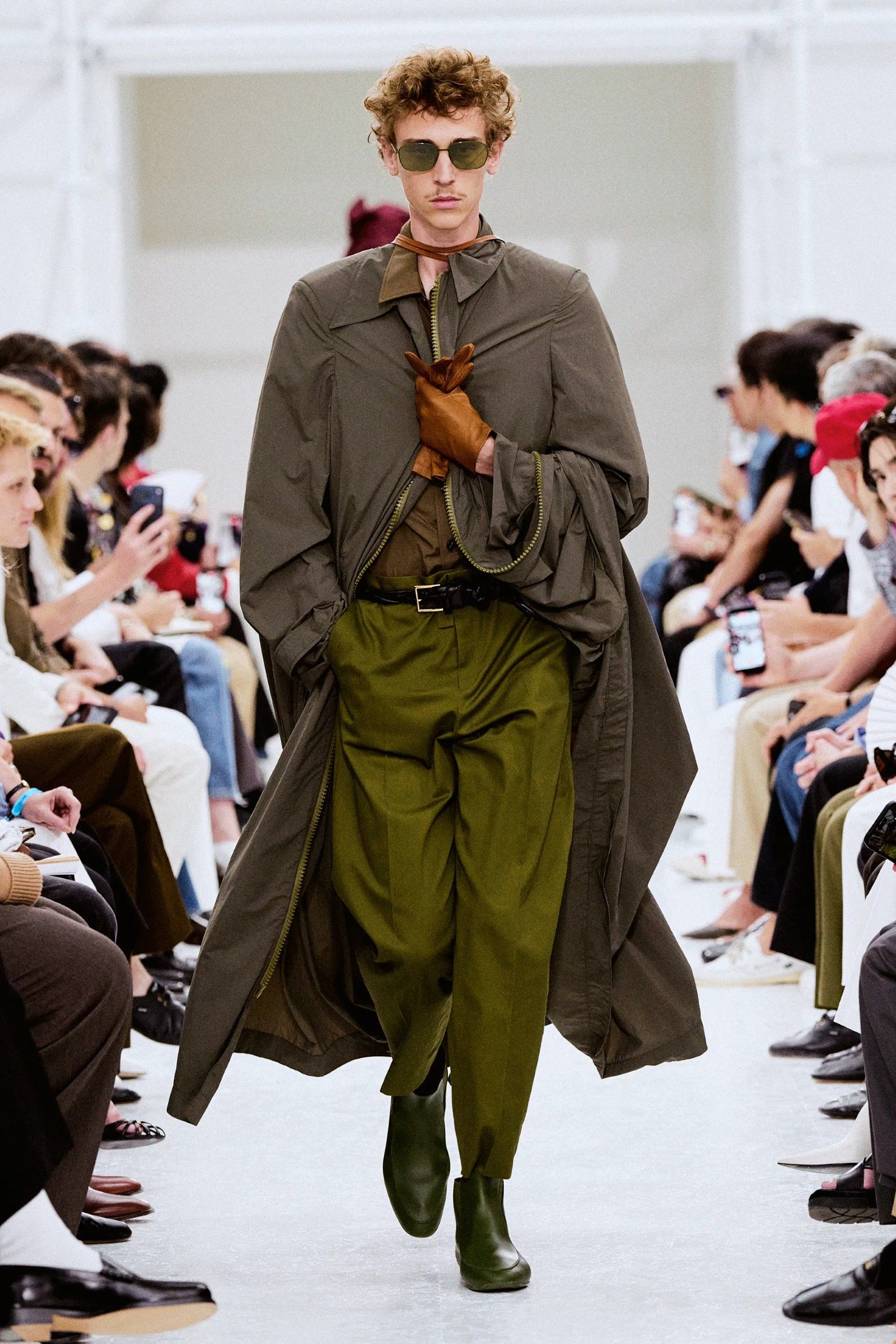
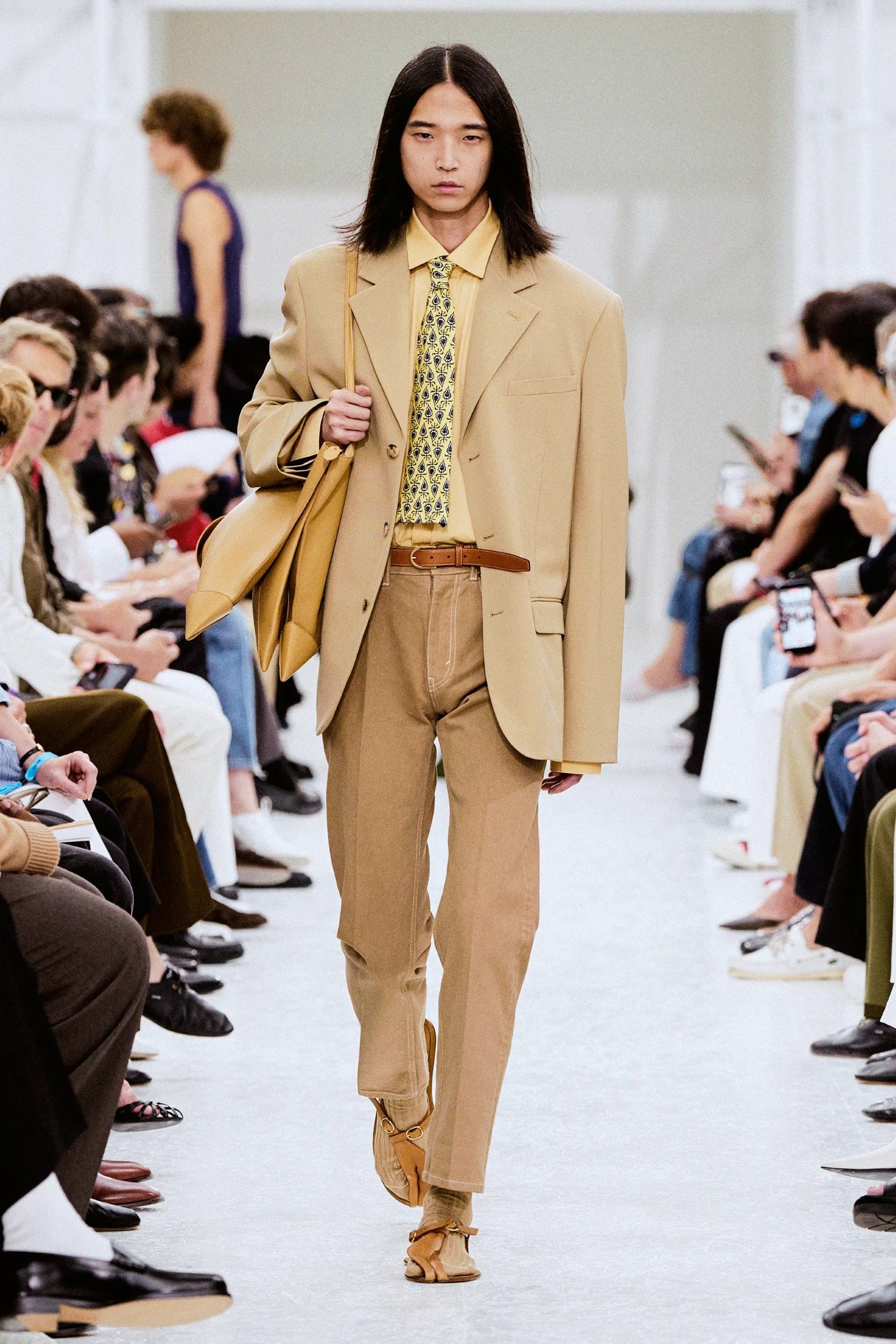
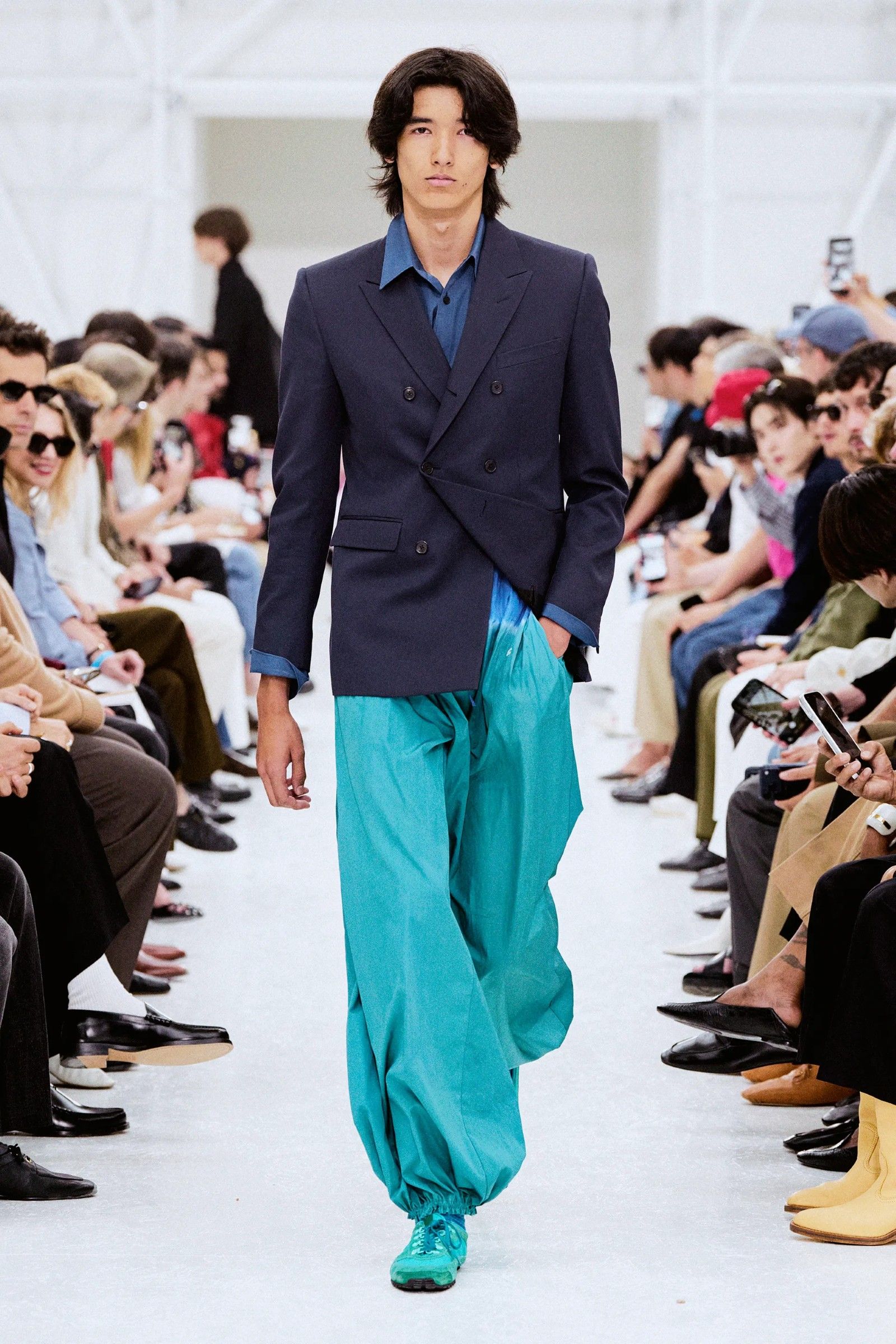
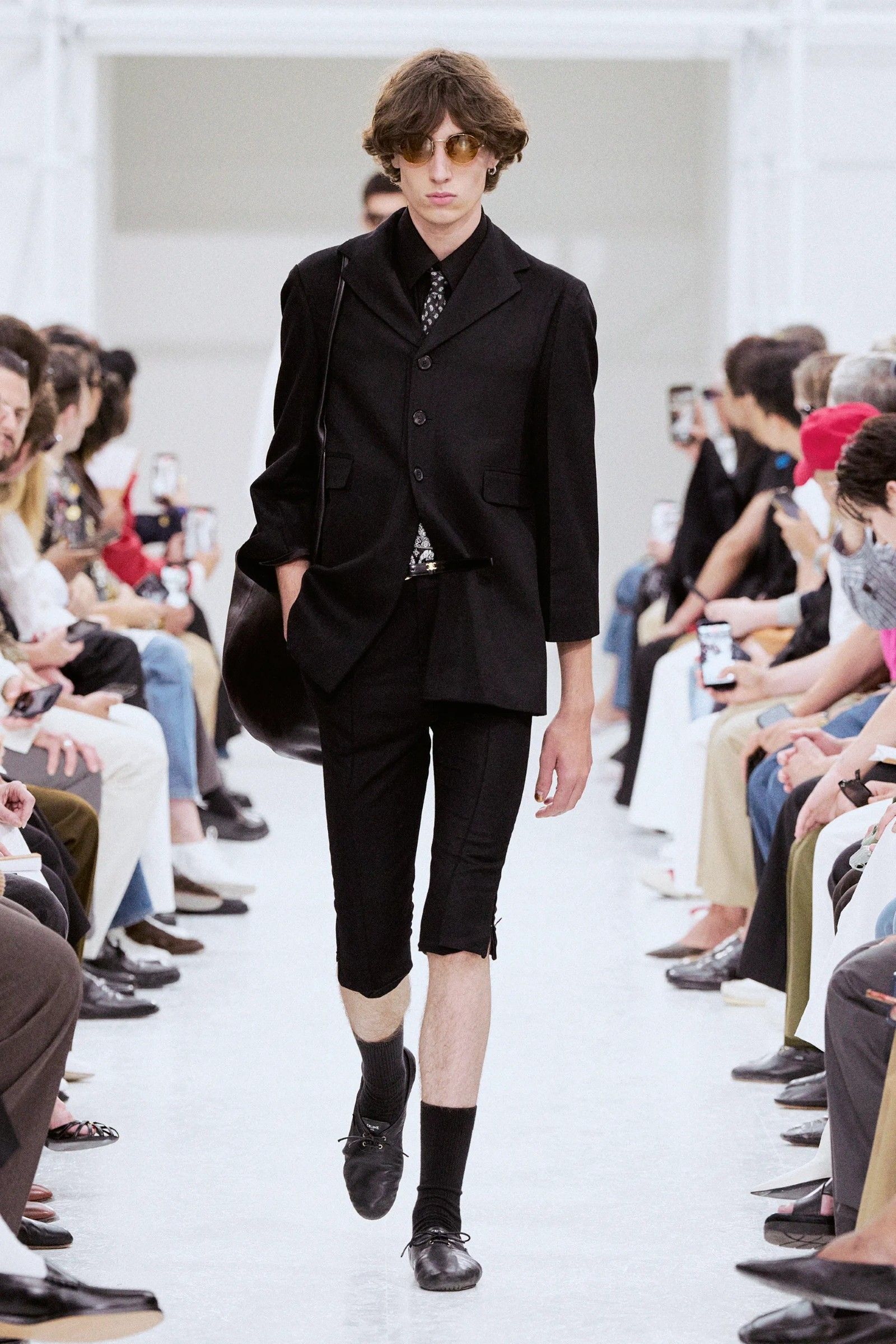
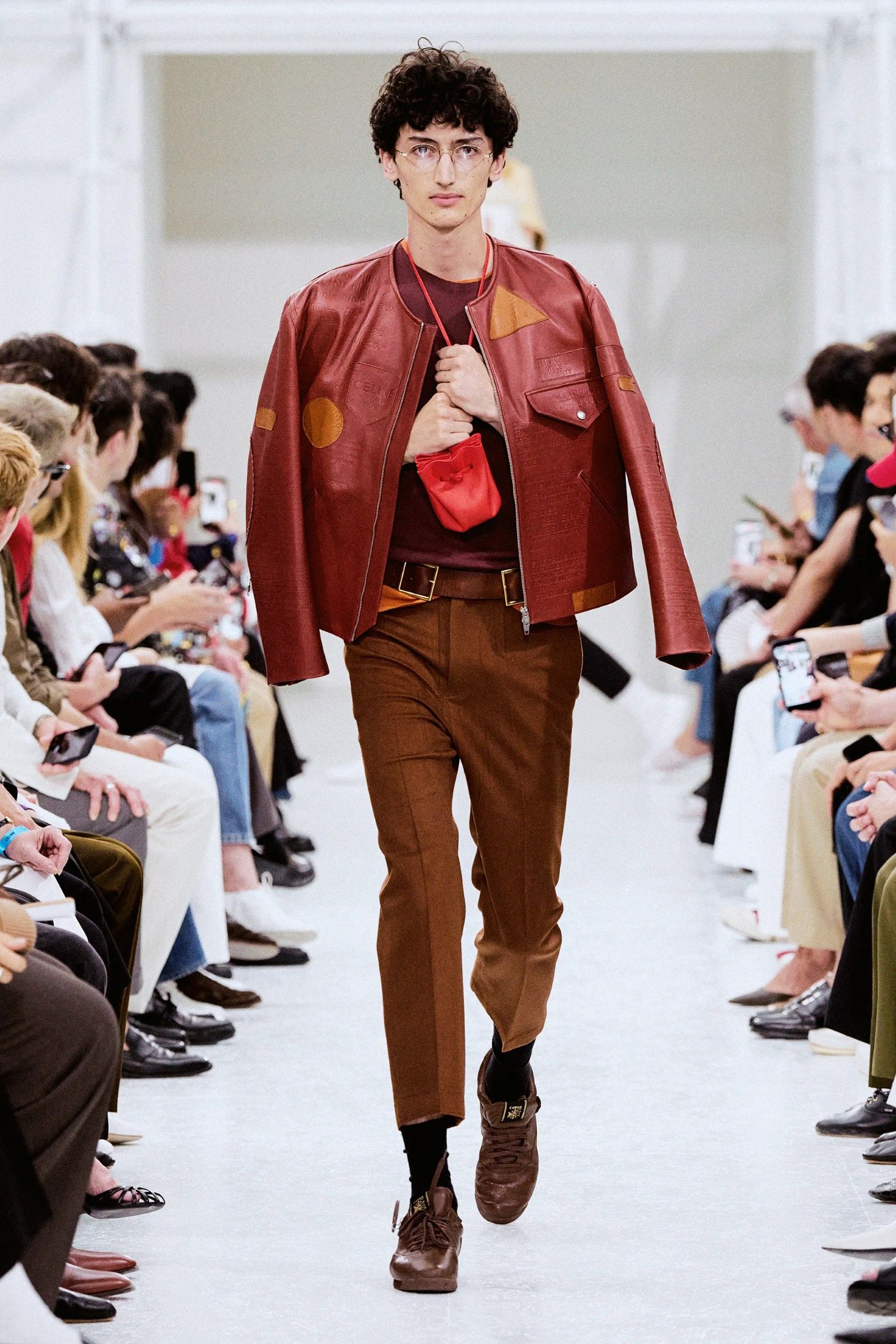
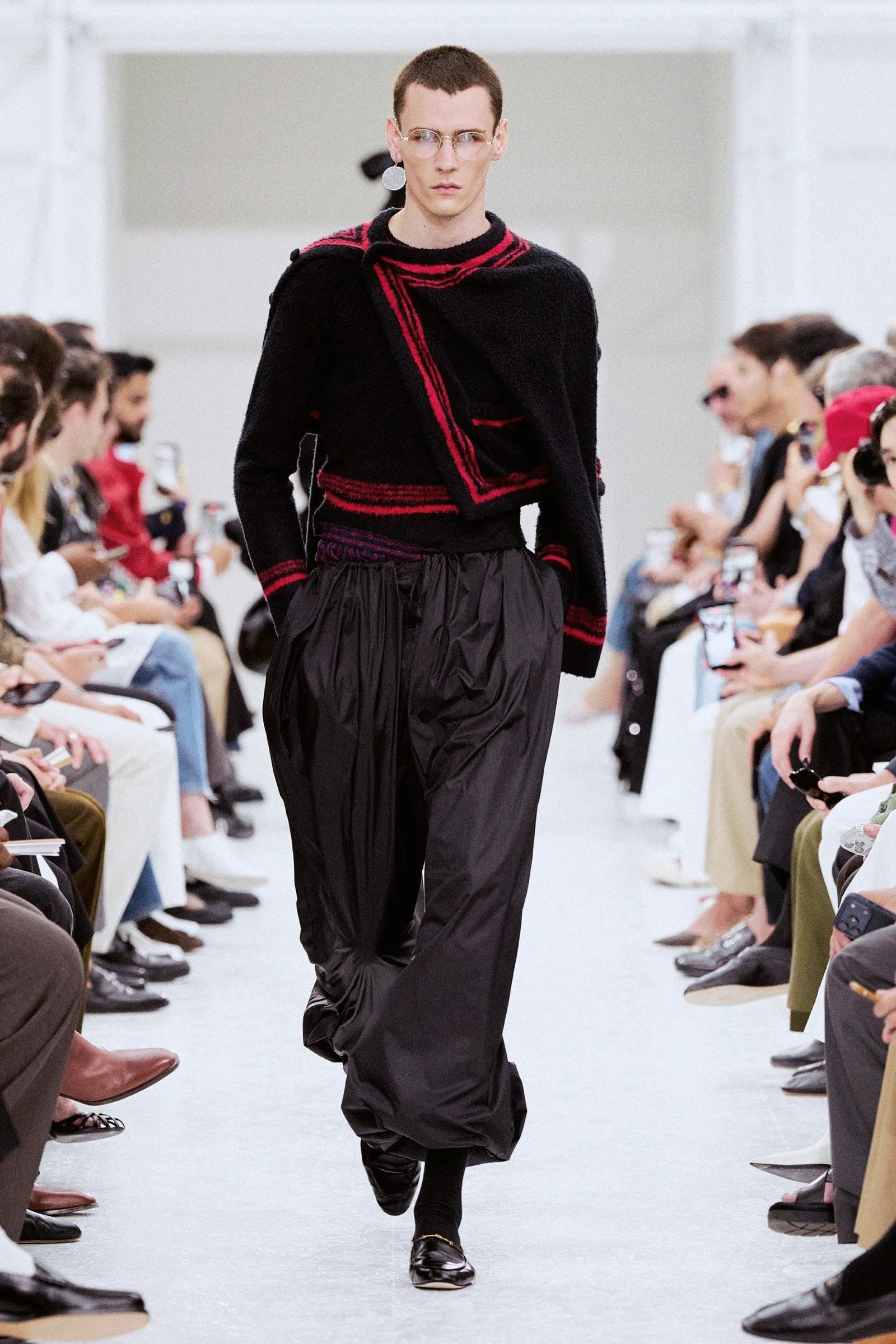
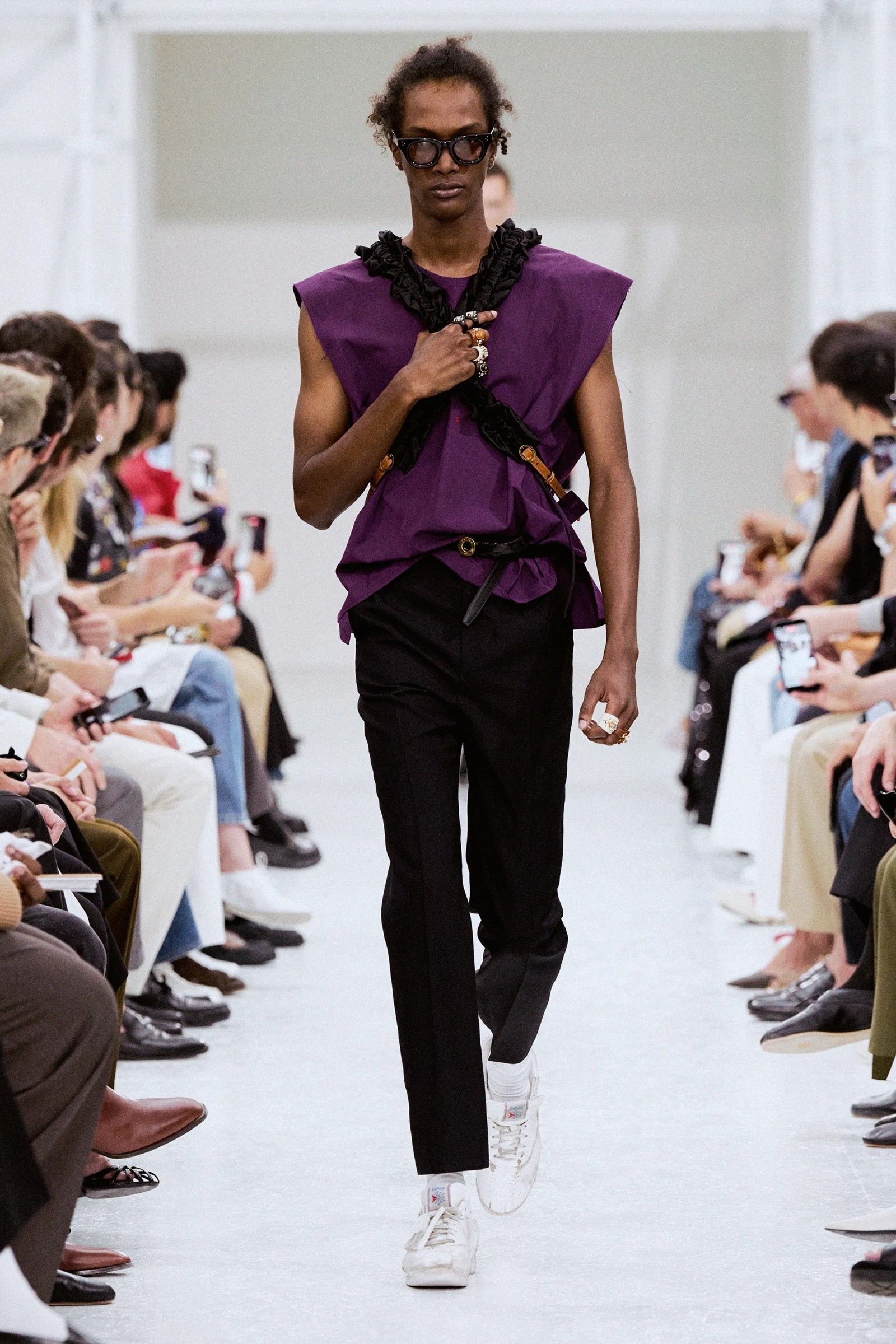
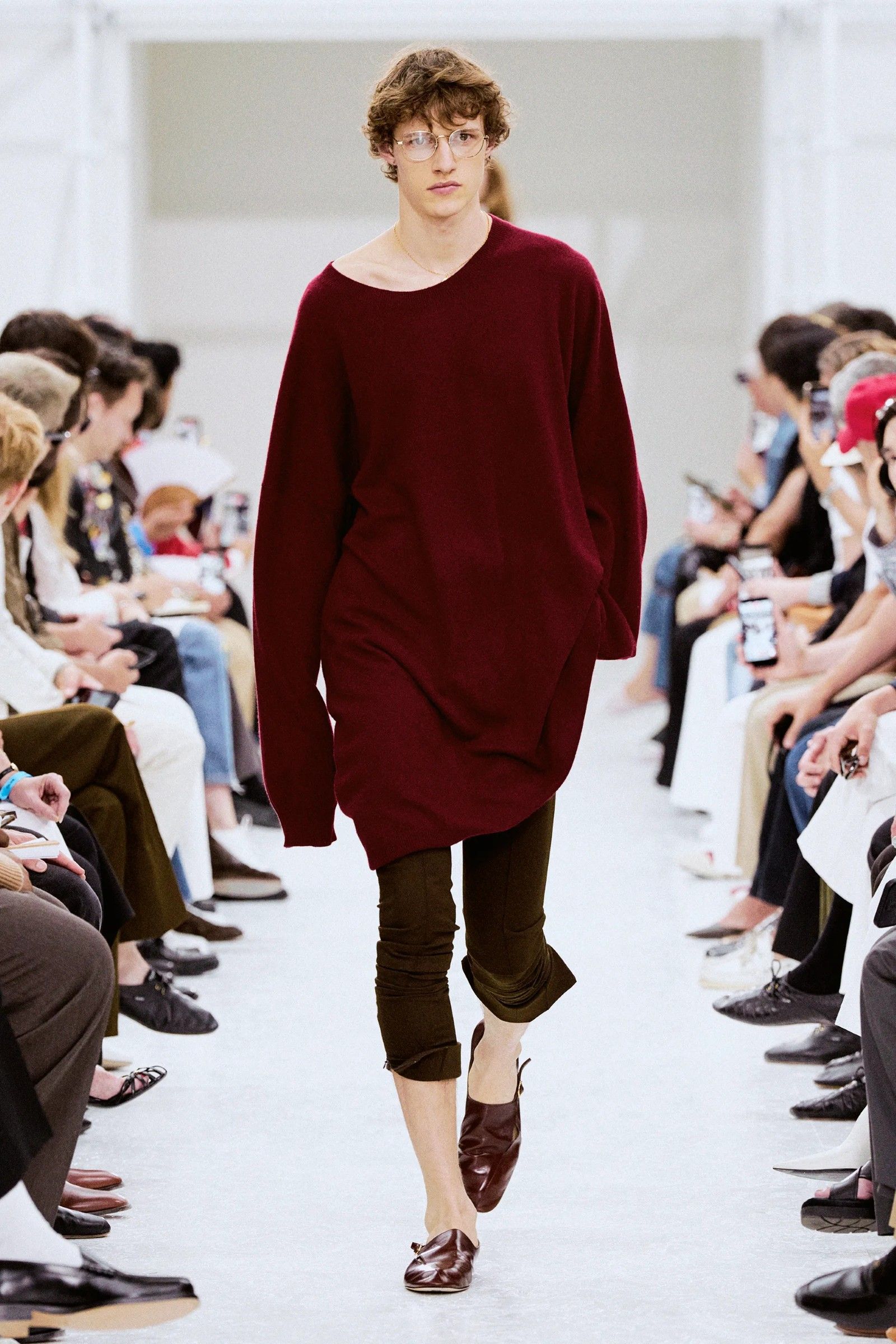
In a fashion landscape populated by classics reinterpreted and elevated according to the same invariable standard, and by an increasingly monotonous and homogenized aesthetic, the fact that a designer manages to establish a tone and silhouette of their own is nothing short of a miracle. Such is the case with Michael Rider, whose Celine SS27 menswear show — which, alongside sacai and Doublet, closed this June's Parisian menswear calendar — has managed, from his very first season, to imprint his own momentum on the brand. Most remarkable here is his absolute creative independence: Michael Rider's Celine does not quote, does not pay homage to, and does not "recall" the work of other brands and designers.
This matters enormously, given how many shows this season seemed to imitate one another, reference designers of the past, or attempt to follow in the footsteps of Lotta Volkova's styling at Miu Miu — perhaps the most imitated aesthetic of recent years. Even Hedi Slimane, who through his passive-aggressive archival posts on Instagram has taken swipes at both Jonathan Anderson and Junya Watanabe, does not appear to have found any grounds for controversy with his successor at Celine. But what is the collection actually like?
Elasticity and silhouette
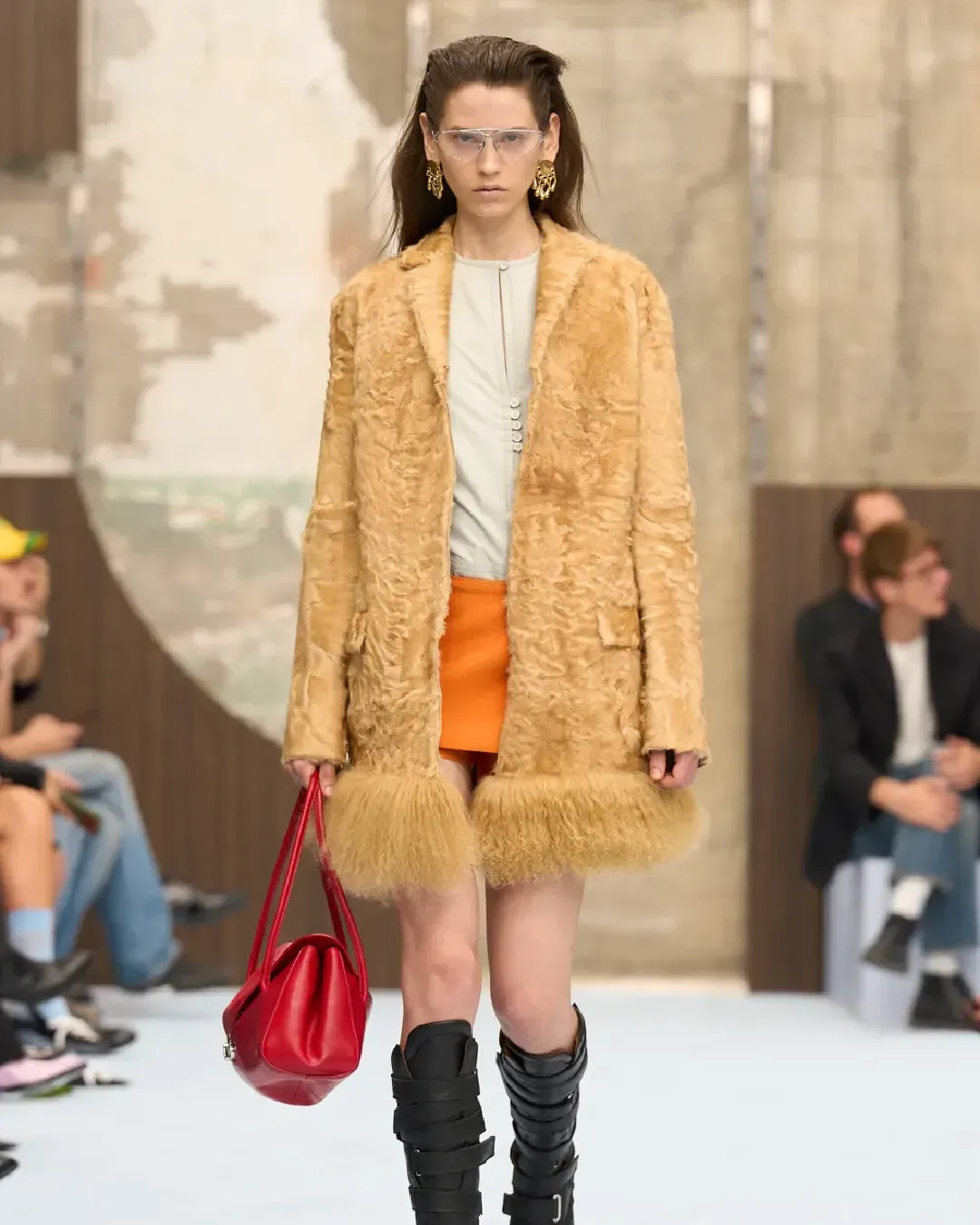
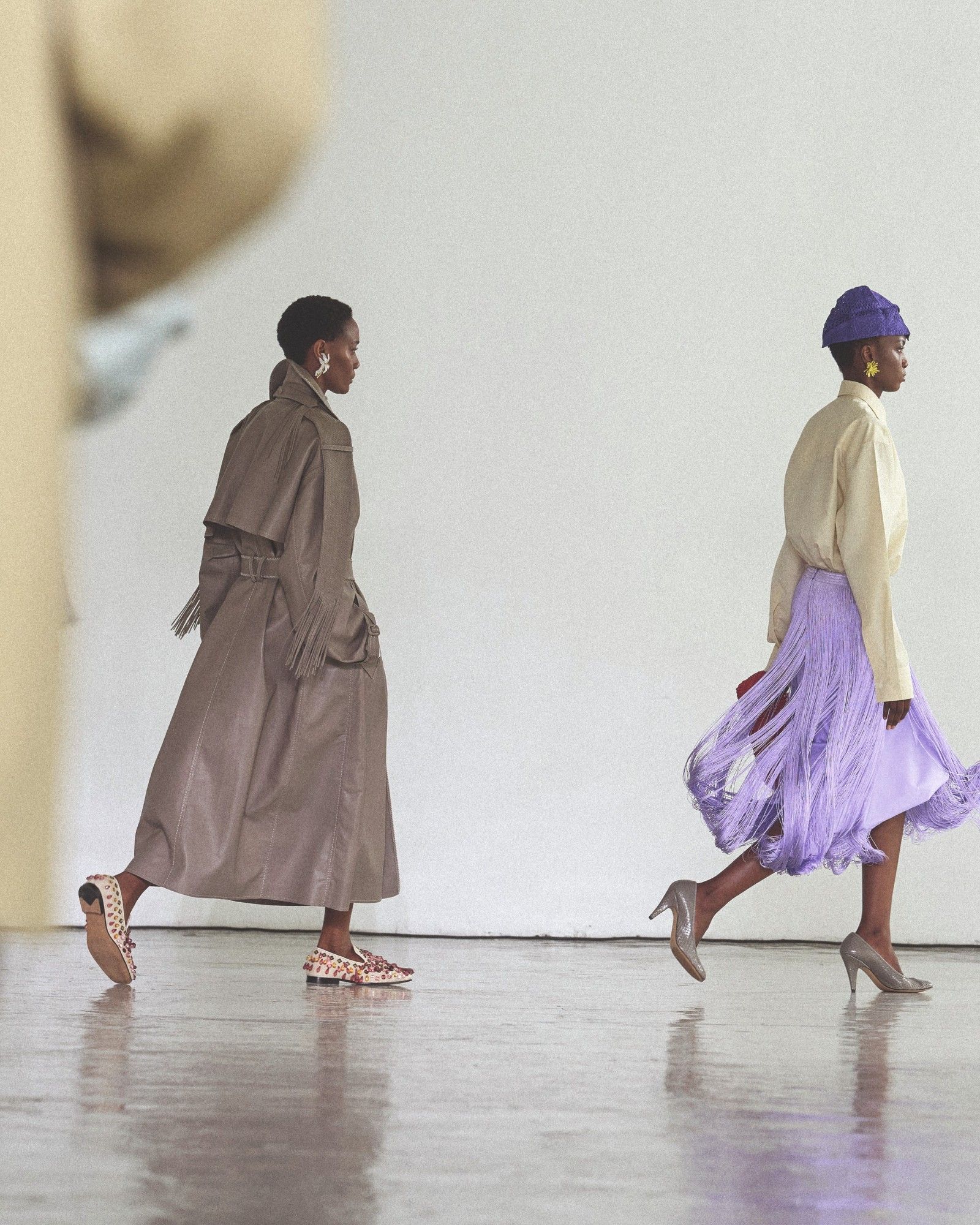
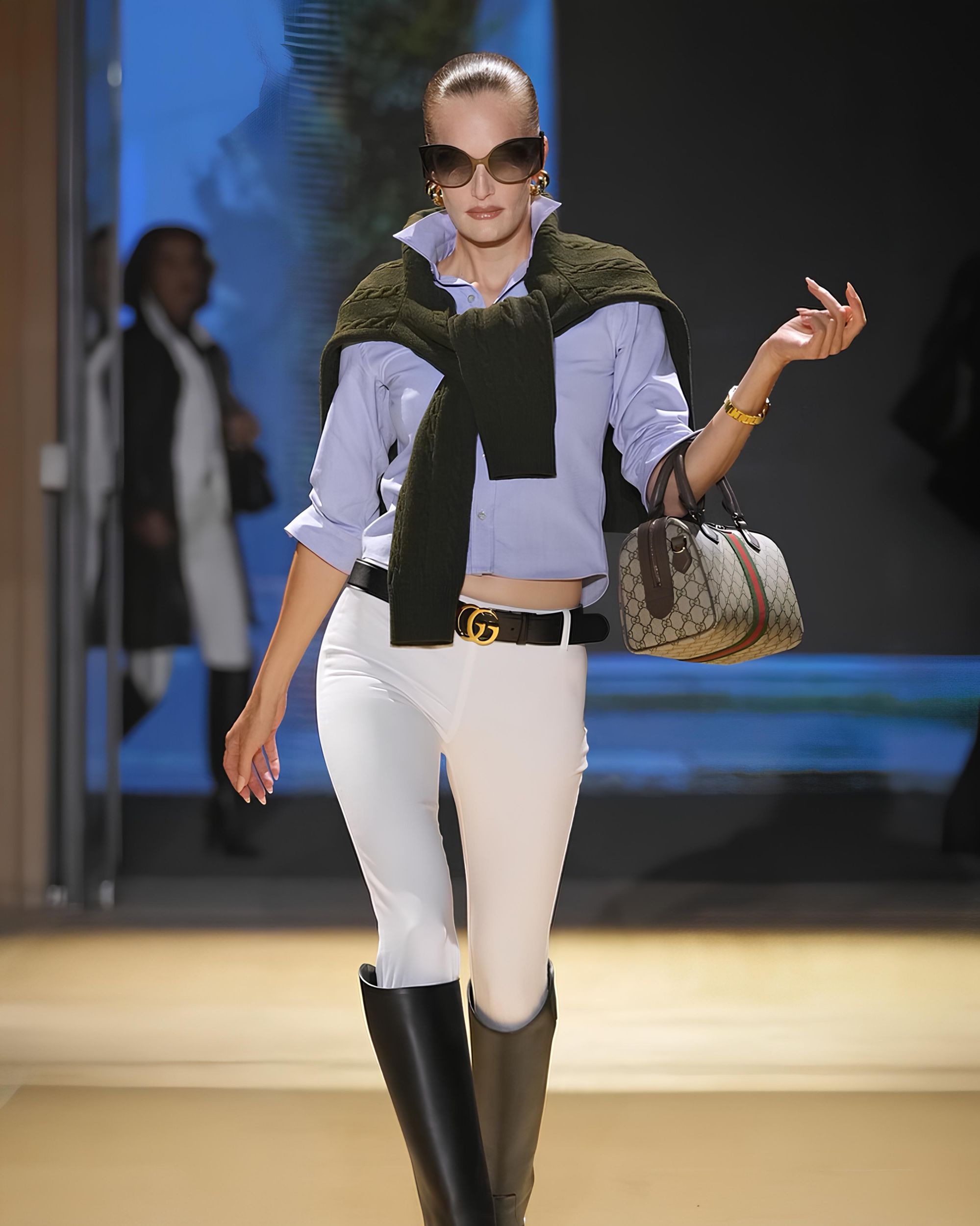
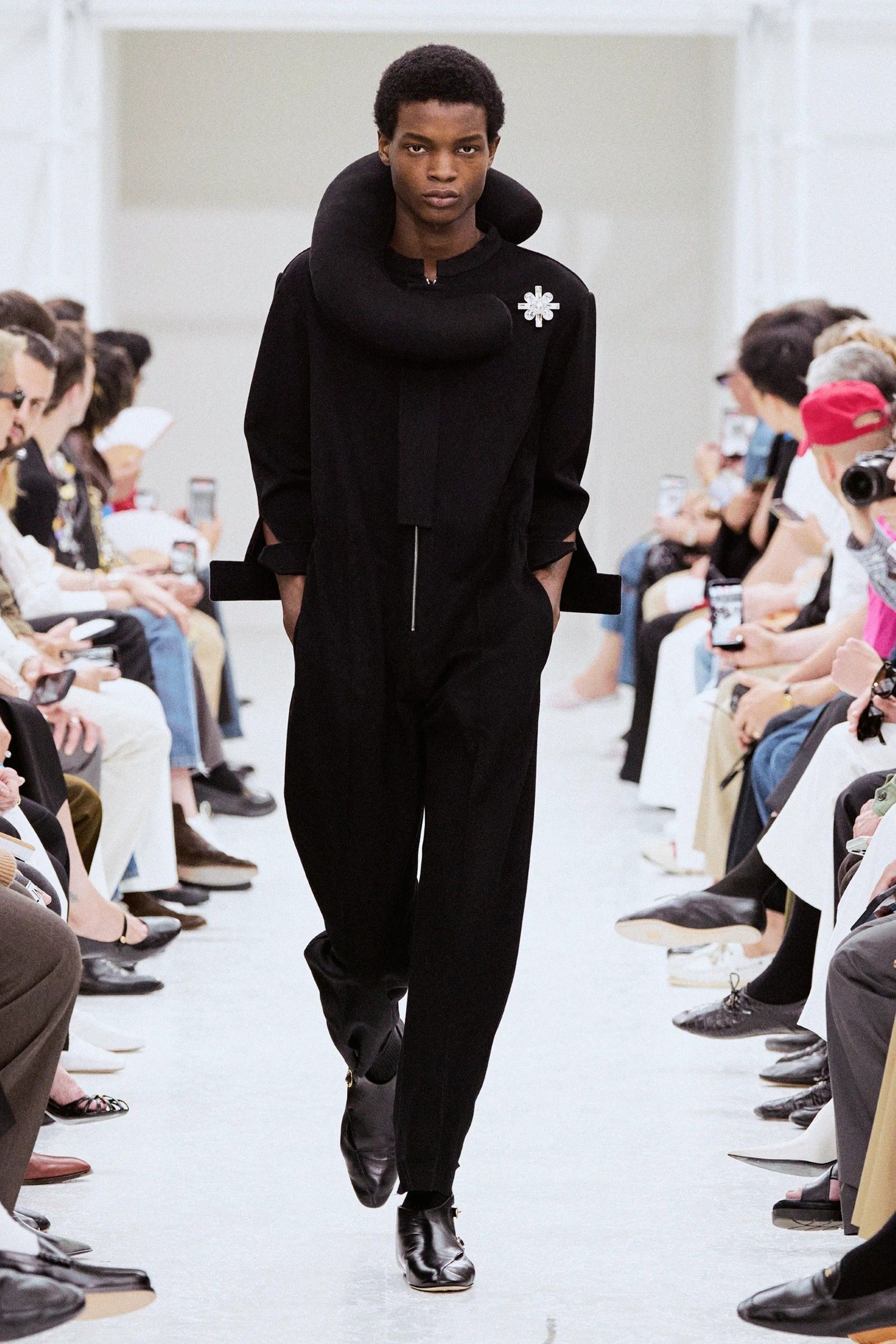
At first glance, if we were to analyze the individual pieces seen on the runway, we might note that they are not particularly unusual in terms of design: there are plenty of strong-shouldered blazers, classic shirts and even a Hawaiian-style one, V-neck sweaters albeit oversized, leather jackets and waistcoats, jeans and tailored trousers of varying widths. And yet the twin sets are worn askew; shirt collars poke out untidily, trousers twist tight along the legs and are pulled up to the calf, or fall full and billowing with their Turkish-cut drape, jackets are compact and cropped, gloves are tucked into coat necklines, and the little shoes are tiny and pliable as ballet flats in gleaming leather.
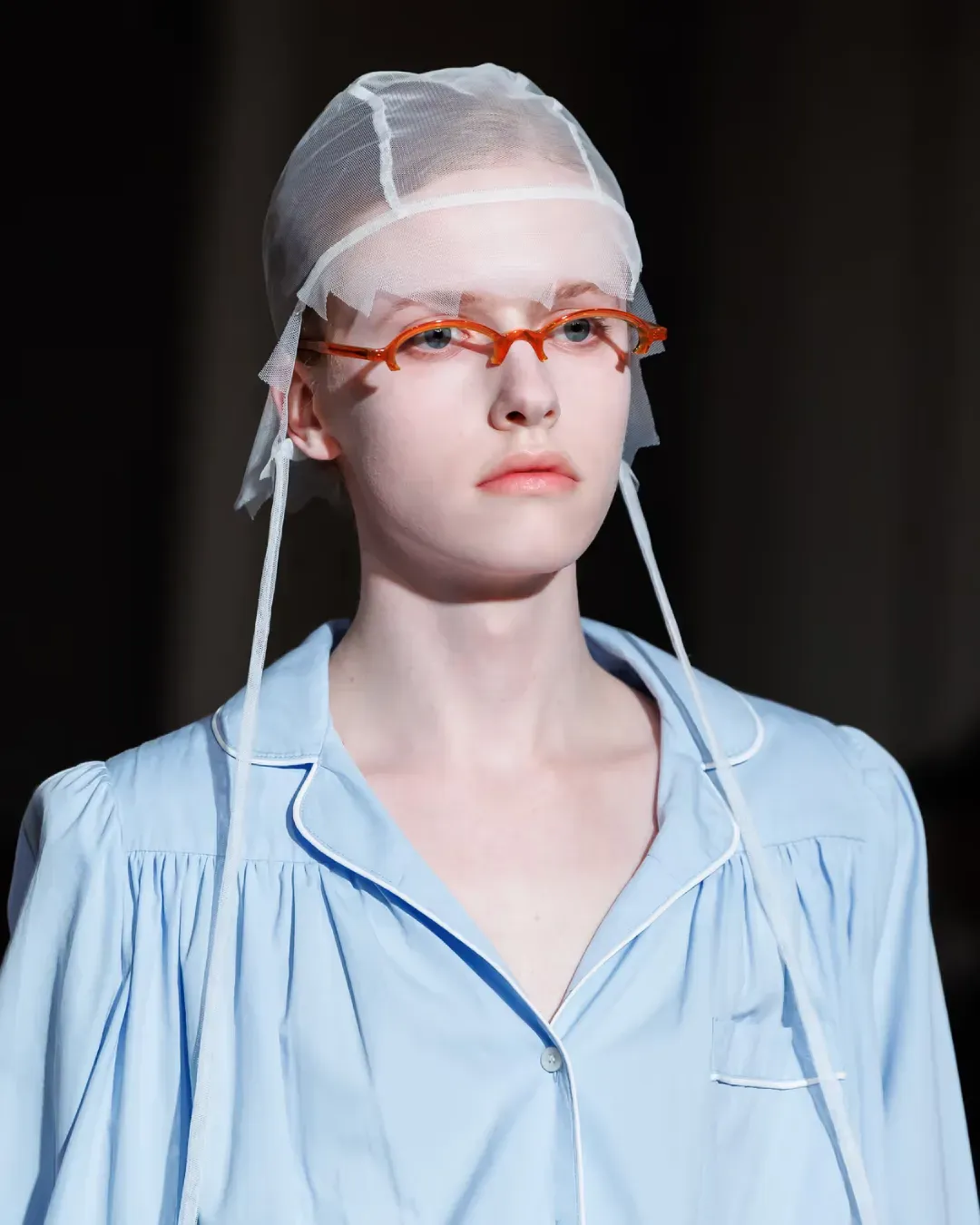
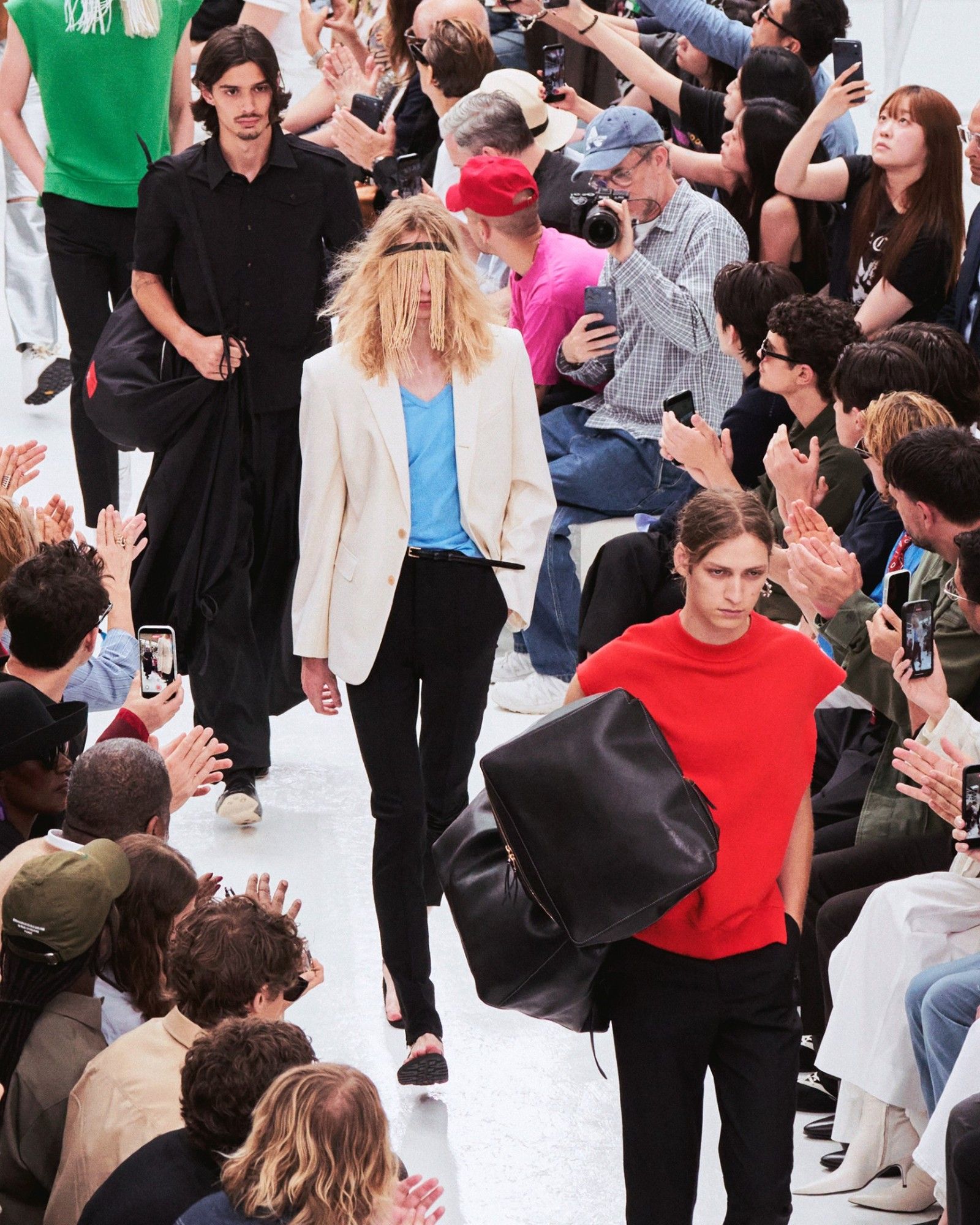
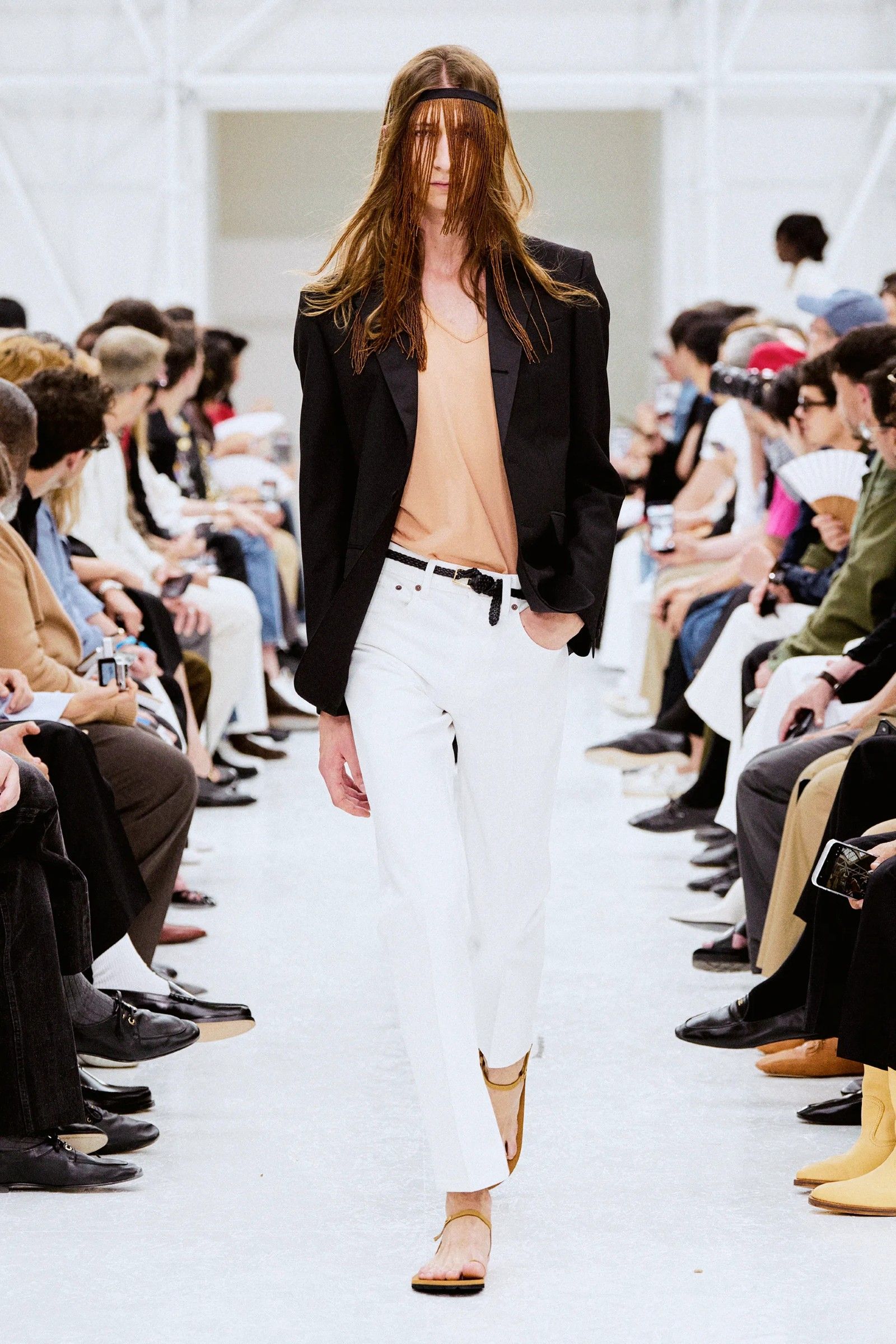
Added to this is a subtle play of proportions: broad shoulders paired with small accessories. Belts and bag straps, as well as pearl laces tied at the forehead, are reduced to small, sturdy threads that cinch large outerwear pieces to the body, creating exaggerated shapes, arranged asymmetrically to scatter unexpected points of light across an outfit, and generating an overall sense of tension and flexibility that animates otherwise classic pieces. The slightness of the low-cut shoes, the spare and close-fitting trousers with their incongruous twists, combined with the volume and structure of certain tops, extends this tension between bulk and compactness indefinitely.
In one specific instance, opening the show, a tiny leather string cinches a trench coat at the hips, making it billow, while holding a rectangular leather clutch against the front of the waist. In another look, an '80s-style spring parka — the kind with drawstrings at the waist and bellows pockets — was rendered entirely in lightweight violet silk, treated as though it were a cape. A series of subsequent looks, meanwhile, featured satin tuxedo cummerbunds in vivid colors that added an unexpected "layer" to the overall ensemble.
Elsewhere, ultra-thin, asymmetric little belts close and strain brightly colored tops, while other strings of beads ranging from micro to maxi in size asymmetrically adorn collars, fronts, and waistbands, or dangle from the hips. It is all a play of fluid and compact, rigid and articulated, taut and soft. The presence of many elastic and form-fitting fabrics, paired with draped sweaters and blazers, along with rounded drapery, makes the whole thing swift and animated, exceptionally vivid.
The power of youth
Another effect that Michael Rider's Celine manages to produce is that of seeming radically young — especially in comparison to an ecosystem of brands, both in Paris and Milan, that either dress young models in more "grown-up" preppy clothes, deriving their aesthetic from that contrast, or continue to fall back on sportswear and crude gimmicks. There is, admittedly, a strong emphasis here on a certain slenderness, but the sense of freshness and youth comes from the seemingly chaotic color combinations, the extravagant jewelry, and that sense of proportion deeply indebted both to the world of running and to the chromatic tastes of the 1980s.
The feeling that emerges is one of a group of young bohemians — intellectual yet wayward, adorably pretentious in their desire to dress on their own terms, irreverent in their refusal to be "classic," yet nonetheless eager to bring a new spirit of playfulness to the traditional menswear repertoire, in search of a sleeker line, more vivid colors, a snappier style, and above all a more cheerful and even mischievous spirit. Rider himself has admitted to drawing inspiration from the young Parisians he sees on the street — a realism that, filtered through the brand's creative process, is very much felt and noticed.
Without vampirizing long-extinct subcultures (much to the chagrin of those who still resurrect punk or '70s wardrobes every season) and without seeking to replicate the commercial success strategies of other giants by offering luxury dupes or copied styling, Michael Rider's Celine speaks to a very modern kind of originality — one derived not so much from extravagance of design as from the ability to combine, recombine, and rethink with a happily spontaneous and joyfully childlike ingenuity.