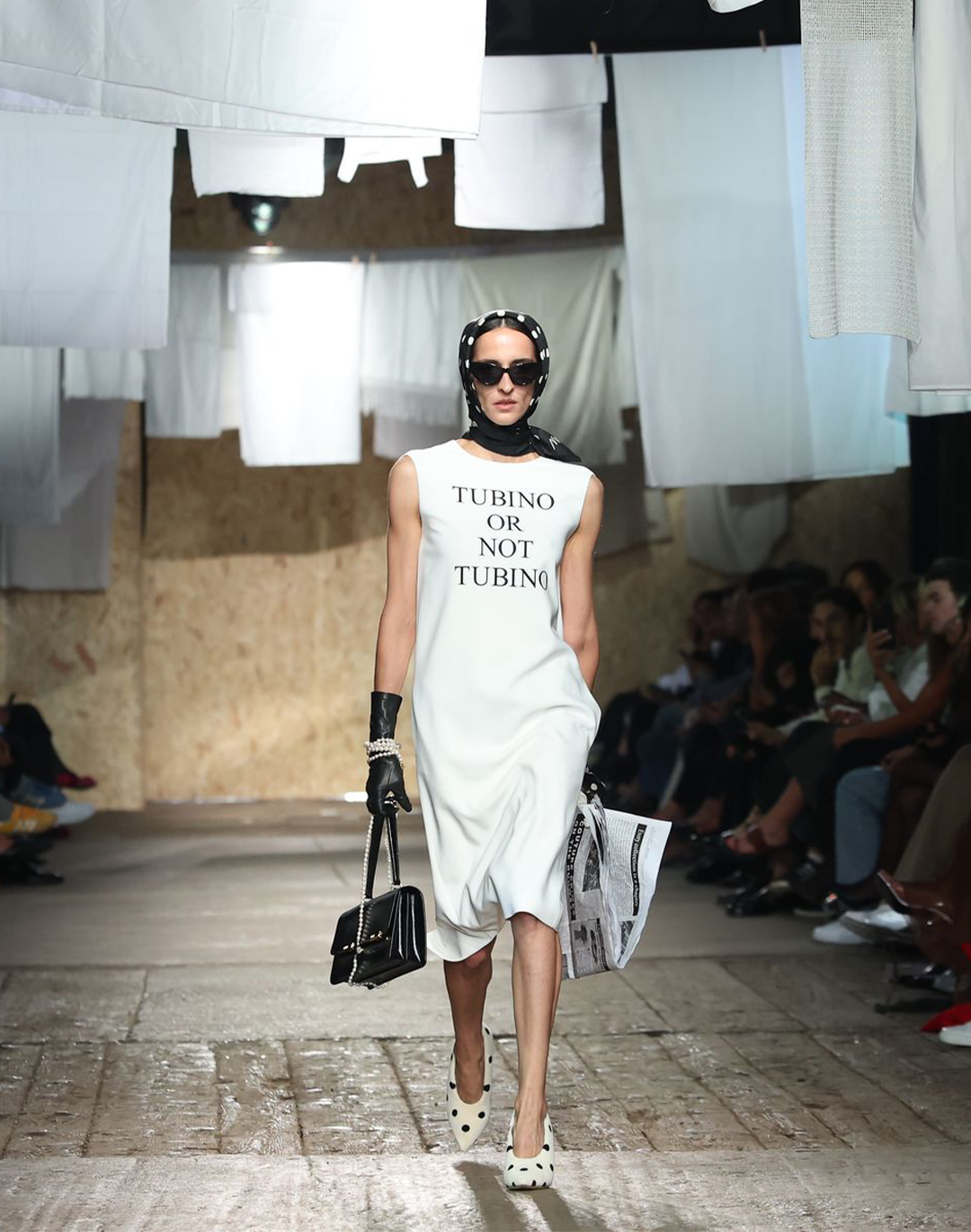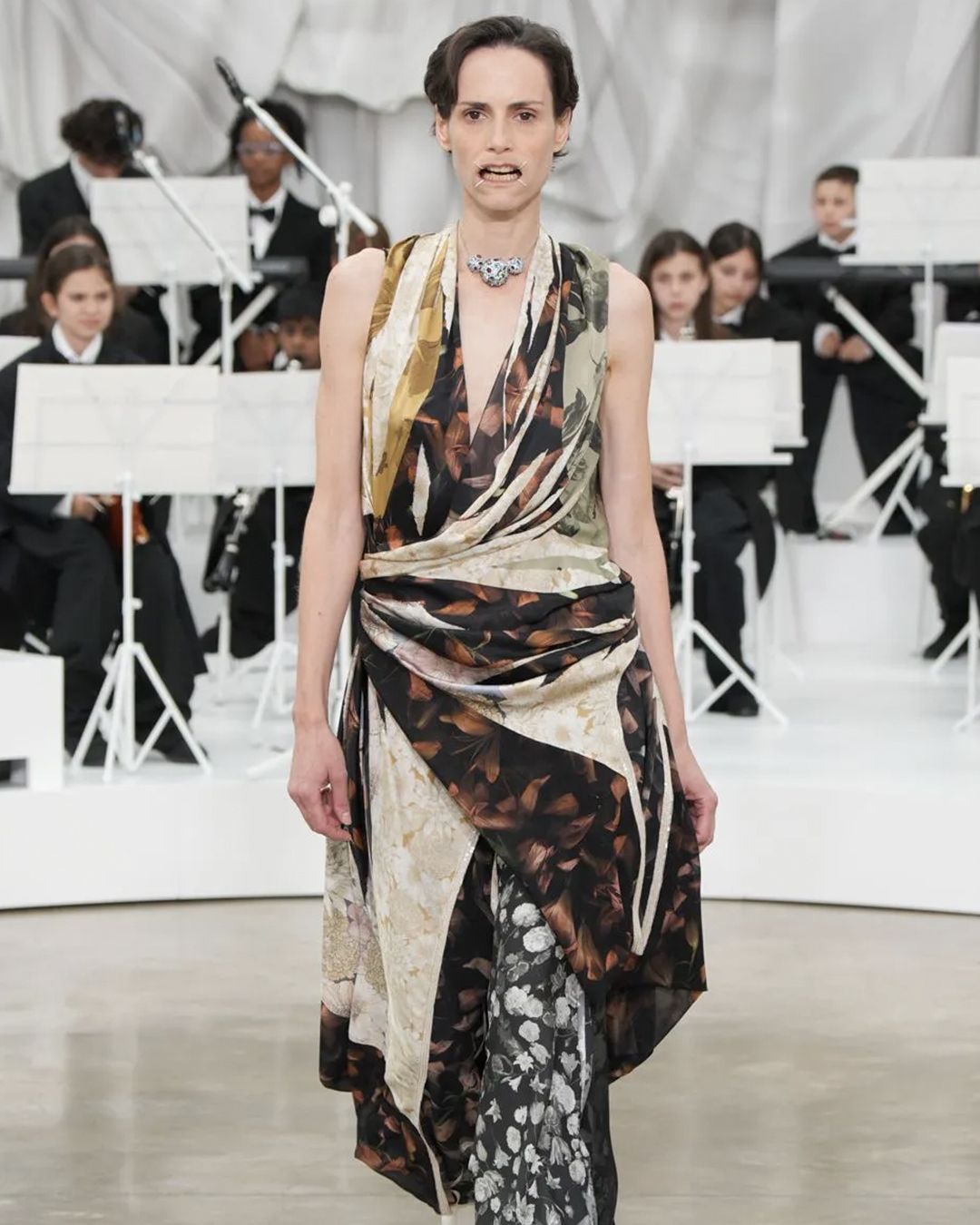



























Adrian Appiolaza has stepped down as creative director at Moschino Following a number of rumours over the last few days
UPDATE 19 June 2026: The Milan-based fashion house confirmed this afternoon that Adrian Appiolaza is stepping down as the brand’s creative director. According to the official press release, the new creative director will be announced shortly.
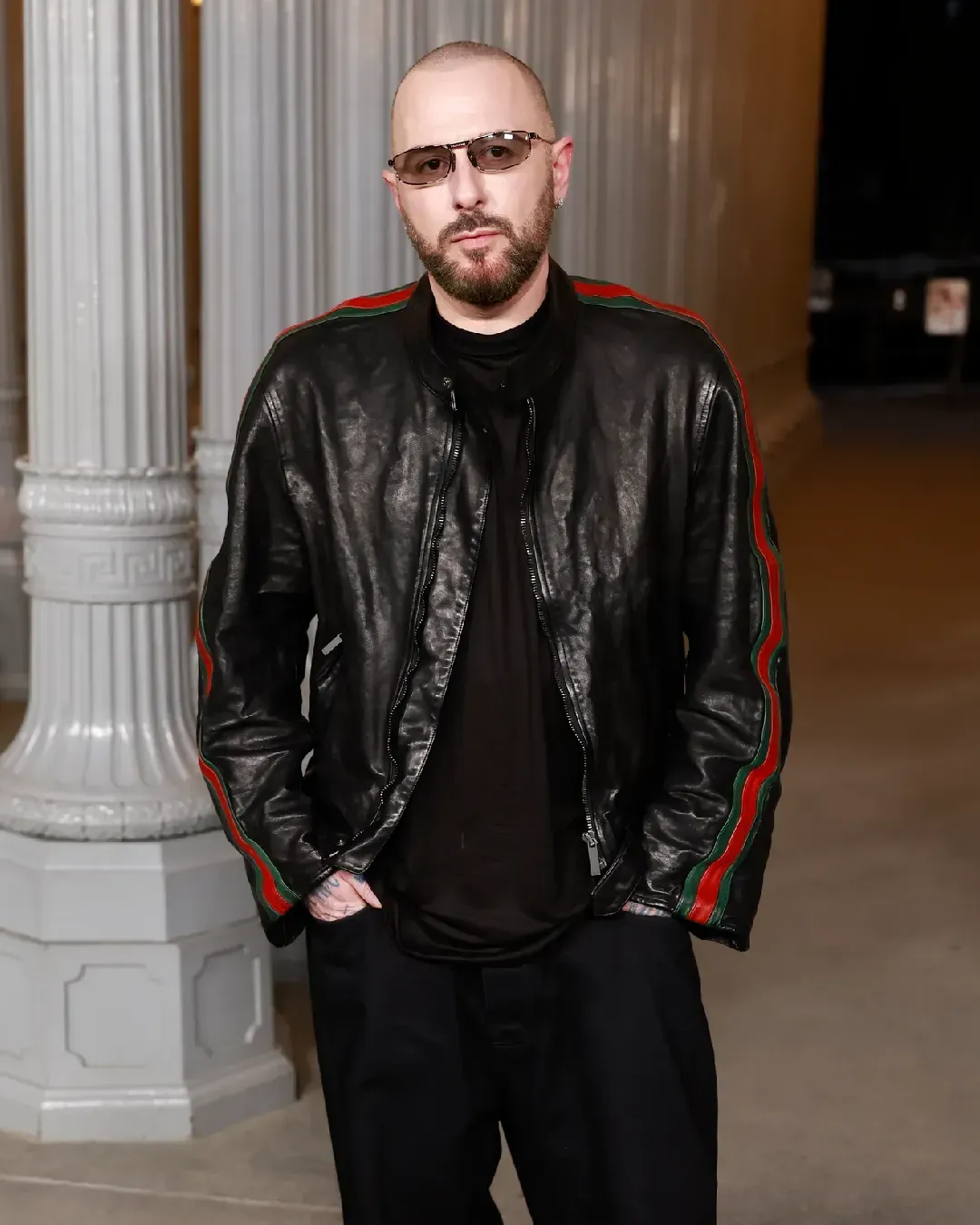
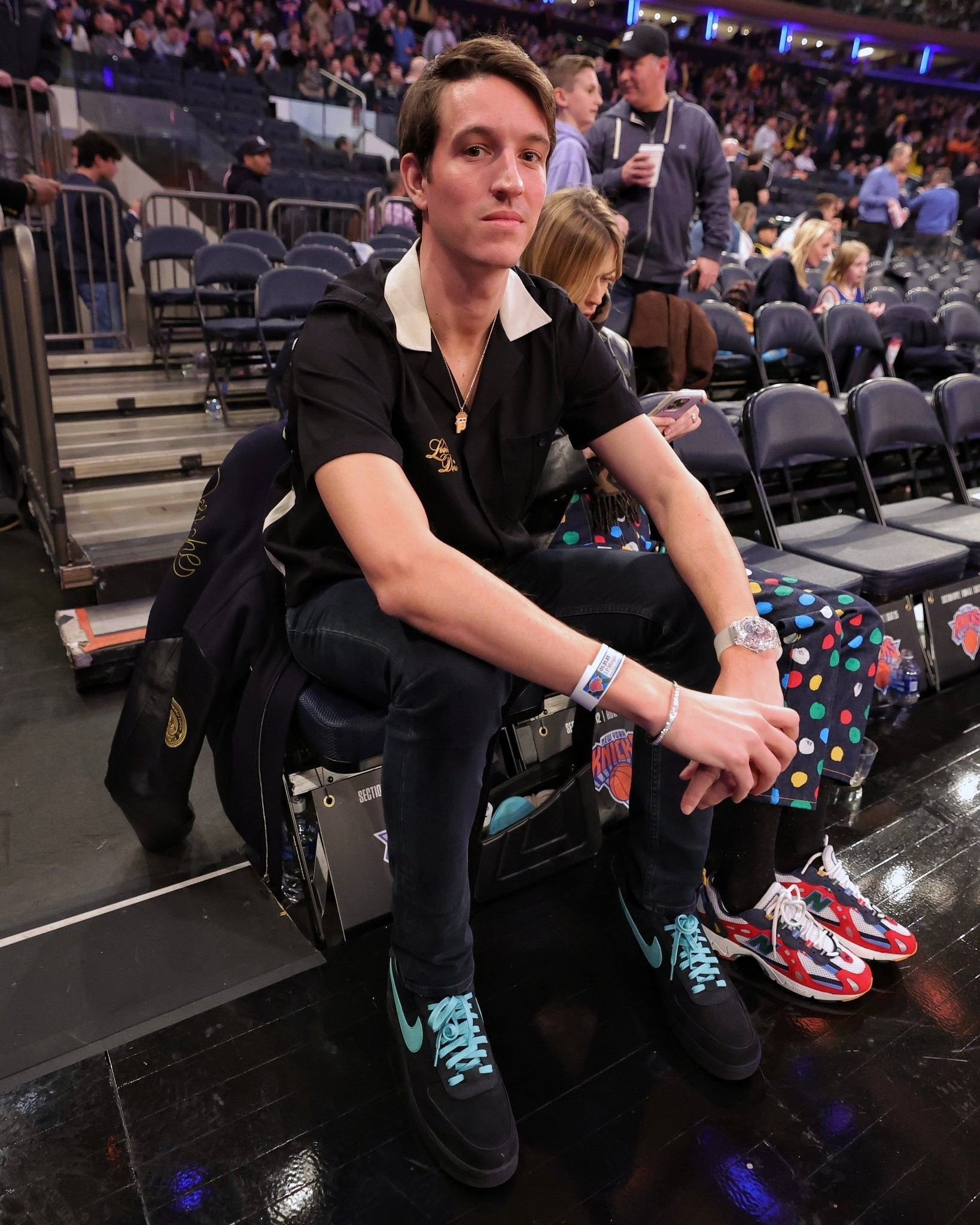
According to Lauren Sherman on Puck, something is stirring at Moschino. The journalist, like BoringNotCom, reported that Adrian Appiolaza has reportedly left the creative direction of the brand, which could now be taken over by Loris Messina and Simone Rizzo, the founders of Sunnei who recently exited their brand, with a contract that is reportedly in the final stages of completion. The creative duo, who during their years at Sunnei have indeed demonstrated an ability to infuse humor and irony into their collections, could be the next creatives behind the brand founded by Franco Moschino in 1983.
We do not yet have any official confirmation of this handover, which would however be understandable given the financial problems facing the parent company Aeffe. But let’s proceed in order.
The Problems of the Aeffe Group
Founded in the 1980s by Alberta and Massimo Ferretti, the Aeffe Group, which today controls Moschino, Alberta Ferretti, Philosophy and Pollini, is not navigating calm waters and is operating within a Negotiated Crisis Settlement procedure initiated in October 2025 at the Court of Bologna. The group has requested extensions of protective measures and is seeking restructuring solutions to avoid an irreversible deterioration.
In the nine months ended September 30, 2025 (the latest available data at the beginning of 2026), consolidated revenues had fallen to approximately 155 million euros, a decline of 25.4% compared to the same period of the previous year. A negative trend fueled by the widespread luxury crisis that is also causing problems for much larger and more established groups and brands. We know there are losses, but updated results are not yet available because the group’s board of directors has repeatedly postponed the approval of the financial statements, with the latest scheduled date being June 30, 2026 for the 2025 full-year balance sheet and the 2026 half-year report.
With a debt of around 115 million euros, despite the sale of Moschino’s beauty division which brought 98 million euros into the group’s coffers in 2024, the company has reported “financial tension” and has requested a predeductible financing of up to 20 million euros from illimity Bank to support short-term liquidity. A crisis situation that last May led to the submission of a preliminary and non-binding offer from the Portuguese fund Oxy Capital, acting as leader of a consortium that would take over the operating assets including the brands, assuming the debts and essentially “cleaning up” Aeffe’s balance sheet, which would remain a shell company. Currently, the transaction with Oxy Capital is still in the due diligence and negotiation phase.
And Moschino?
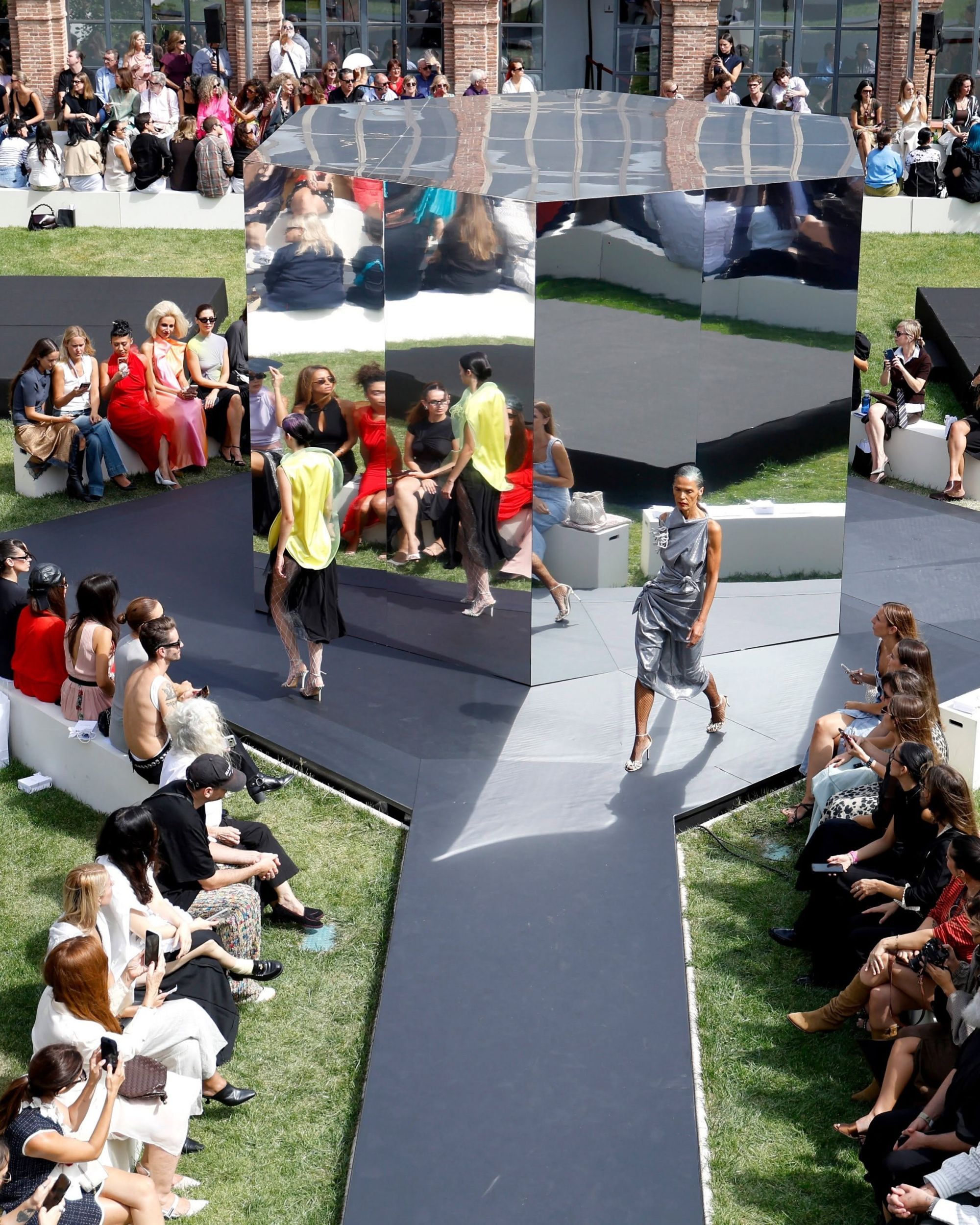
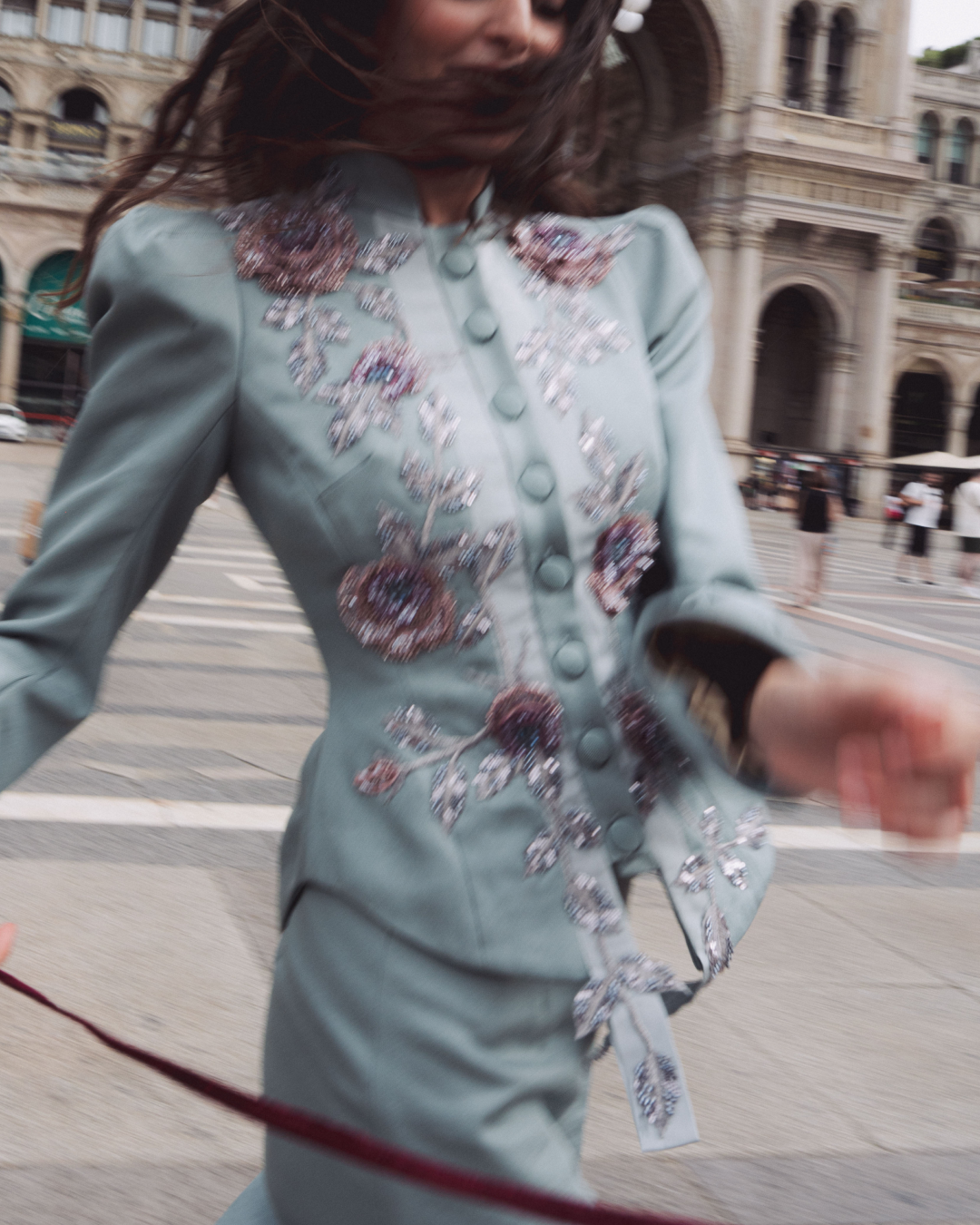
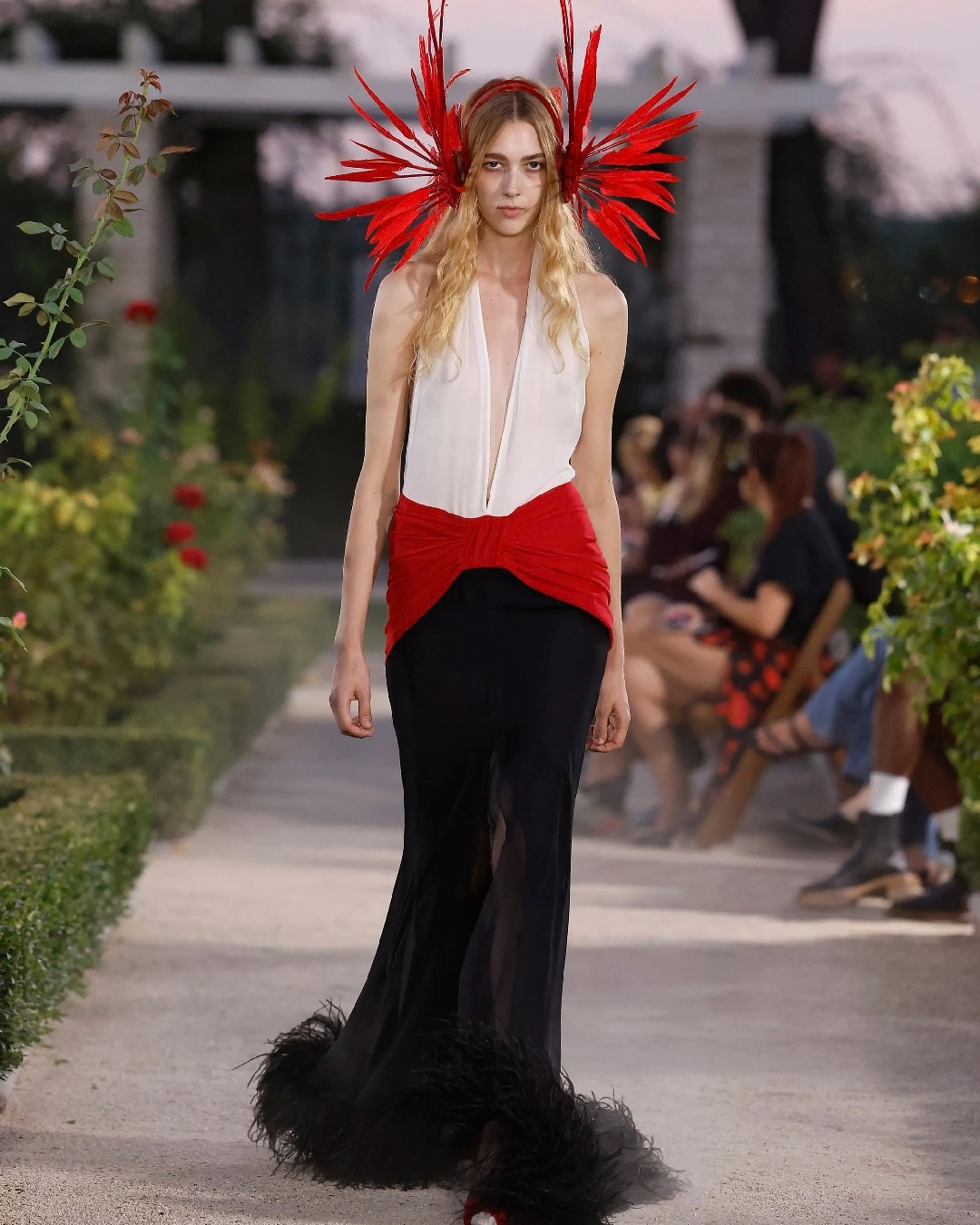
@nssmagazine The day before the Moschino Spring Summer 2026 show, we met Adrian Appiolaza at the brand’s Milan offices. Showing us the collection that would walk the runway the next day, the designer pointed to one of the pieces hanging on the long racks lining the room: “This was inspired by a work of art by Pistoletto, the box,” he told us. “The idea was to take random, humble materials and create this dress that we deconstructed to make this kind of ruffle.” The idea of deconstruction is indeed “something very Moschino.” For this collection, Adrian worked with a palette of neutral tones and fabrics with porous, tactile textures, some softer than others, all inspired by the Arte Povera movement, which served as the central theme of the show. What do you think? Read the full interview with the designer at the link in bio. #tiktokfashion #adrianappiolaza #moschino #interview Bossa Nova jazz that seems to fit in a cafe(1433079) - TAKANORI ONDA
The Jeremy Scott era, which ended in 2023, represented the period of greatest recent commercial success for Moschino. Under his direction, revenues rose from around 152 million euros in 2012 to over 258 million in 2021, achieving significant commercial success that however greatly diluted the brand’s fashion identity. Towards the end of his tenure, however, a phase of decline began: on one hand the collections became repetitive and less incisive, heavily tied to a kitsch-commercial aesthetic; on the other hand the wholesale channel began to enter crisis as luxury spending shifted toward direct experiences and direct-to-client channels. By the time Scott left, the brand had accumulated considerable creative and commercial fatigue.
After the brief and tragic interlude of Davide Renne, who was appointed but sadly passed away prematurely before his debut, the new creative director became Adrian Appiolaza, former designer at Loewe as well as a refined fashion collector and archivist. His collections were generally well received by critics but did not solve the brand’s sales problems. Brand sales declined (this was also the moment of quiet luxury and grunge/normcore) and the other brands in the Aeffe group, which remains too dependent on Moschino, were unable to compensate.
Now, after the circulation of numerous unconfirmed rumors, both BoringNotCom and Puck have put the hypothesis in black and white, which therefore is not yet officially confirmed. A confirmation or denial from the group could however be imminent. Moschino’s problems, however, remain deep: the brand finds itself in a precarious position in a completely unforgiving market and within a group that must manage intense financial pressures. Will a new appointment be enough to save it?