
























Will we be wearing upholstery this winter? Home is where the look is
Etro SS26
Etro SS26
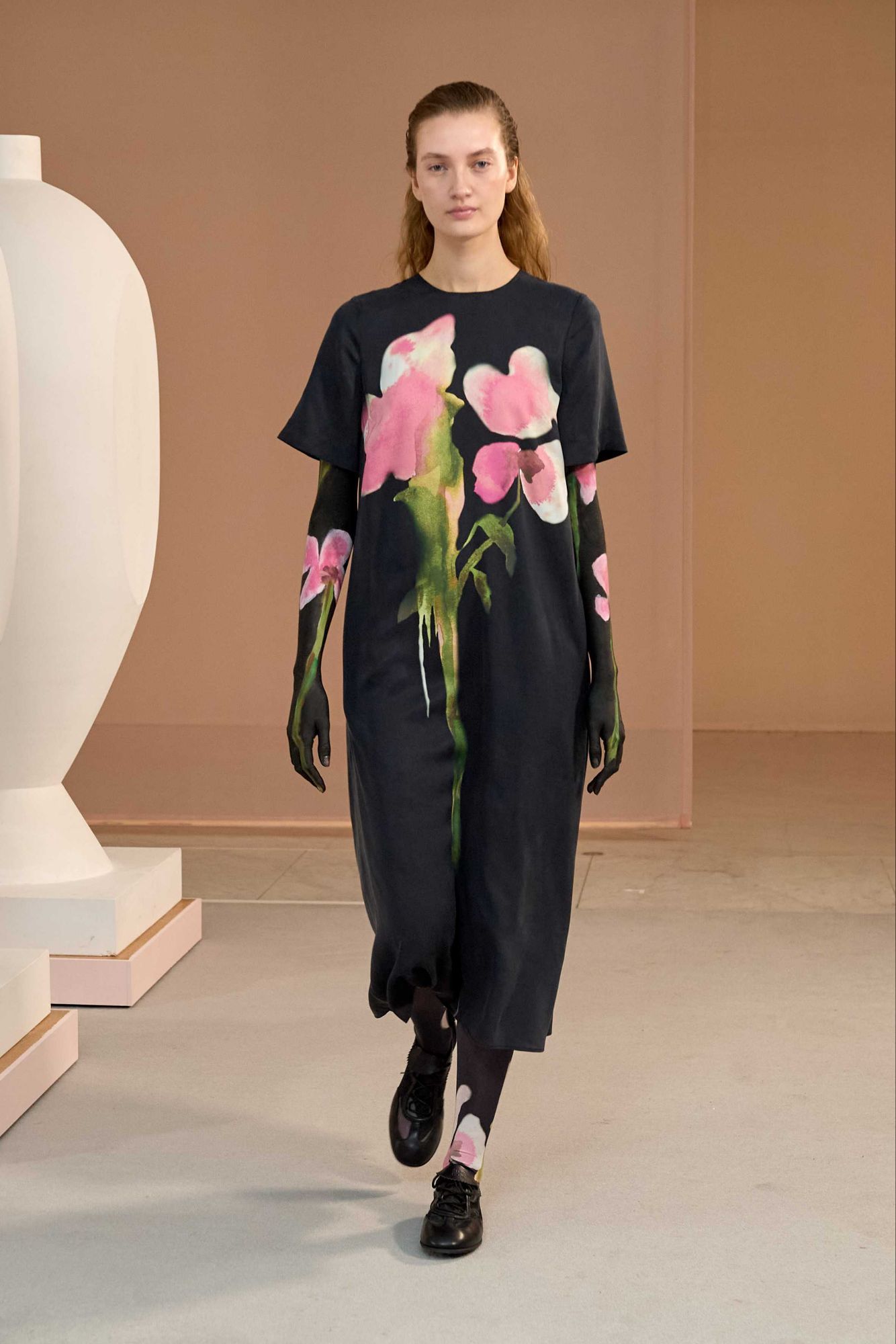
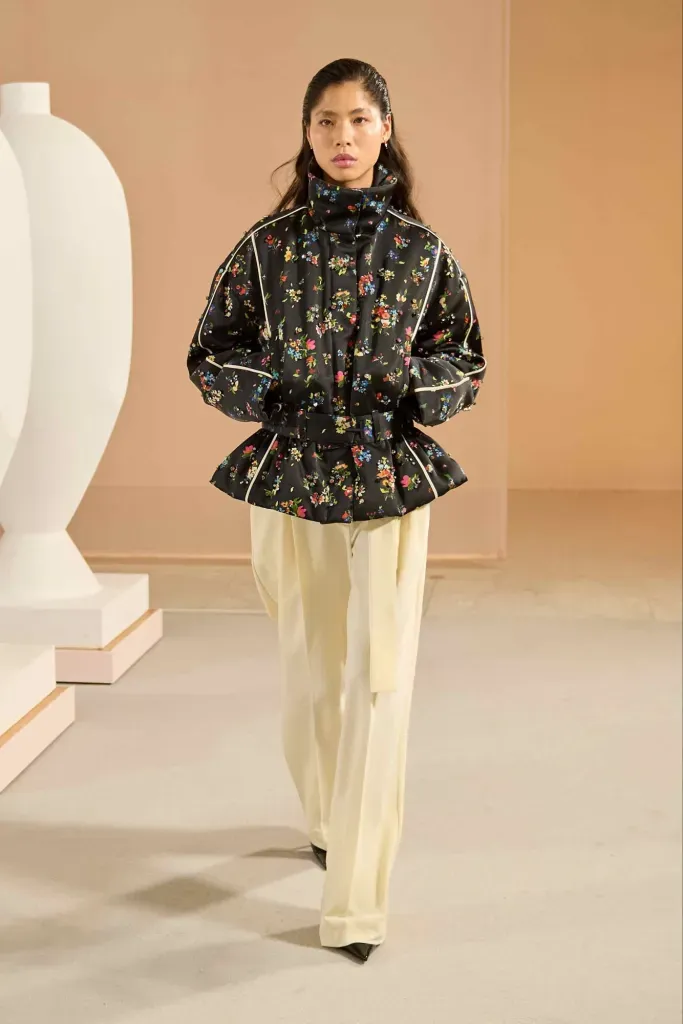
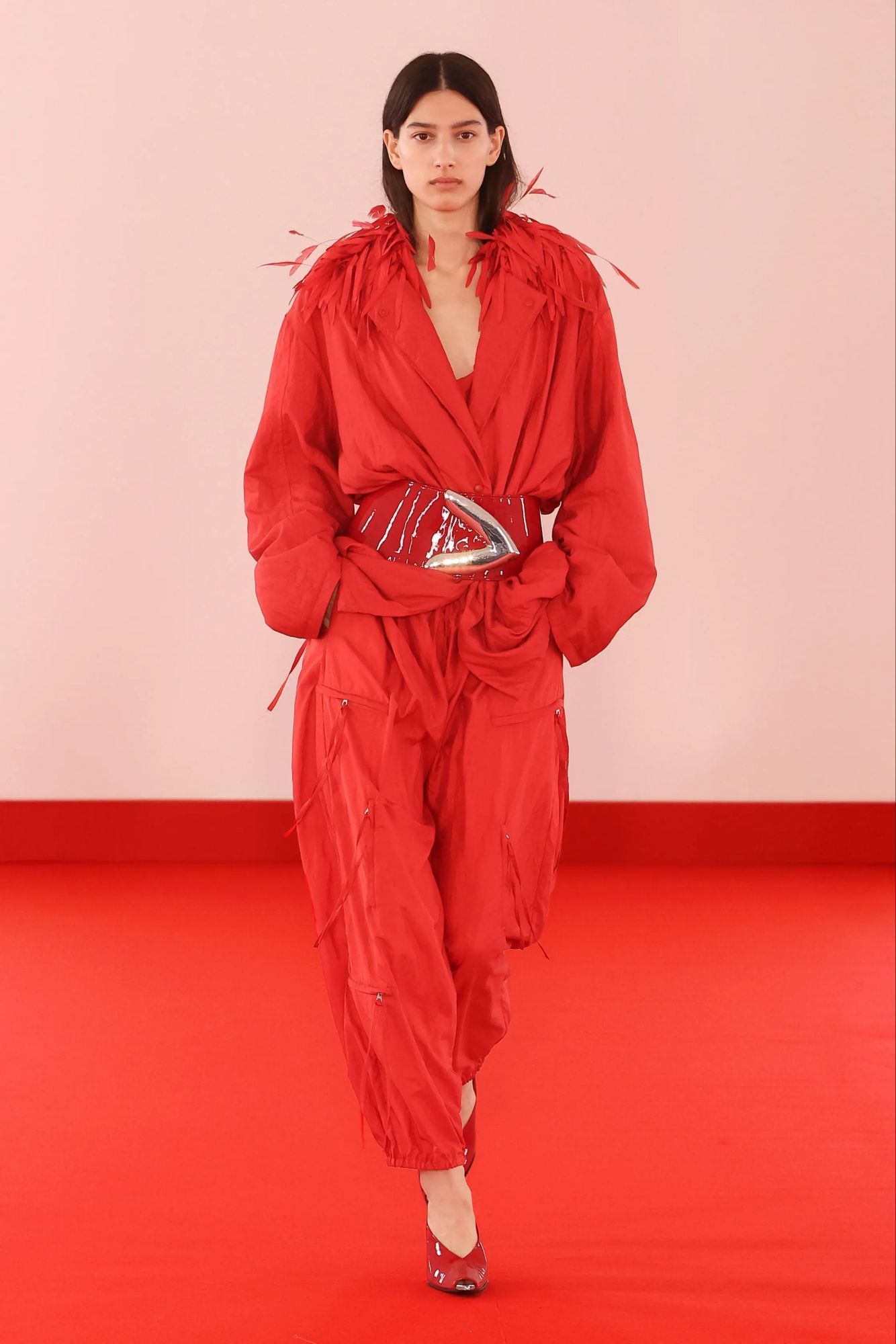
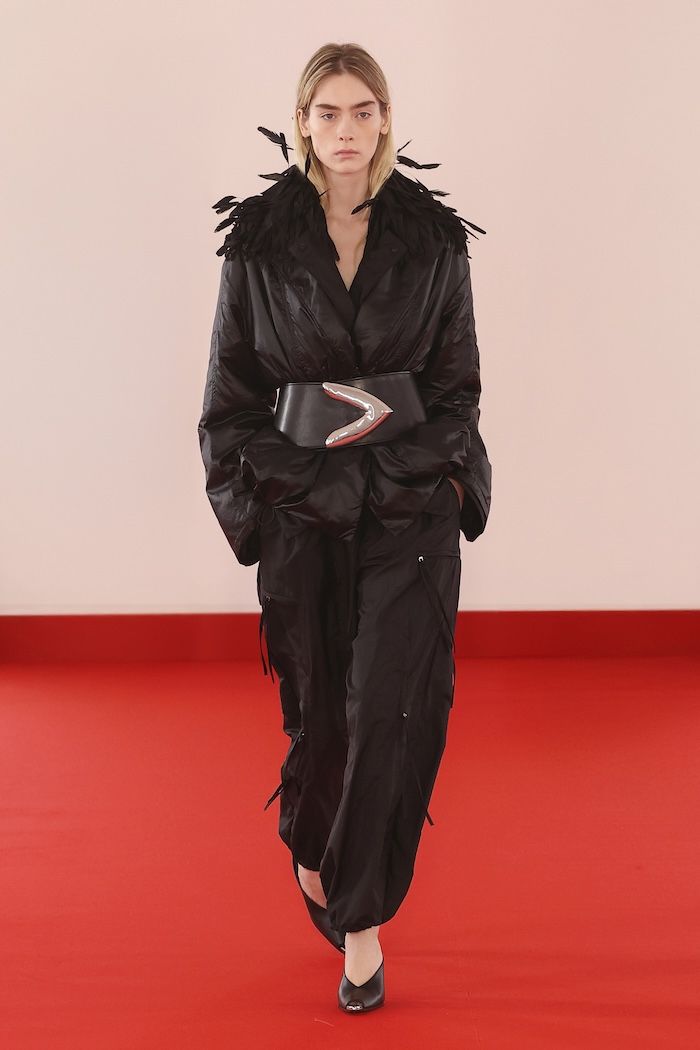
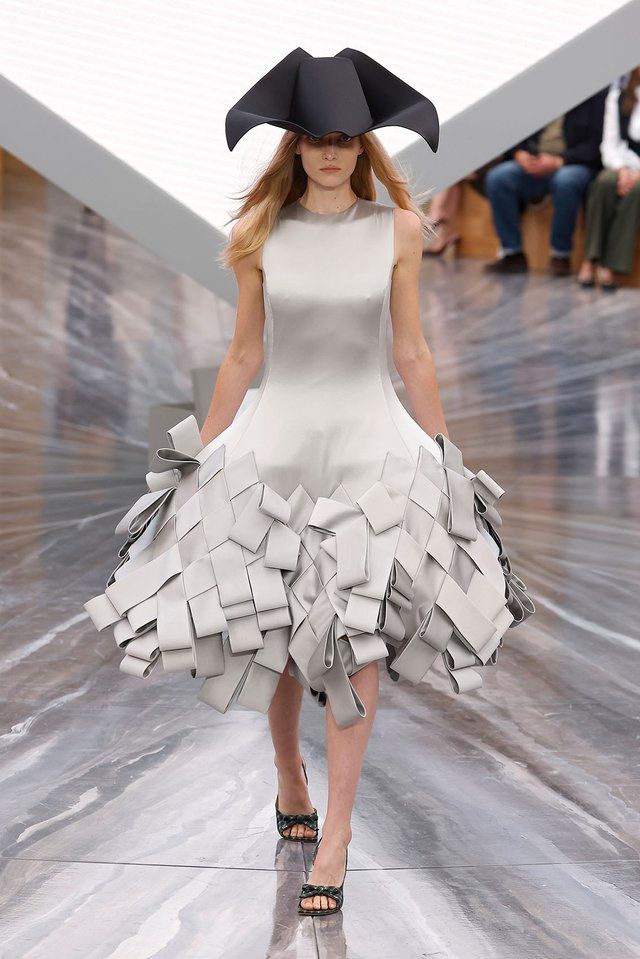
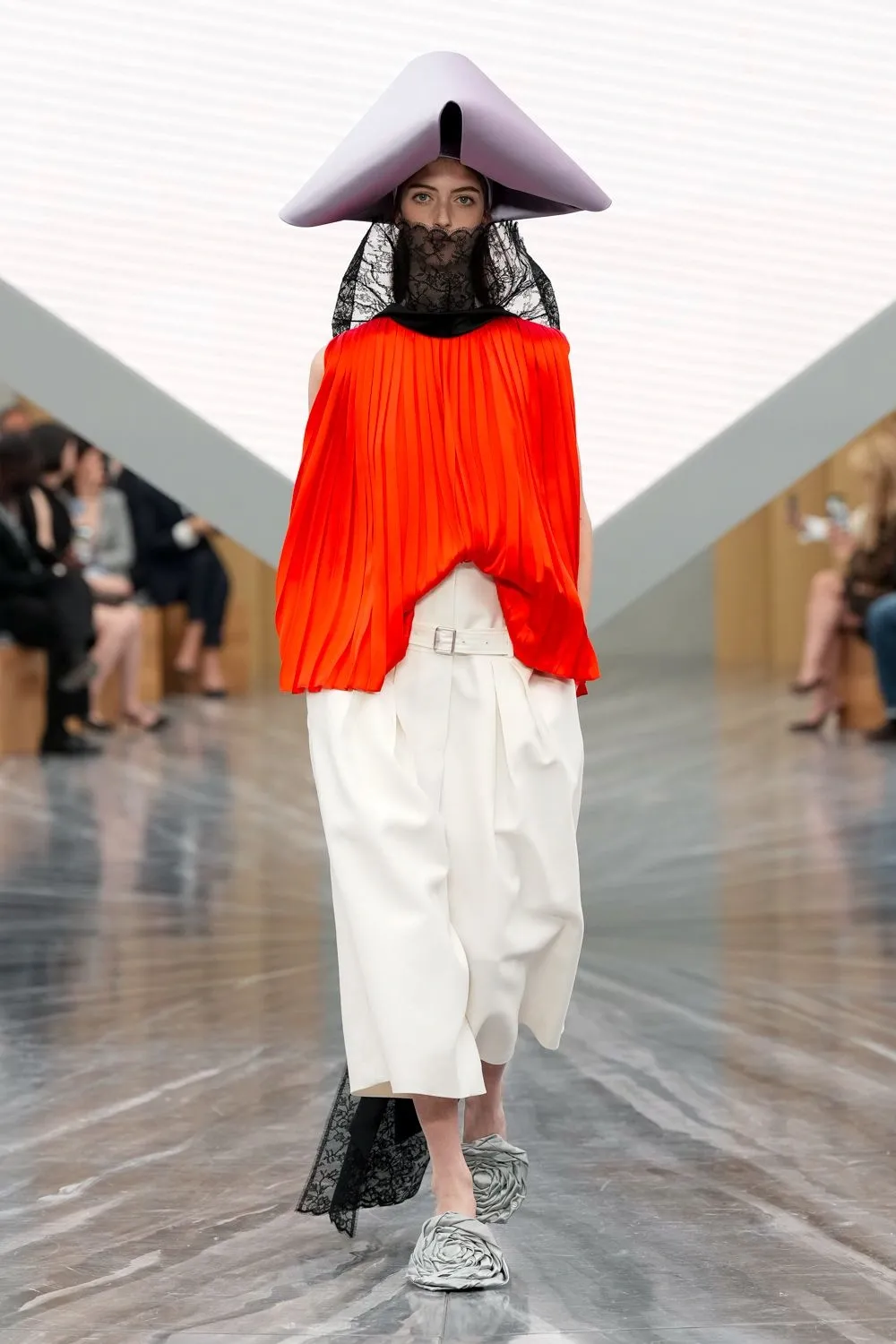
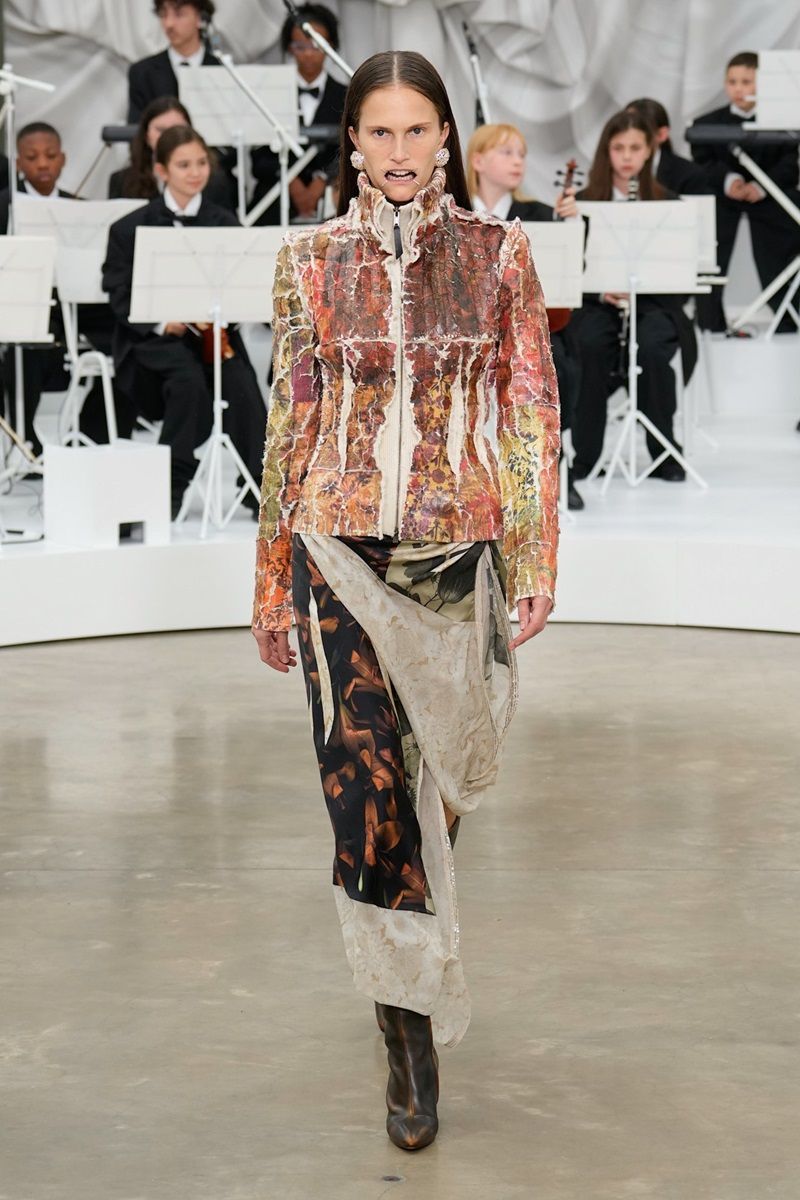
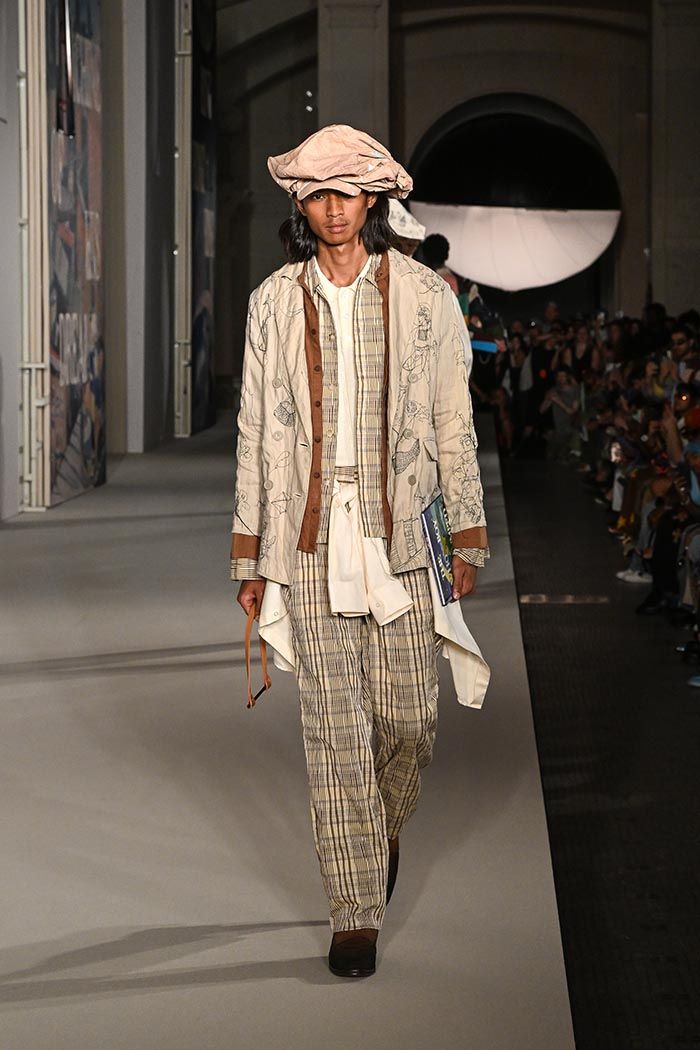
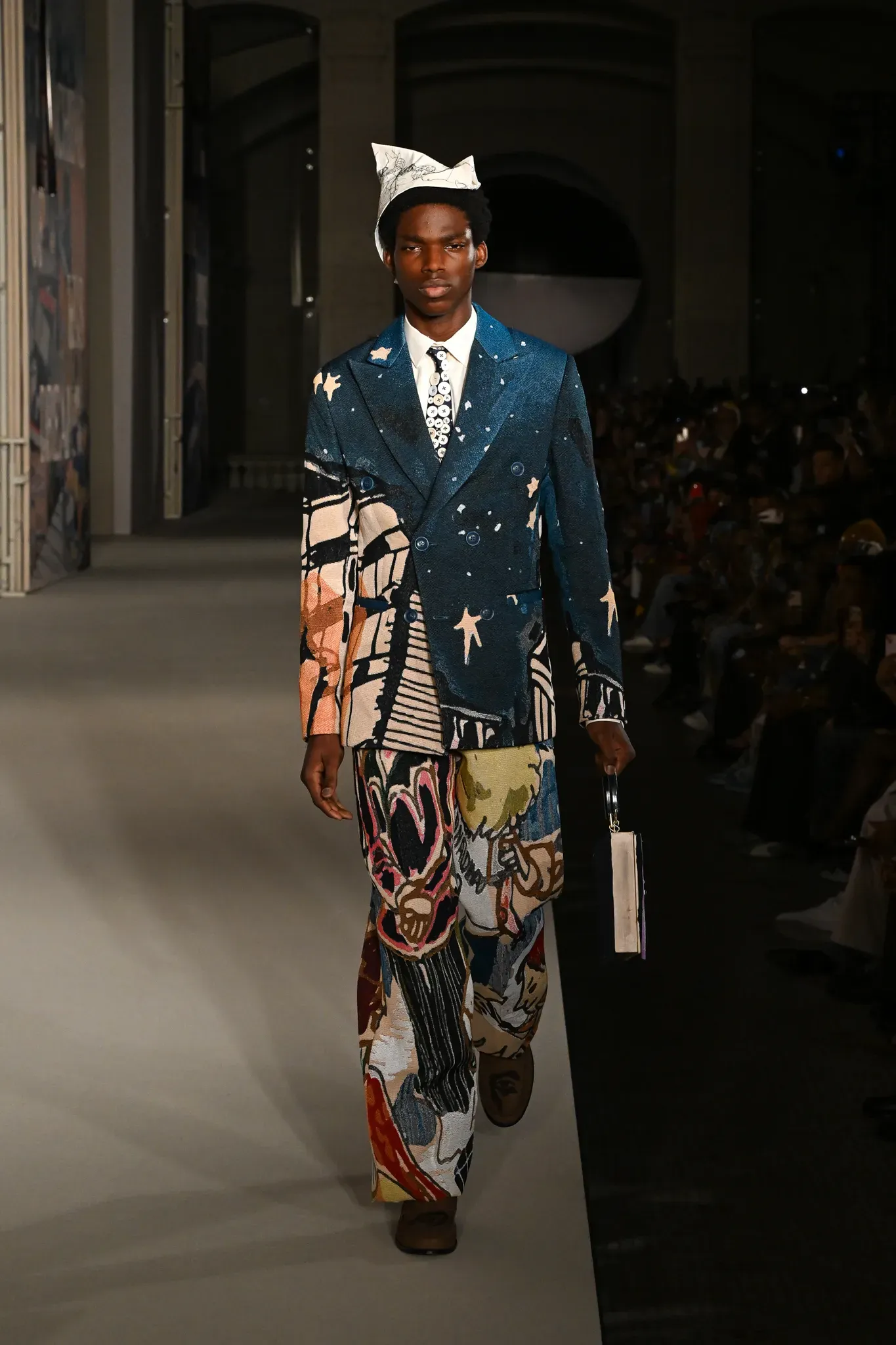
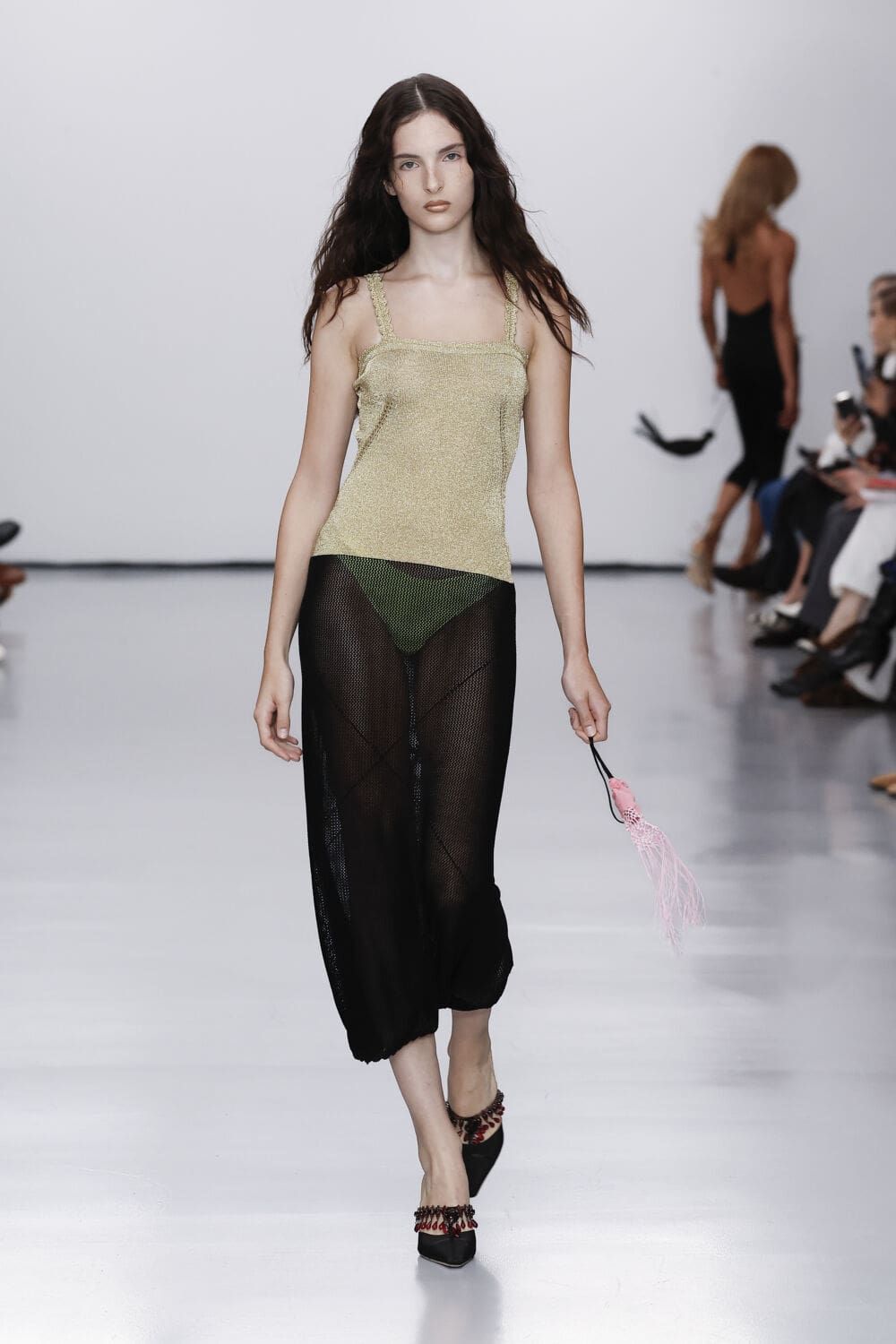
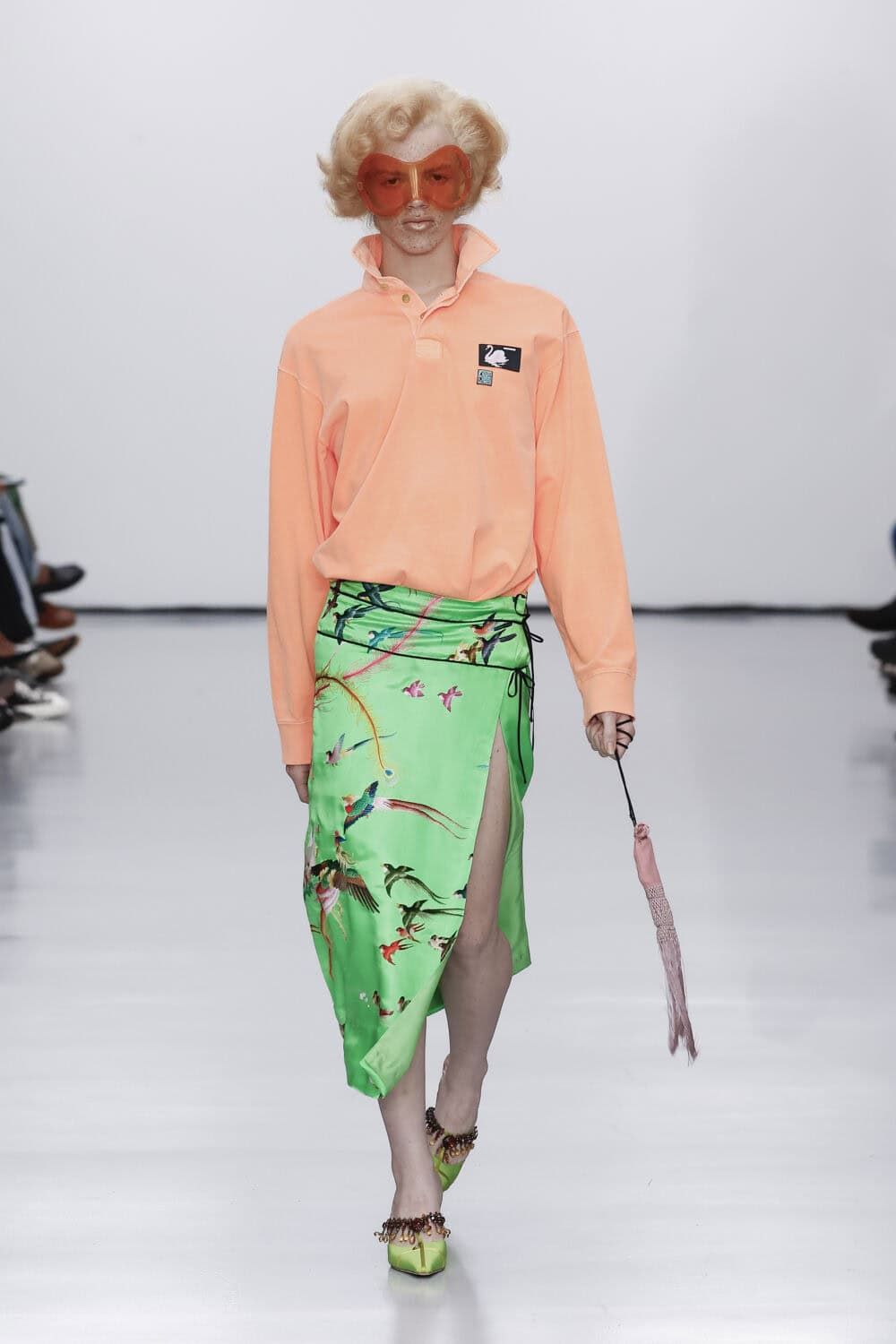
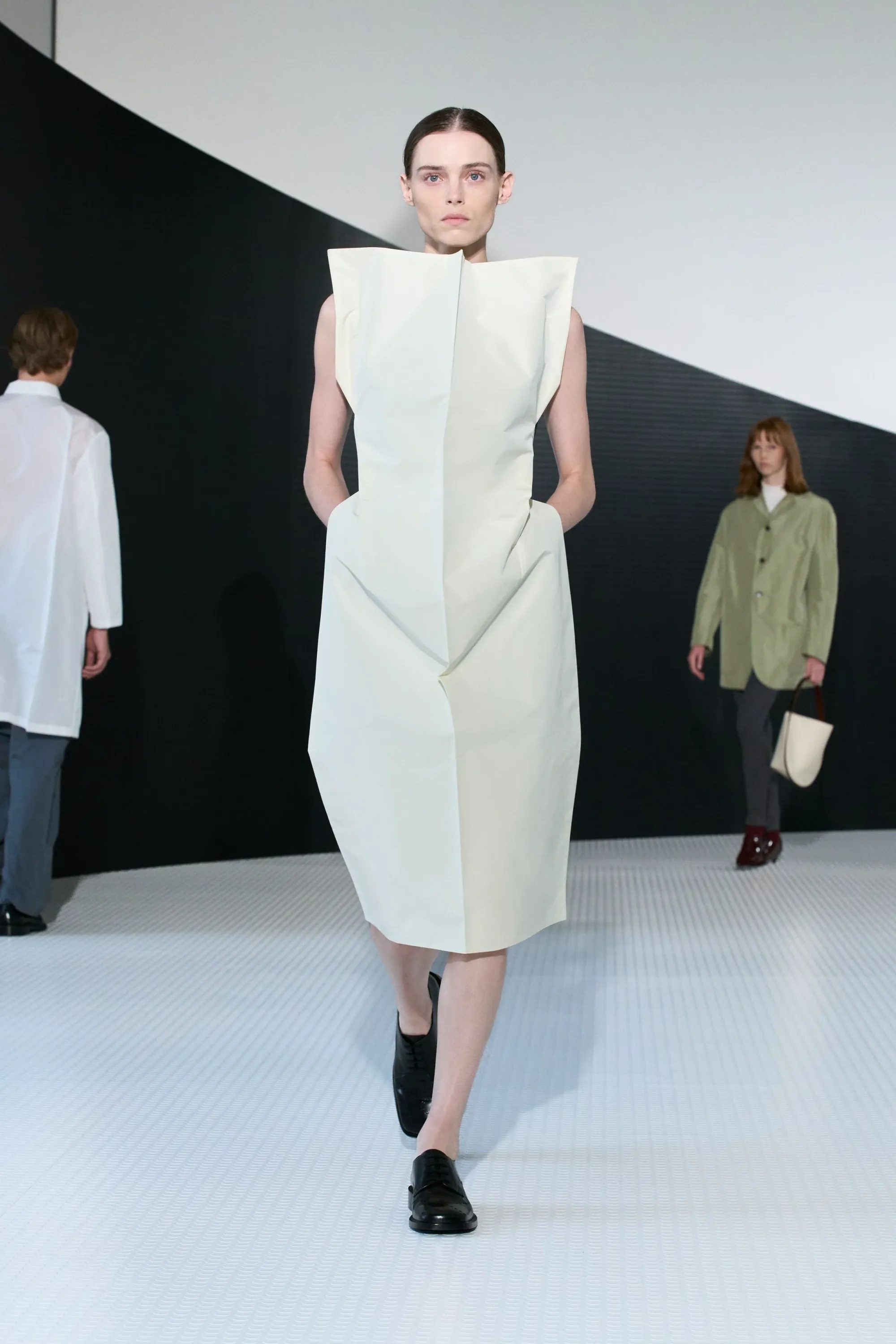
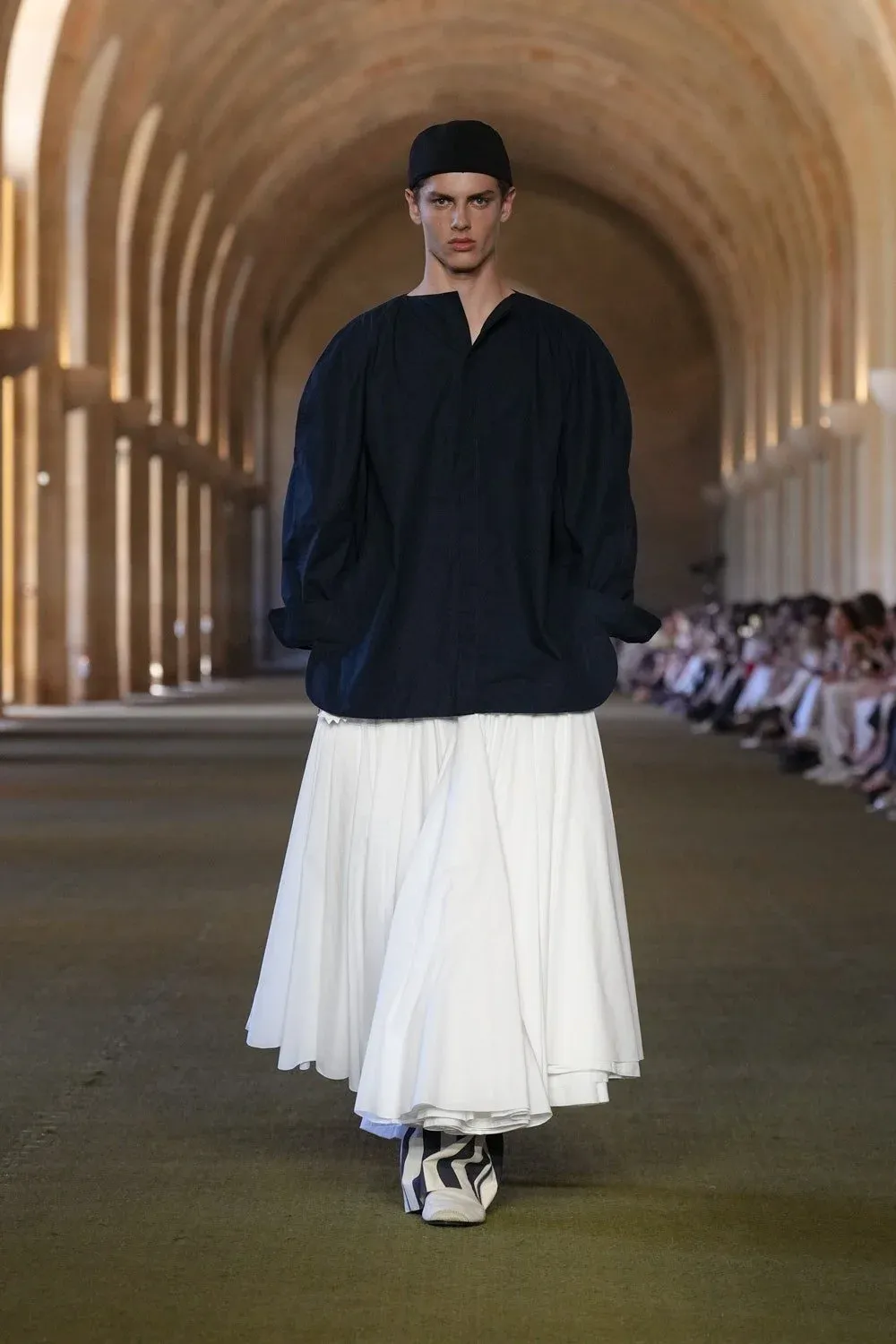
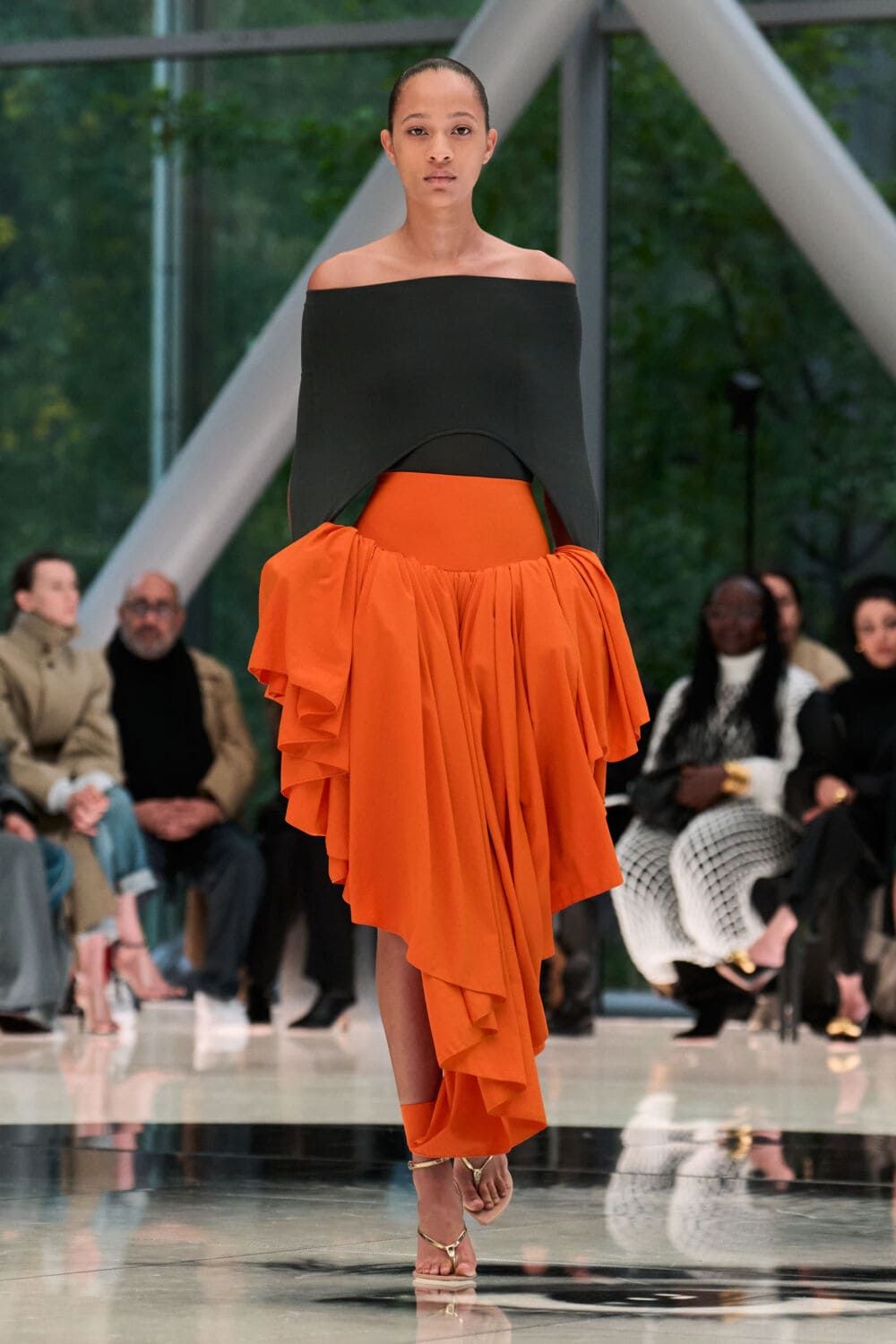
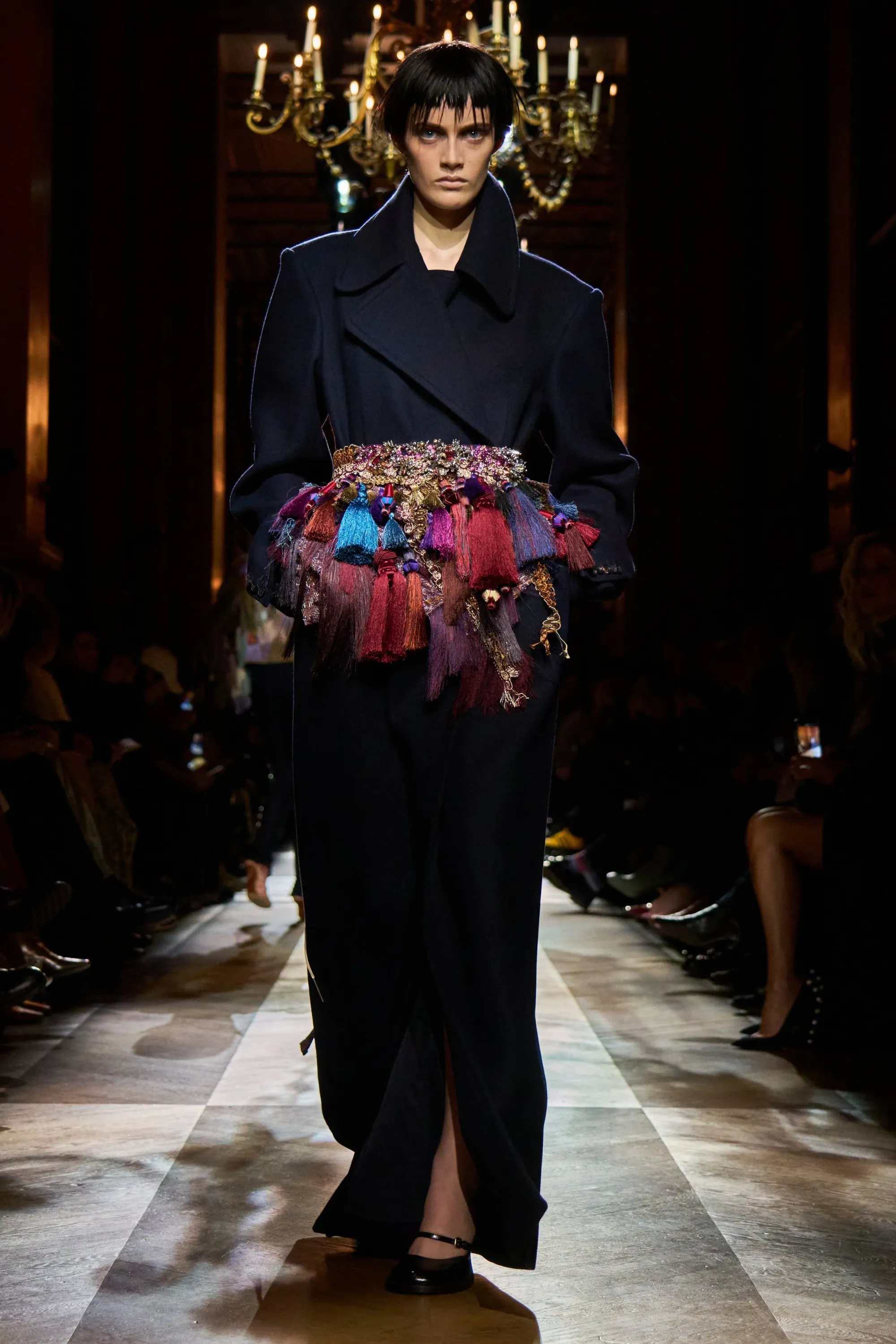
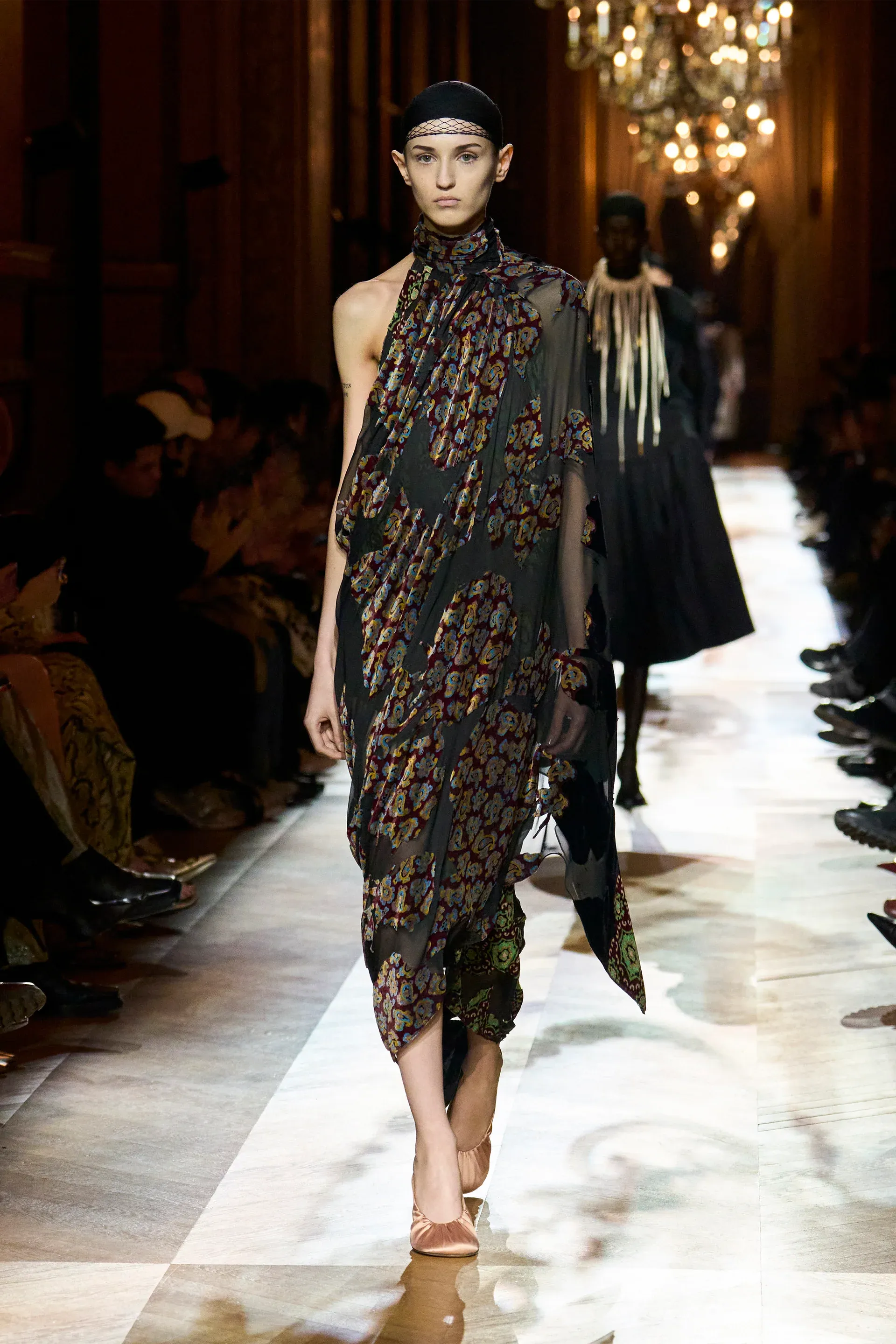
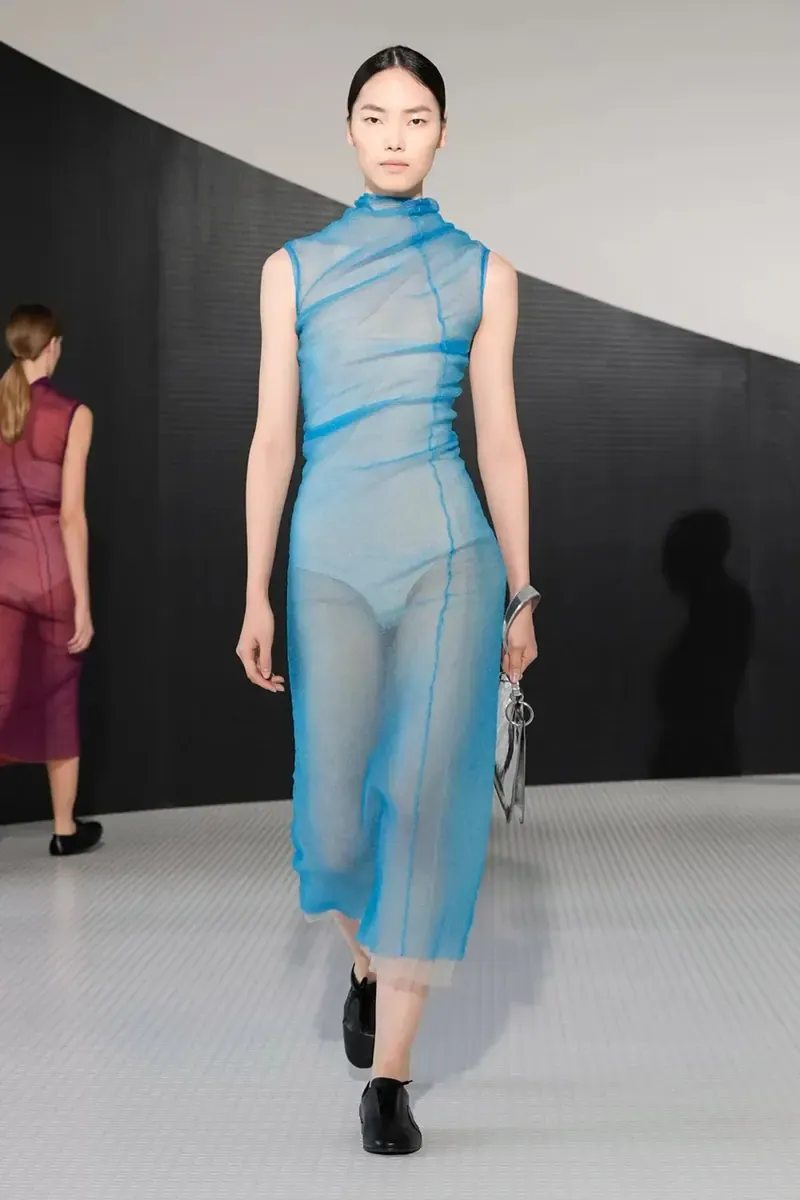
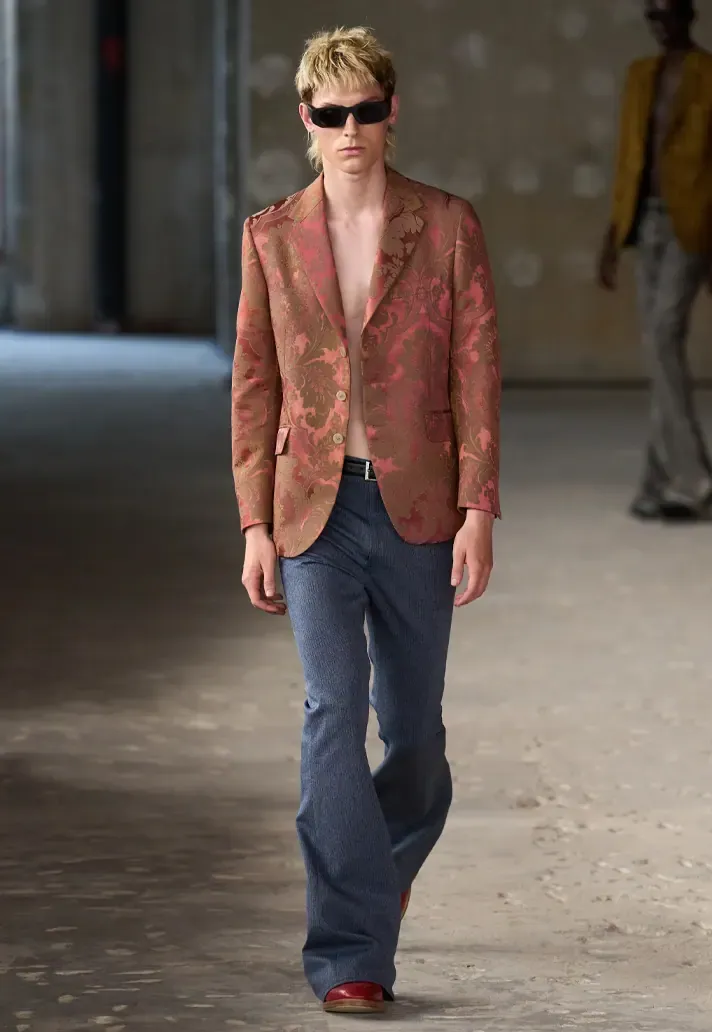
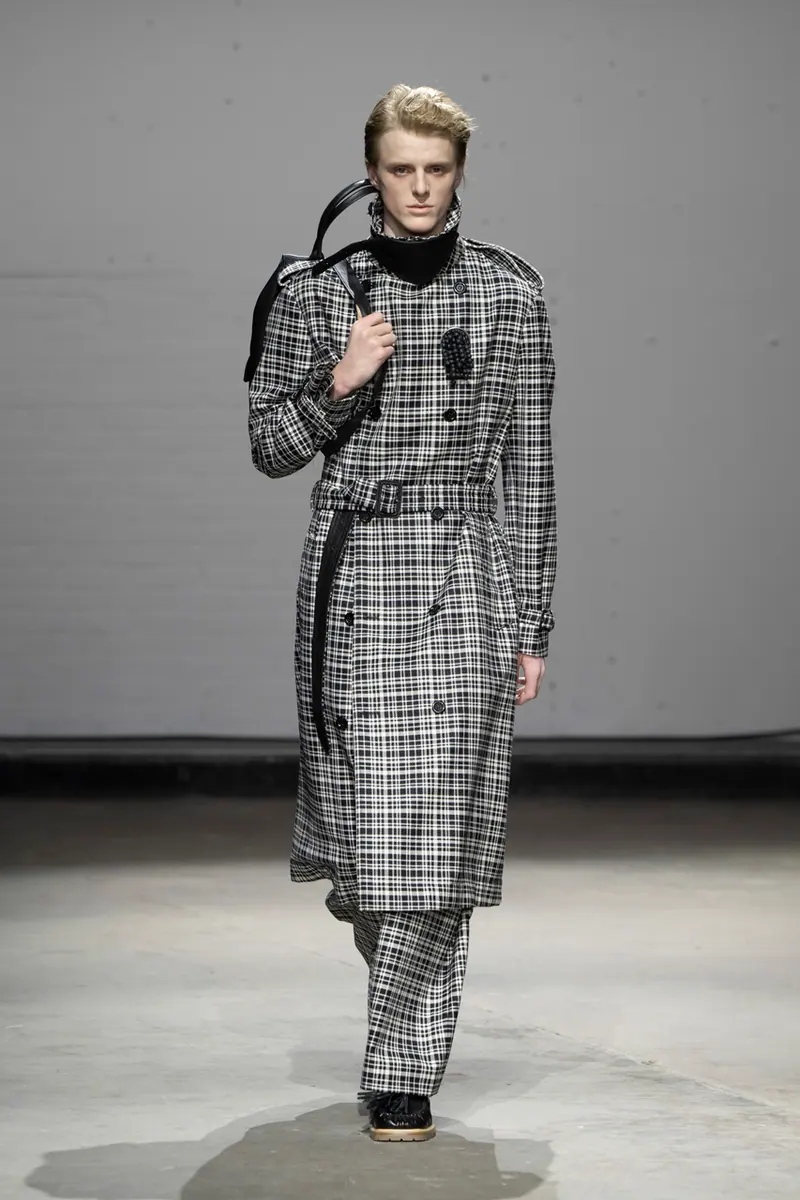
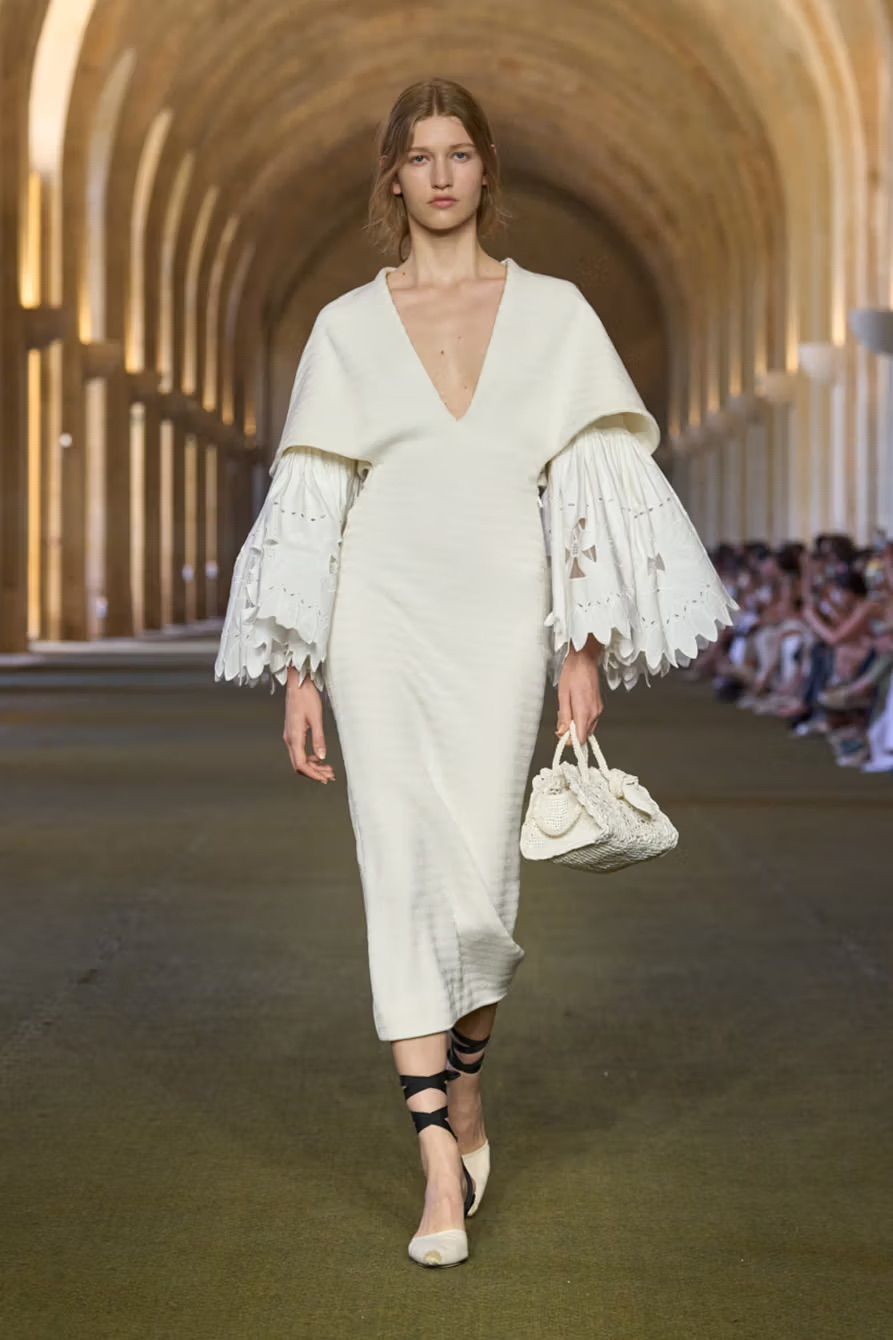
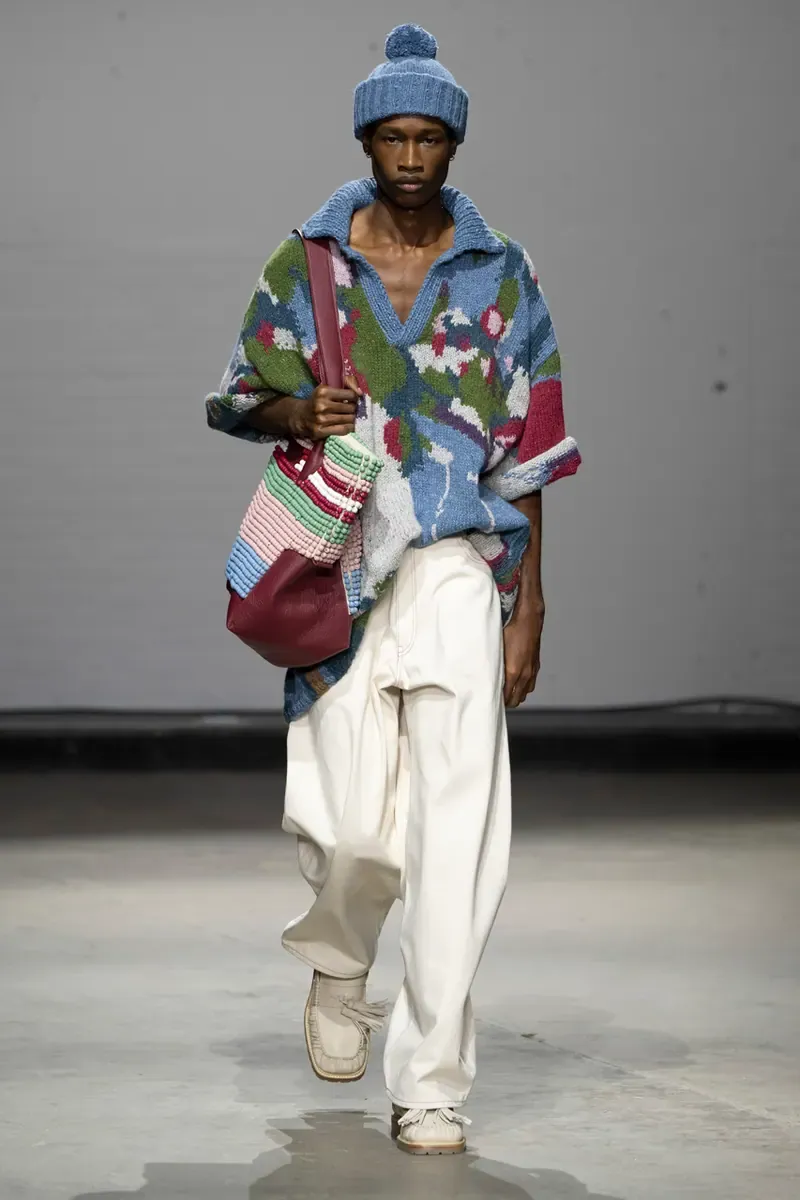
Sonia Rykiel once said that «clothes should be a refuge like a home or a carpet…». And indeed, it seems that in the most recent collections presented during the fashion weeks, designers have followed the French designer’s teaching to the letter: contemporary fashion creators are integrating into their patterns and prints motifs that evoke upholstery, furnishing fabrics, and, more generally, interior coverings. Following the bedcore phase, which widely normalized the idea of wearing nightgowns and robes outside the bedroom, fashion now seems to be expanding the boundaries of the home into the living room, inviting us to wear curtains, quilts, wallpaper, and even domestic objects, reimagined as ready to wear garments. What are the sociocultural meanings behind this trend, and why has it resurfaced at this particular historical moment?
This aesthetic falls within the so-called post-pandemic trends and reflects how the home has returned to being the epicenter of daily life, a place to stay, not just to “pass through.” The lockdown experience brought domestic life back to the center, not just as an aesthetic space but as an emotional one. A deep bond has resurfaced with household objects, almost revealing a symbiotic connection between the space we inhabit and the clothes we wear every day. Fashion has always had a link with the world of interiors: this is evidenced by numerous dedicated lines and collaborations between maisons and design brands. But today, the connection between garment and home takes on a symbolic value. As sociologist Maurice Halbwachs states, in times of crisis, returning to spaces that evoke stability and comfort becomes a way to regain balance and build a new collective memory.
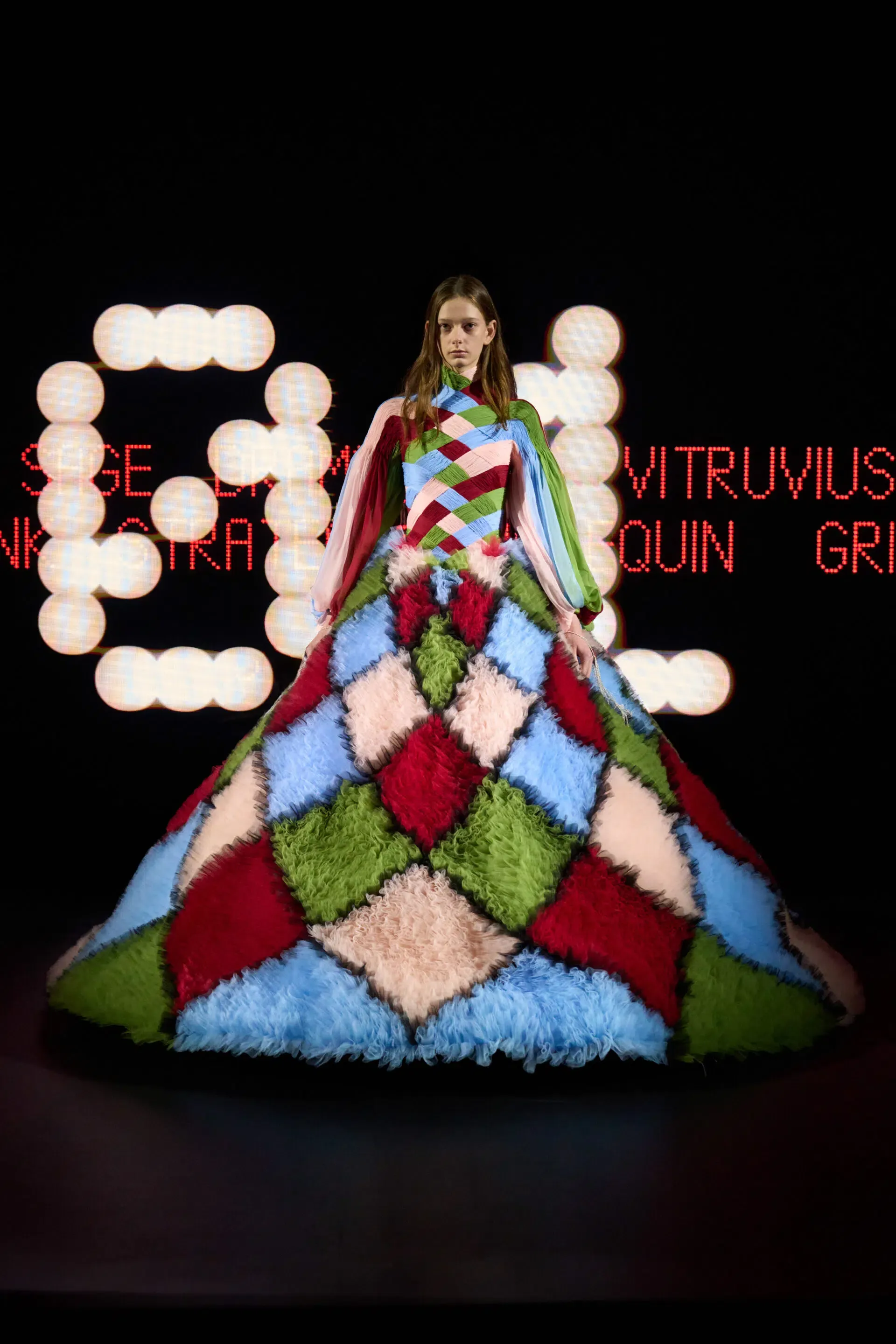
Etro SS26
Etro SS26
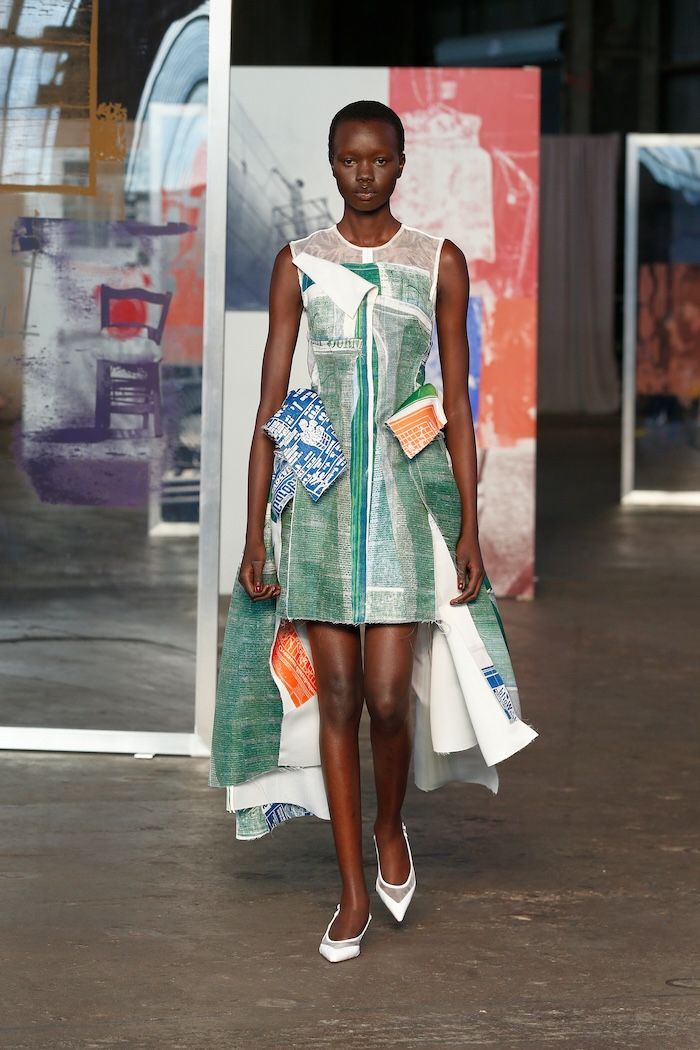
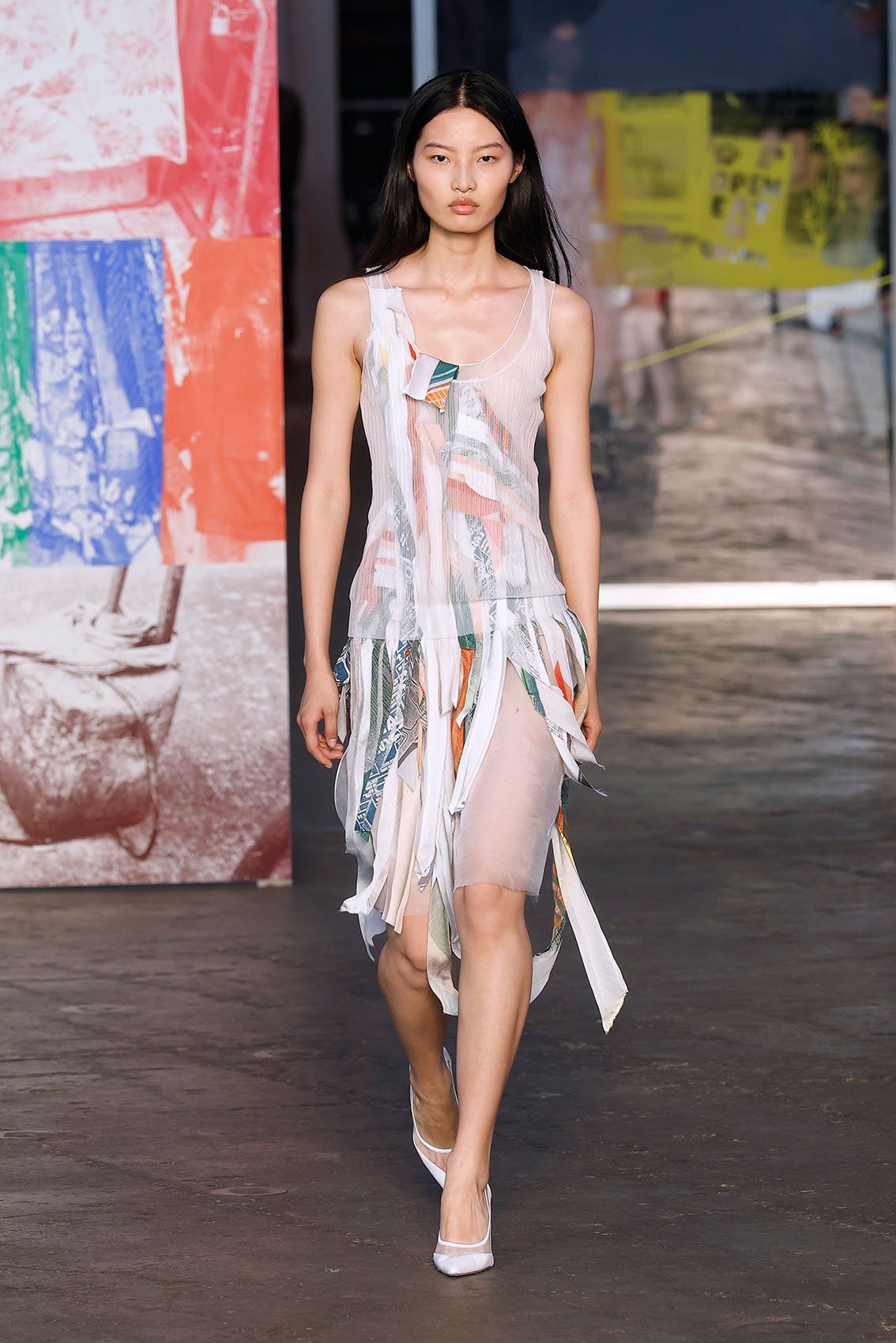
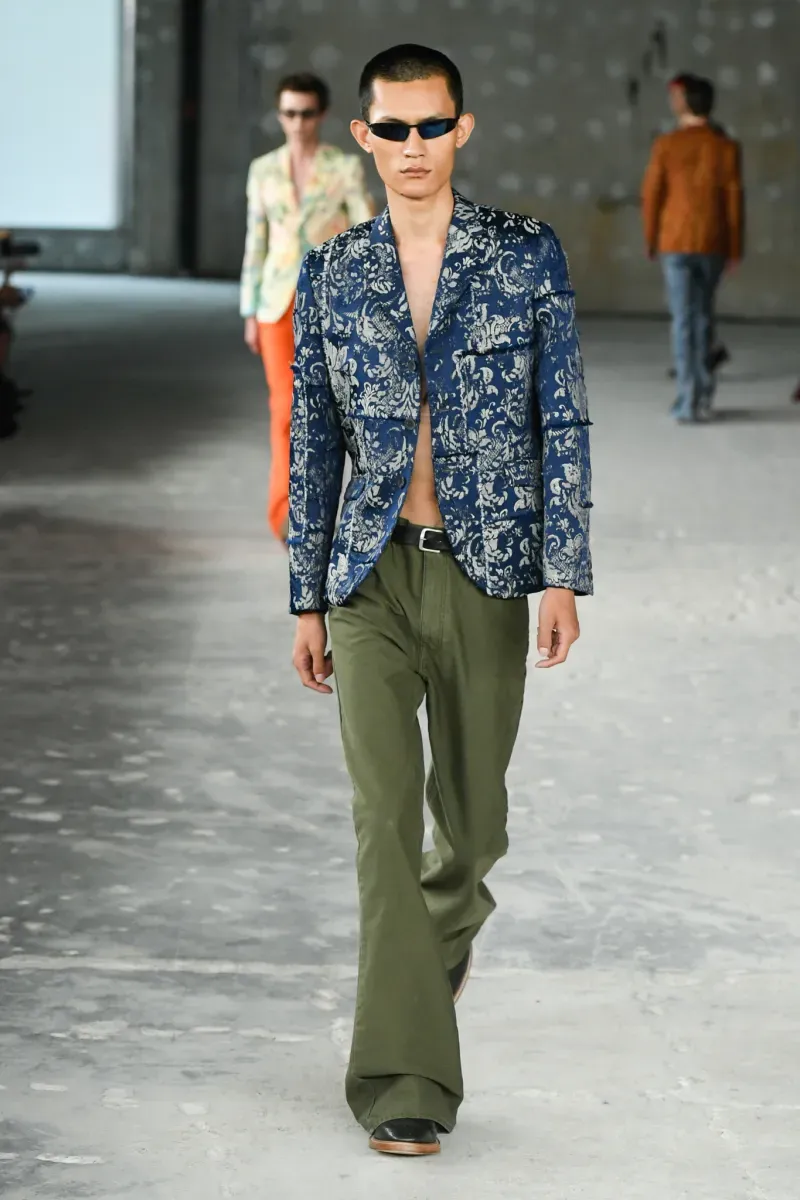
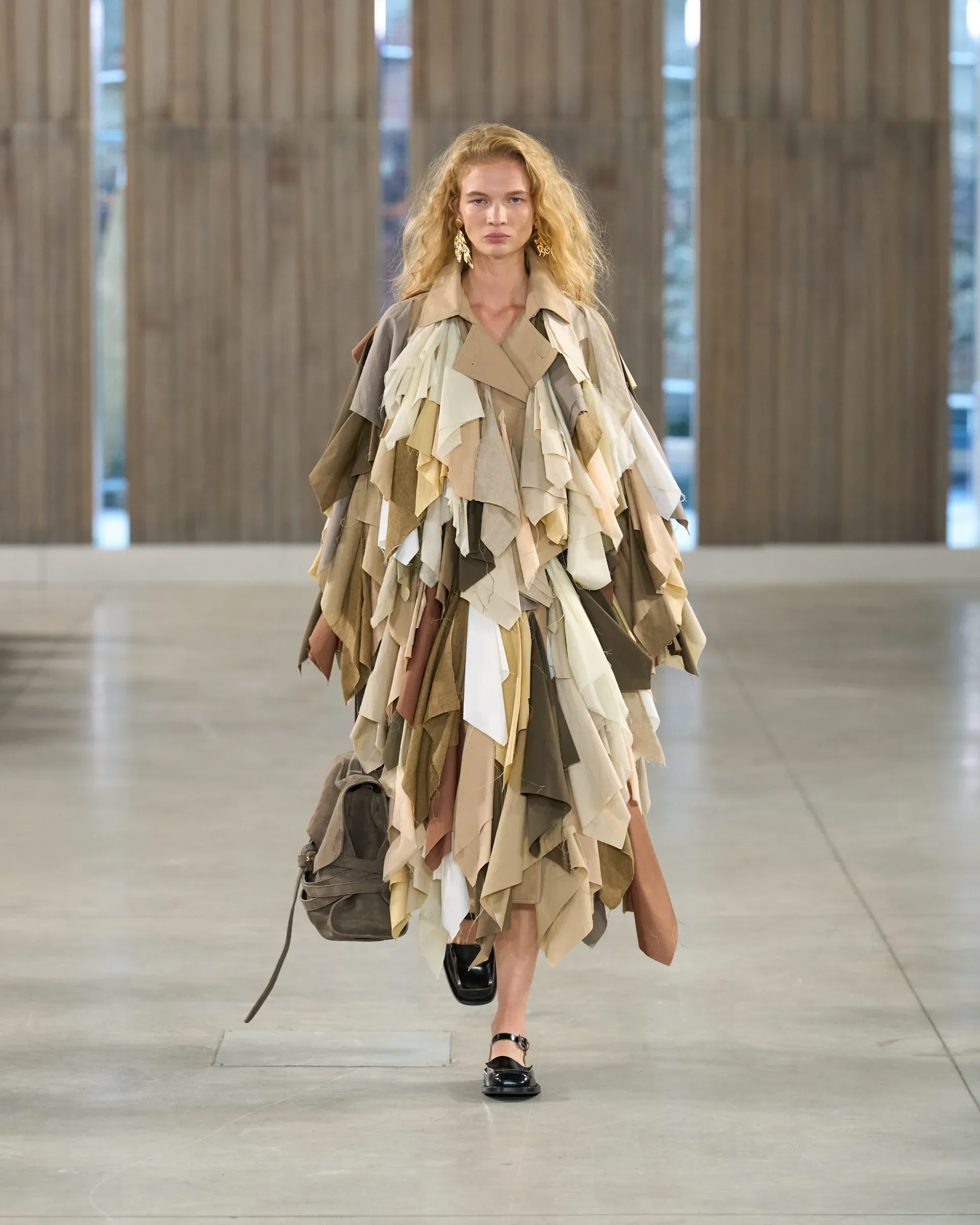
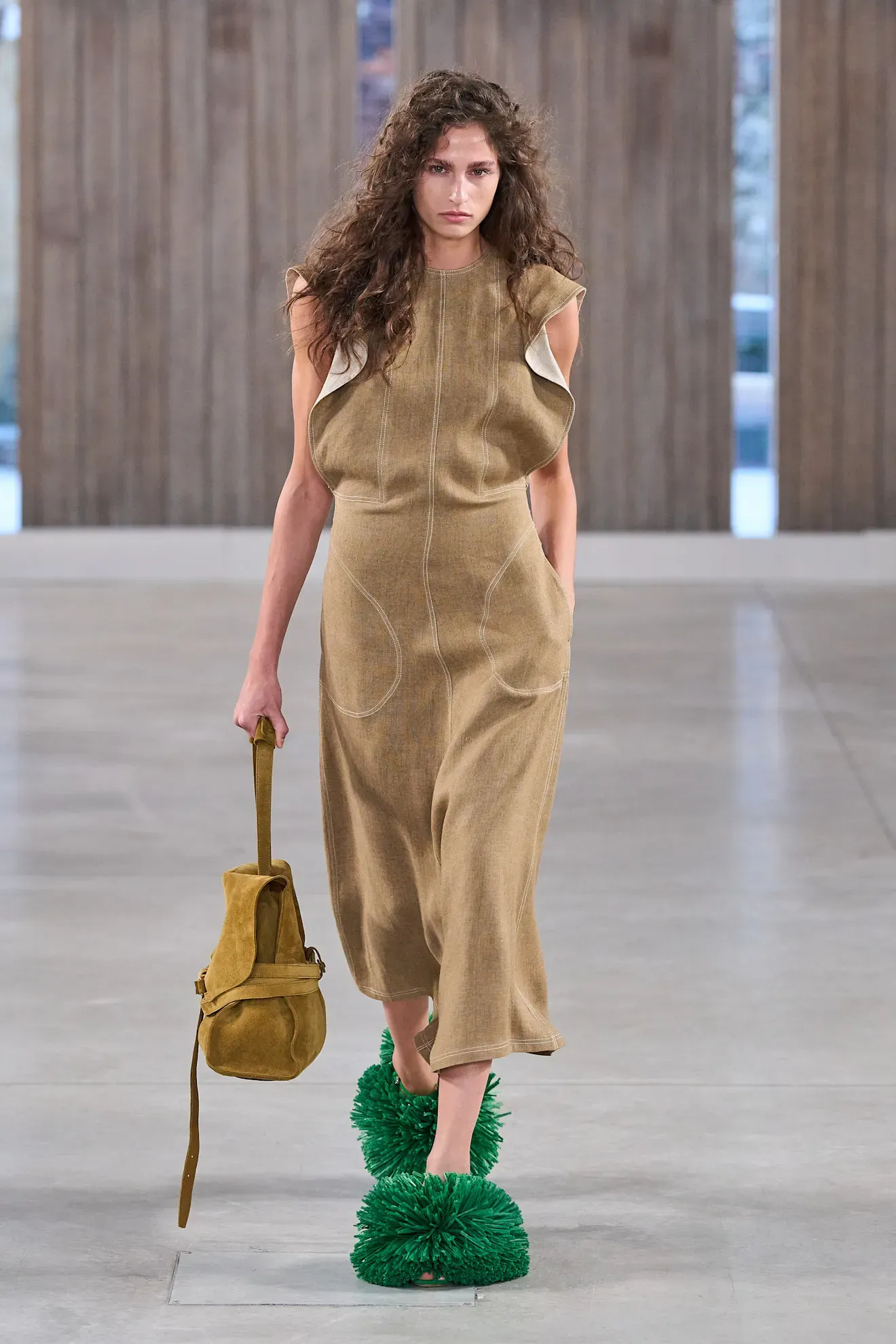
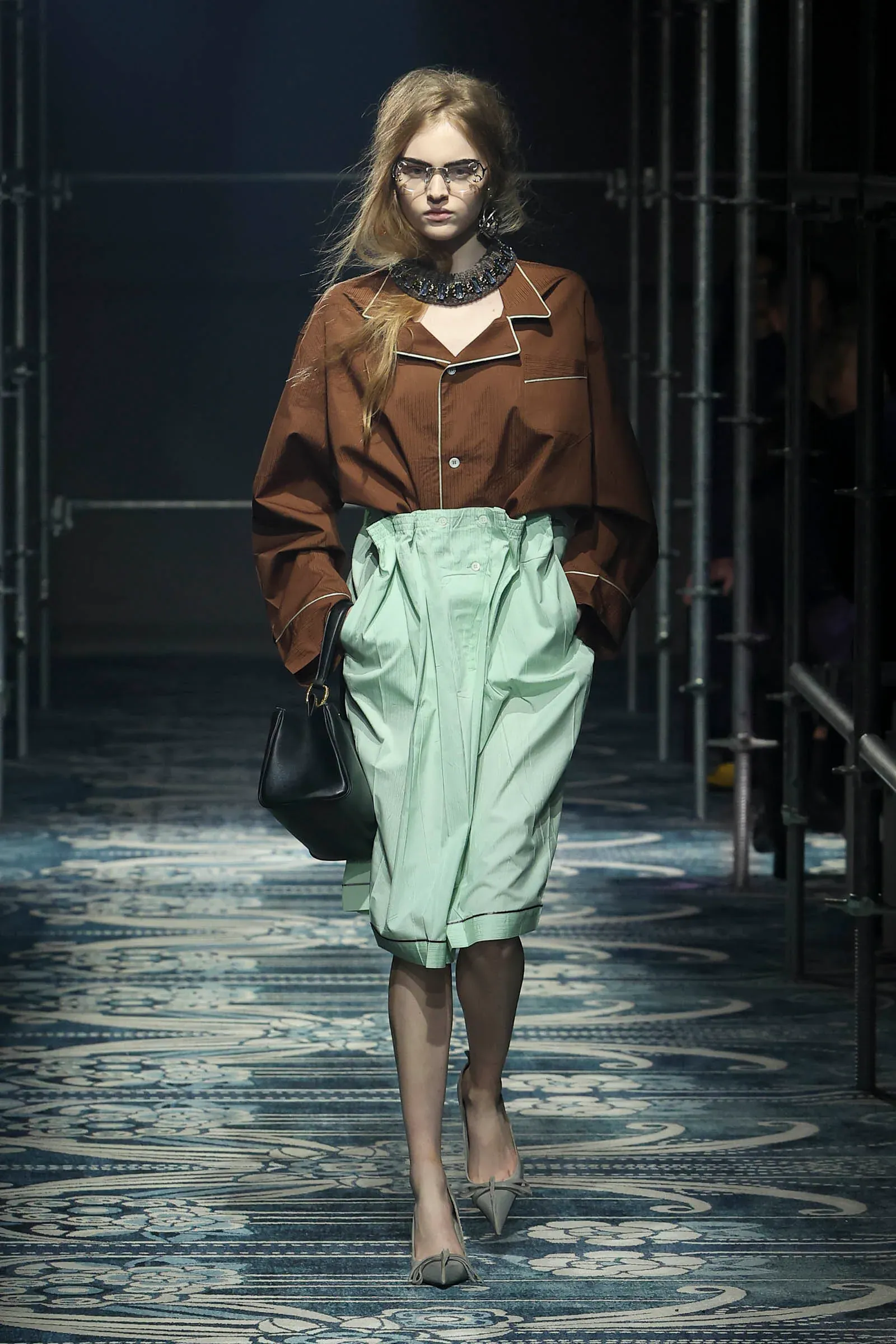
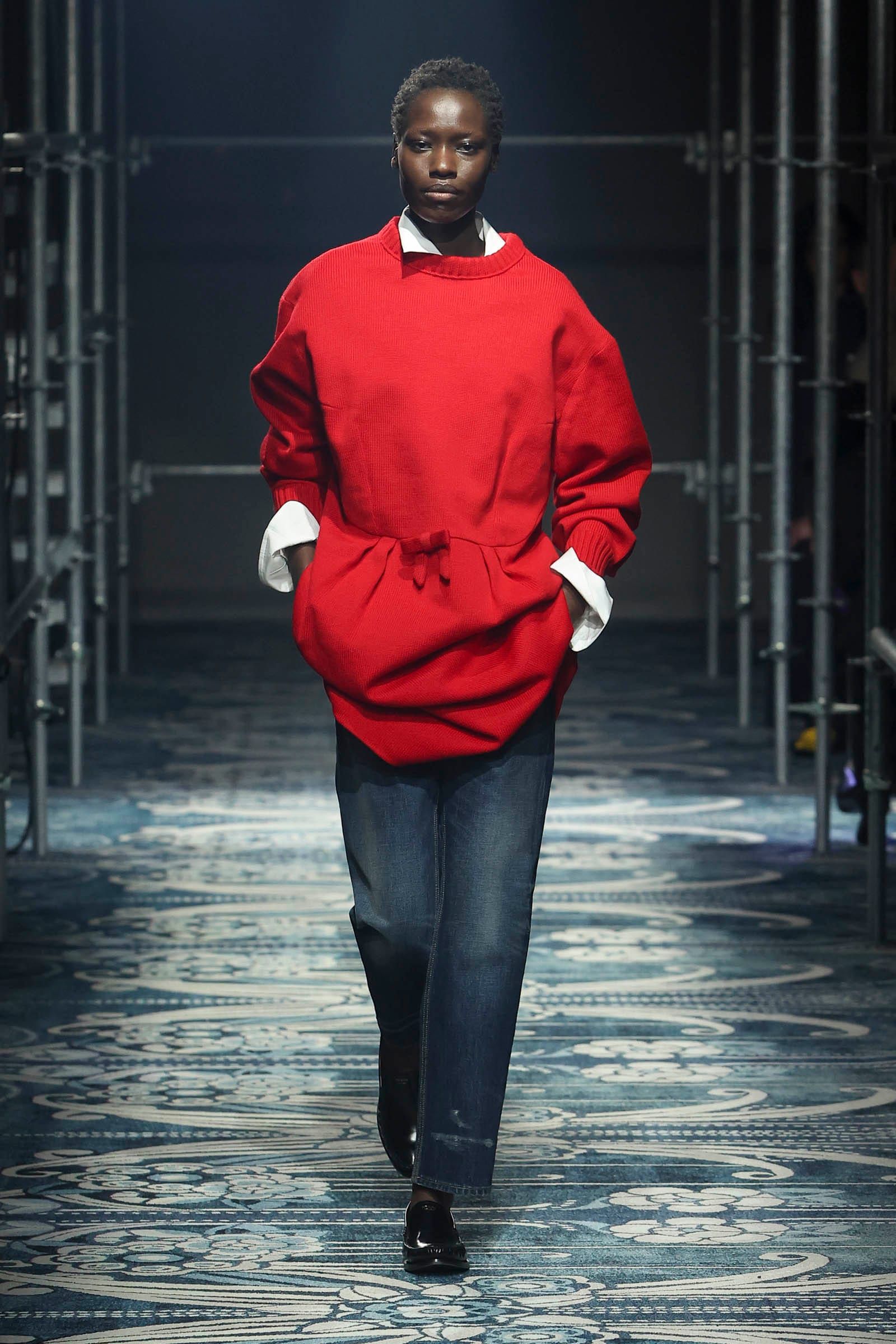
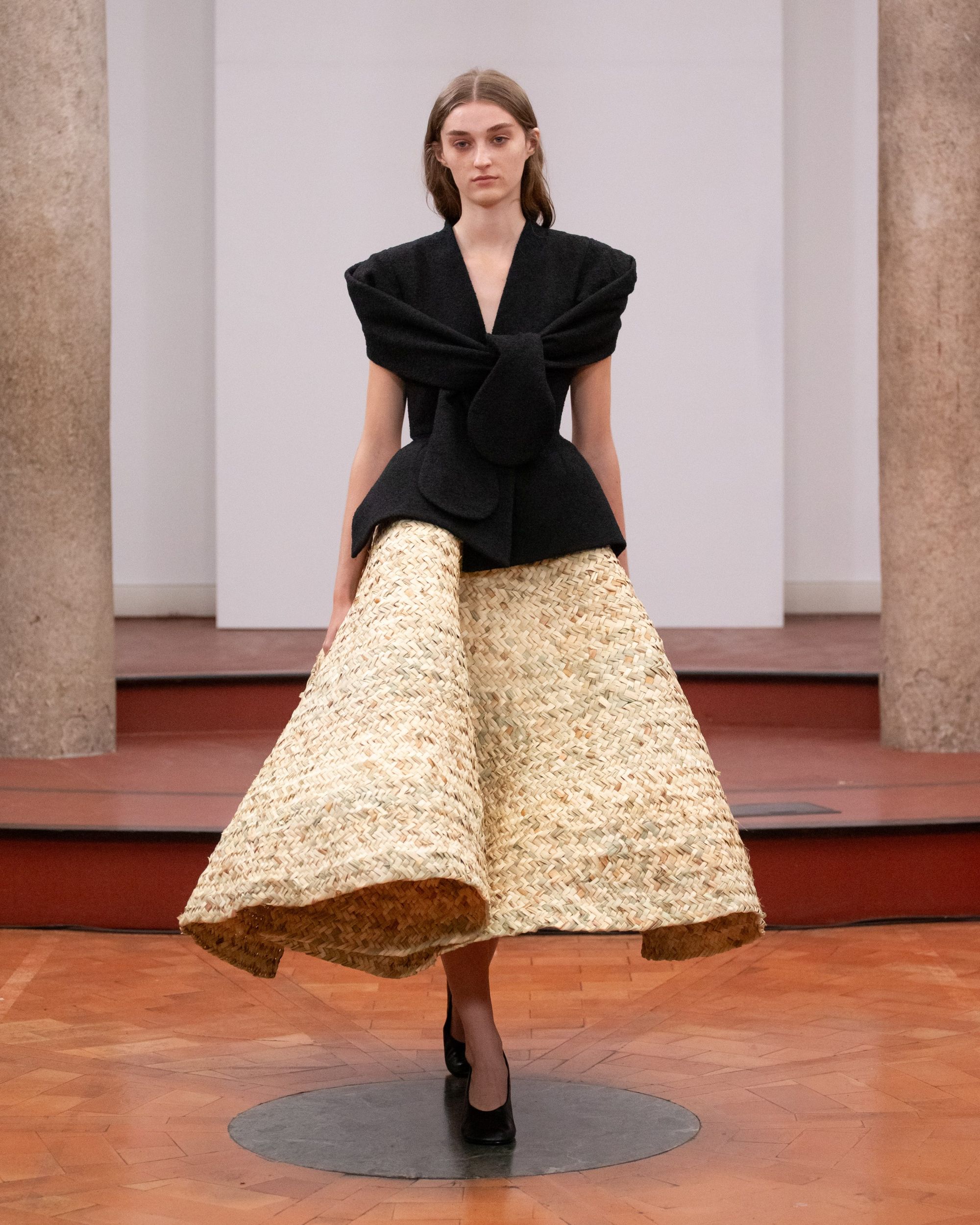
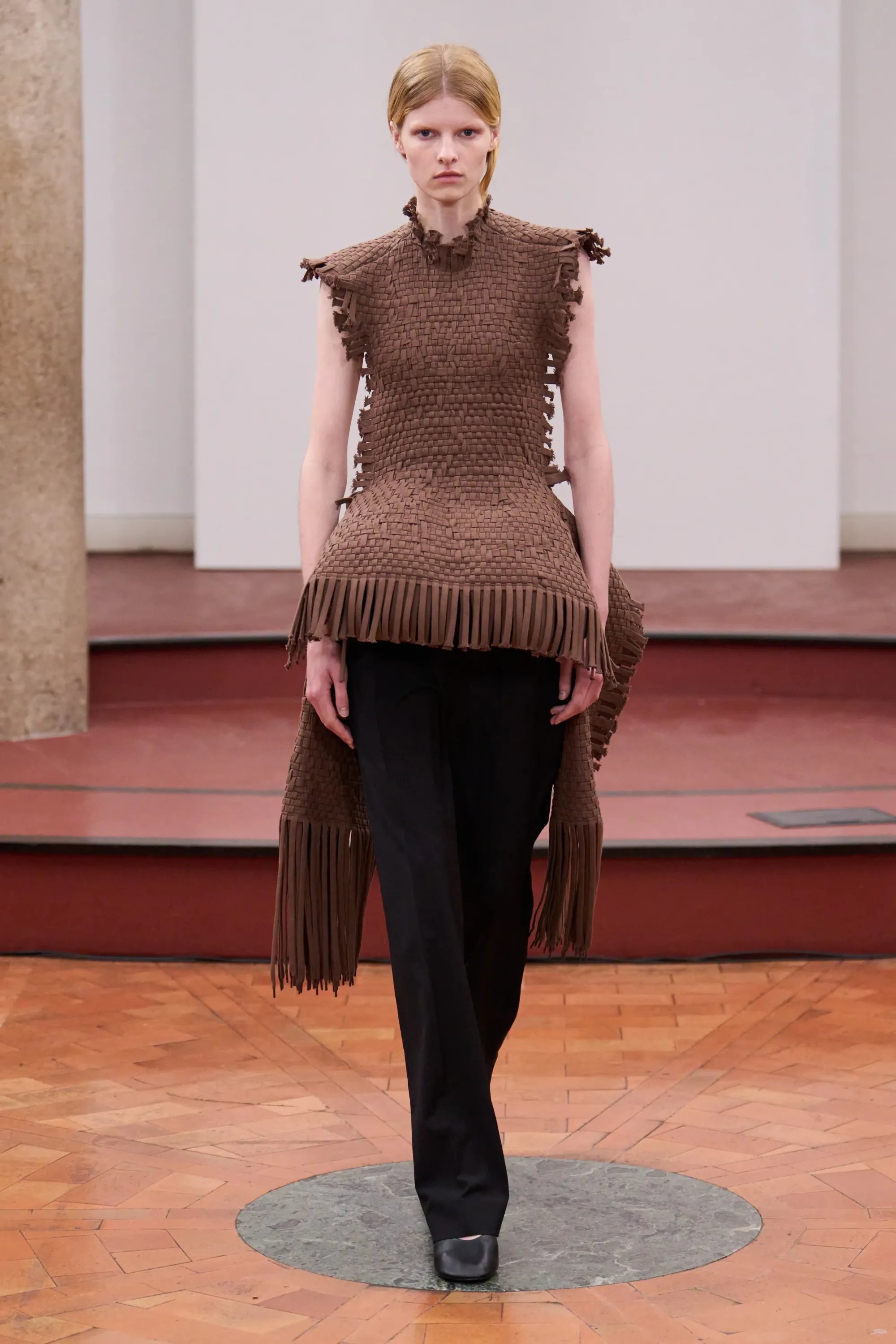
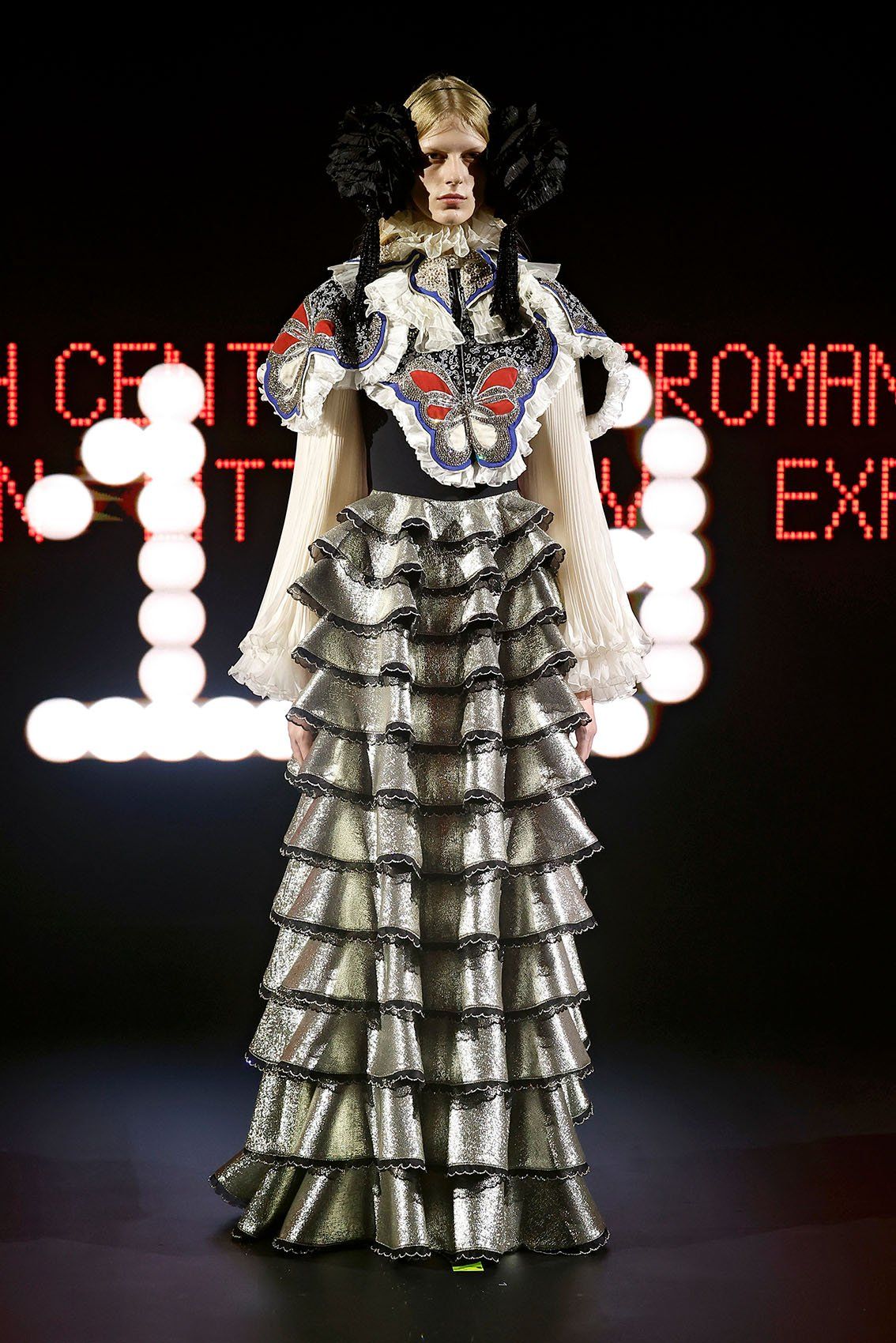
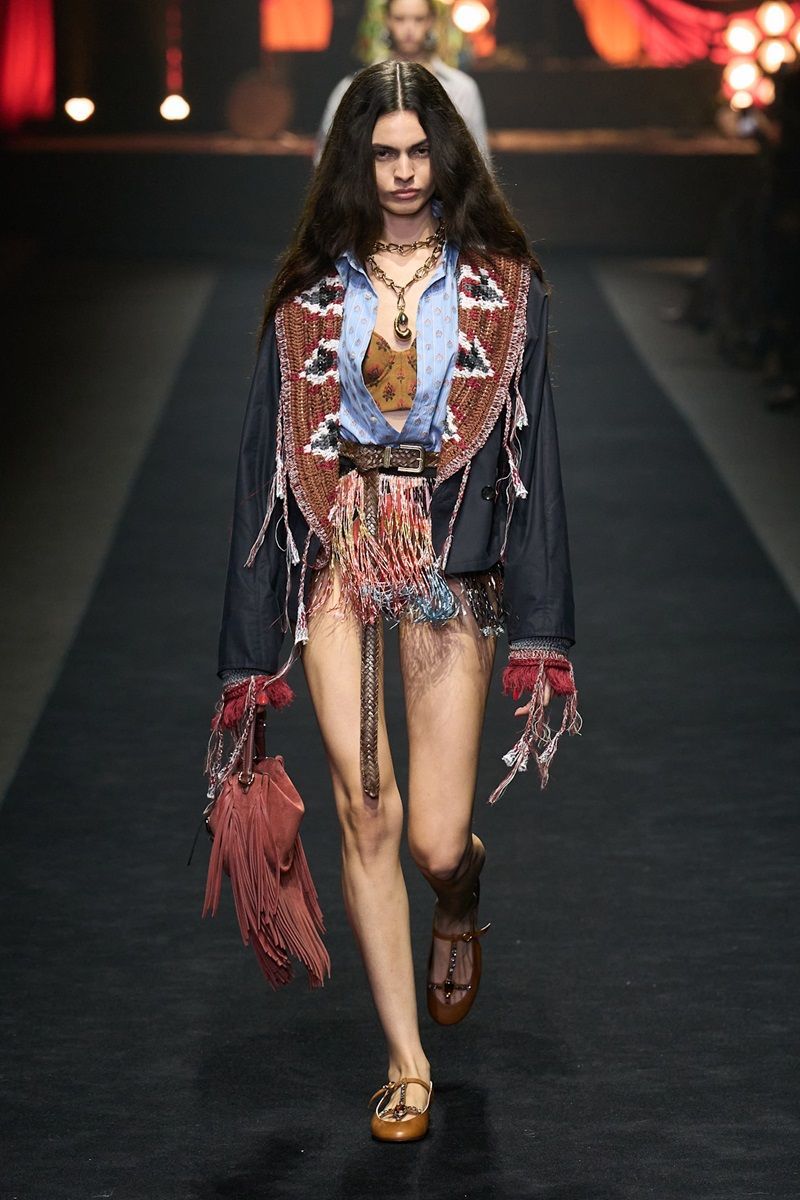
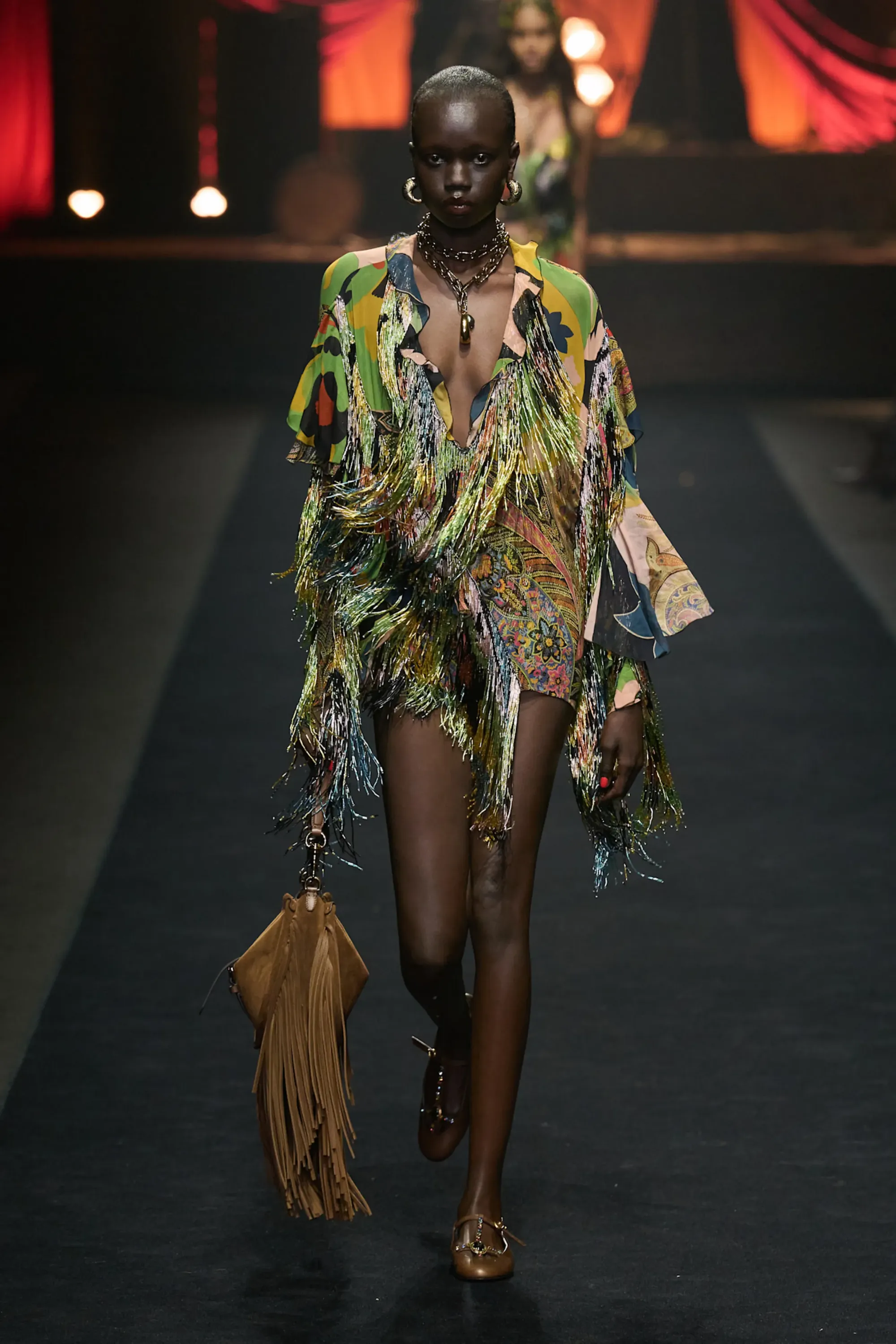
In the case of Etro, the dialogue between habitat and garment is made explicit: Marco De Vincenzo, who leads both ready-to-wear and Etro Home, has repeatedly stated that he used fabrics typically intended for interior decoration in his recent collections. The brand’s latest show was indeed a mosaic of patchworks and fringes, reminiscent of Persian kashan motifs that have long defined the brand’s textile imagination. Staying in the world of carpets, Galib Gassanoff, founder of Institution, in his most recent collection, reinterpreted Azerbaijani-Georgian savoir-faire, transforming it into garments that bring the memory of traditional carpets to the runway. Alessandro Michele, in his Couture for Valentino, shared that he created some pieces as if they had been sewn by a child, using old rugs or retro-style living room tapestries.
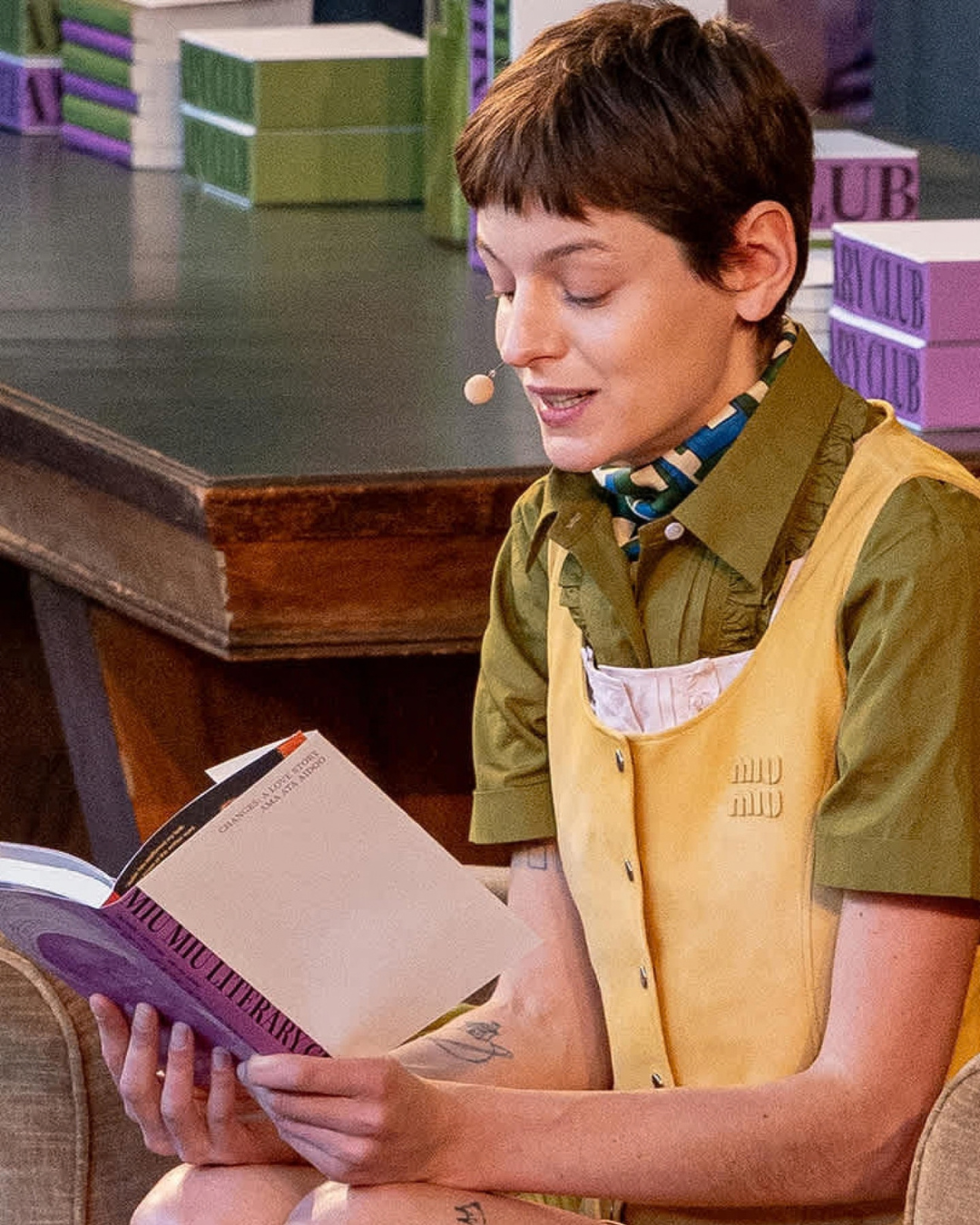
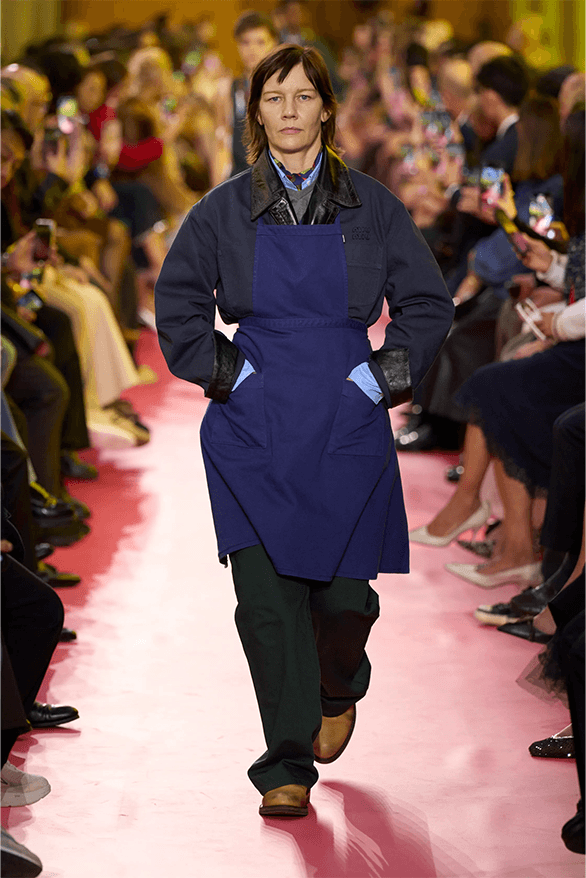
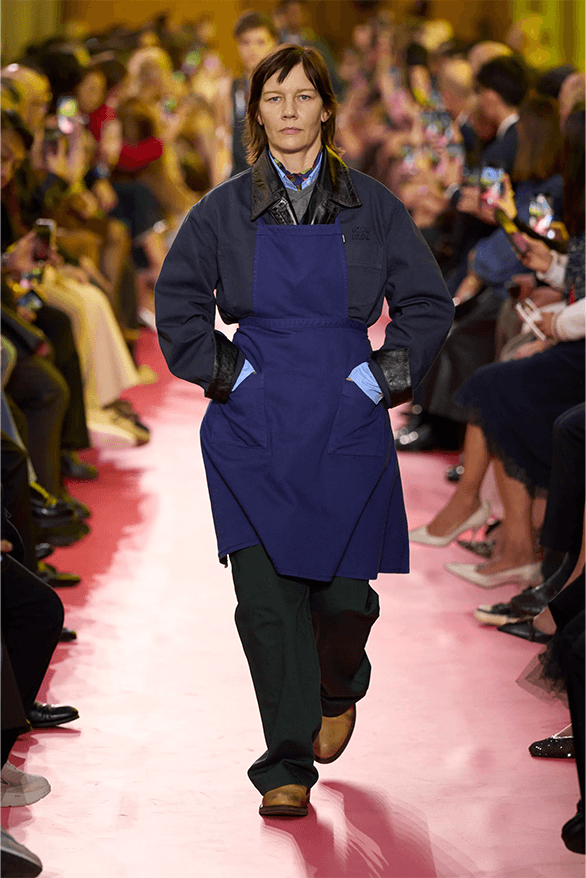
Some designers draw inspiration from silhouettes that resemble domestic objects: Miuccia Prada and Raf Simons, in their latest winter womenswear collection, created dresses whose shapes and fabrics evoke the image of an upholstered armchair from an old bourgeois living room. S.S.Daley reflects on the archetypes of British style, from wardrobe to home: he offers balloon-style maxi skirts that recall lamp shades and presents a patchwork skirt that seems to replicate domestic mosaic techniques. Moschino, for SS26, even takes us into the kitchen, crafting metallic skirts inspired by pots—turned into bags in this collection—and dresses with scraps of fabric reminiscent of runners and tablecloths. Still in the kitchen, Miuccia Prada dedicates Miu Miu’s entire summer collection to the apron, freed from its traditional role as a work or domestic garment and reimagined as a daily wear piece.
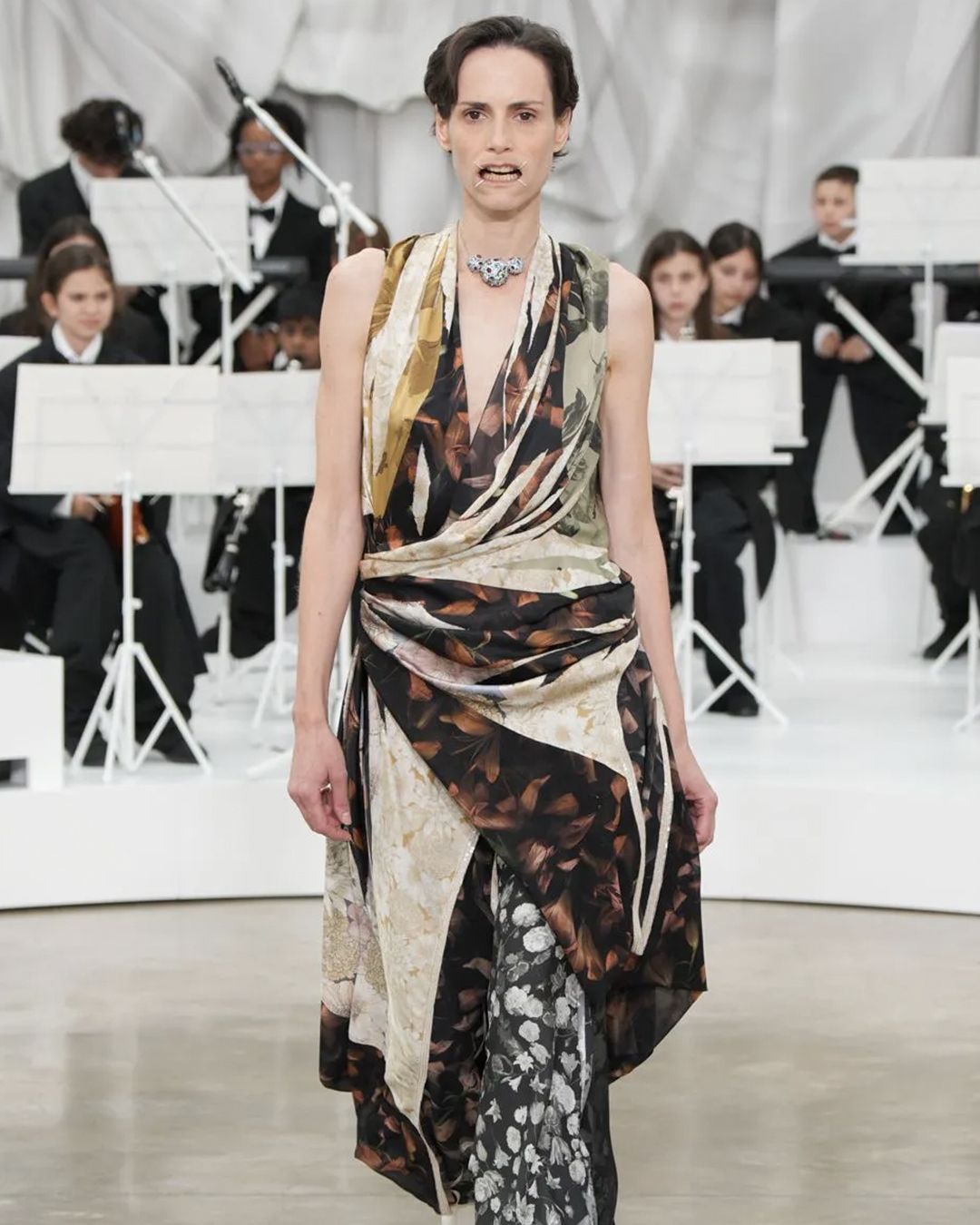
An interesting interpretation of this trend can be seen in the use of prints and textures reminiscent of wallpapers. For instance, brands like Stine Goya, Brandon Maxwell, and Christian Dior, in their most recent collections, offer pieces with micro floral prints in hues that recall the wallpaper behind the Shining twins in Stanley Kubrick’s iconic film. In the same vein, for his latest menswear collection, Junya Watanabe reimagines the blazer with rococo and sumptuous jacquard motifs that harken back to 19th-century living rooms and aristocratic palace tapestries.
Other designers, such as Colm Dillane of KidSuper and Glenn Martens of Maison Margiela, make this particular shade of the trend even more explicit. The former created a cartoon-inspired show featuring a dress made of layered wallpapers, almost like a fragmented painting. The latter, in both his first Couture and ready to wear collections, drew inspiration from a 17th-century Flemish wallpaper featuring Dutch flowers and still lifes. While Conner Ives plays with skirts reminiscent of byōbu or Japanese folding screens, Simone Bellotti debuts his direction at Jil Sander with «conceptual» dresses characterized by wavy and layered textures, similar to Venetian stucco or freshly applied plaster.
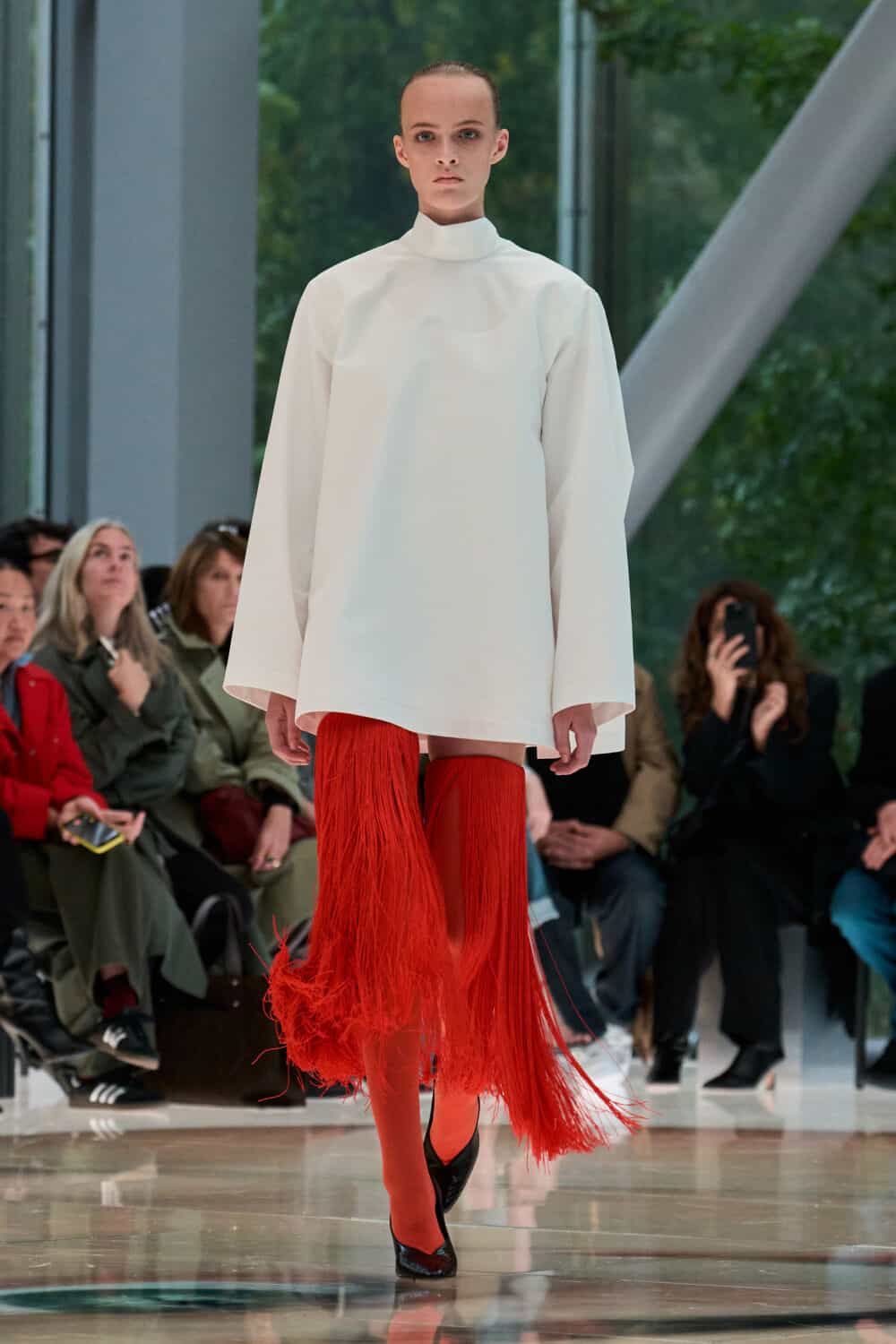
This dialogue between fabrics, interior objects, and everyday garments is also evident in the use of drapery, as famously portrayed in the classic film «Gone with the Wind» or Disney’s «Enchanted», where the protagonist Giselle sews a princess dress out of household curtains. In this vein, Jacquemus, inspired by the furnishings of Provençal country homes, creates evening dresses and skirts for SS26 adorned with tassels at the hem, often seen on countryside curtains. Pieter Mulier at Alaïa, for his latest collection, proposes an asymmetrical skirt made of double tassels with long fringes, paired with heels featuring straps reminiscent of embrasses—used to tie curtains to the side of a window. Lastly, Julian Klausner at Dries Van Noten seems obsessed with trimmings of various finishes and sizes, used as decorative details and belts for jackets and coats.