



































Destroy or Resell: The impossible equation for luxury giants facing their own stocks Between legal bans and internal covetousness
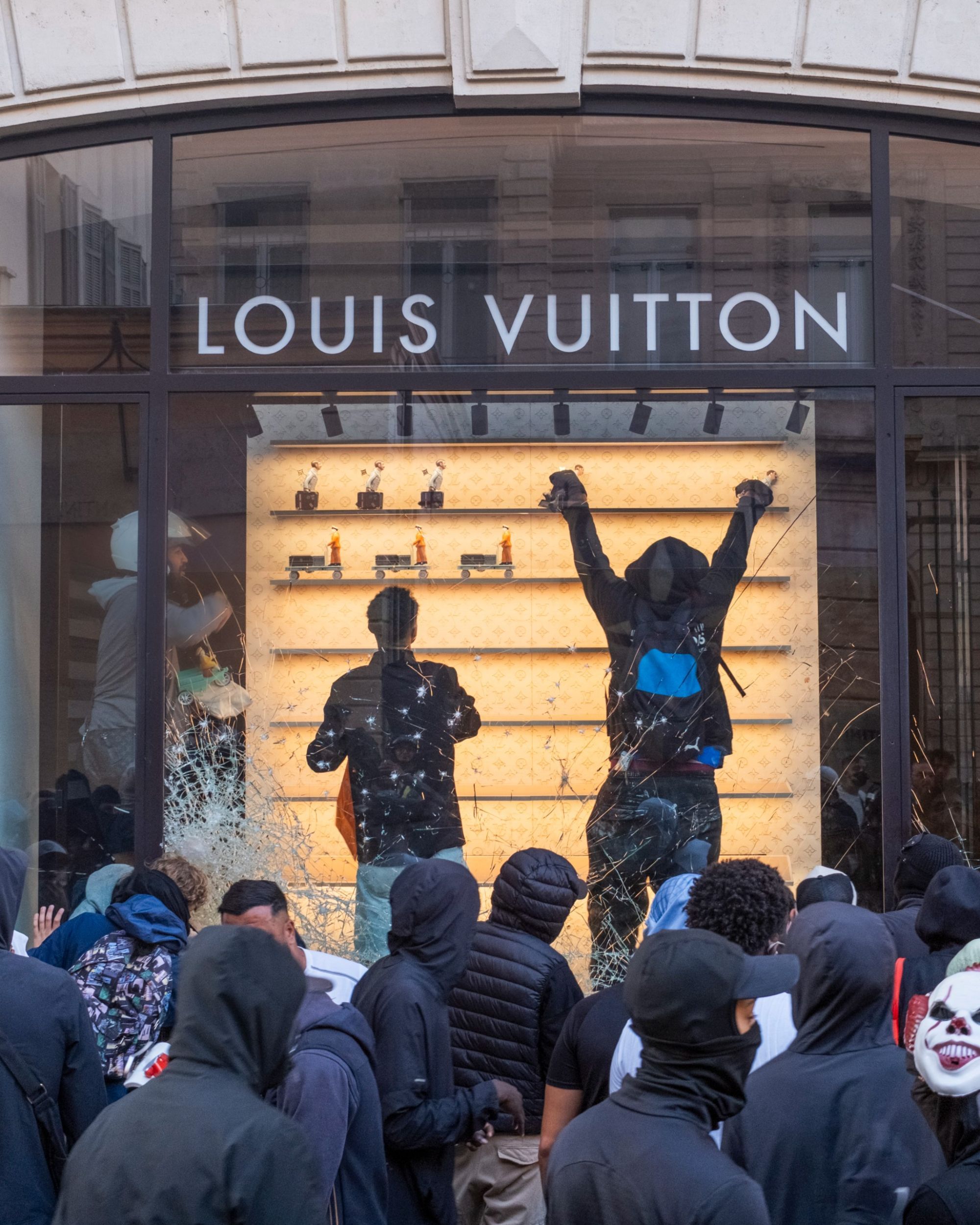
Long kept as one of the best-guarded secrets in the luxury industry, the destruction of unsold goods is now caught between ethical questioning and legislative constraints. Behind the scenes of haute couture, prestige has long been measured by what did not sell. To preserve this sense of exclusivity, destroying exceptional pieces rather than discounting them was a tacit but absolute rule. Today, faced with societal pressure and unprecedented regulations, the industry must learn to manage its end-of-cycle products without damaging its image.
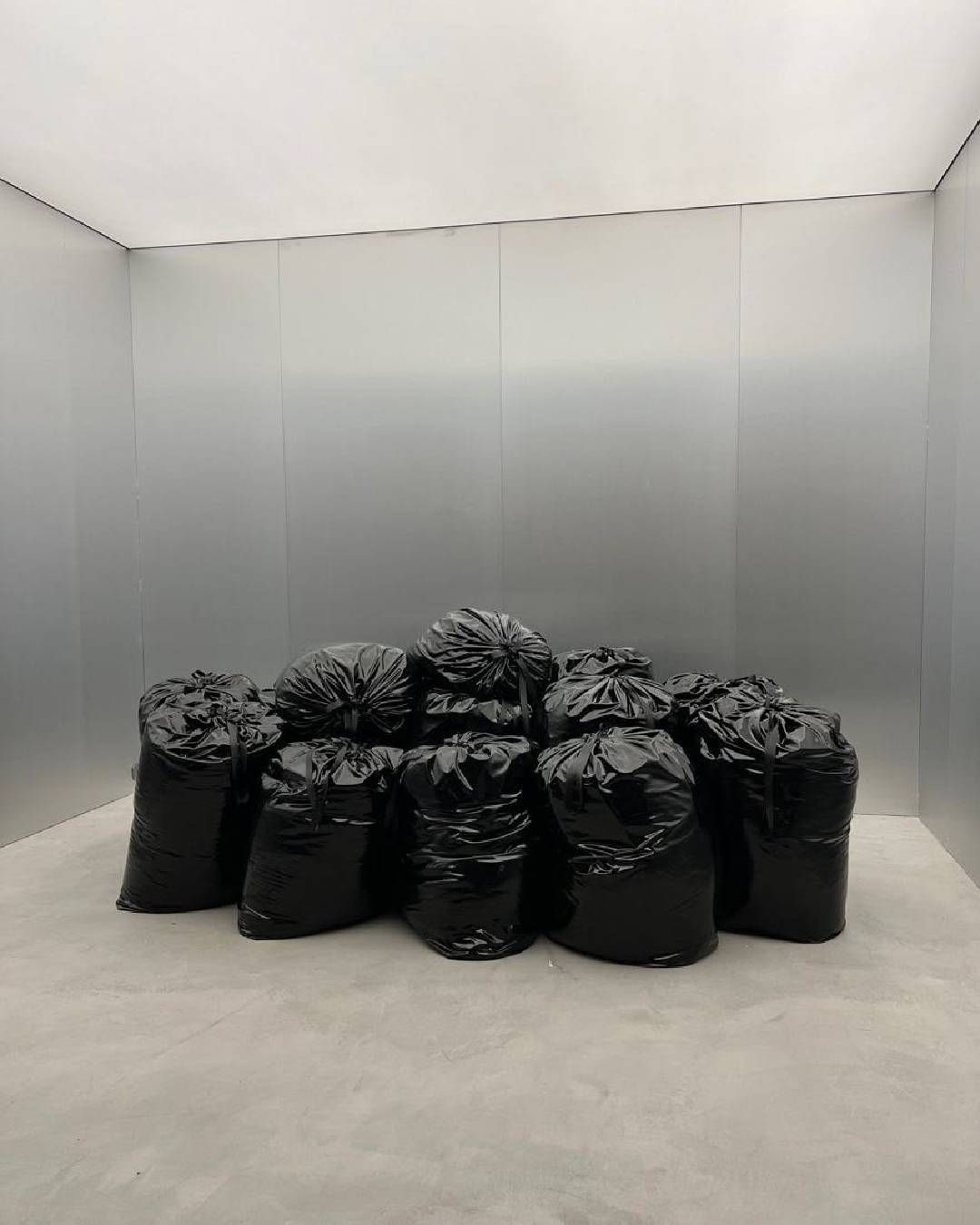
It is a paradox that has long plagued the fashion industry: artisans spend dozens of hours crafting exceptional bags and garments, only for these very objects to sometimes end up shredded or incinerated in the secrecy of high-security industrial zones. This practice, although taboo, relied on an implacable economic logic. In the luxury sector, the value of a product does not depend on its production cost, but on its rarity. Lowering prices or hosting public sales instantly destroys the illusion of inaccessibility for which customers pay a premium. To prevent past collections from accumulating or leaking into the "gray market" (authentic products legitimately manufactured and distributed by the brand owner, but sold outside authorized distribution channels), major fashion houses preferred to clear the slate by physically eliminating the surplus.
The Chanel and Burberry cases
Handling items worth several thousand dollars on the market daily, while knowing they are destined for the shredder, turns these unsold stocks into ideal targets. For employees on modest incomes, the math is simple: stealing these pieces is not just theft; it is the guarantee of colossal and immediate financial gain.
The recent case shaking Chanel in Hong Kong perfectly illustrates this reality. Two former warehouse employees are on trial there for attempting to misappropriate 724 products destined for destruction. The cumulative value of this loot on the gray market or resale platforms runs into hundreds of thousands of dollars. Herein lies the great irony of the system: by seeking to destroy its stock to prevent prices from dropping, the luxury industry creates an artificial scarcity so powerful that it drives its own employees to defy the law and turn into fences.
In 2018, the British brand Burberry sparked global outrage by revealing that it had destroyed over $38 million worth of unsold clothing and cosmetics in a single year to protect its brand image. Faced with public backlash, the house was forced to commit immediately to stopping these practices and turning to recycling or donation.
Beyond public indignation, it is the legislator that is now delivering the final blow to this mechanism. The European Union reached a historic milestone with the adoption of new measures under the Ecodesign for Sustainable Products Regulation (ESPR). This framework, which entered into force on July 18, 2024, now formally bans large companies from destroying unsold clothing, footwear, and accessories. It also imposes total transparency by requiring them to publish the volumes of discarded stock.
A new life cycle for products
@glamourddive Wait until you see what Ulta threw in this dumpster.. #dumpsterdiving #ulta #chanel #insane #jackpot #glamourddive original sound - GlamourDDive
Forced to reinvent themselves, luxury houses are exploring new models. The first lever involves refining upstream production using demand-forecasting algorithms, thereby limiting the creation of dormant stock. Implementing pre-order systems for the most exclusive pieces also ensures that brands only produce what has already been reserved.
Downstream, upcycling is gaining prestige. Unused fabrics and pieces from previous seasons are disassembled to be reinjected into new creations, transforming an ecological constraint into a creative opportunity. Furthermore, highly selective private sales, reserved for staff or extremely loyal clients, allow brands to quietly clear inventory away from the public eye.
The era of exclusivity through destruction is coming to an end. Caught between employees willing to go to any length to monetize these unsold goods and a legislature that no longer tolerates opacity, haute couture houses are backed into a corner of innovation. A delicate transition, where rarity must now rhyme with responsibility.
What to read next
ALO accelerates global expansion with two new flagships in Hong Kong and Berlin
The wellness empire expands

Margot Robbie Discovers the Secrets of CHANEL Fragrances
In a new short film, the actress meets Olivier Polge among the jasmine fields of Grasse