






































Deprived of influencers and ousted from BHV: Shein with its back against the wall Other ultra fast-fashion giants AliExpress and Temu also targeted
On Monday, June 29, the French Parliament definitively approved a landmark piece of legislation introducing a financial penalty on products from "ultra fast-fashion" brands. This regulation specifically targets Asian giants in the sector, such as Shein, Temu, and AliExpress.
This exclusive focus has sparked intense debate, much to the dismay of left-wing politicians and environmental groups who demanded the sanctions be extended to traditional fast-fashion brands like H&M, Primark, and Zara. This vote marks the final legislative step in a lengthy process, following its highly publicized initial adoption by the National Assembly in March 2024.
A progressive penalty and a mandate for transparency
More specifically, the law introduces an environmental penalty applied to every item sold, with the amount set to increase progressively over time. These fines could reach up to 20 euros per item by 2030, with a strict cap set at 50% of the pre-tax price. All funds collected will be directly reinvested into textile collection, sorting, reuse, and recycling industries.
Independent of this punitive taxation, these platforms are now bound by a strict duty of transparency. They are required to display clear messages encouraging repair and reuse. Furthermore, mirroring the food industry's Nutri-Score, a textile "eco-score" will become mandatory to clearly display the environmental impact of every garment sold.
Game over for influencer marketing on TikTok
@lieamaui Tiny haul for my Dominican trip CODES: : 118805757, 89048942, 71564901, 59287841, 63080534, 296904422, 350781532 #DominicanRepublic #HolidayHaul #midnightsun #GirlsTrip #shein @SHEIN Beauty And A Beat - Justin Bieber
The other flagship measure of the bill - and undoubtedly the most damaging for these brands - is a total ban on advertising, including through influencers and content creators. This decision abruptly cuts off the primary engine of their growth.
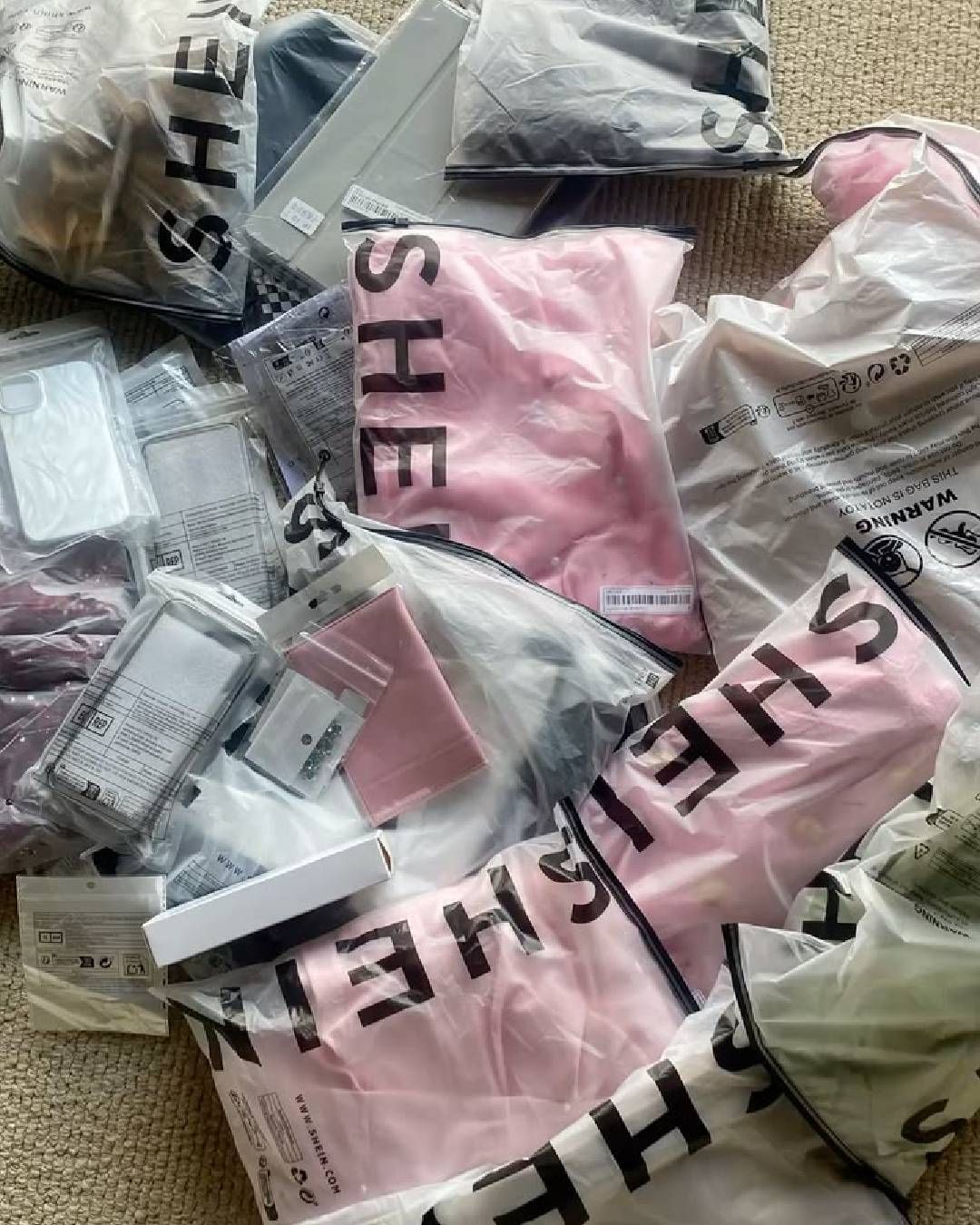
Until now, Shein and Temu relied heavily on social media, particularly TikTok, to boost sales among younger generations. According to the media monitoring tool Onclusive, Shein’s influencer strategy showed explosive growth in just one year, with its global reach jumping from 4 million in September 2024 to 13 million in October 2025, while its volume of mentions multiplied by 18 to reach 125,000. By cutting off the flow of influencer hauls and promo codes, French law is hitting them where it hurts.
The brick-and-mortar fiasco: The BHV example
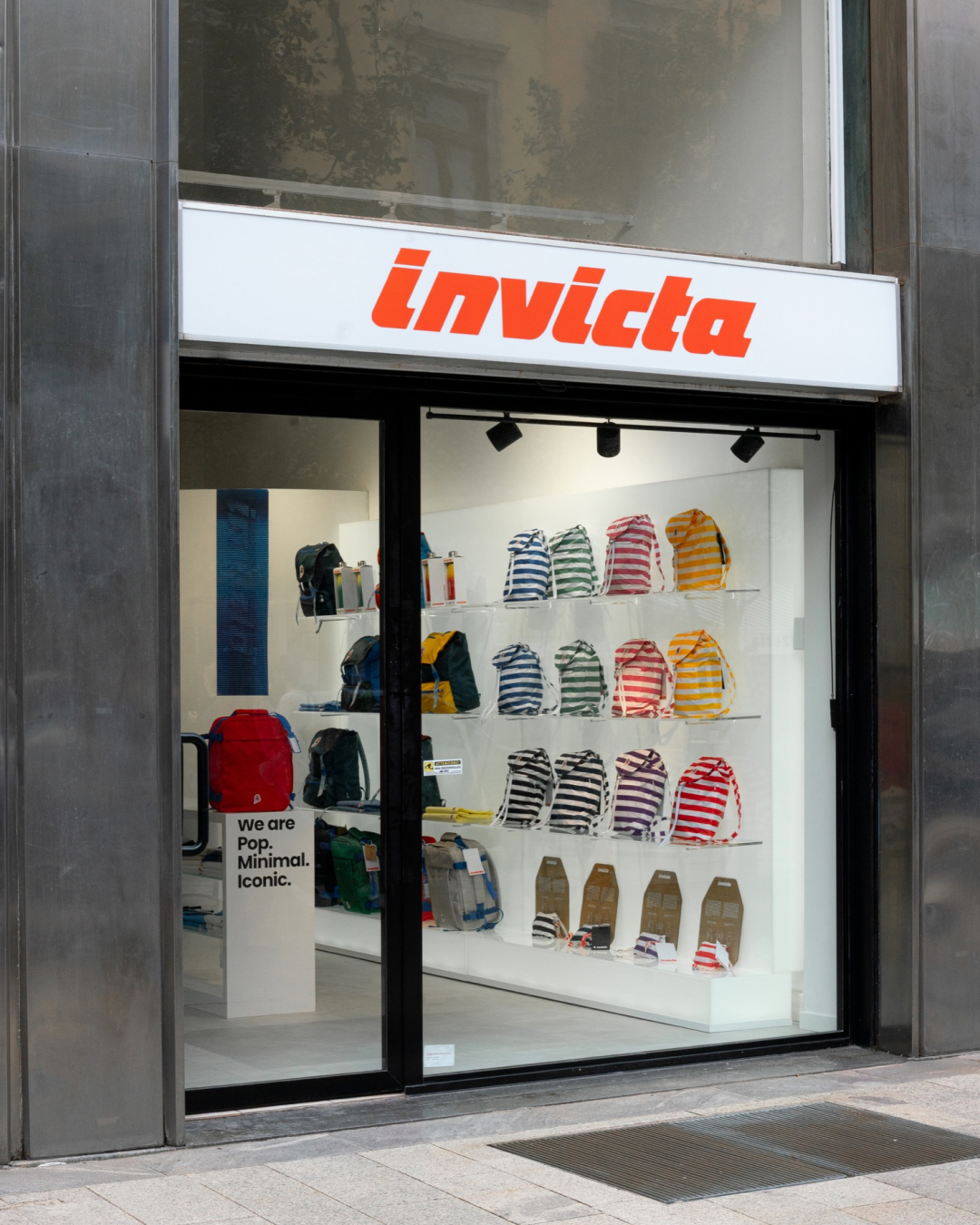
This legislative offensive coincides with Shein’s strategic failure to establish a physical presence in France. The retailer had attempted a long-term establishment by partnering with the prestigious Parisian department store, BHV Marais, as well as opening several pop-up corners across the country.
The experiment quickly turned into a fiasco. After initial weeks plagued by the departure of other partner brands from the department store, calls for boycotts, and protests outside the historic location on Rue de Rivoli, Shein ultimately alienated both its detractors and potential customers. Just a few months after this launch attempt, the brand is preparing to permanently leave the Hôtel de Ville district.
The final blow came on Tuesday, June 16. The Société des Grands Magasins (SGM), which had operated BHV Marais since 2023, announced it was selling the business to the Parisian department store's current management team. The new management immediately terminated the partnership with the Chinese group, openly calling the collaboration a "strategic mistake."
By simultaneously leveraging financial penalties, the eco-score, and an advertising cutoff, France is laying the groundwork for a protectionism that is both ecological and economic. For AliExpress, Shein, and Temu, the golden age seems to be coming to an end on French soil. It remains to be seen whether this legislative setback, combined with the symbolic rejection suffered at an institution like BHV, will prompt the rest of the European Union to follow France's lead in permanently curbing the hegemony of ultra fast-fashion. This trend is already underway: on July 1, a flat €3 customs duty on low-value e-commerce imports will enter into force. Until now, goods imported into the EU valued under €150 were exempt from customs duties.