


























Everyone loves to hate Timothée Chalamet It took just one year to completely change the famous actor’s image
There is always a moment when we change our mind about someone. Yet, when we decide to change it, it’s never a sudden reversal but a maturation. Opinions and impressions accumulate and accumulate until, reaching critical mass, they explode, disintegrating reputations built over years. This is the case with Timothée Chalamet who, at the end of February, during a meeting held at the University of Texas on the future of cinema, said: «And I don’t want to be working in ballet or opera, or things where it’s like, ‘Hey, keep this thing alive.’ Even though it’s like, no one cares about this anymore».
The statement made many people angry, triggered a flood of memes and ironic-promotional initiatives by theaters and philharmonics around the world, but it also sparked an almost complete reevaluation of the actor’s reputation. At the 2026 Oscars, numerous moments and performances on stage were specifically aimed at mocking Chalamet’s unfortunate remark, but the audience also rejoiced that the actor didn’t win an Oscar, and in general that comment was somewhat the straw that broke the camel’s back. But how did we end up finding Chalamet unlikeable, an actor who until a few months ago was at the top of the world?
Marty Supreme and the art of promoting a film to death
@yaraashhhh First man to land on the sphere is wild #timothéechalamet #martysupreme #unhinged #popculture #fypシ゚ original sound - yara
Marty Supreme was promoted to death. Practically since last October, Chalamet changed his look, shaved his head, and started behaving in increasingly emphatic and rowdy ways, appearing on various podcasts as well as in a fake recording of a Zoom meeting with A24’s marketing team. Then there was Chalamet’s appearance atop the Las Vegas Sphere, the whole side quest with EsDeeKid who made a song featuring the actor, the release of the Marty Supreme jacket, and even a three-meter statue of the character appeared at the National Museum of Cinema in January.
At the beginning of the press tour, Chalamet was still loved. In fact, his photos in 1940s costume taken from the set had gone viral. But this promotion had the flaw of lasting four months. By the time Marty Supreme hit theaters, the public was already tired of him and his antics. A typical interview from this tour saw Chalamet saying: «This is probably my best performance. It’s been like seven, eight years that I’ve been handing in really, really committed, top-of-the-line performances. I don’t want people to take it for granted. This is really some top-level shit». A phrase that, for many, could just as easily have been said by Kanye West.
Of course, it was later clarified that the entire press tour was a kind of immersive performance in which Chalamet “became” a modern version of his character, but the concept wasn’t understood by most. The press tour was simply too much (and too much compared to the film), and the casual episode of the ballet and opera comments ultimately represented the last straw. But for Chalamet, the film and the press tour turned into sources of unpopularity both because they exposed his desire to win an Oscar at all costs and because they marked a catastrophic change in the actor’s branding.
An unforeseen rebranding
@einsider One thing about #TimothéeChalamet’s fashion is that he never misses a chance to make a statement. (credit: getty) #timotheechalametedit #timotheeedit оригінальний звук - Spotify & apple musik
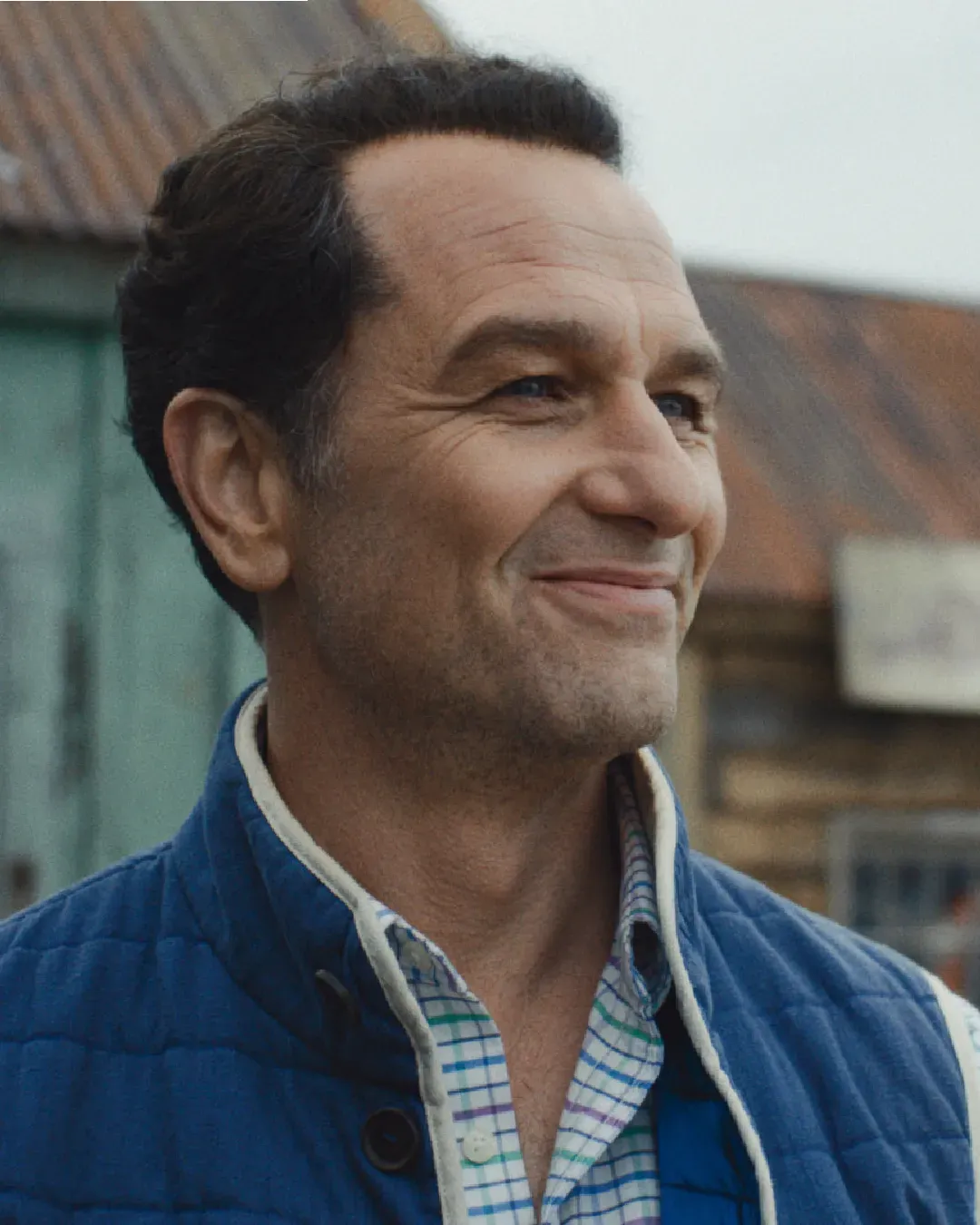
The real reason for the sense of disappointment many felt toward Chalamet actually concerns his personal rebranding. Several memes that appeared online in recent weeks have described this transition of Chalamet as a shift from “European” actor to “American”. Behind the joke there is a grain of truth: Chalamet became famous with Call Me by Your Name and Little Women, films that made him a sex symbol but also cloaked him in a euro-chic aura of cultured readings, classical music, and a certain ethereal beauty.
Both in his fashion choices and in the roles he played, Chalamet seemed to come from another world. Of course, a more normal and sporty aspect of the actor’s wardrobe had emerged in paparazzi shots, but things changed with the success of Dune, which made him a blockbuster actor, and then with Wonka and A Complete Unknown. There the “sensitive young man” began to become a Hollywood star for better and for worse: in 2023 he started dating Kylie Jenner, a public figure who, stylistically, was light-years away from Chalamet’s public persona at the time—which, let’s remember, was the face of Bleu de Chanel as well as the symbol of that alternative, “French,” somewhat thoughtful and delicate masculinity that served as an alternative to the muscular, brash Hollywood man. He was considered the new archetype of cinematic protagonist.
The PR who told Timmy to "go full douche for his Oscar campaign" should be fired.
— MovieUsherMX (@MovieUshermx) March 6, 2026
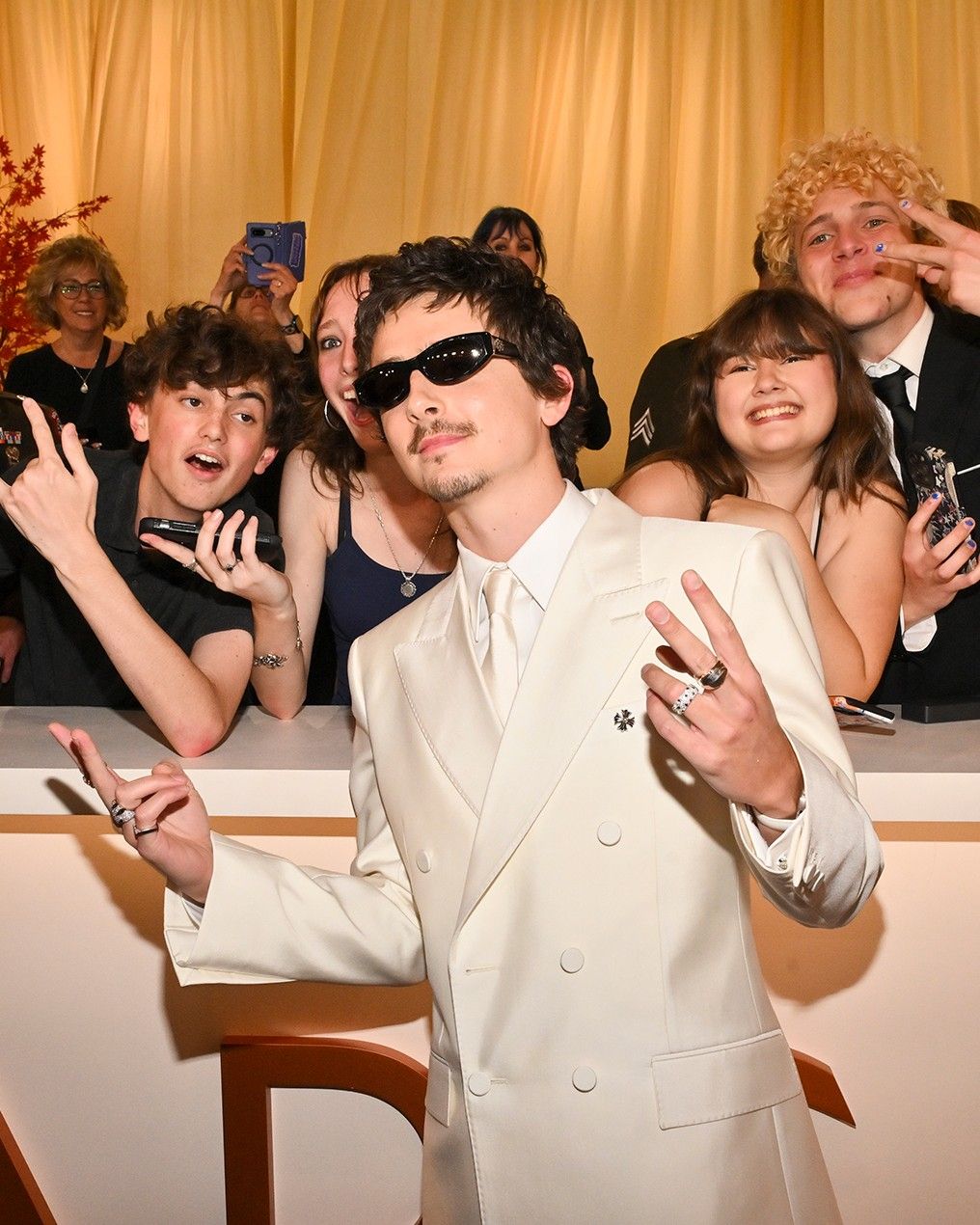
The Marty Supreme tour demolished that image. The colorful tracksuits, frameless maranza-style glasses, shaved head, shouting, Chrome Hearts suits, and pink hoodies with tank tops on the red carpet. The “new” Chalamet looks like he stepped out of a Blink-182 pop-punk video or an episode of Jackass—not surprisingly, he has been compared to young Mark Wahlberg in his Marky Mark era or to Kevin from the Backstreet Boys. Many fans saw this rebranding as a betrayal, given that Chalamet’s appeal lay precisely in his class, in his being “spiritually European.”
Now, however, the Marty Supreme press tour is over, there are no Oscars to win for at least a full year, and the trailer for Chalamet’s next film, Dune 3, is supposed to drop today. The press tour for that film will hopefully be much more traditional and restrained than the one for Marty Supreme. But it is hoped that Chalamet and his stylists and PR team decide to correct the current rebranding, which, honestly, has already caused enough damage.