





































Is "Not Suitable For Work" a good representation for Gen Z in the workforce? The series, available on Disney+, doesn't handle the topic of work particularly well
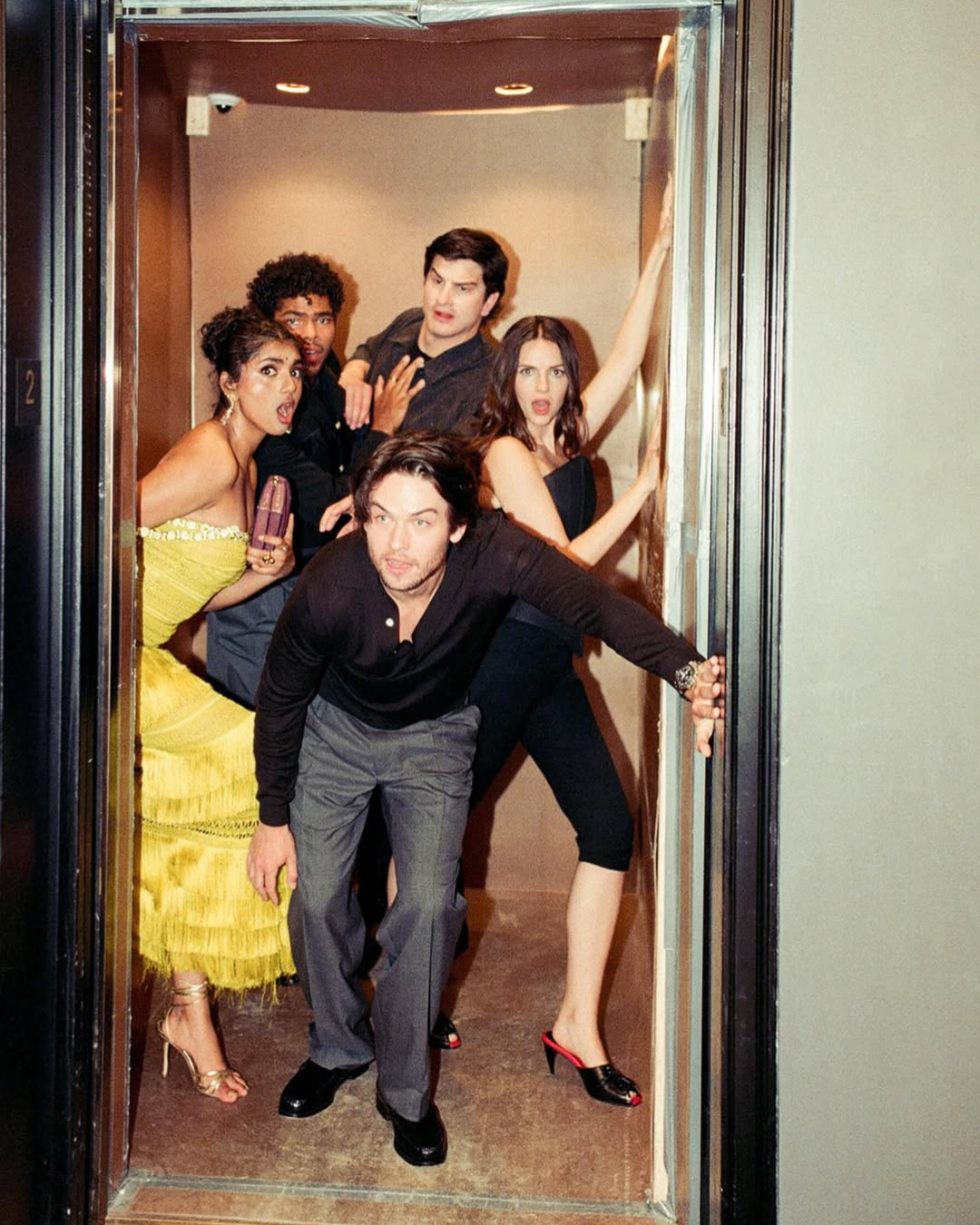
The world of work has changed, and so has its representation on screen. Whether small or large, in feature film or series format, there are many transformations it has undergone that can become a source of inspiration for new stories to tell. Then there are those who know how to do it well and those who don't put in enough effort, as is the case with the new Disney+ comedy created by Mindy Kaling, Not Suitable for Work. With a catchy title that should already set the mood for the series, the episodes focus on a group of young people who find themselves living on the same floor and sharing the joys and sorrows of Gen Z's precarious life today.
"Not Suitable for Work": plot, episodes and characters
The same generation that is revolutionizing the world of work: for the better, for those who no longer want their job to define their entire identity; for the worse, in the eyes of the old guard, who see in young people nothing but slackers because they refuse to stand on their feet twelve hours a day for cash-in-hand pay or a fixed-term contract. Unfortunately, however, the characters of Not Suitable for Work are merely a device for Kaling, a "hot topic" that she fails to make incandescent enough precisely when she talks about the workplaces in which the group of friends moves.
Too bent to the logic of classic serial comedy and not seeking any analysis of the socio-economic-political situation, even if superficially integrated into the context. Which immediately falls apart when romantic interests take over with a vengeance, falling back into old clichés about the workplace. Falling for a colleague? Kissing your boss? It happens, but these are also some of the very things new generations most distance themselves from when they think about work — and yet they are among the narrative cornerstones of the series, in which workaholism, nepotism and potential burnout lurk around every corner, but always merely as background noise.
What doesn't work about "Not Suitable for Work"?
At least Office Romance, released almost simultaneously but on Netflix, attempted to problematize what Not Suitable for Work merely hints at. The romantic comedy starring Jennifer Lopez and Brett Goldstein is built around what you're not supposed to do at the office — namely, start a relationship with a colleague. On top of that, the diva is none other than the company's CEO, carrying a very different weight of responsibility compared to the British lawyer who landed straight from Shrinking and Ted Lasso. A film where the protagonists have no interest in debating workplace ethics — as made immediately clear by a scene in which a handshake is met with an erection — but which at least tries to establish a framework for the context in which the characters find themselves, escaping it with trips to the Dominican Republic only to return to their desks.
Obviously, just like Office Romance, the primary goal of Not Suitable for Work was never to report statistics on employment and hiring among new generations. But while the film with Lopez and Goldstein manages to find its own tone, the problem with Kaling's series is that it tags along as just another run-of-the-mill Adults, without actually being Adults (which also deals with the professional instability of its young protagonists). The kind of sitcom where you're supposed to grow fond of and root for the characters' adventures and misadventures, but which is so bland you simply don't feel like it.
All the films and TV series about office life
its no other choice im glad some ppl got it https://t.co/81eKfAZYdA
— roxy (@hendrixnroses) June 23, 2026
And to think that blending comedy with workplace themes can be done, and done rather well: in 2026, also in the realm of series, the tenth season of Scrubs proved as much — unexpectedly, as revivals go — by pulling off the incredibly difficult feat of living up to the show's legacy (deliberately ignoring the ninth season). The hallways of Sacred Heart are the same, but the way interns were treated can no longer be: impossible shifts, daily bullying, the complete erasure of one's own identity to meet the demands of the institution. Something that still resonates today in the reality of hospital corridors, but which theoretically should no longer be acceptable, and which Scrubs 10 therefore depicts from an idealistic standpoint — with understanding for younger colleagues, no gratuitous insults (not even the entertaining kind, like those from Dr. Cox), and even a nap break to better perform the remaining hours on the ward.
If you want to find the rawest side of work, look no further: at the start of the year, premiered at the last Venice Film Festival, the film No Other Choice showed what people are willing to do to keep their jobs, to which they see their own dignity tied. Faced with the injustice suffered by the protagonist, he must find a response that will, inevitably, be violent. Desperation breeds more desperation, reckless acts justified only by the awareness that there are places in the mind where work reaches in and destroys, ultimately driving people to commit tragedies in real life — while at the cinema, it's Park Chan-wook who takes care of that. Keeping some traumatic work experiences on the small screen company has been the unsettling Severance, where one even has a separate version of oneself at the office and outside it, and The Bear, with its stress and the profound repercussions of a journey into the underworld of Chicago's restaurant kitchens. Are these stories trying to tell us that work is bad for you? We can't say that, but what is certain is that some titles know how to tell this story well, while others simply don't.