
























Architects you need to know: Samuel Ross The designer who shapes social tensions
This article is part of the series Architects you need to know. The previous installment explores the work of Carlo Mollino.
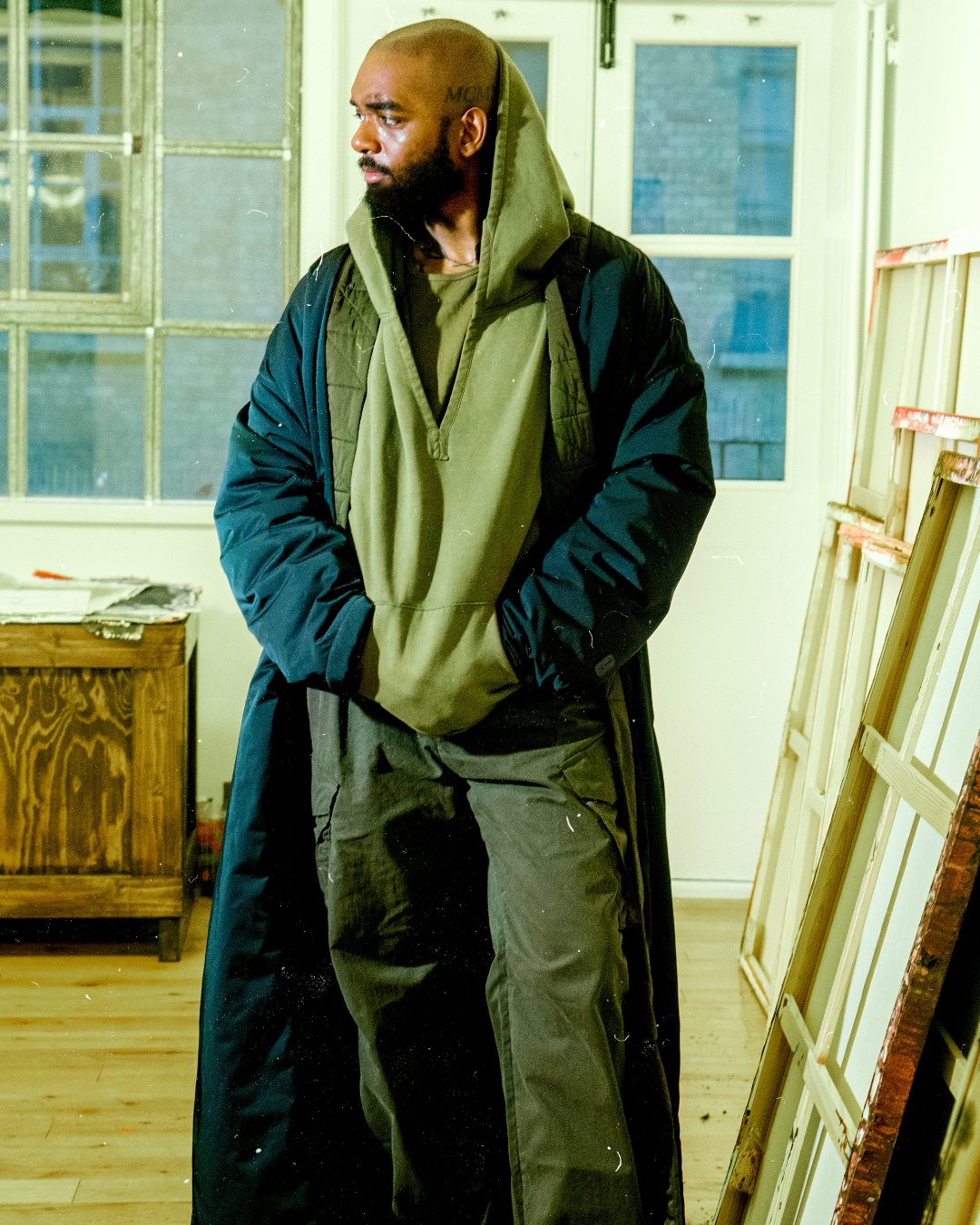
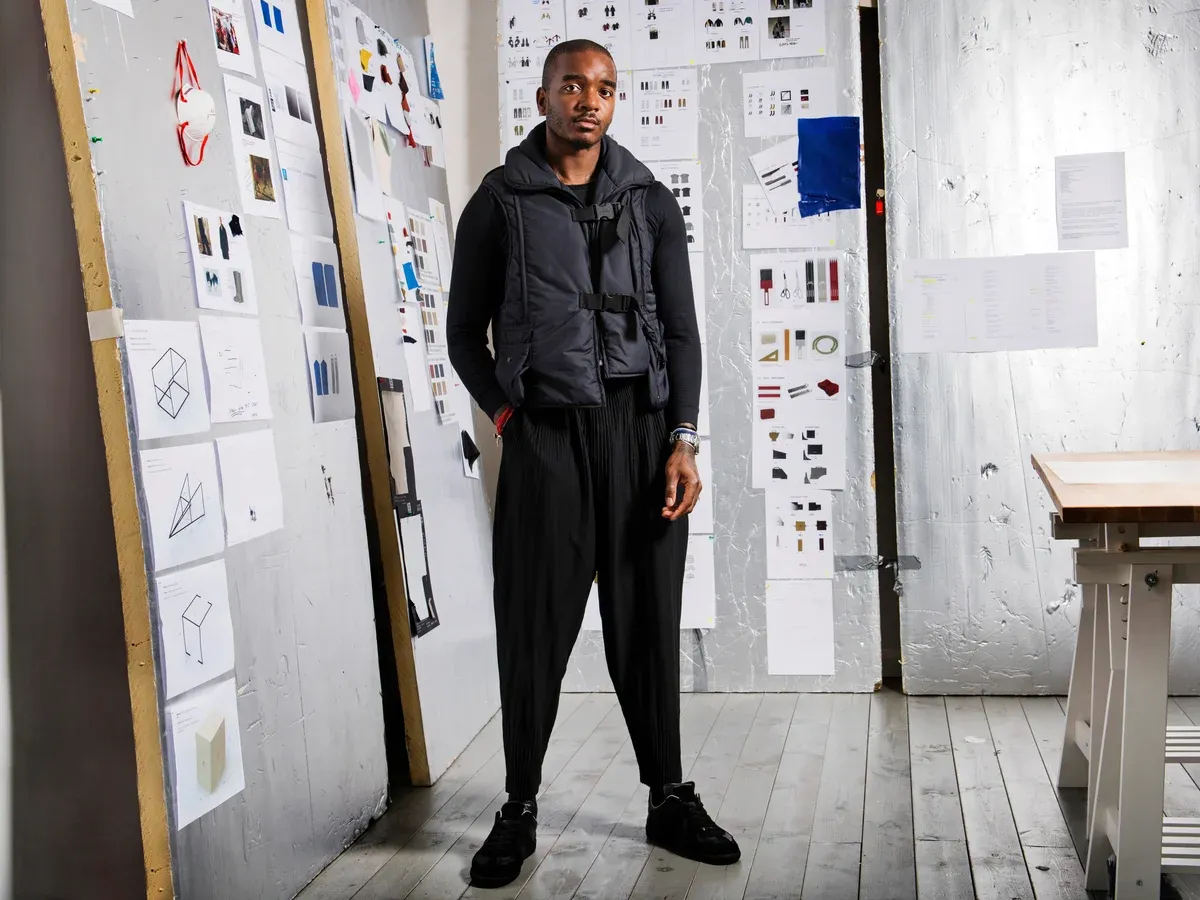
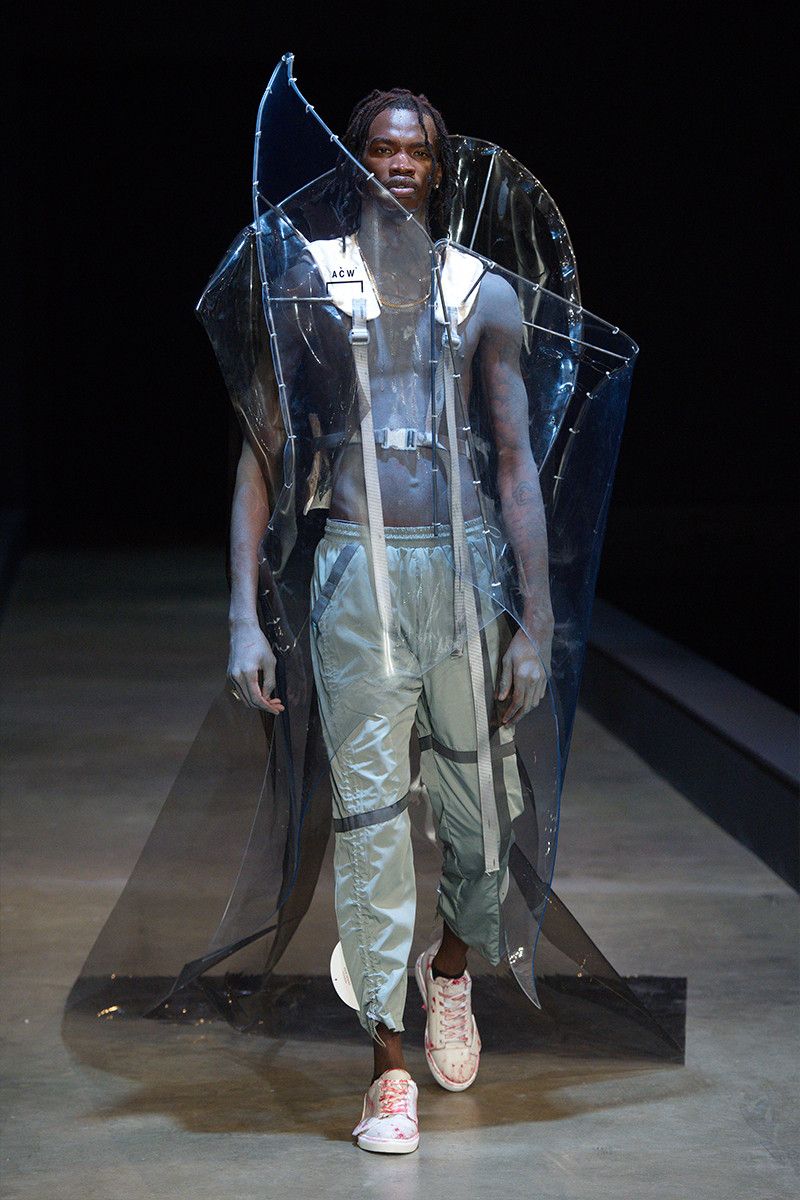
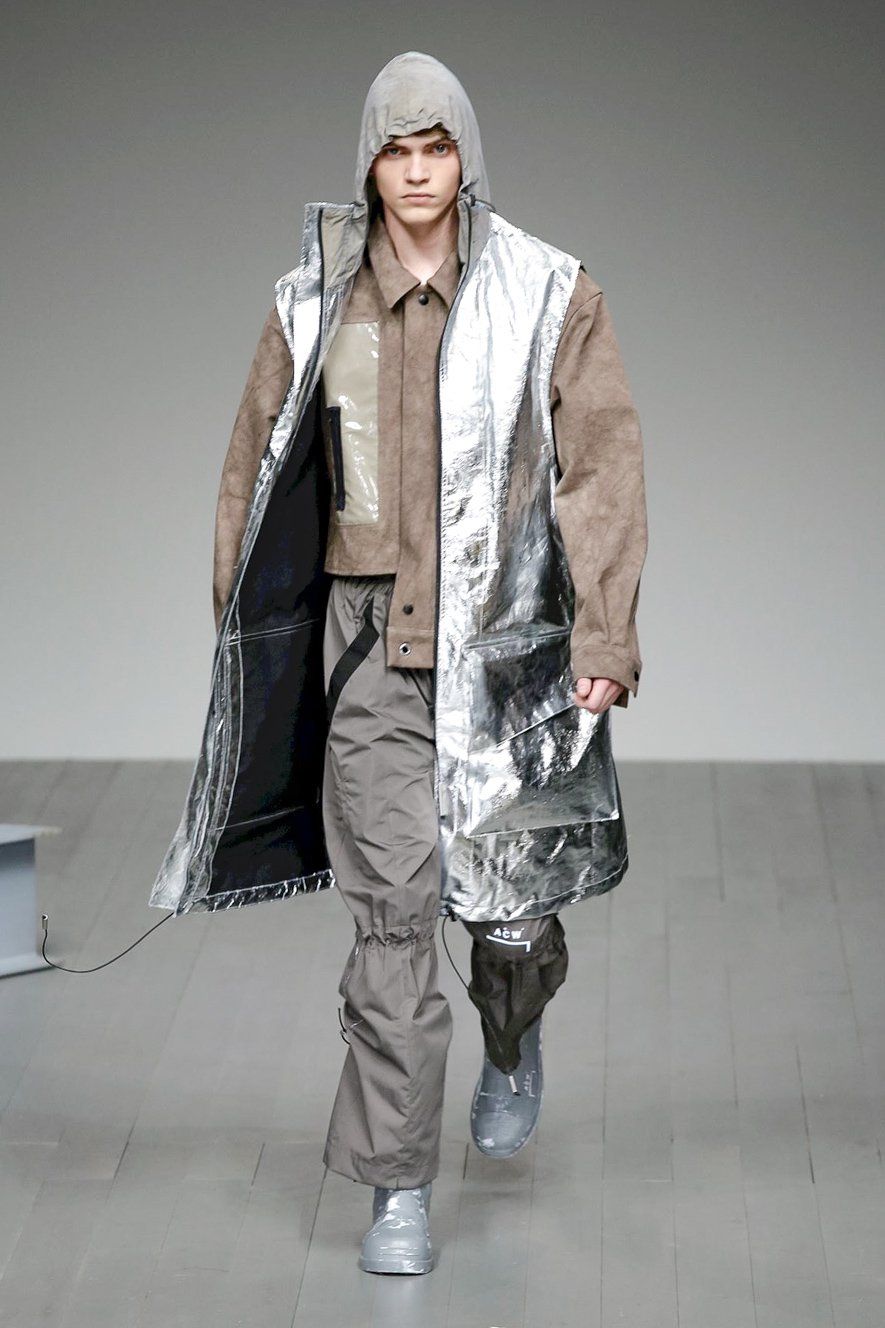
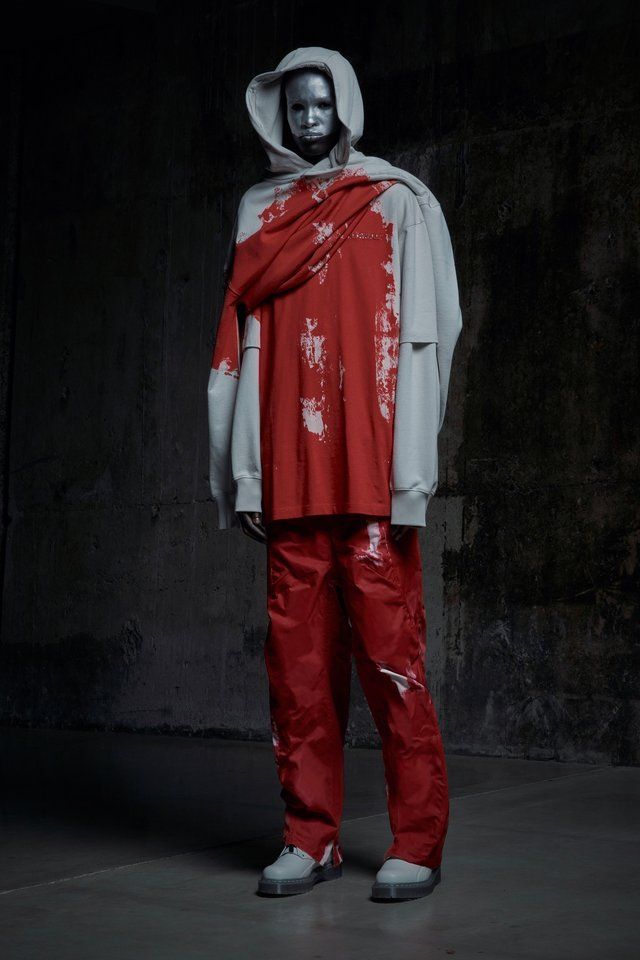
For a long time, Samuel Ross was primarily described through fashion. A-COLD-WALL*, the brand he founded in 2014, the collaborations, streetwear, luxury, industrial aesthetics, grey, concrete, black, and safety orange. All true, but also incomplete. Stopping there means looking only at the surface of a body of work that, for years, has been trying to move elsewhere. Ross is not interesting simply because he brought the street into fashion, but because he understood that the street, before being a style, is a space. And every space always contains something: social class, memory, access, exclusion, the body, the desire to escape a system and, at the same time, to enter it.
The relationship between the body and the city
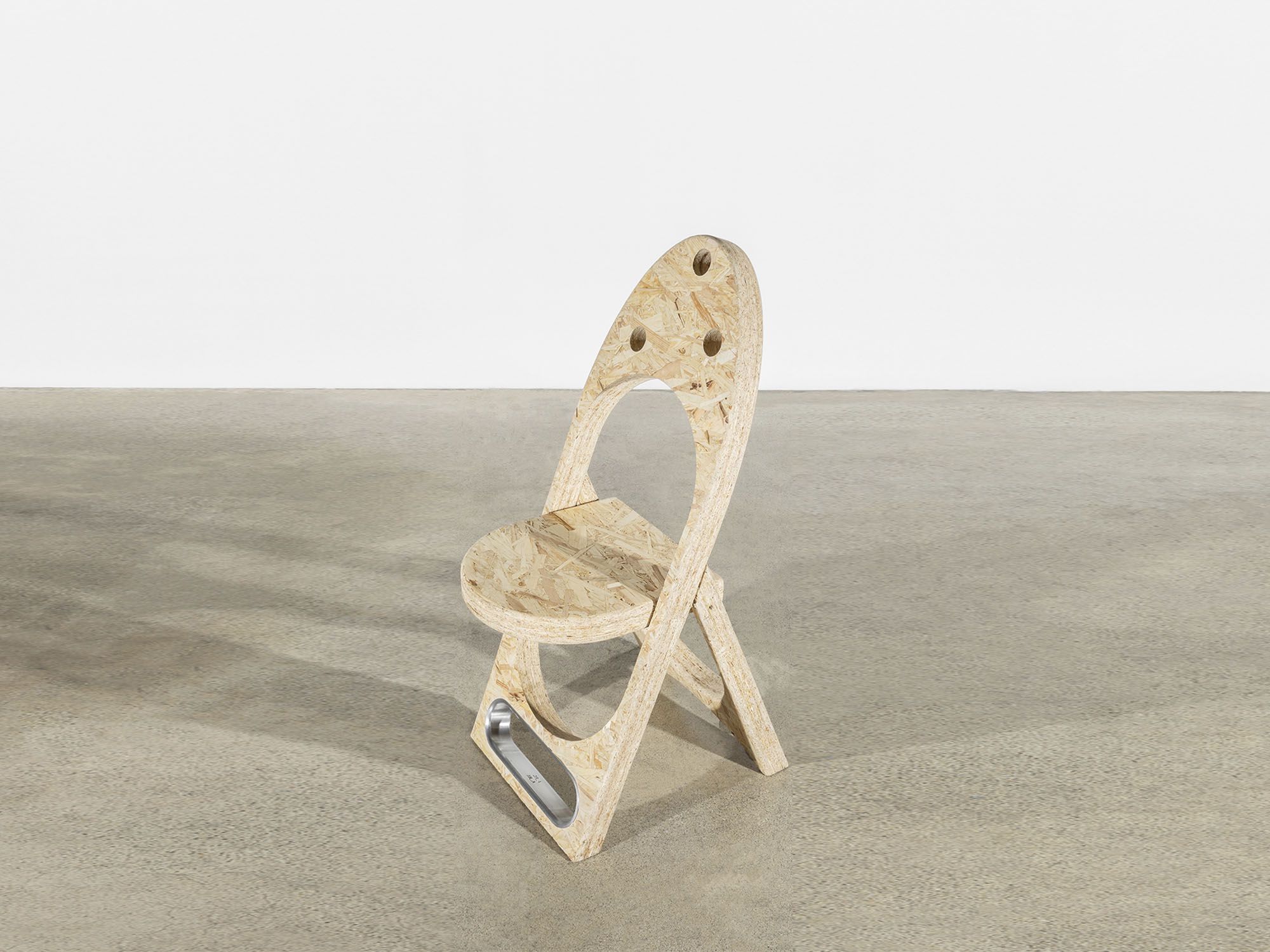
Samuel Ross’s work as an architect does not stem from a generic urban aesthetic, nor from a fascination with brutalism, nor even from the need to make humble materials look cool. Ross uses concrete, metal, marble, OSB, and charred wood, along with broken forms and heavy volumes, materials that speak of labor, the outskirts of cities, infrastructure, public buildings, barriers, construction sites, and spaces that are traversed rather than inhabited.
A-COLD-WALL* was fundamental to Samuel Ross’s career, but it functioned as the first laboratory for a broader way of thinking. The garments were urban surfaces, the silhouettes resembled structures, and industrial details became social codes. At that moment, fashion was the most immediate way to talk about the relationship between the body and the city. But the point was not merely getting dressed: it was understanding how a body moves within a system, which signs it absorbs, which limits it encounters, and which possibilities it tries to open up.
SR_A and the collaboration with Friedman Benda
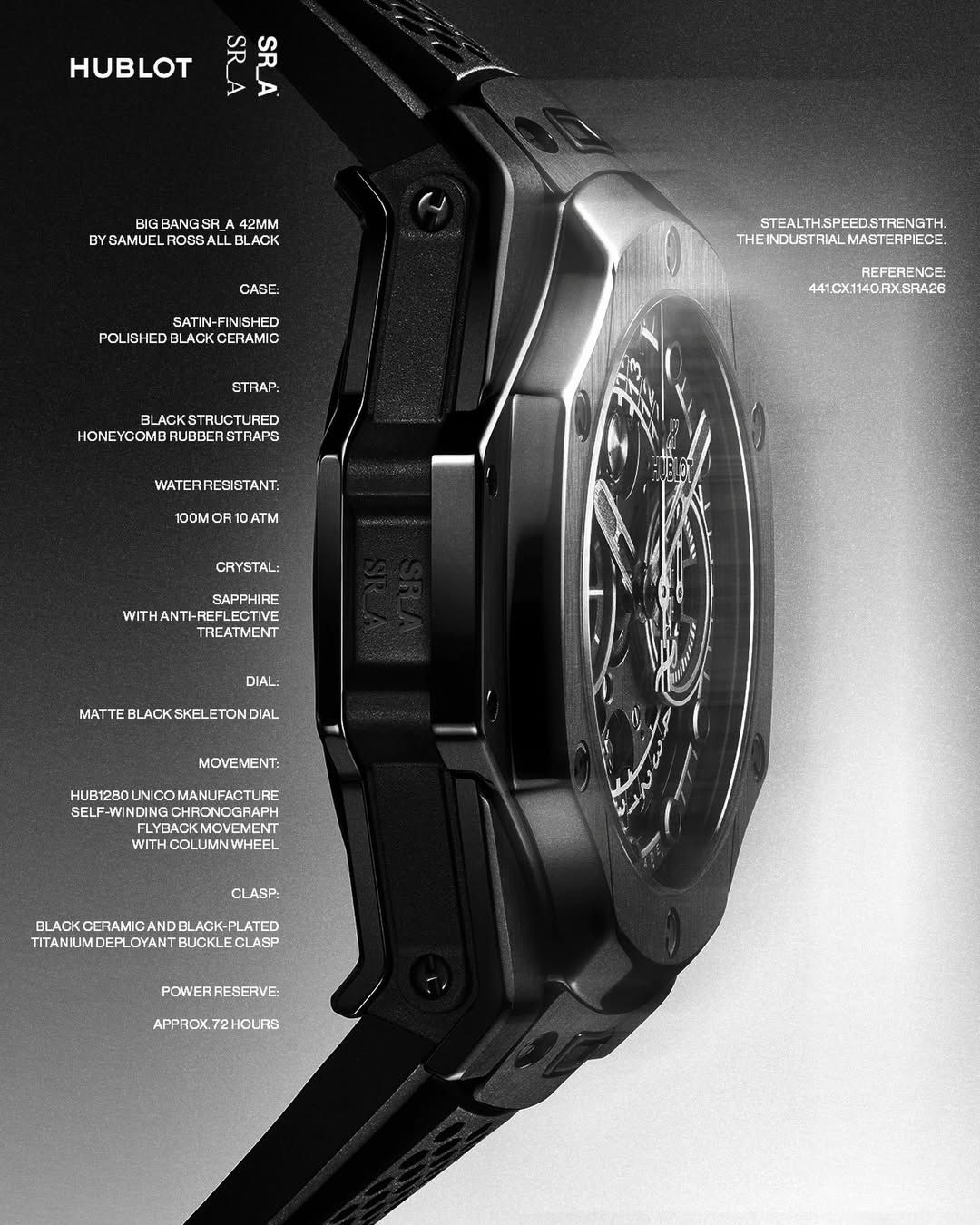
With SR_A, the studio founded in 2019, this intuition becomes more explicit. Ross increasingly began working on objects, furniture, installations, spaces, and industrial products, without it ever feeling like a true change of field. Rather, it is a natural extension of the same language: if the body once wore the city, now the city enters objects. A chair, a table, a faucet, a toilet, a room become different platforms for talking about the same thing: the tension between function and symbol, between everyday use and social significance, between luxury and material memory.
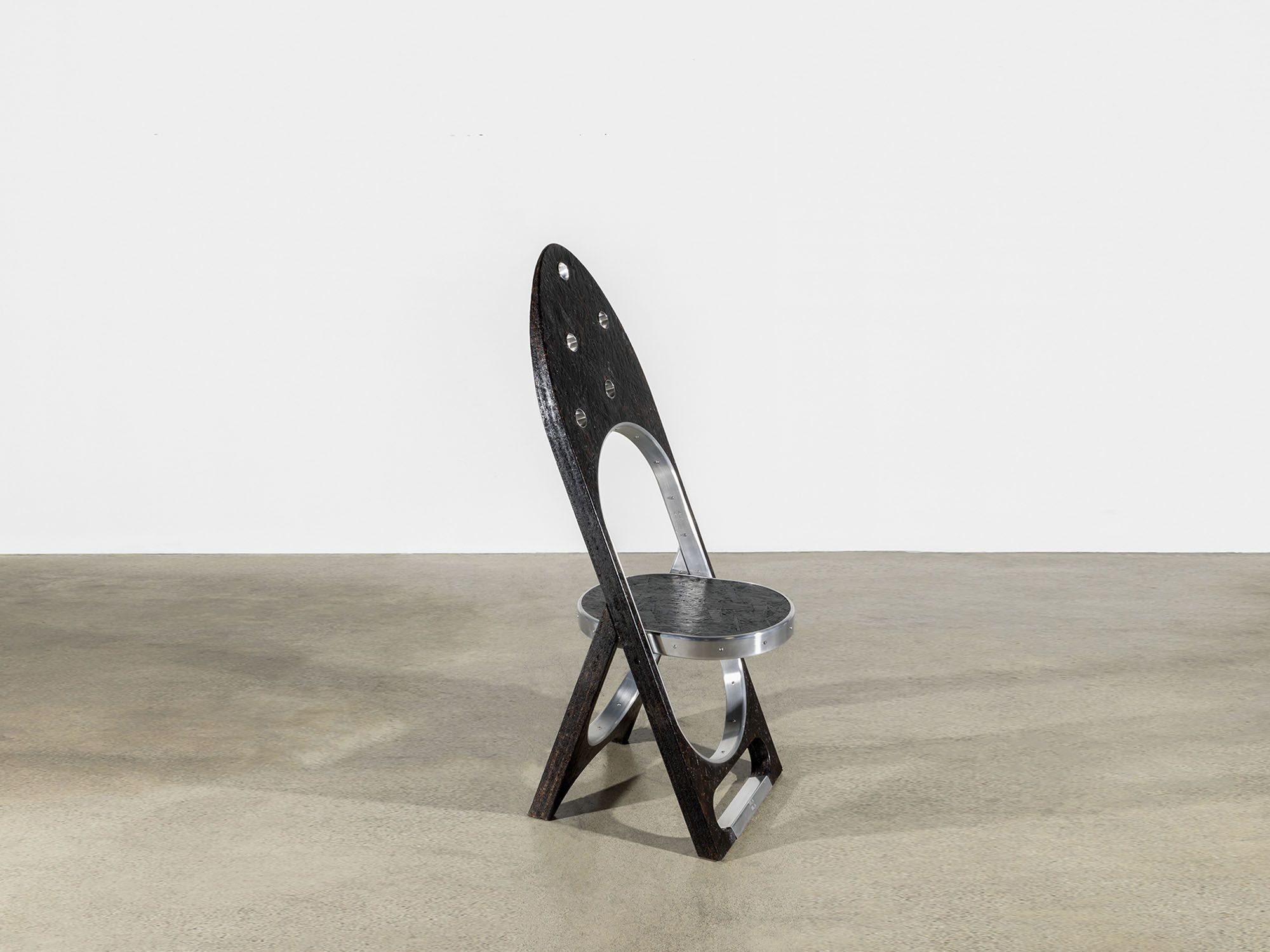
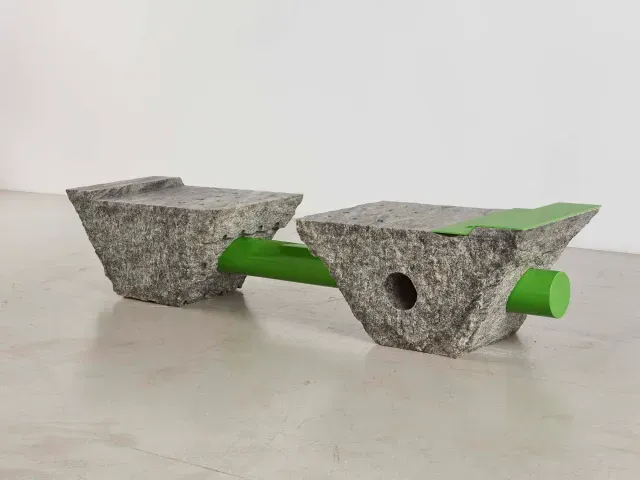
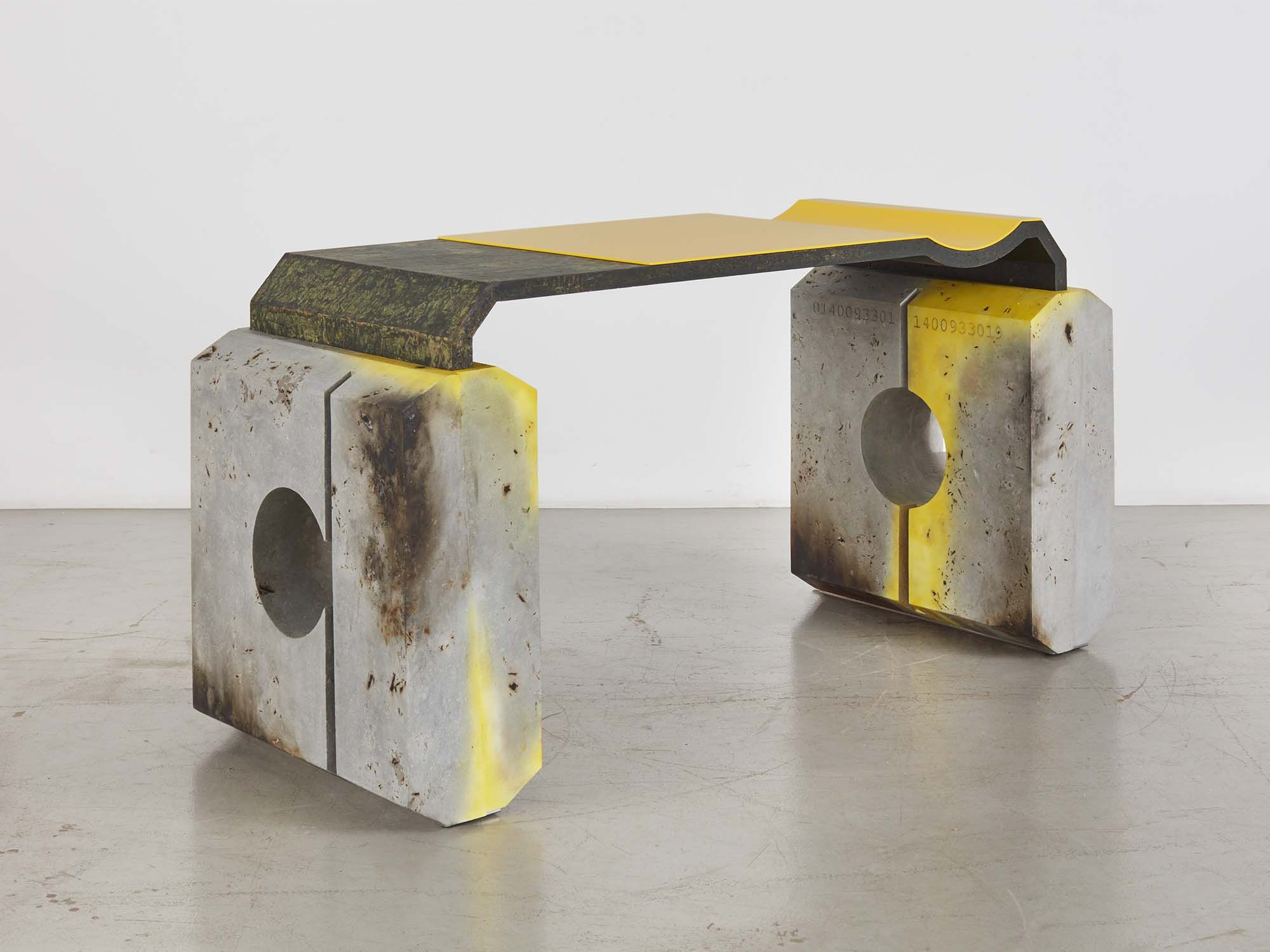
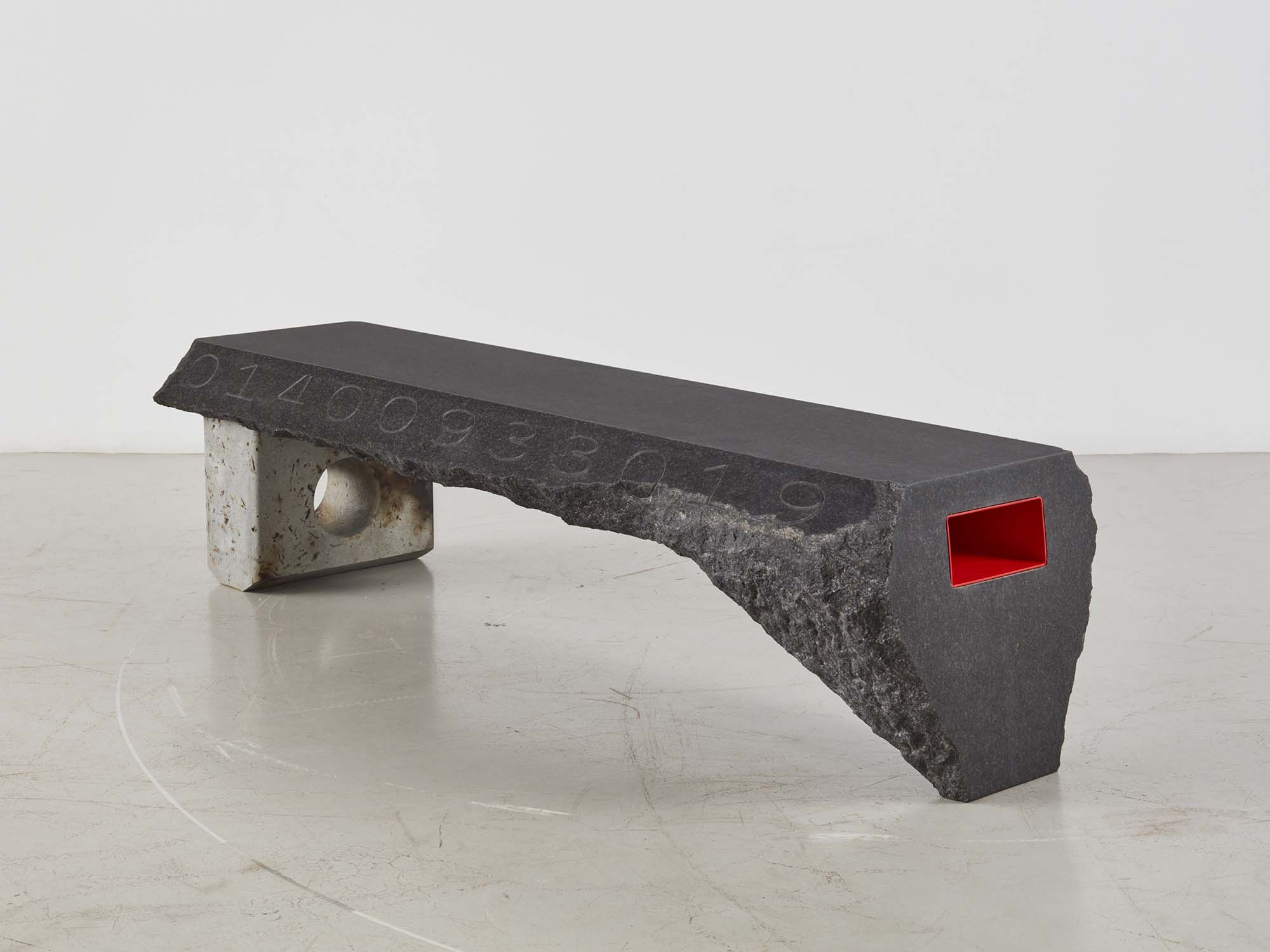
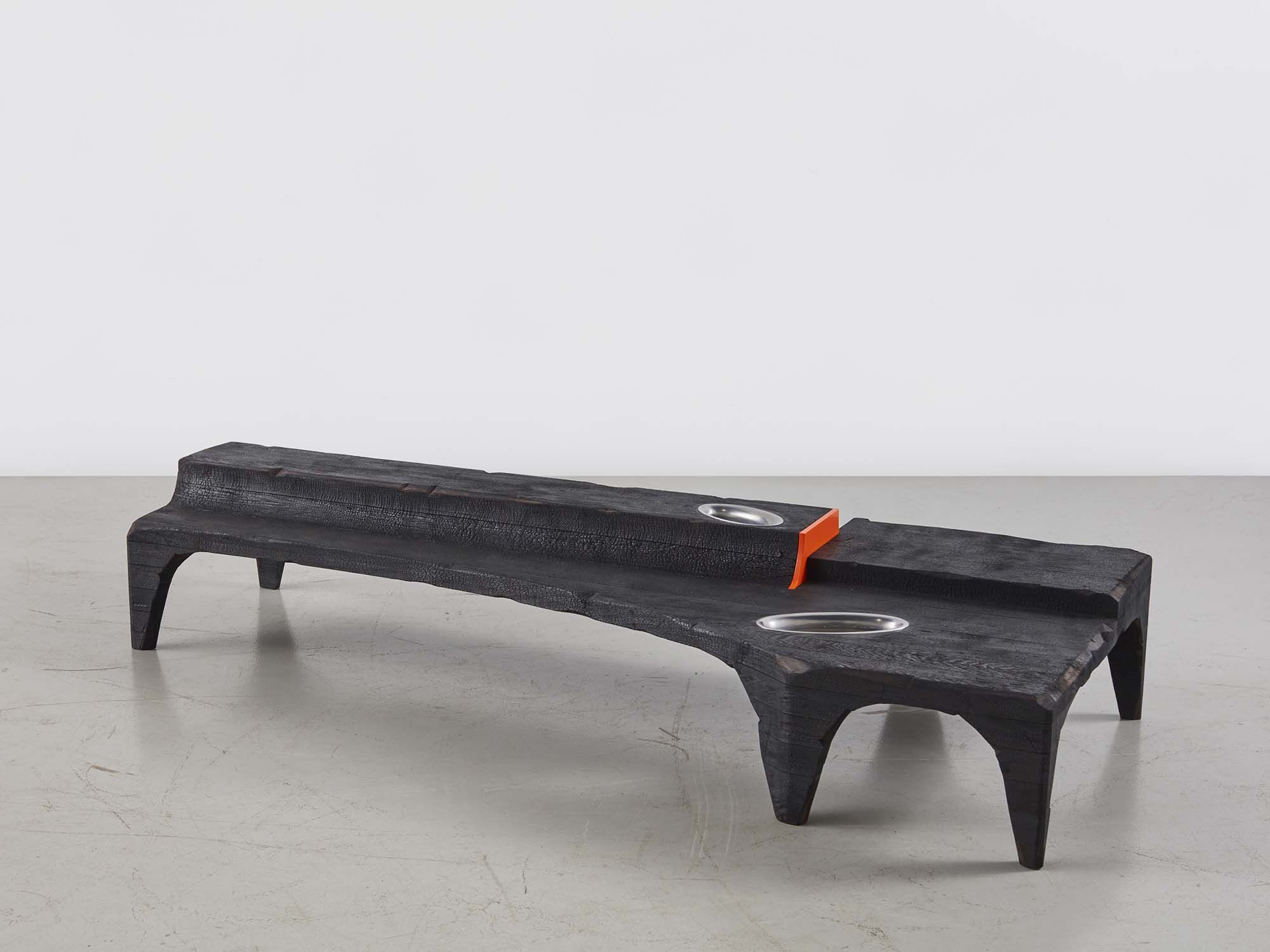
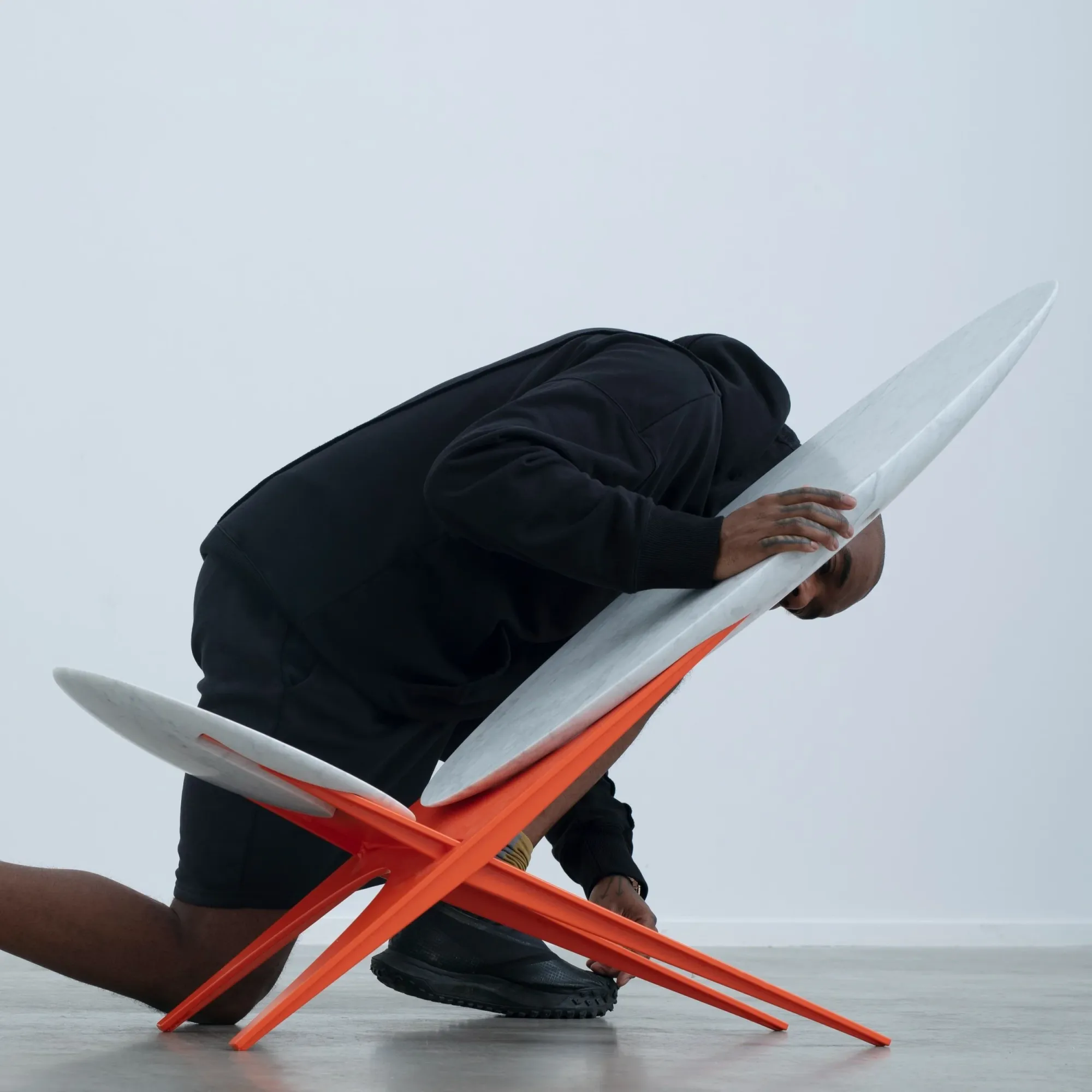
It is in the furniture pieces created with Friedman Benda that this transition becomes particularly evident. Pieces such as Trauma, Recovery, Rupture, Signal-3, or Border II, presented in 2025, possess a powerful presence, like fragments of architecture left behind after an impact. Everything communicates weight; it is not merely visual, because these objects carry something emotional, social, and historical within them. At a time when much of contemporary design strives to be soft, reassuring, and instantly desirable, Ross chooses a less comfortable direction.
Speaking about what endures
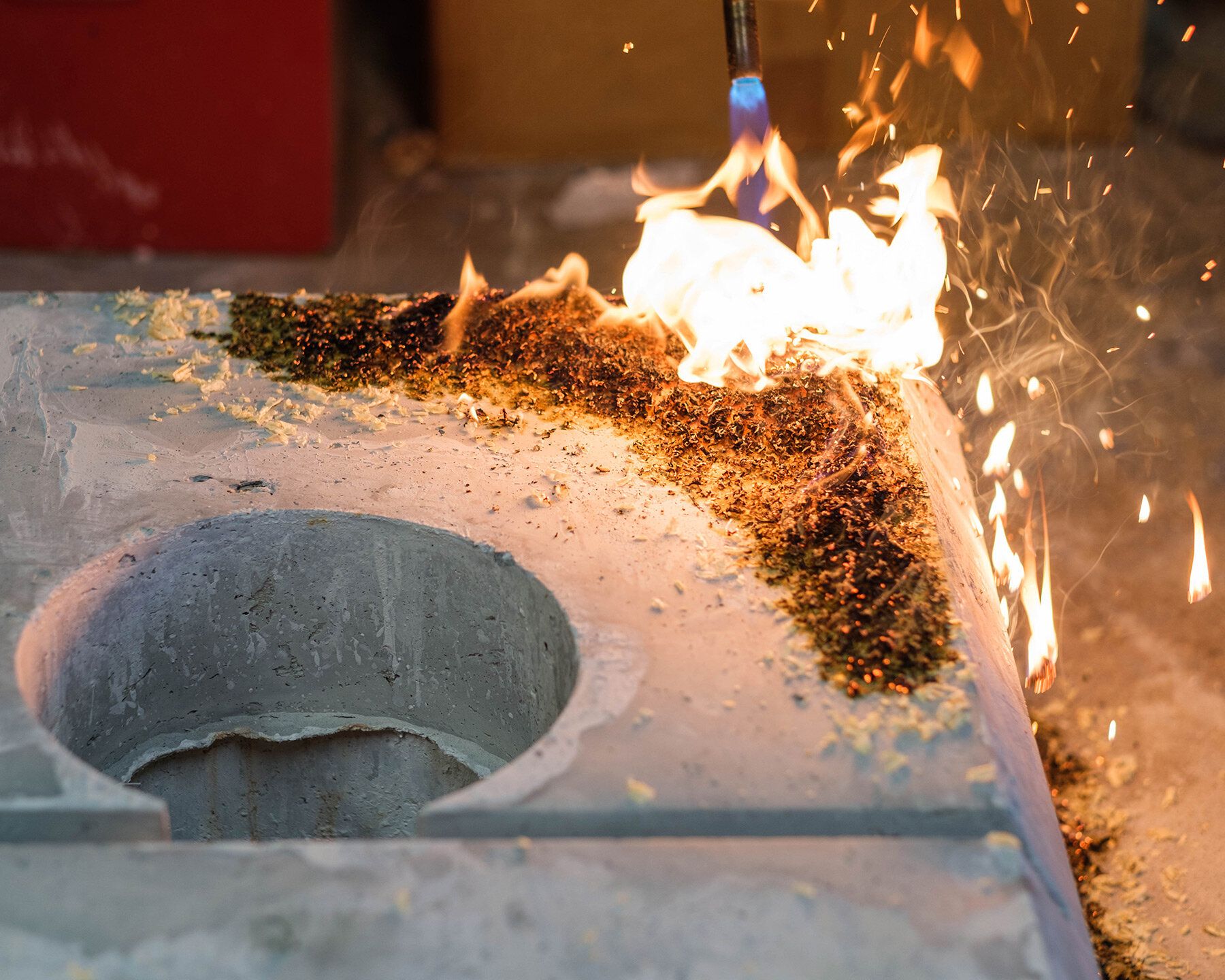
The exhibition COARSE, presented by Friedman Benda in New York in 2023, clearly illustrates this approach. Here Ross works with industrial materials and treats them as living surfaces: charred wood, metal, stone, marble, organic elements, fire, and processes of transformation. The result is a series of objects that seem to have gone through something: they are not smooth, they are not resolved, but possess a conceptual and physical roughness, as though every surface preserves a trace.
This is where his work becomes truly interesting for design. Samuel Ross does not merely design forms; he designs friction. He brings into the object everything that design often prefers to remove: conflict, class, labor, dirty materiality, and the tension between beauty and discomfort. In his case, brutalism is not nostalgia for concrete nor a showroom aesthetic. It is a language for talking about what endures.
The Kohler collaboration
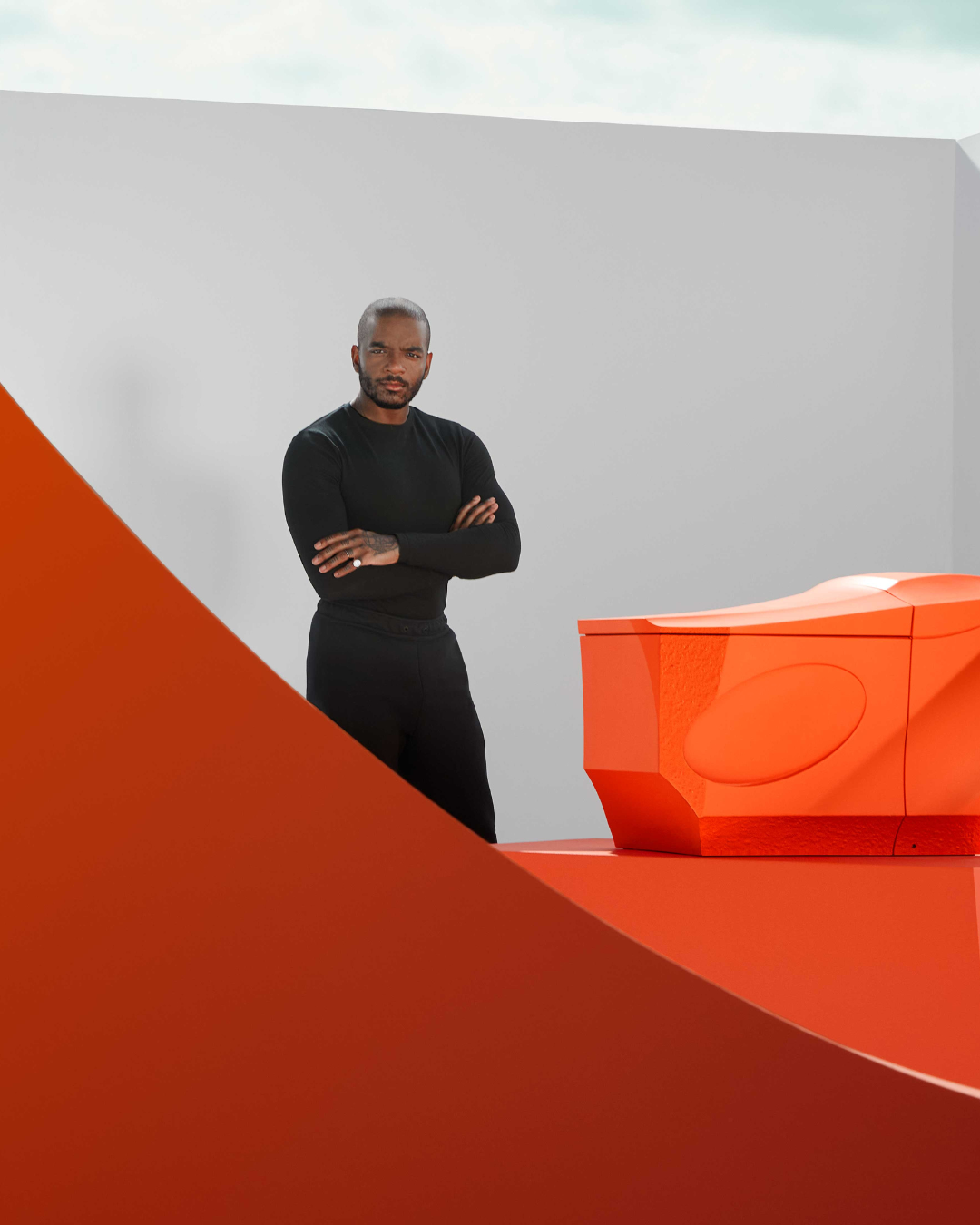
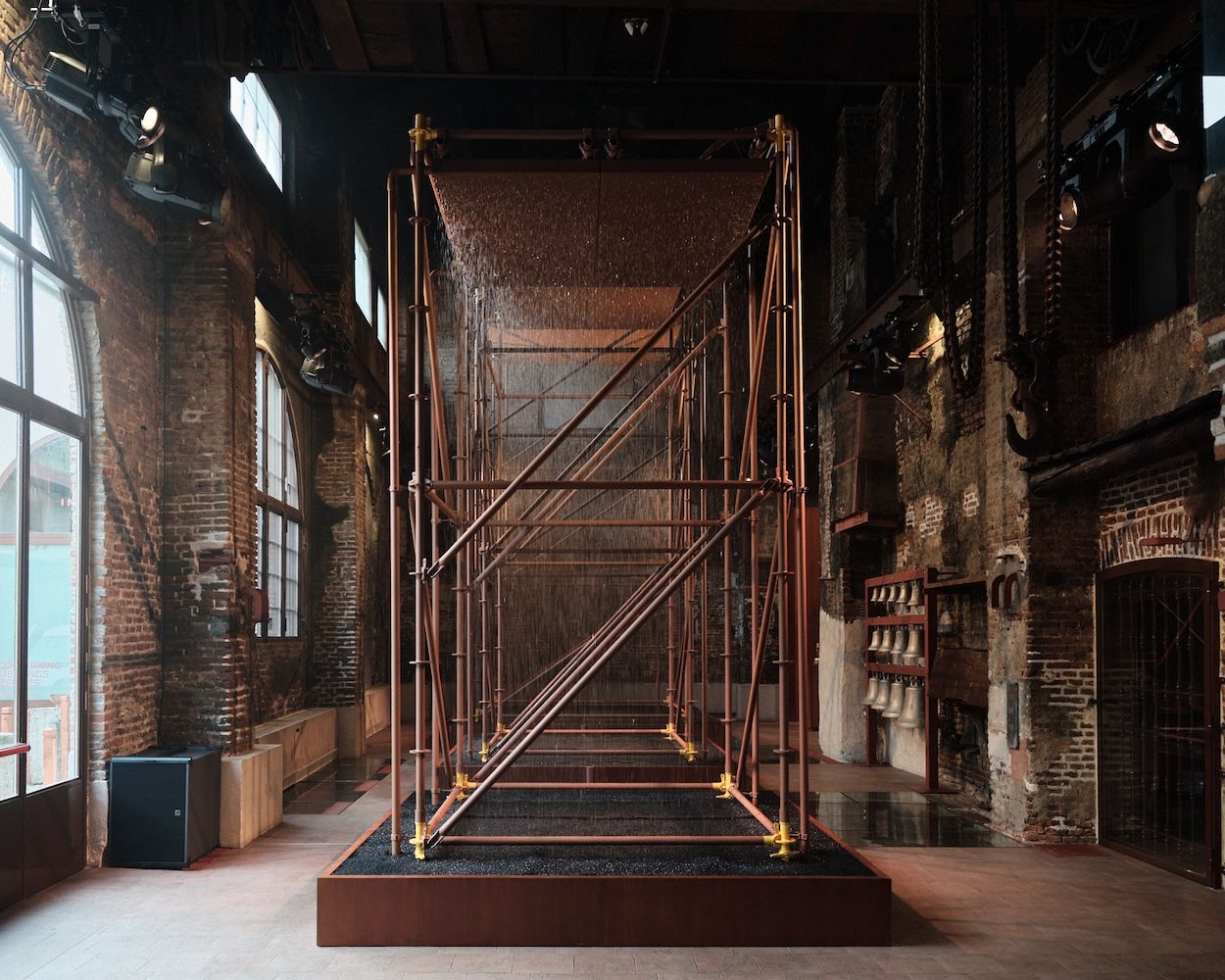
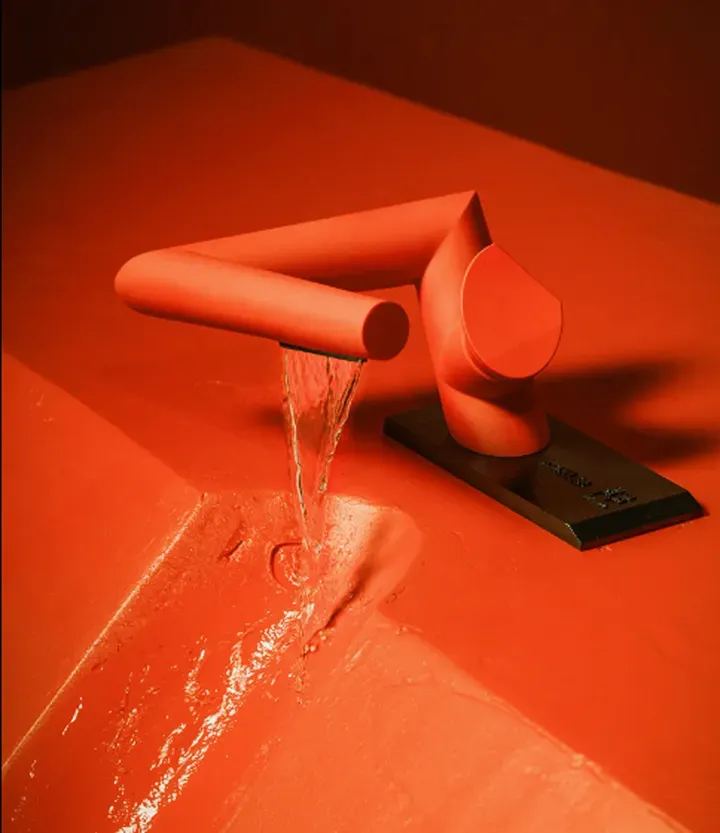
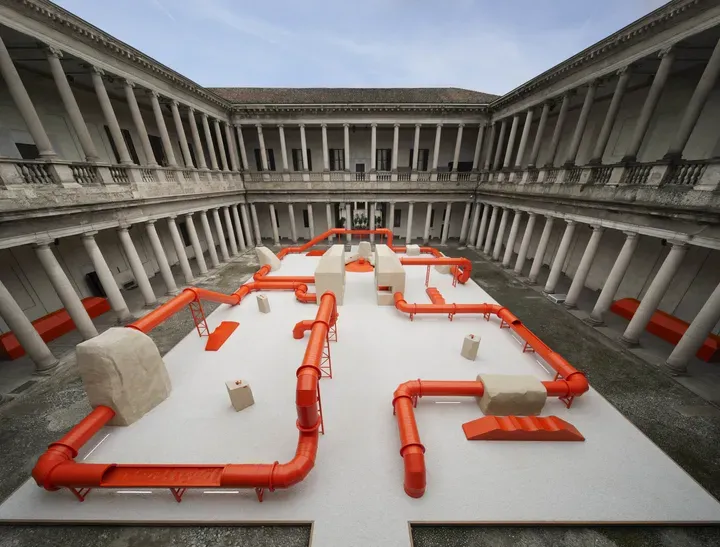
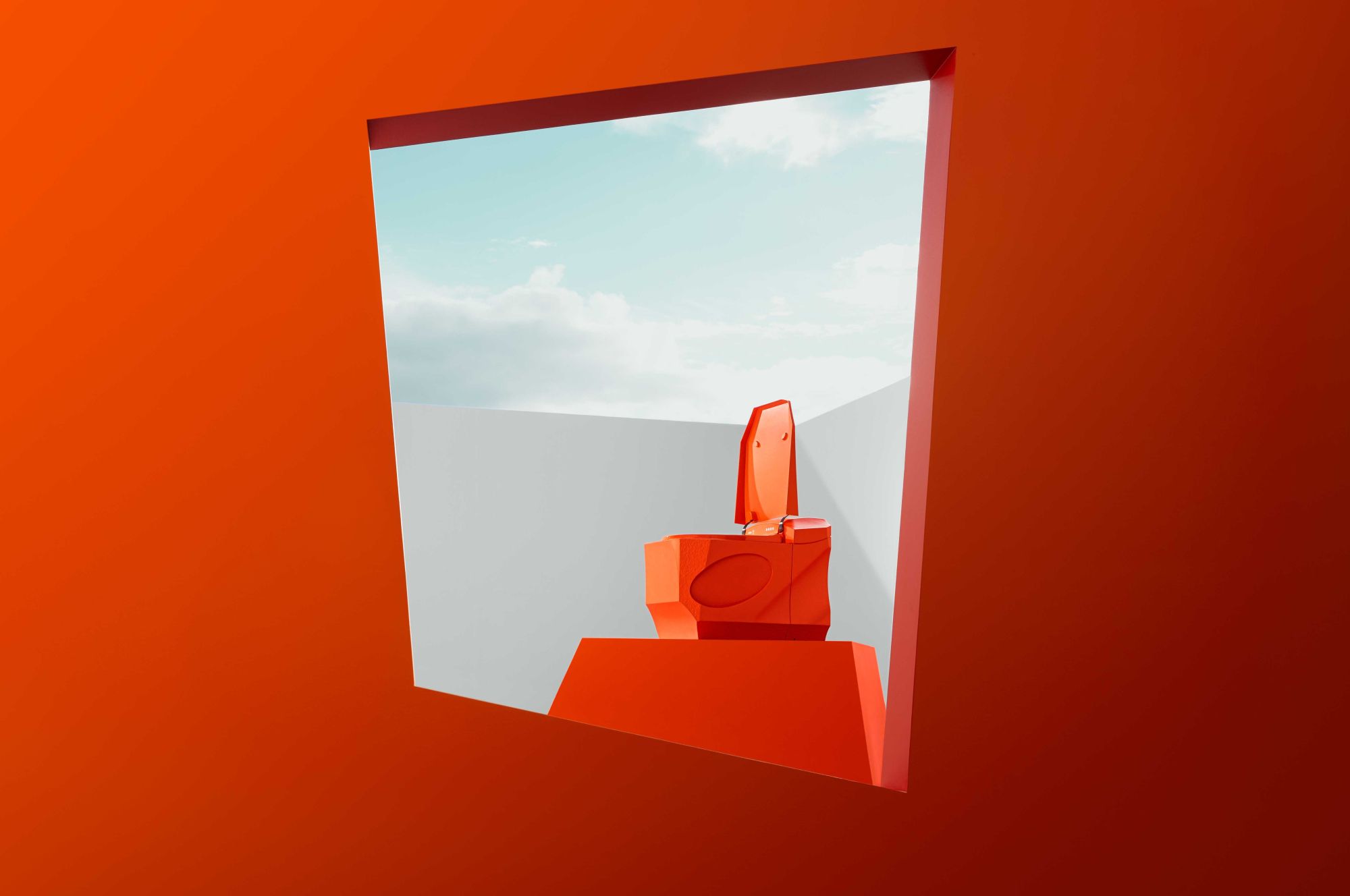
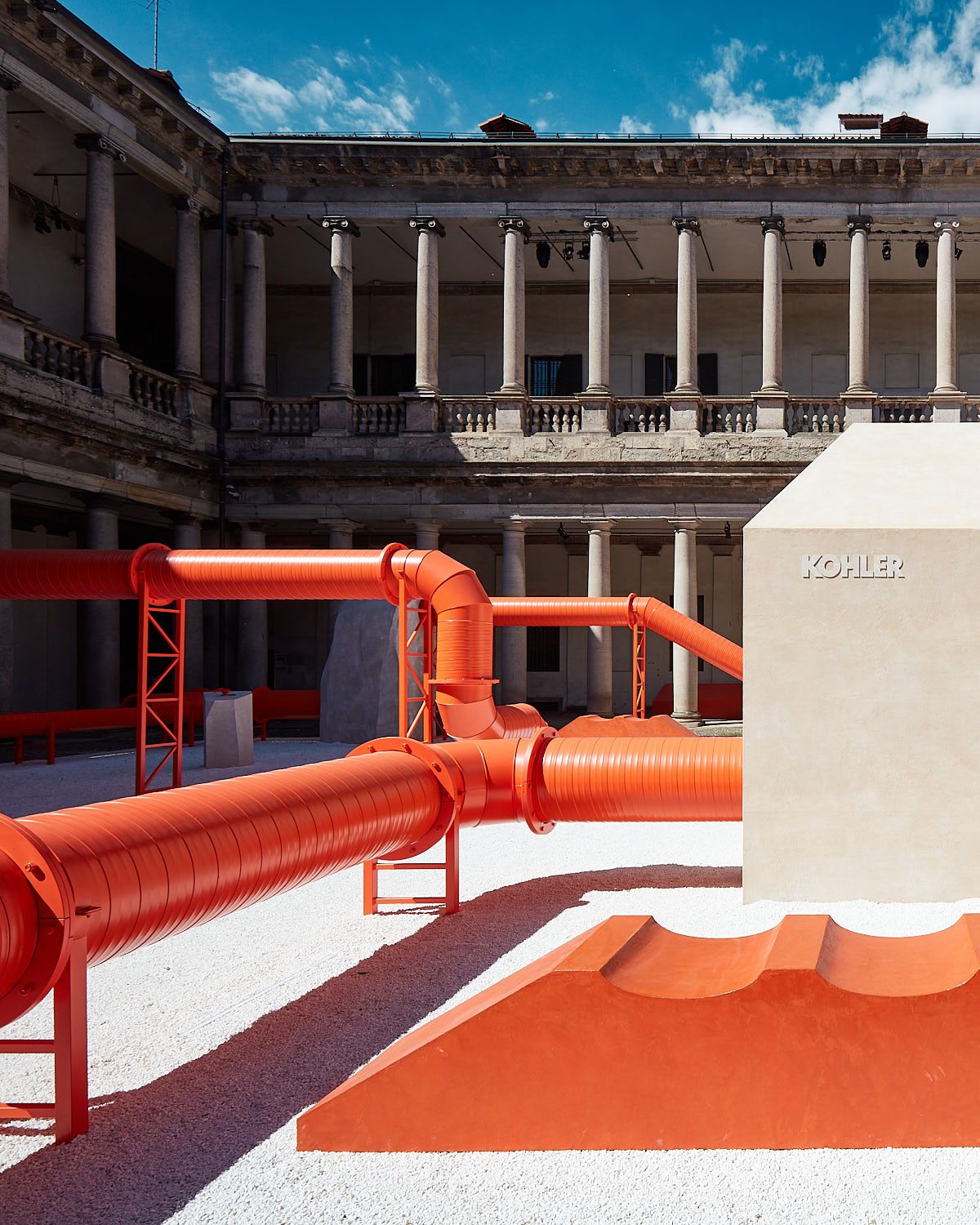
His work with Kohler should also be understood within this same framework. With Formation 01, Ross transforms a faucet into a sculptural object - orange, angular, almost alien. With Formation 02, presented during Milan Design Week 2024 alongside the installation Terminal 02, he brings that tension into the bathroom, one of the most everyday and least discussed spaces in the home. It is an intelligent move because it shifts the conversation from collectible furniture to the invisible domestic object. The faucet, water, hygiene, and toilet - elements that usually disappear into routine - suddenly become architecture, gesture, and ritual.
This is perhaps one of his strongest insights. Ross attempts to load meaning into things we normally do not notice. A bathroom, a pipe, an industrial surface, a heavy seat, a safety color can all become language if they are designed with enough precision. This is why his work does not truly belong to a single discipline, but rather forms a system of signs that changes medium depending on where it can have the greatest impact.
Not hiding conflict
@kohler Nominated for the Fuorisalone Award 2024, Samuel Ross' Terminal 02 presents a provocative homage to the power of water and celebrates the release of the Formation 02 smart toilet.
original sound - Kohler
The boundaries between object, image, space, fashion, and communication are becoming increasingly less interesting, while it becomes ever more important to understand whether a creative can build a coherent vision across them. Ross succeeds because he uses hybridity as a method. Every project seems to return to the same core themes: materiality, the body, the city, class, transformation - a critical practice that also contains a form of aspiration which, however, does not erase its origins but makes them visible.
Rediscovering him today - or perhaps simply looking more closely - means understanding that brutalism is not only a matter of hard forms. It can be an emotional, political, and material language. It can speak about cities, access, memory, and belonging. It can transform a seat into a social posture, a faucet into a sculpture, an everyday object into a statement. And it is precisely here that Samuel Ross becomes one of the most essential figures in contemporary design: not because he makes conflict beautiful, but because he finds a way to not hide it.
```