



































Fendi has launched a new line of banana fiber jeans Everyone wants to invest in Bananatex
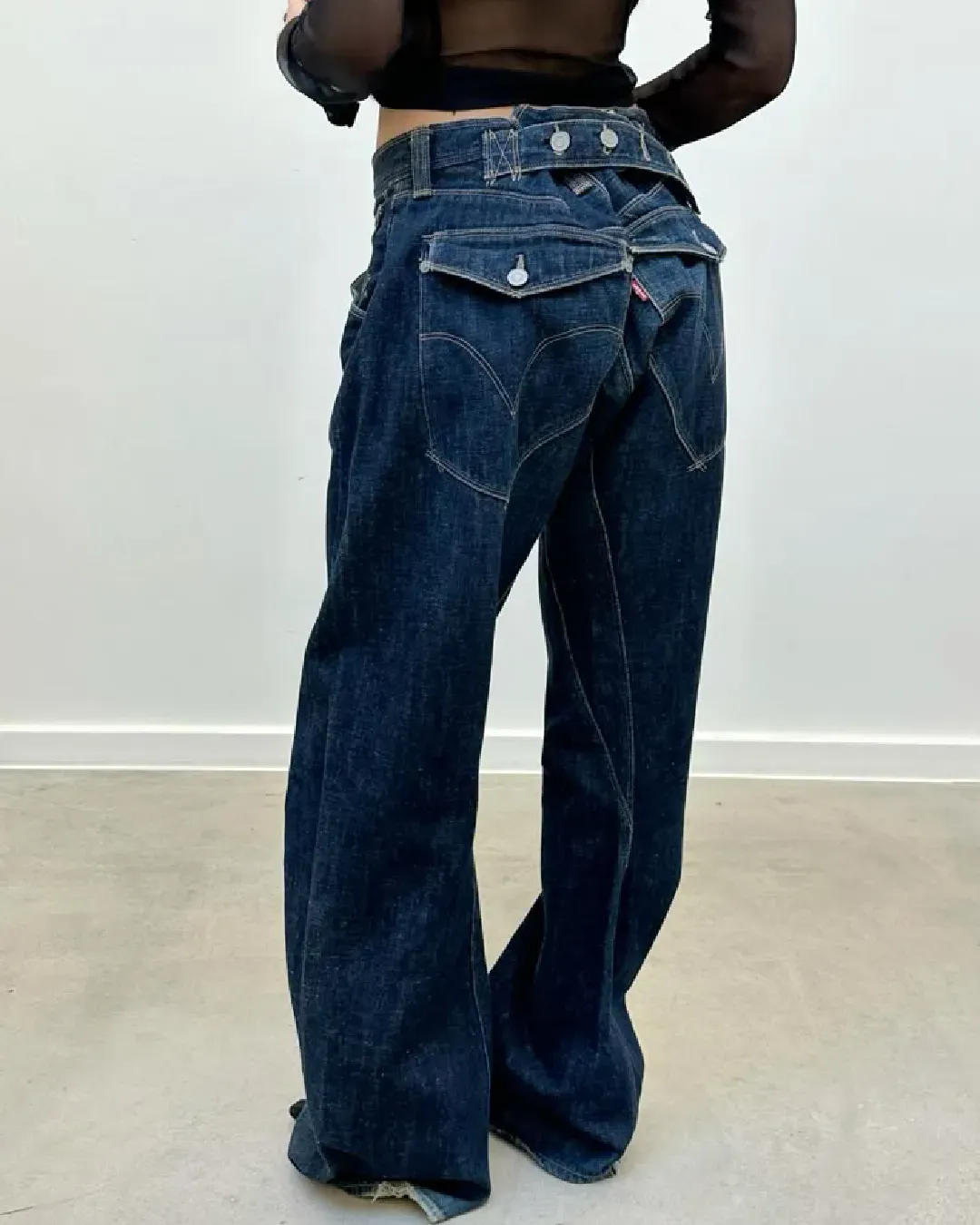
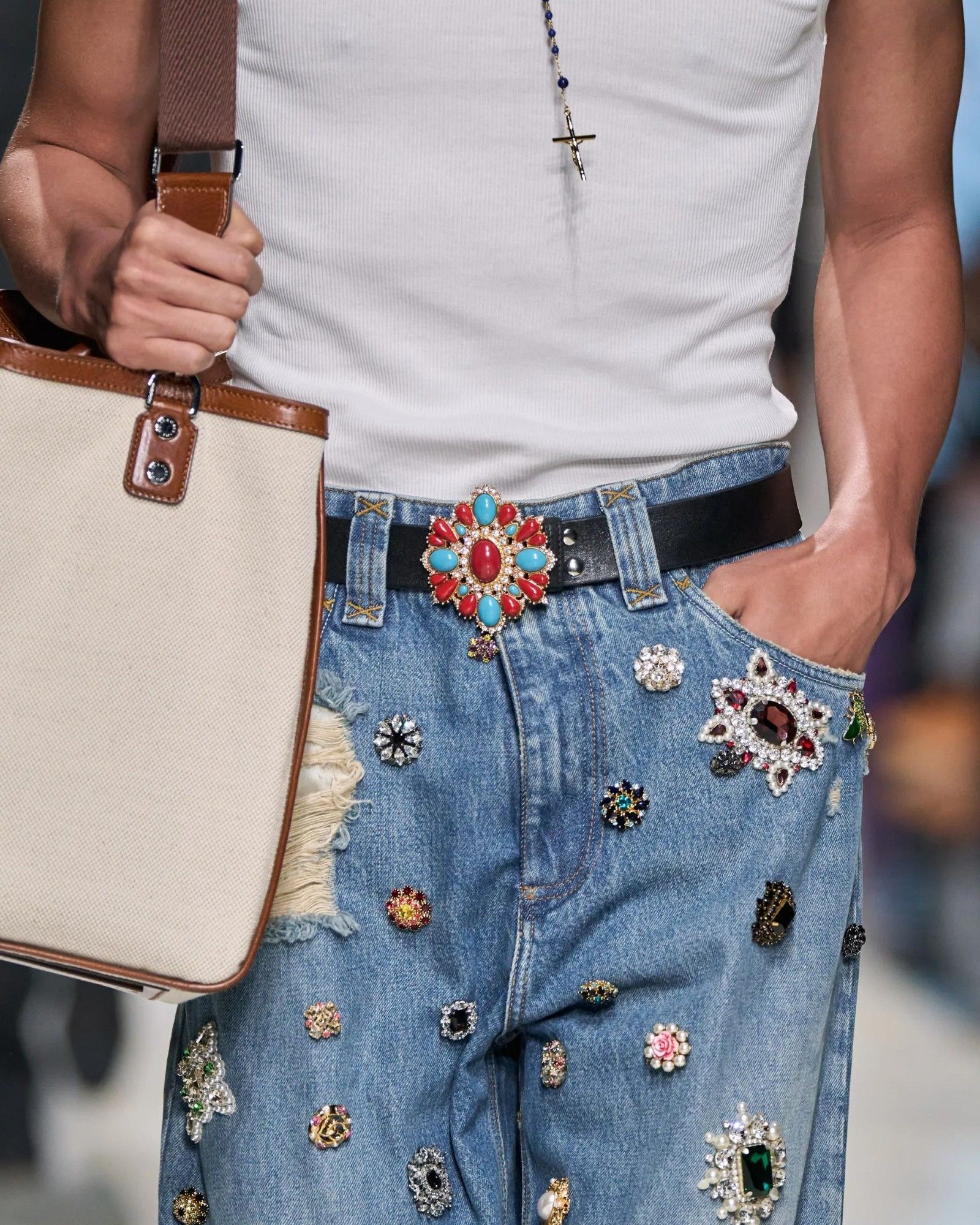
It sounds like a joke, but it isn't — Fendi's new jeans are made from bananas. The Roman maison has just launched a three-piece denim collection made with fabrics developed by Berto Industria Tessile using Bananatex, the world's first durable, biodegradable, and completely plastic-free fiber, derived exclusively from abacá banana plants grown using regenerative methods. And no, Fendi is not the only brand to have caught wind of the material's potential. Balenciaga, Stella McCartney, COS, and other names are also adopting the fiber patented in 2018 by Hannes Schoenegger, CEO of Qwstion. So from now on, it might be worth taking a second look at the bananas we buy — because the next one could be worth between $1,650 and $2,400, just as Fendi is showing us.
Premium sustainability
The arrival of Bananatex fits into a landscape where sustainability and textile production are now at the center of public debate. Between Earth Overshoot Day 2026 and the new European regulations on the disposal of unsold fashion stock, the industry is being forced to rethink materials, processes, and production models. Bananatex was born out of Qwstion, the Swiss bag brand founded in Zurich in 2008 with the goal of rethinking the way objects are designed, produced, and used. After years of research and experimentation, the brand succeeded in introducing the material into its own collections before opening it up to the rest of the industry.
As Schoenegger explained: "We decided to share the innovation with as many brands as possible, with the goal of driving positive change on a large scale." Furthermore, abacá banana fiber has some rather unique characteristics: it requires no irrigation beyond rainwater, needs no chemical treatments, contributes to reforestation programs, and guarantees a stable income for communities of smallholder farmers. Thanks to the way it grows and is harvested entirely by hand, its environmental impact is reportedly 90–95% lower than that of conventional natural fibers.
The future of Made in Italy runs through bananas too
@earthpeople.project Bananatex is a sustainable fabric made from the fibers of banana plants. The material is derived specifically from the Abacá plant, a species of banana native to the Philippines. This innovative material is durable, waterproof, and lightweight. The process of creating it involves harvesting the long fibers from the stalks of the Abacá plant, which are then spun into yarn and woven into a fabric and it’s done without harmful chemicals, and the resulting fabric is biodegradable. Each Abacá plant has several stalks that can be harvested once a year, and regenerate fully within one year. The first step is “topping”: cutting the leaves, then “tumbling” the stalks. The leaves are left to decompose, creating a natural fertilizer. Discover more about new sustainable materials on our website, link in bio! #bananas #art #ecosustainable original sound - earth people
Berto Industria Tessile began developing fabrics with Bananatex in 2024, drawn by both the fiber's environmental qualities and its technical performance. Andrea De Fatima Facchin, the company's marketing executive, explained: "For us, every new fiber represents an experiment and an opportunity to expand the expressive language of denim. This collaboration was at once a challenge and a concrete demonstration of that belief."
It is precisely this balance between quality and performance that has made Bananatex suitable for the premium and luxury market as well, earning Fendi's interest. But the value of this collaboration goes beyond the simple launch of a new fabric — it also represents an opportunity to redefine the very idea of Made in Italy, making it more contemporary, conscious, and innovation-driven.
As De Fatima Facchin added: "From the very beginning, developing a fabric with such an organic and sustainable fiber — grown through regenerative systems and combined with organic cotton — was recognized not only as a challenge, but as an approach perfectly aligned with the company's longstanding commitment to responsible innovation and the excellence of Made in Italy." If the fashion industry keeps chasing the next big thing, this time it may have found it in the most unlikely place of all: somewhere between a bunch of bananas and a pair of jeans worth thousands of dollars.