

























The ultra-light summer of balloon pants The history of the trend, from the origins of the salwar to the SS26 runways
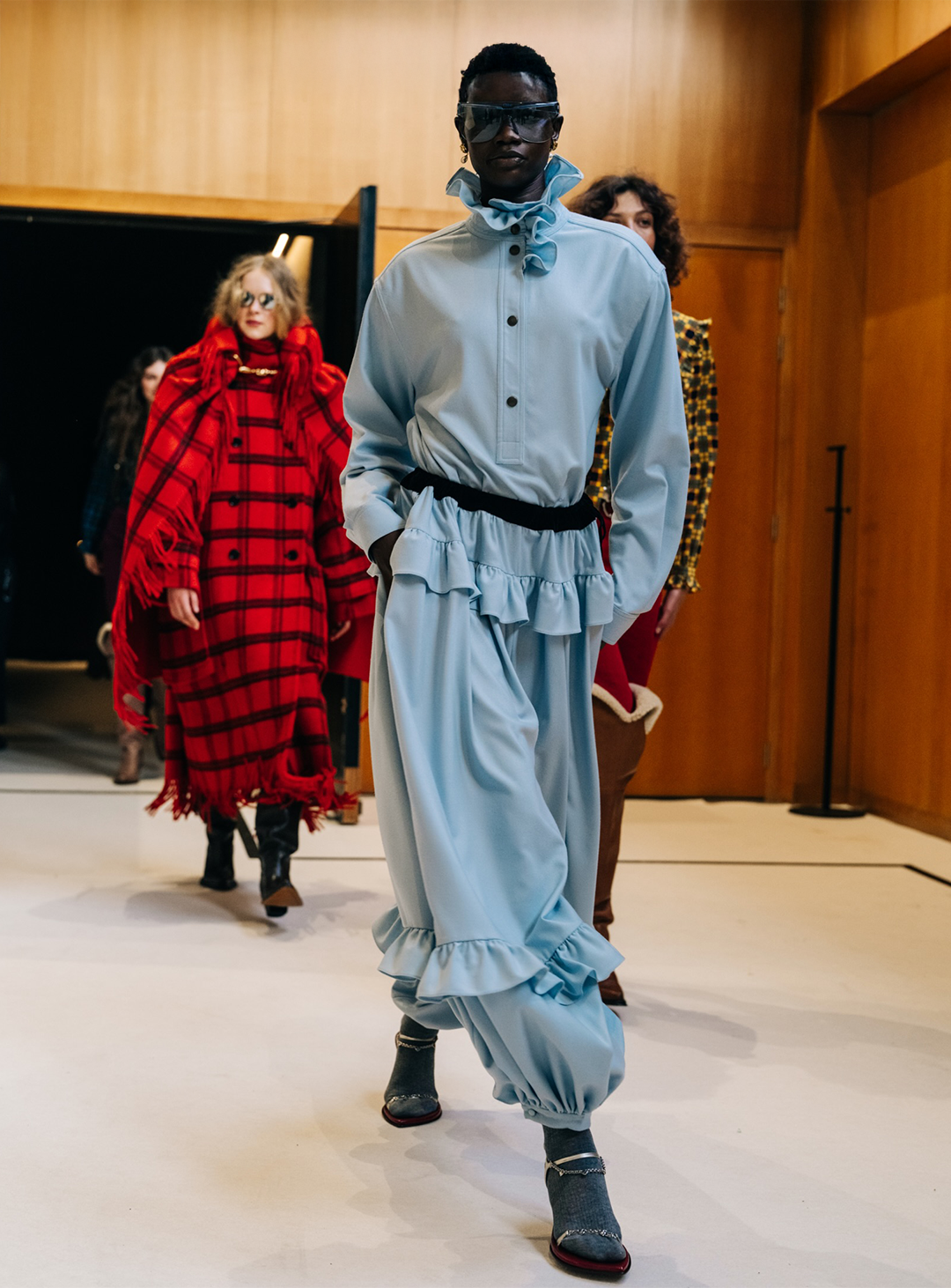
After years dominated by fitted silhouettes and skinny jeans, fashion seems to have chosen a new direction: volume. This summer, the news in fashion isn't coming from fabrics or colors, but from proportions. Balloon pants, characterized by wide volume at the hips, a rounded leg, and a narrower closing toward the hem, have a long tradition, but they are about to become the next big trend, on the runway as well as on streets around the world.
The success of balloon pants doesn't stem solely from nostalgia — not least because the style has its roots in the era of ancient India, Persia, and the Ottoman Empire, before being reinterpreted by Western fashion — but from their ability to meet the contemporary consumer's demands for comfortable, breathable clothing. It is a new idea of elegance: less rigid and more functional.
When volume was born of necessity
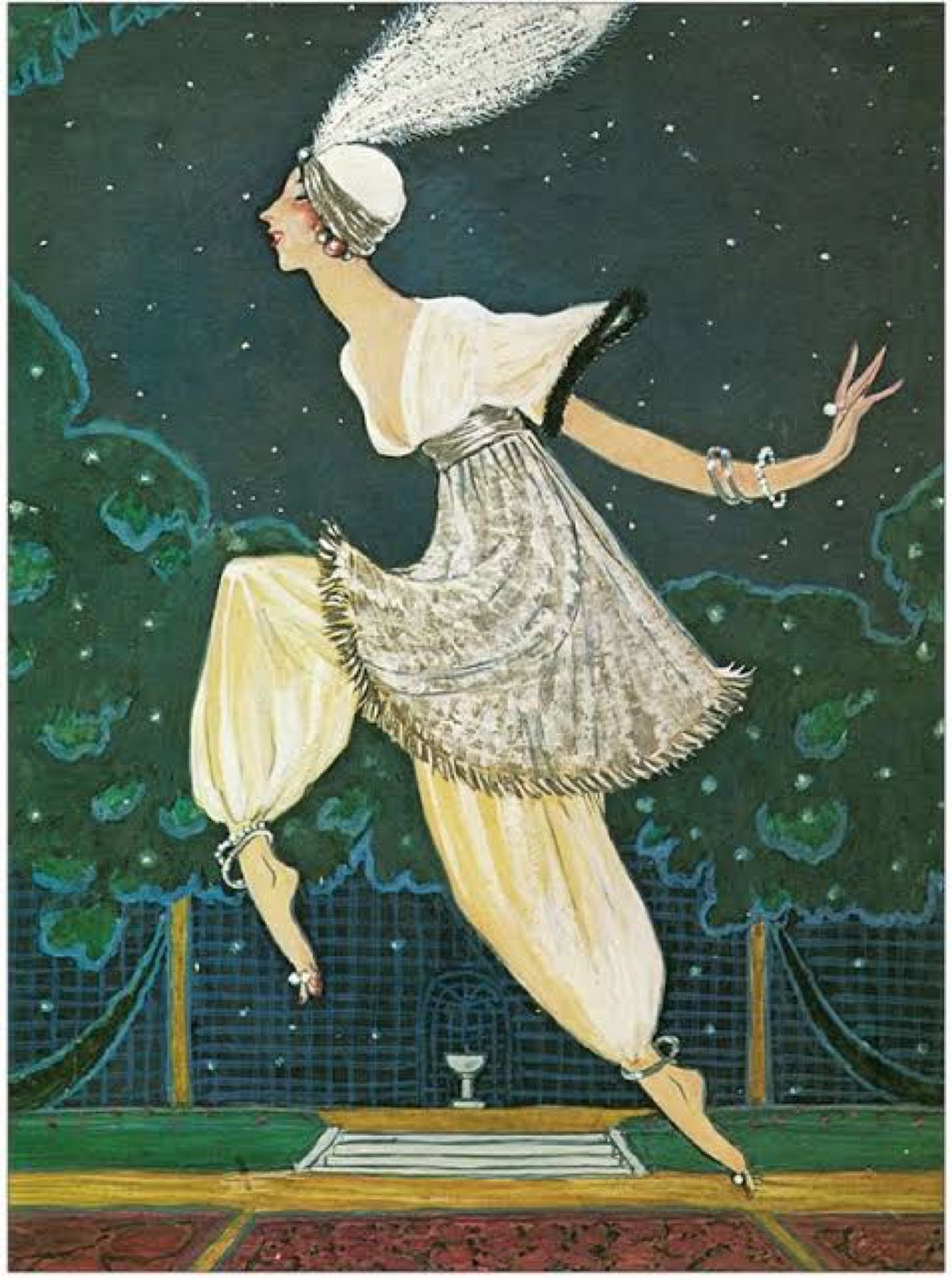
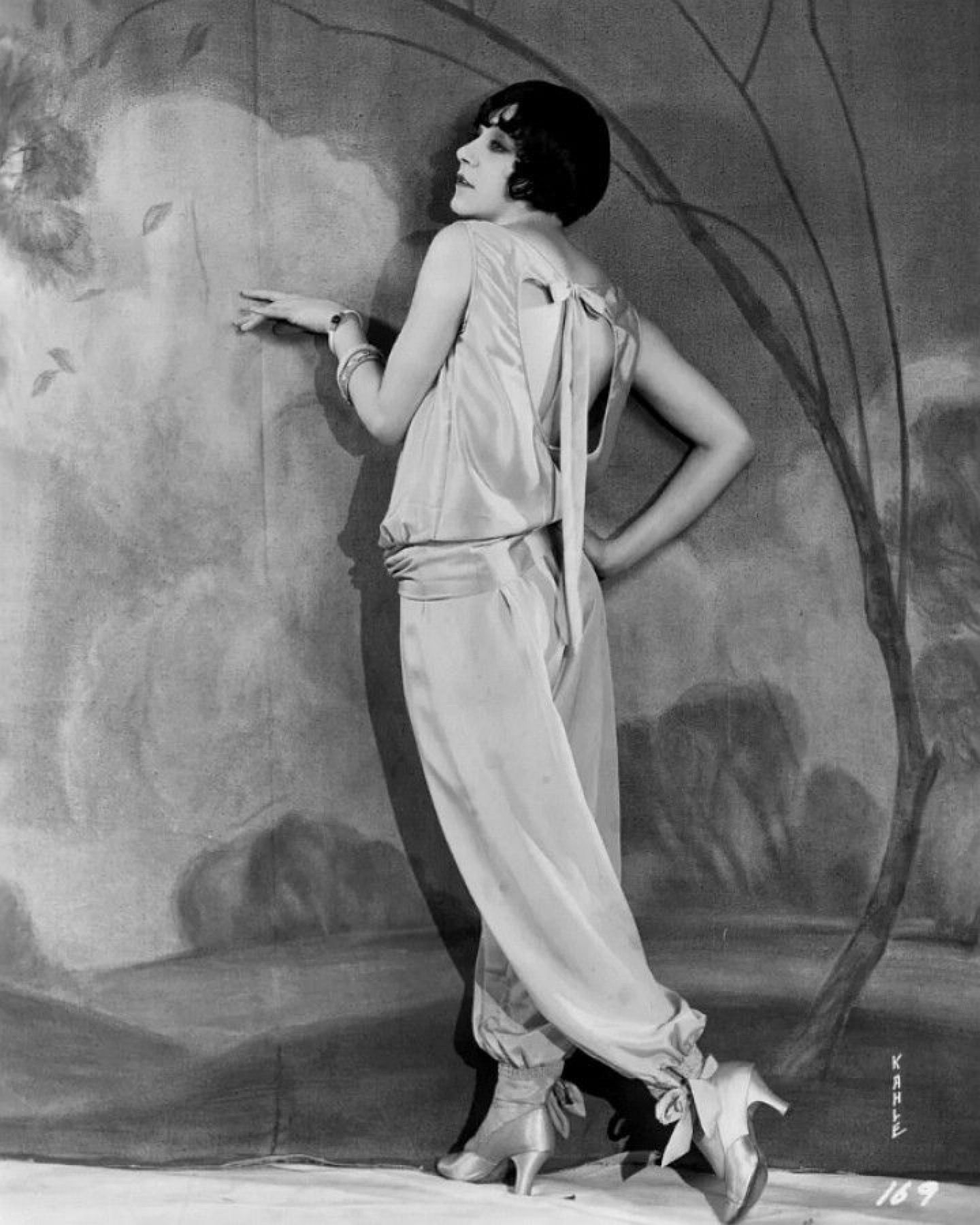
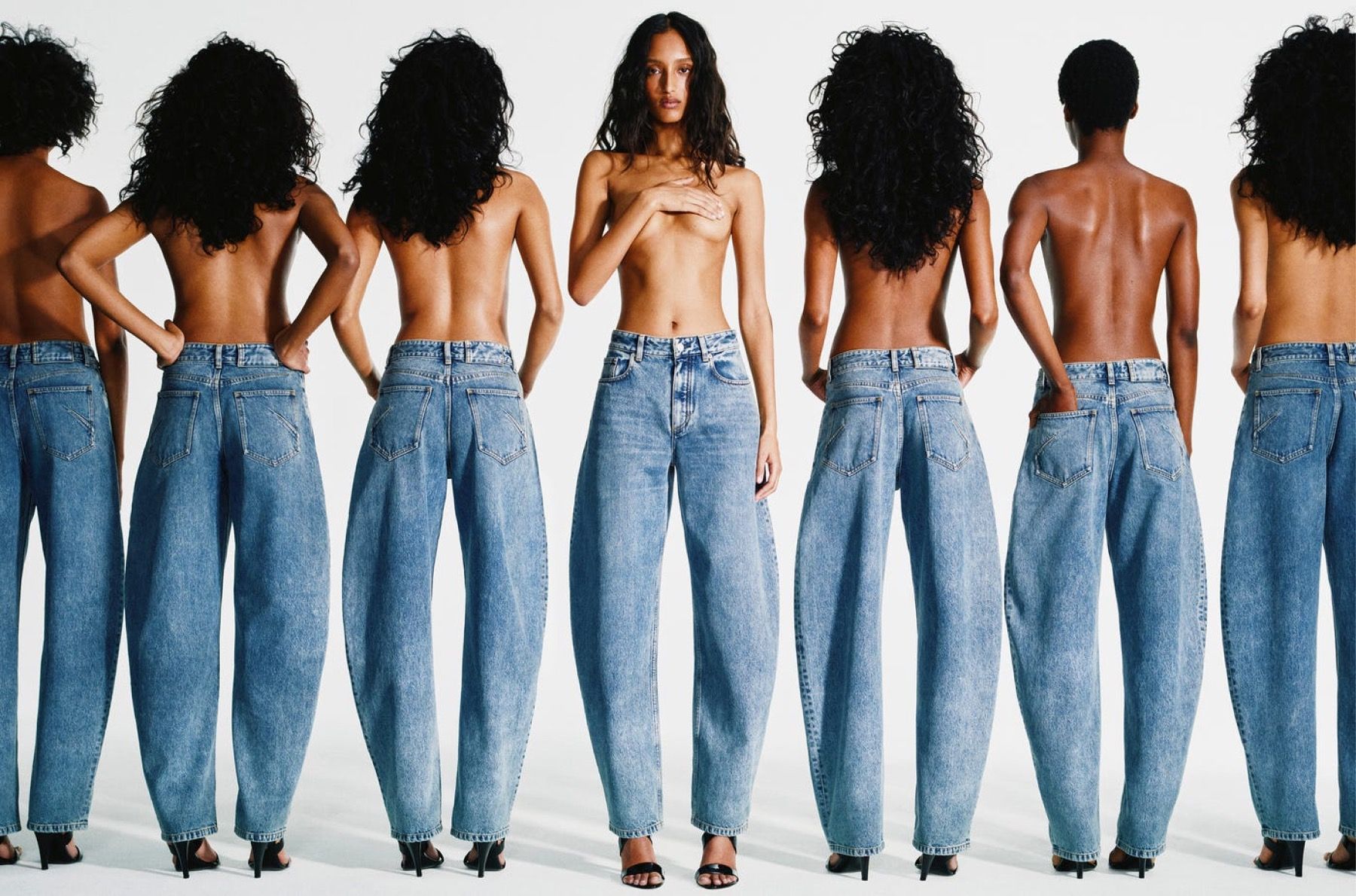
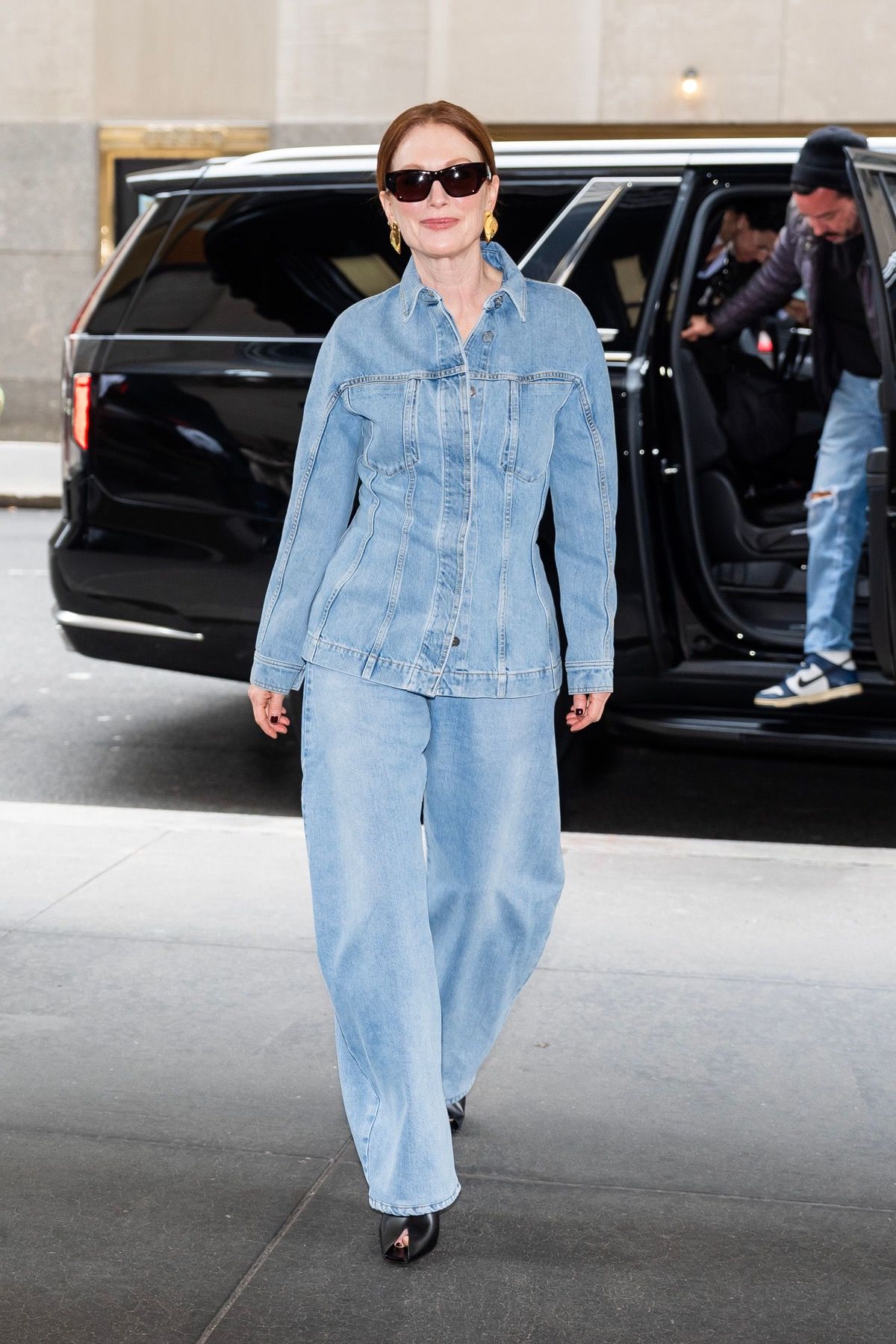
Before becoming a fashion icon, balloon pants were above all a functional garment. Their origins lie in various cultures of South Asia and the Middle East, where volume was not an aesthetic excess but a practical solution to climatic conditions and the need for freedom of movement. Among their ancestors we find the Indian salwar and the Persian sirwal: wide trousers, often made of cotton or silk, featuring an adjustable waist and a construction that left space between fabric and body.
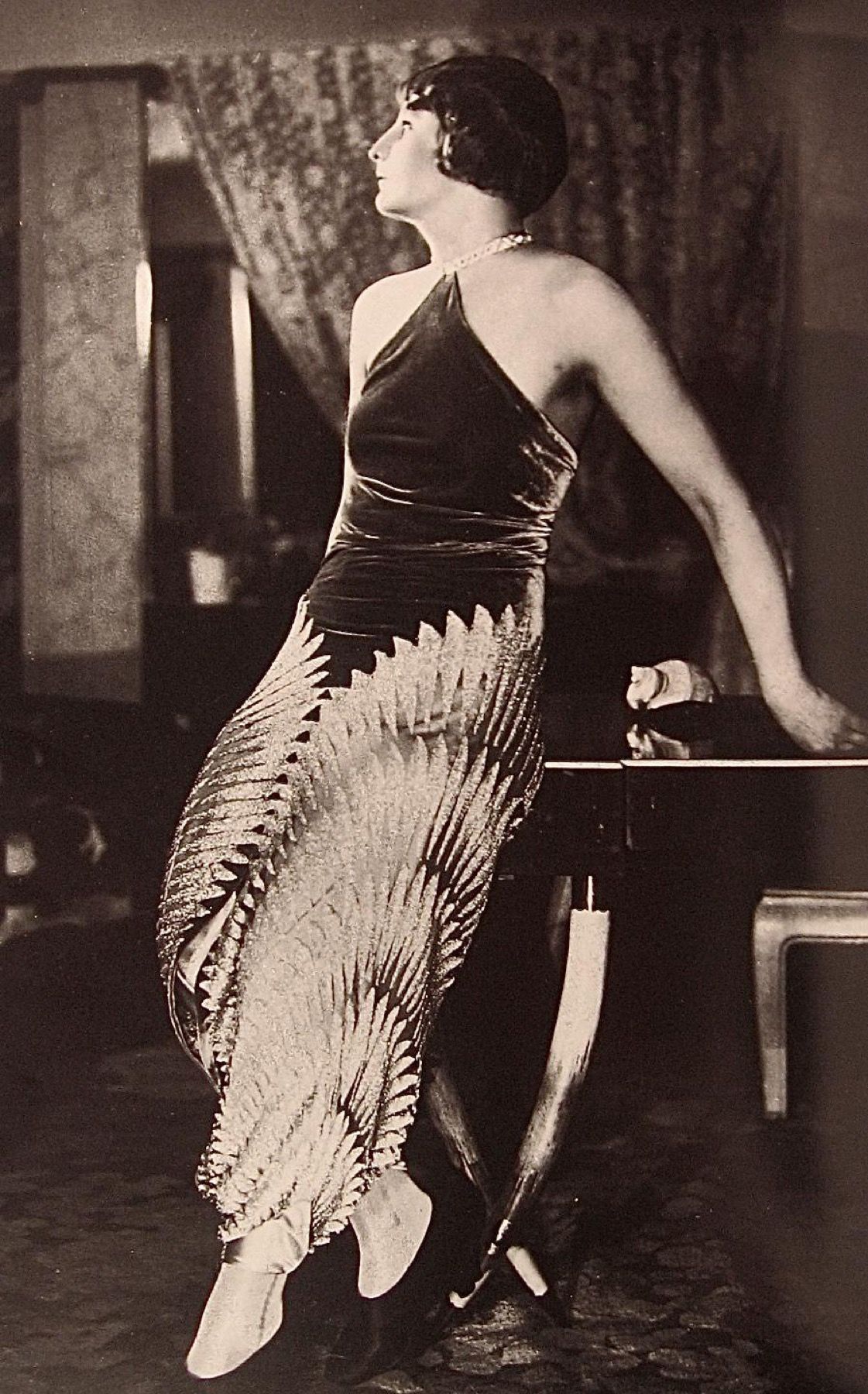
Unlike the Western tailoring tradition, historically more oriented toward silhouettes that defined the figure, these trousers proposed a different relationship with the body: they didn't constrain it, but allowed it to move. The transition into Western fashion came in the early twentieth century through Paul Poiret, the French couturier who was among the first to challenge the rigidity of European women's clothing. Influenced by the Ballets Russes and the Oriental imagery of Scheherazade, Poiret introduced wide, flowing trousers into Parisian fashion, anticipating a new conception of the female body.
The voluminous silhouette thus became a declaration of modernity, because the body no longer needed to be shaped through constraint, but celebrated through movement.
Balloon pants take center stage in SS26
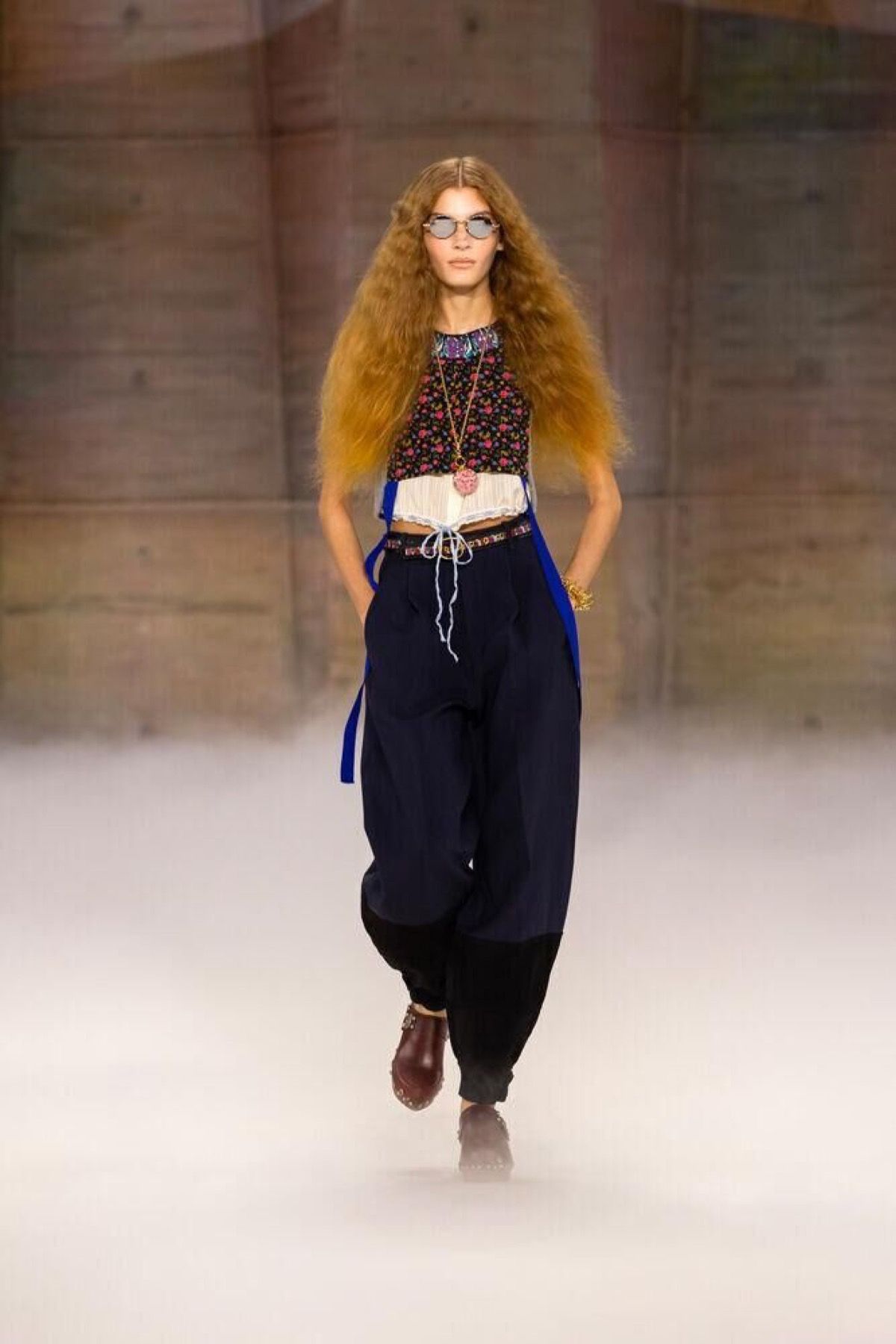
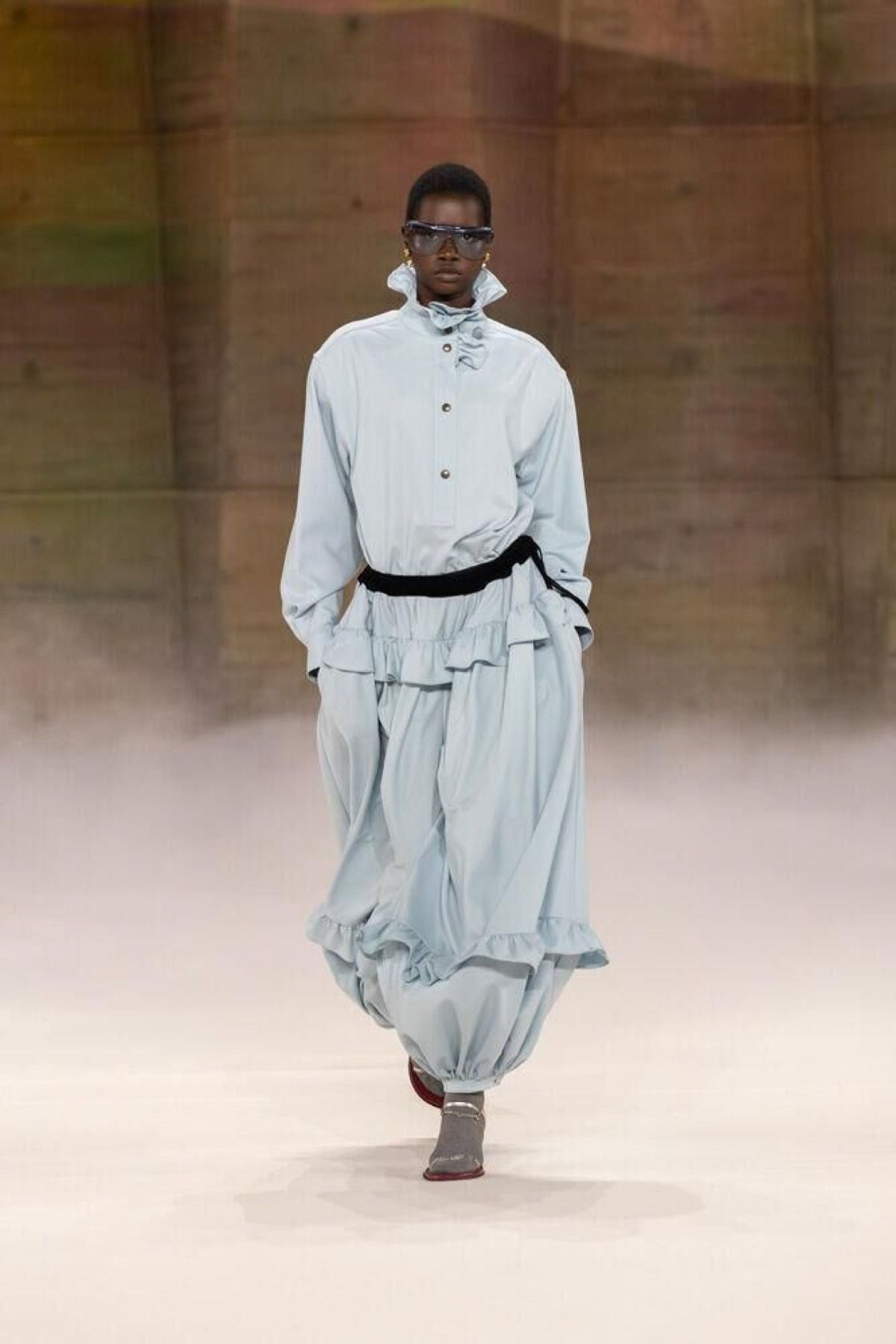
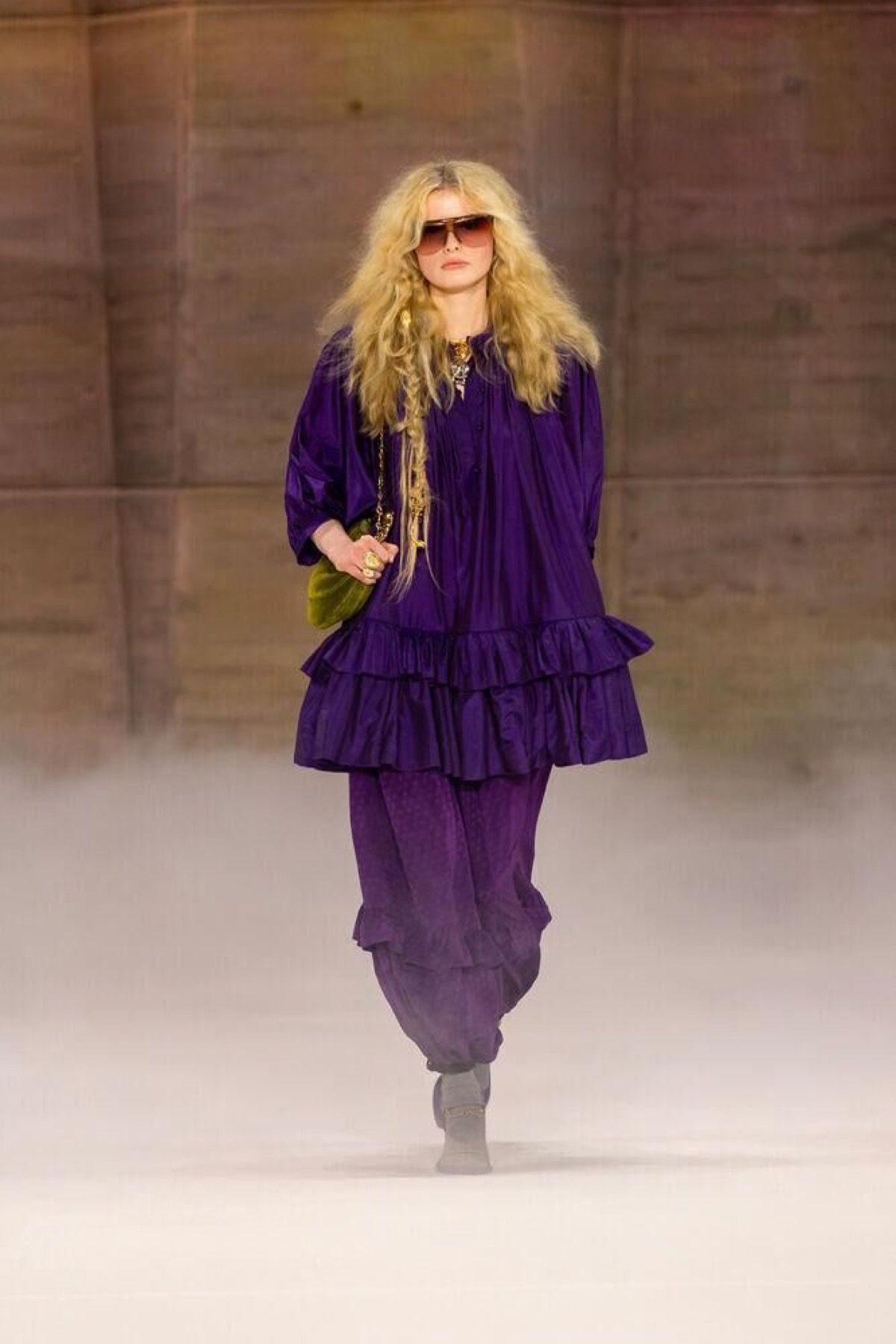
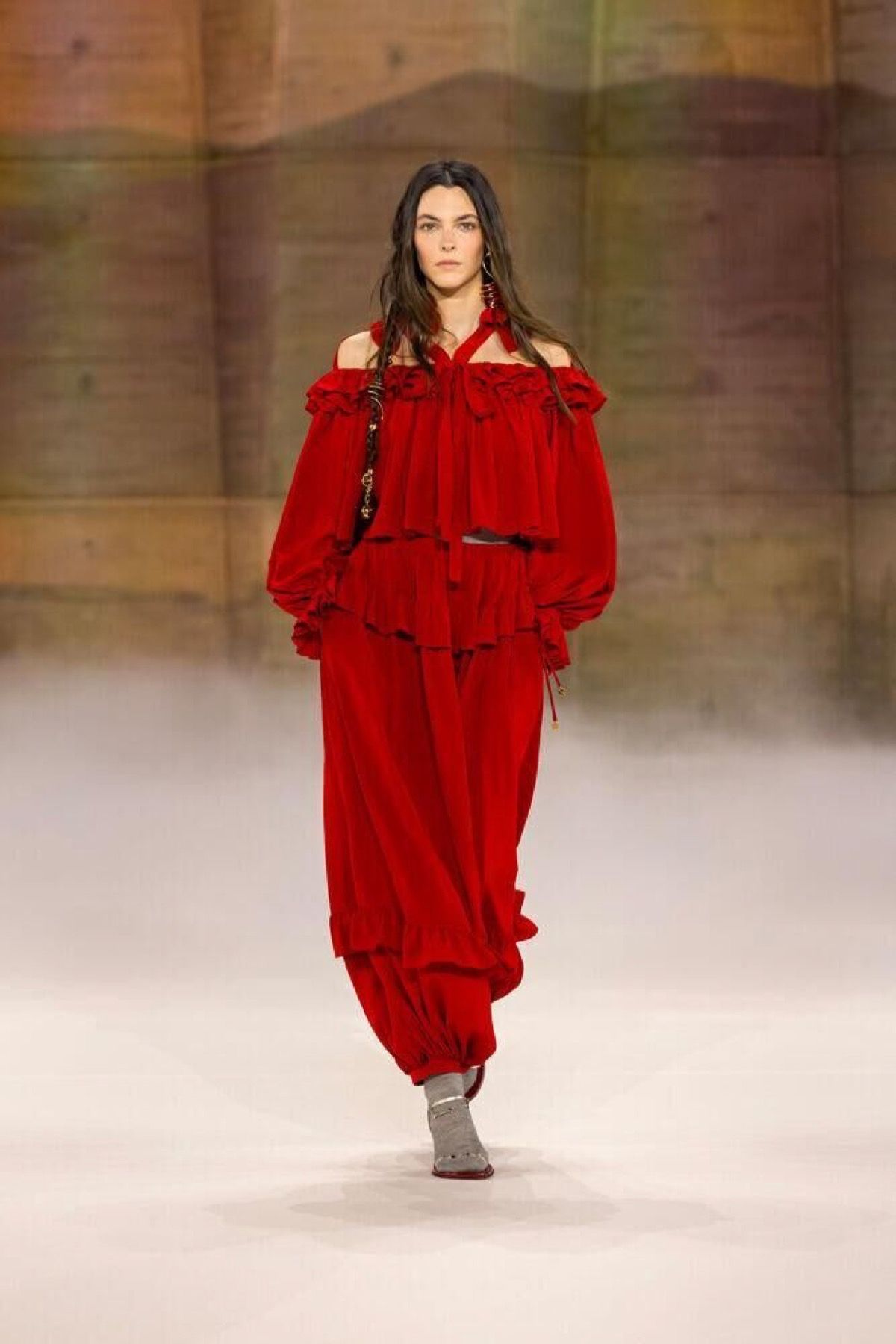
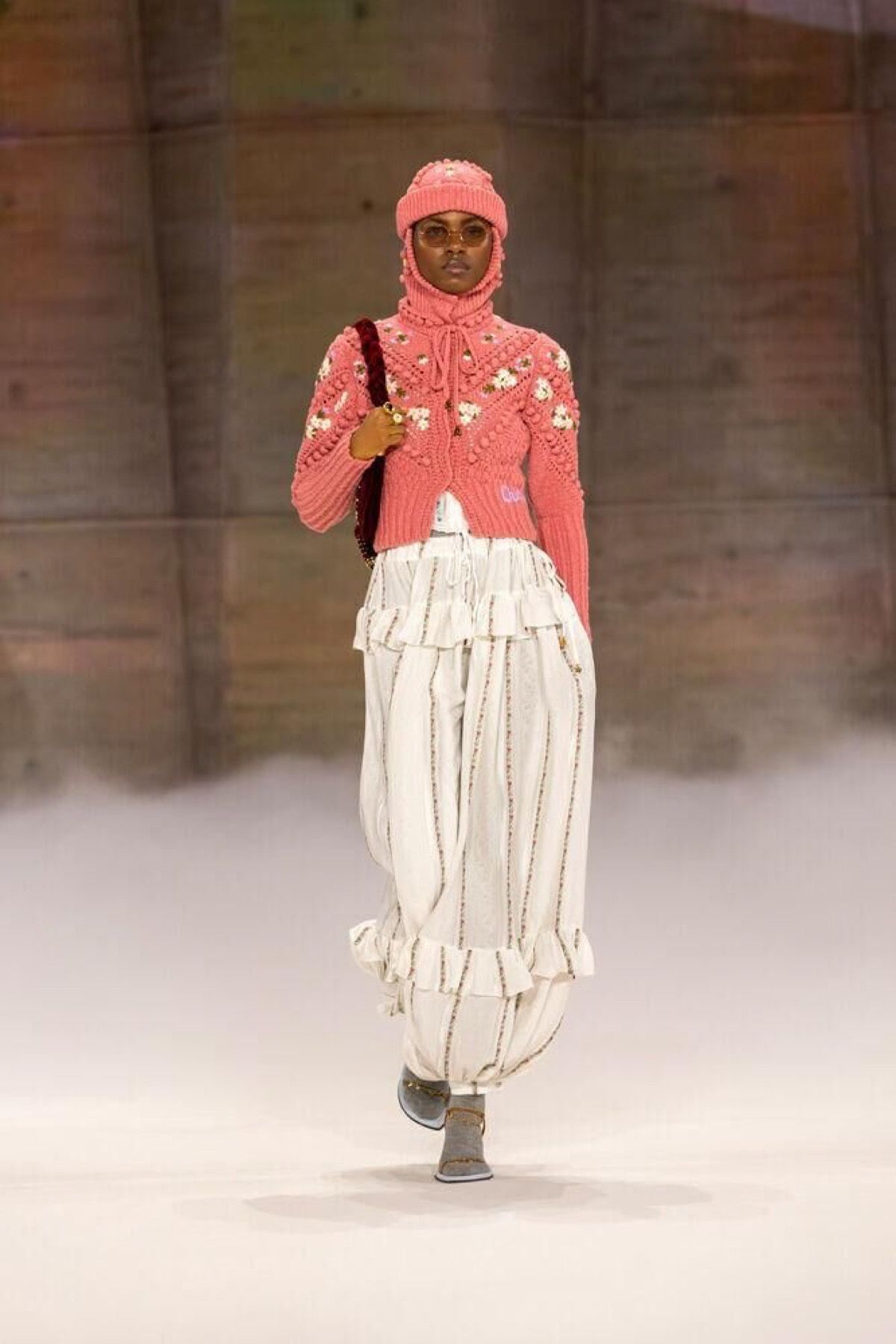
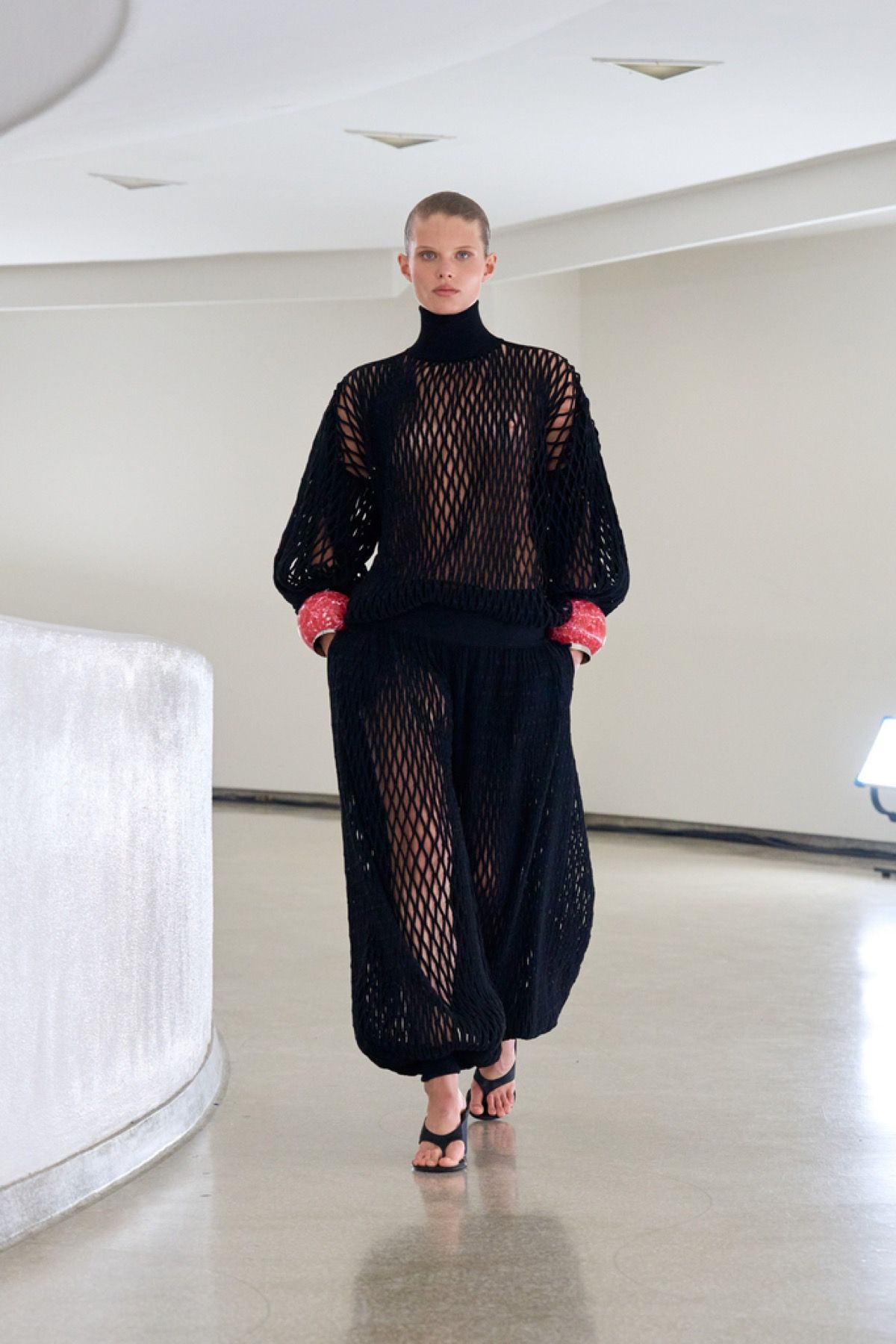
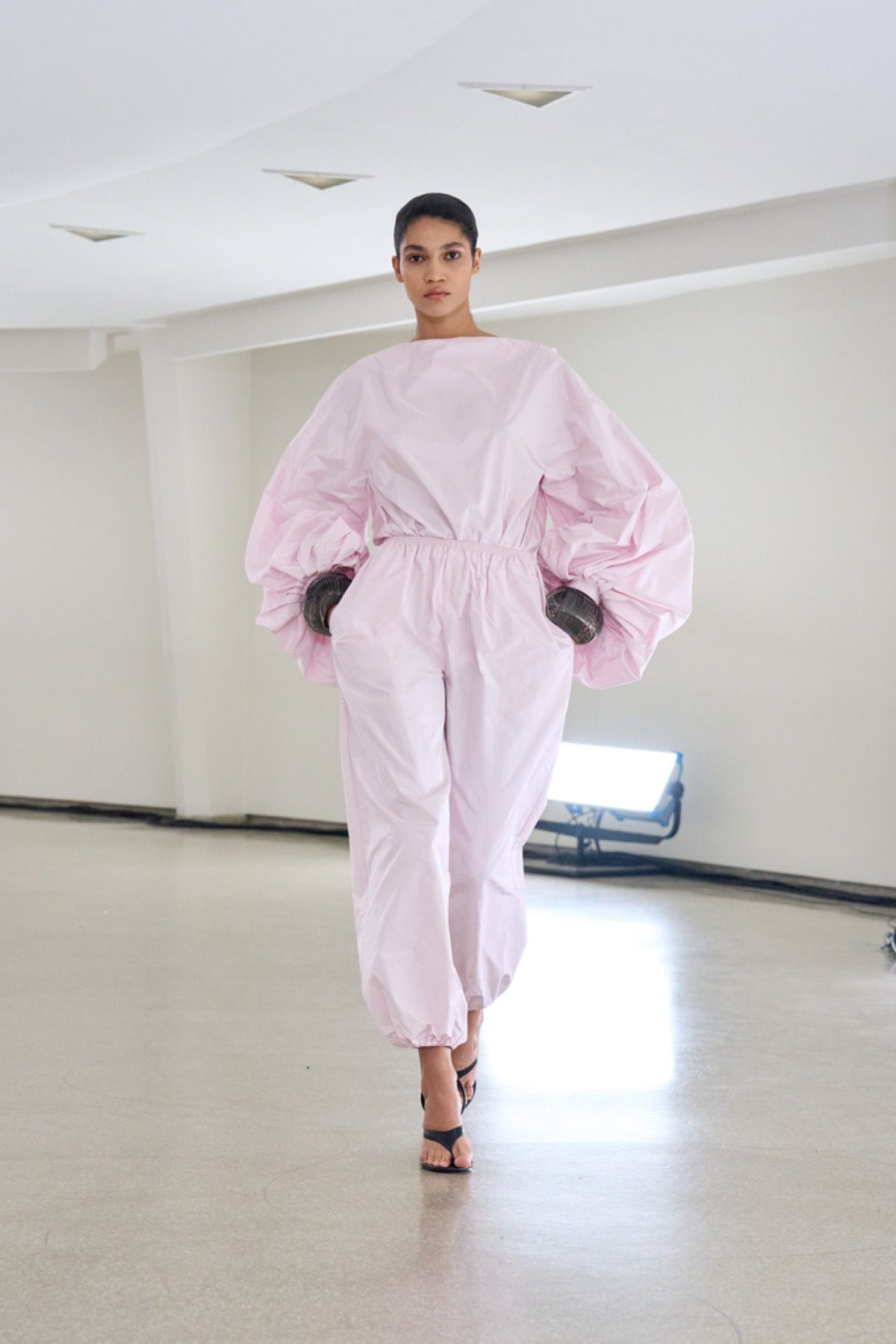
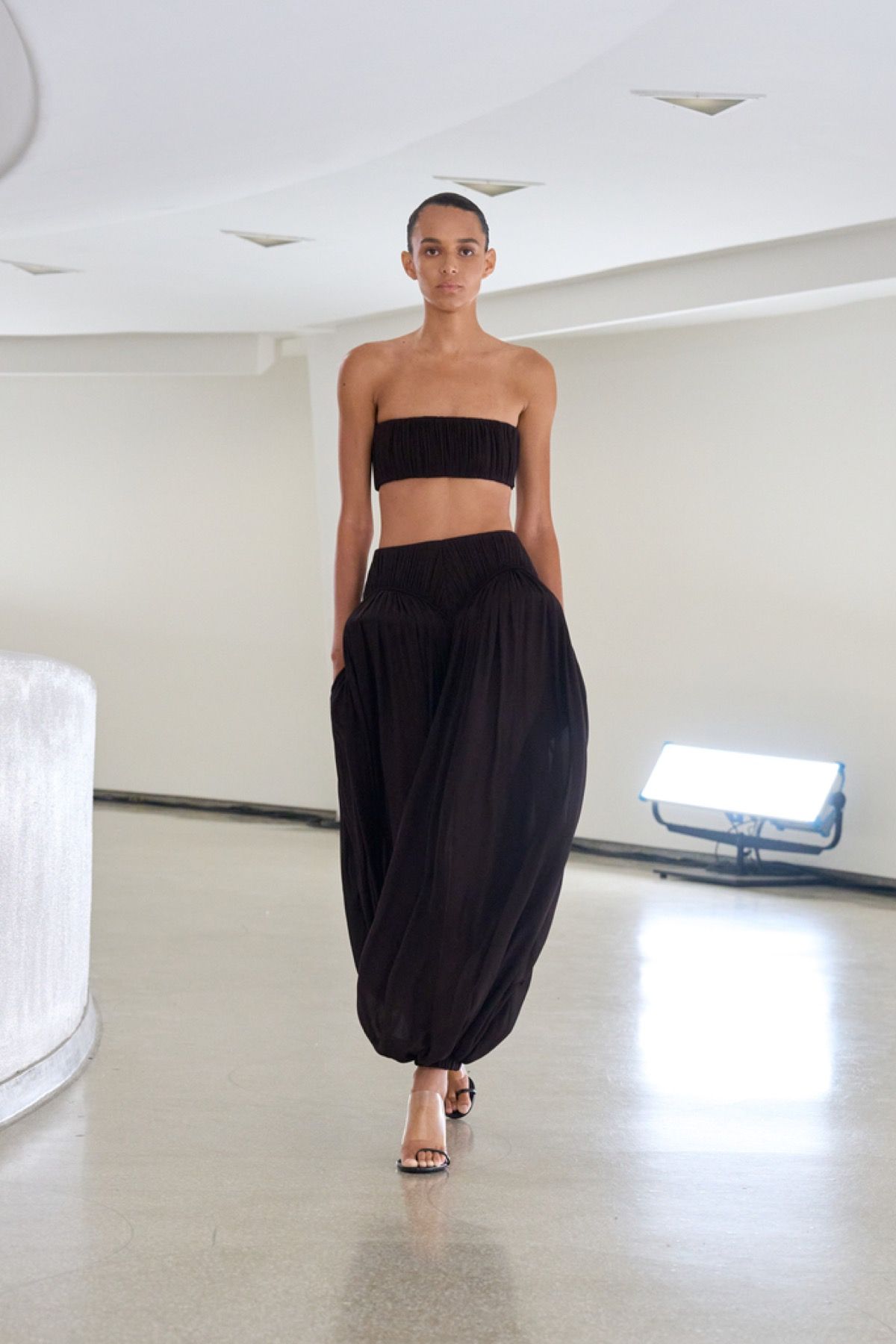
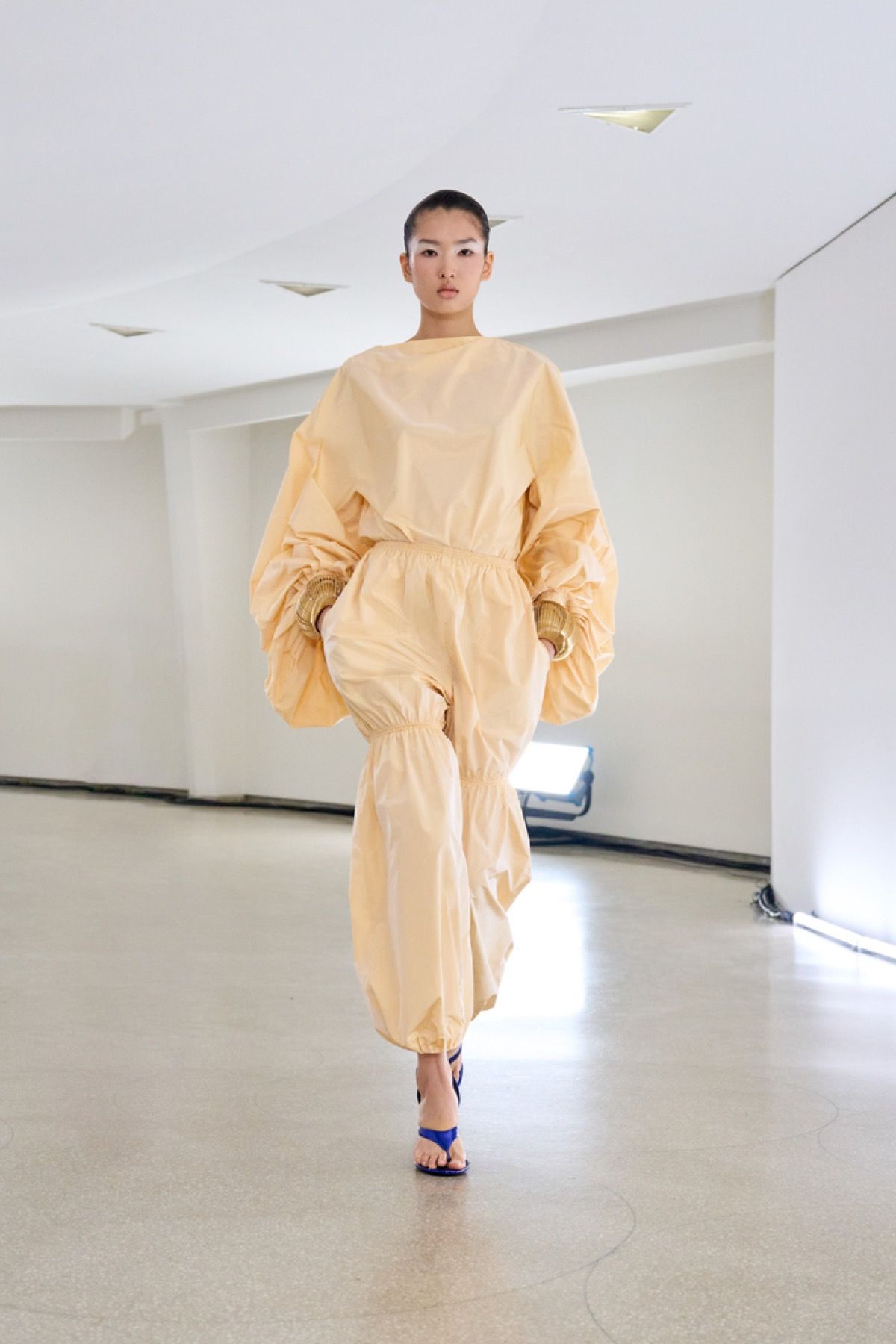
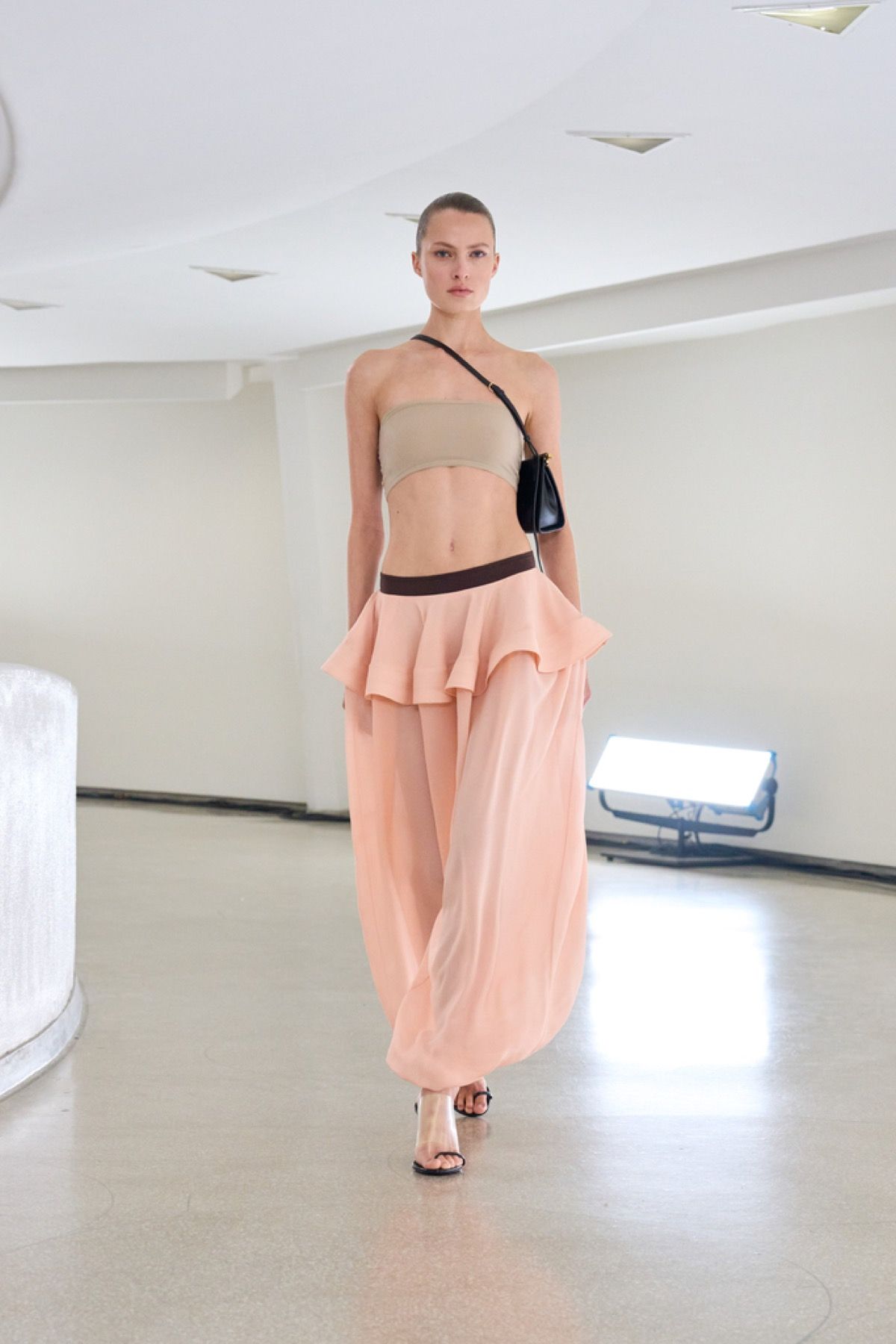
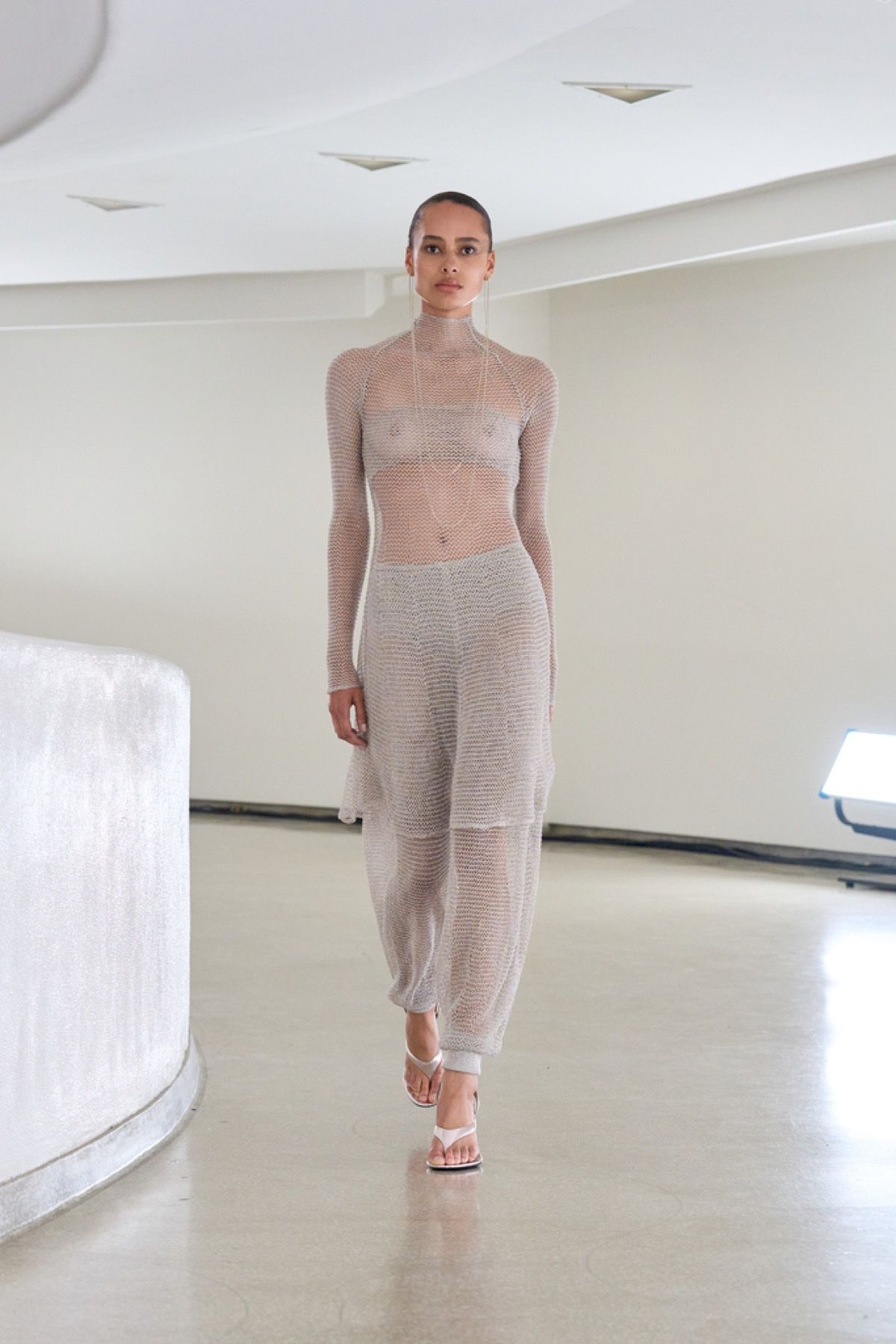
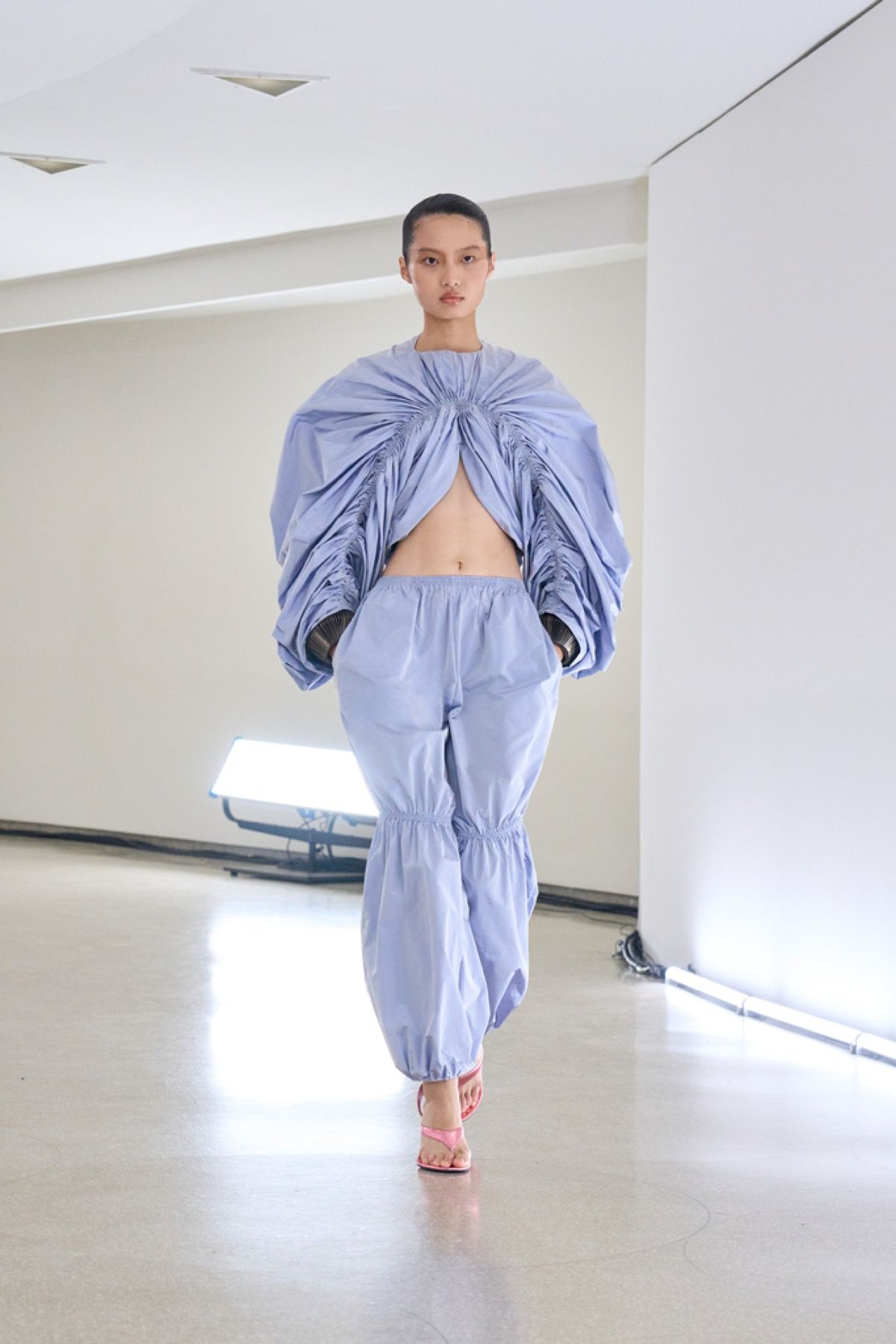
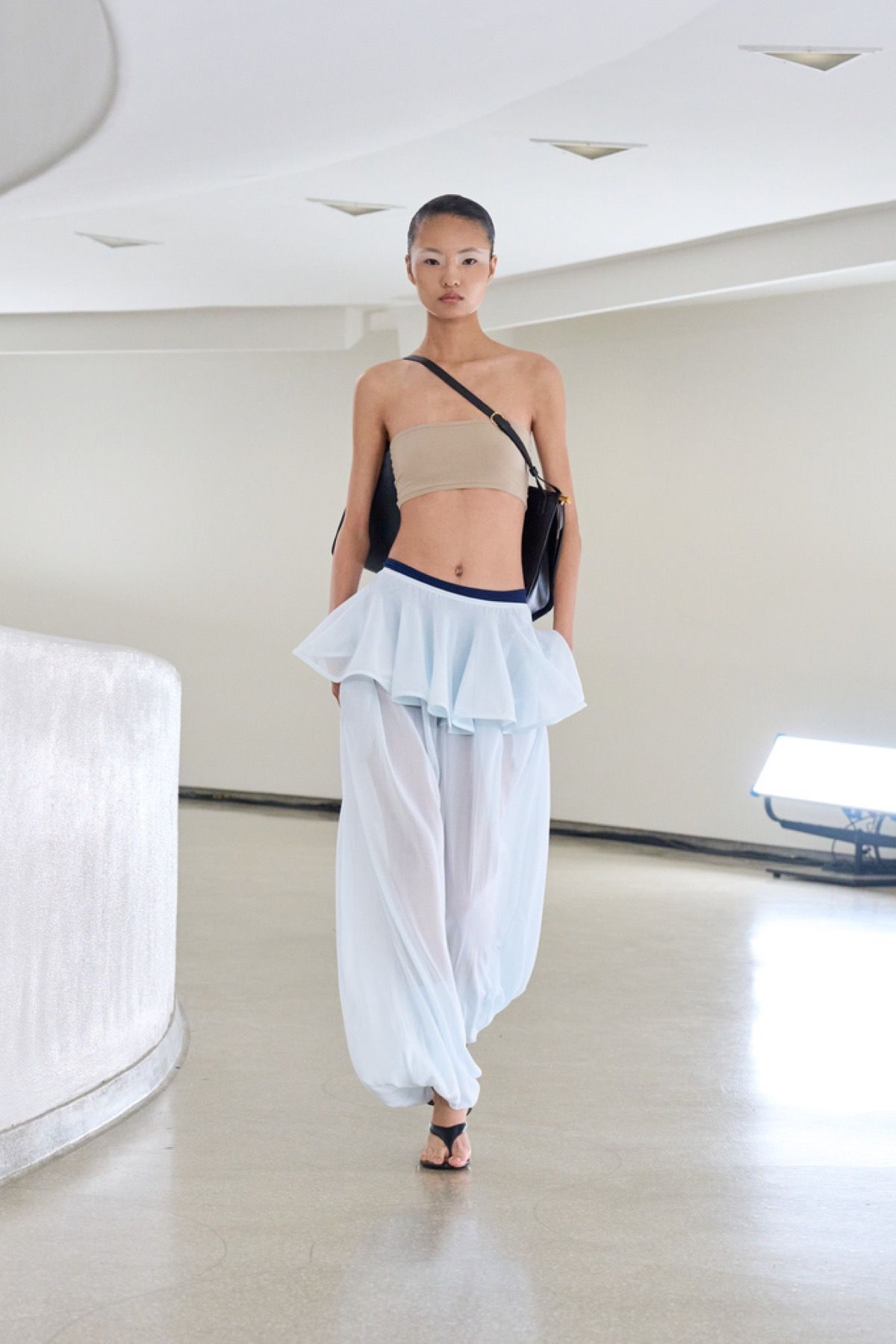
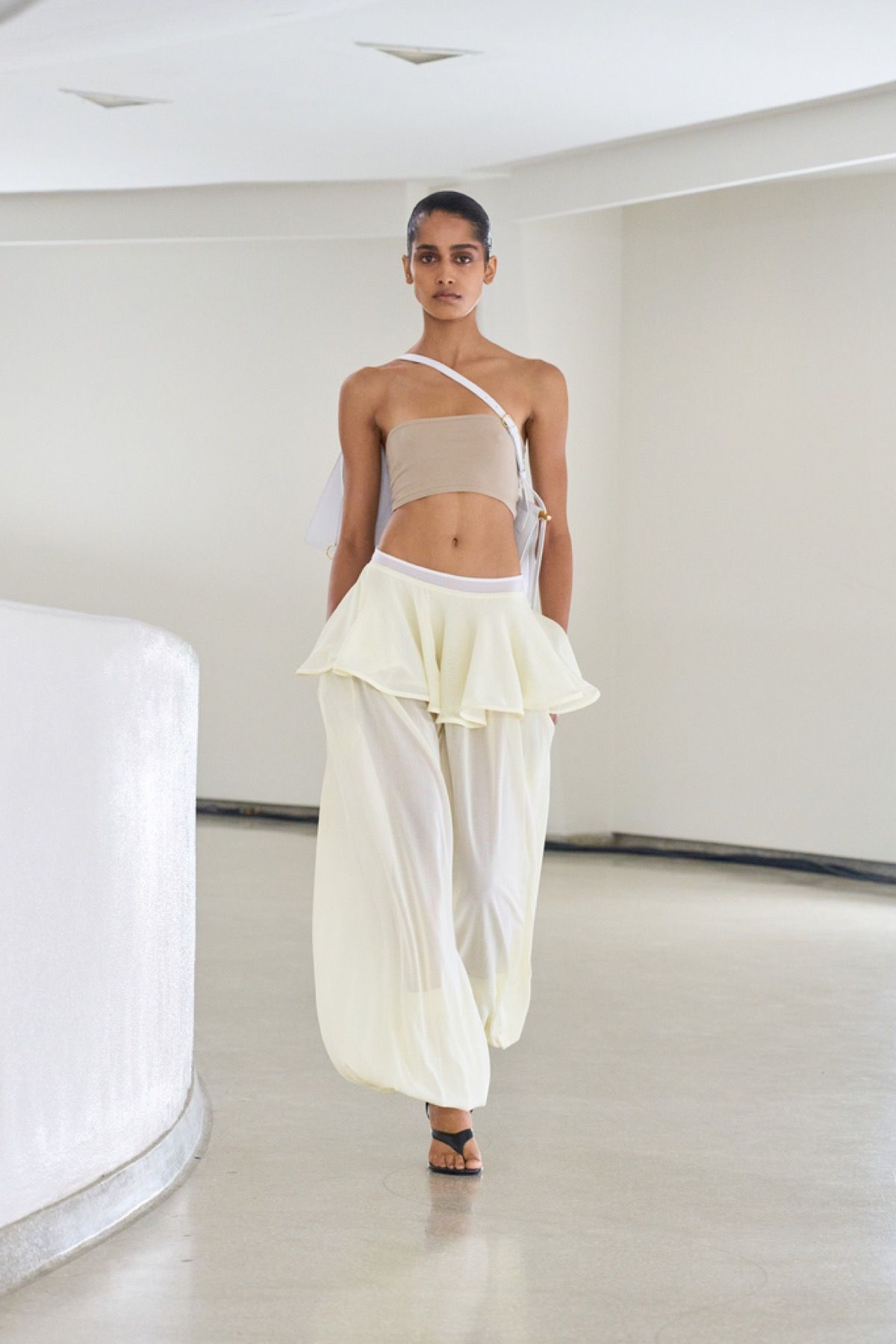
It was above all the SS26 collections that transformed balloon pants into one of the season's most compelling silhouettes. The maisons didn't simply revive them as a harem pants revival, but reinterpreted them through different aesthetic languages — romantic and sartorial. After seasons dominated by quiet luxury and more conservative proportions (in the Western sense of the term), trousers have once again become a central element in the construction of a look.
Among the maisons that have contributed most to the return of balloon pants is Chloé, which for SS26 offered a boho reinterpretation of the trend through a contemporary lens. The voluminous trousers are rendered in light, fluid fabrics — such as silk and materials with an almost weightless quality — creating a natural movement around the body. The volume emerges from the fabric itself, following a philosophy close to the maison's spirit, in which romanticism, freedom, and Seventies nostalgia coexist with a modern sensibility.
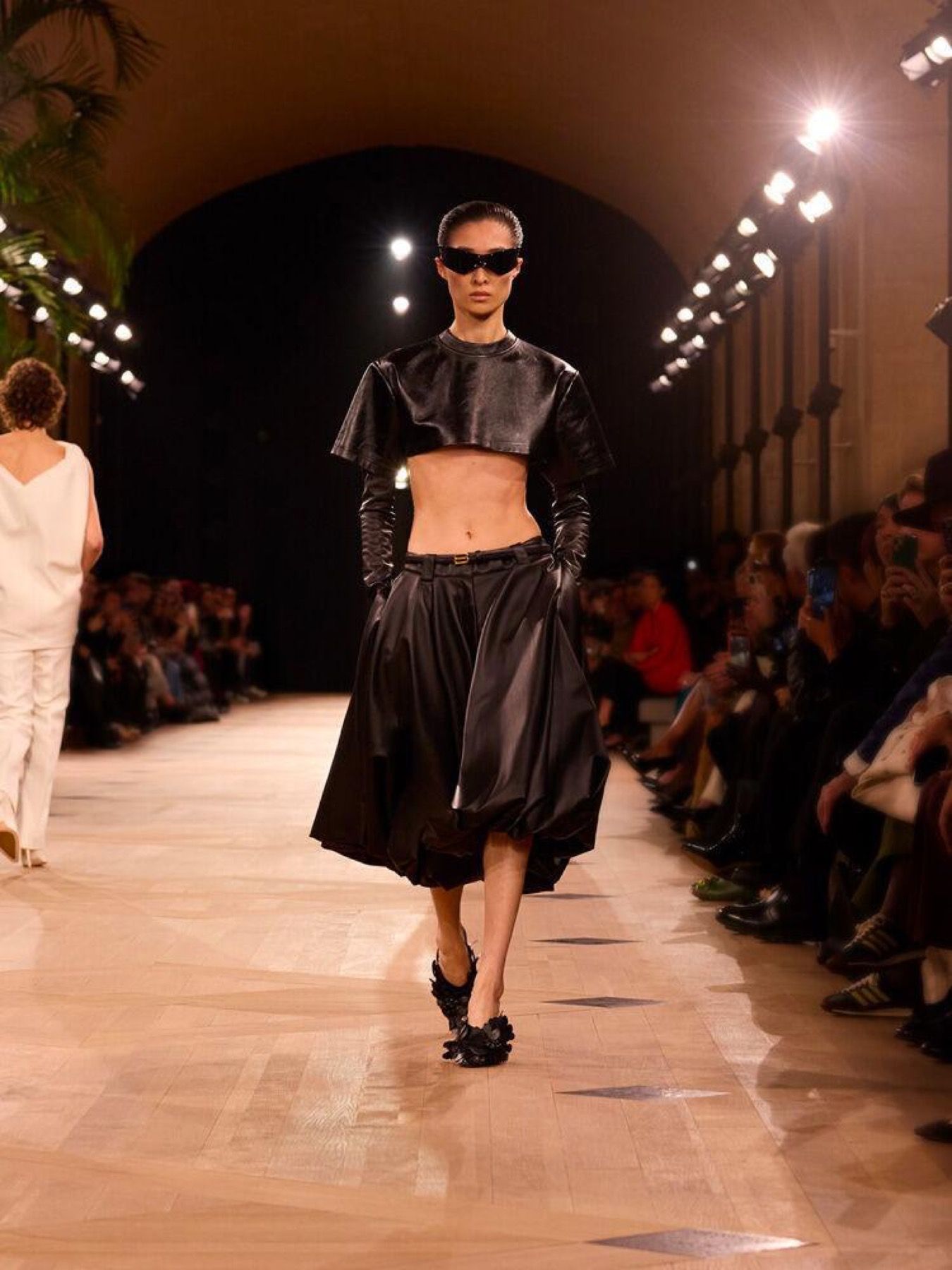
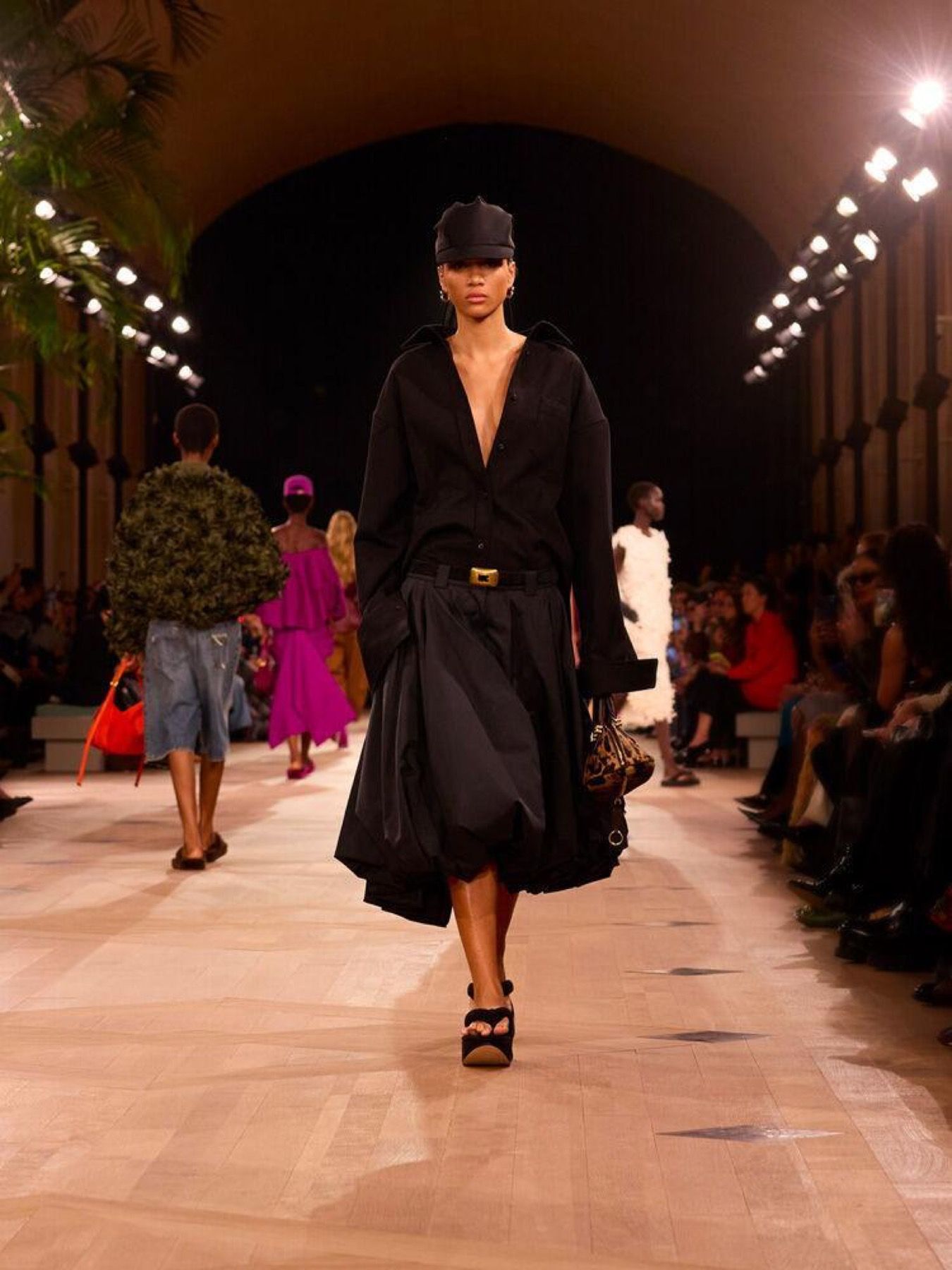
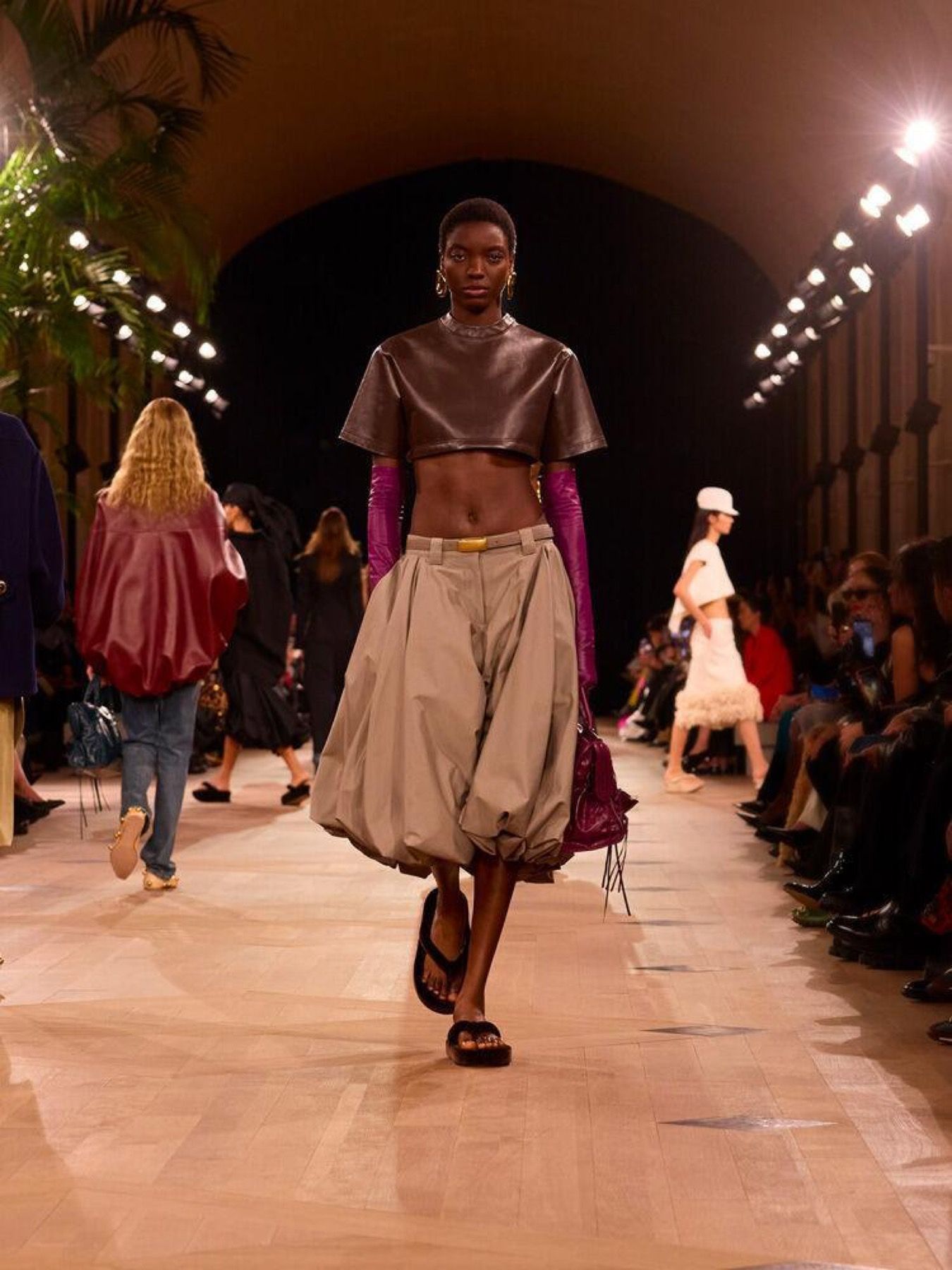
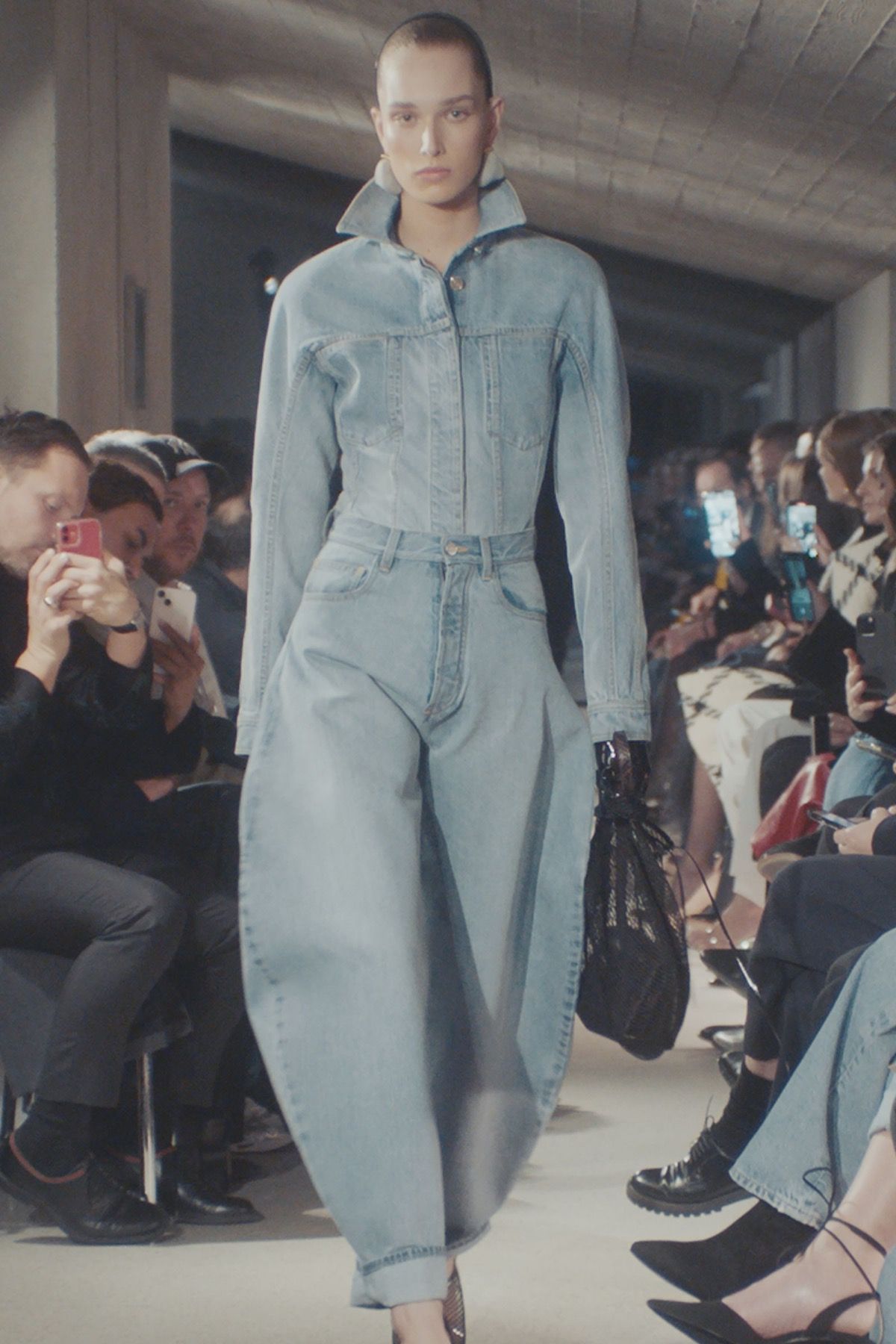
Where Chloé interprets the balloon pant through lightness, for SS26 Alaïa transformed it into an exercise in construction. The maison, then led by Pieter Mulier, had spent recent years in constant pursuit of the relationship between body and form, working on silhouettes capable of altering the perception of the figure. Balloon pants therefore represent a natural continuation of this research, with volume that, rather than concealing the body, redraws it through new proportions.
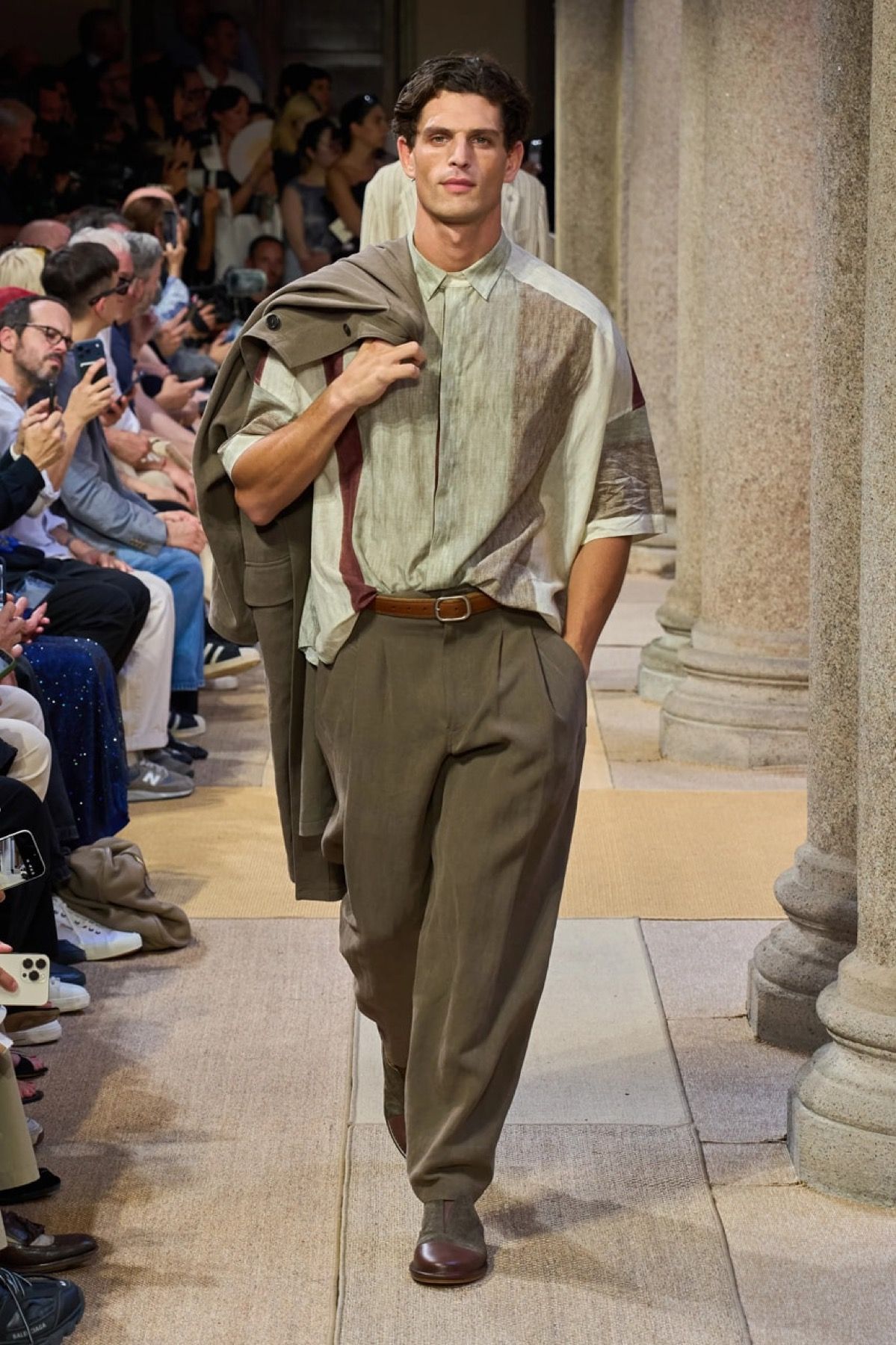
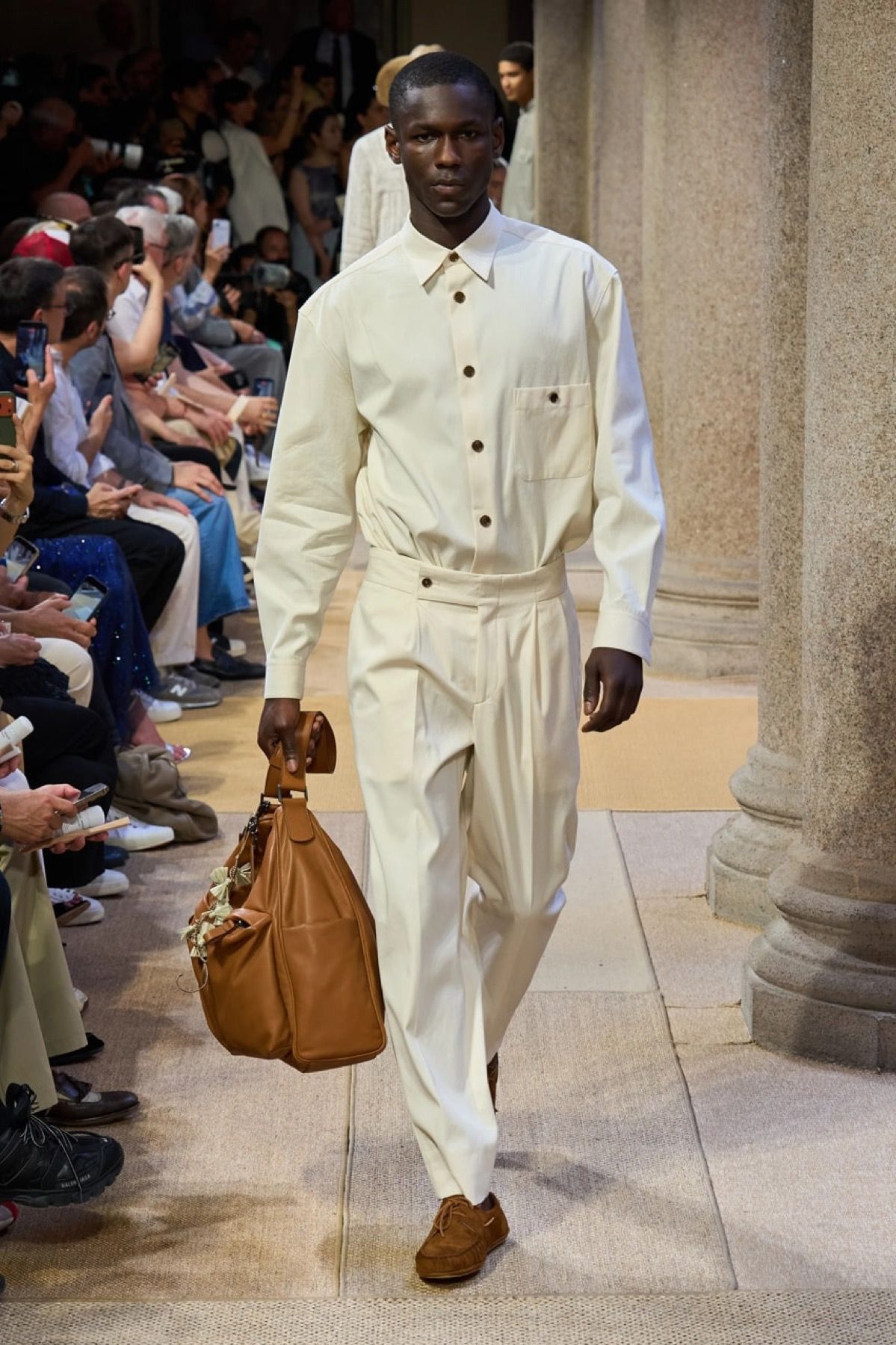
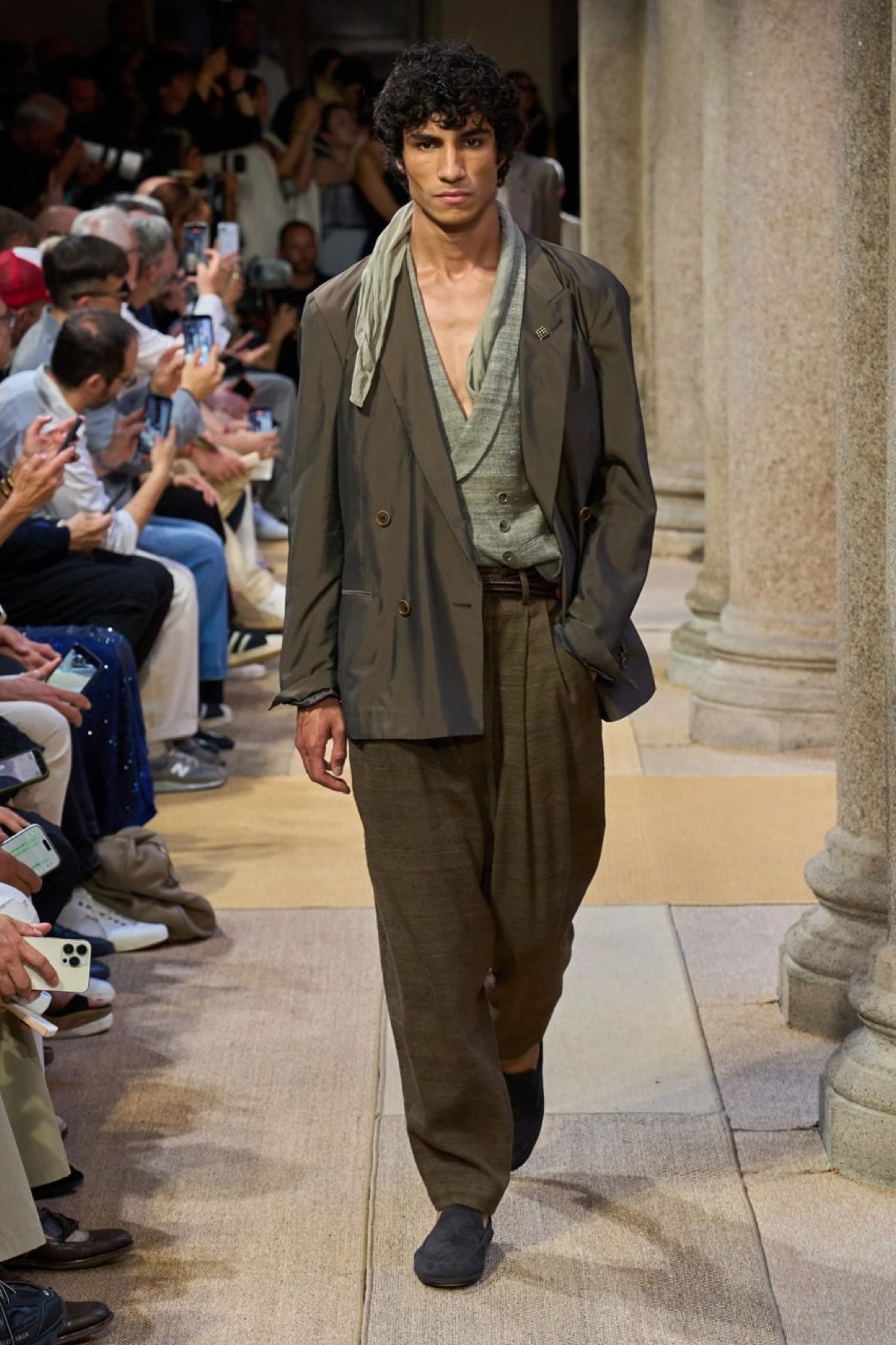
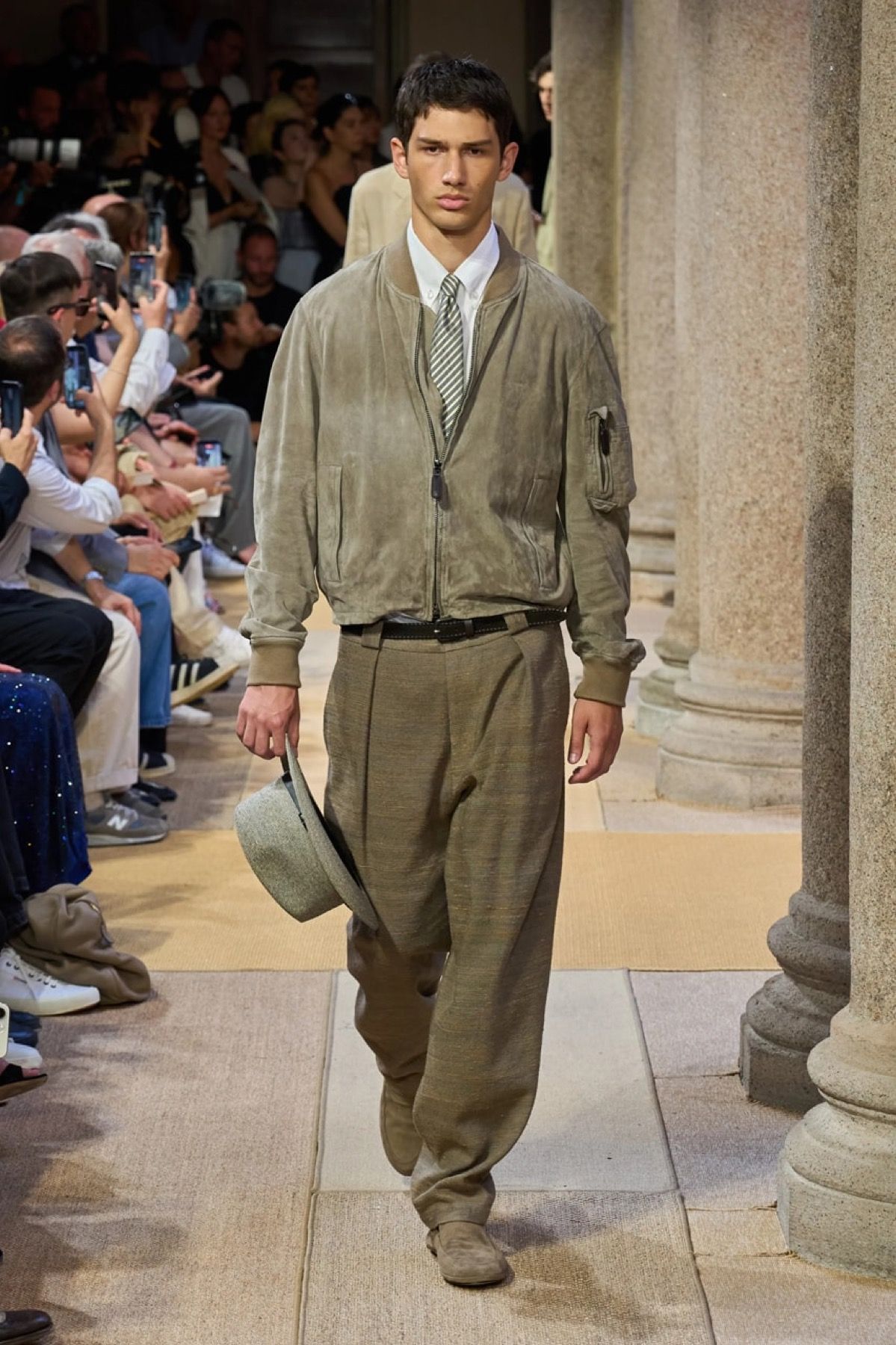
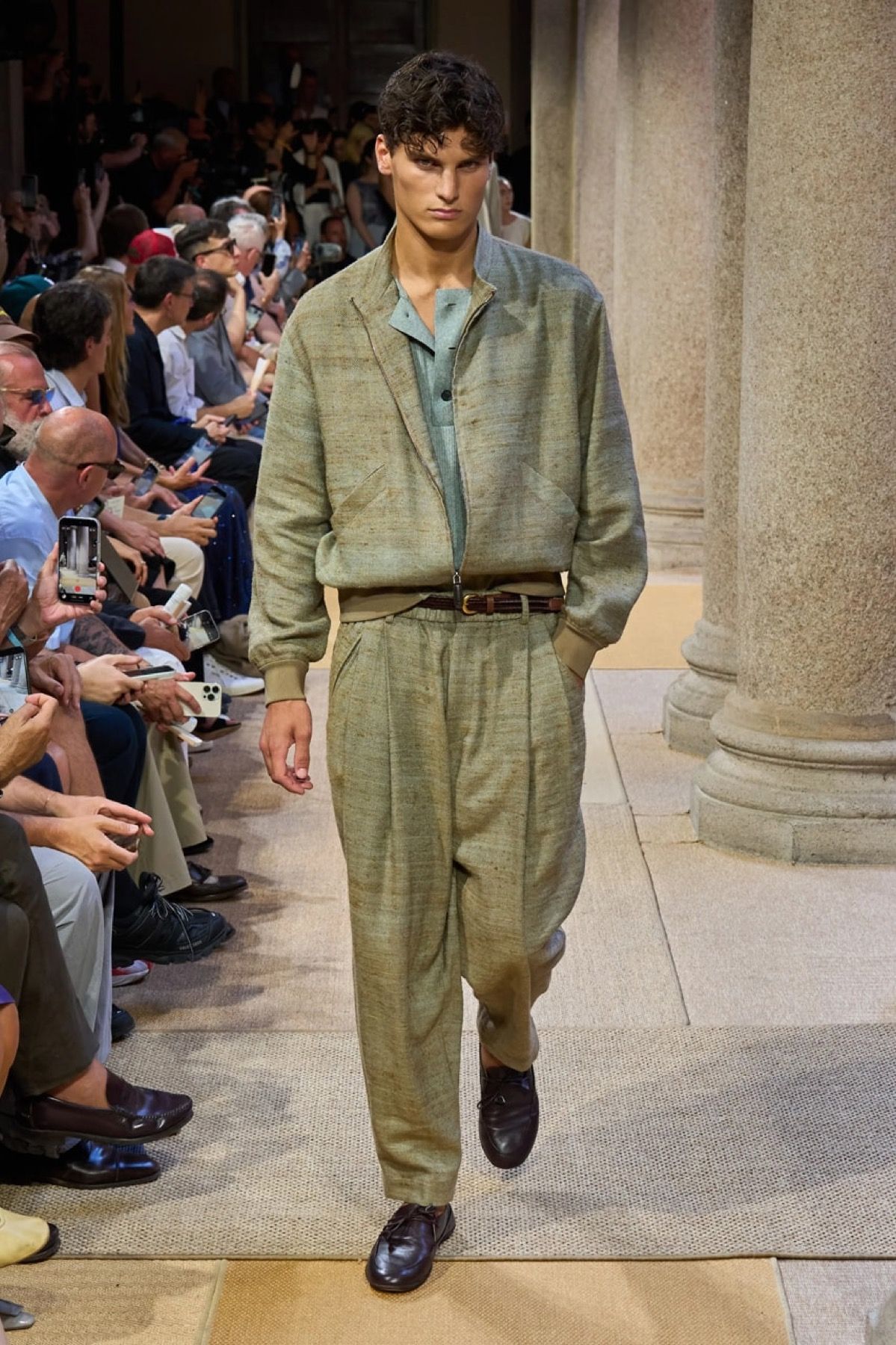
Giorgio Armani, too, embraced the silhouette for SS27 through wide trousers with pleats and a tapered hem, close to the balloon aesthetic. Made in linen, cotton, and shantung, they interpret volume with the lightness and sartorial elegance that have always defined the maison.