


































The audience is fed up with series and films about the rich A saturated market, on and off screen
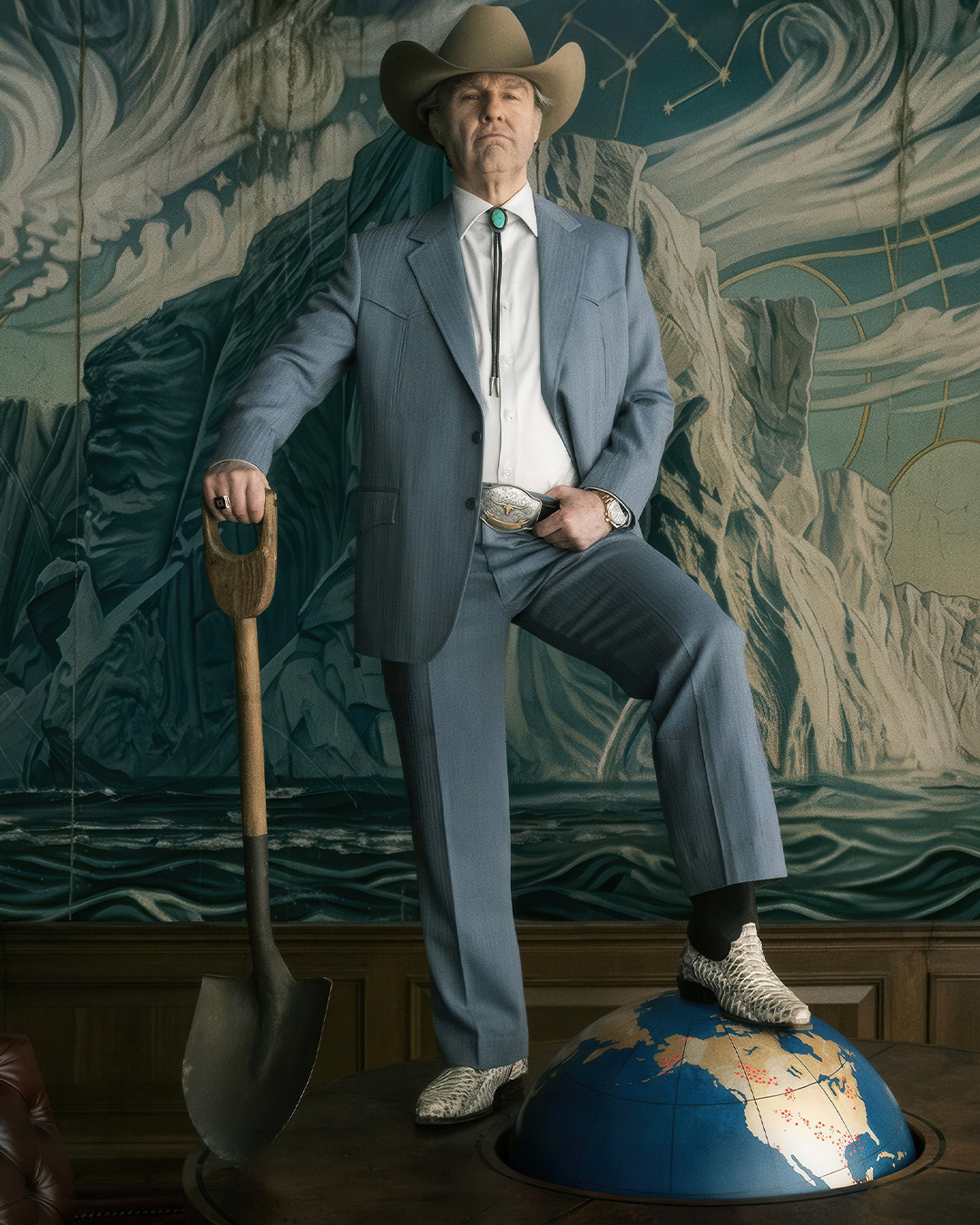
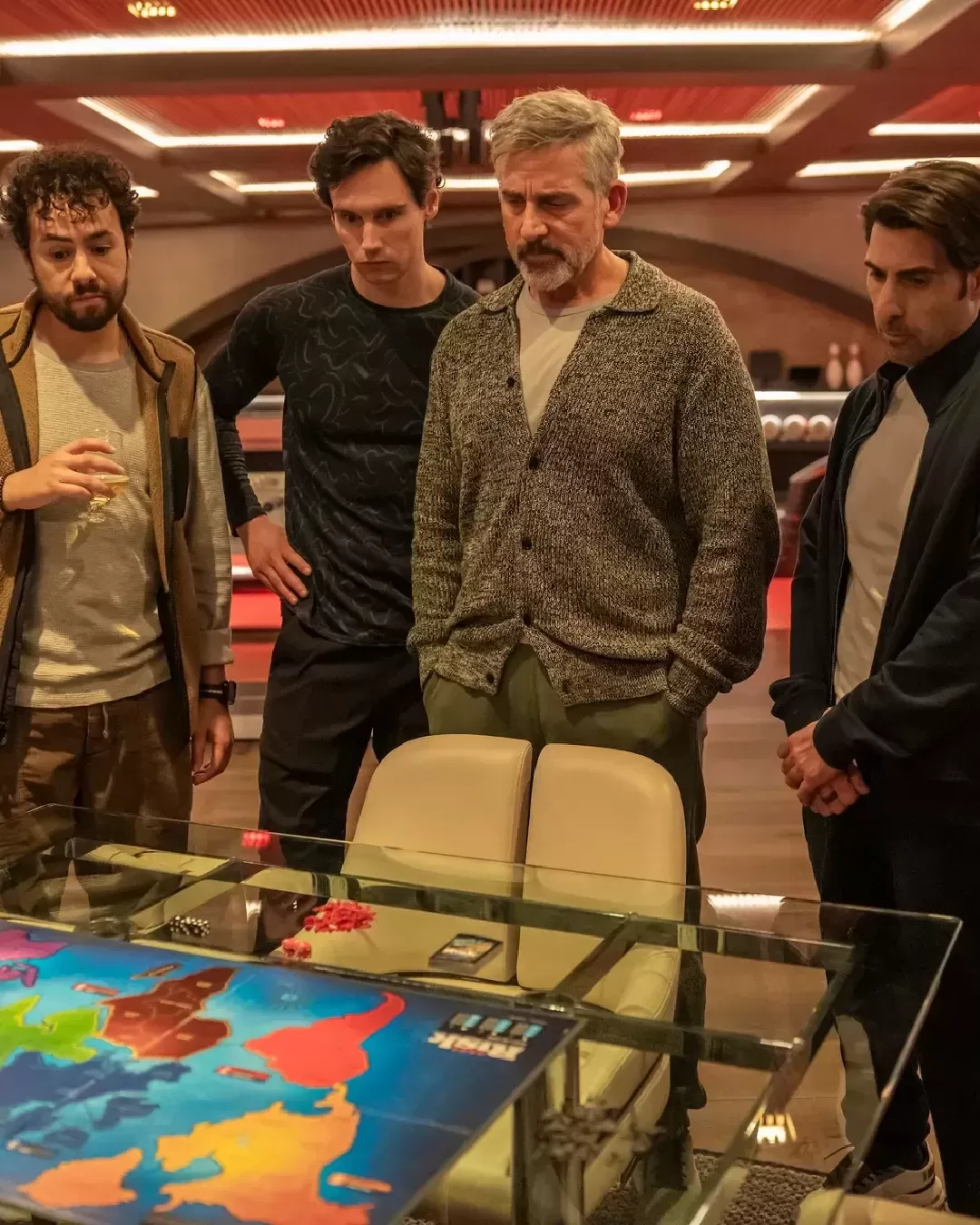
We’re tired of movies and TV series about the rich. With the end of Succession, which reached its fourth and final season in 2023, a cycle seems to have closed, one that will undoubtedly make a comeback in a few years, but for now feels particularly indigestible. Paradoxically, a work by the creator of the cult show proved this. Released only on HBO and Max, Mountainhead came out at the end of May - a television film written and directed by Jesse Armstrong that tells the story of four high-tech magnates isolated in a lavish house among the snowy peaks of Utah, observing from their luxurious mansion the world war they’ve set in motion. Among the protagonists (Steve Carell, Jason Schwartzman, Cory Michael Smith, and Ramy Youssef) care owners and inventors of apps capable of making deepfakes more real than real, using artificial intelligence to deceive and overturn the world. While U.S. critics praised the malice and internal conflict within the house, named after the title (a reference to the 1943 novel The Fountainhead, in which Ayn Rand theorizes the supremacy of individualist vision over collectivism), the audience rejected Mountainhead without hesitation.
watching mountainhead (2025)
— (@skinxbones_) June 17, 2025
it’s not succession, it’s techbros misreading kant and hegel. dime a dozen. too much satirical pandering with no criticism at all. pic.twitter.com/1TKNOR4JEY
The verdict on Mountainhead on Rotten Tomatoes is harsh: while 74% of critics found it "fresh," audiences responded with a merciless 27%. Surely, the film lacks the Shakespearian edge and tragedy of the earlier Succession, and it can’t be said that Armstrong has outdone himself post–magnum opus. Still, it remains a work consistent with his tone, prompting a cruel and immediate reflection we must all confront when it comes to fake news and modern communication. A questioning of the truth in a digital world increasingly shaped by videos and footage that seem authentic - even triggering wars - yet it did not resonate with an audience that perhaps, in watching the collapse not only of the world but of the protagonists’ own circle, could only rejoice in seeing them fall together.
A pleasure that isn’t sadistic, doesn’t delight in others’ suffering, but is increasingly linked to the fracture in the real world, the one outside the screens (whether cinema or our iPhones), that’s growing between the distribution of wealth among the population and its elite of the ultra-rich. People who rent entire cities for their weddings, inviting even wealthier guests, while rents for studio apartments for regular folks have skyrocketed. Perhaps works like Mountainhead don’t stick with today’s fabric because the reality we live in is far more performative and entertaining (even in a negative sense) than it was during Succession’s run. The super-rich no longer just invade our series, they’ve become our series. The three-day wedding of Jeff Bezos became an event from which, like it or not, no one could escape. From the arrival of guests (including disappointment over environmental activist Leonardo DiCaprio’s absence), to the wait for Lauren Sánchez’s wedding dress, to the protests and civic rebellion against the event, like Greenpeace Italy’s massive banners in Piazza San Marco reading «If you can rent Venice for your wedding, you can pay more taxes», or «No Space for Bezos» projected onto the bell tower downtown.
first video of katy perry floating in space pic.twitter.com/zqytfDvS99
— 2000s (@PopCulture2000s) April 14, 2025
We’re already watching the daily broadcast of a series about billionaires and their everyday madness, their social media feuds, their space travels in the name of feminism to the tune of What a Wonderful World (as Katy Perry chirped during the Blue Origin flight), with dramatic plot twists worthy of future film adaptations - see the Titanic submersible tragedy, where the rich died at sea while trying to see the remains of other dead rich people. Often, we even live through this absurdity, without ever giving our consent. A trend that, after the Amazon magnate’s wedding, only echoes louder the old Rousseauian slogan «Eat the Rich», on the heels of a 2024 that ended with Luigi Mangione shooting UnitedHealthcare CEO Brian Thompson in the head, and opens the door to a sequel still unfolding in the coming years, hopefully better than the one marked by Donald Trump’s return to the White House.
ho appena finito we were liars/l’estate dei segreti perduti e NON LO GUARDATE.
— selenita DominATE ROME (@harlenaaaa) June 22, 2025
qualsiasi cosa accada non lo guardate.
“classica serie americana sugli amori estivi” NO, non lo guardate.
(è bellissima guardatela ma a vostro rischio e pericolo)
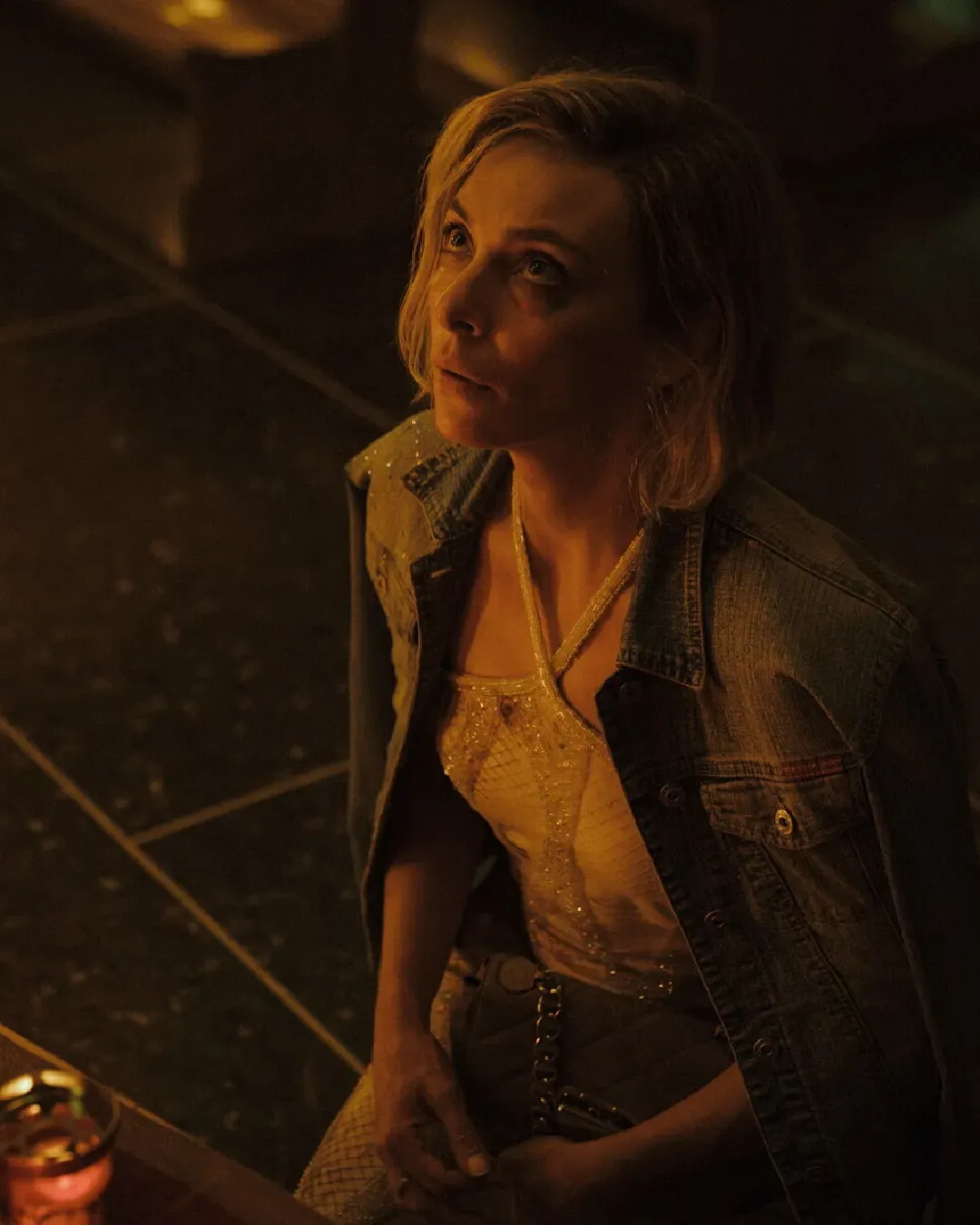
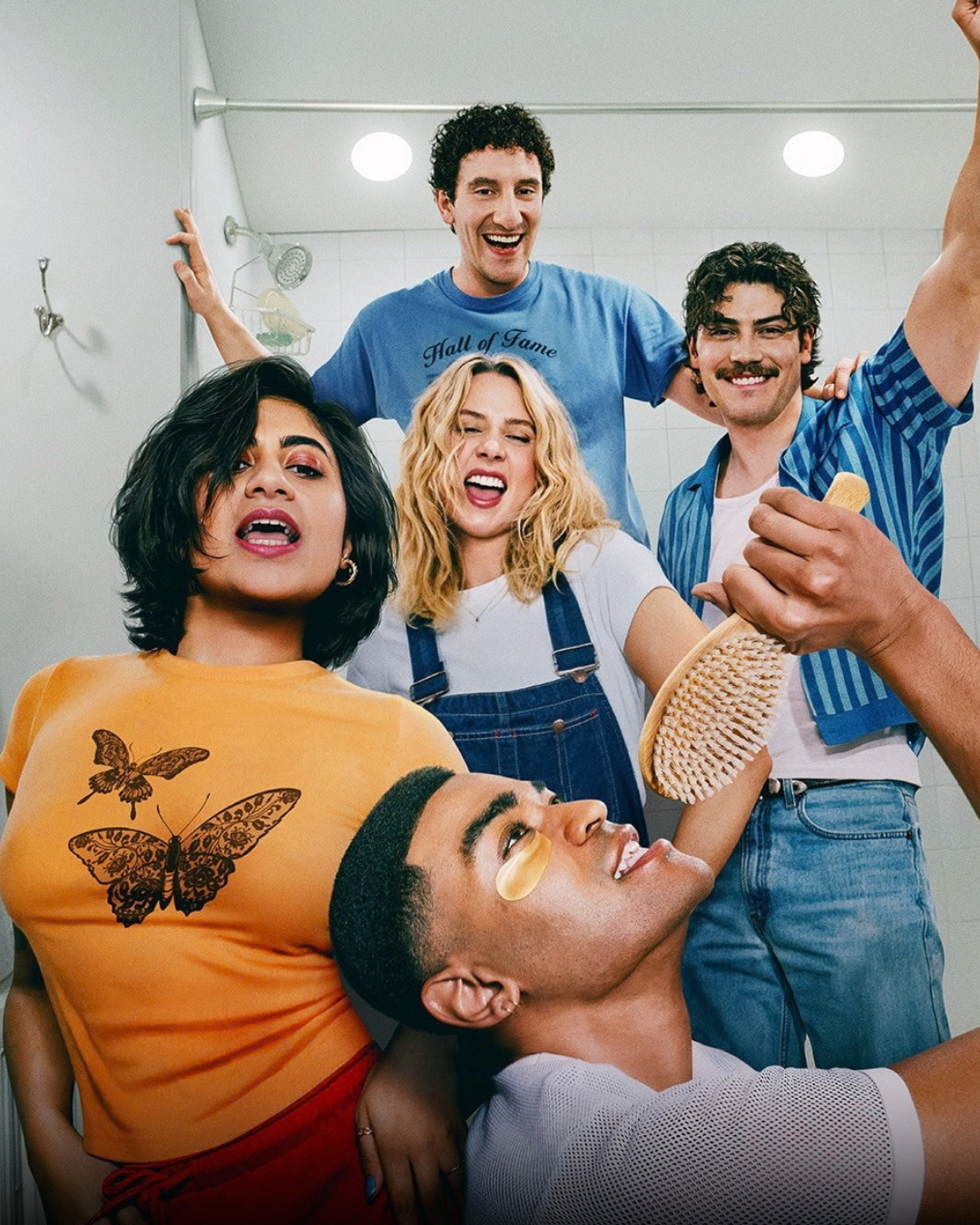
In this climate of exposing the ultra-wealthy establishment, the tycoons and their whims, amid a state of anxiety from impending wars and seemingly endless genocides, the public might be tired of aspiring to certain characters or, on the contrary, even just criticizing them, too disappointed by reality to empathize with their issues. Even a series like Sirens on Netflix - another show about charity dinners, whitewashed villas, and invites that only arrive if your income bracket is high enough - couldn’t satisfy viewers in terms of either comfort or its dismantling of Meghann Fahy’s character. Something another show perhaps managed to do: The Summer of Lost Secrets. Paradoxically, even though it leans heavily on romance to please a teen audience, the series also offers a reflection on class struggle that actually starts at the top. A show where the protagonists are all blonde and filthy rich, spending the hottest season on their private island, with an ending clearly meant to stoke drama. So who knows if the days of resorts like The White Lotus are already over, or if there’s no longer a need for spiritual (and ultra-expensive) retreats like Nine Perfect Strangers, since, in fact, no one talked about its second season on Prime Video with Nicole Kidman. Even so, we're sure we won’t easily shake off the shabby-chic or quietly expensive (but definitely not low-budget) decor of the shows we get, whether about the rich or not, which always leave us wondering how they can afford those homes. At least not immediately, but it’s true that progress happens one step at a time.