
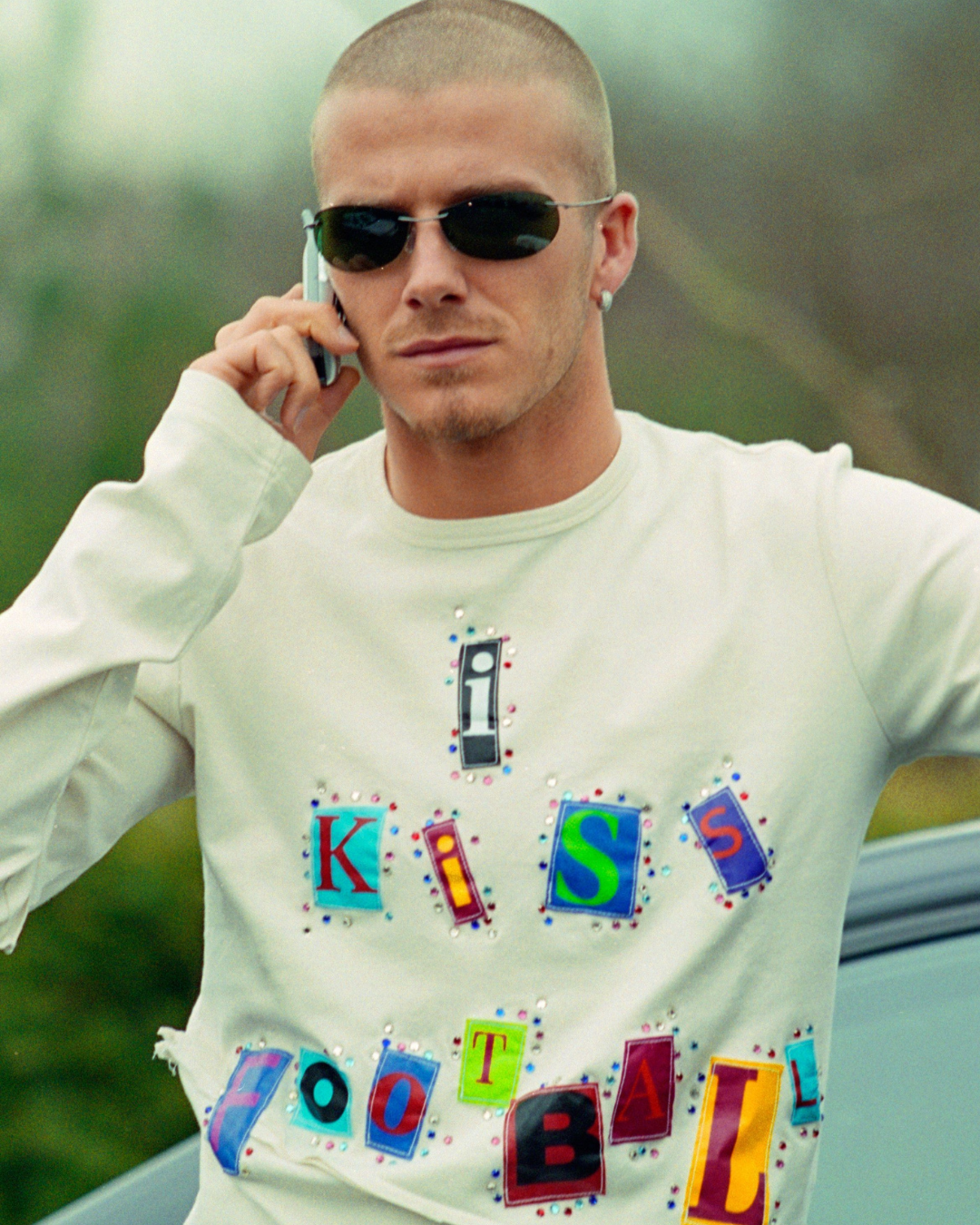
Anatomy and return of the metrosexual footballer The style of diva footballers in the age of looksmaxxing
For a long time, the archetype of the footballer carried an imposing, rough aura that smelled of sweat mixed with the acrid odour of the pitch. His figure openly evoked that of the Greek hero or the gladiator and was considered the epitome of virility. In the early 2000s, however, the arrival of David Beckham radically changed the rules of the game. Until that point, fashion had never truly entered the world of football, with the exception of Diego Armando Maradona's eccentric style between the '70s and '90s. Yet it was with the English football star that a new kind of man stepped onto the pitch: the metrosexual man.
This term, coined by journalist Mark Simpson in 1994, refers to wealthy, heterosexual, urban men who meticulously tend to their personal image, buy luxury clothes and are willing to experiment with fashion without fearing they might appear less masculine. Simpson saw in Beckham the forefather of a new breed of athletes who, from that moment on, would make grooming and style a defining element of their identity.
Today, in the era of looksmaxxing, footballers transformed into fashion icons and Y2K nostalgia, it comes as no surprise that the fashion system and new generations are rediscovering the style of the early 2000s. But who were the metrosexual men in football history, and how has this aesthetic evolved over time?
David Beckham: the first metrosexual footballer
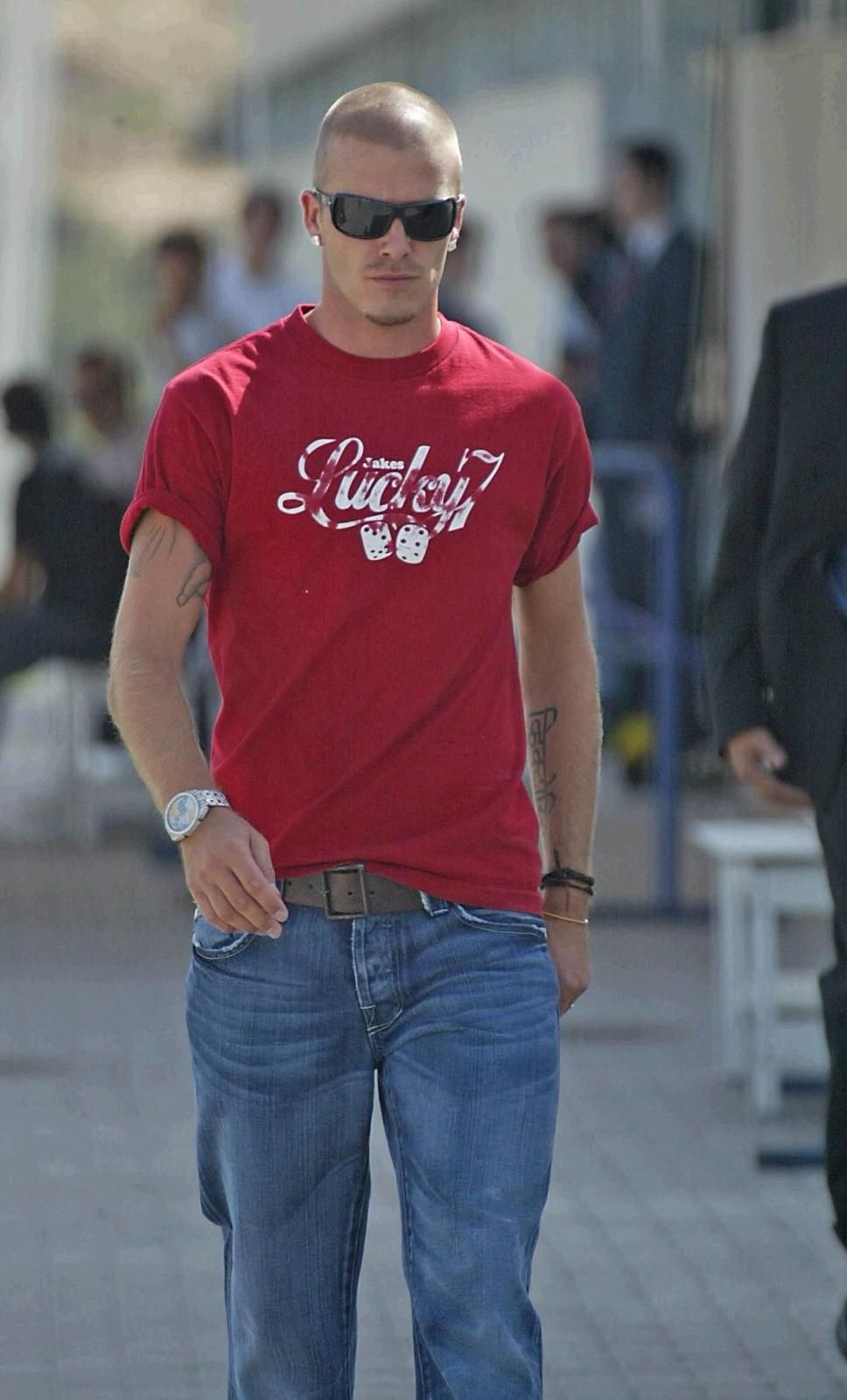
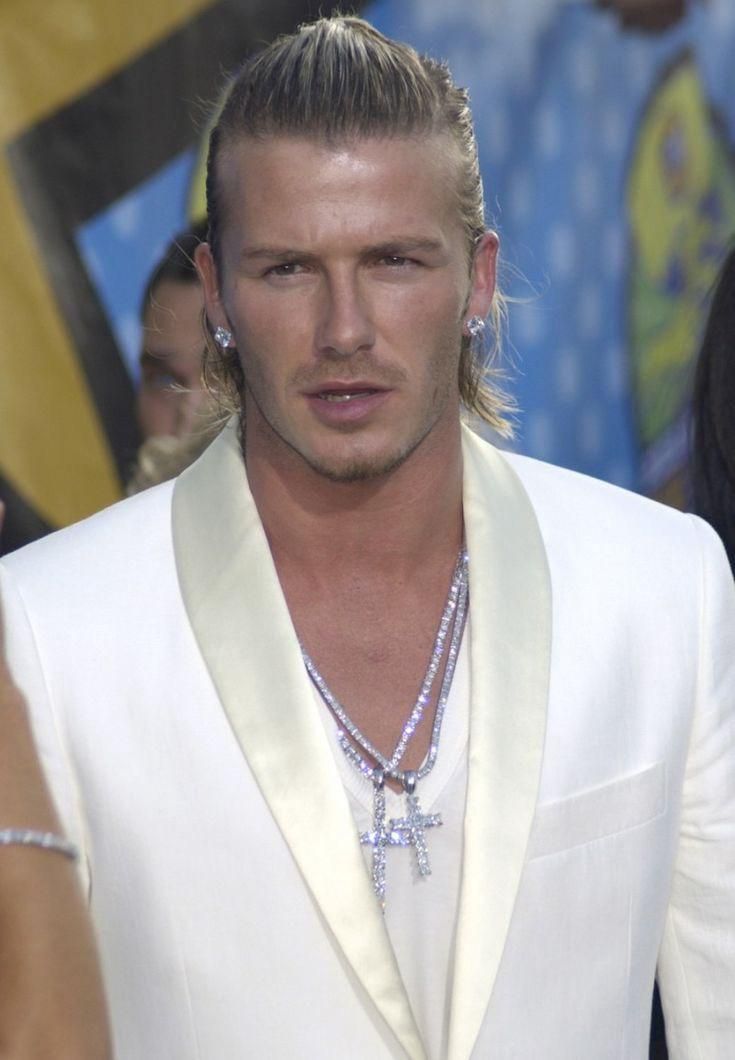
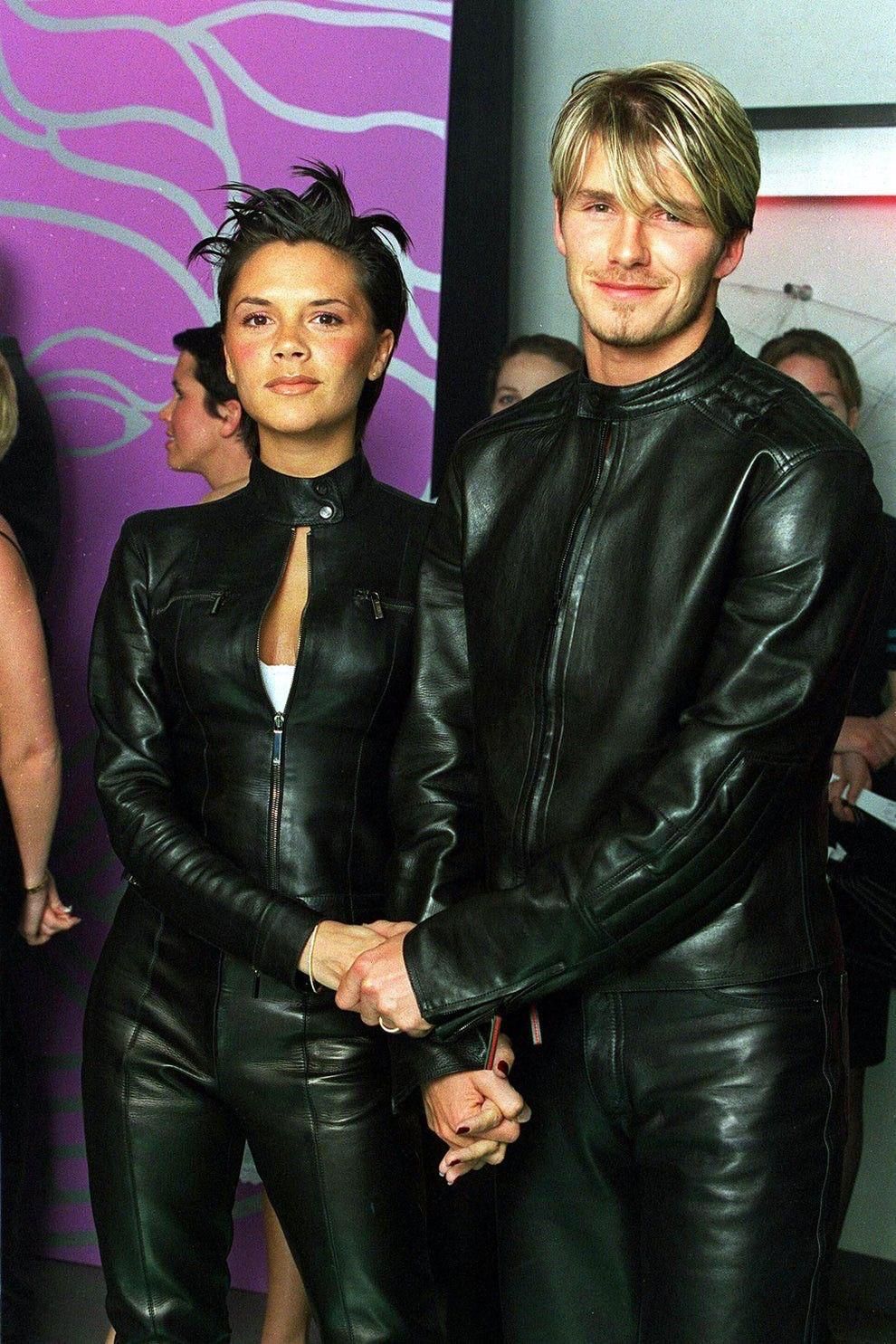
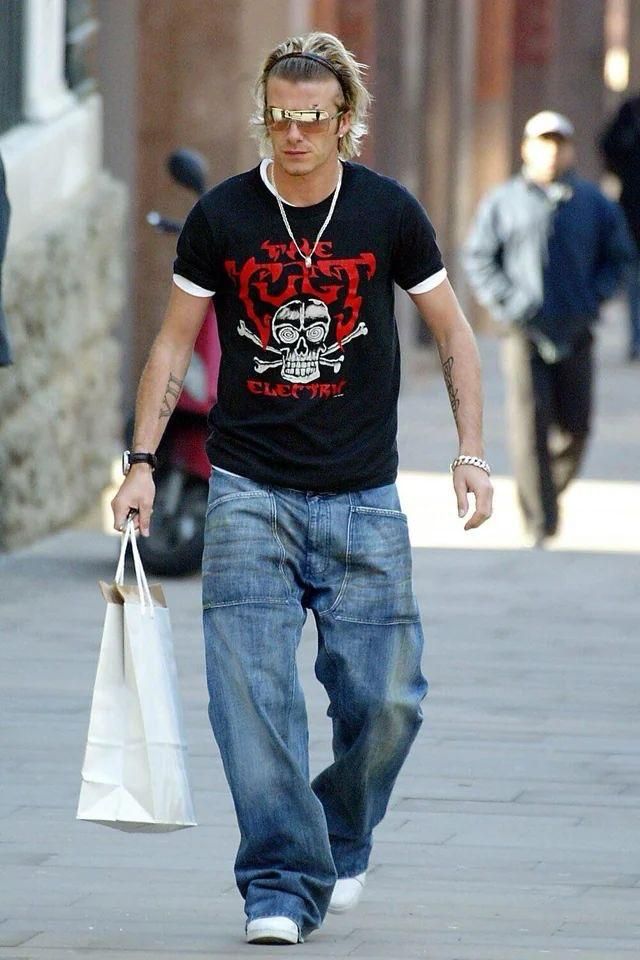
Before becoming a global phenomenon, the term metrosexual man was used in a derogatory tone. At the time, many viewed metrosexuality, especially in the world of football, as a symptom of a dangerous "feminisation" of men, and while David Beckham sported looks featuring fitted vests, headbands, bandanas, rhinestone-embellished long sleeves, earrings and diamond-encrusted jewellery, often coordinated with those of his wife Victoria.
Conservative British and American politicians looked on with disdain at the footballer's style, considering him a bad example for younger generations, who should instead have followed the spartan, rough model of the retrosexual man or the regular guy. The real cultural turning point came in 2004, when Beckham signed a multi-million-pound contract to become the global ambassador for Gillette: that close-up in which King David appears smooth, impeccable and powerful was the consecration of male shaving and grooming, no longer a taboo but a new aesthetic standard. Taking care of one's body had effectively become «the best a man can get».
The kitsch evolution of the metrosexual footballer
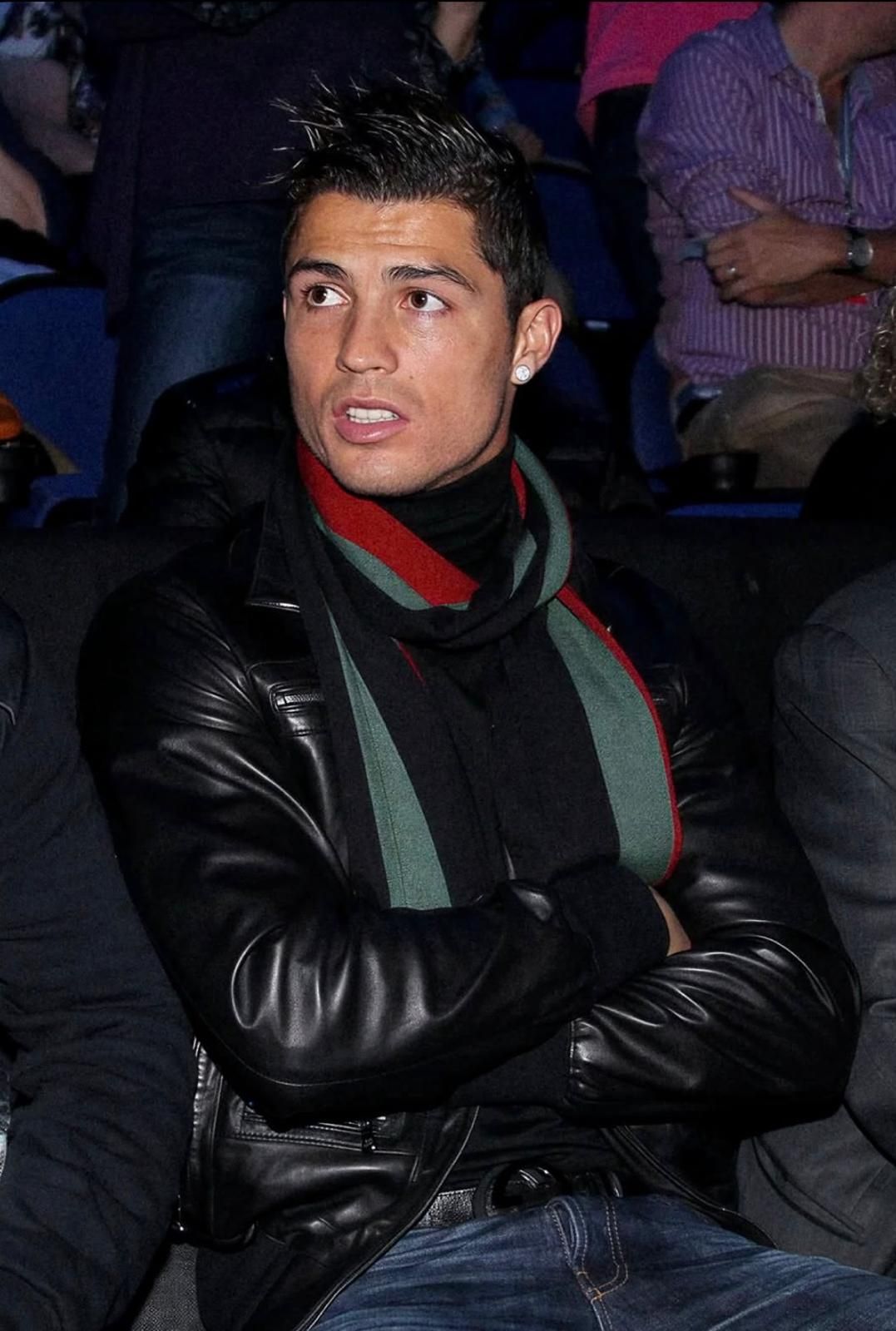
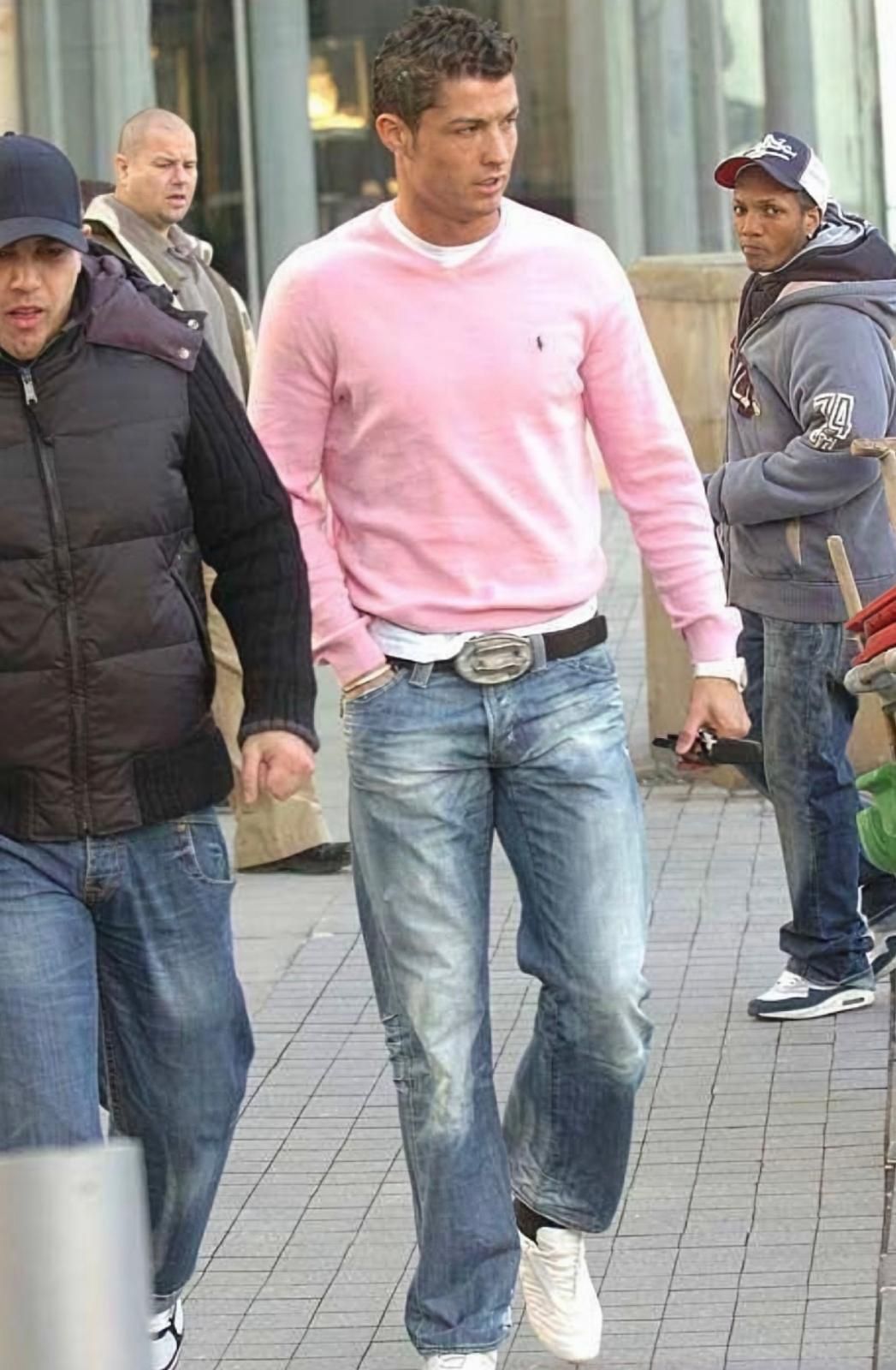
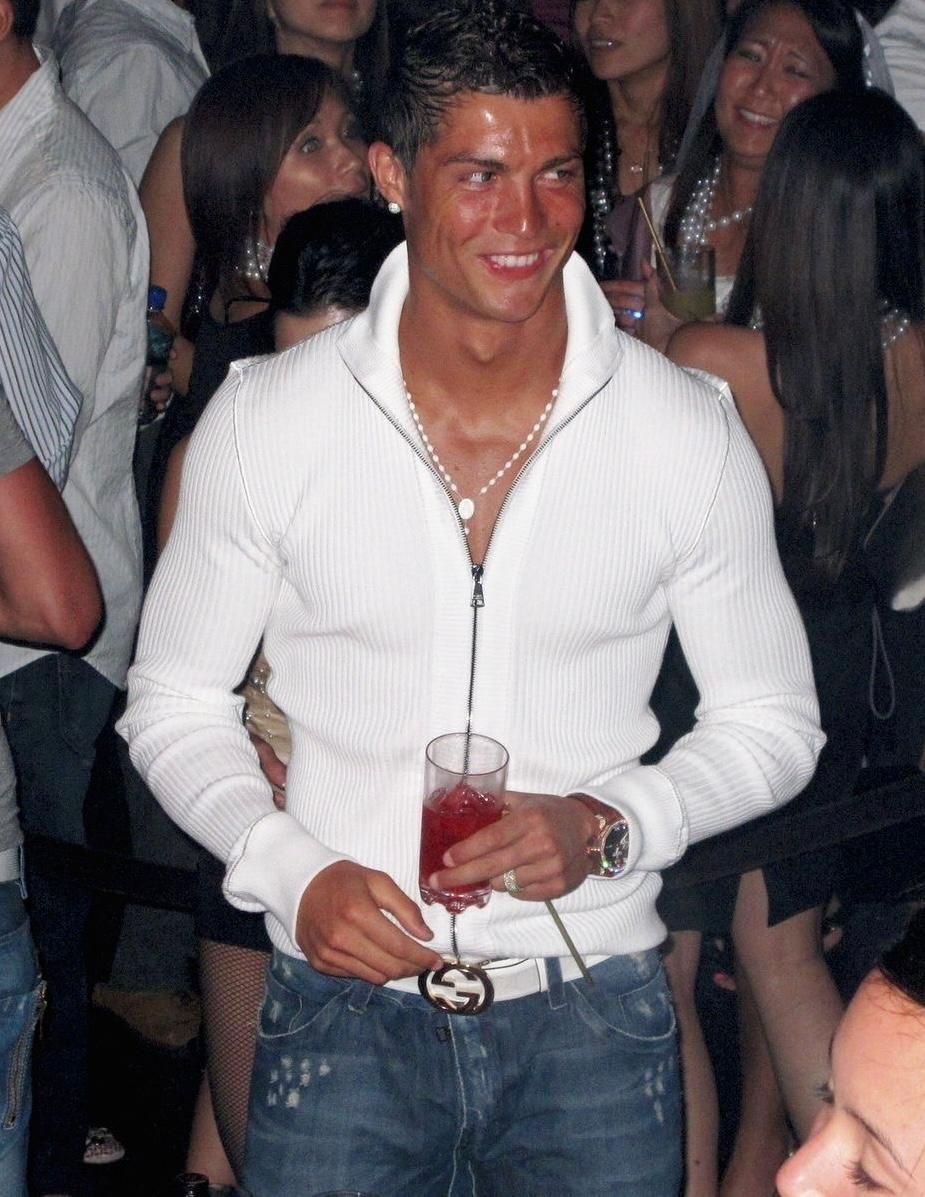
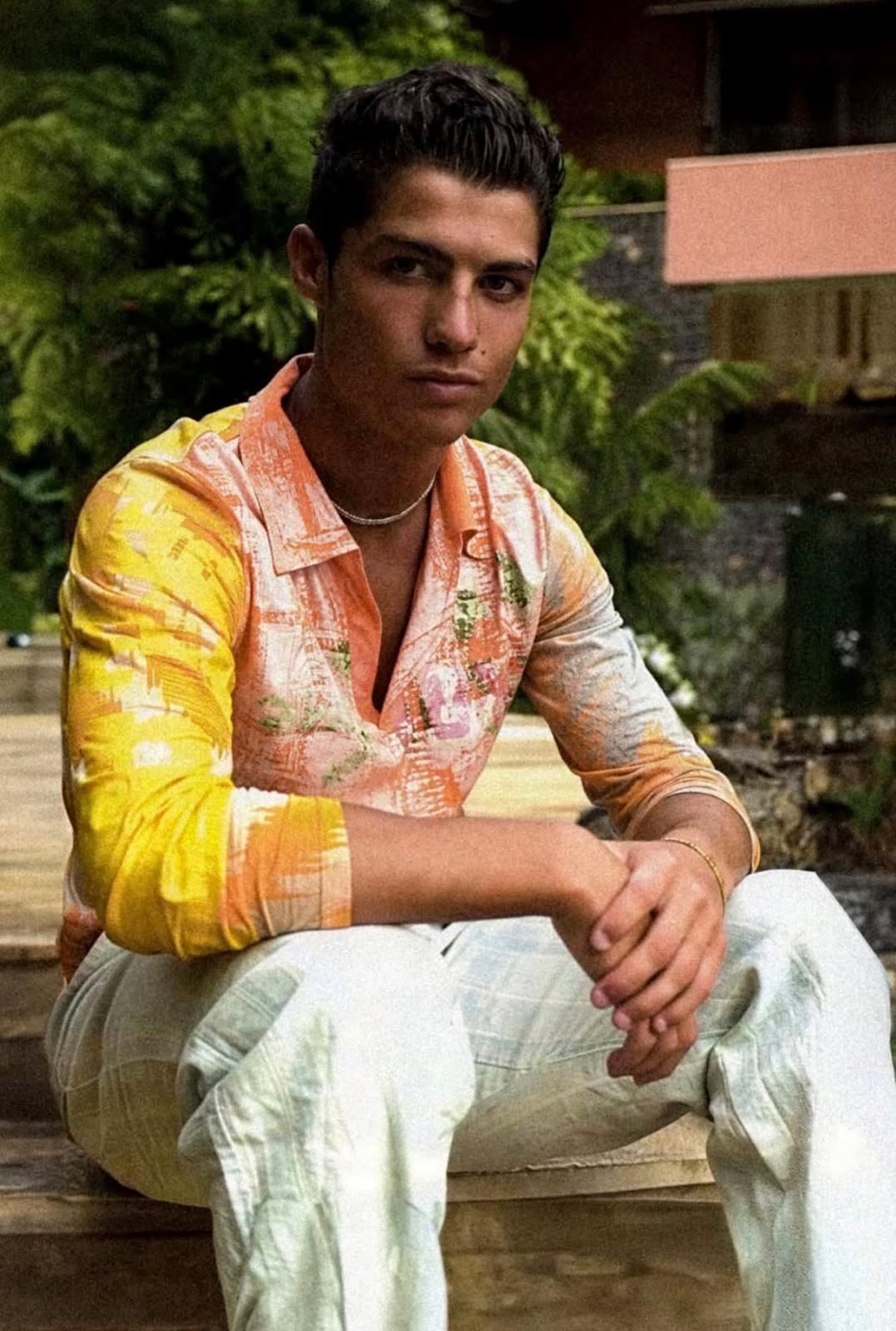
In the years that followed, Cristiano Ronaldo picked up the metrosexual man's baton. Having arrived in Manchester in the early 2000s as a slight young boy with crooked teeth, the raw-talented young footballer quickly transformed into a veritable android athlete. Where David Beckham embodied an eccentric yet refined style, Ronaldo instead pursued a decidedly more kitsch aesthetic, driven by a narcissistic and obsessive fixation with his image.
Consider his systematic use of fake tan, his seagull-wing eyebrows, his hair saturated with gel and his full-body waxing: Ronaldo's body became, first and foremost, his primary financial asset. As for his personal style off the pitch, the Portuguese footballer transformed into what we would today call a "skinny legend."
@hystericqueef my fashion icon #2000s #ronaldo #fyp #fashion #swag original sound - hyver
Ronaldo tended to slim his silhouette through cardigans and extremely tight polo shirts, paired with low-rise bootcut jeans worn strictly with belts featuring prominently displayed logo buckles. Staples of his street looks from that era include aviator sunglasses with tinted lenses, lightweight pashminas loosely knotted around the neck and designer clutches casually tucked under his arm.
Ronaldo had no qualms about brazenly wearing pieces that were at the time labelled as too feminine by locker-room standards. This stylistic freedom long fuelled tabloid gossip about his sexuality, to the point that Paris Hilton, following a brief fling with the footballer, told the press she had ended things because he was not macho enough and was far too obsessed with skincare. Such judgements, however, did nothing to dent Ronaldo's confidence or his aesthetic myth.
From Balotelli to the Dolce & Gabbana locker room
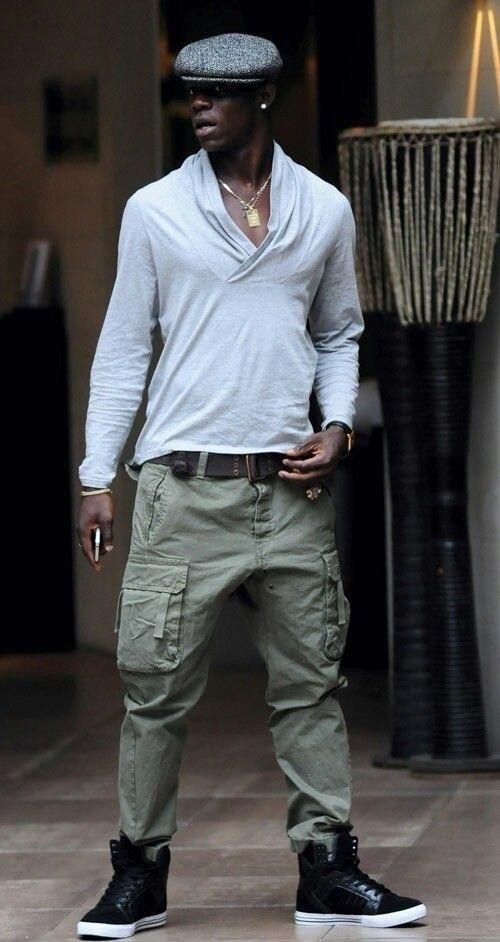
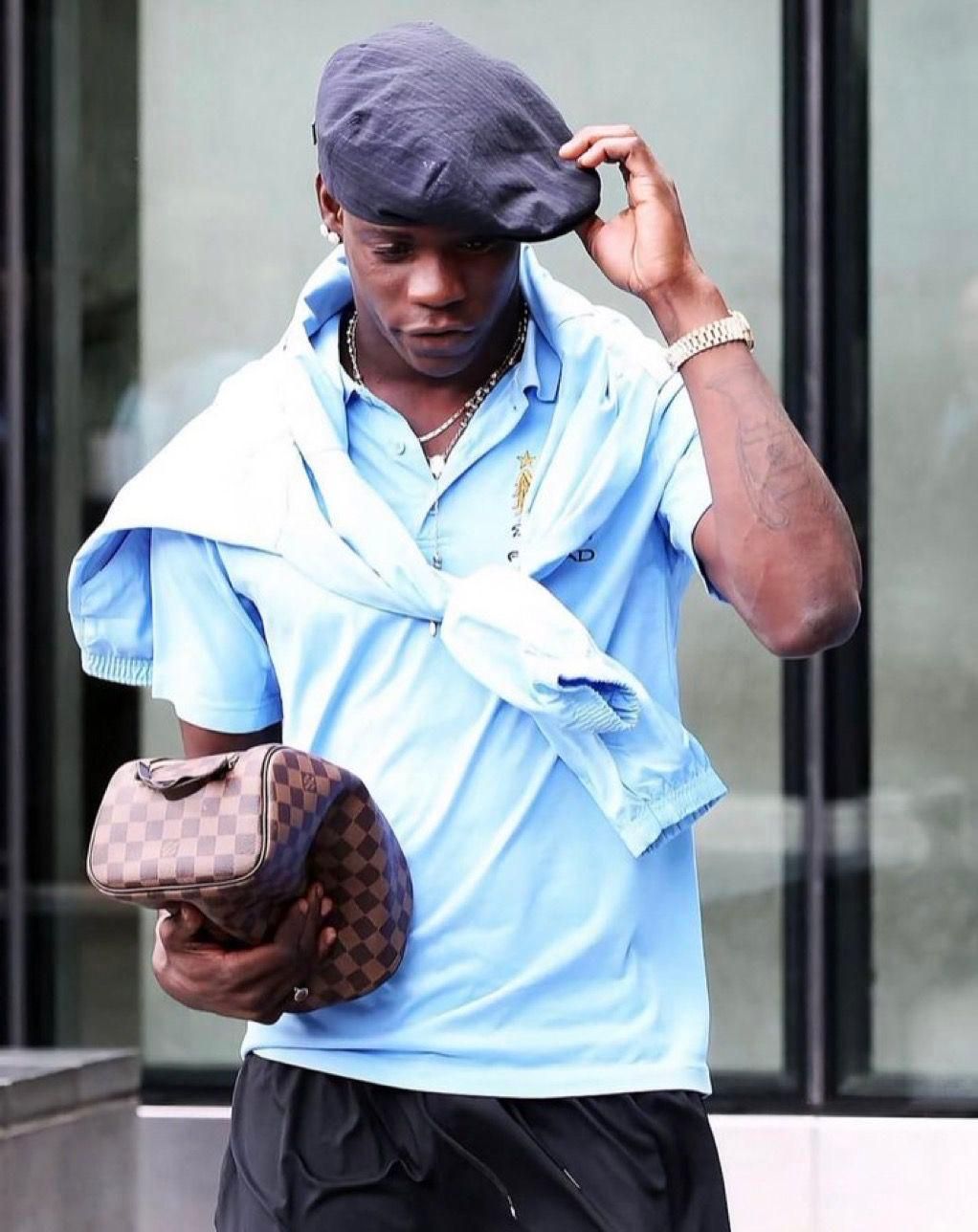
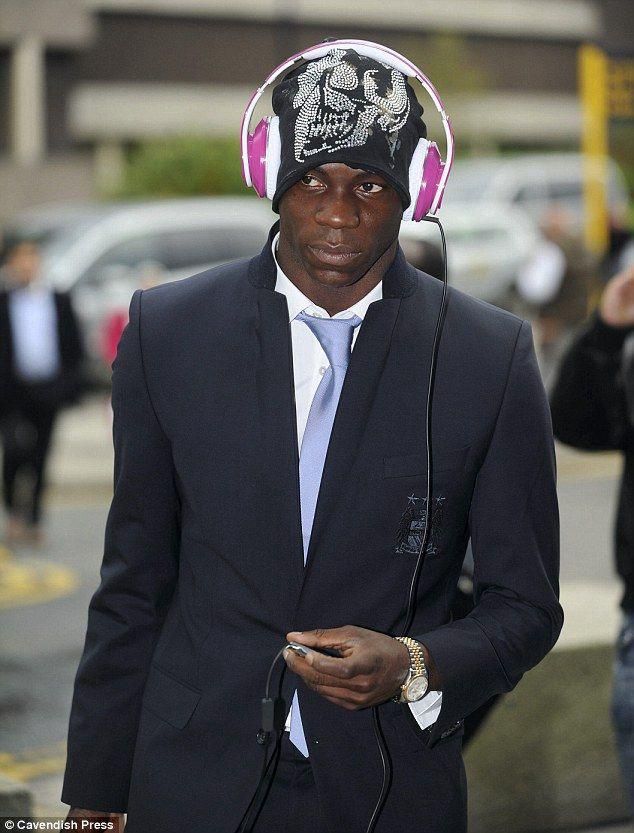
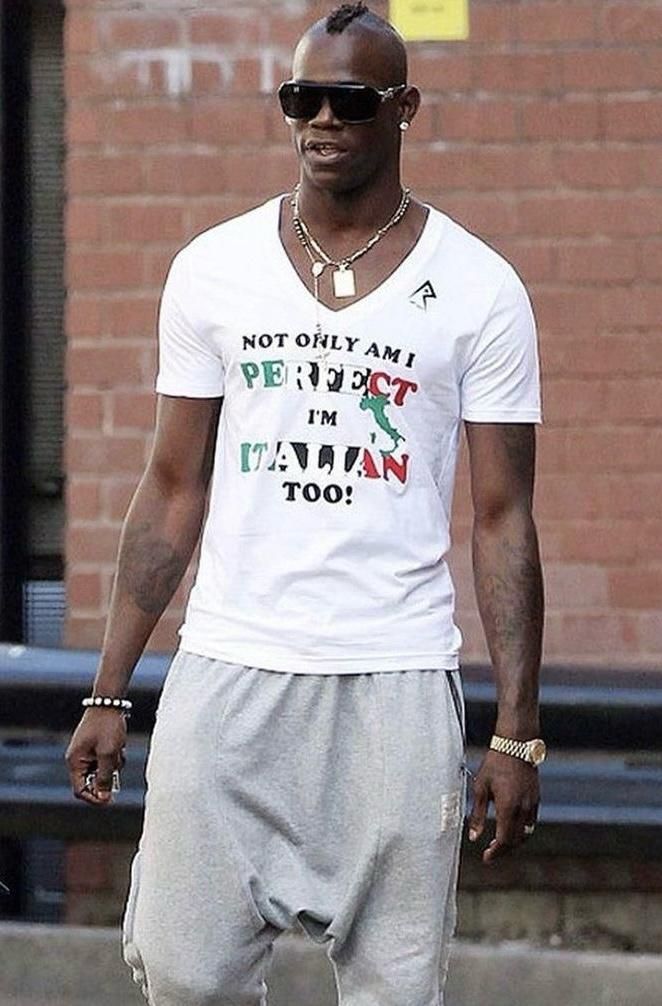
Following in the kitsch footsteps of the Portuguese superstar comes Mario Balotelli, the bad boy of Italian football who around 2010 made headlines not only for his performances on the pitch and his antics, but also for his bold style choices that cemented him as a symbol of the swag aesthetic. The footballer was frequently photographed in drop-crotch trousers, asymmetric zip hoodies, fur coats and cropped shearling jackets from which conspicuous crucifixes hung around his neck. An ostentatious look worn with pride, framed by his unmistakable mohawk.
This style effectively redefined the idea of the footballer: no longer just a Sunday hero, but above all an object of desire. The brazen sexiness of the metrosexual footballer was something the fashion industry was quick to capitalise on, finding in Italy a formidable sounding board: it was in 2006 that Dolce & Gabbana chose to photograph the Italian national team players in a locker room for a celebrated underwear campaign. An operation that transformed the sacred, rough temple of football machismo into the glossy set of a new male vanity.
The metrosexual footballer as a contemporary fashion trend
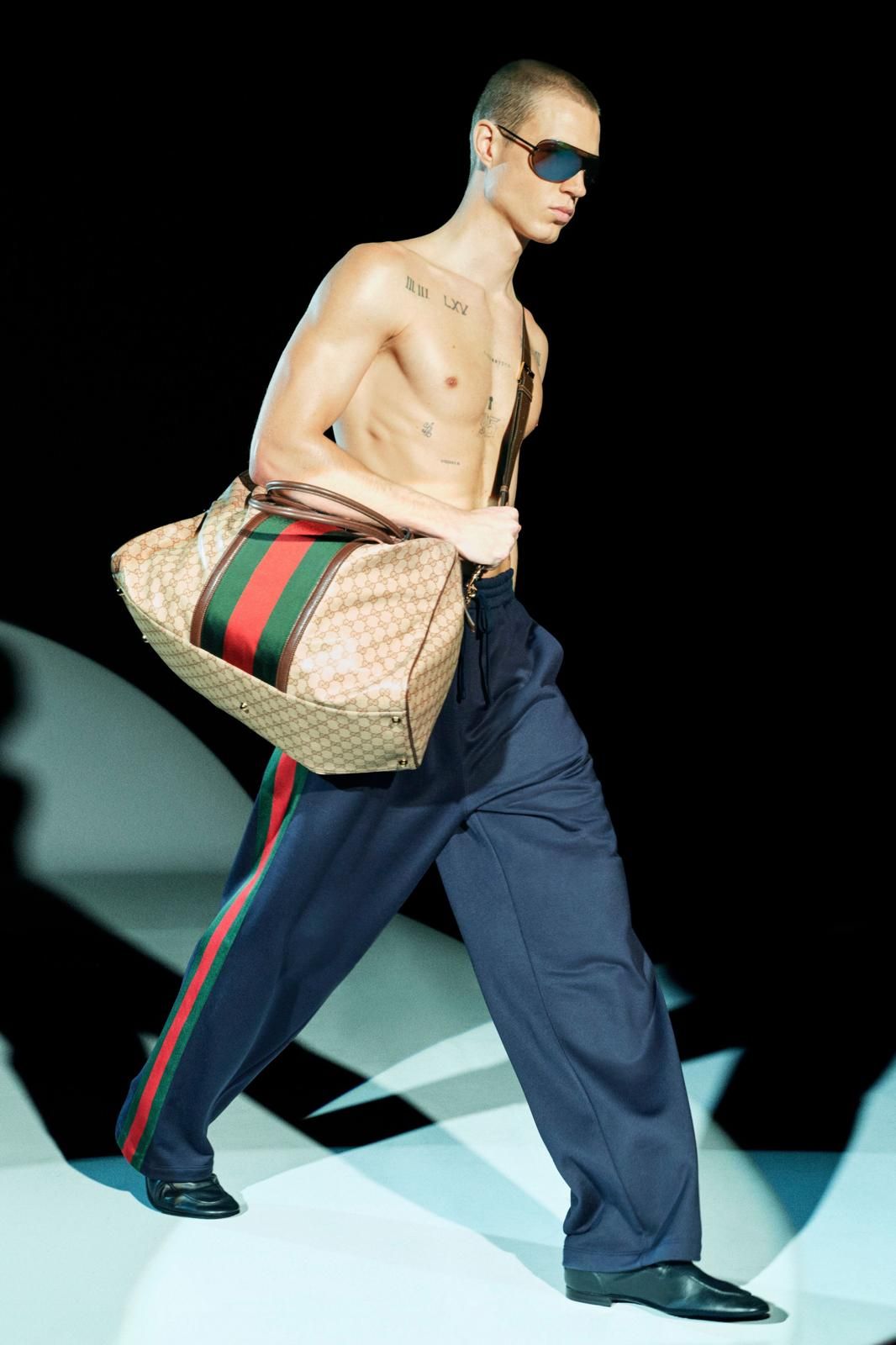
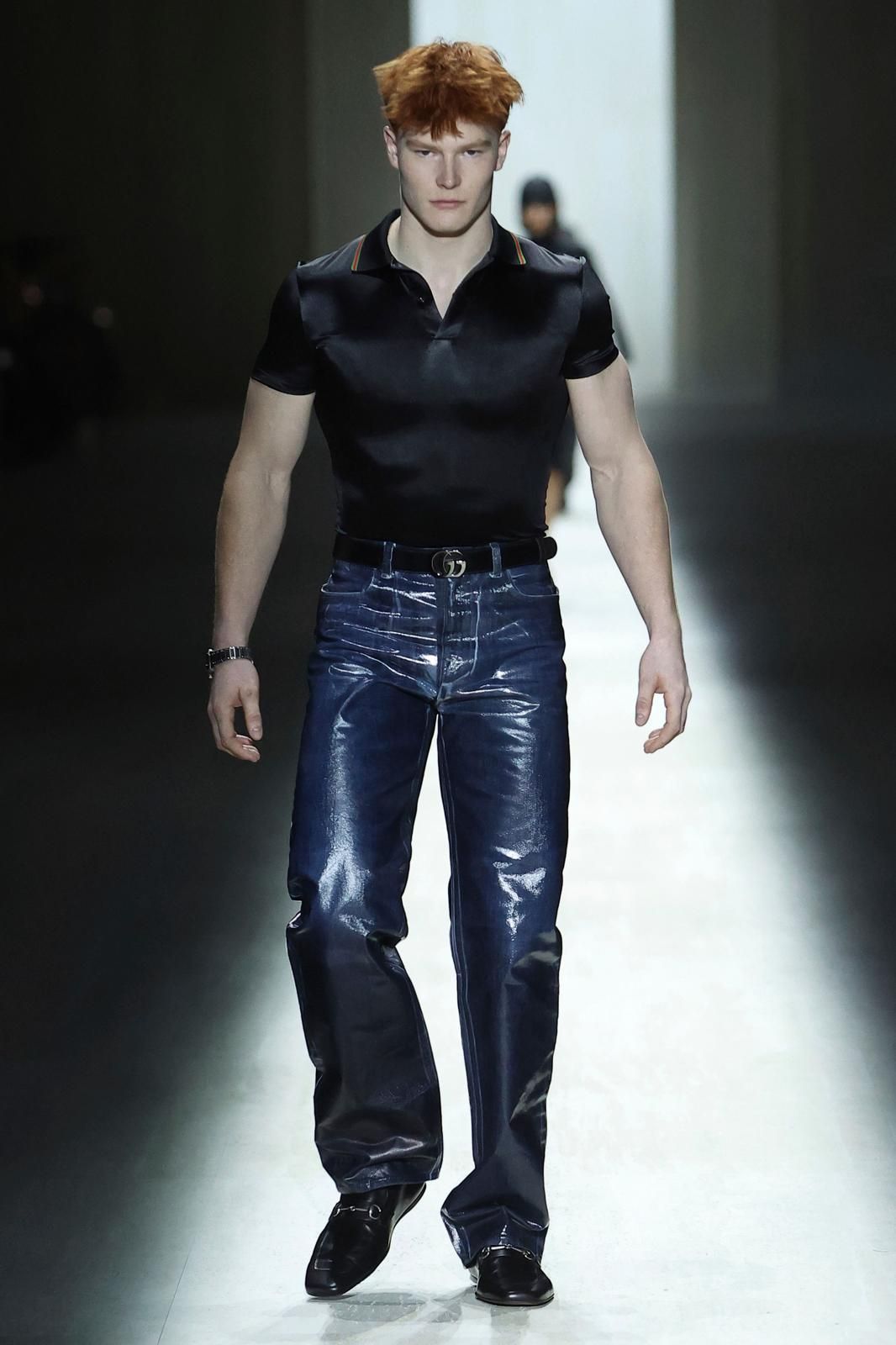
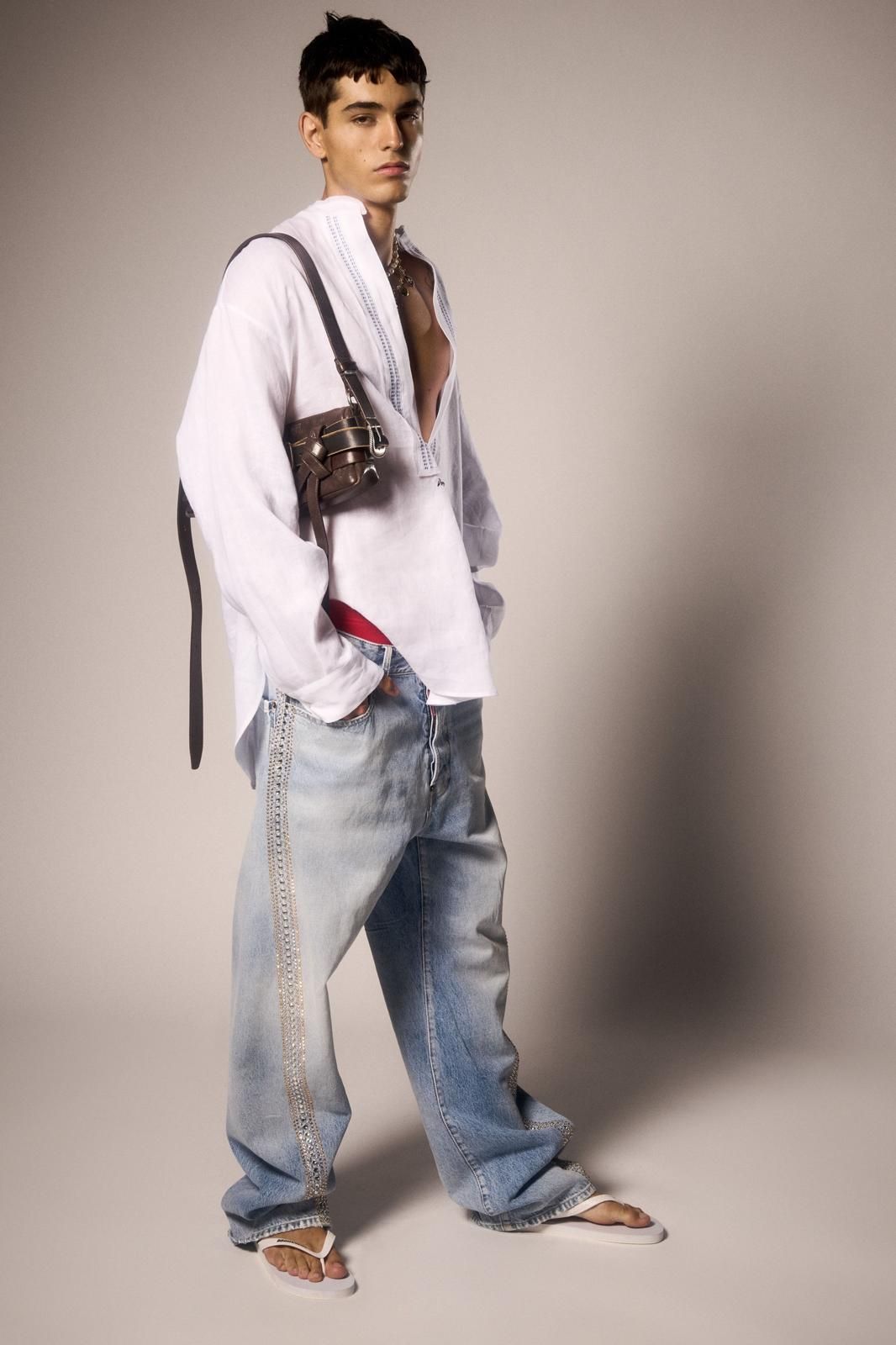
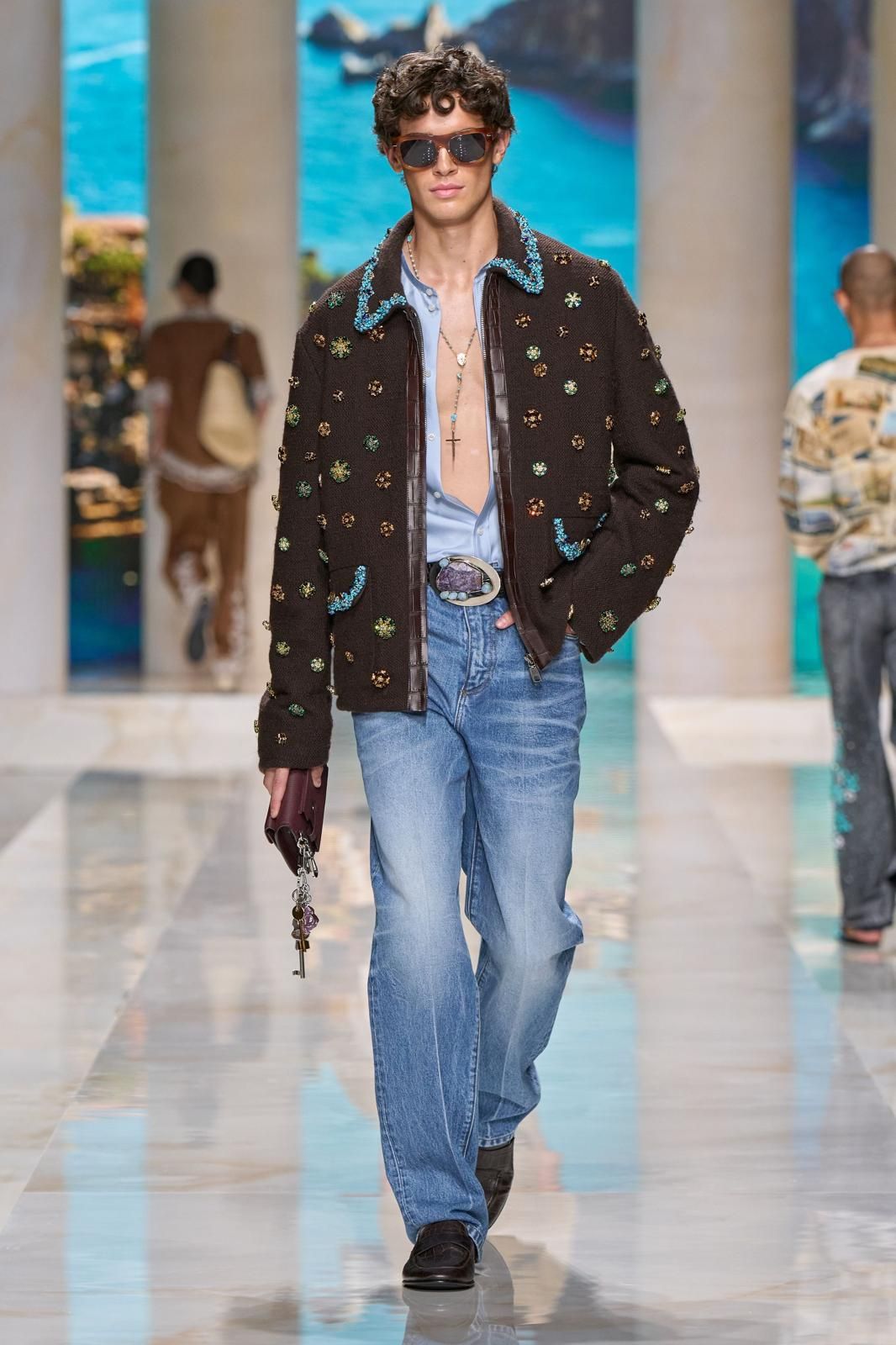
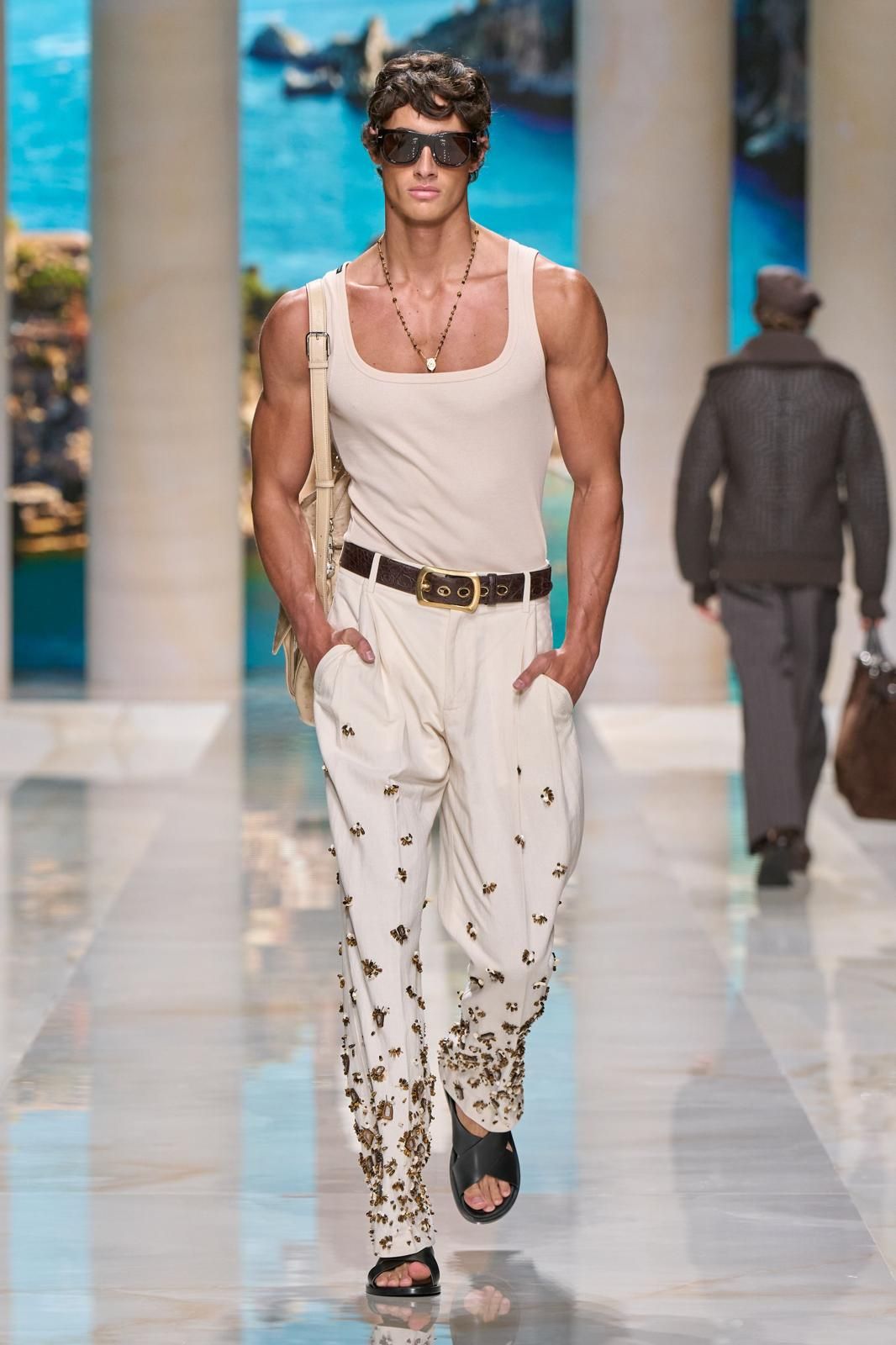
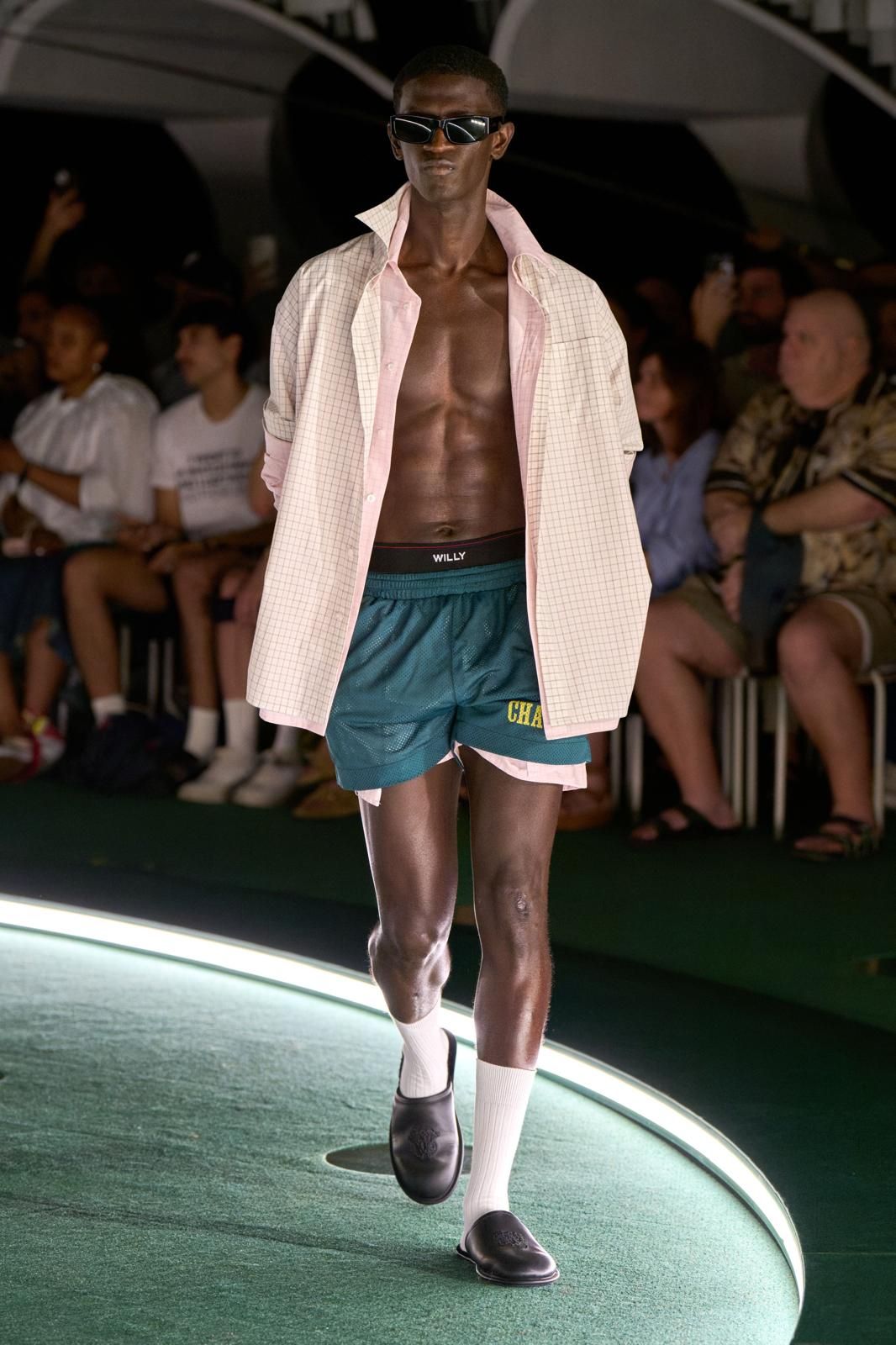
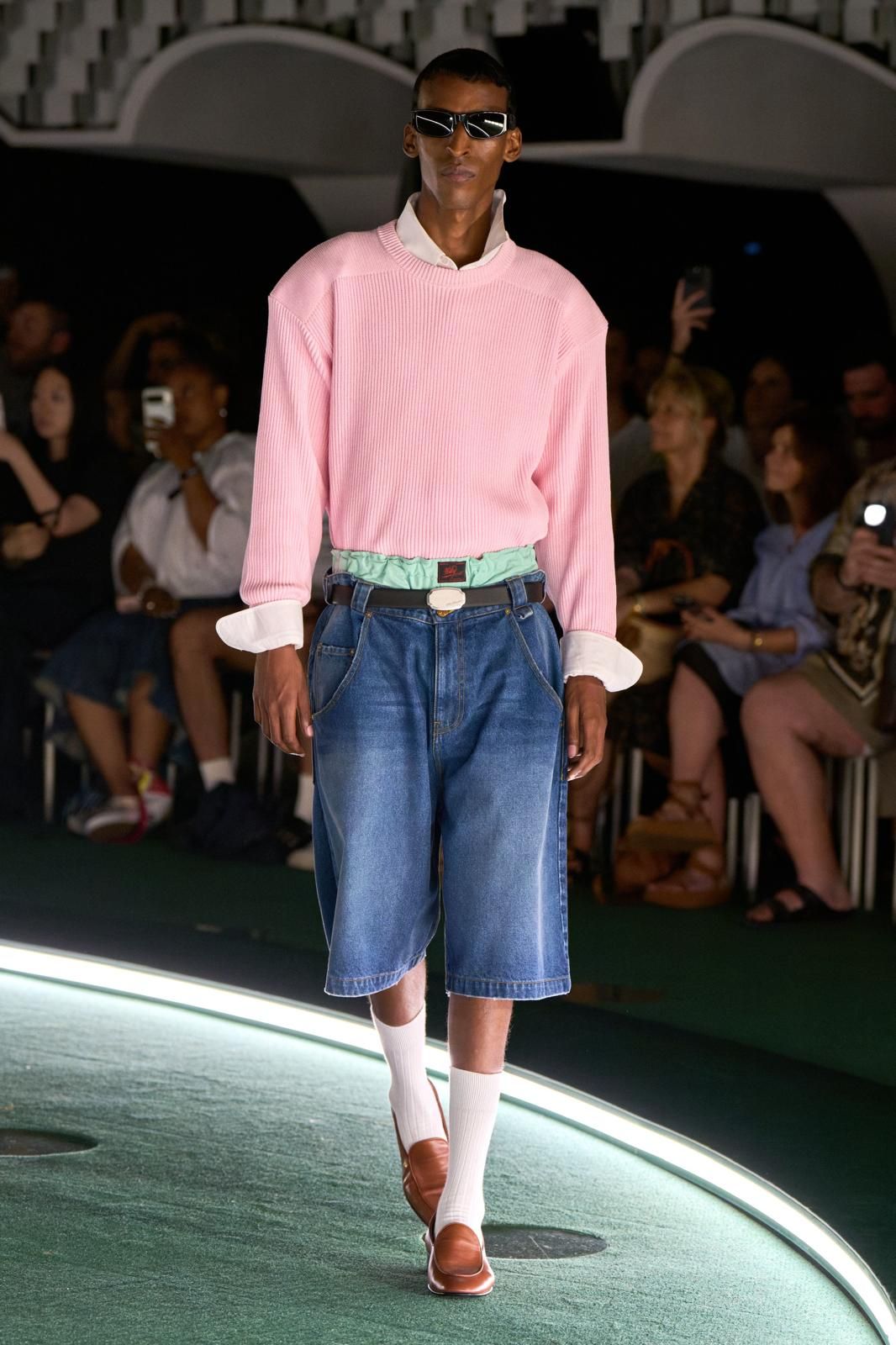
In the menswear offerings of recent fashion weeks, several brands have drawn on the style of 2000s football metrosexuals. The new Gucci man is the perfect example: in the most recent collections, the menswear wardrobe conceived by Demna Gvasalia features fitted leather jackets à la Beckham, tracksuit trousers with the classic two-tone side stripe and large travel or gym bags covered in the brand's monogram. Particularly in FW26, the Georgian designer shapes a masculine identity that is something of a cross between a gymbro, a footballer and a street-tough.
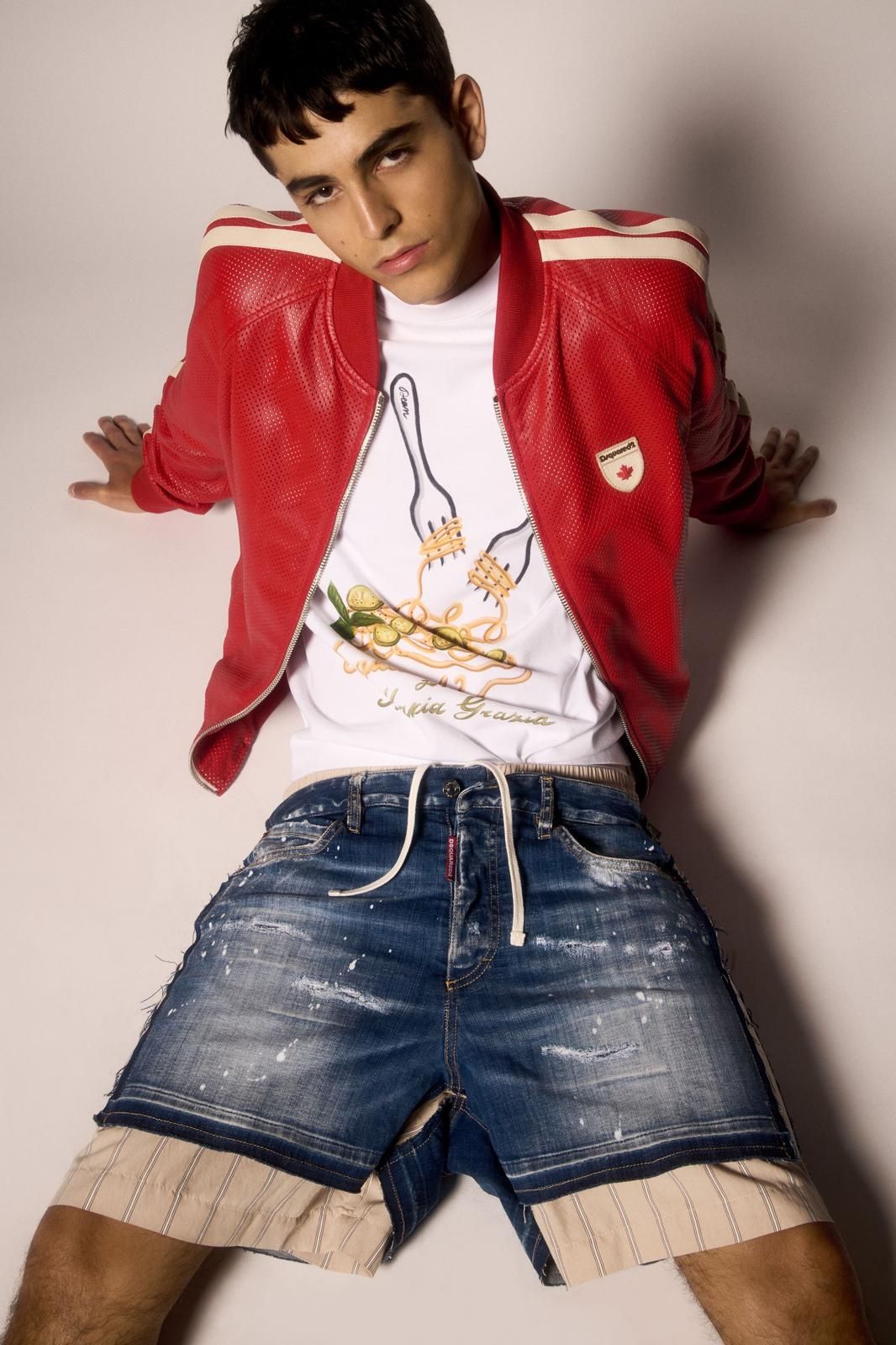
For Dsquared2, the metrosexual footballer aesthetic has always been part of the brand's DNA, celebrated for having dressed major football names in its ripped, paint-splattered jeans. While at Willy Chavarria and Magliano we witness the return of slim-fit shirts and pink polo shirts worn strictly with the collar up, just as Ronaldo used to do, the Mediterranean man of Dolce & Gabbana wears belts with jewel buckles and slim ribbed vests with rosaries around the neck in pure Balotelli style.
A subversive trend?
@marlon.noah Replying to @marlon noah bring back cristinao ronaldo’s & mario balotellis style in the 2000s #fashion original sound - marlon noah
The legacy of the early 2000s metrosexual man has been widely embraced by certain names in contemporary football: one need only think of the flamboyant Dolce & Gabbana looks sported by Erling Haaland, or the style of Riccardo Calafiori, whose appeal recalls that of a young Beckham. An aesthetic that has found a second life above all on social media: in certain corners of FashionTok, viral celebratory edits of that era periodically resurface, with young creators eager to replicate the street looks of these "diva-males."
Yet, on closer analysis, the phenomenon seems to have lost its original disruptive power. If at the time calling a man a metrosexual was a veiled insult, today the word no longer seems to carry the same subversive charge. Metrosexual 2.0 no longer challenges the image of his own virility, but is instead swallowed up by the toxic discourses of the manosphere and the excesses of looksmaxxing.
This is no longer about redefining the boundaries of masculinity, but about adhering to a precise model of performative hedonism typical of late capitalism, where the muscular body striving for perfection, on and off the football pitch, becomes ever more unambiguously an indicator of power and the key to social success.
What to read next

Timberland and Slam Jam Rewrite the History of the World's Most Famous Boot
From the Paninari to New York's hip-hop scene, a collaboration that celebrates the cultural legacy of the iconic Timbs
How Ploom* Flavour Garden Went, Between Ernia's Live Set and Four Immersive Worlds
Music, new talent and immersive installations: on October 15th, Superstudio Milano transformed into a great garden of creativity
5 trends that Trainspotting anticipated Back in 1996
There is much more to the film than the famous Helmut Lang tank top