


























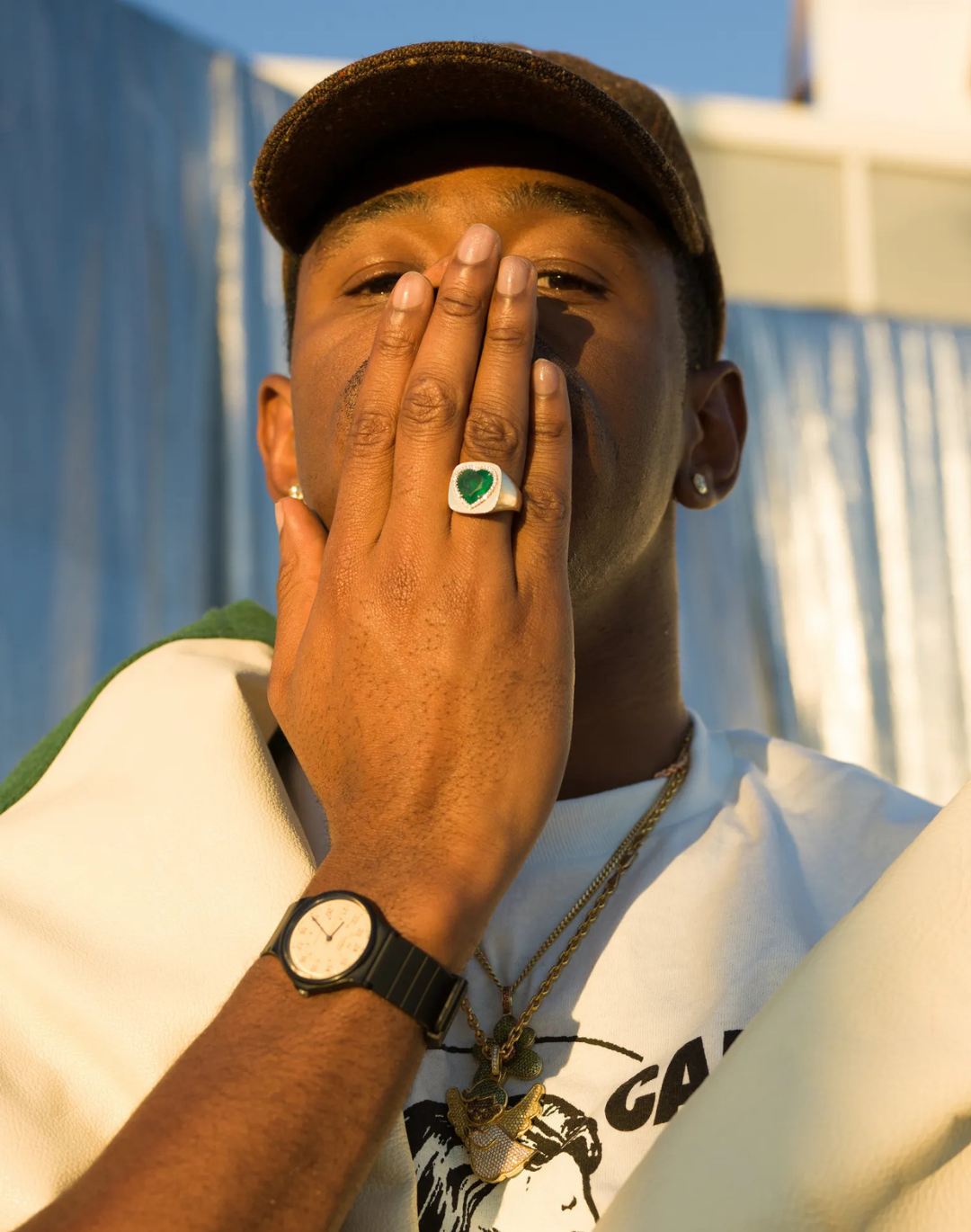
The rich no longer buy clothes, but they're still into jewelry The luxury crisis seems not to have hit Richemont
The year 2025 has not been a profitable one for the luxury sector. The analysis of the first three quarters has made the crisis in the fashion world evident, particularly for major names like Kering and LVMH. And if at the end of September sales seemed to have stabilized, it does not mean that the collapse is coming to an end – it simply means a precarious balance has formed. One name, above all, has managed to distance itself from the major crisis and today finds itself in a period of strong growth. Richemont is not merely surviving the luxury crisis – it is turning it into its own golden age.
Watchmaking saved sales
Despite U.S. tariffs, geopolitical tensions, and the rising price of gold, Richemont managed to record an organic increase in sales of 14% in the third quarter of this year – exactly double what industry analysts had predicted – driven by the strong performance of the jewelry division. The sector saw major growth globally, starting with sales in America, which increased by 20%, in Europe by 11%, and finally in the Middle East and Africa by 22%.
During a call with the media reported online by Vogue Business, Nicolas Bos, the CEO of the Swiss holding, stated: «We observe highs and lows linked to the evolution of the economy, but what we have seen for decades now is that the appeal of exceptional pieces in jewelry, watchmaking, and accessories remains rather consistent.» It's no surprise, then, that Richemont has successfully overcome the crisis: the group’s identity is rooted mainly in high-end watchmaking, with maisons such as Cartier, Van Cleef, and Montblanc under its name.
You Only Need One
Despite the clear signs of growth for the Swiss holding, the reason behind this change of course compared to the major luxury groups still lacks an analytical explanation. However, Bos has observed a shift in the mindset of its buyers, who have moved from the YOLO mindset, «you only live once,» always associated with an idea of instant gratification, to the new YONO, «you only need one.»
This new way of thinking focuses on the idea of quality over quantity, with particular attention to the lasting value of products. The luxury crisis could therefore find one of its causes in this new form of consumerism, which inevitably pushes customers to be more careful with their investments in the clothing sector. The only field that perfectly matches the standards introduced by YONO is precisely jewelry. The quality and long-term value of Richemont’s collections have been the «engine behind the success of recent years,» as Bos stated in the interview.
Richemont sill struggles to convince Asia
Just realized, this year Giselle is wearing two brands from Richemont, Buccellati and Maison Alaïa pic.twitter.com/el9d2eweTA
— (@thelattenroyal) August 3, 2025
While the whole world is fascinated by products under the Richemont name, the Asian continent remains somewhat distant from the group. Despite a 10% increase in sales in the Pacific area, driven by jewelry maisons, the holding’s chairman, Johann Rupert, stated that there are initial signs of improving demand in China, but he prefers to remain cautious. The trend, which had been negative for more than 18 months, has now shifted, but this does not mean that a full recovery of the Asian market is near.
The challenge today lies in winning over a customer base that is increasingly selective when it comes to luxury products. Richemont sees in this new perspective a further opportunity for growth, and it cannot help but be satisfied with the results already achieved in the Asian continent. The «fabulous products» – as CEO Nicolas Bos describes them – are a good starting point to continue pursuing the group’s global affirmation, but the aspect to focus on in order to maintain a balanced budget for now appears to be strong governance.
What to read next
These are the secondhand handbags that are worth the most in 2026
Searches for the Chloé Paddington have risen by 610%, but the real star of the secondhand market is Chanel
LVMH's fashion division keeps getting worse
Third-quarter results showed a -5% decline driven by the Chinese market