




























Valentino needs money For this reason, Kering and Mayhoola have contributed €100 million to the company
The crisis is sparing no one. There had been talk in the industry that Valentino, currently co-managed by the Qatari Mayhoola and Kering, was not doing too well, amid the exit of longtime CEO Jacopo Venturini for personal reasons, public jabs and reports from Il Foglio and Corriere della Sera suggesting a turbulent climate and declining sales and a renegotiation of the agreements for Kering’s full acquisition. Today there’s a new certainty: Valentino needs money, and the owners have injected 100 million euros into the brand’s coffers.
A billion euros in debt?
As BoF explains, this capital injection was prompted by the demands of a consortium of banks including Intesa Sanpaolo, BNP Paribas, BPM, Monte dei Paschi di Siena, and even the Italian state fund Cassa Depositi e Prestiti, which last year collectively lent the brand 530 million euros. According to the agreement, every six months for the following four years, the so-called «leverage ratio», a financial indicator comparing a company’s debt to its ability to generate profit, had to be verified. In practice, a sign of distrust.
According to BoF, the brand failed to meet some of these obligations (it’s unclear which), pushing the various creditors to pressure the brand’s owners. The idea was to inject new funds into the company’s coffers to avoid bigger problems like a default or forced restructuring. Neither of the two co-owners has released a statement, but it’s clear that the risks for the brand are quite concrete, if not existential. In fact, according to financial reports also commented on by Bloomberg last September, Valentino’s debts amounted to around one billion euros.
But can we really call it a crisis?
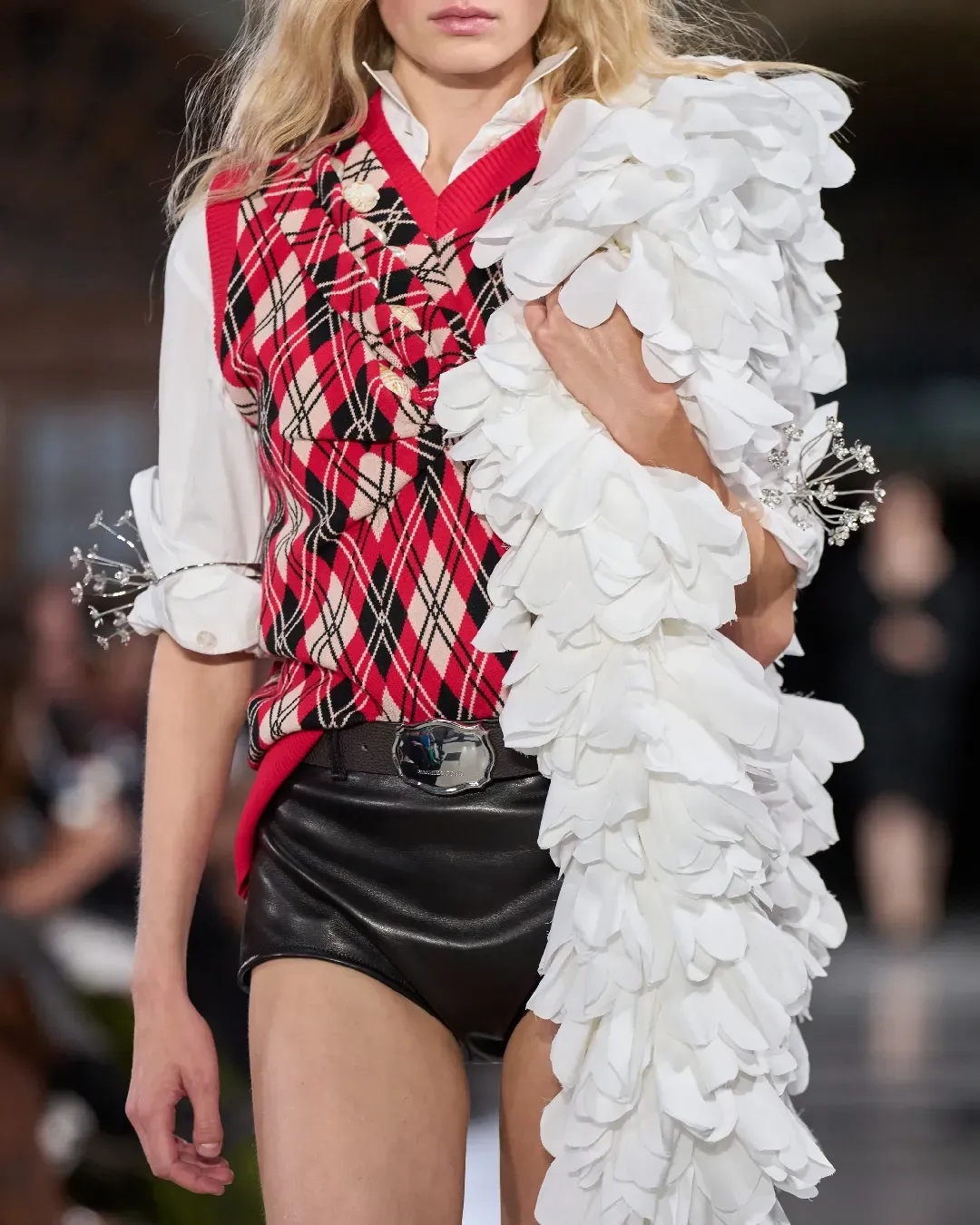
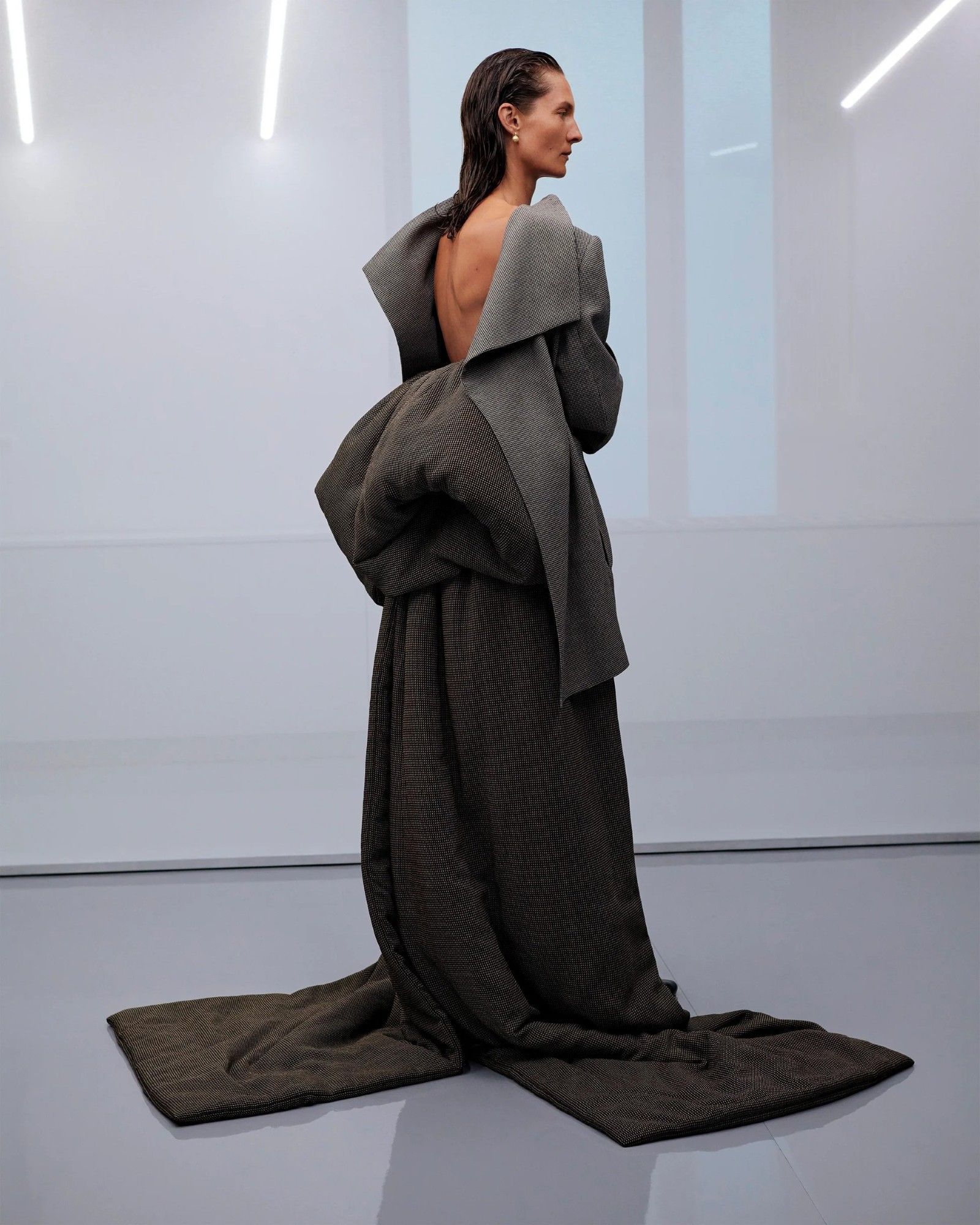
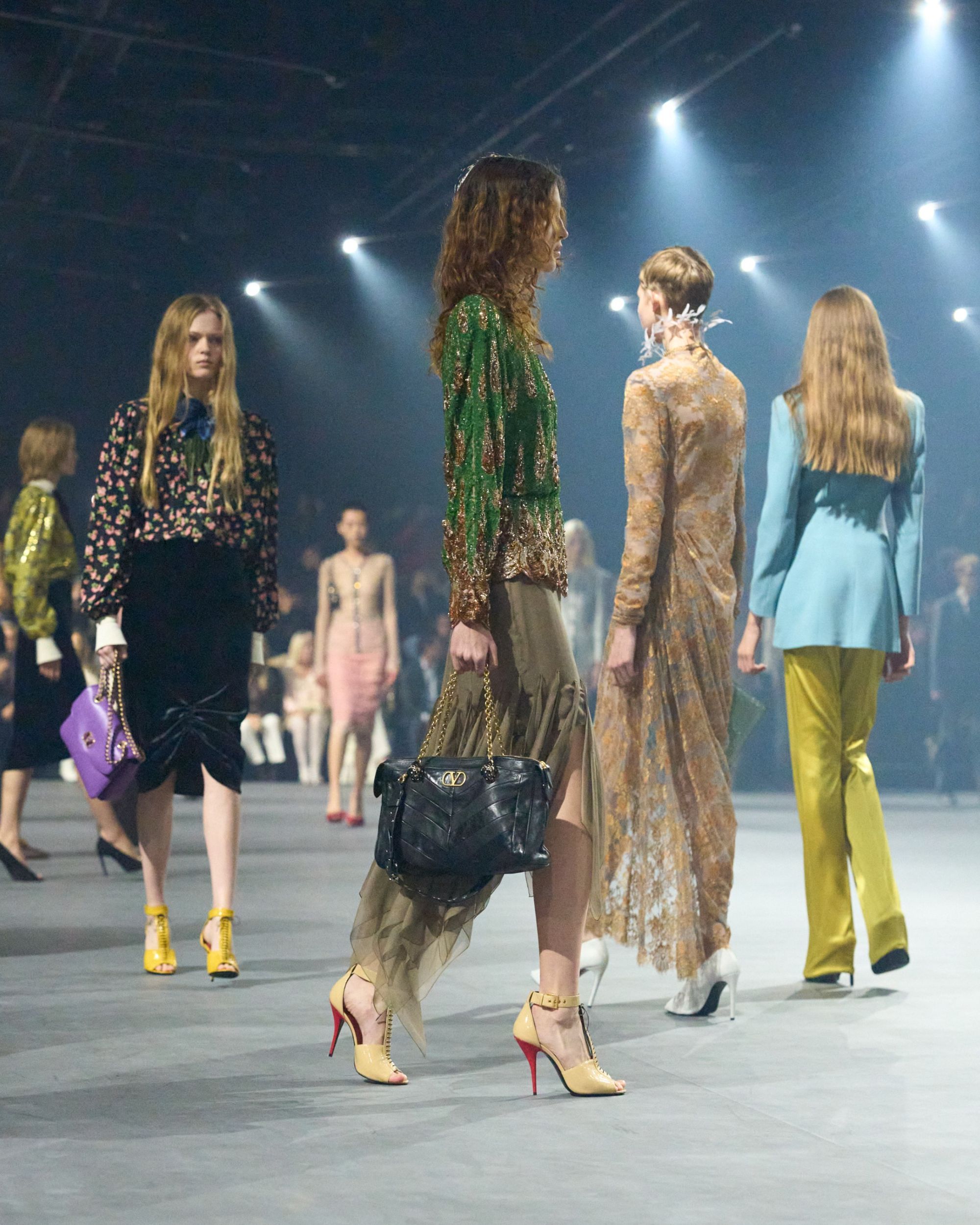
@nssmagazine For Pier Paolo Pasolini, fireflies symbolized the ability to endure even the darkest night. Alessandro Michele drew inspiration from this for Valentino’s SS26, bringing to the runway a story of resistance and light. What do you think? #valentino #tiktokfashion #pfw #alessandromichele #fashionshow Talk to Her - The Marías
The numbers might suggest that the brand has a popularity problem, but that’s not the case. Despite a slight drop in sales, the issue lies with internal expenses. Last April, the brand’s annual report revealed that in 2024 total revenues had fallen slightly, but the brand grew less than inflation. Pure profitability - net of interest, taxes, and depreciation - fell by 22%, meaning internal costs increased but were not offset by growth.
It must also be said that this year’s strong economic instability, rising customs tariffs and slowing key markets are part of the picture. In recent months, the brand has focused on cutting wholesale sales and selling through its own direct channels. This led to growth in the latter (including fragrances and beauty, which are reportedly doing well) but to a 20% collapse in third-party sales through multi-brand boutiques and large online retailers.
In short, there are definitely serious issues and pressures, but the matter is not just about sales. In fact, the 2–3% decline reported for 2024 suggests that the brand has remained relatively stable. The problem lies in the brand’s spending, perhaps excessive, which has now put it in a precarious position. Here too, we can assume that Kering’s new CEO Luca De Meo might step in to make costs more efficient, following the new strategy already being applied at the parent company. In any case, the verdict on the brand’s new direction will come with the annual results to be published next spring.
Takeaways
- - Valentino received a 100 million euro cash injection from Kering and Mayhoola to avoid default risks, after breaching covenants on a 530 million euro bank loan, with total debts close to one billion.
- - Sales remained stable with a modest 2–3% decline, but EBITDA dropped 22% due to high internal costs not offset by growth.
- - Global economic instability, rising tariffs, and a strategy focusing on direct channels (with -20% wholesale but growth in retail and beauty) have amplified the difficulties.
- - Kering’s new leadership, under Luca De Meo, aims to optimize costs; the 2025 results, expected in spring, will reveal how effective this new direction is.